Nestled on the northern coast of İzmir, Old Foça is a town steeped in thousands of years of maritime heritage. With its charming bay-windowed stone houses, cobblestone alleys, and the legendary Siren Rocks, it remains one of the most authentic coastal gems of the Aegean. To explore the hidden coastal villages and islands of the gulf with expert guides, you can browse our İzmir tour alternatives. Rising from the ruins of the ancient Ionian city of Phokaia, this seaside town is celebrated for its civil architecture that has defied time.
This comprehensive field guide explores the 19th-century Greek stone masonry of Old Foça, the volcanic Siren Rocks off the coast of Orak Island, Mediterranean monk seal conservation protocols, and practical walking routes for visitors.
Quick Facts: Old Foça and the Siren Rocks
When planning your trip, understanding the geography and local regulations will help you make the most of your visit.
| Feature | Visitor Information |
|---|---|
| Geographic Location | İzmir Province, Foça District, Old Foça Urban and Natural Site |
| Historical Origins | 11th Century BC (Ionian Phokaia), Late 19th Century (Greek residences) |
| Geological Structure | Volcanic andesite tuff, eroded cliffs, and sea caves |
| Conservation Status | 1st Degree Natural Site and Special Environmental Protection Area |
| Siren Rocks Access | No land access; viewable only via boat trips from Old Foça harbor |
| Terrain & Walking | Historic cut-stone pavements, narrow alleys, and sloping quay lines |
| Local Specialties | Foça yogurt, "çekişte" olives, fresh whiting, and Aegean herb pastries |
From Ancient Phokaia to Modern Old Foça
Old Foça carries the legacy of Phokaia, a city founded by daring sailors renowned for their maritime prowess in antiquity. The Phokaians established trading colonies across the Mediterranean and Black Seas with their massive 50-oared ships, laying the foundations for cities like Marseille in France and Velia in Spain.
Even after the Persian invasions, the settlement maintained its importance as a trading hub through the Roman, Byzantine, Genoese, and Ottoman eras. The Beşkapılar Castle, built by the Genoese to manage alum mines in the region, stands today as the most prominent monumental structure defending the harbor.
The ruins of the Temple of Athena and the Outer Castle walls demonstrate how masterfully the ancient settlement was integrated into the topography. Today, Old Foça is clustered around two sheltered natural bays, known as Küçükdeniz (Little Sea) and Büyükdeniz (Big Sea), at the foot of the ancient acropolis.
19th-Century Greek Stone Architecture and Historic Alleys
As you wander through the streets of Old Foça, you'll encounter two- and three-story stone buildings, prime examples of civil architecture from the late 19th and early 20th centuries. These homes embody the characteristic Levantine and Greek stonework found in the Aegean islands and coastal towns of that era.
The houses were constructed using pink, yellow, and light brown andesite and tuff stones sourced from local volcanic quarries. The facades feature precisely cut stone techniques, with limestone embellishments highlighting the door and window frames. Wooden shutters provide a natural climate control system, shielding interiors from the fierce Aegean winds and the scorching summer sun.
The entrance doors are typically made of massive double-wing wood, adorned with cast-iron knockers and ornate wrought-iron ventilation grilles. Inside, you'll often find high-ceilinged rooms and stone-paved courtyards facing the back gardens, where grape trellises, fig, and pomegranate trees create a serene living space.
Reha Midilli Street and its surroundings, located just behind the Küçükdeniz quay, form the main axis where restored historic stone houses are most concentrated. Today, these structures serve as boutique hotels, art studios, and cozy local restaurants.
In the Footsteps of Homer: The Siren Rocks and Mythology
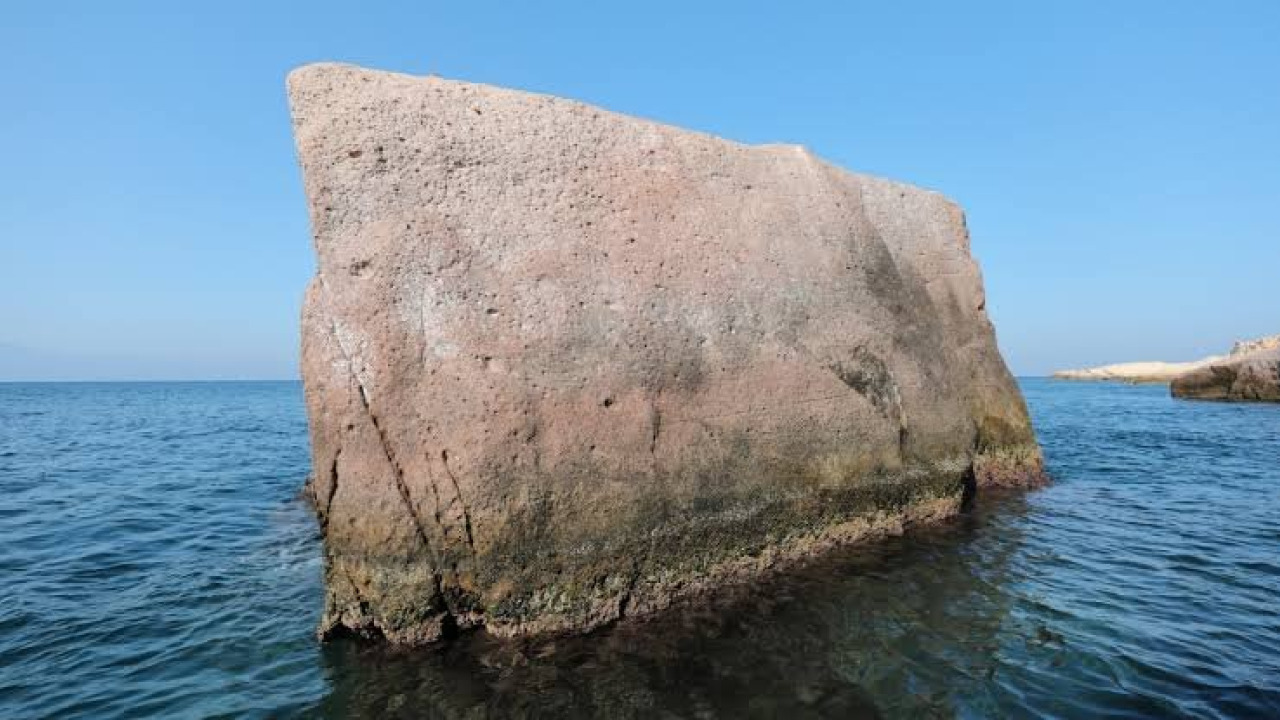
Off the coast of Old Foça, the rugged volcanic cliffs on the west and south shores of Orak Island are known in mythology as the Siren Rocks. According to Homer's epic Odyssey, the Sirens were half-bird, half-woman creatures who lured sailors with their enchanting songs, causing them to crash their ships against the rocks.
To survive this perilous passage, the hero Odysseus devised a clever plan. He had his crew plug their ears with beeswax to block out the songs, while he had himself tied firmly to the ship's main mast. Thus, Odysseus became the only sailor in history to hear the Sirens' seductive melodies and escape those waters alive.
Geologically, the Siren Rocks are massive, sculptural blocks of volcanic tuff formed over millions of years by the erosion of wind and waves. Depending on the angle of the sun, the rocks shift through shades of brown, yellow, and terracotta, offering a stunning geomorphological landscape filled with narrow crevices and sea caves.

Mediterranean Monk Seal Sanctuary and Boat Tour Regulations
Beyond the myths, the Siren Rocks are one of Turkey's most critical habitats for the Mediterranean monk seal (Monachus monachus), a species critically endangered worldwide. The semi-submerged caves at the base of the cliffs provide a vital ecosystem for the seals to breed and shelter.
Consequently, Orak Island and the surrounding Siren Rocks have been declared a 1st Degree Natural Site. It is strictly forbidden by law to land on the rocks, swim in their immediate vicinity, spearfish, or approach the caves with private motorized boats.
Daily wooden excursion boats departing from the Küçükdeniz Harbor allow visitors to observe the Siren Rocks from a safe distance. To comply with nature conservation rules, boats reduce engine speeds and minimize noise pollution when approaching the cliffs. To enrich your itinerary, you can explore our İzmir tour routes when planning your day trips.
Comparison: Historic vs. Natural Landmarks of Foça
Comparing the key monuments and protected areas helps in planning an efficient route.
| Landmark | Location & Type | Key Characteristic | Access Rule |
|---|---|---|---|
| Beşkapılar Castle | Küçükdeniz Harbor Entrance | Genoese & Ottoman sea walls | Open to pedestrians; walkable along the promenade |
| Historic Stone Houses | Reha Midilli St. & Inner Alleys | 19th-century Greek andesite architecture | Facades are free to explore |
| Siren Rocks | West Coast of Orak Island | Volcanic tuff & monk seal caves | Landing prohibited; viewable from boat |
| Temple of Athena | Foot of Şeytan Tepesi Acropolis | 6th Century BC sacred site ruins | Panoramic views from the excavation perimeter |
| Ottoman Cemetery | Old Foça Hills | Historic cypress grove & turbaned headstones | Open for pedestrian visits during the day |
Terrain, Coastal Winds, and Travel Safety
While the coastline and stone streets of Old Foça are generally pedestrian-friendly, there are a few terrain details to keep in mind. The stone paving in the historic alleys can be uneven and gapped in some areas.
On the quay line near the fishing harbor, the ground can become slippery due to sea spray. Therefore, non-slip canvas or athletic shoes are recommended. For those joining boat tours, wearing soft rubber-soled sandals or deck shoes is important for safety on the deck.
Foça is famous for the winds that give it its character; the Poyraz (north-east) and Imbat (sea breeze) provide a refreshing effect even in mid-summer. However, the wind can intensify significantly while sailing. We recommend carrying a light windbreaker and ensuring your hat is secured.
A 5-Step Discovery Protocol for Old Foça and the Islands
To experience Old Foça and its mythological sites with a balanced pace, we suggest the following itinerary:
- Küçükdeniz Harbor Stroll: Start your day at the Küçükdeniz quay, where colorful fishing boats are moored, and walk along the walls of Beşkapılar Castle.
- Historic Alleys & Photo Op: Venture into the backstreets to photograph the bay-windowed Greek stone houses, wooden shutters, and bougainvillea-filled courtyards.
- Siren Rocks Boat Trip: Set sail from the harbor toward Orak Island and the Siren Rocks to observe the volcanic formations from the sea.
- Mythology & The "Black Stone" Hunt: Listen to local legends and try to find the famous Karataş (Black Stone) as you wander the streets.
- Aegean Flavors on the Promenade: End your day at the waterfront restaurants with fresh Aegean mezes, Foça olives, and seasonal fish.
Gastronomy and Relaxation in Old Foça
The cuisine of Old Foça is built upon the fresh seafood and olive oil-based herb dishes typical of a coastal Aegean town. Local "çekişte" olives and extra virgin olive oil form the backbone of every table.
At the fish restaurants lining the coast, fresh whiting, red mullet, red seabream, and cuttlefish casseroles are popular choices. Wild Aegean herbs such as samphire, chicory, şevketi bostan (blessed thistle), and arapsaçı (wild asparagus) are served blended with fresh olive oil and lemon.
For dessert, don't miss Foça's famous mastic ice cream and traditional flour cookies from the local bakeries. Additionally, the renowned Foça yogurt made from goat's milk is a local favorite for breakfast and as a side for main courses.
Frequently Asked Questions 5
Where are the Odyssey Siren Rocks located?
The Siren Rocks are located on the steep, cliff-lined western and southern shores of Orak Island, off the coast of the Foça district in İzmir. They can be visited via daily wooden boat tours departing from the Old Foça harbor.
What is Old Foça, and how does it differ from New Foça?
Old Foça is the original historic center built upon the ancient city of Phokaia, known for its historic stone houses, fishing harbor, and castles. New Foça is a more modern resort town located approximately twenty kilometers to the north.
What is the Legend of the Black Stone (Karataş) in Foça?
According to legend, anyone who steps on a mysterious black stone hidden somewhere in the streets of Foça becomes bound to the town by fate. Even if they leave, they will always feel a longing for Foça and will eventually return at some point in their lives.
What are Sirens in Greek mythology?
In Greek mythology and Homer's Odyssey, Sirens are sea creatures, half-bird, half-woman, who lured sailors with their enchanting and sweet songs, drawing them toward the rocks to wreck their ships.
Is it allowed to swim or land on the Siren Rocks?
Because the Siren Rocks and surrounding areas are primary breeding grounds for the endangered Mediterranean monk seal, they are designated as a 1st Degree Natural Site. Landing on the rocks, climbing them, or swimming in their immediate vicinity is prohibited; they may only be viewed from a distance by boat.