The Golden Horn's historic street routes offer a journey through centuries-old neighborhoods, showcasing a stunning array of heritage sites along the waterfront. By booking Golden Horn historic city tours, you can effortlessly explore both the scenic coastline and the hidden gems tucked away in the hillside alleys.
Neighborhoods such as Fener, Balat, Ayvansaray, and Cibali serve as the heart of the Golden Horn's cultural tapestry. With their narrow cobblestone lanes, traditional wooden houses, and diverse places of worship, these areas feel like a living open-air museum. The warmth of local shopkeepers and the charm of traditional boutiques add a personal touch to every step of your walk.
The coastal parks provide spacious areas for relaxation, offering breathtaking views of the historic peninsula's skyline. Every street here tells a story, reflecting the architectural evolution of Istanbul over a millennium. From monumental landmarks to humble alleyways, the Golden Horn is a testament to the city's enduring memory.
Quick Guide: Planning Your Golden Horn Walking Tour
Navigating the historic streets and cultural heritage sites of the Golden Horn requires a bit of planning to make the most of your visit. Timing your trip correctly ensures you can visit the grand mosques and museums during their peak hours.
The following summary table provides the essential operational details and planning tips for your walking tour around the Golden Horn.
| Criteria | Planning Details |
|---|---|
| Primary Destination | Golden Horn Coastline, Istanbul |
| Recommended Duration | 5 to 6 hours |
| Key Route Stops | Fener, Balat, Cibali, and Eyüp |
| Guide Options | Available in English and Turkish |
| Cancellation Policy | Up to 24 hours in advance |
| Booking Advice | At least 1 day prior |
For travelers seeking a curated experience, Golden Horn day trip culture tour options provide a seamless itinerary. These programs efficiently combine the most significant museums and panoramic viewpoints along the shore.
Starting your walk in the early morning is highly recommended to capture the serene atmosphere of the streets before the crowds arrive. To make your journey even easier, the local tram and ferry lines offer practical transport along the route. For a truly local experience, start your day with a fresh simit from one of the neighborhood's historic bakeries.
Must-Visit Cultural Heritage Sites Along the Golden Horn
The landmarks lining the Golden Horn are tangible symbols of the cultural diversity that has flourished here for centuries. The mosques, synagogues, churches, and civic buildings form the core of Istanbul's universal heritage.
Süleymaniye Mosque and Surrounding Alleys
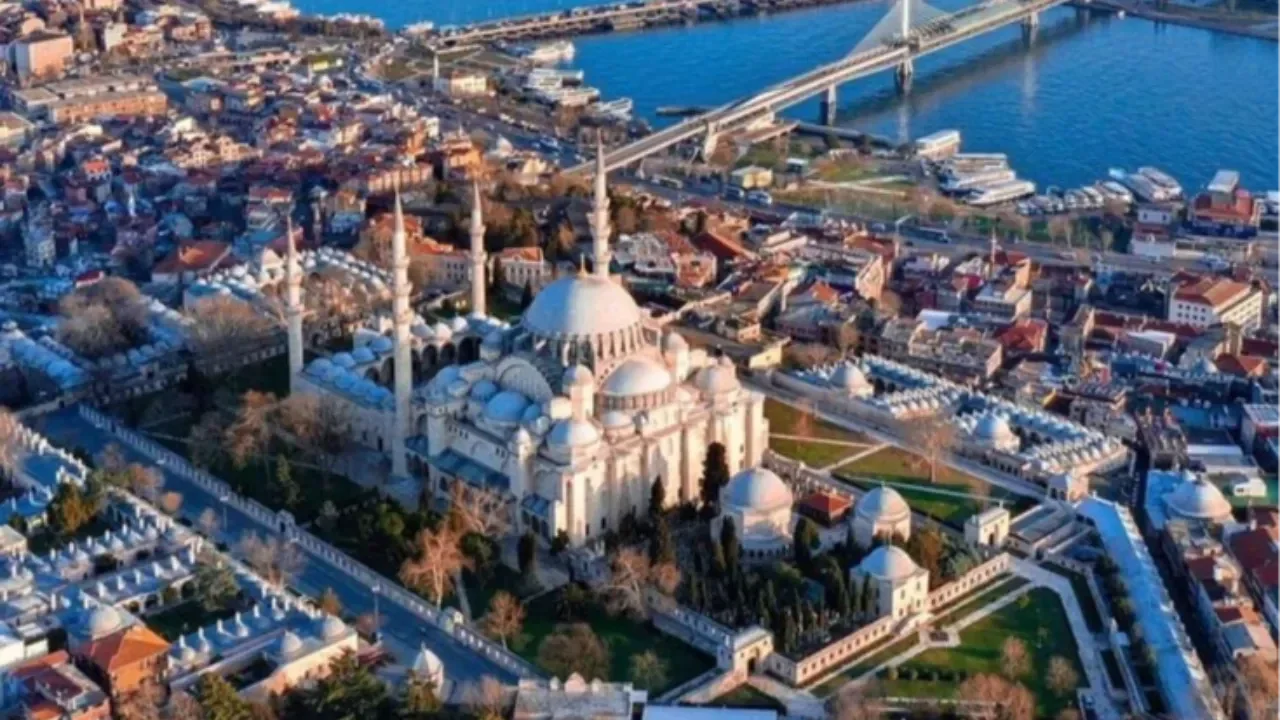
One of Mimar Sinan's absolute masterpieces, the Süleymaniye Mosque, stands majestically on the third hill overlooking the Golden Horn. Its expansive courtyard and surrounding madrasas offer the perfect vantage point to admire the vista of the "Golden Horn" from above. The surrounding streets still retain the authentic atmosphere of a traditional Ottoman neighborhood.
The architectural elegance of the complex blends perfectly with the tranquility of the narrow side streets, allowing visitors to enjoy a panoramic view of both banks of the waterway.
Rahmi M. Koç Museum and the Golden Horn Shipyards
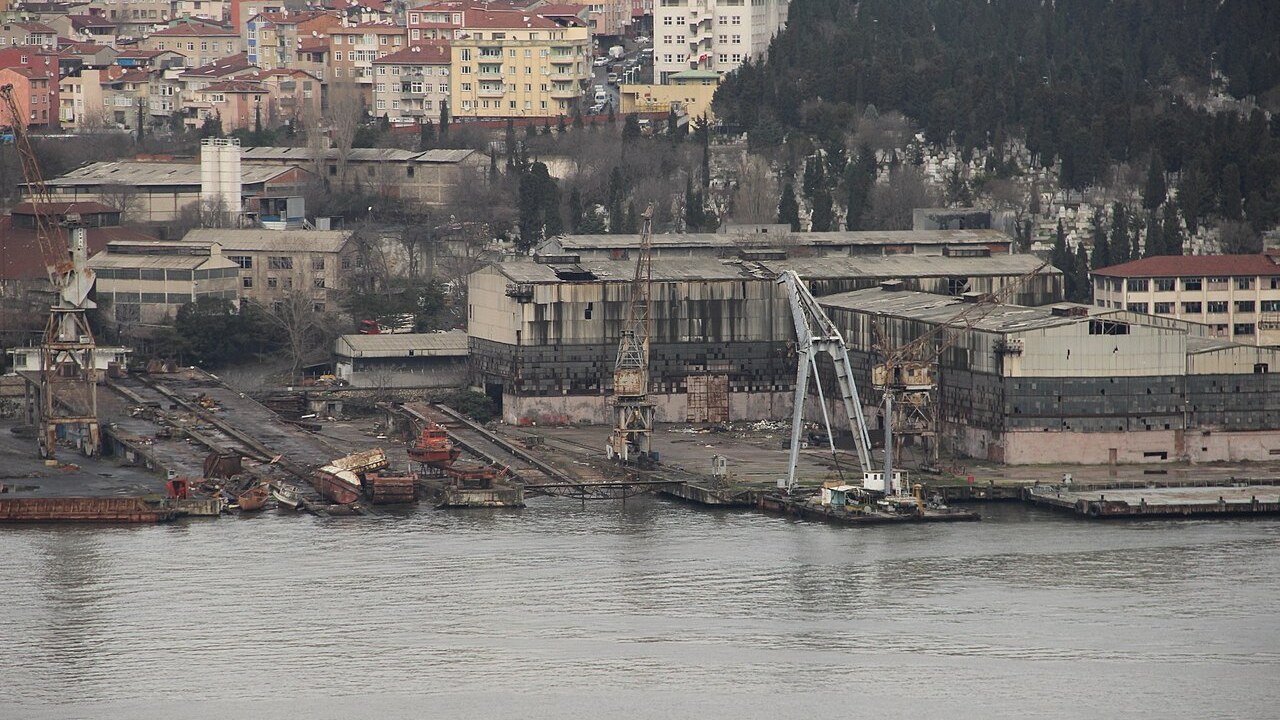
Located on the northern shore, the Rahmi M. Koç Museum is a premier center for industrial heritage. Housed in former shipyard buildings and warehouses, its vast collections shed light on the history of maritime and industrial engineering. A visit here is essential for understanding the industrial evolution of the region.
Travelers who wish to expand their discovery through a museum-focused lens can explore Golden Horn museum tour options to dive deeper into the collections housed in these historic structures.
From submarines and vintage steamboats to classic locomotives, the museum offers an interactive experience. The surrounding shipyard areas are the very places where the Ottoman naval power was forged.
Rezan Has Museum and the Cibali Tobacco Factory
Located within Kadir Has University, the Rezan Has Museum is a fascinating site featuring a Byzantine-era cistern and Ottoman bath ruins. Housed in the restored Cibali Tobacco Factory, the museum seamlessly blends contemporary art with archaeological treasures.
The industrial brick architecture of the factory reflects the Golden Horn's manufacturing past. Visitors can observe the layers of history by exploring the cistern ruins located on the ground floor.
Practical Tips for Walking the Historic Streets
Walking the steep, narrow slopes of the Golden Horn requires the right footwear and a bit of preparation. Because the historic character of the area is preserved, you will encounter many traditional stone-paved streets.
To better plan your journey, you can review Golden Horn walking tour options to understand the distribution of slopes and stairs. Using map apps is highly recommended when navigating the winding alleys of Balat and Ayvansaray to save time.
As you explore, please be mindful that these narrow streets are the daily living spaces of local residents. When taking photographs, we encourage you to respect the privacy and natural flow of neighborhood life.
Terrain and Pacing
The hills of Fener and Balat can be quite steep. To avoid slipping on the stone pavements, wear sneakers or walking shoes with strong grip. Keep a steady pace and take short breaks at local neighborhood coffee houses to recharge.
The steep staircases are a photographer's dream, offering unique angles of the city. However, always prioritize safety and take your time while climbing or descending.
Packing Essentials
If you are planning a full day of exploration along the Golden Horn, we recommend bringing the following:
- Comfortable, non-slip walking shoes
- A scarf or shawl for visiting mosques and churches
- A reusable water bottle to stay hydrated
- A portable power bank for your camera and phone
Follow this 5-step protocol for a highly efficient visiting experience:
- Starting Point: Begin your walk early in the morning at the Cibali Gate or Fener Pier.
- Hidden Alleys: Venture away from the main roads into the colorful houses and stepped slopes of Balat.
- Architectural Gems: Visit the houses of worship and monuments, observing local customs of silence and respect.
- Scenic Break: Stop at the lookout points on the hills for a panoramic view of the Golden Horn and the historic peninsula.
- Return to Shore: End your journey by descending toward Ayvansaray or Eyüp to enjoy a final stroll along the waterfront.
Budget Planning and Service Details for Your Visit
When booking organized Golden Horn tours, budget planning involves balancing the included package services with your personal spending. Professional guides are highly recommended to ensure you get the authentic history and stories behind the landmarks.
The following table compares the services typically included in an organized culture tour versus the expenses handled by the participant.
| Service Item | Included in Tour Package | Individual Participant Responsibility |
|---|---|---|
| Transportation | Comfortable round-trip transfers | Personal taxis or additional transfers |
| Entrance Fees | Miniatürk and cable car tickets (as per program) | Personal museum fees and special permits |
| Guide Support | Licensed professional multi-lingual guide | Activities during free time |
| Dining | Scheduled free-time breaks | Lunch, snacks, and beverages |
| Booking Terms | Confirmation at least 1 day prior | Personal travel insurance |
For those interested in alternative routes, you can read our Fener Balat and Golden Horn History Guide: Coastal Routes for more detailed walking tips. These guides are excellent for getting a feel for the neighborhoods before you arrive.
Many of our programs offer flexibility, including free cancellation up to 24 hours before the tour departure. We recommend booking early to ensure availability.
Transportation and Pier Connections Along the Golden Horn
Getting around the historic neighborhoods of the Golden Horn is remarkably easy thanks to the integration of public transport and maritime routes. Rail systems and city ferries allow you to bypass traffic and move smoothly between sites.
Trams and Ferry Services
The T5 Cibali-Alibeyköy tram line provides direct access to all major historic stops on the southern shore. The Fener, Balat, and Eyüpsultan stops are just a few minutes' walk from the main exploration points. Riding the tram while watching the Golden Horn glide by is an experience in itself.
For those who prefer the water, the Üsküdar-Eyüp ferry line offers a nostalgic transit route between piers. Viewing the historic buildings from the water provides a completely different architectural perspective.
Rest Stops Along the Route
The green parks along the shoreline offer fresh air and shaded areas for a quick break. You can unwind at one of the many waterfront cafes with a traditional glass of Turkish tea.
The continuous pedestrian paths are safe for both walkers and cyclists. Along the way, you will find information panels providing brief historical summaries of the neighborhoods.
Final Notes for a Perfect Golden Horn Experience
The historic streets of the Golden Horn blend the echoes of the past with the vibrancy of modern city life. Getting lost in these alleys is the best way to feel the true soul of Istanbul and create lasting memories.
To enhance your itinerary, we suggest exploring guided tour options in the Golden Horn tailored to your interests. Discovering these streets with an expert guide allows you to understand the deep architectural and historical context of the structures.
A day spent on the shores of the Golden Horn is the perfect way to rediscover Istanbul's ancient bond with the sea. By respecting the local culture and the fabric of the streets, you help preserve this heritage for future generations.
Frequently Asked Questions 6
What should I eat in the Golden Horn area?
In the historic neighborhoods along the Golden Horn, you can sample the finest examples of traditional Turkish cuisine, fresh seafood, and famous local delicacies. The historic bakeries, cozy cafes, and waterfront restaurants in Balat and Fener offer a mix of regional flavors and seafood. We highly recommend trying local pastries paired with freshly brewed tea at a neighborhood coffee house.
What is happening in the Golden Horn today?
Today, the Golden Horn is a hub of activity, featuring art exhibitions in restored historic factories, walking events in coastal parks, and cultural heritage tours. Modern cultural centers and open-air event spaces provide a dynamic social life throughout the day. Art galleries and workshops host various events and programs every week.
Is the Golden Horn clean?
Yes, thanks to comprehensive environmental cleanup and seawater circulation projects carried out in recent years, the Golden Horn has regained a clean marine environment. Marine life has returned, and the shoreline has become a 'living valley' where people fish, enjoy water sports, and relax in green spaces. Water quality is continuously monitored by treatment plants along the coast.
Where is the Golden Horn located?
The Golden Horn is a natural inlet and waterway on the European side of Istanbul, separating the historic peninsula from the Beyoğlu plateau. This strategic bay, located at the entrance of the Bosphorus, extends northwest to the confluence of the Alibeyköy and Kağıthane streams. Due to its geography, it has served as a protected naval base for thousands of years.
What is the Golden Horn connected to?
Geographically, the Golden Horn is a historic waterway situated between the Fatih, Beyoğlu, and Eyüpsultan districts of Istanbul. As a natural extension of the Bosphorus, this inner harbor has formed the center of Istanbul for centuries, flanked by deeply rooted settlements. Transitions between neighborhoods are made via bridges and boats.
Where is the Golden Horn Bridge?
The Golden Horn Bridge (Haliç Köprüsü) is a strategic point on the E-5 highway, connecting the neighborhoods of Ayvansaray and Halıcıoğlu. In addition to this main bridge used by Metrobus and vehicle traffic, the Galata, Atatürk, and Golden Horn Metro bridges also serve the area, ensuring seamless transportation between the two banks.