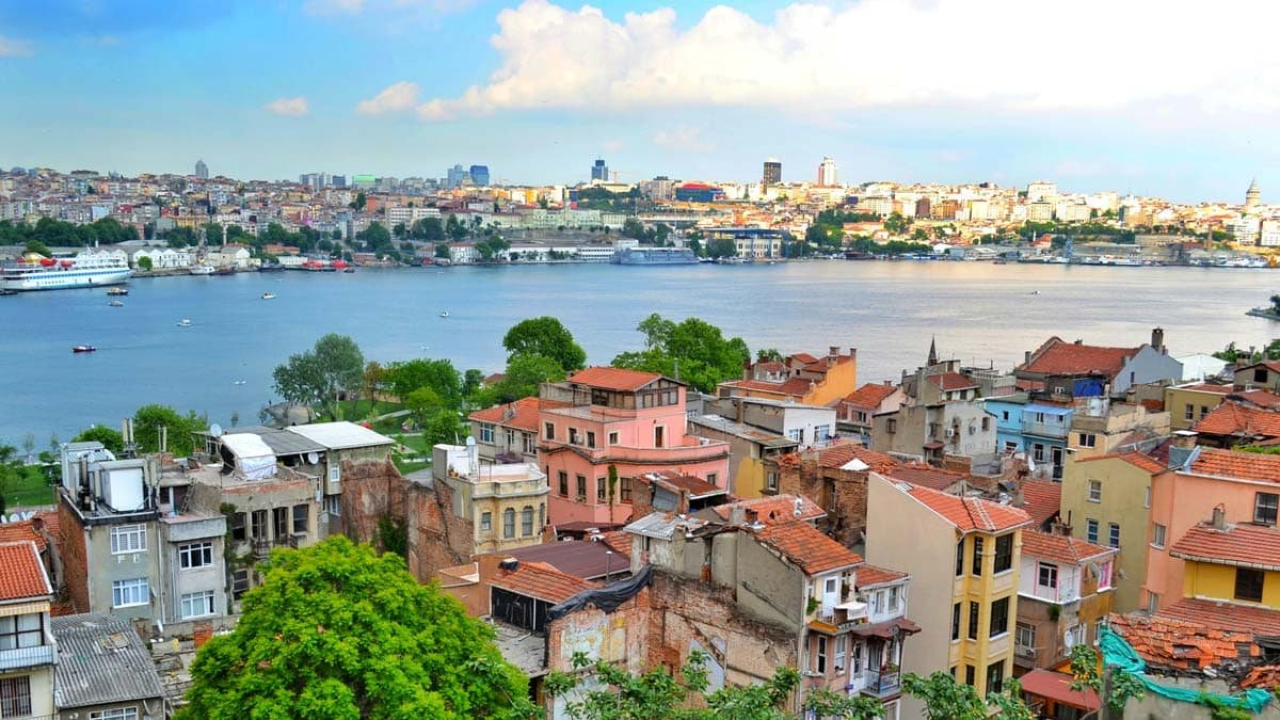

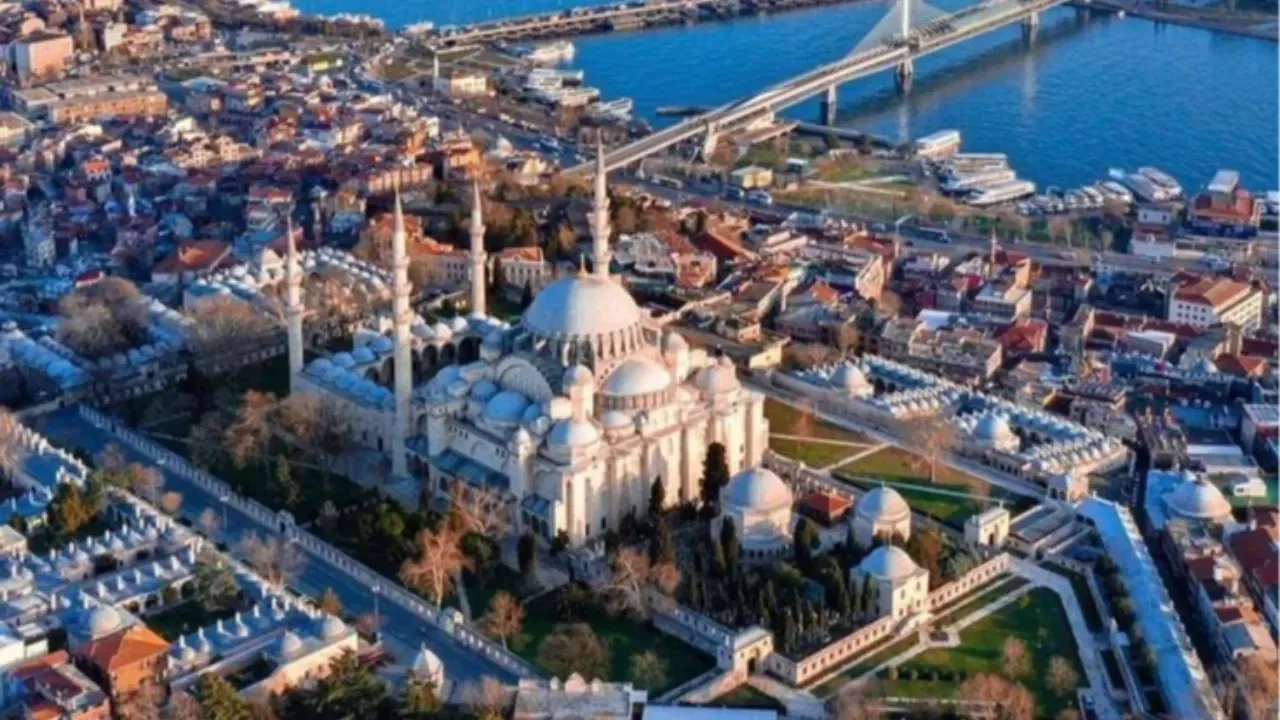
To truly feel the multi-layered, millennia-old heritage of Istanbul in its most vibrant form, one must follow the Historic Golden Horn City Tours. Overlooking the tranquil waters of the Golden Horn, the neighborhoods of Cibali, Fener, and Balat house a rich cultural mosaic, ranging from Byzantine walls and Ottoman mansions to Orthodox patriarchates and historic synagogues.
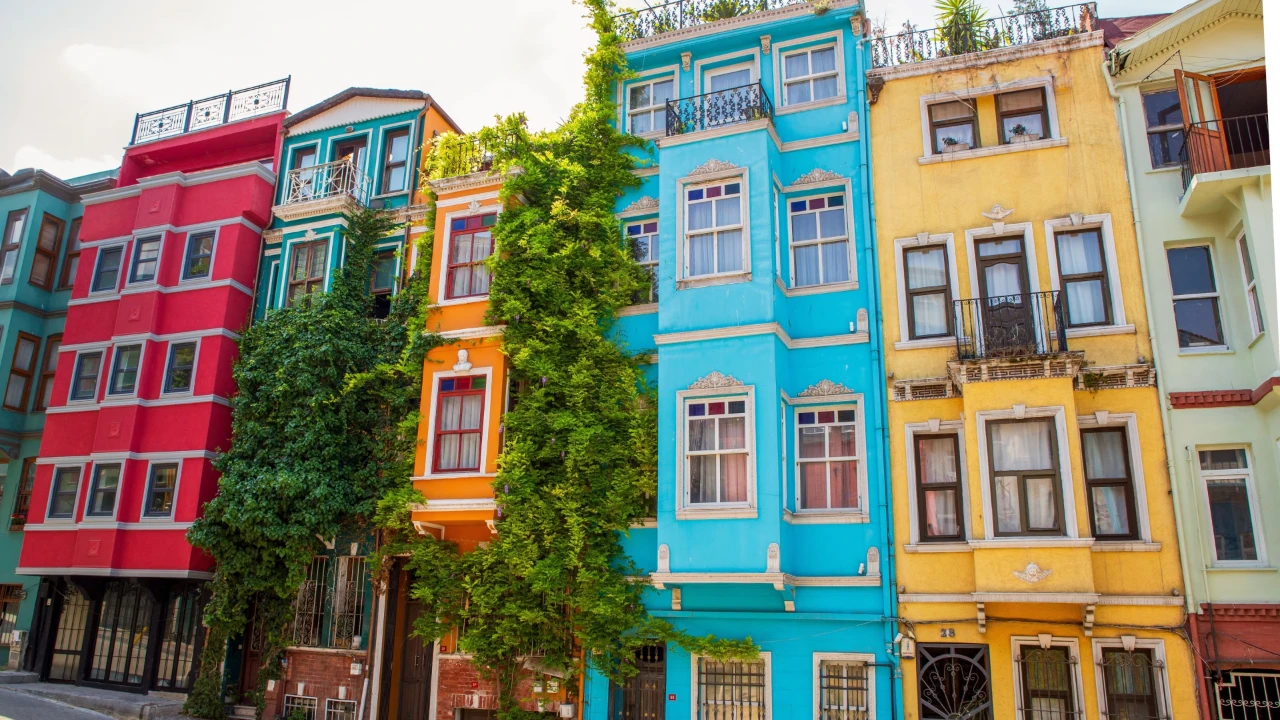
With their bay-windowed wooden houses lining the coast, narrow cobblestone alleys, and nostalgic antique shops, these streets offer visitors a genuine journey through time. Having served as a peaceful coexistence zone for diverse faiths and communities for centuries, these ancient districts act as a mesmerizing open-air museum for travelers seeking the true soul of Istanbul.
In this comprehensive field guide, we have meticulously curated everything you need to know, from where to start your walk to essential historical landmarks, best photo spots, and public transport tips.
Quick Facts for Your Fener & Balat Walking Tour
Understanding the basic logistics of the historic waterfront will help you plan a much more efficient itinerary.
| Feature | Practical Visitor Summary |
|---|---|
| Main Route | Cibali Gate, Fener waterfront, Balat streets, and Ayvansaray |
| Recommended Duration | Average 3 to 4 hours (including photography and breaks) |
| Terrain & Surface | Cobblestone streets and moderate uphill slopes |
| Ideal Visiting Time | Weekday mornings and calm spring days |
| Transport Options | T5 Tram line, Golden Horn ferries, and coastal buses |
| Visual Highlights | Colorful bay-windowed houses, historic churches, and antique shops |
Multicultural Historical Layers on the Golden Horn
Since the Byzantine era, the shores of the Golden Horn have served as the city's most protected natural harbor and gateway to trade. Maintaining its multicultural fabric even after the conquest by Fatih Sultan Mehmet, these neighborhoods carry the rich, shared heritage of Greek, Jewish, Armenian, and Turkish communities into the present day.
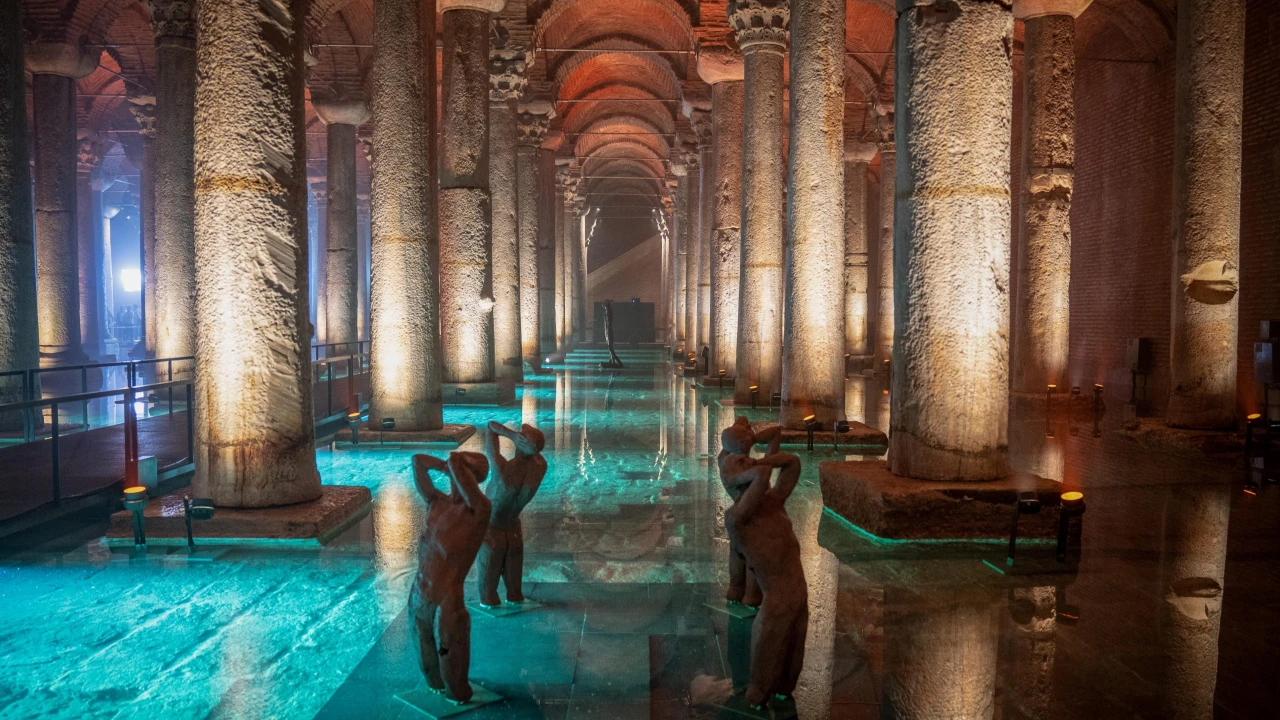
As you walk from the Cibali coast toward Balat, you will encounter different architectural styles at every corner. On one side, you might see Byzantine-era cisterns showcasing intricate brickwork; on the other, grand Ottoman-era mansions with traditional wooden bay windows (cumba) rise above the streets.
For guests wishing to grasp the region's deep history more profoundly, we recommend exploring our Istanbul historical and cultural tour routes to join thematic city tours led by professional guides.
Cibali Gate and the Historic Tobacco Factory
As one of the Byzantine gates opening onto the Golden Horn, Cibali Gate is the traditional starting point for your walk. Right next to it stands the old Cibali Tobacco Factory, now beautifully restored as Kadir Has University, which remains one of the city's most significant industrial heritage sites.
The Ecumenical Patriarchate of Constantinople and St. George
The Patriarchate, considered the spiritual center of the Orthodox world, features a peaceful courtyard hidden behind high stone walls. Within the courtyard, the historic St. George Church offers a mystical atmosphere with its gold-leaf iconostasis and centuries-old relics.
Phanar Greek Orthodox College (The Red School)
Rising like a fortress on the hill, this magnificent red-brick building is the most recognizable architectural icon of the Golden Horn skyline. Built in the 19th century using red bricks imported from Marseille, the school’s sheer scale and architecture are breathtaking.
St. Stephen the Bulgarian Iron Church and the Waterfront
One of the world's rarest structures built entirely of cast iron, the Bulgarian Church of St. Stephen was cast in Vienna and transported to the Golden Horn by ship. With its gleaming white body and golden dome, it is a dazzling stop along the waterfront.
Balat Merdivenli Yokuş and the Antique District
Merdivenli Yokuş, where colorful bay-windowed houses are lined up along a stepped street, is a favorite among photographers. At the bottom of the slope, you will find an antique district filled with shops hosting auctions and nostalgic cafes.
Architectural and Cultural Comparison of Golden Horn Neighborhoods
The following table summarizes the distinctive characteristics of the four main areas you will pass through on your route.
| Neighborhood | Historical Identity & Texture | Key Landmarks | Visitor Experience |
|---|---|---|---|
| Cibali | Industrial heritage and ancient gates | Cibali Gate, Tobacco Factory, Gül Mosque | A calm start with riverside walking |
| Fener | Historic center of the Greek community | Patriarchate, St. George, Red School | Religious history, stone mansions, steep hills |
| Balat | Jewish heritage and vibrant neighborhood life | Merdivenli Yokuş, Ahrida Synagogue, Antiques | Lively bazaars, photo ops, and trendy cafes |
| Ayvansaray | Byzantine walls and spiritual stops | Tekfur Palace, Blachernae Cistern, Holy Springs | Remaining wall ruins and a peaceful end |
A 5-Step Protocol for Your Fener & Balat Walking Route
To explore the area efficiently without exhaustion while following the historical chronology, we recommend this itinerary:
- Start at Cibali Coast: Take the T5 tram to the Cibali stop and begin your walk in front of the historic tobacco factory and the city gate.
- Visit the Patriarchate and Iron Church: Follow the waterfront toward the Fener pier, visiting the St. Stephen Iron Church first, followed by the Patriarchate in the inner streets.
- Climb to the Red School: Head up through the narrow streets behind the Patriarchate to get a close-up view and photo of the imposing Phanar Greek Orthodox College.
- Balat's Merdivenli Yokuş and Colorful Houses: Descend gently from the hill into the streets of Balat to see the iconic Merdivenli Yokuş and the colorful houses of Kiremit Caddesi.
- Antique District and Coffee Break: Conclude your trip by browsing the antique shops on Vodina Street and enjoying a Turkish coffee paired with traditional tahini cookies from a local bakery.
Live Tour Products and Travel Assurance
For guests who prefer learning the deep history of the Golden Horn from experts rather than hearsay, our curated tours offer immense value.
In particular, our Istanbul Golden Horn Prestige Tour (No. 779) provides guests with both comfortable hotel transfers and professional, licensed guiding that narrates the multicultural memory of the region step-by-step. The tour includes special permission to visit the interiors of historic churches, mosques, and civil architecture examples.
Through these organized programs, visitors reach the most precious sites without wasting time or worrying about navigating narrow alleys. Furthermore, the experience is enriched with a traditional lunch menu served at a historic restaurant on the Golden Horn.
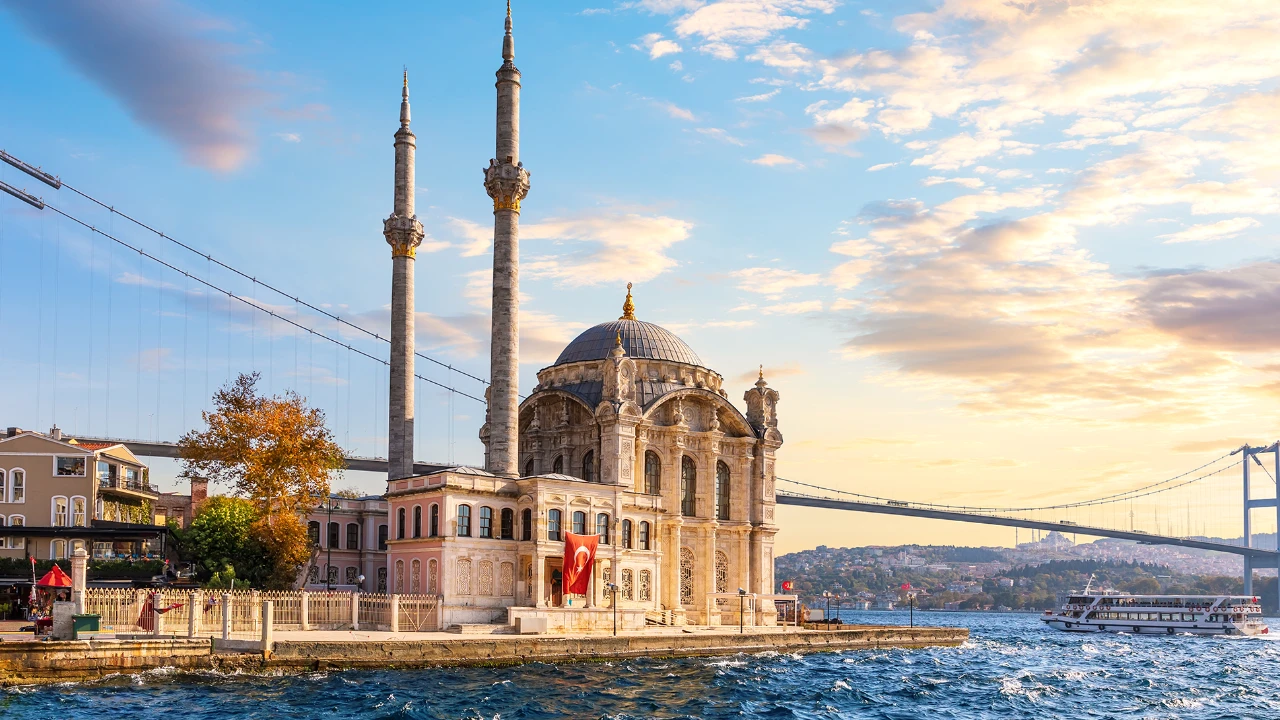
For those wishing to view Istanbul's other enchanting coastlines from the water, you can complement your land exploration with a sea journey by checking our Bosphorus boat tours page.


Practical Tips and Packing Suggestions for Your Walk
The streets of Fener and Balat require attention to walking comfort due to their historic stone pavements and steep steps. To ensure an enjoyable trip, keep these essentials with you:
- Thick-soled, orthopedic sneakers to protect your feet on cobblestones.
- A powerful portable power bank to ensure you never run out of battery while photographing.
- A brimmed hat and sunglasses for sun protection during summer months.
- A light shawl to respect clothing etiquette when entering religious sites.
- A lightweight reusable water bottle to stay refreshed using historic street fountains.
While many boutique antique shops in the area accept credit cards, it is practical to carry some cash for street vendors selling simit or for small second-hand bookstores.
On weekends, especially in the afternoons, Balat's streets become crowded with both local and international visitors. To capture peaceful photos in front of the colorful houses and soak in the atmosphere, it is wise to choose weekday mornings.
Walking the traces of the past along the Golden Horn will etch Istanbul's timeless, aesthetic soul into your memory.
The historic inns, hamams, and examples of civil architecture along the Golden Horn serve as an invaluable open-air documentary of the city's transformation over time. While walking these streets, it is possible to encounter Ottoman-era stone fountains at every corner and sip strong tea under centuries-old plane trees.
Balat's sincere neighborhood culture, with colorful laundry hanging from windows and friendly locals chatting in front of their doors, continues to preserve the warm, communal atmosphere of Istanbul that is so rare to find elsewhere today.
Ending your day by watching the sunset in the coastal parks of the Golden Horn allows you to conclude your journey with a serene and aesthetic memory.
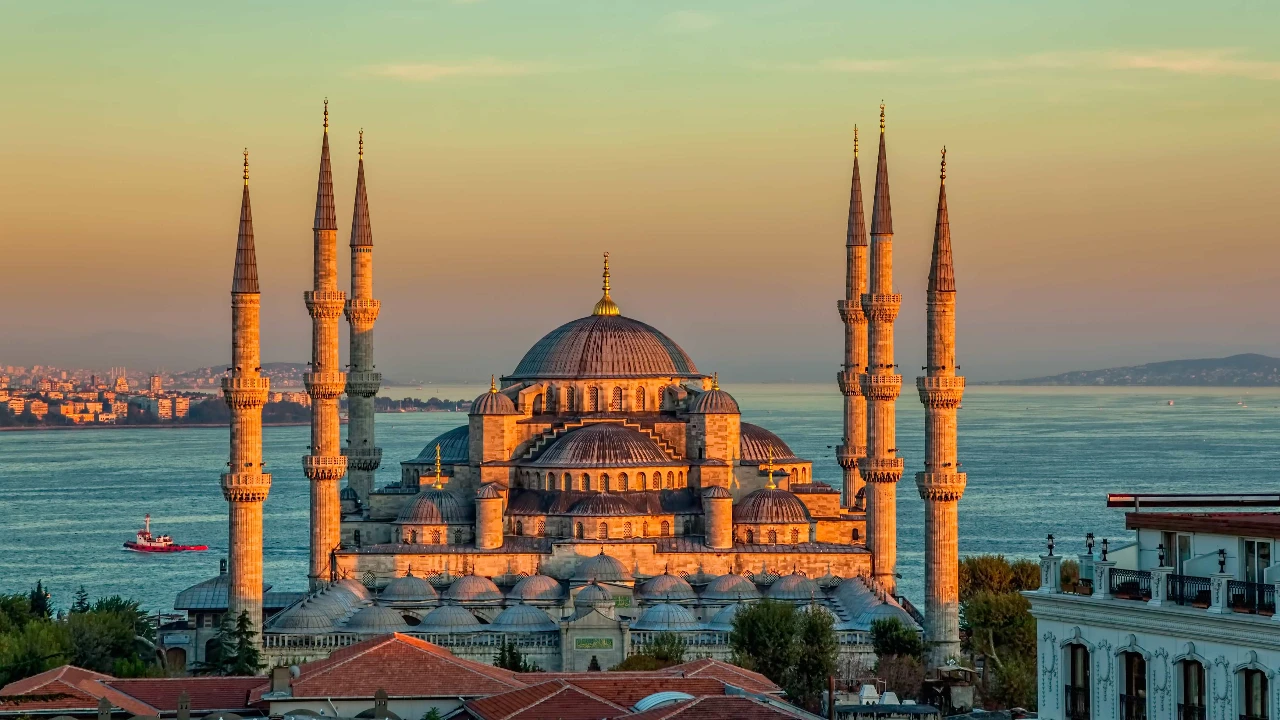
For photography enthusiasts, watching the silhouette of the Historical Peninsula from the Golden Horn at sunset is an unmissable opportunity to capture the city's mesmerizing golden domes and minarets.
Frequently Asked Questions 5
Where should the Golden Horn, Fener, and Balat walking tour begin?
The most ideal route for following historical chronology is to start in front of the Cibali Gate and Kadir Has University and proceed toward Fener and Balat.
What are the visiting hours for the Ecumenical Patriarchate and the Iron Church?
The Patriarchate and St. George Church are open daily from 08:30 to 16:00, while the St. Stephen Iron Church is open from 09:00 to 17:00.
What are the best times for photographing the streets of Balat?
The best time to capture the colors of the bay-windowed houses and take peaceful shots away from the crowds is between 09:00 and 11:30 in the morning.
How can I use public transport and ferries on the Golden Horn route?
The neighborhoods are very easily accessible using the T5 Cibali-Alibeyköy tram line or the Golden Horn ferry lines from Eminönü or Alibeyköy.
What are the advantages of joining a guided Golden Horn culture tour?
Tours led by expert guides offer the opportunity to deeply learn about the hidden historical gates, religious symbols, and multicultural architectural layers tucked away in the narrow streets.