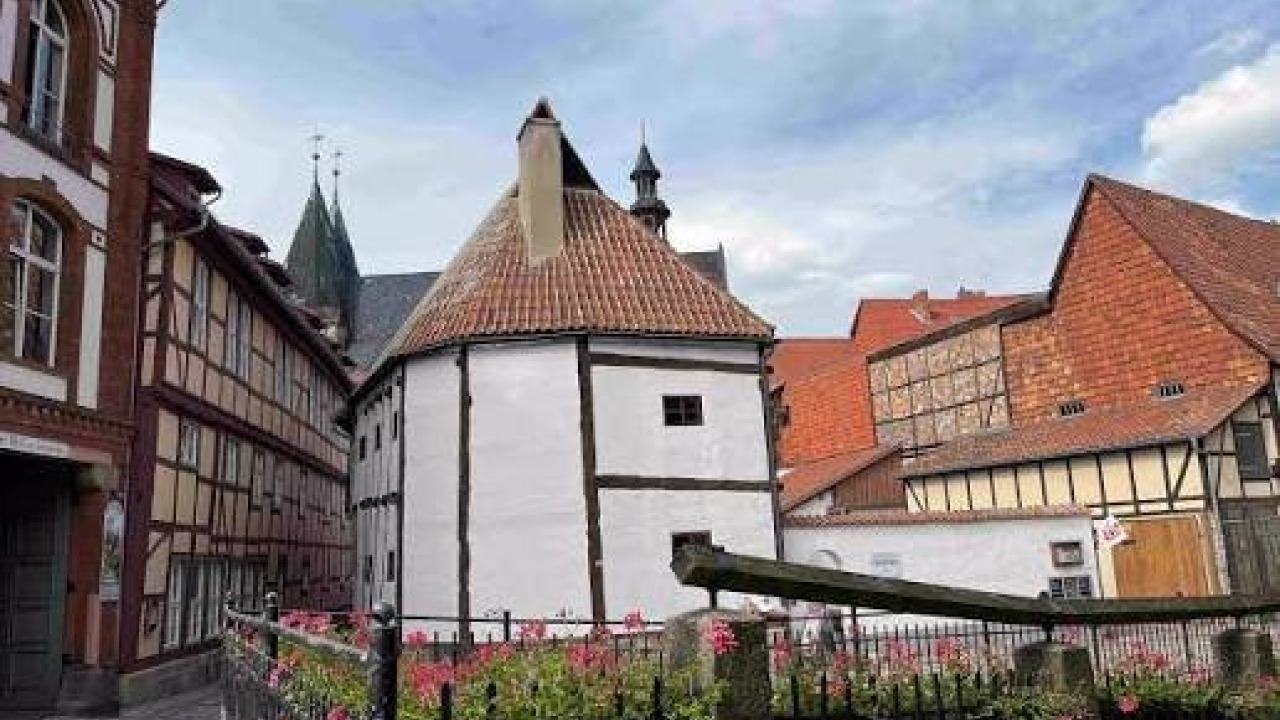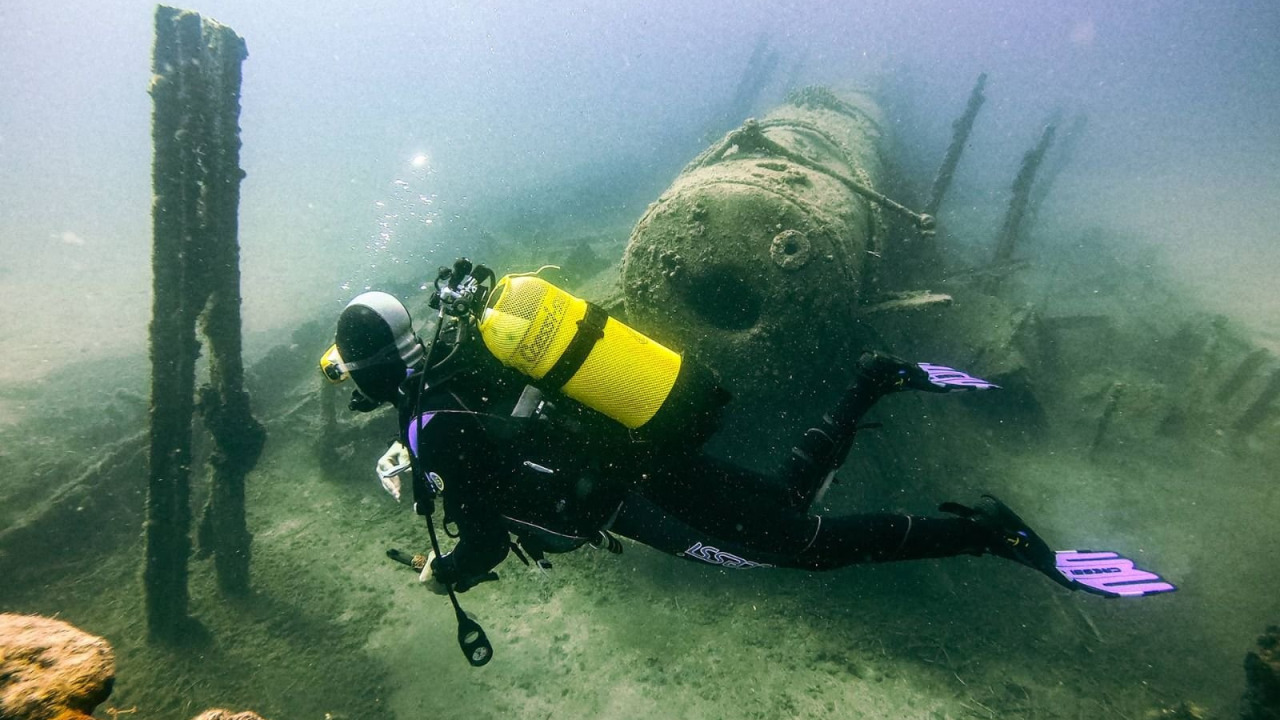
While most divers dream of vibrant coral reefs, tropical fish, and natural underwater caves, there is a specialized community drawn to the depths by military history, archaeology, and the mystery of shipwrecks. For these divers, the ultimate thrill lies in approaching the massive remains of warships lost in naval battles. A Gallipoli diving tour offers exactly this—a unique experience that merges historical tourism with underwater exploration. These waters, where the Çanakkale Strait meets the Aegean Sea, bore witness to the heavy naval battles of 1915. After decades of being protected, the area was officially opened to civilian diving in 2021. In this guide, we will walk you through the park's concept, its iconic wrecks, diving levels, the strait's currents, the best seasons, the importance of historical respect, and how to get there.
At Travel Tour Shop, we know the Çanakkale and Gallipoli regions intimately. We evaluate local dive centers and transportation options based on our own high service standards. Our goal is to help you connect with the right resources to plan a dive that matches your skill level and expectations. To explore our other underwater and snorkeling options, feel free to browse our diving and snorkeling tours list.
What is the Gallipoli Historical Underwater Park?
The Gallipoli Historical Underwater Park is an official project designed to open wartime shipwrecks located in the Çanakkale Strait and off Seddülbahir to dive tourism within a protected framework. The goal is twofold: to preserve the underwater military heritage and to transform this legacy into a conscious, educational visitor experience. The park elevates diving from a purely recreational sport to a structured, guided activity steeped in historical context.
A Battlefield Opened to Civilian Diving in 2021
The waters where the Çanakkale Naval Battles took place remained a restricted military zone for many years. This protection ensured that the wrecks remained largely undisturbed and unlooted. In 2021, the area was officially declared a Historical Underwater Park, opening it to regulated civilian diving tourism. This milestone was promoted by development agencies, tourism institutions, and underwater sports federations, making the park a landmark for heritage tourism in Turkey.
14 Wrecks Across a 150-Kilometer Area
The park spans a vast maritime area of approximately 150 square kilometers, encompassing 14 distinct shipwreck sites. These sites range from ship remains in shallow waters to deep-sea armored wrecks that attract advanced divers. This variety in depth makes the park a meaningful destination for both newly certified divers and experienced technical divers. Local dive centers plan these excursions based on your certification level and current weather conditions.
Which are the Iconic Wrecks of the Underwater Park?
At the heart of any Gallipoli diving tour are the massive wrecks that once changed the course of history. The following shipwrecks are must-see sites for divers due to both their historical significance and their imposing underwater presence.
HMS Majestic: The 128-Meter Giant
The HMS Majestic was a 128-meter-long battleship belonging to the British Royal Navy. It was sunk on May 27, 1915, after being torpedoed by the German submarine U-21. Lying on a sandy bottom at a depth of approximately 18–24 meters off Seddülbahir, its relatively shallow position makes it accessible to divers of various levels. Its massive funnels and the remnants of its hull allow divers to feel the true weight of history.
HMT Lundy: The Upright Trolley on the Seabed
The HMT Lundy is remembered as an approximately 188-ton British minesweeping vessel that sank in 1915. According to records, the ship sits at a depth of about 27 meters, standing almost perfectly upright on the seabed as if it were still sailing. Its bridge, holds, and propeller remain largely intact. Surrounded by schools of fish, it creates a stunning scene for underwater photographers.
HMS Triumph and French Landing Ships
For more advanced divers, the HMS Triumph is a battleship wreck located at depths of approximately 56–72 meters, requiring technical diving certification (such as Trimix). This wreck is a premier target for experienced deep-sea enthusiasts. On the other end of the spectrum are the French remains, such as the Masséna (a battleship) and the Saghalien (a passenger ship), which were scuttled as breakwaters in Ertuğrul Bay during evacuations. Located at shallow depths of 5–15 meters, these are much more suitable for beginners.
| Wreck | Country / Type | Depth (m) | Note |
|---|---|---|---|
| HMS Majestic | UK / Battleship | 18-24 | 128-meter giant sunk by U-21 |
| HMT Lundy | UK / Minesweeper | ~27 | Trolley ship standing upright on the seabed |
| HMS Triumph | UK / Battleship | 56-72 | Deep wreck for technical (Trimix) divers |
| Masséna / Saghalien | France / Scuttled ships (Battleship + Steamer) | 5-15 | Shallow remains used as breakwaters |
What Certification Do You Need for a Gallipoli Diving Tour?
Because the depths of the wrecks in the park vary significantly, the required certification level depends on your chosen dive site. Matching your skill level to the right site is crucial for both safety and the quality of your experience.
Shallow Wrecks for Beginners
Ship remains in shallow waters and sites with relatively low depths are suitable for divers holding a basic Open Water certification. At these sites, divers can witness history by observing the wrecks from the perimeter. For new certificate holders, a guided introductory dive can serve as excellent preparation for deeper sites in the future. If you want to compare different underwater and sea-based options, our sea adventure tours list can be a helpful resource.
Wreck and Deep Diving Certifications
For dives that involve exploring the interior of a wreck, Wreck Diver training is recommended. For deeper sites, Deep Diver certification and, where necessary, Trimix proficiency are essential. Wrecks like the HMS Triumph, which exceed 50 meters, are not suitable for divers without technical diving experience. These types of dives require specialized knowledge in mixed-gas usage, decompression planning, and advanced equipment handling. A fundamental principle of diving safety is never to attempt a dive that exceeds your training and certification level.
Çanakkale Strait Currents and Diving Safety
The primary factor that distinguishes diving in Gallipoli from many other destinations is the powerful current of the Çanakkale Strait. This current is a critical element of dive planning and makes working with experienced local guides mandatory.
Understanding the Strait Currents
The Çanakkale Strait is known for its surface current flowing from the Marmara Sea toward the Aegean; this current fluctuates in intensity depending on the time of day and the season. Since some wreck sites are located in waters heavily influenced by these currents, dives are planned around "windows" of calm water. Local dive centers monitor current and visibility conditions to decide which sites are suitable for diving on any given day. Consequently, it is normal for schedules to be adjusted based on weather and sea conditions.
Guided Diving and Equipment
Dives in the region are conducted alongside licensed dive centers and experienced guides. Using reference lines on wrecks, maintaining proper buoyancy/weighting, and following group discipline are vital when currents are present. Using a wetsuit appropriate for the water temperature, having a sufficient air plan, and using a surface marker buoy (SMB) will greatly enhance your diving comfort. To ensure both safety and the preservation of the wrecks, a regulated, guided approach is always preferred over individual free diving.
When is the Best Season for Diving in Gallipoli?
Timing directly impacts underwater visibility and comfort. Generally, the period from late spring to early autumn offers the best conditions, as water temperatures rise and sea conditions become calmer. The summer months are considered ideal for most divers due to warmer waters and longer daylight hours. In early spring and late autumn, the water can be cooler, requiring a thicker wetsuit. During the winter months, rough seas and low visibility may limit diving programs. It is always wise to consult with a local center to confirm current weather and current conditions before finalizing your dates.
Respecting History: A Framework of Dark and Peace Tourism
What truly sets the Gallipoli Historical Underwater Park apart from a standard diving route is its connection to "dark tourism" and the concept of peace tourism. Divers do not descend into these waters merely for sport; they dive to pay respect to the young soldiers who lost their lives on these ships a century ago and to witness the remnants of a historical tragedy. The rusted steel hulls and the scars of war evoke deep reflection and a powerful awareness of the value of peace.
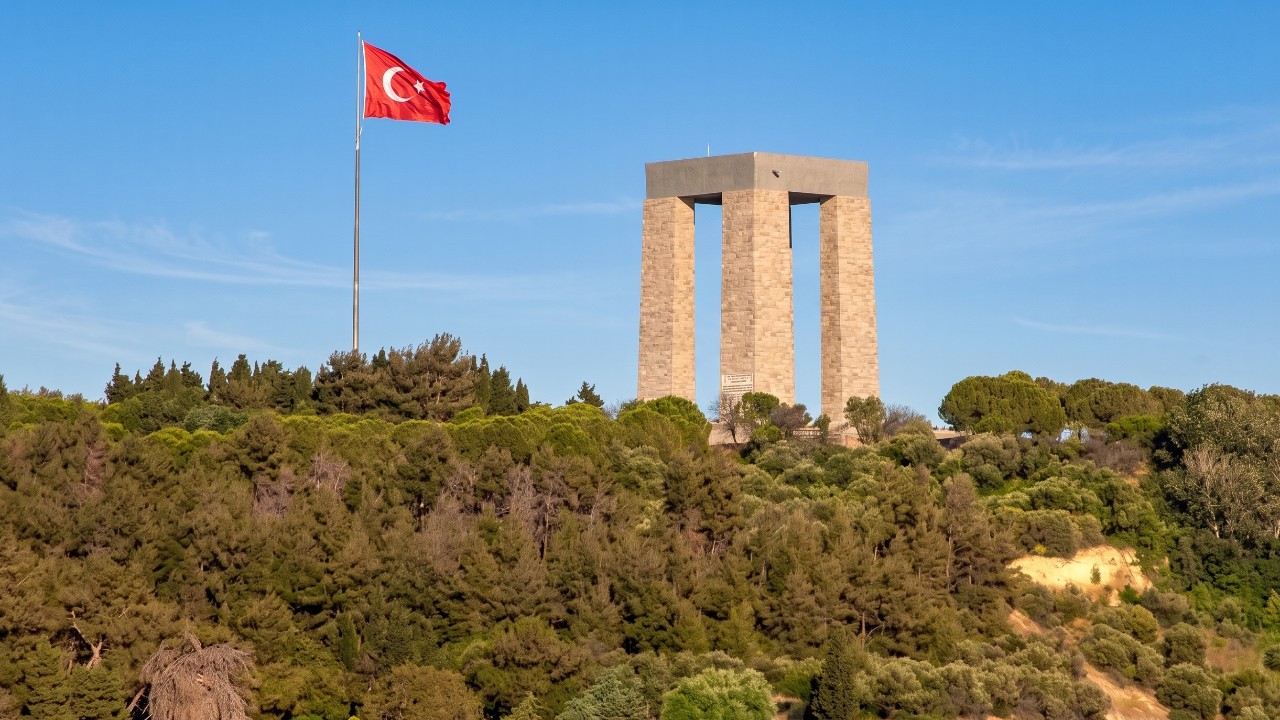
This context requires a certain level of sensitivity during your dive: the wrecks also serve as memorials. Therefore, it is essential not to touch any parts, not to remove anything, and to leave the site exactly as you found it. Above the water, visiting the cemeteries and monuments on the Gallipoli Peninsula turns the experience into a holistic cultural journey. To understand this historical context on land as well, our article on a journey following history with a Çanakkale day tour serves as a perfect complement.
How to Get to the Gallipoli Underwater Park?
The main gateway to the region is Çanakkale. The areas around Eceabat and the historic Kilitbahir on the European side of the strait are located close to the Gallipoli Peninsula diving routes; these can be easily reached by taking a ferry from Çanakkale city center. Some dive centers are located in spots like Güneyli village on the Aegean coast of the peninsula, where they organize dive departures.
The most practical way to reach the city is via road or through regional airports; regular bus services are also available from Istanbul and Izmir. For accommodation, Eceabat, Kilitbahir, and Çanakkale center offer options for various budgets. If you want to explore other tours and travel opportunities in the region alongside your diving trip, check out our current tours page. When planning your trip, it is beneficial to contact your dive center in advance to ensure your skill level aligns with the historical sites you wish to visit.
Frequently Asked Questions 5
Is an advanced certification required for a Gallipoli diving tour?
No, not for every site. Shallow ship remains can be visited with a basic Open Water certification, whereas deep wrecks like the HMS Triumph require technical diving proficiency. The required level depends on the dive site.
What is the best season for diving in Gallipoli?
The period from late spring to early autumn is generally preferred. Water is warmer in the summer and sea conditions are mostly calmer. In winter, rough seas and low visibility may limit programs.
Does the Çanakkale Strait current make diving dangerous?
The strait currents can be strong, so dives are planned during windows when the current is calm. When conducted with licensed dive centers and experienced guides, using proper equipment and group discipline, it can be done safely.
Is it allowed to touch or take pieces from the wrecks?
No. Since the wrecks have historical and memorial value, touching parts or removing anything is prohibited. Leaving the area as you found it is a core part of the park's conservation approach.
Can I combine a Gallipoli diving tour with a Çanakkale trip?
Yes. In addition to seeing the underwater wrecks, visiting the cemeteries and monuments on the Gallipoli Peninsula on land turns the experience into a holistic historical journey.