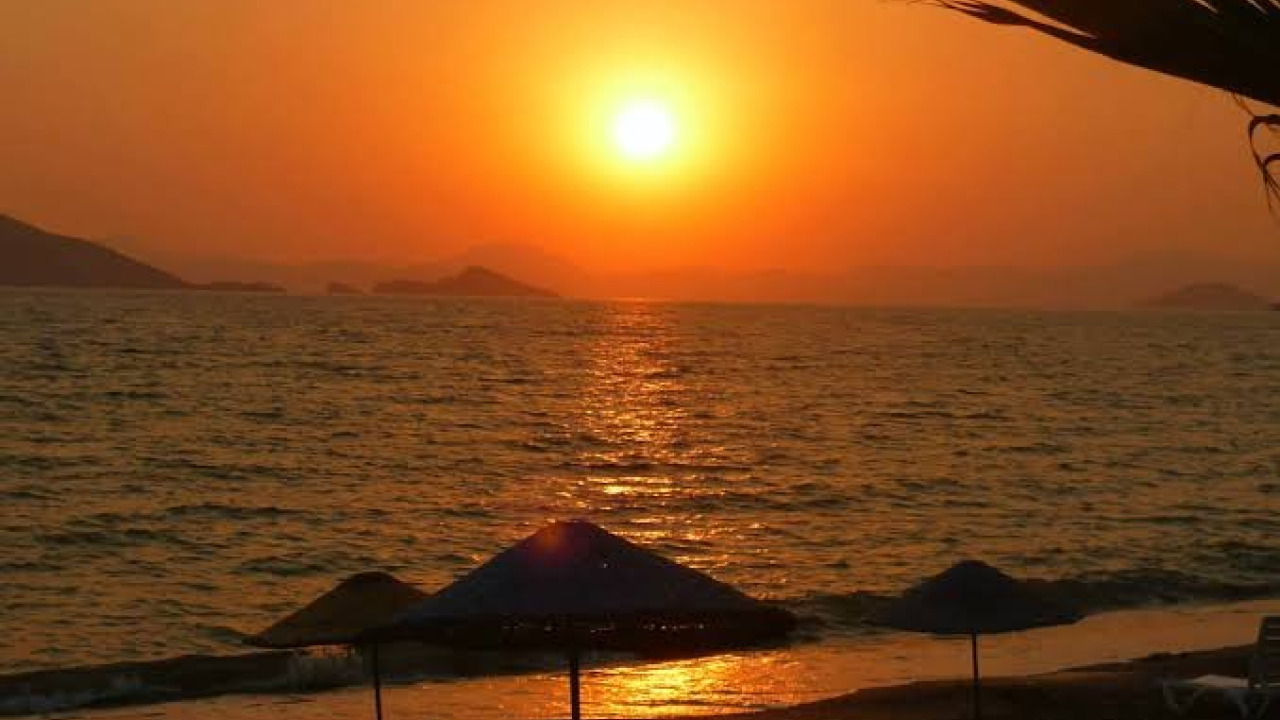
Çalış Beach, a spacious public beach with free entry, stretches for approximately 4 kilometers along the western entrance of Fethiye. It's renowned for the magical light that bathes the bay in the late afternoon. Some visitors come to swim, while others flock to the shore to watch the sun dip behind the islands. This guide will walk you through what Çalış Beach is truly like, the best spots and times for an unforgettable experience, how to get there from Fethiye center by dolmuş or water taxi, what to expect regarding costs for sunbeds and parking, essential tips for families with children, and how to plan itineraries from Çalış to explore Ölüdeniz, Kelebekler Vadisi, Kayaköy, Kabak Koyu, and Saklıkent.
Çalış Beach at a Glance: What Kind of Coastline is it, and Who is it For?
Çalış is a long, flat stretch of coastline facing Fethiye Bay. It's not a secluded lagoon like Ölüdeniz or a small cove like Kaputaş; it's a vibrant urban beach with a promenade, cafes, and accommodation lining its back. Therefore, someone seeking crystal-clear coves won't leave with the same satisfaction as someone looking for an evening stroll along the shore.
Where is it Located?
The beach is part of Fethiye district in Muğla province and administratively falls within the Çalış area of Foça Mahallesi. Locally, the northern extension of the coastline is also known as Kocaçalış; however, dolmuş signs and schedules usually just say "Çalış." Its distance from Fethiye city center is typically cited as 5 to 7 kilometers, a 10 to 15-minute drive. At the northern tip of the coastline lies Şat Burnu and its wetlands, while directly opposite, in the middle of the bay, is Şövalye Adası. These two landmarks frame the evening photographs: one fills the horizon, the other marks the northern direction of the coast.
Sand, Pebbles, and Sea Characteristics
Çalış's seabed is not fine sand. Along the shoreline, you'll find a mix of coarse sand and pebbles, which can feel rough underfoot at the entry points to the water. The depth increases gradually, with no sudden drops in the first few meters. The sea is generally calm in the mornings; in the afternoons, a gentle breeze from the bay brings short waves and a mild current. The water's clarity isn't on par with Ölüdeniz or the coves around Kaş; this is due to the coastline facing an open bay, its seabed structure, and freshwater outflows in the vicinity. The sea becomes warm enough for swimming by late May, reaches its warmest in August, and remains swimmable until mid-October; meaning the swimming season is longer than the coastline itself. In short, visitors here will find a wide and comfortable swimming area, rather than glass-clear waters.
Who is it Suitable For, and Who Might Prefer Alternatives?
Certain visitor profiles consistently enjoy Çalış: families looking to visit the same beach daily during a long stay, those who want to swim in the morning and head to Fethiye center later, people who enjoy walking or jogging along the promenade, and those who come specifically for the evening light. Conversely, visitors seeking crystal-clear water and rocky coves, expecting calm seas in the afternoon, or planning to stay within a single resort all day, might find alternatives like Ölüdeniz, Kıdrak, or Katrancı more suitable.
Quick Facts
| Topic | Information |
|---|---|
| Location | Muğla, Fethiye district, Foça Mahallesi, Çalış area |
| Distance to Fethiye center | Approximately 5-7 km, 10-15 minutes by car |
| Distance to Dalaman Airport | 45-50 km, 45-50 minutes |
| Beach length | Around 4 km, long and flat coastline |
| Surface | Coarse sand and occasional pebbles, gradual deepening |
| Entrance fee | Public beach, free access to the shore |
| Sunbeds-umbrellas | Paid; either a set fee (2 sunbeds + 1 umbrella) or usage in exchange for a certain amount of consumption |
| Transport | Çalış dolmuş (economical option), water taxi in summer, taxi, and private car |
| Sunset | June-July: 20:10-20:25, September: 18:50-19:30 (Local Time, varies by month) |
| Swimming season | Late May to mid-October; water is warmest in August |
| Best time to visit | May-June and September-October; July-August is busy and hot |
| Highlights | West-facing views, Şövalye Adası silhouette, Şat Burnu wetlands |
| Families with children | Shallow and gradual entry suitable, mind the afternoon wind |
| Nearby attractions | Ölüdeniz and Belcekız, Kelebekler Vadisi, Kayaköy, Kabak Koyu, Saklıkent Kanyonu, Katrancı Koyu |
Çalış Sunset: Times and Best Viewing Spots
The beach's most striking feature is its west-facing orientation. As the sun dips behind the islands at the mouth of Fethiye Bay, the horizon is never empty; a beautiful silhouette forms, casting a long path of light across the water. This creates a separate influx of visitors in the evenings, distinct from the daytime crowds. The critical point is timing: the period when the light softens begins approximately 45 minutes before sunset and continues for 20 to 30 minutes after the sun disappears.
Approximate Sunset Times by Month
The following ranges are estimated values calculated for Fethiye's geographical location and may shift by a few minutes year to year. Plan to be on the beach about an hour before the start of these ranges to allow ample time for finding a spot and a leisurely stroll.
| Period | Approx. Sunset (Local Time) | Time to be on the beach | Note |
|---|---|---|---|
| April | 19:25-19:50 | 18:30 | Evening cool, light jacket useful |
| May | 19:50-20:15 | 19:00 | Moderate crowds, clear light |
| June | 20:15-20:25 | 19:20 | Longest days of the year |
| July | 20:10-20:25 | 19:20 | Beach busy, arrive early for a spot |
| August | 19:35-20:10 | 18:50 | High humidity, warm water |
| September | 18:50-19:30 | 18:10 | Favorable period for photography |
| October | 18:05-18:45 | 17:30 | Beach quieter, some businesses close |
Prominent Viewing Spots on the Beach
Your choice of viewing spot depends on which section of the beach you're on. Walking distances are short; a 15-minute stroll before sunset can change the character of your vantage point.
| Beach Section | What it offers | Crowds | Who it's for |
|---|---|---|---|
| Around the water taxi pier | Wooden pier provides foreground, adds depth to photos | Busiest section in the evening | Those wanting a quick photo opportunity |
| Middle of the promenade | Cafes in the background, watch from a table | Moderate, table reservations may be needed | Those combining with dinner, families with children |
| Northern tip, towards Şat Burnu | Less light pollution and noise, open horizon | Sparse | Photographers with tripods, those seeking quiet |
| Promenade walking path | Changing angles while walking, settlement silhouette in background | Variable | Those who prefer walking over sitting on the beach |
Watching from a Boat and the Şövalye Adası Route
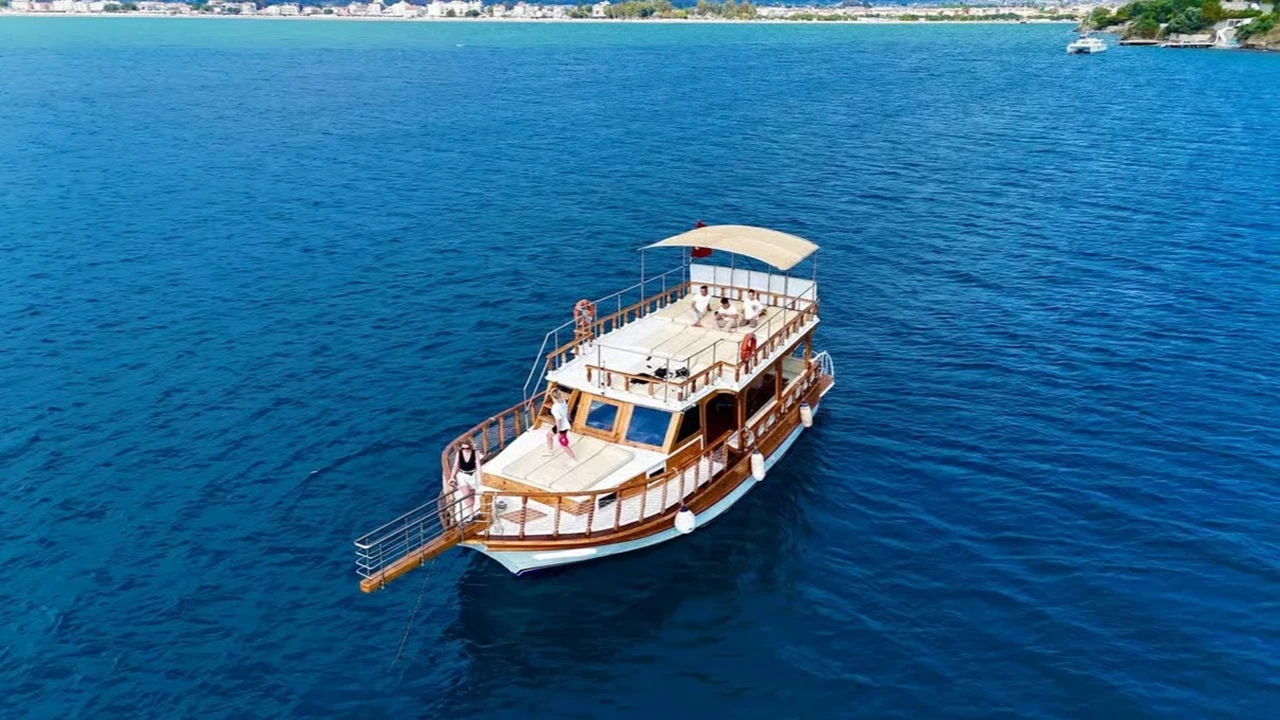
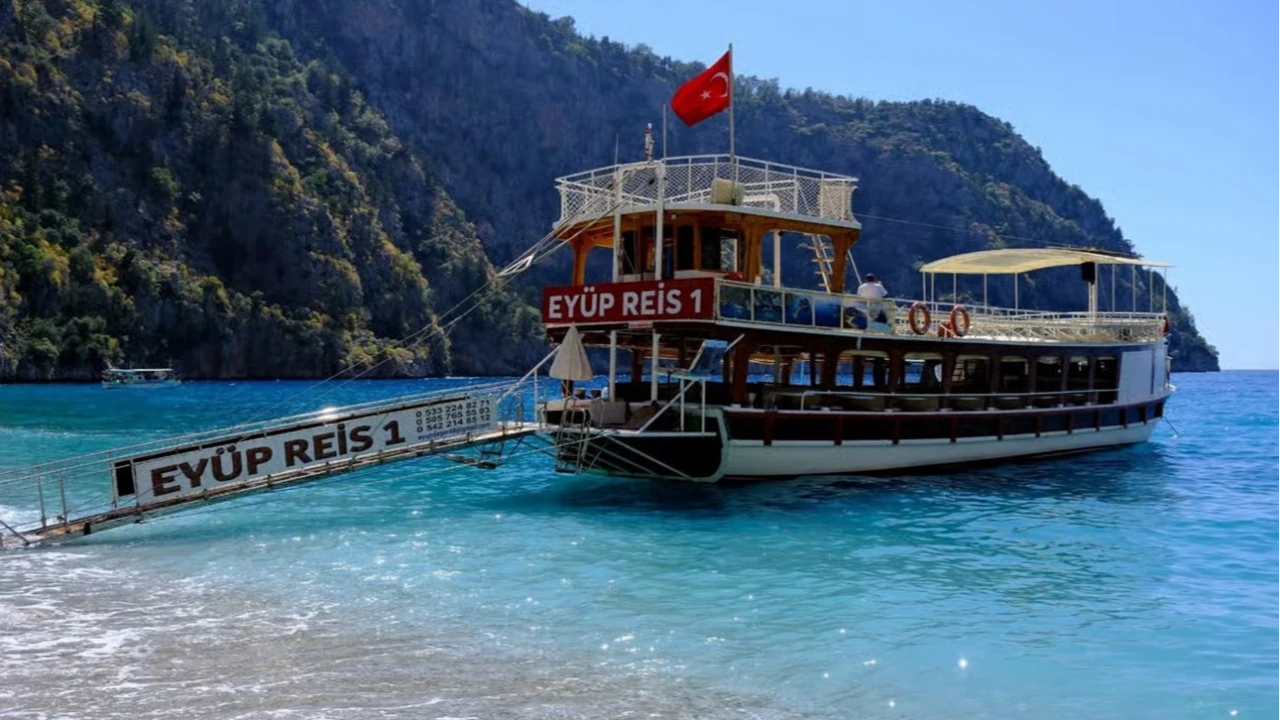
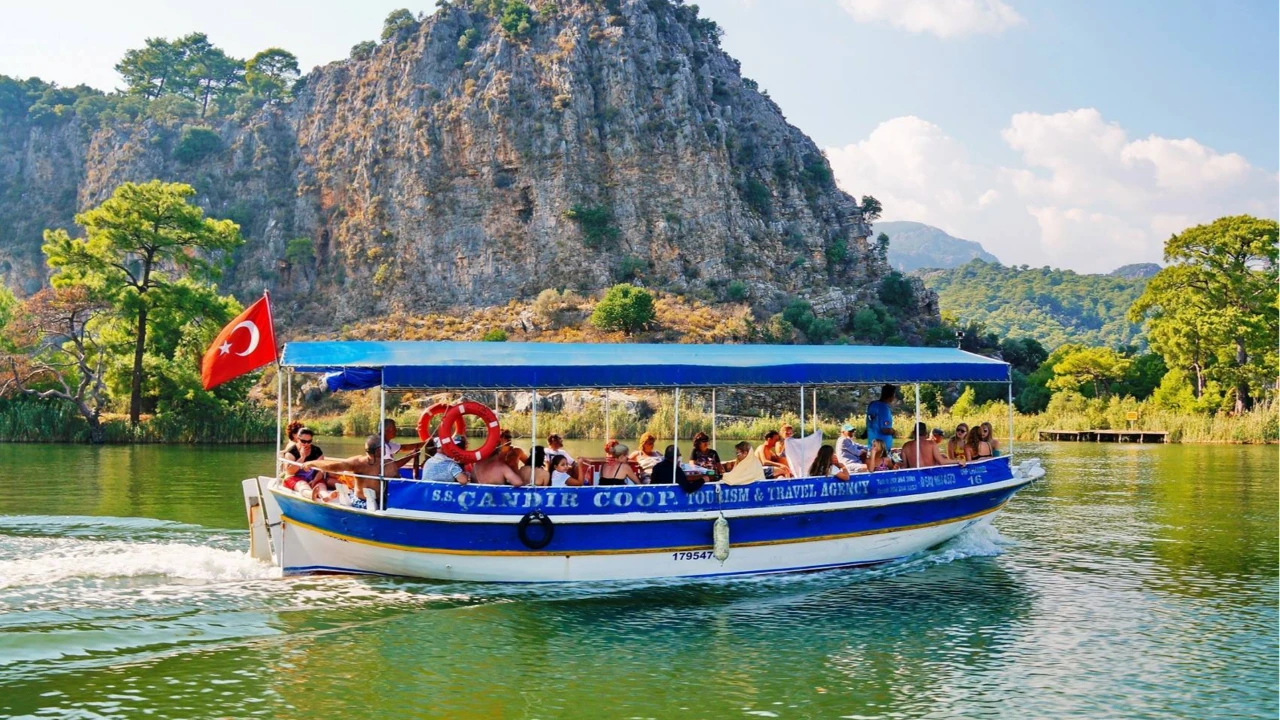
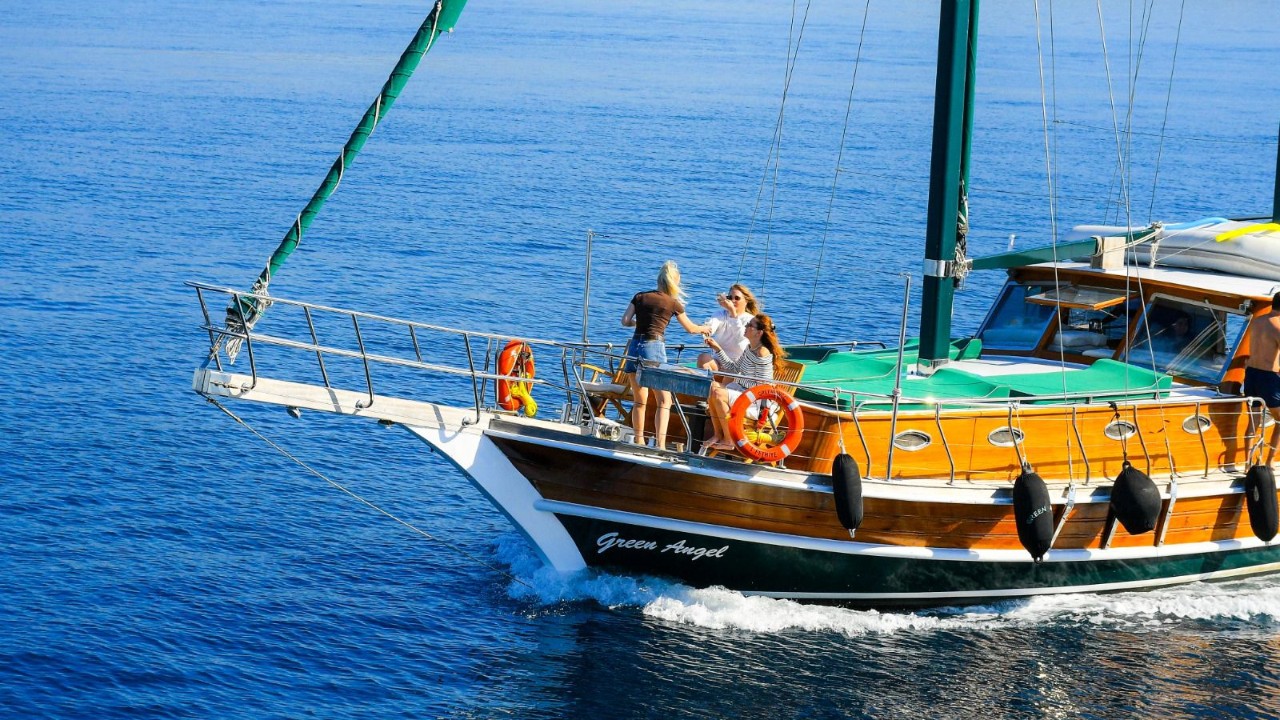
For those who prefer to watch the same spectacle from the water rather than the shore, evening boat trips departing from Fethiye Bay offer an alternative. From the sea, the horizon appears more open, island silhouettes are visible from the side, and on the return, the lights of the promenade begin to welcome you. Two points should not be overlooked when watching from the sea: the evening coolness in the bay is more pronounced than on land, so bring a light jacket; and ensure the departure time is at least an hour before sunset, otherwise, the sun might set before you reach open waters. Since program durations, departure points, and content vary, it's essential to compare; current times and prices are live on the Fethiye boat tours list.
How to Get to Çalış Beach: Step-by-Step Transport Guide
Transportation is a strong suit of this coastline compared to other coves around Fethiye: the city's dolmuş line goes directly to the beach. The following steps outline the route for a visitor staying in Fethiye center or arriving at the bus terminal.
- Reach Fethiye center or the bus terminal; intercity buses and airport transfers use these two points.
- From the center, board a dolmuş with "Çalış" written on its sign; the line operates on the Fethiye-Günlükbaşı-Çalış route and runs frequently in season.
- Get off at the beach strip; since the dolmuş route follows the street behind the beach, simply tell the driver which section you want to alight at.
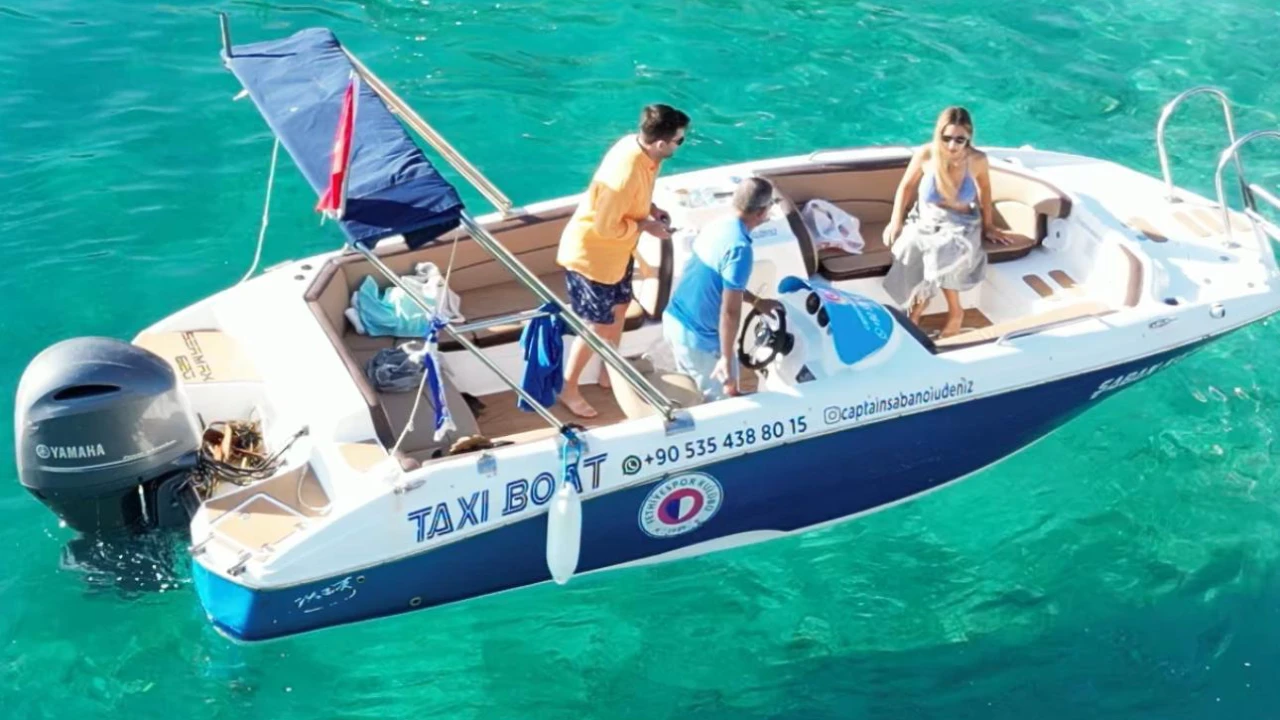
- Alternatively, take a water taxi from the pier on Fethiye Kordon; the journey by sea takes 20-25 minutes and is preferred for the scenic views on the evening return.
- If coming by private car, use the streets and parking areas behind the beach; on busy days, parking spots can fill up before noon.
By Dolmuş from Fethiye Center
The city dolmuş is the most economical option, operating for most of the day. On the Fethiye-Günlükbaşı-Çalış line, there are two ticket types: full and discounted; fares are determined by Muğla's UKOME decision and the current amount is displayed at the stop or inside the vehicle. Who is eligible for discounted tickets is also stated on the same board. Just look for "Çalış" on the vehicle's sign. The journey takes 10 to 15 minutes. Payment can be made with Muğla Metropolitan Municipality's contactless transport card; for those without a card, carrying cash and small change will make things easier. Since Ölüdeniz, Kayaköy, and Hisarönü lines also depart from the center, visitors staying in Çalış will transfer at the center to reach these other destinations.
By Water Taxi from Kordon to Çalış Pier
During the summer season, boats operate regularly between Çalış pier and Fethiye Kordon. According to the 2026 summer schedule announcement, services run every half hour; the last departure from Çalış is announced as 23:00, and from Fethiye Kordon as 23:30. Since the schedule is updated every season, it's advisable to confirm these times at the pier during the day. Tickets are purchased per person and cost more than a dolmuş ticket; child discounts, if applicable, are announced at the pier's ticket booth. This route offers an added bonus: when returning from Çalış to Fethiye in the evening, you'll get to watch the sunset from the sea, and for families with children, the journey itself becomes an activity.
From Dalaman Airport and by Private Car
The nearest airport is Dalaman; the distance to Çalış is 45-50 kilometers, and the driving time is 45-50 minutes. For those coming from the Milas-Bodrum direction, the journey is nearly 3 hours, which is why Dalaman flights are preferred. Taxis operate with a meter; in Muğla, the starting fare, per-kilometer rate, and minimum fare are determined by UKOME decision, and for the short distance between the center and Çalış, the minimum fare applies, so the payment might be higher than what' appears on the meter. You can see these rates on the fare board inside the vehicle before boarding. Those coming by private car use the parking areas behind the beach; daily fees apply here, and on busy days, spots fill up before noon. If you plan to include nearby coves in your itinerary, a car offers a significant advantage by eliminating dependence on dolmuş schedules.
| Transport Option | Duration | Cost Level | Who it's for |
|---|---|---|---|
| City dolmuş | 10-15 minutes | Low; discounted tickets available | Day-trippers, budget-conscious visitors |
| Water taxi | 20-25 minutes | Higher than dolmuş, per-person ticket | Those wanting evening return and scenic views |
| Taxi | 10 minutes | High, minimum fare applies for short distances | Those with luggage, children, or returning late |
| Private car | 10-15 minutes | Fuel + daily parking fee | Those including nearby coves in their itinerary |
| Airport transfer | 45-50 minutes | Varies by vehicle type and number of people | Those coming directly from Dalaman |
What to Pay For: Free vs. Paid Services
There's no entrance fee to the shore or for swimming; this is a public beach. What you pay for are amenities and services. Since the beach is not an archaeological site or museum, the Müzekart (Museum Card) is not valid here. The Müzekart is issued for museums and archaeological sites affiliated with the Ministry of Culture and Tourism; Fethiye Museum and nearby ancient sites fall under this category, with separate cards and tariffs for foreign visitors. Natural parks like Ölüdeniz and Kıdrak around Çalış are a third category: entry here is paid, with separate charges for pedestrians and vehicles, and sunbeds are priced separately.
On the beach, you'll encounter two different pricing models. The first is a set fee: a package consisting of two sunbeds and one umbrella is rented for a daily rate. The second is a consumption condition: the establishment provides free sunbed use in exchange for a certain amount of food and beverage purchase. Since these two models can exist side-by-side on the same beach, it's a good habit to ask which one applies before settling under an umbrella, making your visit smoother throughout the season. In the public beach sections operated by the municipality, tariffs are announced at the beginning of the season and are generally lower than those of private establishments.
| Item | Is it paid? | Factors determining cost |
|---|---|---|
| Beach access | No, free | Public beach status |
| Sunbed + umbrella | Yes | Whether calculated as a set or per item, distance to sea, season, and weekend difference |
| Consumption-based use | Consumption instead of sunbed fee | Minimum amount set by establishment, menu price level |
| Parking | Yes, if coming by car | Proximity to the beach, daily or hourly rate |
| Showers, toilets, changing rooms | Varies by establishment | Municipal operation or private facility |
| Food and drink | Yes | Whether the table faces the sea, type of fish, inclusion of mezes |
| Nature park entrance (Ölüdeniz, Kıdrak) | Yes | Pedestrian and vehicle calculated separately; sunbeds are a separate item |
| Museum and archaeological site (Fethiye Museum, Kayaköy) | Yes | Müzekart coverage; separate tariff for local and foreign visitors |
Budgeting: How to Save or Splurge
Visitors looking to cut costs can bring their own umbrella and mat, use the dolmuş for transport, buy water and snacks from the center, and head to Fethiye bazaar for lunch. In this scenario, the two biggest daily expenses—sunbed sets and beachside meals—are eliminated. In the opposite scenario, a couple renting a set at a beachfront establishment and having lunch and dinner there will find their day significantly more expensive than the first option. On the transportation side, the hierarchy is clear: dolmuş tickets are the lowest, water taxi tickets are higher than dolmuş, and taxis are even higher due to the minimum fare applying to short distances. While prices change every season, this ranking remains consistent.
What Determines Tour and Activity Prices?
We do not provide specific tour and activity prices in this guide; program costs can change even within a season, making written figures quickly outdated. Current prices are live on our program lists and linked in the relevant sections. When making a decision, consider the following factors:
- Season and day: The difference between high season and shoulder season is felt even for the same program.
- Boat type and capacity: A large catamaran, a classic wooden boat, and a small-group program will offer the same route at different prices.
- Departure point: A program departing from Fethiye Kordon is not priced the same as one departing from Ölüdeniz.
- Group size: Per-person tickets and private boat charters are different formulas; for larger groups, the latter might become comparable.
- What's included: Lunch, drinks, equipment, hotel transfer, and photo packages can be added as separate items.
It's healthier to plan your budget based on a ranking rather than specific figures. A daily sunbed set on the coastline is at the lower end of expenses; a daily boat tour is significantly higher; and a tandem paragliding flight from Babadağ is considerably more expensive than a daily boat tour. This ranking holds true over the years, while the figures do not.
Where to Stay: Areas and Factors Affecting Price
Behind the beach, you'll find a row of apartment hotels, guesthouses, bed & breakfasts, and boutique hotels; the area is one of the most concentrated for accommodation around Fethiye. Its character differs from the nightlife-focused Hisarönü-Ovacık area and the resort-heavy Ölüdeniz: here, long stays, families, and a peaceful evening profile are more prominent.
Beachfront Strip and Sea-Facing Line
The line facing the promenade is the first choice for those who want to wake up and walk straight to the sea. The advantage is proximity; it's possible to sit on the beach in the evening and return to your room in a few steps. In return, noise and price differences come into play: street and cafe activity can increase noise at night, and an establishment with the same amenities will be priced higher than one on an inner street. Demand for sea-view rooms closes early in July-August.
Foça Mahallesi Side Streets and Günlükbaşı Direction
One or two streets inland from the beach, within a 5 to 10-minute walk to the same beach, there's a higher concentration of apartments and guesthouses. This zone is suitable for families seeking self-catering apartments and proximity to markets; the nightly rate is generally lower than the beachfront strip. The Günlükbaşı direction, being on the dolmuş route, facilitates easy access to the center, but the walking distance to the beach increases.
Fethiye Center, Ovacık-Hisarönü, and Ölüdeniz Comparison
Visitors considering accommodation outside Çalış have distinct options. Fethiye center stands out for its variety of restaurants and markets; the Ovacık-Hisarönü area, being at a higher elevation, offers cooler evenings and a lively nightlife; Ölüdeniz provides direct proximity to the lagoon but comes with higher prices in peak season. Factors determining the nightly rate, regardless of the area, are the same:
- Distance to the sea and promenade: moving two streets inland is the most visible factor changing the nightly rate.
- Whether breakfast is included in the price.
- Apartment or hotel: a self-catering apartment reduces food and drink expenses during the holiday.
- How far in advance the reservation is made and the flexibility of cancellation terms.
- Room type and demand for sea views; rooms with views sell out first in high season.
| Area | Character | Price Level | Who it's for |
|---|---|---|---|
| Çalış beachfront strip | Promenade, cafe rows, beachfront | Mid-High | Those wanting to walk to the sea |
| Foça Mahallesi side streets | High density of apartments and guesthouses, quiet | Mid-Low | Long stays, families seeking self-catering |
| Fethiye center | Bazaar, fish market, transport hub | Mid | Those with a busy sightseeing itinerary |
| Ovacık-Hisarönü | Elevated, lively evenings | Mid | Young groups seeking nightlife |
| Ölüdeniz | Lagoon and beach-focused holiday area | High | Those seeking direct proximity to the lagoon |
What and Where to Eat: Çalış and Fethiye Cuisine
Dining options are concentrated along the promenade behind the beach, with breakfast spots, cafes, and fish restaurants lining the street. Since the variety in the center is higher, it's common to have breakfast and daytime breaks in Çalış and evening meals in Fethiye center.
Breakfast and Evening Meals on the Beachfront Strip
The common menu theme for establishments on the promenade includes Turkish breakfast spreads (serpme kahvaltı), gözleme (savory Turkish flatbread) and sıkma (a similar, often filled flatbread), mezes (appetizers), and grilled fish. Sea-facing tables fill up quickly after 7:00 PM, and reservations are advisable to secure a spot during sunset. Prices vary significantly based on whether the table overlooks the sea and the type of fish; asking for the menu before sitting down prevents surprises. In the mornings, cafes along the promenade offer a peaceful option for breakfast when the sea is calm.
Cook-Your-Own Fish at Paspatur Fish Market
The Fethiye Fish Market, located within Paspatur Bazaar, is one of the region's prominent gastronomic stops. You choose and buy your fish from the stalls in the middle; surrounding restaurants will then prepare it for a cooking fee, adding mezes, salad, and bread service. Two items determine the bill: the price per kilo of fish and the cooking service. Sea bream (çipura), sea bass (levrek), red mullet (mercan), and depending on the season, grouper (lagos) are commonly found at the stalls. Before sitting down, ask two things: whether the cooking fee is per person or per table, and if mezes are included in this fee. The bazaar gets noticeably busy after 7:00 PM, so arriving earlier allows for a more relaxed choice of table.
Muğla Cuisine: Dishes Worth Trying
The regional cuisine is rich in Aegean herbs and olive oil; the most common dishes you'll encounter on menus are categorized as follows:
| Dish | What it is | Where it's typically served |
|---|---|---|
| Çökertme kebabı | Thinly sliced beef, served on a bed of grated, fried potatoes, with garlic yogurt and butter sauce | A symbolic main dish of Muğla cuisine, very filling |
| Arapsaçı | The local name for wild fennel in the Aegean; sautéed, it leaves a light aniseed flavor | As an herb meze, usually balanced with lemon |
| Deniz börülcesi | Boiled samphire (glasswort), served cold with olive oil, garlic, and lemon | A classic meze dish for fish dinners |
| Radika | A common bitter leafy green in the Aegean; boiled and served with olive oil and lemon | The first meze asked for by those seeking an herb dish |
| Keşkek | A ceremonial dish of wheat pounded with meat, cooked for a long time | At weddings and ceremonies, rarely on restaurant menus |
| Tarhana çorbası | A fermented and dried dough made with tomatoes, peppers, and yogurt, turned into a soup | More common out of season and on cool evenings |
Fethiye's large Tuesday market is ideal for buying tarhana, olive oil, almonds, goat cheese, and dried herbs, with prices generally more reasonable than shops in the bazaar. In the Kayaköy area, the tradition of choosing your meat and grilling it yourself continues; arriving in the late afternoon to reserve your spot prevents waiting during busy hours.
What to Explore Nearby: Itineraries from Çalış
A strong advantage of Çalış for accommodation is its proximity to all Fethiye's sightseeing directions. To the south, the Ölüdeniz, Kelebekler Vadisi, Faralya, and Kabak line; to the west, Kayaköy; to the east, Saklıkent; and to the north, Katrancı and the wetlands. The table below makes it easier to plan how much time to allocate to each stop.
| Stop | From Fethiye Center | How to get there | Time to allocate |
|---|---|---|---|
| Ölüdeniz and Belcekız | Approx. 14 km | Dolmuş from center, frequent in season | Half-day |
| Kıdrak Nature Park | 3 km past Ölüdeniz | Car or short transfer from Ölüdeniz | Half-day |
| Kelebekler Vadisi (Butterfly Valley) | Approx. 30 minutes by boat from Ölüdeniz pier | Boat or steep path from Faralya | Half-day, dependent on boat schedule |
| Kayaköy | Approx. 8 km | 20-25 minutes by dolmuş | 2-3 hours |
| Faralya (Uzunyurt) | Approx. 9 km from Ölüdeniz | Car, 20-25 minutes winding drive | 1-2 hour stop |
| Kabak Koyu | Cited as 25-33 km | Car, 45-60 minute drive | Full day |
| Saklıkent Kanyonu | Approx. 45 km east | Car or tour, 50 minutes | Long half-day |
| Katrancı Koyu | On Fethiye-Göcek highway | Private car | Half-day |
| Babadağ | Via Ölüdeniz | Cable car or mountain road | Half-day |
| Şövalye Adası | From Fethiye piers | Small boat | Half-day |
| Şat Burnu and wetlands | Northern tip of Çalış | 30-minute walk from beach | 1-2 hours |
Ölüdeniz, Belcekız, and Kıdrak Nature Park
Ölüdeniz is approximately 14 kilometers south of Fethiye center and about 20 kilometers from Çalış, with frequent dolmuş services from the center during the season. The area consists of two parts: the enclosed lagoon behind the sand spit and the adjacent Belcekız beach. The lagoon is within the Ölüdeniz Nature Park; entry is paid, with separate fees for pedestrians and vehicles, and sunbeds and umbrellas are priced separately. Motorized sea vehicles are not allowed into the lagoon, so the water remains calm throughout the day, unlike Çalış. Belcekız is open to the public, and most of the crowds gather here.
Kıdrak, 3 kilometers past Ölüdeniz, is a protected cove where a pine forest meets the sea; entry is paid, and the area has nature park status. The ground is mostly fine pebbles rather than sand, the water deepens quickly, and the pine trees behind provide shade. In terms of timing, both areas behave similarly: 11:00 AM to 4:00 PM is both crowded and hot; around 9:00 AM, the water is calmer, and after mid-afternoon, paragliders descending from Babadağ begin landing on Belcekız beach, making the shore lively.
Kelebekler Vadisi (Butterfly Valley)
The valley, opening to the sea between towering rock walls south of Ölüdeniz, is one of the most talked-about natural attractions around Fethiye. It gets its name from the dense population of tiger moths that gather here in summer; June to September is noted for butterfly sightings. The beach between the rock walls and a waterfall reachable by a half-hour walk within the valley are the two main stops of a visit.
There are two ways to reach the valley floor: a 30-minute boat trip from Ölüdeniz pier or a steep, roped path descending from Faralya. The roped sections of the path require experience and appropriate footwear, so the boat is the preferred route for families with children. A critical detail is the return: find out the last boat's departure time upon arrival, because if you miss it and are not staying in the valley's accommodation, there will be no way back in the evening. Morning boats are both cooler and less crowded, and shade is more abundant at that time. The valley is a natural protected area, and visitor rules are posted:
- Catching butterflies is prohibited.
- Collecting plants is prohibited.
- Leaving marked paths is prohibited.
Kayaköy: The Stone Streets of Abandoned Levissi
Kayaköy, approximately 8 kilometers from Fethiye center, can be reached by dolmuş in 20-25 minutes; those staying in Çalış will transfer at the center. The settlement, formerly known as Levissi, was emptied after the 1923 population exchange and never resettled. Several hundred stone houses scattered across the hillside and the ruins of two large churches remain; the paths winding between roofless walls, the pebble mosaics on church floors, and the view of the Fethiye plain from the hilltop form the backbone of the visit.
The area is paid entry and has little shade; a hat and water are essential. A walking path descends from the village towards Ölüdeniz, taking 1.5 to 2 hours; if you plan this hike, factor in the return dolmuş from the start. Around 9:00 AM or the last hours before closing are both cooler and less crowded; shade is scarce in the midday heat. Those wishing to combine Kayaköy with other village routes on the same day can check the itinerary order of programs on the Fethiye jeep safari tours list.
Kabak Koyu and Faralya (Uzunyurt)
Faralya, officially named Uzunyurt, is approximately 9 kilometers south of Ölüdeniz and takes 20 to 25 minutes by a winding drive. The village's main function is its viewpoints: you'll see the valley's mouth opening to the sea, the beach, and the opposite hillside all in one frame. There are sections without railings, so caution is needed when approaching the edge, and families with children should maintain a safe distance. Midday sun makes the sea glare, so photos turn out clearer in the afternoon light.
South of Faralya, where the asphalt road ends, Kabak valley begins. The distance from Fethiye center is cited as 25 to 33 kilometers, and the drive takes 45 to 60 minutes. The road down to the cove is steep and winding; the descent is made by 4x4 vehicles or the establishments' shuttle services, while those with their own cars park in paid lots on the upper road and walk down. Bungalow and eco-camp establishments built on the valley slope have given the region its alternative accommodation identity; the cove does not feature large resorts or crowded beach operations. Since the Lycian Way passes through the valley, hiker traffic continues even outside of summer. As the road includes narrow and barrier-free sections, planning your round trip during daylight hours is essential.
Saklıkent Kanyonu (Hidden City Canyon)
The first stop on the nature side is Saklıkent Kanyonu, 45 kilometers east of Fethiye, a 50-minute drive away. This gorge, carved into the foothills of the Taurus Mountains, is nearly 18 kilometers long, making it one of Turkey's longest canyons, with walls rising hundreds of meters in places. At the entrance, there's a wooden walkway suspended along the canyon wall; the real walk begins after crossing the icy cold stream flowing from the opposite side. This crossing might be closed in spring when snowmelt raises the water level, so June to September is generally safer.
Since the water remains cold even in mid-summer, non-slip water shoes and spare clothes are necessary; trout is served on platforms above the stream. Going before noon reduces both crowds and heat. You can compare the scope of programs that combine the canyon with stops like mud baths, the Eşen River line, and Tlos on the Fethiye nature adventure tours page.
Katrancı Koyu
Katrancı is located northwest of the center, on the Fethiye-Göcek highway, and operates as a forest day-use area. Since pine trees extend all the way to the shore, shade is more abundant here than at Çalış, and crowds are smaller. The cove is shallow and sheltered, with the afternoon wind less noticeable than at Çalış; families with children often prefer it for this reason. Picnic tables and day-use areas are the main amenities of the site.
Since rules regarding entrance fees and vehicle access change periodically, it's advisable to inquire about the current regulations upon arrival. Weekends fill up before noon, so an early start is advantageous; transport options are limited for those not coming by private car, making this stop more suitable for car-based itineraries.
Paspatur Bazaar, Fethiye Museum, and Amyntas Rock Tombs
Fethiye center's core attractions are within walking distance. Paspatur is the section of the old bazaar with narrow stone streets; there are no grand monuments here, but rather the texture of daily life: ivy-covered courtyards, artisan stalls, coffee houses, and restaurants bustling in the evening. The bazaar is within walking distance of the pier and promenade and gets noticeably busy after 7:00 PM.
Fethiye Museum collects artifacts from the surrounding Lycian settlements. The highlight of the collection is the trilingual stele from the Letoon excavations, inscribed in Lycian, Greek, and Aramaic; this stone is considered one of the key documents for deciphering the Lycian language. A visit takes about 45 minutes and is a suitable stop to escape the midday heat indoors.
The Amyntas Rock Tomb on the hillside is the most visible remnant of the city's ancient name, Telmessos, dating back to the 4th century BC; the temple-fronted tomb is accessed by stairs. In the morning, the facade is in shadow, making it suitable for detail photography, while in the late afternoon, the stone turns golden, perfect for landscape shots. The story of the city's current name is also centered here: the district, formerly known as Meğri, was renamed Fethiye in 1934 in memory of Fethi Bey, a martyred pilot who died during a test flight in 1914.
Şövalye Adası and the Bay's Island Route
Şövalye Adası, located directly opposite the beach, is associated with tales linking it to the Knights of Rhodes. Access to the island is not from the Çalış shore, but by small boats departing from the piers on the Fethiye side. It's suitable for a half-day plan: morning transfer, swimming in the cove, and a lunch break, returning in the afternoon. Since the wind in the bay can pick up in the afternoon, clarify the return time with the boat owner in advance.
Daily boat trips departing from the bay visit Şövalye Adası as well as other clear-water stops like Akvaryum Koyu (Aquarium Bay). Routes on the Ölüdeniz side include Gemiler Adası (St. Nicholas Island); the Byzantine-era church ruins scattered across the island's hillside distinguish it from other stops in the bay. Since which route visits which stop varies from program to program, it's necessary to check the stop list when comparing.
Şat Burnu and Çalış Bird Paradise
Şat Burnu at the northern tip of the beach and the wetlands behind it are Fethiye's birdwatching hotspots; over 200 bird species are reported to be observed in the area, which is designated as a nature conservation site. Favorable hours for observation are the first two hours of the morning and the last two hours of the evening; bring binoculars, stay on the path, and avoid loud talking near the reeds. The walk from the beach to here is a comfortable half-hour on flat ground and is also the direction taken by those wishing to escape the crowds before sunset.
Babadağ and the Cable Car Line
Rising behind Ölüdeniz, Babadağ's summit is over 1,900 meters high and is the launch point for paragliding flights in the region. The cable car line goes not to the summit, but to intermediate and upper stations; non-fliers can also go up for the viewing terraces and restaurants, and the entire bay can be seen from the upper levels. These same platforms are the launch pads for flights; tandem flights typically last 20 to 40 minutes.
Flights are planned according to wind conditions: the window between 7:00 AM and 11:00 AM is considered more stable, with a higher chance of cancellations in the afternoon. Scheduling your flight for the first day of your holiday leaves a backup day in case of weather-related postponements. The summit is cool and windy even when the coast is hot; a light jacket is needed even in mid-summer. For those wishing to watch the sunset from the elevation, the last departure time of the return cable car is crucial. You can compare items like launch height and video packages across programs on the Fethiye paragliding list.
Practical Tips Before You Go
- For swimming, 9:00 AM to 11:00 AM is ideal; the water is calmer and the beach is emptier at these times.
- Since the ground is partly pebbly, water shoes or thick-soled sandals will make walking more comfortable.
- Natural shade on the beach is scarce; if you're not renting an umbrella, bring your own, a hat, and high-factor sun protection.
- The increasing afternoon wind can carry inflatable boats and sea floats out to sea; for families with children, it's safer to keep water toys close to the shore during these hours.
- The coastline is considered a nesting area for sea turtles. Do not use strong lights on the beach at night, do not dig in the sand, and respect marked nesting areas and warning signs.
- The wetlands around Şat Burnu are protected; stay on the path, and avoid unauthorized vehicle and drone use.
- Cash is still useful at small kiosks; prepare small change or your contactless transport card for the dolmuş.
- If returning to Fethiye by water taxi in the evening, confirm the last departure time at the pier during the day; summer schedules differ from off-season.
- If you plan to visit nearby attractions by dolmuş, remember that lines depart from the center; when going from Çalış to Ölüdeniz, Kayaköy, or Hisarönü, you'll transfer at the center.
- The Blue Flag list is updated annually; you can check the current status of Çalış and surrounding public beaches on TÜRÇEV's annual list.
Quick Summary: How to Plan a Day in Çalış
A good day in Çalış is divided according to the rhythm of the sea and light. The following framework can be adapted for both day-trippers and those staying in the region.
- Morning (9:00 AM - 11:00 AM): Sea time for swimming when the water is calm and spending time with children in the shallow band.
- Midday: Breakfast or a light lunch break on the promenade, followed by relaxation in the shade.
- Afternoon: A half-hour walk north towards Şat Burnu and the wetlands for birdwatching.
- Evening: Secure a spot on the beach an hour before sunset, take photos throughout the golden hour, and enjoy a beach stroll.
- Night: Take a water taxi to Fethiye Kordon, and have dinner around the fish market in Paspatur.
If you're visiting the region for the first time, choose May-June or September-October: the sea is warm, crowds are moderate, and the evening light is perfect for photography. Those coming in mid-summer should act early for sunbeds, parking, and evening dinner tables. For a week-long stay, allocating three days to Çalış and the center, two days to the Ölüdeniz and Kelebekler Vadisi line, and the remaining two days to Kayaköy and Saklıkent provides a balanced itinerary.
Frequently Asked Questions 7
Is Çalış Beach free to enter?
Access to the shoreline is free; the beach is open to the public. Fees are only charged for amenities and services: sunbed-umbrella sets, parking for those arriving by car, and kiosk consumption. Some establishments apply a minimum consumption condition instead of a set fee. As the beach is not an archaeological site, the Müzekart is not valid here. According to the Coastal Law, the beach and sea are open for free public use; even if an establishment provides sunbed service, it cannot block access to the sea, meaning you don't need to pay to lay your towel on the sand and swim. In case of a complaint, the public accessibility of the coast is based on this law.
What are the sea conditions like at Çalış Beach?
The seabed is not fine sand; it's a mix of coarse sand and pebbles, with a gradual increase in depth. Since the wind picks up in the second half of the day, the water is calm in the morning and has small waves in the afternoon. Clarity is lower compared to Ölüdeniz or Kaş coves because the coast faces an open bay. The sea water becomes swimmable around 20 degrees Celsius in May, reaches 27-28 degrees in August, and stays around 23-24 degrees in October; thus, the swimming season extends until mid-October. It's a comfortable beach for those seeking a long and wide swimming area, but average for those wanting to snorkel and explore the seabed.
In which district is Çalış Beach located?
It is in the Fethiye district, which is part of Muğla province. In official address records, it is listed as a locality within Foça Mahallesi: when Muğla gained metropolitan status, surrounding villages and towns were converted into mahalles, so Çalış is not a separate mahalle name. Therefore, searching for Çalış Beach or Foça Mahallesi in navigation apps will yield more accurate results; the northern part of the coastline is locally known as Kocaçalış. The distance to the city center is 5-7 kilometers.
Is Çalış Beach suitable for children?
The gradual deepening of the coastline and its wide shallow section make it suitable for families with children. Water shoes are recommended for the pebbly ground, and an umbrella is necessary due to limited natural shade; inflatable toys should be kept close to the shore in the afternoon as the increasing wind can carry them out to sea. The promenade behind the beach has a flat surface, making it possible to push a stroller along the shore, but there may be steps and sand thresholds at points where you access the beach. Markets behind the beach are within walking distance for diapers, baby food, and spare clothes. Morning hours are more relaxed for children's activities.
What time is sunset in Çalış?
Sunset time varies by month. Approximately, it's between 20:10-20:25 in June-July, 19:35-20:10 in August, 18:50-19:30 in September, and 18:05-18:45 in October. Since Turkey uses the same time zone year-round and does not observe daylight saving, these times only shift by a few minutes year to year. Although June 21st is the longest day of the year, the latest sunset occurs in the last days of June; therefore, the first days of July also offer a late sunset similar to June. Since the period when the light softens begins approximately 45 minutes before sunset, being on the beach an hour beforehand allows for easier spot finding.
How do you get from Çalış to Ölüdeniz and Kelebekler Vadisi (Butterfly Valley)?
The Ölüdeniz dolmuş departs from Fethiye center; visitors staying in Çalış first take the Çalış line to the center, then transfer to the Ölüdeniz dolmuş there. In season, these lines operate at 10 to 20-minute intervals, with reduced frequency in winter months. There is no road access to Kelebekler Vadisi: the valley can be reached by boats departing from Ölüdeniz pier (approximately 30 minutes) or by a steep, roped path descending from Faralya. For those wanting to combine both on the same day, a morning boat is more suitable, as both crowds and wind increase in the afternoon. It's essential to confirm the return boat's schedule upon arrival; for those not staying in the valley's accommodation, there will be no way back in the evening if the last boat is missed.
How late does the water taxi run between Çalış and Fethiye?
According to the 2026 summer schedule announcement, the last departure from Çalış is 23:00, and from Fethiye Kordon is 23:30; boats operate every half hour in both directions throughout the day. The journey takes 20-25 minutes, and tickets are purchased per person. Since the schedule is updated every season, it's necessary to confirm current times and fares at the pier during the day; off-season, services are reduced or cease entirely. For those who miss the last boat, the road remains open: Fethiye center is 10-15 minutes by dolmuş or taxi, but dolmuş services become less frequent as the night progresses.