Where is Bursa's Grand Bazaar and Why Visit?
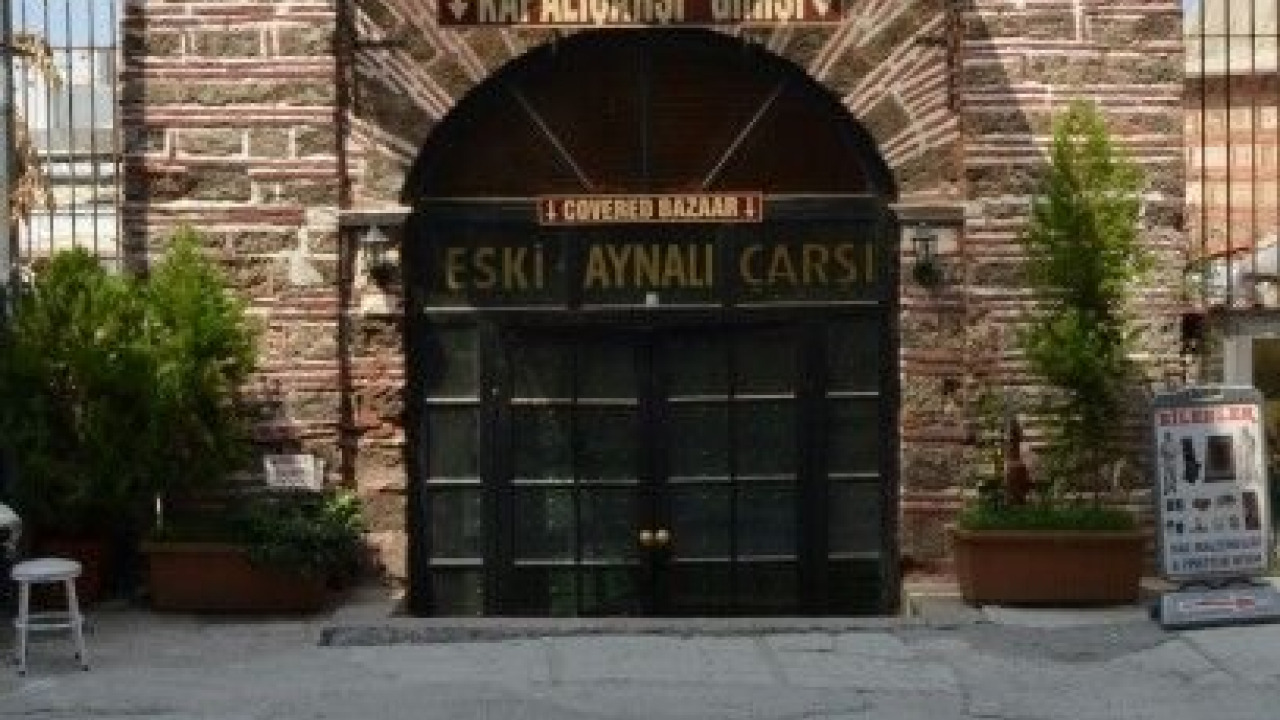
Bursa, where the foundations of the Ottoman Empire's commercial life were laid, continues to uphold this historic mission today. At the heart of the city, Bursa's Grand Bazaar is a colossal shopping hub and a living museum of history. As one of the most vital stops on the historic Silk Road, this bazaar offers visitors an authentic atmosphere in every season. It's especially delightful to stroll through its narrow streets, breathe in the scent of spices, and feel the historical texture during spring and autumn. No trip to Bursa is complete without getting wonderfully lost in this vast labyrinth or sipping tea in the courtyards of its historic hans (caravanserais). To witness centuries of trade tradition firsthand, make sure to add Bursa's Grand Bazaar to your travel itinerary.
Quick Facts & Bazaar Overview
Before you dive into exploring the Grand Bazaar and its surroundings, a general overview of the area will help you make the most of your time.
| Topic | Information |
|---|---|
| Location | Osmangazi, between Heykel and Tophane |
| Highlights | Silk textiles, handmade towels, jewelry, candied chestnuts |
| Nearby Structures | Bedesten, Koza Han, Emir Han, Pirinç Han, Ulu Cami |
| Best Time to Visit | All seasons (especially spring) |
| Average Visit Duration | 2-3 hours |
| Closed Day | Most shops closed on Sunday |
| Activities in the Area | Local shopping, coffee break in a han courtyard |
How to Get to Bursa's Grand Bazaar?
To reach the Grand Bazaar and explore the area efficiently, follow these steps:
- Arriving in the City Center: If you're coming from outside the city, you can take bus number 38 from Bursa Intercity Bus Terminal directly to the Heykel or Ulu Cami stop.
- Using the Metro (Bursaray): If you're arriving by metro, get off at the 'Şehreküstü' station and reach the bazaar entrance with approximately a 5-10 minute walk.
- Starting Point: You can begin your tour from the lower gate of Koza Han, then follow a route towards the Bedesten, Jewelry Bazaar (Kuyumcular Çarşısı), and Towel Sellers' Market (Havlucular Pazarı). It's recommended to allocate an average of 2 hours to explore the entire bazaar thoroughly.
- Connections to Nearby Districts: After finishing your bazaar visit, if you'd like to enjoy some sea air, Mudanya is approximately 30 km away from the city center. If you wish to go up Uludağ, the cable car line departs from Teferrüç station and reaches the hotel area at the top with a transfer; as travel time varies depending on transfer waits and crowd density, please confirm operating hours and current fares on the official website before you set off.
What to See in and Around Bursa's Grand Bazaar?
The Grand Bazaar is more than just covered streets; it's a complete entity with the hans (caravanserais) and mosques that surround it. The stops below cover the bazaar's core first, followed by nearby routes you might consider if you wish to extend your exploration.
Ulu Cami
Bursa Ulu Cami, located right next to the Grand Bazaar, is the spiritual heart of the region. Built by Yıldırım Bayezid, it's believed to have been completed between 1399-1400, according to the date on its minbar. What makes the mosque a pioneering example of multi-domed Ottoman architecture is its unique plan: twenty domes rest on twelve square pillars, each dome approximately 11 meters in diameter. The true details to behold inside are the calligraphic panels on the pillars and walls, featuring works by master calligraphers such as Abdülfettah Efendi, Kazasker Mustafa İzzet Efendi, Sâmi Efendi, and Mehmed Şefik Bey. Sitting by the ablution fountain (şadırvan) for a few minutes, listening to the soothing sound of water, offers a perfect break from shopping fatigue. You can reach it on foot as soon as you exit the bazaar; planning your visit outside of prayer times will be more comfortable for both you and the congregation.
Koza Han
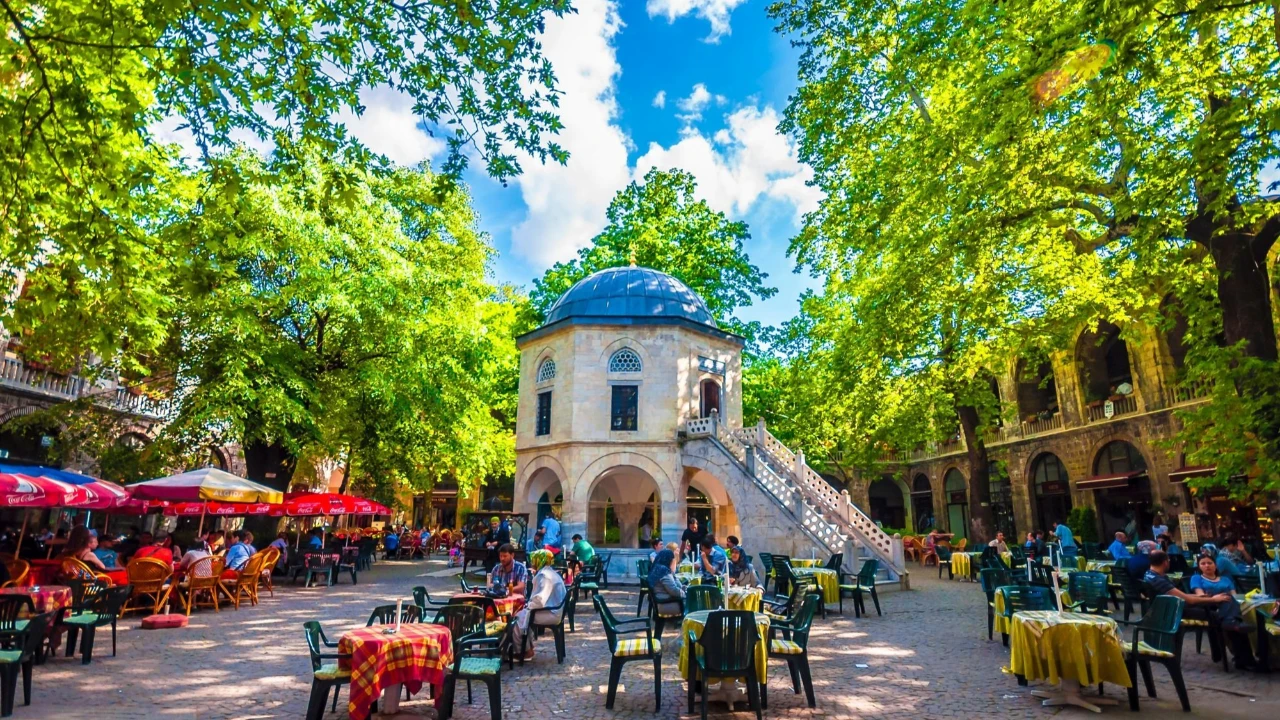
When Bursa's Grand Bazaar comes to mind, Koza Han is often one of the first places people think of. Located between Ulu Cami and Orhan Cami, this han is the epicenter for silk and silk product shopping. The structure was commissioned by Bayezid II in 1491 to provide income for his mosque and madrasah in Istanbul; its architect was Abdül-Ula Bin Pulad Şah, and the master builder was Şuca Bin Karaca. This two-story han, built with a combination of cut stone and brick, features a portico section covered by forty domes. In the center of the courtyard, you'll find a domed small mosque (mescit) and an ablution fountain (şadırvan); today's cafes within the han are arranged around this mescit. Sipping Turkish coffee here is one of the most relaxing moments of your visit. The shops on the ground floor specialize in shawls, scarves, and silk textiles, while the upper-floor portico offers a more tranquil level for both photography and a peaceful stroll during busy hours. If you plan to sit in the courtyard, arriving before the lunch rush will make finding a table easier.
Cumalıkızık Köyü
If you're looking to see historic houses after your bazaar shopping, Cumalıkızık Köyü is a fantastic alternative. It's renowned for its wooden houses, rare examples of Ottoman architecture, and narrow cobblestone streets. Located 11 km from the bazaar, you can reach the village by metro and a short dolmuş ride, where you can enjoy a traditional village breakfast. If you'd like to add other city attractions to your itinerary, our article on places to visit in Bursa provides a comprehensive overview.
Saitabat Şelalesi
If you wish to escape into nature after your shopping spree in Bursa, Saitabat Şelalesi awaits. It's located 22 km from the bazaar center. Allocating about 1 hour is sufficient to relax by the cool waters of the waterfall nestled among plane trees.
Suuçtu Şelalesi
Suuçtu Şelalesi, located towards the Mustafakemalpaşa district, dazzles with its cascading waters. Due to its distance from the city center, it's challenging to fit into the same day as a bazaar visit; it's more comfortable to plan it for a separate day and account for daylight on your return. The water flow significantly increases in spring and decreases towards the end of summer.
Ayvaini Mağarası
Ayvaini Mağarası is one of Bursa's striking natural formations, known for its extensive underground structure, stalactites, and the Karadonlu Stream flowing through it. However, it's not a stop that can be added to a bazaar tour: both entrances are steep, so the cave is closed to tourism and is only visited by professional mountaineers and cavers. Attempts to enter without a guide and proper equipment should not be made.
Bedesten and Bazaar Streets
The Bedesten, the main artery of the Grand Bazaar, was built by Bayezid I in 1400, according to foundation records, to generate income for his charitable endowments. This elongated rectangular space is divided into fourteen sections by six massive pillars, with each section covered by a separate dome; the row of shops adjacent to the walls is also part of this unique arrangement. The structure suffered a major fire in 1958, with some sections destroyed, and was subsequently rebuilt to its current form; the surrounding outer shops and bazaar streets were renovated with reinforced concrete during repairs. The Bedesten traditionally served as a place for storing valuable goods, which is why jewelers are still concentrated here and in its vicinity. As you wander through specialized streets like those of the towel sellers, quilt makers, and knife makers, you can observe examples of traditional Turkish handicrafts up close.
Knowing when and for what purpose each structure in the Hanlar Bölgesi (Caravanserais District) was built makes it easier to understand the bazaar's commercial logic.
| Structure | Commissioned by & Year | Scale | Key Feature |
|---|---|---|---|
| Bedesten | Bayezid I, 1400 | Six pillars, fourteen domed sections | Core of valuable goods trade |
| Koza Han | Bayezid II, 1491 | Two-story, forty-domed portico | Domed small mosque and ablution fountain in its courtyard |
| Emir Han | Orhan Bey era | 73 rooms (36 lower, 37 upper) | Lower floor for storage, upper floor with rooms featuring fireplaces |
| Pirinç Han | Bayezid II, 1508 | 78 rooms (38 lower, 40 upper) | Built to generate income for a foundation in Istanbul |
If you wish to explore the interiors of these structures with a narrative guide, Bursa historical city tours programs focus directly on this area.
Grand Bazaar Culinary Delights
When hunger strikes during your shopping, the artisan eateries tucked away in the bazaar's side streets come to your rescue. You can savor the renowned Bursa kebab (İskender), pideli köfte, or a quick and practical snack like cantık. The enticing aroma of tahini pide wafting from the bakeries within the bazaar will surely draw you towards these historic ovens.
What Does a Trip to Bursa's Grand Bazaar Cost?
Your budget for Bursa's Grand Bazaar will largely depend on your shopping preferences. Simply exploring, enjoying a cup of tea in a han courtyard, and taking photos is virtually free. However, if you plan to purchase silk shawls, hand-woven towels, or gold jewelry, you should allocate a more generous budget. Haggling with bazaar vendors is a traditional part of the shopping culture; for silk and towel sections, the listed price is often just a starting point, while for gold sold by weight, bargaining is limited to the craftsmanship fee. Artisan eateries offer affordable options for meal breaks. If you wish to enrich your trip with museums, entry to the nearby Bursa City Museum is free; since the museum is closed on Mondays, plan your visit for other days of the week. If you envision a more distant route, as of summer 2026, entry to Bursa Zoo is 70 TL for adults and 30 TL for students, with a public day discount applied on Wednesdays; the zoo opens at 09:30, closes at 18:30, and the ticket office stops sales at 17:30. Using a Bursakart for public transport will significantly reduce your transportation costs.
Which Season is Best to Visit Bursa's Grand Bazaar?
Your experience visiting the Grand Bazaar can vary depending on the season.
| Period | Advantage | Note |
|---|---|---|
| Winter (December - February) | You won't be affected by the cold thanks to the bazaar's covered structure | Candied chestnuts are freshest during winter. |
| Spring (March - May) | Sitting in the open courtyards of the hans is very enjoyable | Tourist density begins to increase. |
| Summer (June - August) | Air-conditioned shops offer a cool escape | It can be crowded during midday, so it's best to go early in the morning. |
| Autumn (September - November) | Ideal weather for comfortable walking and photography | You can find seasonal local dishes in the artisan eateries within the bazaar. |
What to Keep in Mind When Shopping at the Grand Bazaar?
Here are some tips for a comfortable shopping experience in a traditional bazaar:
- Since the bazaar is largely closed on Sundays, plan your visit for a weekday or Saturday. Saturday afternoons are the busiest for local shopping; for a quieter tour, weekday mornings are more suitable.
- When buying silk products, check the weaving information on the label, hold the item up to daylight to examine its texture, and ask for an invoice. Don't make a decision without inquiring about the price range in two or three different shops for the same product.
- When buying jewelry, remember that the gram price and the craftsmanship fee are separate items; ask the seller to state these two separately.
- Be careful in crowded streets and narrow passages, and keep your valuables secure. Some of the bazaar streets are paved with slippery stones, so shorten your stride on rainy days.
- Since you'll be doing a lot of walking, opt for comfortable, soft-soled athletic shoes and carry a foldable cloth bag for your purchases.
- Don't hesitate to explore the workshops on the upper floors of the hans and the lesser-known shops; prices are generally more favorable one street off the main thoroughfare.
- Purchase souvenirs like candied chestnuts at the end of your tour, so you don't have to carry them around all day in warm weather.
Wrapping Up Your Visit
Bursa's Grand Bazaar is more than just a commercial hub; it's a vibrant living space that reflects the city's soul, history, and culture. A few hours spent in the shadow of Ulu Cami and within the cool courtyards of Koza Han will immerse you completely in the historical ambiance of the Ottoman capital. If you wish to enrich your bazaar visit and explore the city's other historical textures with a guided tour, you can check out our Bursa day culture tours options. For a deeper dive into history, Bursa culture tours are highly informative. Those desiring a more comprehensive trip can choose from our Bursa tours. And for those who want to experience mountain air and culture together, Uludağ culture tours offer an ideal alternative.
Frequently Asked Questions 5
Is Bursa's Grand Bazaar open on Sundays?
The vast majority of shops in the Grand Bazaar are closed on Sundays. However, some cafes and businesses in tourist spots like Koza Han may operate on Sundays.
What is famous in Bursa's Grand Bazaar?
Silk textiles, shawls, handmade towels, candied chestnuts, and local spices are among the famous and popular products in the bazaar. The Bedesten and its surroundings are traditionally the area where jewelry making is concentrated.
How do I get to Koza Han?
It is located right next to Ulu Cami in the city center (Heykel area). You can easily reach it by taking the metro to Şehreküstü station and then a short walk.
What time does the Grand Bazaar close?
Most shops generally close between 7:00 PM and 7:30 PM. There may be minor changes to these hours depending on summer and winter seasons.
Where can I buy silk in Bursa?
For silk products, the historic Koza Han, located in the heart of the bazaar, stands out. The ground-floor shops of this two-story han, built in 1491, primarily sell shawls, scarves, and silk textiles; it's advisable to compare prices and weaves in a few shops before making a purchase.