
Planning a 3-day Fethiye itinerary becomes a breeze once you realize this isn't just another seaside town. Fethiye, one of Muğla's sprawling districts on the Mediterranean coast, offers a rich tapestry: Lycian rock tombs and an ancient theater in the town center, the stunning Ölüdeniz lagoon just 14 kilometers away, the majestic Babadağ peak soaring over 1,900 meters behind it, and inland, the dramatic Saklıkent Canyon and Tlos Ancient City. This diverse geography necessitates careful planning for your three days: which day will be for the sea, which for historical sites in the center, and which for the inland wonders? Below, you'll find a detailed hour-by-hour flow, a comparison of accommodation areas, a seasonal breakdown by month, budget considerations, and practical tips before you book.
How to Divide Your Three Days: Sea-Focused or Mixed?
When planning your three days in Fethiye, you'll need to decide between two main approaches. The first is sea-focused: dedicating two days to boat trips and coves, and one day to the town center. The second is a mixed itinerary: one day for the center and promenade, one day for the Ölüdeniz area, and one day for the inland canyon and ancient city. A sea-focused plan offers more relaxation, while a mixed plan provides a more comprehensive experience of the district's diverse character.
The practical reason for this distinction lies in the distances. The Fethiye center and Ölüdeniz are about 14 kilometers apart, a 30 to 40-minute journey by dolmuş (shared minibus). Saklıkent Canyon is further afield, 45 to 50 kilometers from the center, with a drive ranging from 45 to 60 minutes. Tlos Ancient City is along the same route, approximately 40 kilometers away. This means an inland day can easily consume half a day just in travel; trying to squeeze it into a packed schedule without dedicating a separate day can be exhausting.
This guide recommends a mixed itinerary, as three days are ample to experience the lagoon, rock tombs, and canyon. If you prefer a more sea-focused plan, the third day could be dedicated to the coves towards Faralya and Kabak, or a 12 Islands boat trip, instead of the inland areas. The decision point is clear: for those who consider travel time a loss, a sea-focused plan is more efficient. For those who view the journey as part of the scenic experience, a mixed plan works better.
Quick Facts
| Topic | Information |
|---|---|
| Location | A district on Muğla's Mediterranean coast; ancient name Telmessos |
| Recommended Duration | 3 days, 2 full nights; 3 nights more comfortable if including inland areas |
| Nearest Airport | Dalaman (DLM) approx. 50 km, 50 to 60 minutes; Antalya (AYT) approx. 200 km, 3.5 to 4 hours |
| Fethiye Center, Ölüdeniz | Approx. 14 km; 30 to 40 minutes by dolmuş |
| Fethiye Center, Kayaköy | Approx. 8 km; 20 to 25 minutes by dolmuş |
| Fethiye Center, Saklıkent | 45 to 50 km; 45 to 60 minutes by car |
| Top Highlights | Amyntas Rock Tombs, Ölüdeniz and Belcekız, Butterfly Valley, Kayaköy, Kabak, Saklıkent, Tlos |
| Ancient Site & Museum Hours | Separate schedules for summer and winter; closing times vary by season, confirm at ticket office or official source |
| Boat Trip Schedule | Full-day program: departure morning, return late afternoon; times vary by operator and season |
| Best Time to Visit | May, June, September, October; July and August are hot and busy |
| Transport Decision | Dolmuş sufficient for Fethiye Center and Ölüdeniz; rental car or tour advantageous for inland areas |
| Fee Note | Nature park and ancient site entrances are charged separately; inquire at the ticket office about Müzekart coverage and local/foreign pricing differences |
Itinerary Stops: What to See at Each Location
Fifteen key stops stand out in this three-day itinerary. For each, you'll find a brief history, what you'll actually see on site, a useful tip, and the ideal timing.
Amyntas Rock Tombs: Lycian Facade Overlooking the City
Carved into the steep eastern hillside of the city, this tomb is a frequently cited example of Lycia's temple-fronted rock tombs. Sources date it to the 4th century BC, around 350 BC, and its Greek inscription bears the name "Amyntas, son of Hermapias." Standing before its facade, intricately carved to resemble a two-columned temple, the entire harbor stretches out below you.
A steep staircase with dozens of steps leads up; don't start without water. There's an entrance fee; it's advisable to confirm Müzekart validity at the ticket office.
For photography, there are two distinct preferences: early morning, when the facade is in shadow, is ideal for detailed shots, while late afternoon bathes the stone in a golden hue, perfect for sunset photos.
Fethiye Museum: Home of the Trilingual Stele
The museum in the town center houses artifacts from Lycian settlements in and around Fethiye. The highlight of its collection is the trilingual stele, discovered during excavations at Letoon, inscribed in Lycian, Greek, and Aramaic. This stone is considered one of the key documents in deciphering the Lycian language; seeing it before visiting the rock tombs adds significant context to the facades you'll admire throughout the day.
The display cases feature Lycian steles, sculpture fragments, glass and ceramic finds, and a map of regional settlements. The visit takes about 45 minutes, and crowds noticeably thin out in the early morning. Timing your museum visit for the midday heat is a bonus: you'll spend hours approaching 35 degrees outdoors in a cool, indoor environment.
Fethiye Ancient Theatre: A Trace of Telmessos Behind the Harbor
Just behind the harbor square, you'll find the sea-facing seating rows and the foundational traces of the stage building. This Roman-era structure is one of the visible remnants of the ancient city of Telmessos; it lay buried under later constructions for a long time, only to be significantly unearthed during excavations in the 1990s. Sources cite varying capacities, but it's generally stated to be a structure capable of holding approximately 5,000 people. Since the site is within walking distance of the bazaar, combining it with a visit to Paspatur saves time; in the late afternoon, the light softens on the stone rows, and the steps, which are shadeless during the day, also cool down.
Paspatur Bazaar and Fish Market: The Heart of the Evening
Paspatur is the section of the old bazaar in the town center, characterized by its narrow, stone-paved streets. There are no grand monuments to visit here, but rather a vibrant tapestry of daily life: ivy-clad courtyards, artisan stalls, cafes, and restaurants that fill up in the evenings. The Fish Market within the bazaar offers a unique local ritual.
Here's how the market works: you select and purchase your fish from the central stalls, then take it to one of the surrounding restaurants. The restaurant will prepare the fish for a separate per-person cooking fee, adding appetizers (meze) and salads from their own menu. Your bill will consist of two main items: the fish's price per kilo and the cooking service. Since both vary by stall, season, and fish type, be sure to inquire before you sit down. The bazaar noticeably gets busier after 7:00 PM.
Şehit Fethi Bey Park and Promenade: The Story Behind the Town's Name
The park stretching along the coast is linked to the story behind the town's name. Fethiye's former name was Meğri; the district was renamed Fethiye in 1934 in memory of Fethi Bey, a martyred aviator who lost his life near Damascus during a flight attempt between Istanbul and Cairo in 1914. The park also takes its name from this commemoration.
It features a shaded walking path overlooking the marina and rows of boats, children's playgrounds, and promenade cafes. Since shade is scarce during the day, it's more comfortable to take your stroll in the late afternoon; this 30 to 45-minute walk can easily be added to each evening of your three-day trip.
Çalış Beach: Sunset and Sea Taxi
Çalış, approximately 5 kilometers north of the center, boasts a long sandy and fine pebble beach. Its four-kilometer stretch features cafes, a promenade for walking, and a shallow entry into the sea. The area is best known for its sunsets; in the afternoon, the wind picks up, making the waves and coolness more pronounced compared to the lagoon.
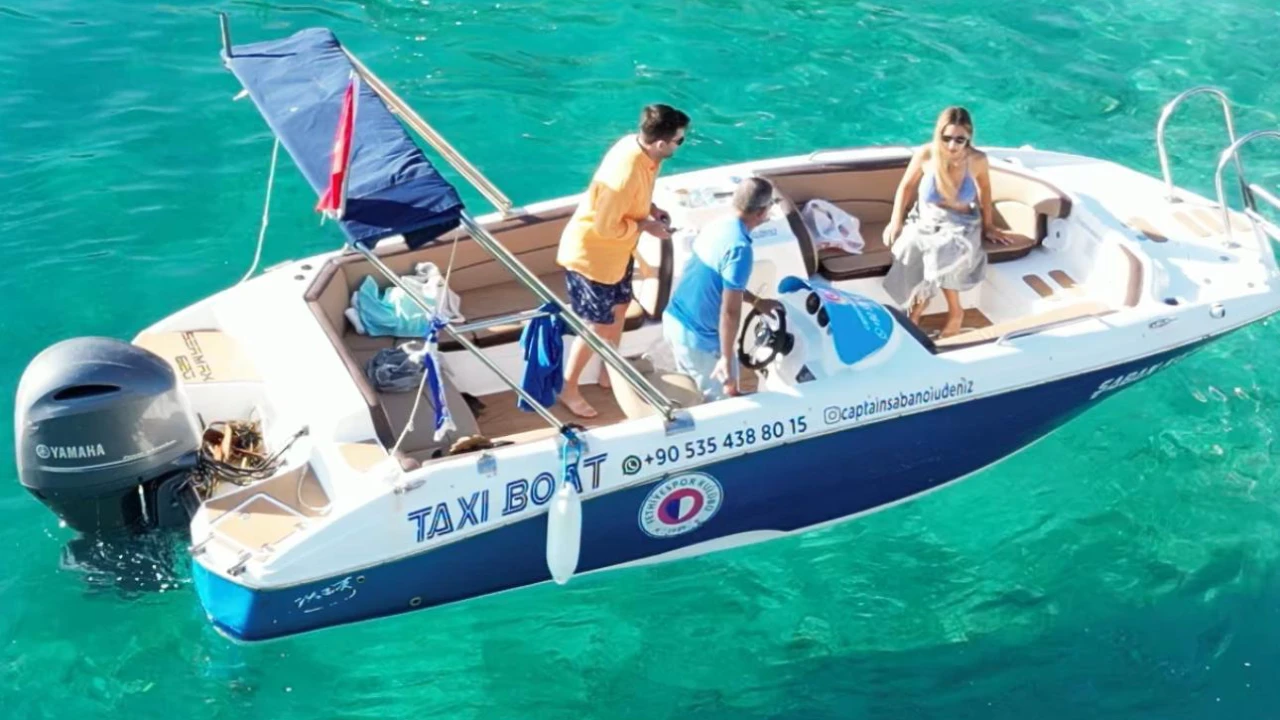
During the season, a sea taxi operates between the central harbor and Çalış; this 15 to 20-minute ride is a mini boat tour in itself. You might find marked areas on the coastline for sea turtle nests; please avoid entering these protected zones. For sunset, arriving half an hour before the sun dips below the horizon is usually sufficient.
Ölüdeniz and Belcekız: The Lagoon vs. Public Beach Distinction
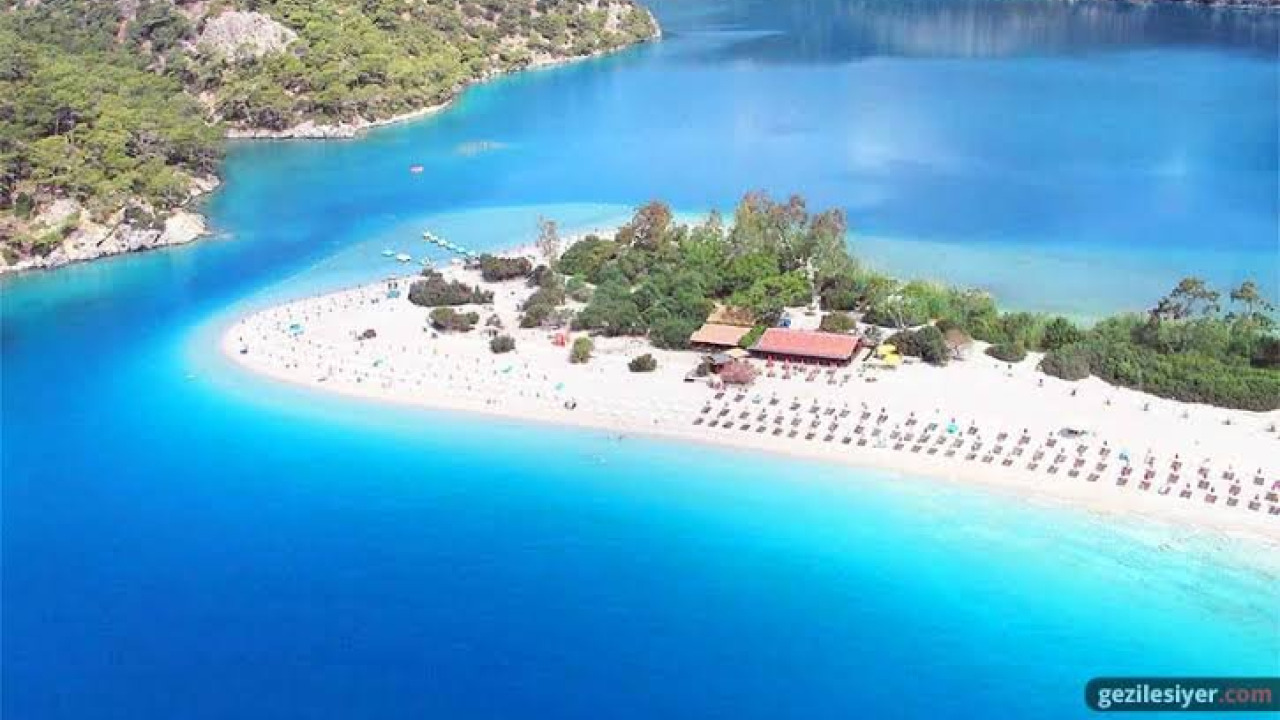
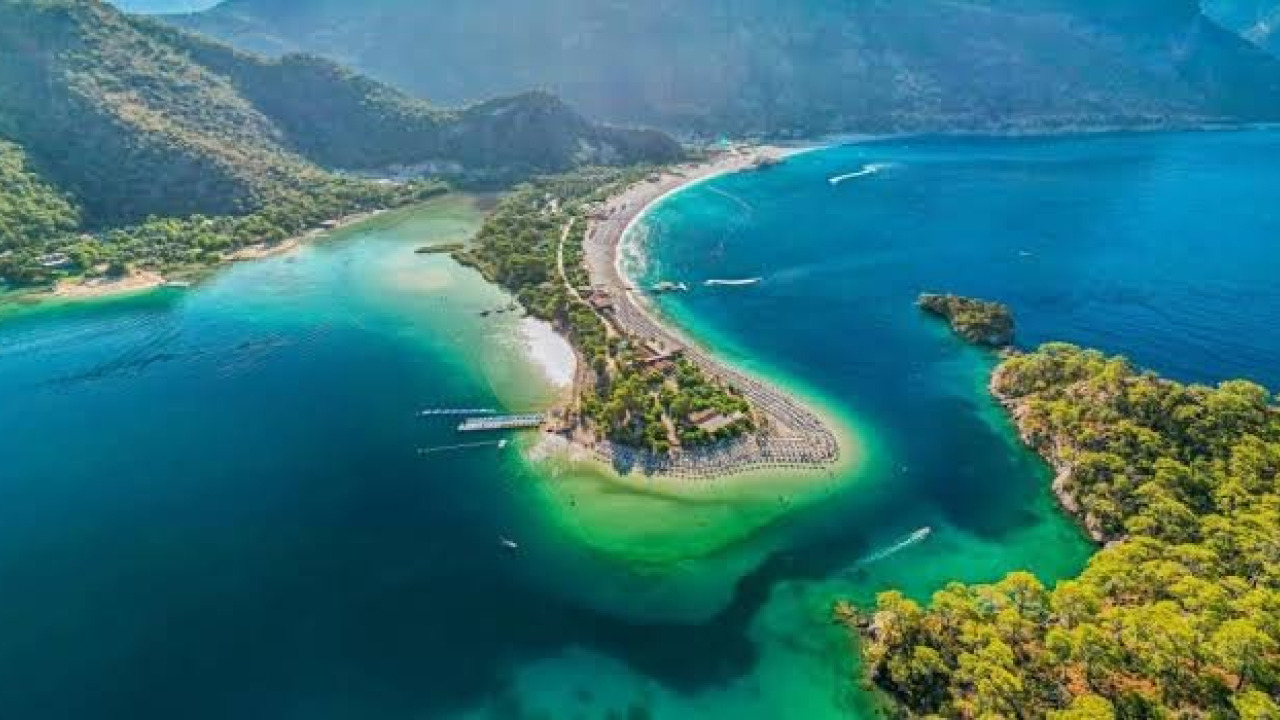
Ölüdeniz is a stretch comprising the enclosed lagoon behind a sand spit and the adjoining Belcekız beach. The lagoon is within the boundaries of Ölüdeniz Nature Park, and entry is subject to a fee; in this section, where motorized sea vehicles are prohibited, the water is as calm as a lake. Belcekız, on the other hand, is a public, pebble beach that is more lively. The gradient of colors from turquoise to deep blue, set against the steep slopes of Babadağ in the background, creates the district's iconic postcard view.
At the lagoon entrance, pedestrian and vehicle fees are calculated separately, and sun loungers and umbrellas are also priced extra; knowing what's separately charged at the gate prevents surprises on the beach. Between 11:00 AM and 4:00 PM, it's both crowded and hot, while around 9:00 AM, the water is much calmer.
Kıdrak Nature Park: Ölüdeniz's Tranquil Extension
Kıdrak is a protected cove 3 kilometers beyond Ölüdeniz, where a pine forest meets the sea. This is the shore favored by those seeking to escape the crowds of the lagoon; entry is paid, and the area holds nature park status. The ground is predominantly fine pebbles rather than sand, the water deepens quickly, and the pine trees behind offer shade. Shaded areas are limited, so early arrivals get the best spots, and sea shoes are useful on the pebbly ground; as the wind and waves pick up in the afternoon, families with children tend to prefer morning hours.
Butterfly Valley: By Boat or Steep Path
The valley gets its name from the dense population of tiger moths that appear in summer; June to September is noted for butterfly observation. The sandy beach nestled between towering rock walls on either side, and a waterfall reachable by a half-hour walk within the valley, are the two main stops of the trip.
There are two ways to reach it: a 15 to 20-minute boat ride from Ölüdeniz, or a steep path descending from Faralya. The roped sections of the path require experience and appropriate footwear.
For those going by boat, the return journey is a critical detail. Find out the departure time of the last boat upon arrival; if you stay outside the designated accommodation area in the valley, there will be no return option in the evening. Morning boats are both cooler and less crowded.
Babadağ and Cable Car: The Paragliding Launch Point
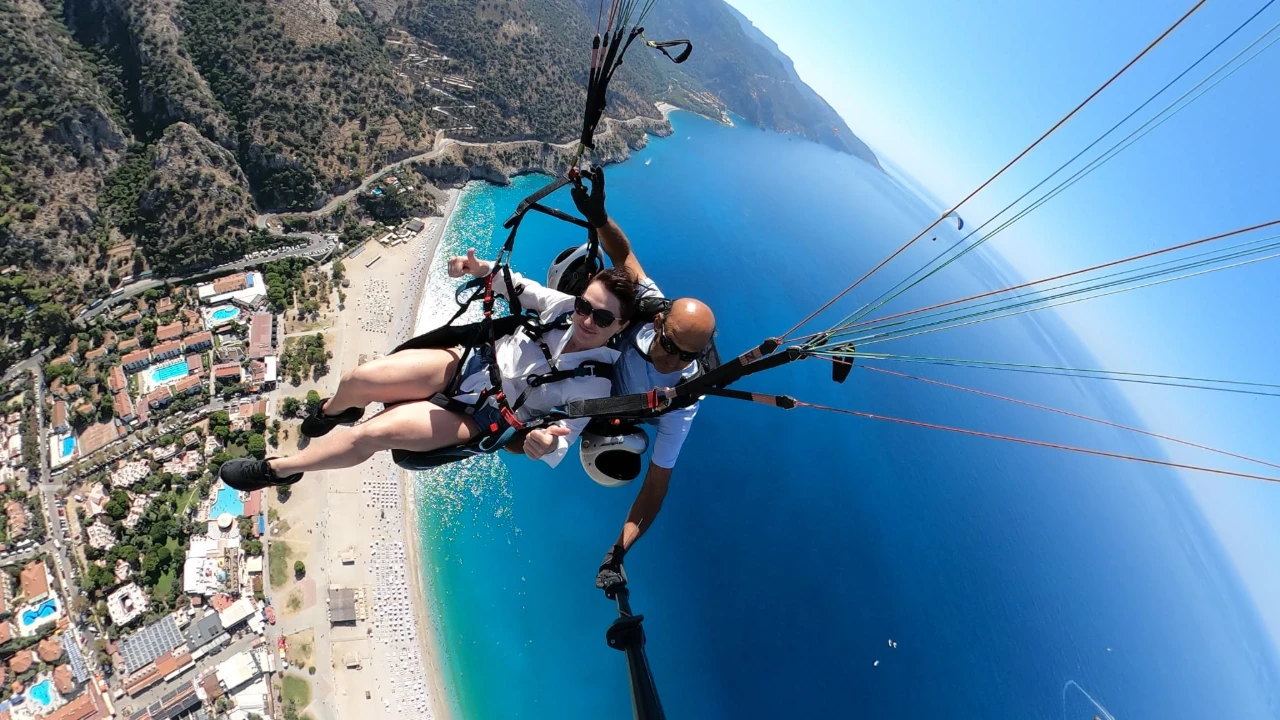
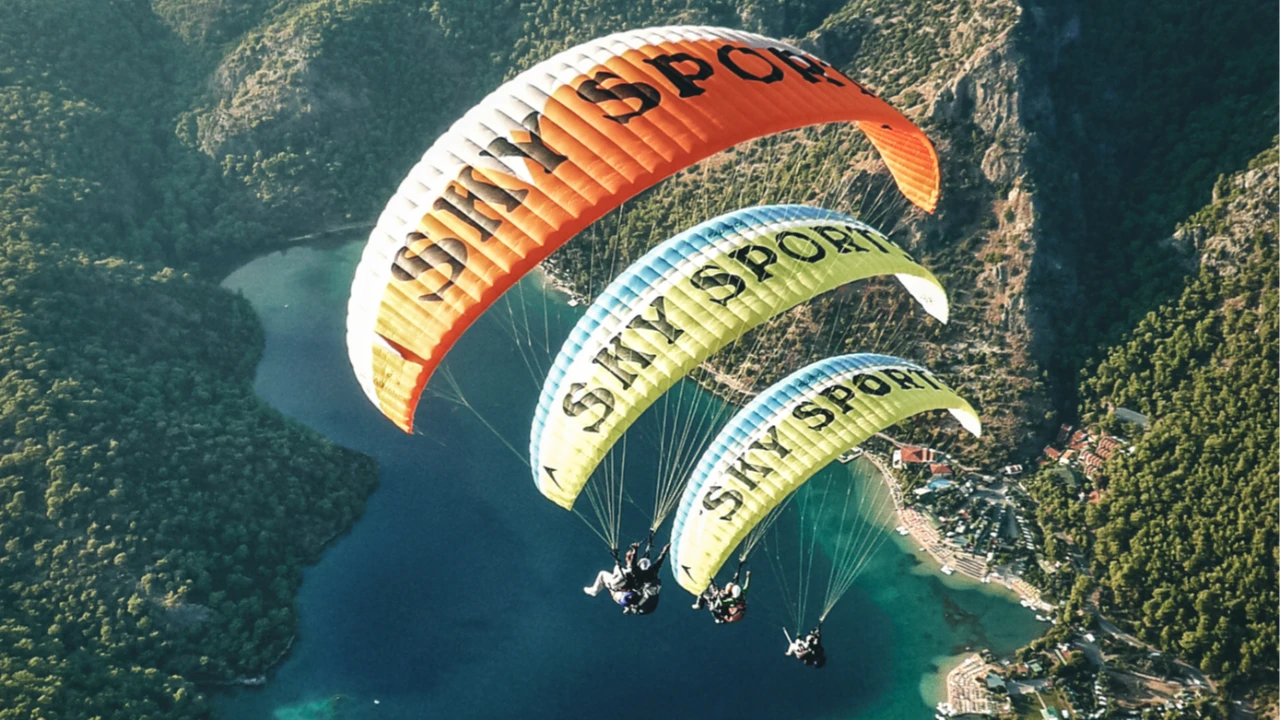
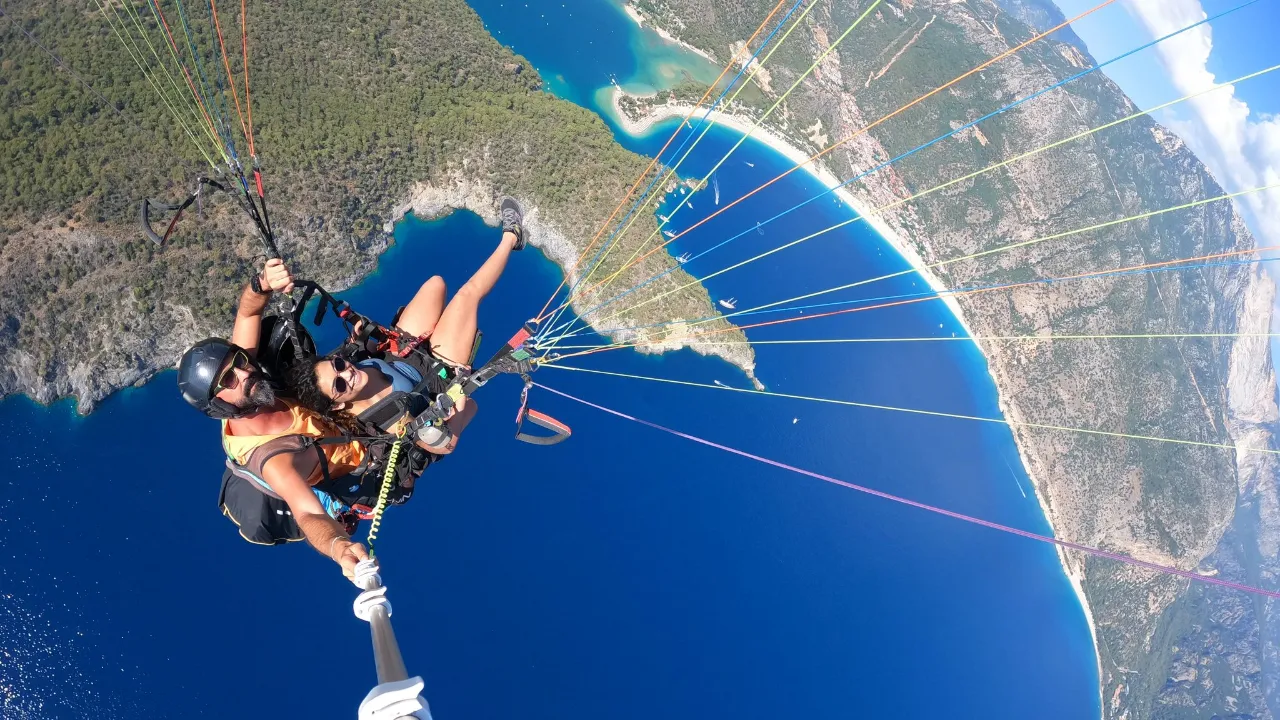
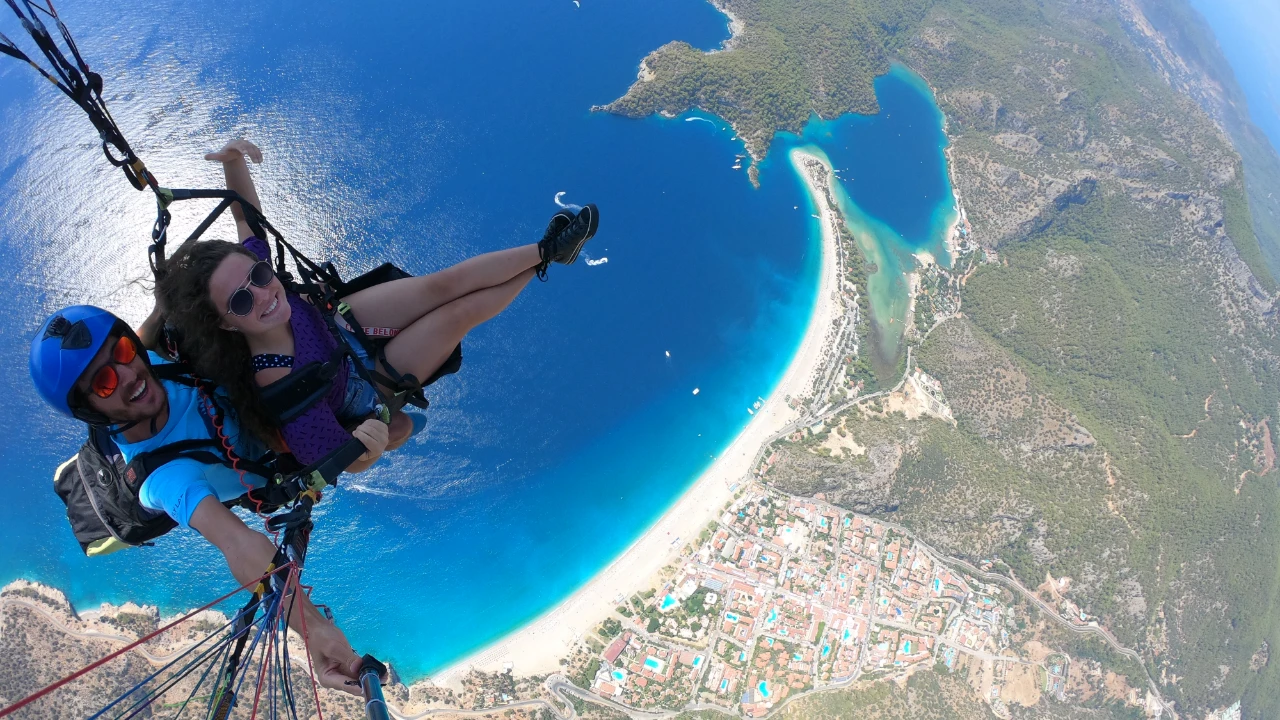
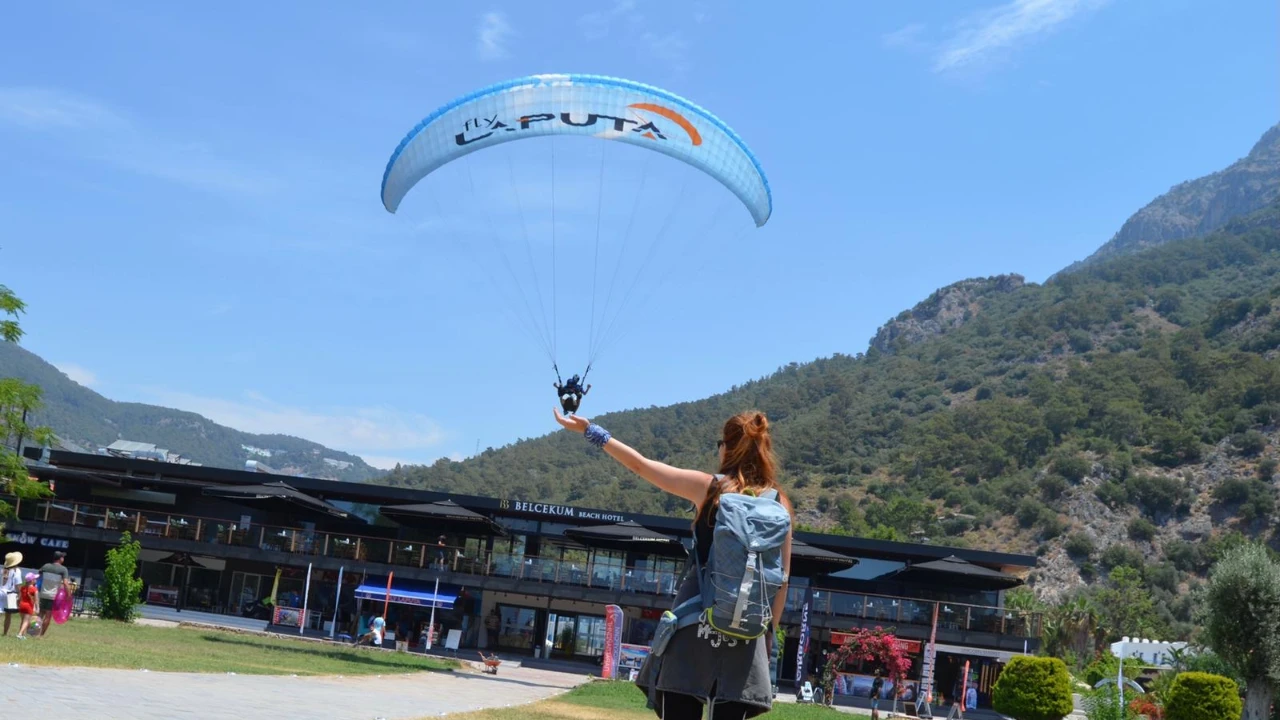
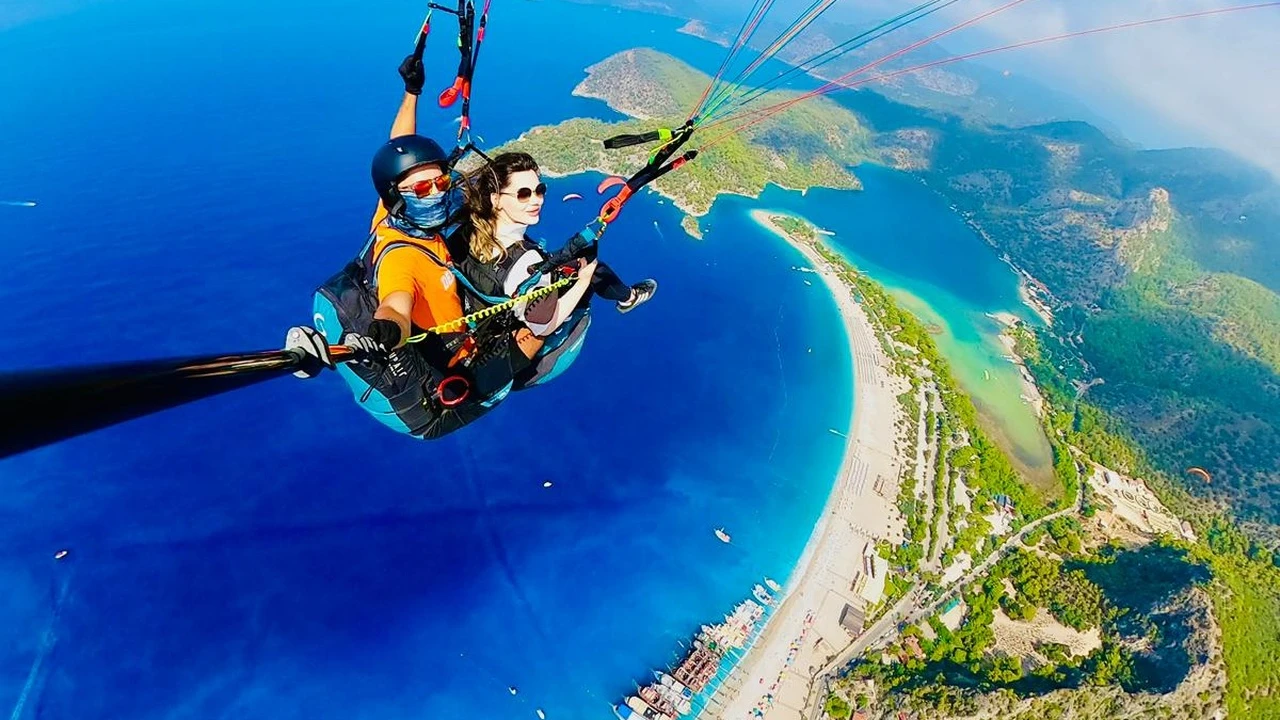
Rising behind Ölüdeniz, Babadağ is a massif with a peak exceeding 1,900 meters and serves as the launch point for paragliding flights in the region. The cable car line ascends to approximately 1,200 to 1,800 meters with intermediate and upper stations; even non-fliers can go up for the viewing terraces and restaurants. Tandem flights typically last 20 to 40 minutes.
Flights are scheduled based on wind conditions; the window between 7:00 AM and 11:00 AM is considered more stable, and if canceled, a second window on the same day is attempted. Temperatures at the top are noticeably cooler than on the coast, so bring a light extra layer. Scheduling this activity for your first day provides a backup day in case of weather-related delays. For flight options, compare the launch altitudes and video packages of programs on the Fethiye paragliding list.
Kayaköy: The Stone Streets of Abandoned Levissi
Approximately 8 kilometers from the center, Kayaköy, formerly known as Levissi, is a settlement that was emptied after the 1923 population exchange and never re-inhabited. Several hundred stone houses scattered across the hillside and the ruins of two large churches remain. Louis de Bernières' novel "Birds Without Wings" was inspired by the story of this village; the closing scenes of Russell Crowe's 2014 film "The Water Diviner" were also shot here.
The paths winding between roofless walls, the pebble mosaics on the church floors, and the panoramic view of the Fethiye plain from above form the backbone of the visit. The area has an entrance fee and is shadeless, so a hat and water are essential. The hiking trail descending from the village towards Ölüdeniz takes 1.5 to 2 hours; if you plan to do this hike, factor in the return dolmuş from the start. Around 9:00 AM or the last hours before closing are both cool and less crowded. Those interested in reading the detailed story of the village can refer to the Kayaköy travel guide article.
Kabak Bay and Faralya Route: A Sea Alternative for Day Three
The narrow road winding south from Ölüdeniz leads to Kabak via Faralya (Uzunyurt). The distance from the center is approximately 25 kilometers, but due to winding roads and altitude changes, the drive takes longer than the distance suggests. Kabak is a bay with a pine forest behind it and a mix of pebbles and sand in front; the bungalows and camping facilities on the hillside operate the path and shuttle services down to the bay, while those arriving by their own vehicle usually park at the top and walk down.
The bay does not feature large resorts or crowded beach operations; this is precisely what sets the area apart for those seeking tranquility. Along the same coastline, there are smaller coves like Karaot Beach that require access by car or path. The road is narrow and includes sections without barriers, making driving in the dark challenging, so planning your round trip for daylight hours is essential. In a sea-focused itinerary, this route serves as a natural alternative to an inland day.
Saklıkent National Park: Canyon Walk in Icy Waters
Saklıkent, located 45 to 50 kilometers from Fethiye, is renowned as one of Turkey's longest canyons; sources cite its length at approximately 18 kilometers with walls reaching up to 300 meters in places. Upon entry, you cross a wooden suspension bridge attached to the canyon wall, after which the walk continues through the water. The narrow gorge where the two walls come within a few meters of each other, and the section where spring waters cascade down, are two key landmarks of the walk.
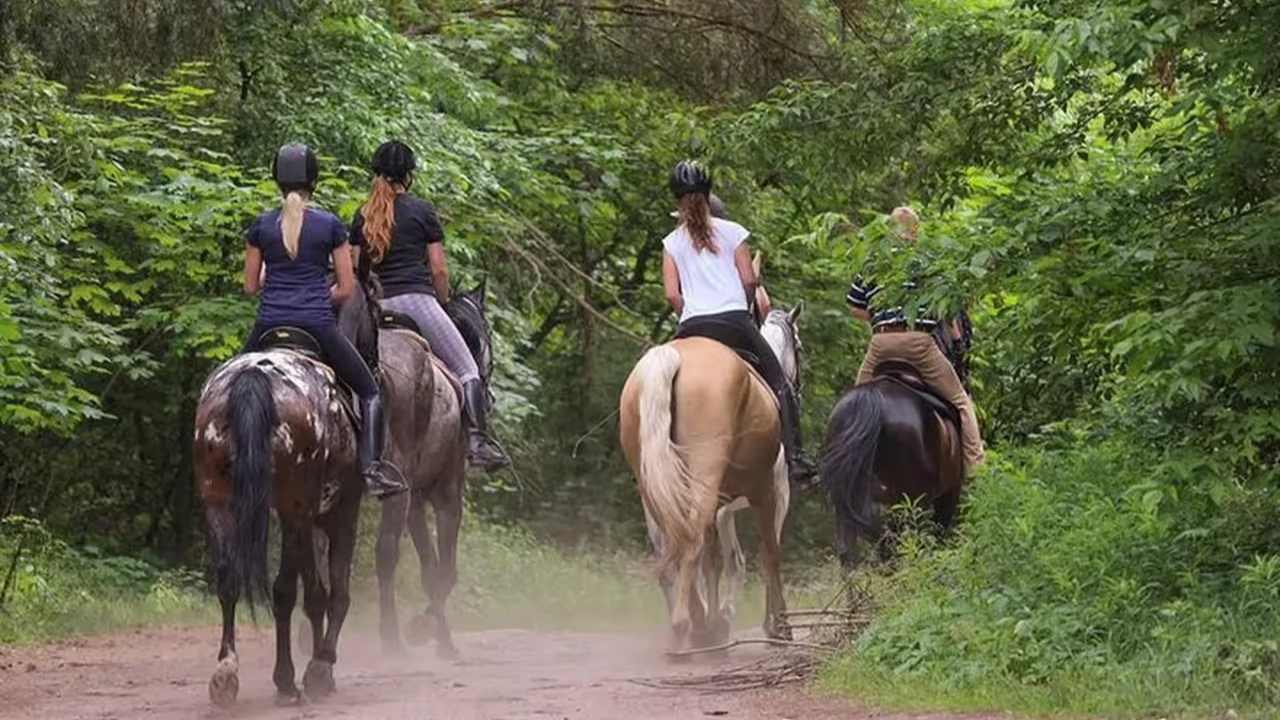
As water levels rise in spring, canyon walks may be closed; the suitable period is generally after May. Non-slip sea shoes and spare clothes are necessary; the water remains cold even in mid-summer, with sources indicating a temperature range of 10 to 15 degrees Celsius. Those wishing to combine the canyon with a jeep or rafting program can view day plans from the Fethiye nature adventure tours list.

Tlos Ancient City: Bellerophon Relief on the Acropolis
Located on the Saklıkent route, approximately 40 kilometers from the center, Tlos is considered one of Lycia's early and significant settlements, associated with the name "Dalawa" found in Hittite records. On the acropolis hill, you'll find Lycian rock tombs, an Ottoman-era castle above them, and below, the remains of a stadium, baths, and a theater. Among the rock tombs, the prominent Bellerophon tomb with its relief of the winged horse Pegasus on its facade is considered the site's signature feature.
The site is expansive and sloped; the visit takes 1 to 1.5 hours, and there's no shade during midday. Visiting Tlos in the morning and Saklıkent in the afternoon solves two problems at once: you enter the cool canyon during the hottest part of the day, and the canyon water also warms up slightly later in the day.
Fethiye Section of the Lycian Way: A Walkable Segment for Three Days
The Lycian Way is a long-distance hiking trail, cited in sources as approximately 500 to 540 kilometers. It begins around Ovacık, near Fethiye, and ends near Geyikbayırı, close to Antalya. The route is marked with the standard red-and-white paint signs for long-distance trails, and its initial stages pass directly through the geography covered in this guide: from Ovacık to Ölüdeniz, and then towards Faralya, Kabak, and Alınca.
While the entire trail doesn't fit into a three-day program, a half-day segment certainly does. For a sea-focused itinerary, the section between Ovacık and Ölüdeniz is a reasonable option, while for a nature-focused itinerary, the section between Faralya and Kabak is a good choice.
Although the markers are generally in place, they can be faded in some sections; it's essential to carry a recorded track, bring extra water, and learn dolmuş times for your return in advance. Guided hiking groups operate programs throughout the season in the region, also handling return logistics for those who prefer not to hike alone.
The ideal periods for hiking are spring and autumn. Shadeless sections can be challenging in July and August, while between November and March, although temperatures drop, the trails remain suitable for hiking.
Fethiye 3-Day Itinerary Plan: Day-by-Day Flow and Transportation
The following flow divides a traveler's three days, assuming they're staying in the center, into time slots. Times are approximate and may shift based on season, dolmuş frequency, and tour departure times.
Getting to Fethiye and Your Vehicle Decision
- For those arriving by flight, the closest gateway is Dalaman Airport: approximately 50 kilometers, a 50 to 60-minute drive. Antalya Airport is about 200 kilometers away, meaning a 3.5 to 4-hour journey.
- When booking flights, it pays to check both airports. Direct flights to Dalaman are more frequent during the summer season, with reduced frequency outside of it; Antalya generally offers more flights but adds 3.5 to 4 hours to your road travel. Mid-week, early morning, and late-night departures are usually more affordable than weekends; for travelers with flexible dates, comparing both airports on the same screen, including baggage allowance and transfer costs, can significantly reduce the total fare.
- Upon exiting the airport, you have three options: seasonal airport buses, private transfers, and rental cars. Bus tickets are low-cost, private transfers offer door-to-door service, and a rental car provides flexibility for an inland day.
- Those arriving by road use the district bus terminal. The distance from İzmir is approximately 330 kilometers, taking 4 to 5.5 hours by bus; from Antalya, it's about 200 kilometers, and planning a 3.5 to 4-hour journey is realistic.
- Within the city, the main mode of transport is the dolmuş (shared minibus): routes to Ölüdeniz, Çalış, Kayaköy, and Hisarönü depart every 10 to 20 minutes in season, with reduced frequency in winter months.
- The decision to rent a car hinges on a simple question: if you plan to dedicate your third day to Saklıkent and Tlos, a car or a tour will make things easier. If you're sticking to the Fethiye Center and Ölüdeniz axis, the dolmuş is sufficient, and finding parking in the center during summer evenings can be challenging.
Day 1: Fethiye Center, Rock Tombs, and Çalış Sunset
- 09:00 AM: Start with the Fethiye Museum; after seeing the trilingual stele, the facades of the rock tombs will gain more meaning.
- 10:30 AM: Ascend to the Amyntas Rock Tombs. The stairs are steep; allow 30 to 40 minutes at the top.
- 12:00 PM: Visit the ancient theater and harbor square. From here, Paspatur is a short walk away.
- 01:00 PM: Lunch break in Paspatur; save the Fish Market for dinner and explore the bazaar during the day.
- 04:30 PM: Head to Çalış Beach by dolmuş or sea taxi, and enjoy a walk along the promenade.
- 08:00 PM: Return to the center for dinner at the Fish Market or a stroll through Şehit Fethi Bey Park along the promenade.
Day 2: Ölüdeniz, Butterfly Valley, and Babadağ
- 08:00 AM: Take the Ölüdeniz dolmuş; secure your spot at the lagoon entrance before the crowds arrive.
- 10:00 AM: Transfer to a Butterfly Valley boat from Ölüdeniz pier; allow 1.5 hours for the waterfall hike in the valley.
- 02:00 PM: Return to the Belcekız side for a lunch break; alternatively, make the 3-kilometer transfer to Kıdrak cove.
- 04:30 PM: Ascend Babadağ by cable car; if you have a flight reservation, adjust this step to the morning according to your pilot's given time.
- 07:30 PM: Dinner on the Ölüdeniz promenade or return to the center. Find out the last dolmuş time during the day.
Day 3: Kayaköy, Saklıkent, and Tlos
- 08:30 AM: Head to Kayaköy; 1.5 hours in the stone streets and half an hour in the churches should suffice.
- 10:30 AM: Proceed to Tlos; allocate 1 to 1.5 hours for the acropolis and Bellerophon tomb.
- 12:30 PM: Lunch break at the trout restaurants around Yaka village.
- 02:00 PM: Saklıkent Canyon; plan 2 hours for the suspension bridge and water walk, leave spare clothes in the car.
- 05:30 PM: Return to the center; conclude your evening around the marina or on the promenade.
- If you chose a sea-focused itinerary, convert this day to the Faralya, Kabak route: a short section of the Lycian Way in the morning, followed by sea time in the bay in the afternoon.
Where to Stay: Accommodation Area Comparison
Where you choose to stay directly impacts how tiring your three days will be. Staying in the center means being at the heart of the transportation network; staying in Ölüdeniz means waking up right by the sea but relying on a dolmuş every evening.
| Area | Best for | Distance to Center | Notes |
|---|---|---|---|
| Fethiye Center and Karagözler | Travelers using the dolmuş network, seeking bazaar and marina access | 0 km | Fish Market, bus terminal, and pier within walking distance; parking problematic on summer evenings |
| Çalış | Those desiring a beach promenade and sunset views, budget-conscious travelers | Approx. 5 km | Connected to the center by sea taxi; more wind and waves compared to the lagoon |
| Ölüdeniz and Belcekız | Sea-focused plans, those wanting to be at the lagoon in the morning | Approx. 14 km | Prices are at the upper end during peak season; evening plans in the center depend on dolmuş availability |
| Hisarönü and Ovacık | Groups seeking nightlife, those looking for affordable prices | Approx. 10 km | Located between Ölüdeniz and the center; live music venues can be noisy at night |
| Kayaköy | Those seeking tranquility, village dining, and hiking trails | Approx. 8 km | Limited evening options; high dependence on car or dolmuş schedules |
| Faralya and Kabak | Nature camping, bungalows, and trail hiking enthusiasts | Approx. 25 km | Road is narrow and winding; night transport is infrequent, plans depend on having a car |
A practical guideline for your decision is this: if you're spending two days at sea, the Ölüdeniz area is ideal. If you're exploring different directions over three days, staying in the center minimizes travel time. For families, Çalış stands out as a preferred option due to its shallow entry and promenade walks.
When to Go: Seasonal Breakdown by Month
The same itinerary transforms into a different trip depending on the month you visit. Canyon water levels rise in spring, butterfly sightings peak in summer, and sea temperatures reach their warmest in August. Sources report an average August temperature for Fethiye in the 28-degree Celsius range (lower limit 26, upper limit 30 degrees); while September averages are similar, the lower range drops to 24 degrees. Therefore, instead of expecting September to be "hotter," it's more accurate to plan for September as the month when crowds recede, but the sea remains pleasantly warm.
| Period | Advantage | Points to Consider |
|---|---|---|
| April, May | Ideal temperatures for hiking and ancient sites; low crowds | Sea is cool; canyon water levels might be high, inner walk could be closed |
| June | Sea has warmed up, butterfly sightings begin, long days | Tour occupancy starts to increase, book early |
| July, August | Sea water at peak warmth (sources cite August average 28°C); boat programs stable | Temperatures can exceed 35°C; prices and crowds are at their peak |
| September | Sea still warm, crowds recede, comfortable for ancient site visits | While average is close to August, lower range can drop to 24°C; first week of school might remain busy |
| October | Comfortable for ancient city tours, soft light for photography | Frequency of boat and flight programs decreases |
| November, March | Suitable period for Lycian Way hikes and village excursions | Rainfall increases; many sea programs and some facilities close |
If you're not tied to fixed dates for your three days, late May to early June or the second half of September allows you to combine both canyon and sea activities in the same itinerary.
Tour Options: Boat, Jeep, and Flight Programs
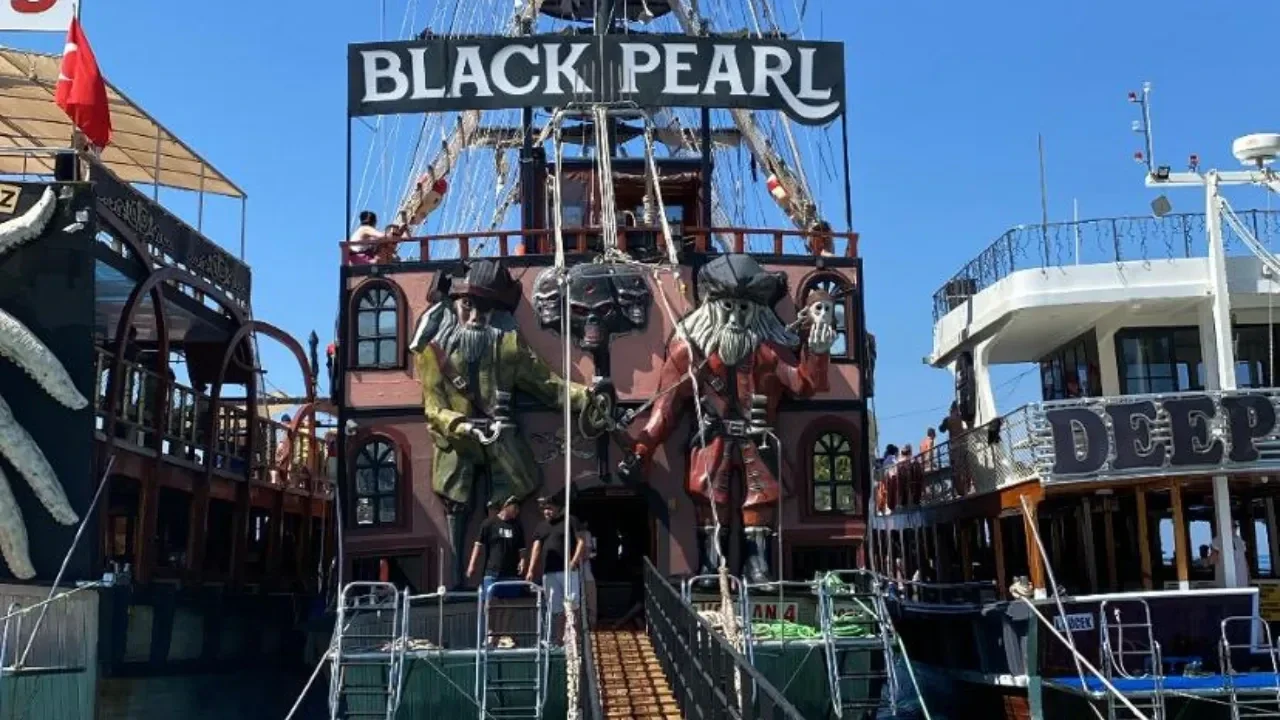
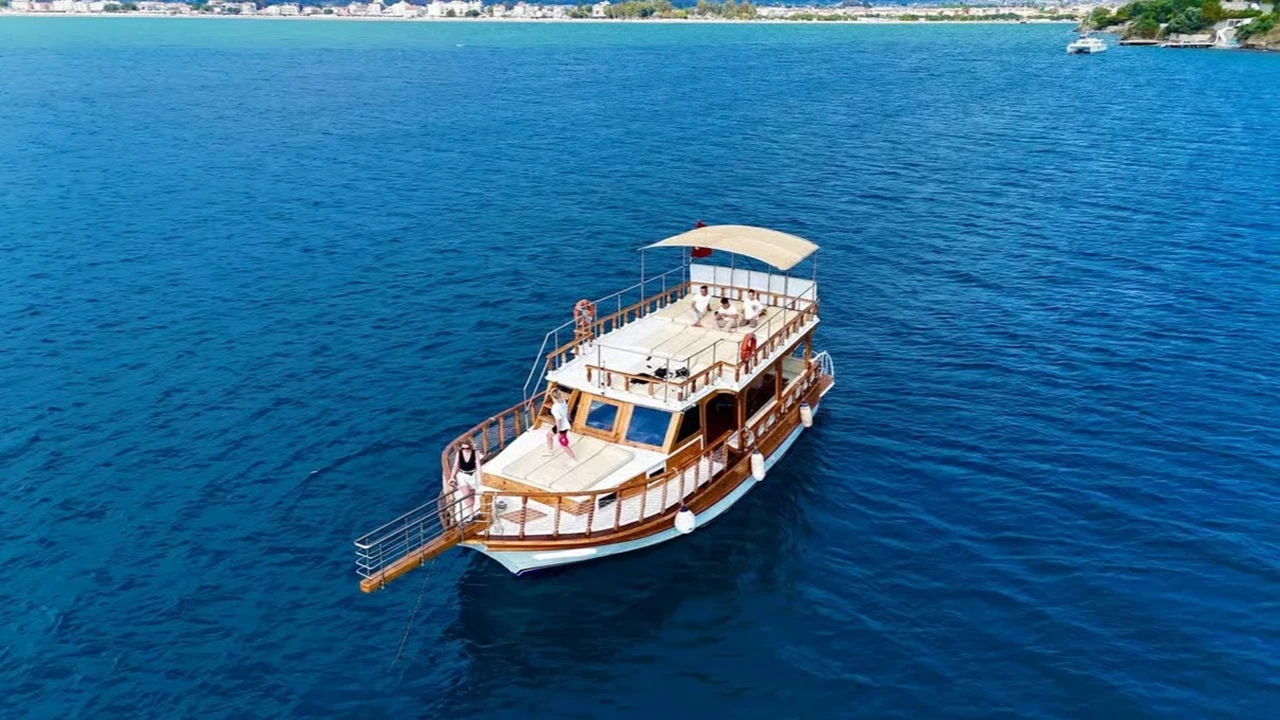
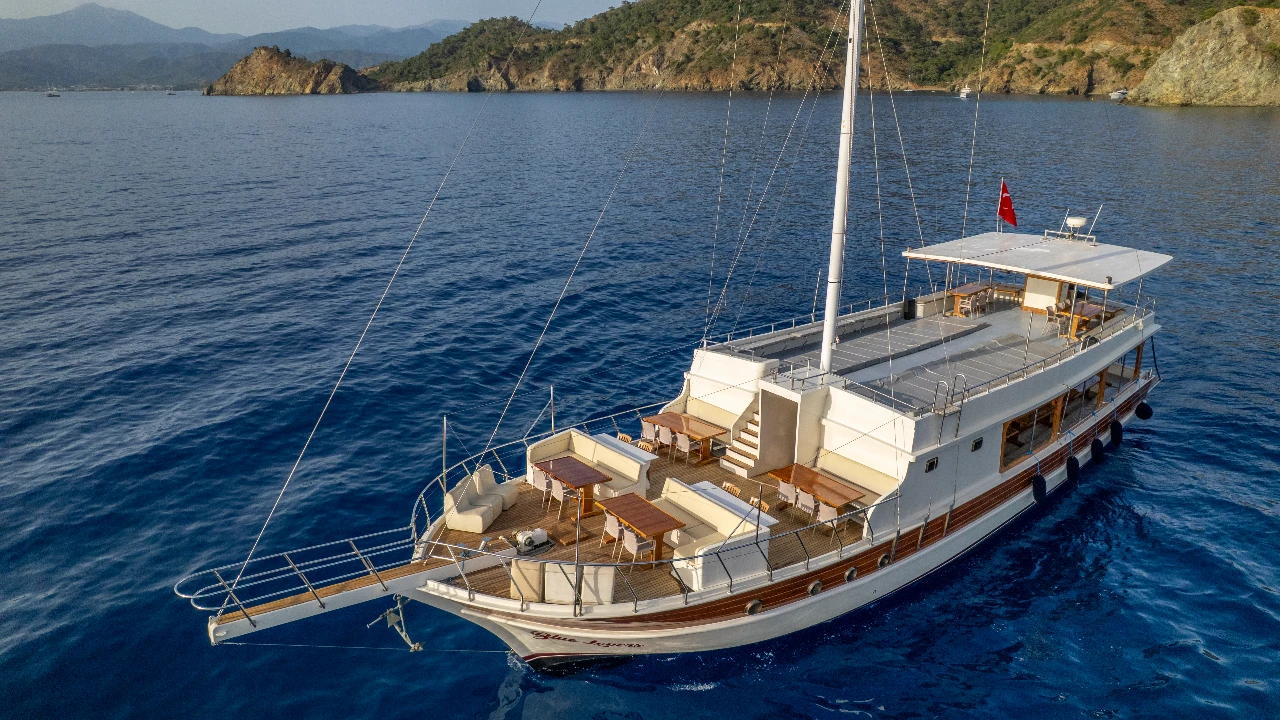
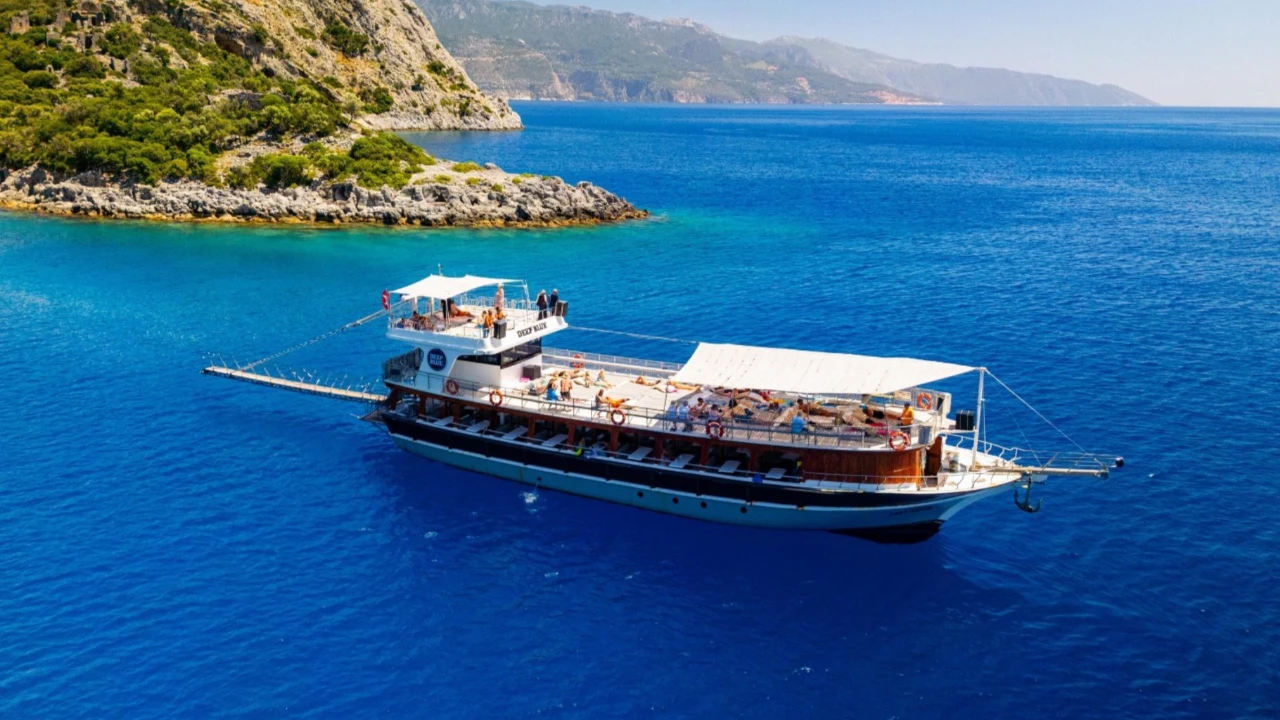
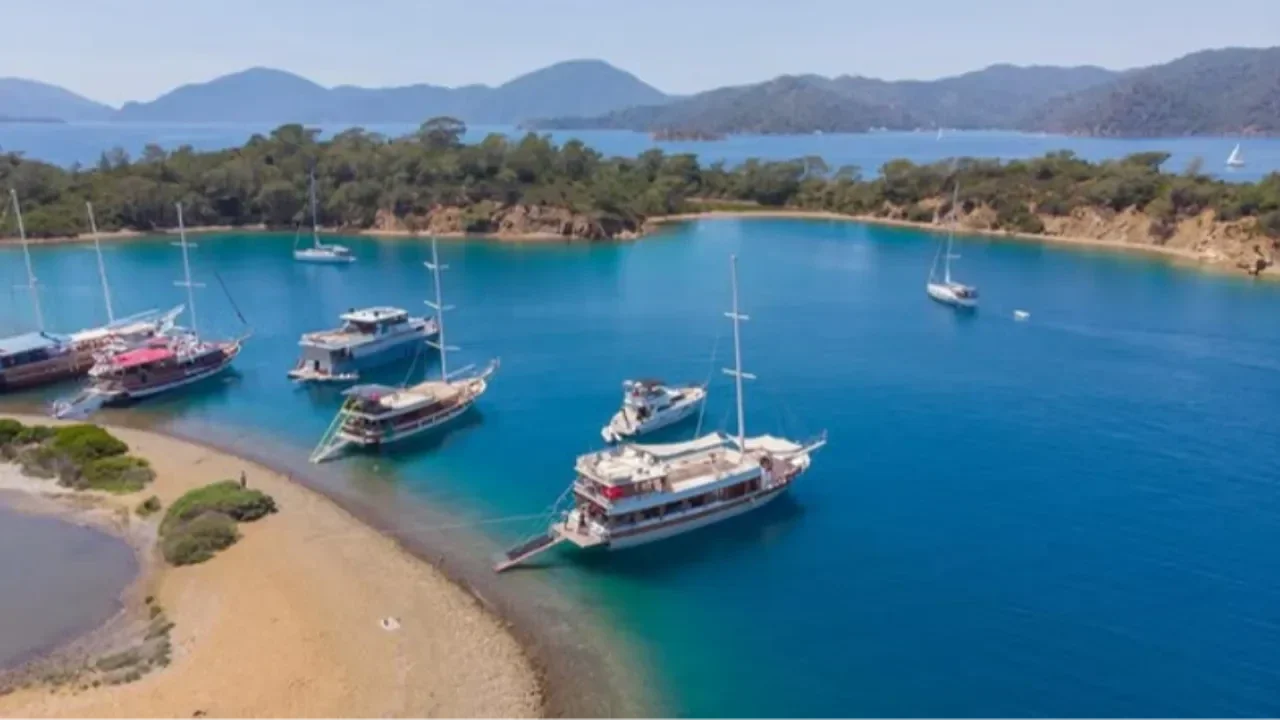
Purchasing ready-made tours simplifies two steps of your itinerary: your sea day and your inland day. For the sea day, there are two main formats. Programs departing from Ölüdeniz combine stops at Butterfly Valley, Gemiler Island, and various caves. The 12 Islands tour departing from Fethiye harbor, on the other hand, cruises between islands and coves all day; Yassıca Adaları, Tersane Adası, and Akvaryum Koyu are notable stops on this route. Programs are full-day: departing in the morning and returning in the late afternoon. As times vary by operator, pier, and season, confirm the exact departure time from the booking screen or directly with the operator.
When choosing a program, ask these questions at the time of booking: Is lunch included? What is the boat's capacity? How many stops are there for swimming? How are drinks charged? A significant portion of price differences stems from these items. To compare routes and included services, you can check the Fethiye boat trip list.
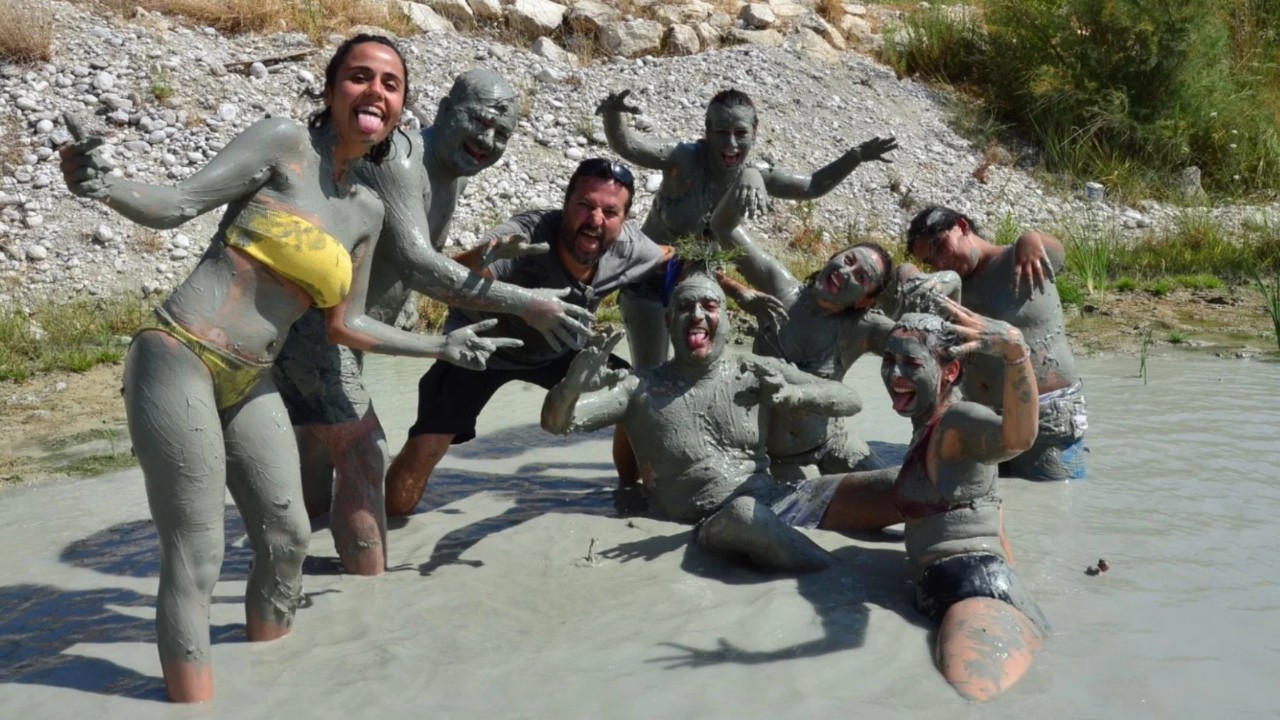
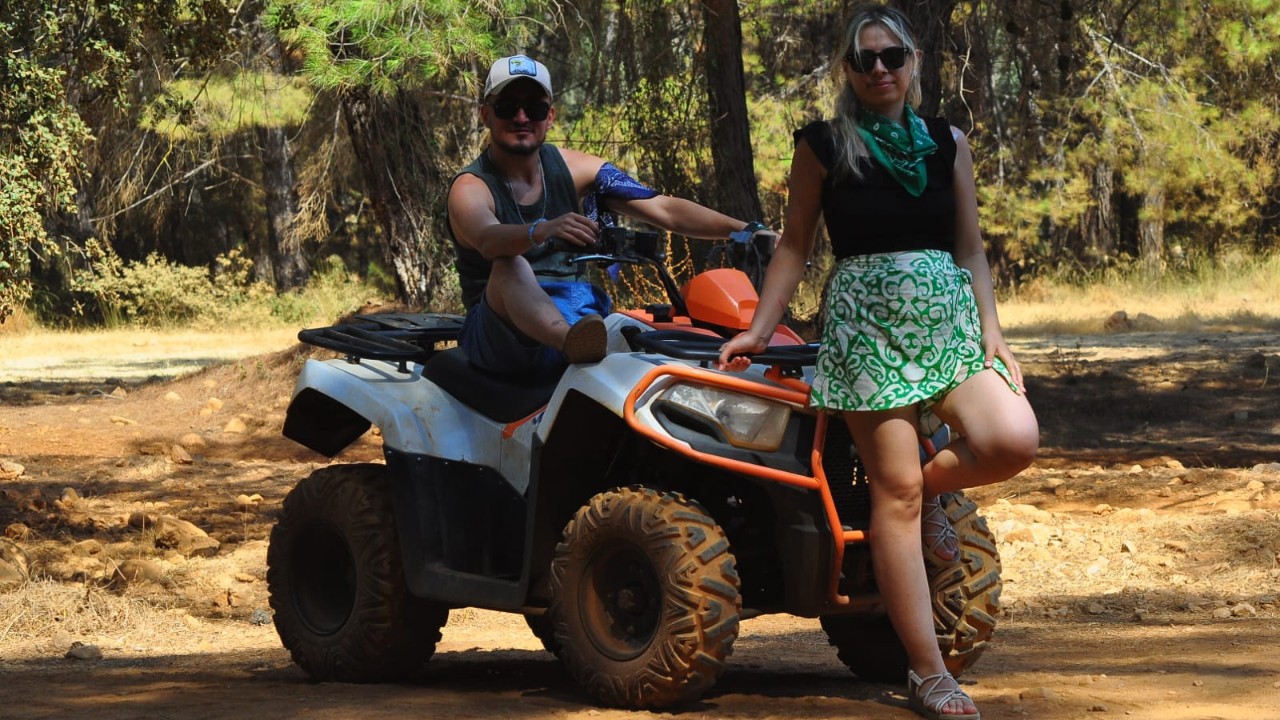
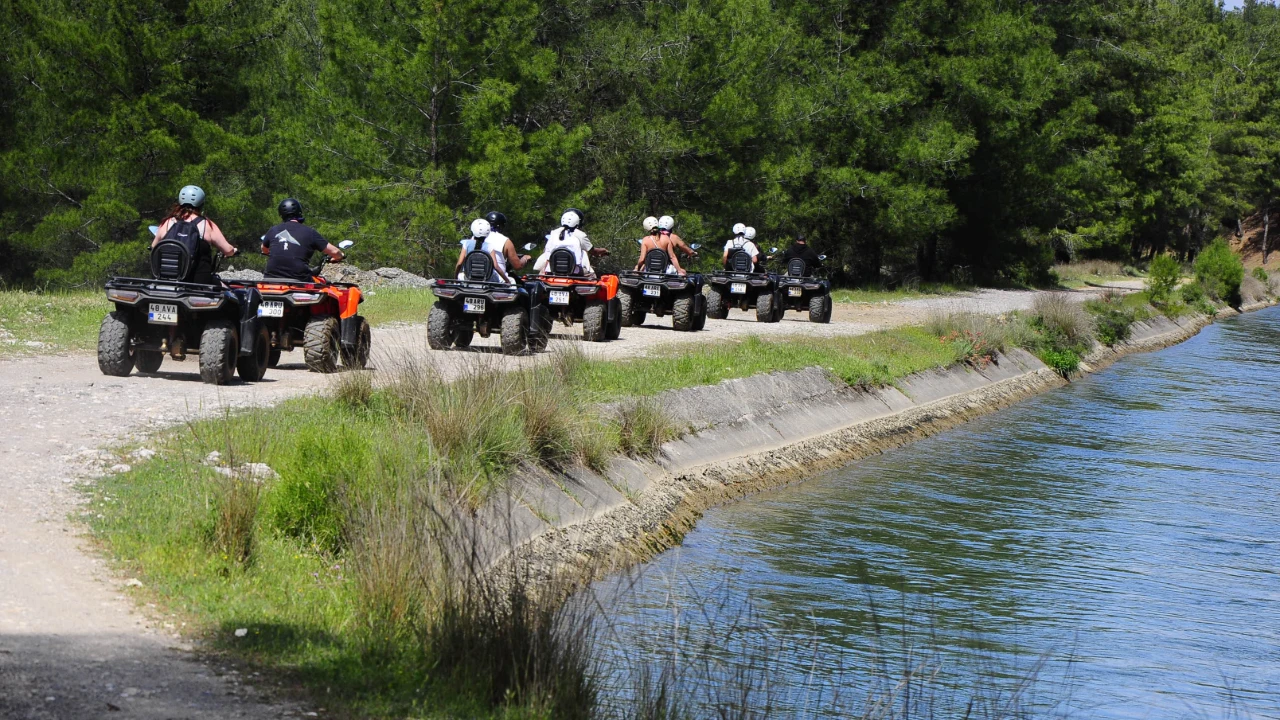
For your inland day, if you don't have your own car, a jeep tour is a great option: programs combining Saklıkent, Tlos, and mud bath stops on the same day are common. Since it's a dusty day on dirt roads, light-colored clothing and a spare t-shirt are sensible; also, as the vehicle is open-topped, sun protection is necessary. Those wishing to combine the canyon and ancient city in one transfer can review the stop order on the Fethiye jeep safari list.
Factors Determining Your Three-Day Budget
The size of your budget is determined by your accommodation area, the type of boat trip you choose, and whether you opt for paragliding. The table below deliberately avoids giving specific figures: tour fees, nature park, and ancient site entrance fees in Turkey are updated throughout the year, so a fixed amount read here would lead to inaccurate planning. Instead, the table shows the weight of each item in the budget and what influences its price; confirm current amounts at the ticket office, from the operator, or on the booking screen.
| Item | Budget Weight | Price Influencers |
|---|---|---|
| Airport Transfer | Bus is low-cost, private transfer significantly higher | Vehicle type, number of people, night time |
| City Dolmuş | Small item in daily budget; 2 to 4 rides per day | Route length, seasonal tariff |
| Nature Park & Ancient Site Entries | Low per person; separate for pedestrian and vehicle entry | Site status, Müzekart coverage, local vs. foreign pricing |
| Full-Day Boat Trip | Main item for a sea day | Lunch included, boat capacity, number of stops, private charter |
| Paragliding | High-cost item of the program; significantly above a shared boat trip | Launch altitude, video and photo package, season |
| Jeep Safari Program | Similar weight to a boat trip | Number of stops, lunch, group size |
| Food & Drink | Wide daily range per person; significant difference between local eateries and marina restaurants | Fish price per kilo, cooking service, drinks |
| Sun Lounger & Umbrella | Separate per beach, small daily item | Location, within nature park or public beach |
There are concrete ways to cut down your budget. Choosing accommodation in Çalış or Hisarönü is the first lever. Having lunch at the Fish Market or a local artisan restaurant is the second. Not combining paragliding and a boat trip on the same day is the third: this way, two high-cost items are spread across two different days. The fourth is timing; late May to early June and the second half of September generally offer more moderate prices compared to July and August.
Practical Notes Before You Go
Trip disruptions often stem from small details like footwear, timing, and booking order. The following notes cover these items.
What to Pack
- Non-slip sea shoes: Essential for walking in the water at Saklıkent and on the pebbles at Kıdrak.
- Spare clothes and towel: Leave a set in the car to avoid staying wet after exiting the canyon.
- Hat, sunglasses, and high-factor sun protection: Kayaköy and Tlos are shadeless areas.
- Light extra layer: Temperatures drop noticeably at the Babadağ upper station compared to the coast.
- Waterproof phone case: Useful for boat trips and valley walks.
- Cash: Small stalls, parking, and some dolmuş routes may not accept card payments.
- Recorded track and extra water: If hiking a section of the Lycian Way, as markers can be faded in some parts.
Where and What to Eat
In the center, the first stop is the Fish Market within Paspatur: here, the custom is to buy your fish from a stall and have it prepared by one of the surrounding restaurants for a cooking fee. During the season, sea bream, sea bass, red mullet, and bluefish are among the species found at the stalls; Cretan paste (Girit ezmesi), samphire (deniz börülcesi), and olive oil-dressed herbs are popular side dishes. The breakfast section of the bazaar gets busy between 8:00 AM and 11:00 AM.
The large market held on Tuesdays in the district is a separate stop for those looking to buy local products: goat cheese, fresh figs, almonds, and olive oil are frequently purchased items from these stalls. In the Kayaköy area, you'll find village breakfasts and menus featuring tandoor-cooked dishes, while around Yaka village, there are trout restaurants operating with spring-fed pools. The Çalış promenade is more relaxed for dinner, while the marina area tends to be at the higher end price-wise.
Local Rules and Points to Note
- Ölüdeniz lagoon is a nature park: Motorized sea vehicle entry and venturing outside marked areas are restricted.
- Sea turtle nest markings: May be found on the beaches of Çalış and its surroundings; do not enter staked or caged areas.
- Butterfly Valley is a natural protected area: Catching butterflies, collecting plants, and straying off marked paths are prohibited.
- Canyon water levels can rise suddenly: Heed warnings from officials about closures.
- Climbing rock tombs in ancient sites: Damages the structure and is unsafe.
- Weather-related cancellations are common for paragliding bookings: Do not schedule your flight the day before your return flight.
- Night driving on the Faralya, Kabak road is challenging: Plan your return journey for daylight hours.
Wrapping Up Your Three Days
When planned correctly, three days in Fethiye reveal the district's diverse facets: Lycian traces in the center, the sea and mountains along the Ölüdeniz stretch, and the inland canyon and ancient city. An itinerary structured as Day 1: Fethiye Center and Çalış, Day 2: Ölüdeniz and Butterfly Valley, and Day 3: Kayaköy, Tlos, and Saklıkent, balances travel time effectively.
Before finalizing your plan, make two key decisions: your accommodation area and whether you'll explore the inland areas by your own car or with a tour. Those wishing to make ancient cities the backbone of their itinerary can compare stop lists from Muğla cultural tours options to structure their third day with less travel. If you're integrating Fethiye into a broader provincial plan, the Dalaman and Dalyan areas also remain viable for day trip extensions.
Frequently Asked Questions 9
What can be done in Fethiye for a day trip?
For those with just one day, two combinations are realistic: morning at the museum and Amyntas Rock Tombs in the center, followed by an afternoon in Ölüdeniz; or a full-day 12 Islands boat trip. Saklıkent and Tlos, being 40 to 50 kilometers from the center, would involve over 2 hours of travel alone if squeezed into a day trip program.
What are the top 10 places to visit in Fethiye?
The top ten highlights are: Ölüdeniz lagoon and Belcekız, Butterfly Valley, Kıdrak cove, Amyntas Rock Tombs, Fethiye Museum, Fethiye Ancient Theatre, Paspatur Bazaar, Kayaköy, Saklıkent Canyon, and Tlos Ancient City. All of these can be seen within a three-day plan.
Where should one visit in Fethiye?
Exploring Fethiye in three geographical clusters minimizes travel time. The central cluster comprises Fethiye Museum, Amyntas Rock Tombs, Fethiye Ancient Theatre, Paspatur Bazaar, and Şehit Fethi Bey Park. The sea cluster covers Ölüdeniz lagoon and Belcekız, Kıdrak, Butterfly Valley, Çalış, and the Faralya-Kabak route. The inland cluster includes Kayaköy, Saklıkent Canyon, and Tlos Ancient City. A three-day plan that dedicates one day to each of these clusters keeps transportation time balanced.
How much does a boat trip cost in Fethiye?
Giving a fixed price here for shared full-day boat trips would be misleading, as the per-person cost varies by season and program scope. The factors determining the price include: whether lunch is included, the boat's capacity (there's a significant difference between crowded day boats and small group boats), the number of stops, and how drinks are charged. Private charters are priced separately per day. Confirm the current amount during booking or on the program's dedicated page.
Which film was shot in Kayaköy, Fethiye?
The closing scenes of Russell Crowe's 2014 film "The Water Diviner" were shot in Kayaköy. The village also served as inspiration for Louis de Bernières' novel "Birds Without Wings," which draws from the story of Levissi, emptied during the 1923 population exchange.
What is Fethiye famous for?
Ölüdeniz lagoon, paragliding flights from Babadağ, Lycian rock tombs, the abandoned village of Kayaköy from the 1923 population exchange, and the 12 Islands boat route are the region's prominent hallmarks. Additionally, the starting section of the Lycian Way, a long-distance hiking trail cited as approximately 540 kilometers, begins around Ovacık near Fethiye.
What to do in Fethiye in the evening?
Evening activities are divided into a few options: dining around Paspatur and the Fish Market, a stroll along the promenade and Şehit Fethi Bey Park, or enjoying the sunset at Çalış. Groups seeking nightlife and music head towards the Hisarönü area, while the marina area is preferred for a more tranquil evening.
Where is the center of Fethiye?
The center is the harbor area, formerly known as Meğri: the pier, Paspatur Bazaar, Fethiye Ancient Theatre, and the promenade are all concentrated in this area. The Karagözler neighborhood forms the marina strip; Ölüdeniz, approximately 14 kilometers away, and Hisarönü, about 10 kilometers away, are distinct tourist areas.
Is it necessary to rent a car in Fethiye?
If your entire three days will be spent within the Fethiye Center and Ölüdeniz axis, the dolmuş network is sufficient. However, if you plan to combine Kayaköy, Tlos, and Saklıkent on the same day, a rental car or a jeep tour will save you time. It's also worth noting that finding parking in the center during summer evenings can be challenging.