
When people think of the Muğla coastline, the first thing that comes to mind is the mesmerizing turquoise waters where the Mediterranean and the Aegean Seas intertwine. Boasting an extensive coastline, this province of Turkey offers a unique geographical treasure in every corner. Swimming in these shores, where lush pine forests meet the sea, means finding perfect harmony with the rhythm of nature.
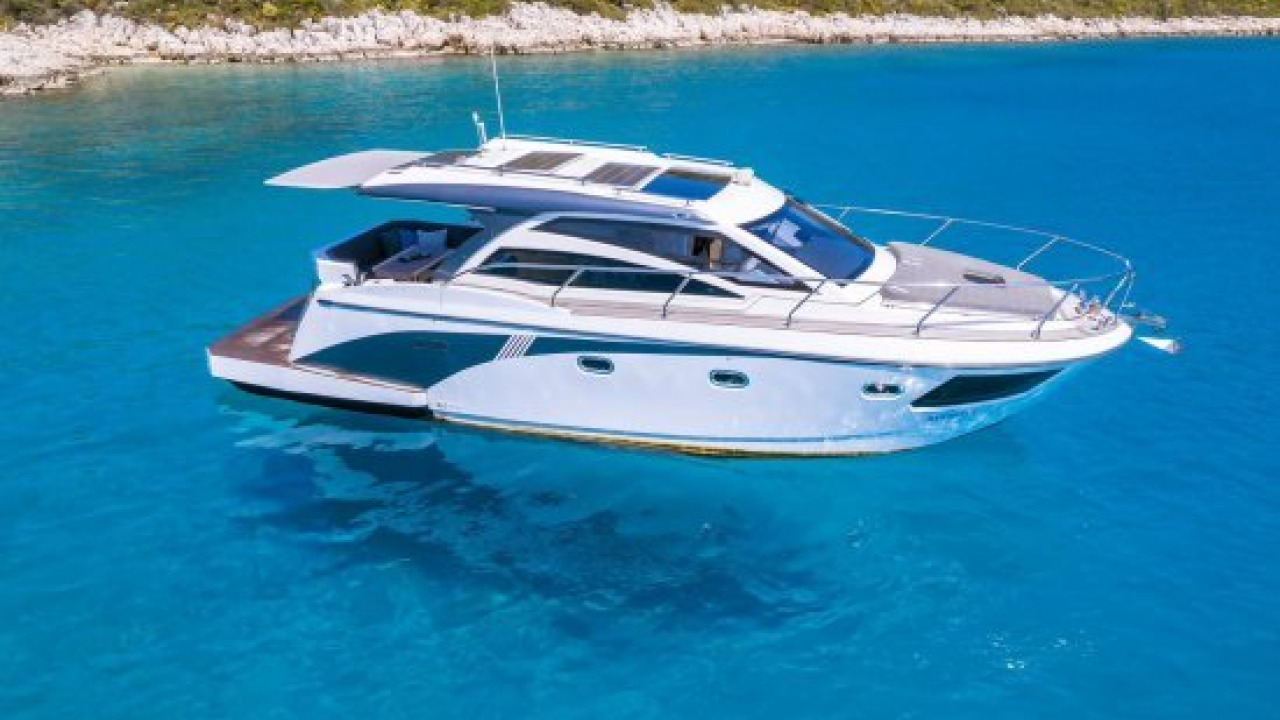
To discover the pristine, untouched bays that are difficult to reach by land, Muğla boat and yacht tours offer incredible cruising opportunities. Routes stretching from hidden canyons to golden sands transform a standard seaside holiday into an unforgettable adventure. This comprehensive coastal guide will be your most reliable companion while planning your dream getaway.
Quick Facts About Muğla Coasts
Before exploring the Muğla shores, take a look at these practical details regarding the region's general structure.
| Topic / Feature | Coastal Conditions & Visitor Summary |
|---|---|
| Ideal Swimming Months | A six-month window from early May to late October |
| Shore & Seabed Type | Rocky, sandy, pebbly bays, and ancient harbor breakwaters |
| Average Water Temperature | Typically ranges between 24-26°C from June to September |
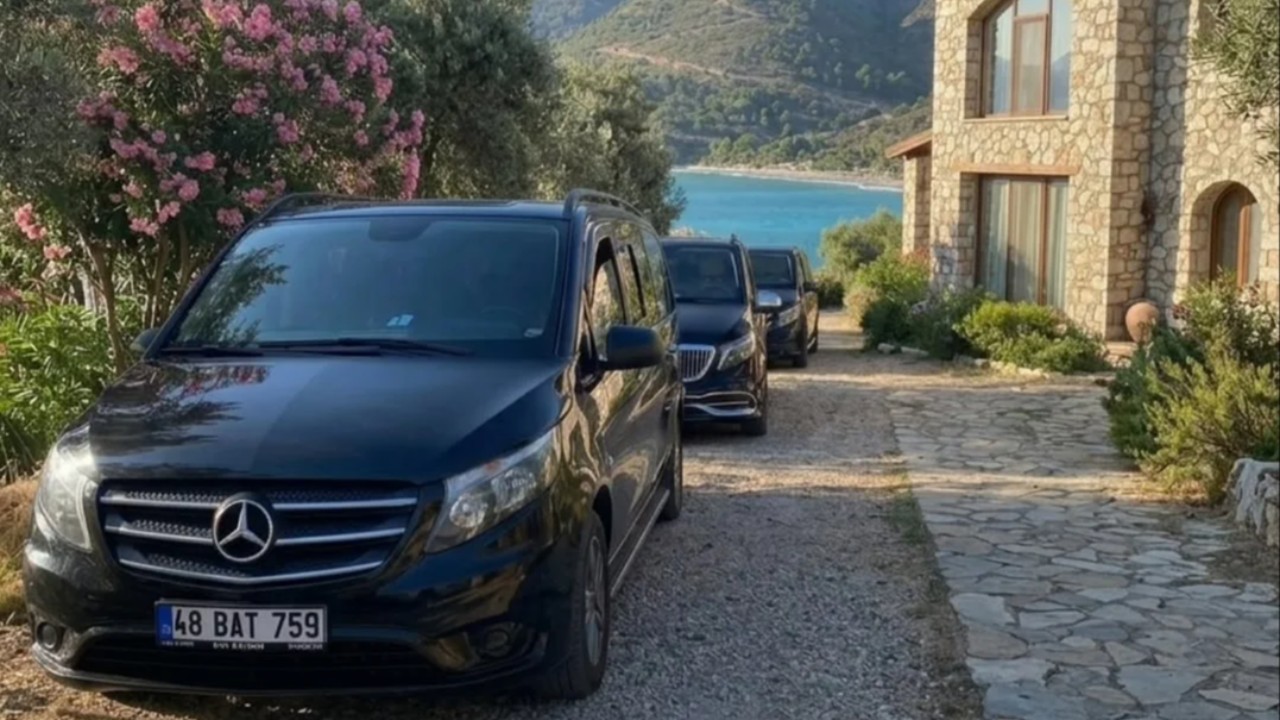
| Primary Transport Methods | Road transfers, car rentals, and organized harbor boat services |
| Official Protection Status | Gökova Special Environmental Protection Area & Butterfly Valley 1st Degree Protected Site |
| Notable Beach Length | İztuzu Plajı stands out with its 5,400 meters of fine sand |
When is the Best Time to Swim in Muğla?
Due to its unique geography, Muğla enjoys an extended swimming season stretching from spring through late autumn. As the sea begins to warm in May, the bays become incredibly attractive for those seeking a tranquil escape away from the crowds. As the cool spring breezes give way to warm Mediterranean winds, nature is in full bloom.
Between June and August, sea temperatures reach their peak. This period offers ideal conditions, especially for families with children and water sports enthusiasts. Coastal facilities operate at full capacity during these peak months.
In the autumn months of September and October, the Mediterranean retains its pleasant warmth while humidity levels drop. The gentle evening breezes enhance the experience of lounging on the beach. If you wish to include land-based activities during the cooler opening weeks of the season, you can confidently explore Muğla nature and adventure tour alternatives.
Which Bays and Beaches Should You Visit in Muğla?
The coastlines of Muğla are perfect not just for swimming, but also for witnessing thousands of years of history. Some beaches serve as the harbors of ancient cities, while others cradle the ruins of sacred temples.
Gökova Körfezi and Surrounds
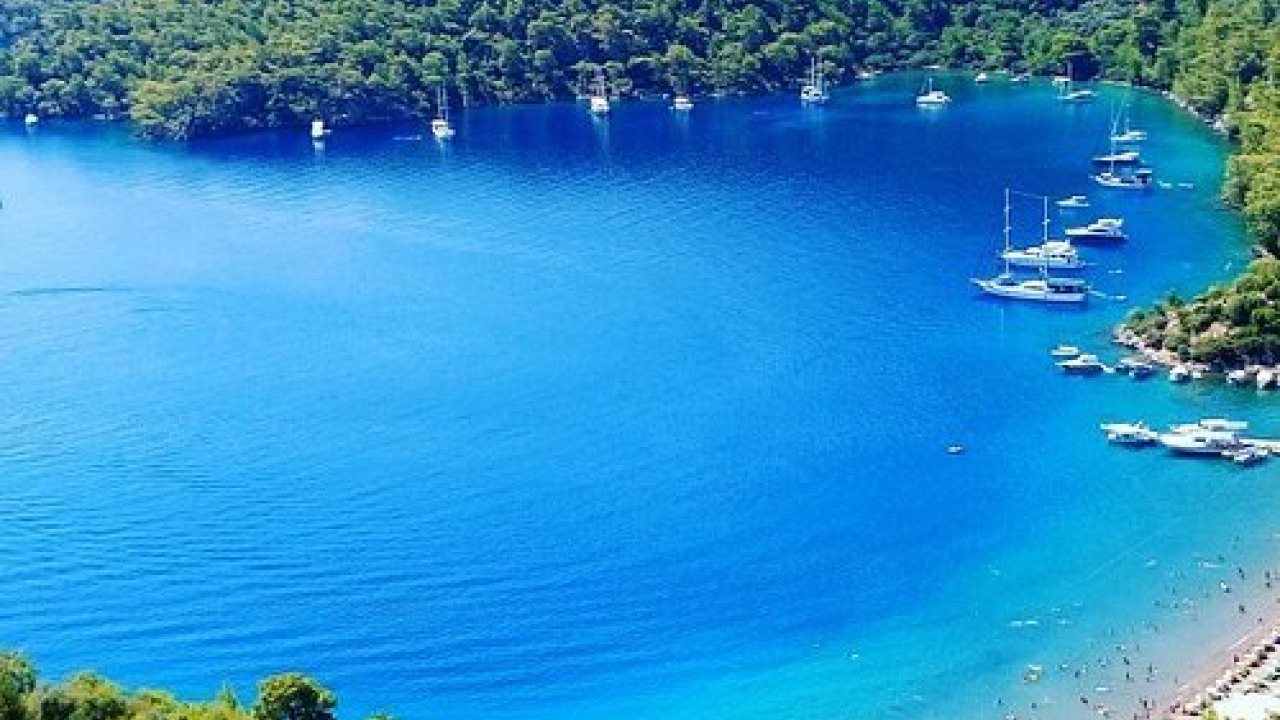
The countless bays stretching along the gulf are top choices for sailors and "Blue Cruise" enthusiasts. The Gökova region, which includes Akyaka, has been designated as a Special Environmental Protection Area since 1988. Along the coast, pine forests descend directly into the sea, and urban development remains strictly limited.
Areas such as English Bay and Okluk Bay are sheltered from the wind, making the sea as calm as a swimming pool. While swimming here, you can often see marine life beneath the surface with the naked eye. Near Akyaka, the Azmak River offers a refreshing break with its ice-cold freshwater during the summer heat.




Kelebekler Vadisi Beach
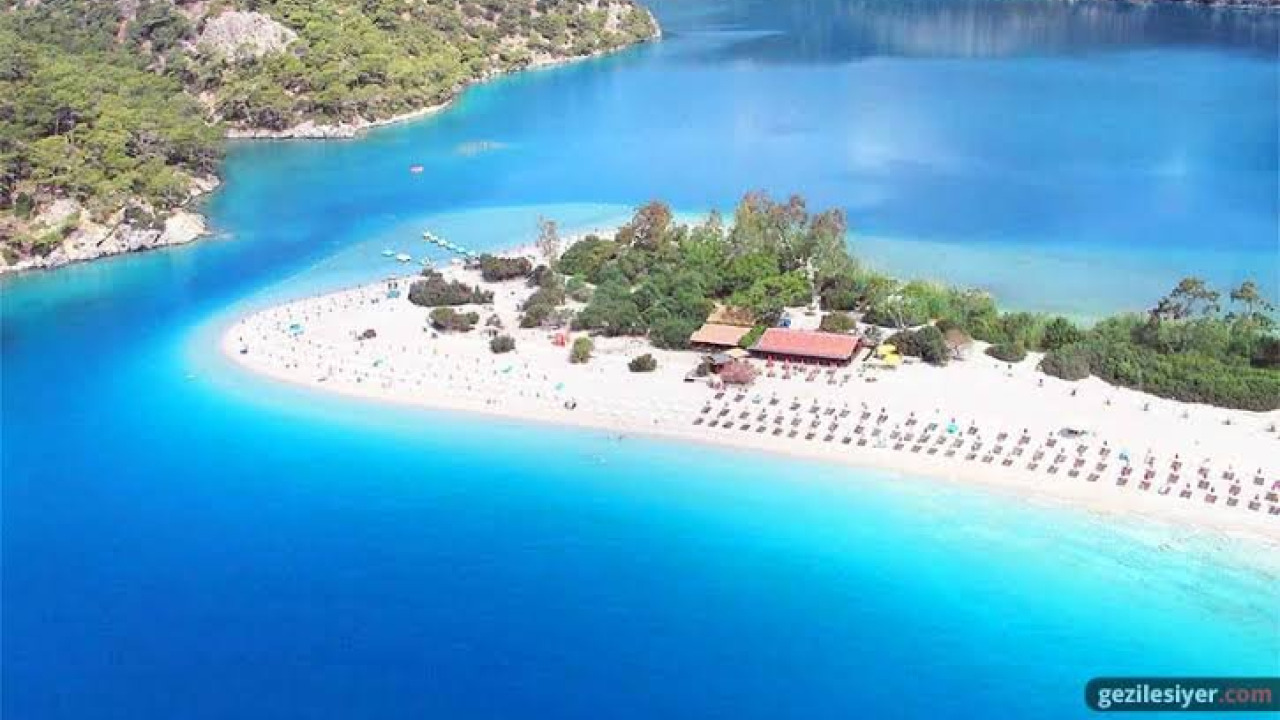
Located within the Fethiye borders at the foot of Babadağ, Kelebekler Vadisi (Butterfly Valley) opens up to the sea through dramatic, steep cliffs. Access is primarily provided by boats departing from the Ölüdeniz coast, a journey of about thirty minutes. The steep hiking trail descending from Faralya village is suitable only for experienced climbers.
The valley has been a first-degree natural protected site since 1995, and concrete construction is strictly prohibited. Its pebbly beach leads into crystal-clear waters that deepen quite rapidly. To ensure you don't miss the last boats heading back toward Ölüdeniz at sunset, be sure to check the departure times in the morning.
İztuzu Plajı
Located in Dalyan, within the Ortaca district, İztuzu Plajı forms a natural barrier between a freshwater lake and the salty Mediterranean Sea. This 5,400-meter stretch of golden sand is a protected nesting ground for the endangered Caretta caretta sea turtles.
The shallow waters of the beach are exceptionally safe for families with young children. Dolmuş boats departing from Dalyan center glide through the reeds and pass ancient rock tombs before arriving at the beach. You can gain valuable insights into marine ecology by visiting the turtle conservation and rehabilitation center located on the beach.
Knidos Antik Kenti Beaches
Situated at the western tip of the Datça peninsula, Knidos is an ancient port city established at the narrow strait where two seas meet. The city features two distinct sheltered harbors dating back to antiquity.
Swimming among the stones of historical breakwaters feels like being in an archaeological pool. Since shade is limited in the open areas, it is best to explore the ruins in the early morning or late afternoon. You can walk to the Deveboynu Lighthouse at the western tip to watch the sunset over two different seas simultaneously.
Harbors Around Bodrum Kalesi
Rising in the center of the Bodrum peninsula, the castle was built by the Knights of Saint John in the 15th century. The castle walls surrounding the harbor now house one of the world's leading Underwater Archaeology Museums.
The Kumbahçe and Bardakçı bays at the foot of the castle offer the chance to swim against a backdrop of historical grandeur. If you wish to explore the open-air museum and the amphora halls in detail, you can plan your visit by checking our Bodrum Kalesi and Underwater Archaeology Museum guide. Taking evening strolls along the city marina and tasting Aegean mezes at local restaurants will add a special touch to your holiday.
Destinations at a Glance: Transport and Coastline Comparison
The following comparison table summarizes five popular coastal spots in Muğla in terms of logistics and coastline characteristics.
| Destination | Primary Transport | Shore & Seabed Type | Key Distinguishing Feature |
|---|---|---|---|
| Gökova Körfezi | Akyaka road access & daily excursion boats | Sheltered forest bays, pebbles and stones | Special Environmental Protection status |
| Kelebekler Vadisi | Water taxis and motors from Ölüdeniz | Pebbly beach, rapidly deepening water | Steep canyon walls & protected natural site |
| İztuzu Plajı | Dalyan canal boats or road access | 5,400m fine sand, gradual shallowing | Spawning area where fresh and salt water meet |
| Knidos Antik Kenti | Winding roads via Datça or by boat | Rocky seabed, clear ancient harbor basin | Open-air site with two historic harbors |
| Bodrum Kalesi Area | Direct walking from district center | Fine pebble and sand mix city beach | 15th-century castle & Underwater Museum views |
How to Get to Muğla's Bays? A 5-Step Route Planning Guide
Planning ahead is key to efficiently exploring Muğla's vast coastline. Follow these steps to create a balanced itinerary from hidden bays to famous beaches:
- Determine which airport best suits your travel plans: Dalaman or Milas-Bodrum are the closest gateways to the region.
- Since the coastline is very wide, opt for a rental car or organized boat tours departing from major harbors to maintain your independence.
- Group your map by proximity; for example, visit the Fethiye valleys on one day and the Datça bays on another.
- Plan your road-accessible beaches, such as İztuzu, Ölüdeniz, and Kumbahçe, for days when you have a private vehicle to avoid wasting time.
- Join organized boat tours to discover the hidden gems of Kelebekler Vadisi and the southern bays of Gökova Körfezi.
Muğla Beaches: Seasonal Matrix
The condition of Muğla's beaches and sea varies by season. Knowing these differences will help you choose the perfect time for your trip.
| Season | General Crowd Levels | Sea & Weather Conditions | Pro Tip & Visit Note |
|---|---|---|---|
| May - June | Quiet beaches and low visitor density | Refreshing cool water and mild spring air | It's the start of the season; be prepared for isolated bays |
| July - August | Peak visitor traffic and lively bays | Warm sea temperatures up to 26°C | Visit popular beaches in the early morning |
| September - October | Decreasing crowds and tranquil atmosphere | Mild temperatures, clear sea, and low humidity | Watch out for the cool coastal breezes in the evening |
What Else to Do in Muğla Besides Swimming?
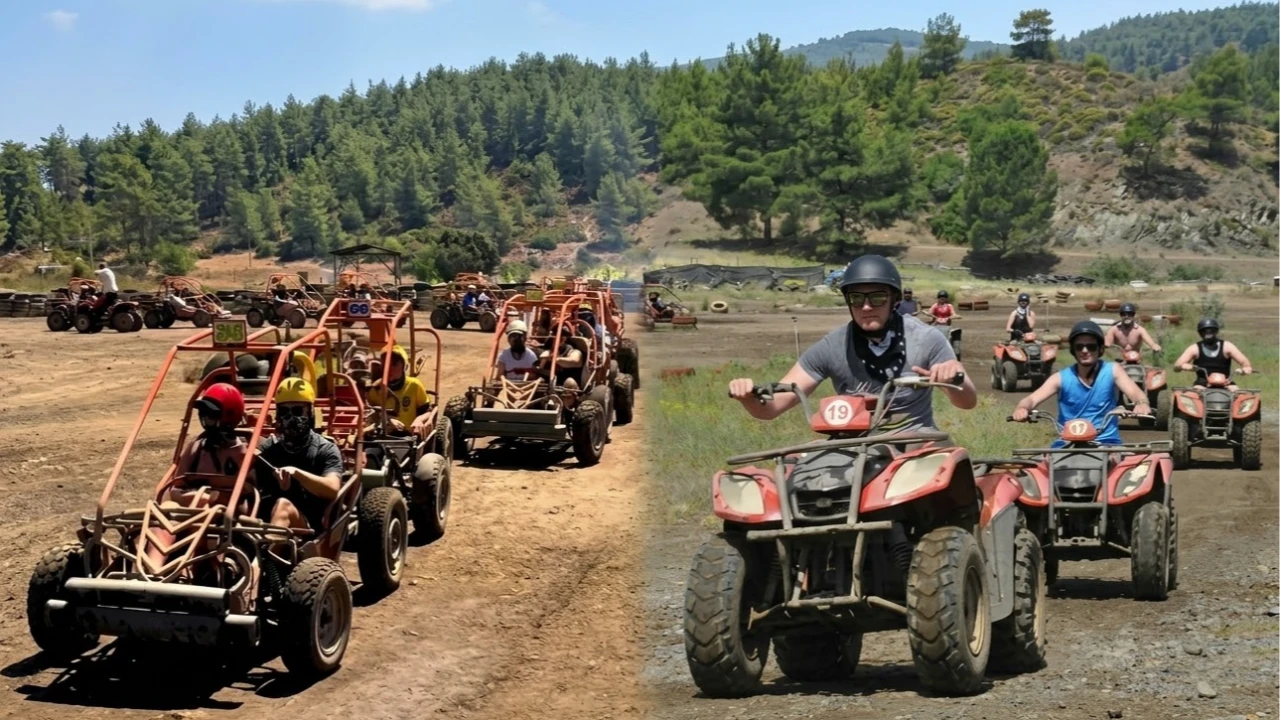
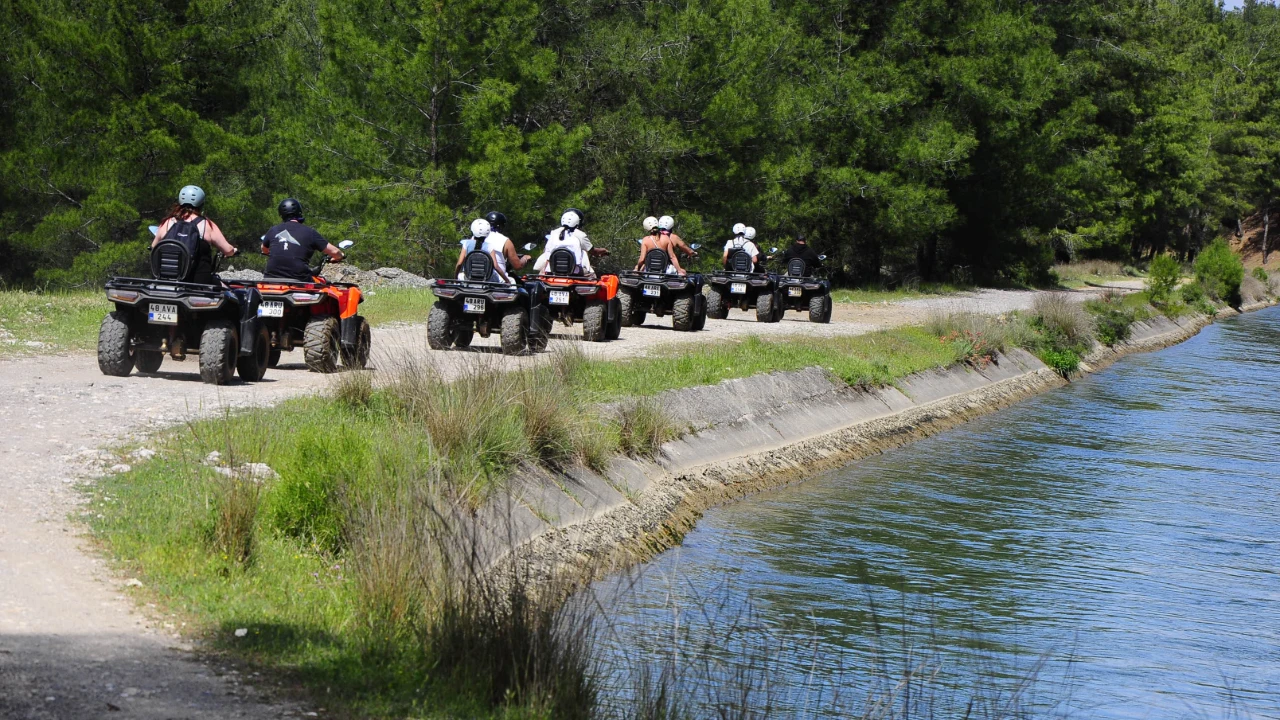
Instead of spending every single day sunbathing, exploring the region's wild nature will bring more life to your holiday. Forest trails and canyon crossings offer incredible moments for safari enthusiasts. Walking along dirt paths through pine trees provides a perfect balance to a seaside vacation.
For travelers wishing to trace historical heritage, cultural tours covering the historical sites in Bodrum offer rich alternatives. Ancient theaters, stone streets, and local markets add cultural depth to your journey.
Those wanting to explore the deep blue islands of the gulf can join daily boat trips in the Fethiye gulf to see the Twelve Islands region. Evening walks along the coastal promenades are a great way to unwind from your holiday activities.
Budget Planning for Muğla Beaches
Vacationing on the Muğla coast offers a wide budget spectrum depending on your preferences. In areas under national park or municipal control, such as İztuzu Plajı, entry fees and sunbed rentals are quite reasonable. In private establishments, expenses may increase in line with the level of comfort and service provided.
To keep your transport budget balanced, consider using public dolmuş boats or daily excursion tours. Carrying your own umbrella and camping chair provides both freedom and a budget advantage in more remote, untouched bays.
What to Pack for Muğla Beaches?
If you plan to spend the whole day in Muğla's impressive bays, there are several essential items you should have with you:
- Get thick-soled water shoes to protect your feet in rocky bays and pebbly beaches.
- Since there are no snack bars in remote bays, keep plenty of drinking water and light snacks in your backpack.
- Carry a cotton poncho to prevent getting chilled after exiting the sea in windy areas like Datça and Gökova.
- In Caretta caretta protection zones, use portable weighted shades instead of driving stakes into the sand.
- Use a wide-brimmed hat and natural sunscreen to protect yourself during hours of intense sunlight.
Final Verdict on a Muğla Coastal Holiday
Muğla's bays and beaches offer visual richness by blending every shade of blue with history and nature. The steep canyons of Kelebekler Vadisi, the calm waters of Gökova, the thousand-year-old stones of Knidos, and the golden sands of İztuzu make this geography truly exceptional.
By choosing the right season and planning a thoughtful route, you can collect unforgettable memories on the Muğla coast. Traveling with respect for the environment will help ensure this precious natural heritage is passed down to future generations in the same pristine condition.
Frequently Asked Questions 5
What are the best times of day to visit Knidos Antik Kenti?
Since Knidos is spread across an open landscape, early morning and late afternoon are the most productive times for walking. The sunset view in the evening is also incredibly impressive.
Which bays in Muğla are primarily accessible by sea?
Because there are no road connections to Kelebekler Vadisi or the hidden bays in the southern Gökova Körfezi, these are reached via organized boat trips.
How do I get to Kelebekler Vadisi?
The most practical way to reach the valley is via water taxis and daily excursion boats departing from the Ölüdeniz coast. The journey takes approximately 30 minutes by sea.
Can I reach İztuzu Plajı by private car?
Yes, it is possible to reach İztuzu Plajı directly by private car via the paved road that departs from Dalyan center. Additionally, canal boats are available for service.
What exhibits await visitors at Bodrum Kalesi?
The Underwater Archaeology Museum within Bodrum Kalesi exhibits glass amphorae recovered from ancient shipwrecks, gold jewelry, and historical artifacts from the Bronze Age.