
To the casual traveler, Dalaman is often just a name on a flight ticket, an airport to pass through on the way to somewhere else. But for those in the know, it is so much more. As one of Muğla's thirteen districts, Dalaman sits perfectly positioned at the heart of the Ortaca, Köyceğiz, Göcek, and Fethiye corridor. From a local's point of view, Dalaman is a destination in its own right, boasting secluded bays, golden beaches, and lush greenery, while serving as the ultimate strategic hub for exploring the region.
This guide isn't just a list of tours; it's a decision-making tool. We answer the critical questions: Who is this destination for? When is the best time to visit? Where should you stay, and how many days are enough? The distances and locations are based on hard field data, while our seasonal and profile recommendations are professional frameworks designed to help you plan, not a rigid calendar.
Local's Quick Take: Dalaman is far more than a transit point. For a relaxing 2-3 day getaway, it offers the powdery sands of Sarıgerme, heart-pounding rafting on the Dalaman River, and untouched paradises like Sarsala Bay.
Quick Facts
Before you dive into the details, here is a high-level overview of what to expect in Dalaman.
| Topic | Local Insight |
|---|---|
| Location | One of Muğla's 13 districts; centrally located between Ortaca, Köyceğiz, Göcek, and Fethiye |
| Airport | Dalaman Airport (DLM); approx. 5 km from the district center |
| Top Draws | Secluded bays, pristine beaches, ancient ruins, river adventures, and sulfur thermal springs |
| Duration | 2 to 3 days for a mix of history and nature; 1-3 day itineraries are most common |
| Must-Visit Coasts | Sarsala Bay, Kille Bay, Bedri Rahmi Bay, Hamam Bay, Sarıgerme, Kayacık Beach |
| Historical Sites | Hippokome Ancient City, Kapıkargın Rock Tombs, Ancient Blacksmiths' Bazaar; nearby Kaunos (Dalyan) and Tlos (beyond Fethiye) |
| Nature & Adventure | Dalaman River (Rafting), Akkaya Canyon (The Hidden Valley), Kocagöl, Kapıkargın Sulfur Springs |
| Nearby Distances | Ortaca 12 km, Göcek 16 km, Dalyan 24 km, Köyceğiz 30 km, Fethiye 46 km, Muğla Center 90 km, Marmaris 95 km |
| Road Route | From Muğla center via Ula Junction, Sakar Pass, and the Köyceğiz-Ortaca line |
| Local Warning | The Sakar Pass offers breathtaking views but is very winding; drive with caution |
This layout highlights Dalaman's dual appeal. Some visitors prefer to stay on the coast and unwind, while others use the town as a base to launch daily expeditions to different spots. Once you decide which type of traveler you are, the rest of your planning becomes effortless.
For those ready to book their experience, our updated Dalaman Tours page is the perfect place to start.
Is Dalaman Right for You?
Local experience shows that different travelers seek very different things from this region. Because the sea, history, and nature are spread across different directions, a "one size fits all" itinerary doesn't work here. The following table matches traveler profiles with the best times to visit based on local trends.
| Profile | Recommended Season | Best Spots | Key Considerations |
|---|---|---|---|
| Families | Shoulder seasons (Early June / Late Sept) | Sarıgerme, Kayacık Beach, Kapıkargın Thermal Springs | Prefer wide, sandy shores; plan midday activities in the shade |
| Couples | May and September | Sarsala Bay, Bedri Rahmi Bay, Kille Bay | Plan parking in advance for narrow roads leading to secluded bays |
| Budget Travelers | April, October, November | Dalaman Center, Ancient Blacksmiths' Bazaar, Public Beaches | Opt for free-entry beaches and central accommodation for day trips |
| Adventure Seekers | Spring and Autumn | Dalaman River (Rafting), Akkaya Canyon, Kocagöl | Keep water sports schedules flexible based on weather |
| History Buffs | March, April, October, November | Hippokome, Kapıkargın Rock Tombs, Kaunos (Dalyan), Tlos (Fethiye) | Visit ruins during the cooler morning or late afternoon hours |
| Winter Visitors | December, January, February | Sulfur Springs, Lake shores, local bazaars | Focus on indoor relaxation, thermal baths, and nature walks |
| Transit Travelers | Year-round | Airport vicinity, Göcek, and Fethiye routes | Coordinate transfers and shuttles strictly with flight times |
The last row reveals a key part of Dalaman's identity. Being the gateway to Muğla makes it incredibly accessible. Even if you are just "passing through," locals suggest spending at least half a day in the district to truly appreciate the region.
Practically speaking, those focusing on the sea get the most value by switching bays daily rather than staying at one beach. Meanwhile, history enthusiasts avoid the heat and crowds by spreading their visits to ancient cities across the cooler parts of the day.
When to Visit: A Month-by-Month Guide
The most common questions we get are: "When should I go?" and "When is the water warm enough?" Given the high average temperatures, Dalaman is a viable destination for most of the year, but each month offers a different vibe.
A Note on Nature: Sea turtle nesting season begins in early May and lasts until late September. Only females come ashore at night to lay their eggs. Since Dalaman's coast includes protected nesting beaches, there are strict restrictions on nighttime beach use during these months. If you're planning evening beach activities in summer, please check current local regulations.
| Month | Local Assessment | Local Recommendation |
|---|---|---|
| January | No swimming; the town returns to its quiet, local rhythm | Sulfur springs, lakeside walks, exploring the bazaar |
| February | Still quiet, but nature begins to bloom | Short hikes along the Dalaman River and Kocagöl |
| March | Ideal for ruins; the coast is peaceful | Explore local ancient sites and Kaunos in Dalyan |
| April | Peak nature season; beach preparations begin | Canyons, river routes, and coastal walks |
| May | Swimming season opens; crowds are still light | Combine bay hopping with beach days |
| June | Perfect weather for coastal activities | Alternate between wide beaches like Sarıgerme and secluded bays |
| July | Peak heat and peak crowds | Reach the bays early; seek shade during the afternoon |
| August | High intensity; bay roads are busy | Plan your parking strategy for narrow coastal roads |
| September | Water is warm, crowds start to thin | Longer stays; spread out boat trips and bay visits |
| October | The sweet spot for both beach and history | Half-day ruins, half-day beach |
| November | Budget-friendly window as the season closes | Focus on the center, bazaar, and thermal springs |
| December | Winter mode; focus shifts to indoors and nature | Thermal baths, river walks, and day trips to nearby towns |
In short: May to October is for the sun-seekers, while Spring and Autumn are best for history and nature. Even in winter, Dalaman doesn't "close", it simply changes its focus to wellness (thermal springs) and quiet nature exploration.
Where to Stay
Choosing where to stay in Dalaman depends entirely on the length of your visit. For short stays, the center and airport area are most convenient. For longer vacations, the coastal regions are the way to go.
| Area / Neighbor | Distance to Dalaman | Best For | Local Note |
|---|---|---|---|
| Dalaman Center | ~5 km from Airport | Short stays, transit, budget travel | Practical hub for bazaars, breakfast spots, and day trips |
| Sarıgerme Area | Within District | Families, long-term stays | The top choice for those wanting wide, sandy beaches |
| Kapıkargın Area | Within District | Wellness and quiet retreats | Perfect for combining thermal springs with rock tomb visits |
| Akkaya Area | Within District | Nature and canyoning | Home to the "Hidden Valley" canyon routes |
| Ortaca | 12 km | Those heading toward Dalyan | The closest neighbor; a key link in the transport chain |
| Göcek | 16 km | Yachting and bay hopping | The gateway to Yassıca Islands and luxury bays |
| Dalyan | 24 km | History and nature blend | The route to Kaunos and Iztuzu Beach |
| Köyceğiz | 30 km | Lake and nature focus | Home to Köyceğiz Lake and Yuvarlakçay |
| Fethiye | 46 km | Long stays, diverse activities | Strong airport shuttle connections |
| Marmaris | 95 km | Regional touring | Better as a multi-day stay than a day trip |
This table explains why Dalaman is an ideal "base camp." You can stay in Dalaman and spend one day in the bays of Göcek, another in the ruins of Dalyan, and a third in the nature of Köyceğiz or Fethiye. If you're torn between the center and the coast: stay in the center for 1-2 nights, and head to the coast for 3 nights or more.
Recommended Themes for Your Trip
The most efficient way to experience Dalaman is to organize your days by theme rather than a random list of sights. Because the coast, history, and nature are in different directions, mixing them too much means spending your whole day in the car.
Sun, Sand, and Secluded Bays
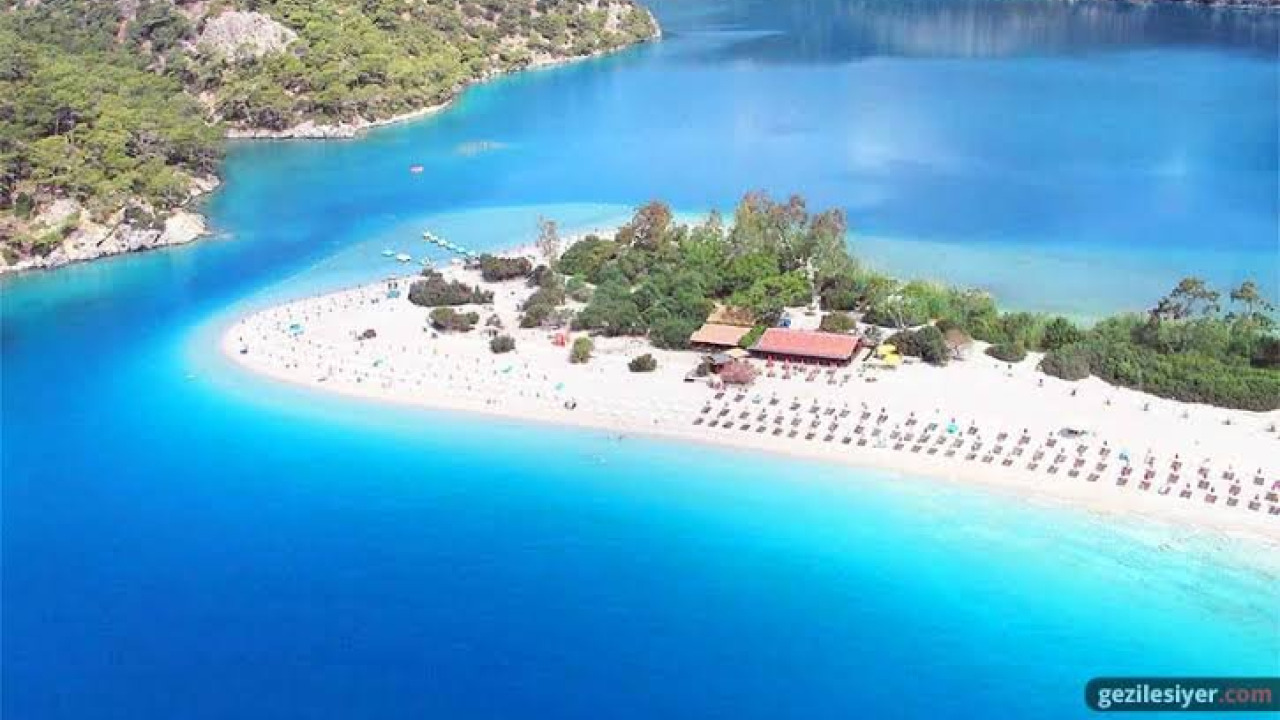
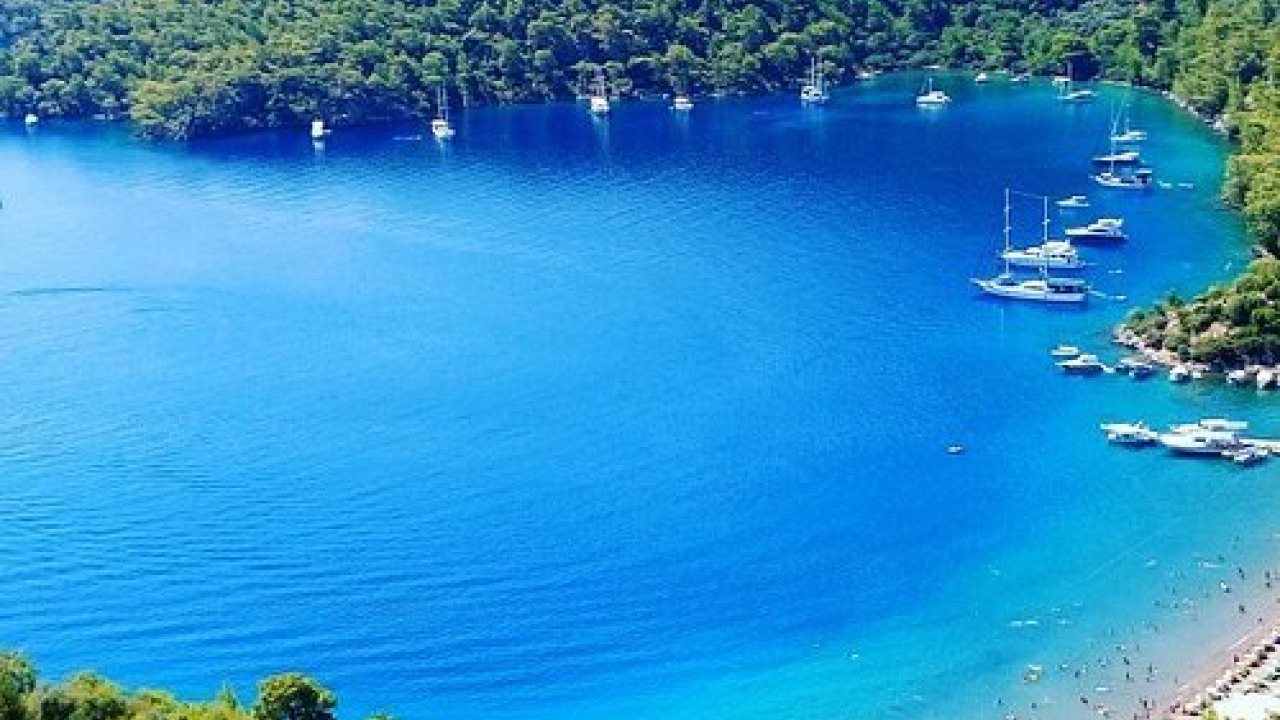
The coast offers two distinct experiences. First, there are the wide, organized beaches: Sarıgerme and Kayacık Beach. Then, there is the "bay culture", the secluded, turquoise gems like Sarsala Bay, Kille Bay, Bedri Rahmi Bay, and Hamam Bay.
Local tip for Sarsala Bay: The road is narrow, but there is parking, and the view as you descend is breathtaking. Plan your vehicle and parking carefully. For those seeking more, Ekincik, Günlüklü, and Gökgemile Bays are excellent second stops for the day.
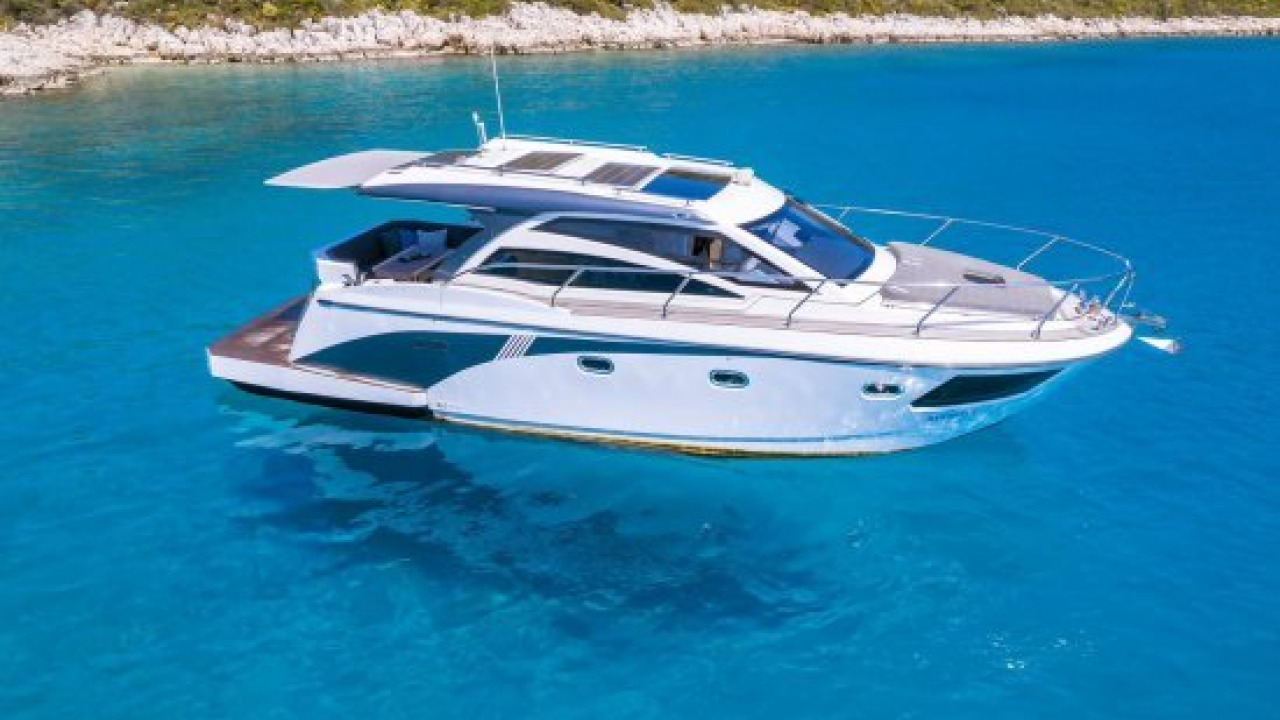
If you're looking for action, Sarıgerme is the place for water sports. If you head toward Göcek, you'll find Yassıca Islands and Aşı Bay, which are best explored via boat tours.
History and Ancient Cities
Dalaman is rich in antiquity. The Kaunos Ancient City and its royal tombs are located toward Dalyan. Tlos Ancient City is further beyond Fethiye; if you're coming from Dalaman, Tlos deserves its own dedicated day.
Within the district, you'll find Hippokome, Lissai, Kalynda, Oktapolis, and Pisilis. The Kapıkargın Rock Tombs are conveniently located near the thermal springs, making them a great pair for one day. In town, the Dalaman Train Station and the Ancient Blacksmiths' Bazaar provide a touch of urban history.
Local advice: Visit ruins in the early morning or late afternoon to avoid the midday sun, as shade is limited.
Nature, Rivers, and Wellness
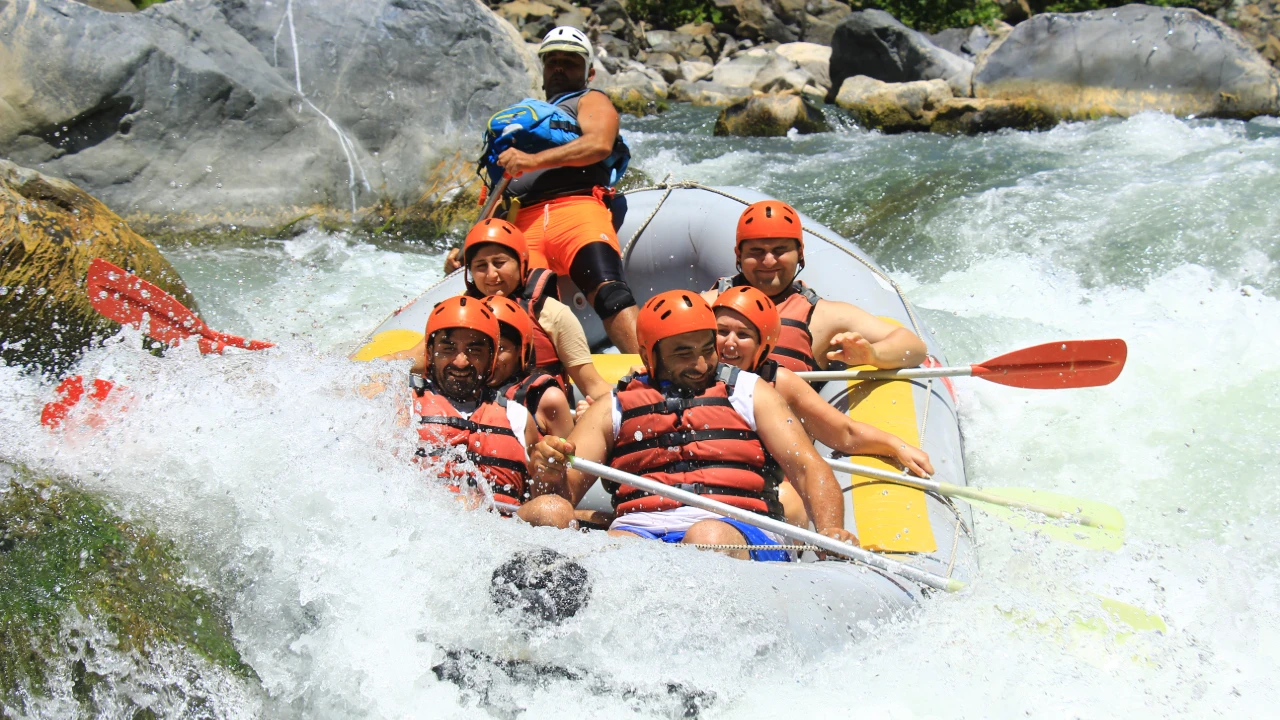
The heart of the nature theme is the Dalaman River, famous for both its scenery and its rafting rapids. Akkaya Canyon, known as the "Hidden Valley," is a must for hikers.
For lake lovers, Kocagöl and Küçükdalyan Lake are nearby. The Kapıkargın Sulfur Springs are a year-round attraction and the backbone of winter tourism in the area. If you venture toward Köyceğiz, Yuvarlakçay and Köyceğiz Lake continue this natural theme.
Local Life, Dining, and Evenings
In the center of Dalaman, life revolves around the bazaar and local eateries. The Blacksmiths' Bazaar is a great starting point for any town tour. Popular local spots include Akkaya Garden and the Dalaman Open Prison Cafe & Restaurant.
Regarding nightlife: Dalaman is not a party town. Evenings are spent enjoying dinner, strolling through the bazaar, or relaxing by the coast. Those seeking high-energy clubs usually head to Fethiye or Marmaris.




Getting Around: Transport and Location
Dalaman's biggest advantage is its airport. The proximity of the airport to the town center minimizes the gap between landing and starting your vacation. Here is the step-by-step flow:
- Fly in. Dalaman Airport (DLM) is the primary gateway, with frequent flights from Istanbul and international hubs.
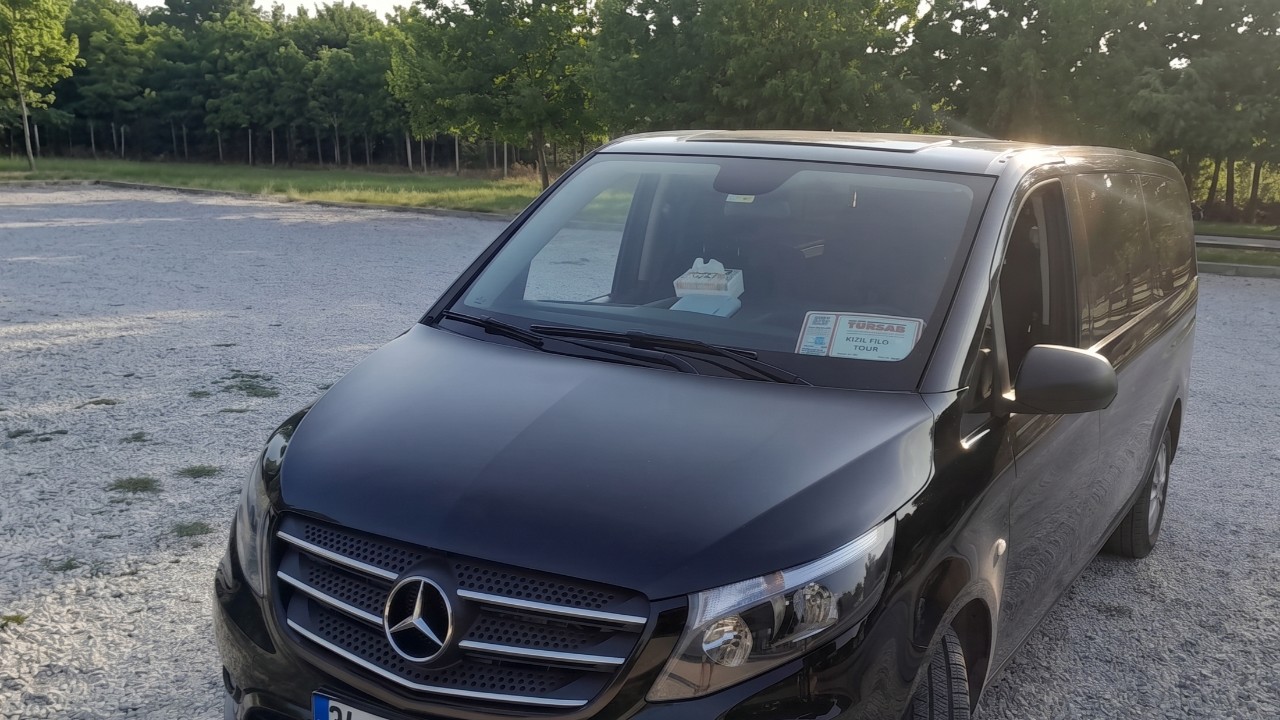
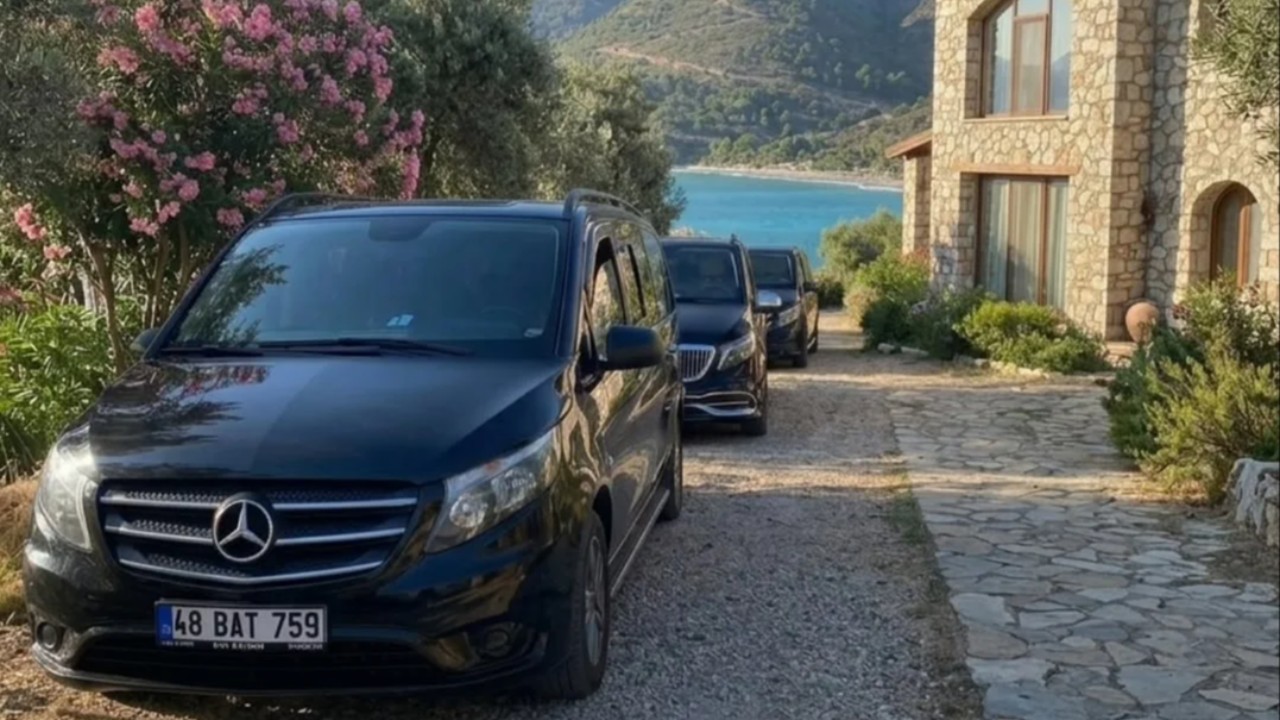
- Get to the town. The center is only 5 km away. You can use taxis, private transfers, rental cars, or local minibuses (dolmuş). For midnight arrivals, we strongly recommend pre-booking a vehicle. Check our airport transfer options for more details.
- Heading further? Check the shuttles. HAVAŞ and MUTTAŞ shuttles run from the airport to Fethiye and Marmaris. These are widely used by those heading to Göcek, Dalyan, or Köyceğiz. Always verify current schedules as they change by season.
- Driving from other cities. If coming by car from Muğla, you'll pass through Ula Junction, Sakar Pass, and the Köyceğiz-Ortaca line. Be careful on the Sakar Pass, it's stunning but very curvy. If driving from Istanbul, don't plan activities for your arrival day; give yourself time to recover from the drive.
- Local exploration. Since the bays and ruins are scattered, having a car is ideal. If you don't have one, we recommend organized tours and transfers, which also solve the parking headache at the popular bays.
Local insight: Time in Dalaman is usually lost not to distance, but to unplanned transfers. Sync your flight, transfer, and first-day itinerary to hit the ground running.
For those with just a few hours to kill before a flight, here are the best quick stops: - Town Center: The Ancient Blacksmiths' Bazaar (5 km from the airport). - Free Beaches: Public beach walks for a quick dip without entry fees. - Nature Break: A short stroll along the Dalaman River or Kocagöl. - Wellness Stop: Kapıkargın Sulfur Springs to relax after a long flight.
How Many Days Should You Stay?
The answer depends on your goals. For those who want to see the historical sites and natural wonders (beyond just lounging on the beach), 2 to 3 days are usually sufficient.
Local breakdown of time: - Half Day: Perfect for transit travelers to see the center, bazaar, and one nearby beach. - One Day: Town center plus one secluded bay OR the thermal springs area. - Two Days: One day for the coast, one day for history/nature. - Three Days: A full trifecta of coast, history, and nature, plus a day trip to a neighboring district. - Four Days+: Use Dalaman as a base to systematically explore Göcek, Dalyan, Köyceğiz, and Fethiye.
For detailed itinerary examples, check our Dalaman Guide to Sarsala Bay and Kaunos. For a general overview of the district's highlights, our comprehensive Dalaman travel guide is the best starting point.
If you are planning a transfer from the airport to Fethiye or Kaş, see our transfer route comparison guide.
The Muğla Connection: Neighboring Gems
Dalaman is rarely visited in total isolation. Most travelers ask, "Should I stay in Dalaman or its neighbors?" Here is the local breakdown:
- Ortaca & Dalyan: Best for those who want ruins and beaches in one day (12-24 km). Home to Kaunos and Iztuzu Beach.
- Göcek: (16 km) The place for yachting, islands, and luxury bays.
- Köyceğiz: (30 km) Focuses on the lake ecosystem, Yuvarlakçay, and nature hikes.
- Fethiye: (46 km) Offers a wider variety of accommodation and a larger tourist infrastructure.
- Marmaris: (95 km) Better as a separate stay than a day trip.
- Muğla Center: (90 km) Requires more than half a day of travel; visit if you want to see the provincial capital.
In the grand scheme of Muğla, Dalaman stands out for its accessibility. While Bodrum and Marmaris are destinations in their own right, Dalaman is the "Front Door" and the "Command Center." If you want to build a multi-district itinerary, explore our Muğla Tour options.
To be clear: this page helps you decide on the district level. Once you've chosen Dalaman, use the links above for the finer details.




Frequently Asked Questions 5
Do I need a special license or certification for rafting in Dalaman?
No license is required for day trips organized by authorized tourist facilities; a safety briefing at the start is sufficient. However, a federation license is mandatory for professional use or personal equipment.
Is there an age limit for rafting on the Dalaman River?
For individual participation, the limit is 18. For family participation with a professional guide, the age limit is typically between 12 and 14, depending on the difficulty of the route. Rafting is not recommended for those with heart conditions.
What safety and protective equipment is mandatory for rafting?
Helmets, properly fitted life jackets, and paddles are standard equipment. It is a legal requirement for guided tours to provide these in full.
What should I wear for a day of rafting and visiting Sarıgerme Beach?
We recommend non-slip water shoes or sneakers suitable for riverbeds, comfortable shorts, swimwear, and high-SPF sunscreen.
Which bays in Dalaman are the best alternatives to Sarıgerme?
Beyond Sarıgerme, Sarsala Bay, Kille Bay, and the pristine bays neighboring the Göcek Gulf are the most popular stops for day boat trips.