Ephesus and Şirince Village are two neighboring worlds in the Selçuk district of İzmir, making them a favorite route for travelers looking to experience two distinct atmospheres in a single day. On one side, you have an ancient port metropolis with grand marble streets and monumental structures that witnessed the glory of the Roman Empire; on the other, a nostalgic Aegean village famous for its stone houses, vine-covered streets, and homemade fruit wines. In this guide, we have brought together everything you need to know: the history of both sites, must-see landmarks, transportation between them, the best seasons to visit, local culinary culture, and a recommended one-day itinerary.
At Travel Tour Shop, we vet our tour and transfer providers with extreme care, excluding approximately 83% of options to ensure only those with exceptional local expertise and proven guest reviews make our list. The following information is part of that commitment to quality: we have compiled everything from essential sights for first-time visitors to practical tips for exploring Ephesus and Şirince.
Quick Facts
| Topic | Information |
|---|---|
| Location | İzmir, Selçuk (Ephesus Ancient City and Şirince Village in the hills) |
| Highlights | UNESCO World Heritage site and a historic Greek village |
| Main Stops | Celsus Library, Great Theater, Terrace Houses, Şirince stone houses |
| Distance Between Stops | Approximately 12 kilometers |
| Trip Duration | Ephesus: ~2-3 hours; Full day for both locations |
| Best Time to Visit | Spring (April–June) and Autumn (September–October) |
| Transportation | İZBAN, Selçuk minibuses, private car, transfers |
| Ephesus Entry | Museum Pass is valid; check current fees before visiting |
Where are Ephesus and Şirince? The Selçuk, İzmir Route
Ephesus and Şirince Village are located within the Selçuk district in southern İzmir. The ancient city is situated on the plain near the district center, while Şirince is tucked away among the lush green hills just above Selçuk. The distance between the two is only about 12 kilometers, making it easy to combine both in one day. Moving from one of the great port cities of the ancient world to a tranquil village surrounded by olive and peach orchards adds both a historical and a nostalgic layer to your journey.
The real value of this route is the ability to experience two vastly different atmospheres in a single day. Walking through ancient streets in the morning and relaxing in cobblestone village streets in the afternoon offers a balanced program for those seeking both history and peace. For those looking to expand their journey into a broader cultural exploration of the Selçuk area, you can explore our İzmir culture tours.
Metropolis of the Ancient World: Ephesus
A UNESCO World Heritage site, Ephesus was a massive port city that served as a vital gateway between East and West from its earliest days. Traces of settlement in the region date back as far as 6000 BC. As you enter Ephesus, you will walk along wide marble streets flanked by the monumental structures of antiquity. The sheer scale and organization of the city immediately convey that this was once a bustling metropolis home to tens of thousands. For those who wish to see the region's most prominent historical and cultural structures through a guided program, we recommend our Ephesus culture tours.
Celsus Library
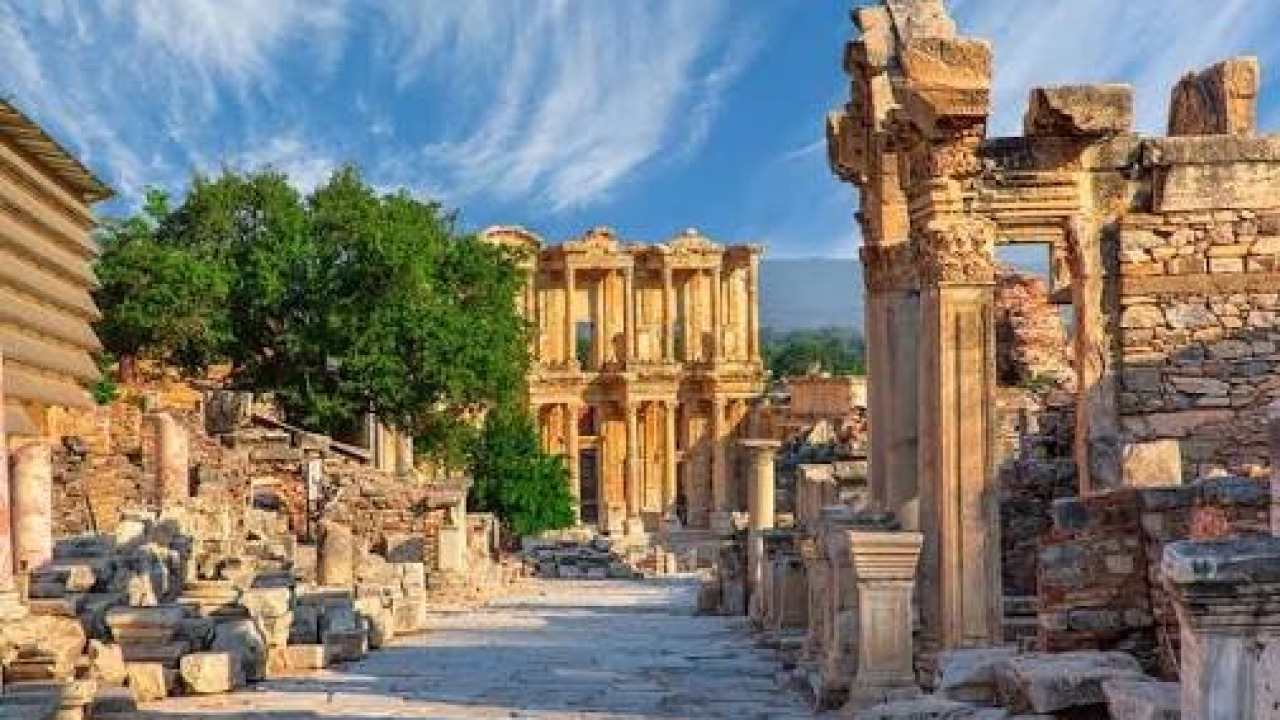
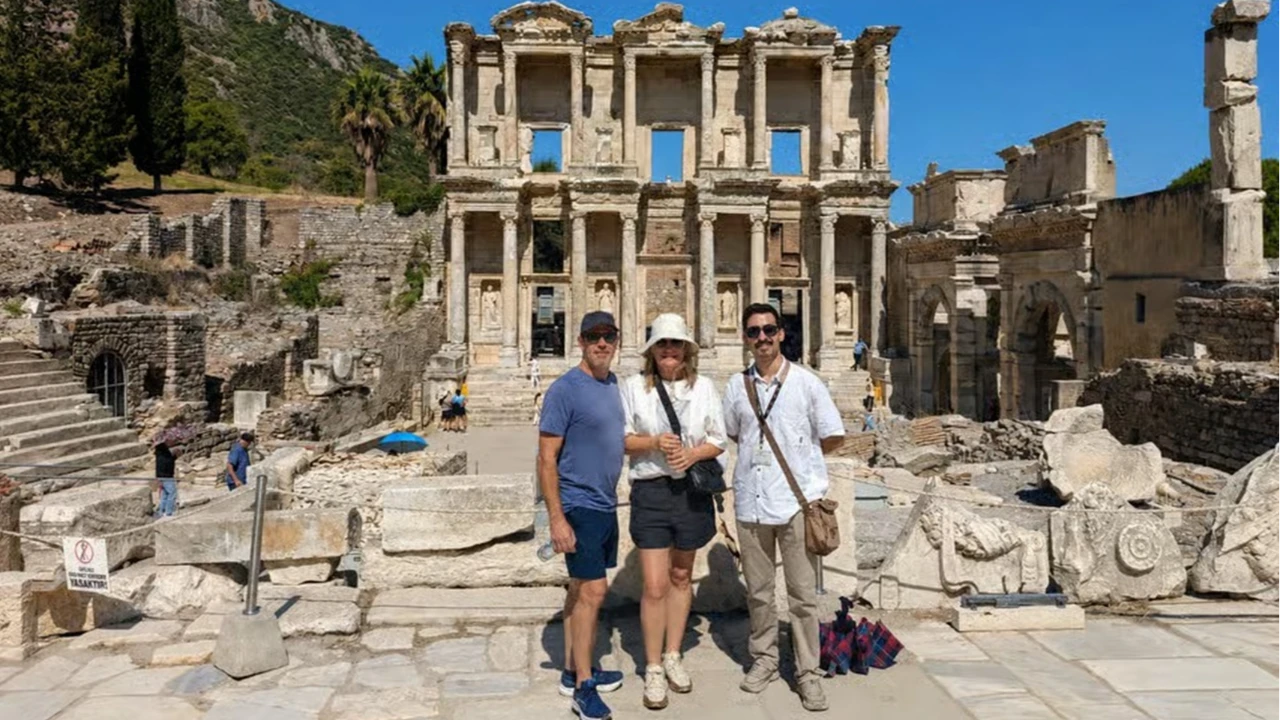
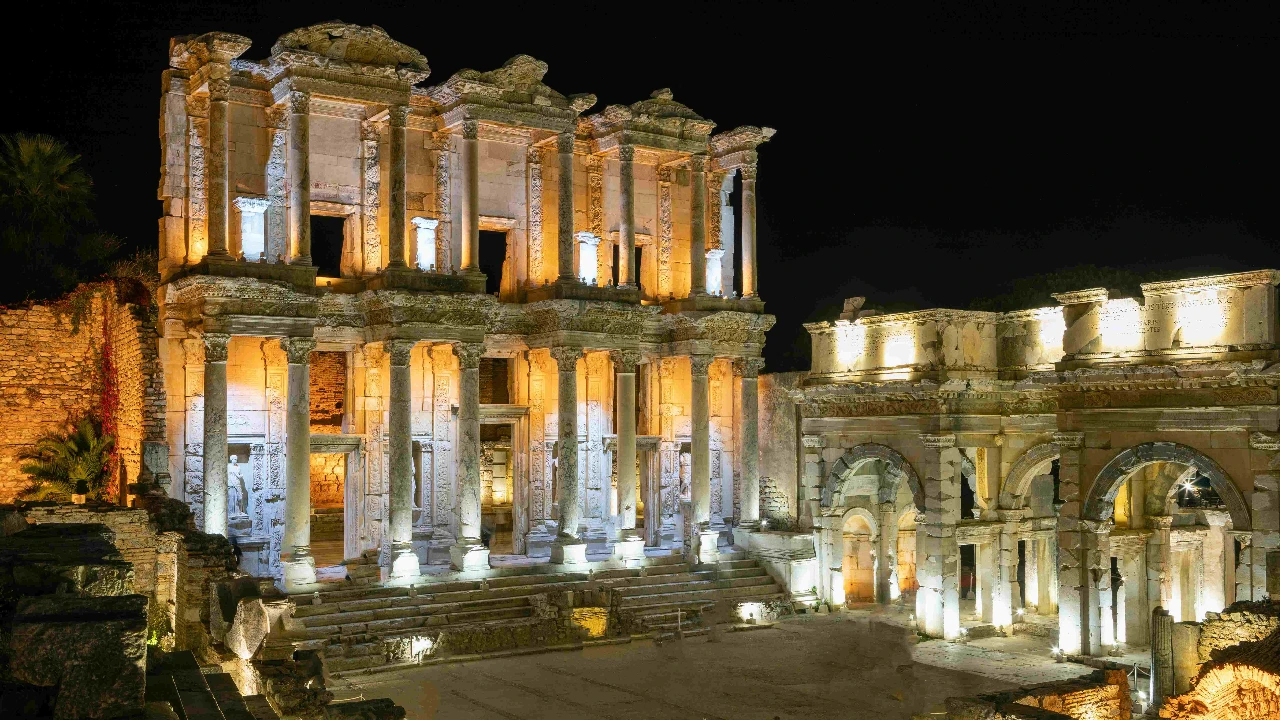
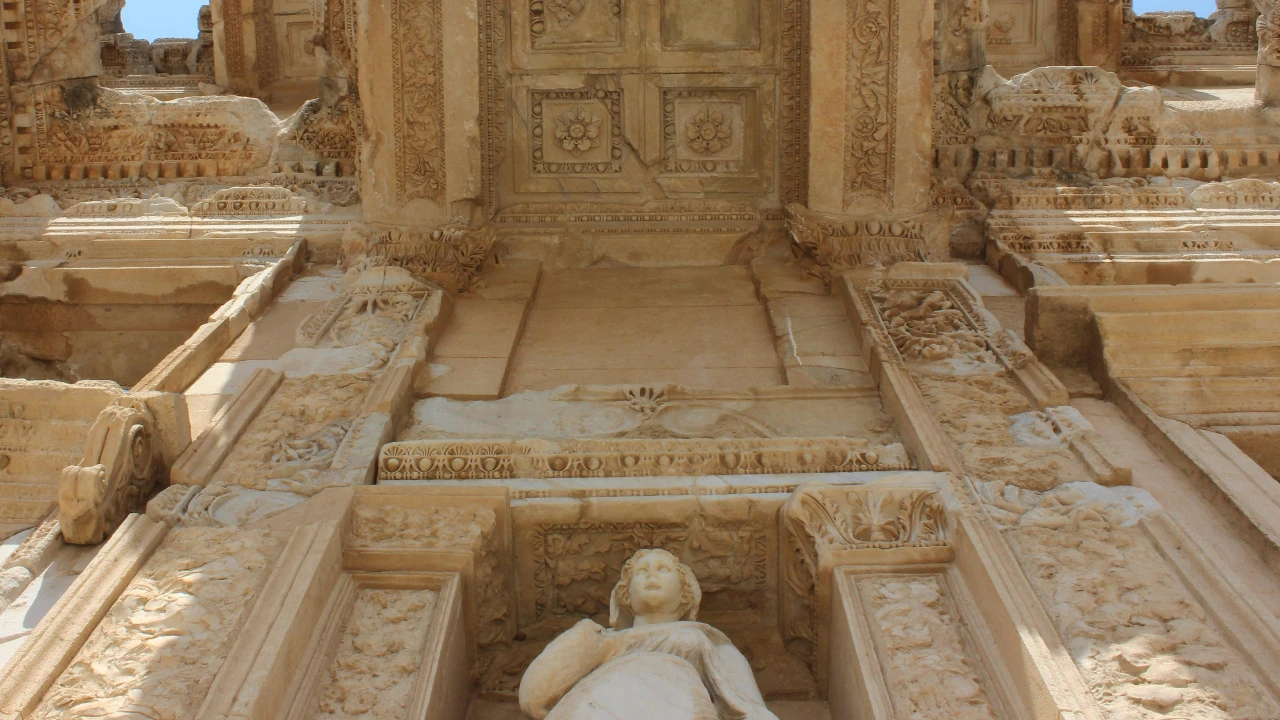
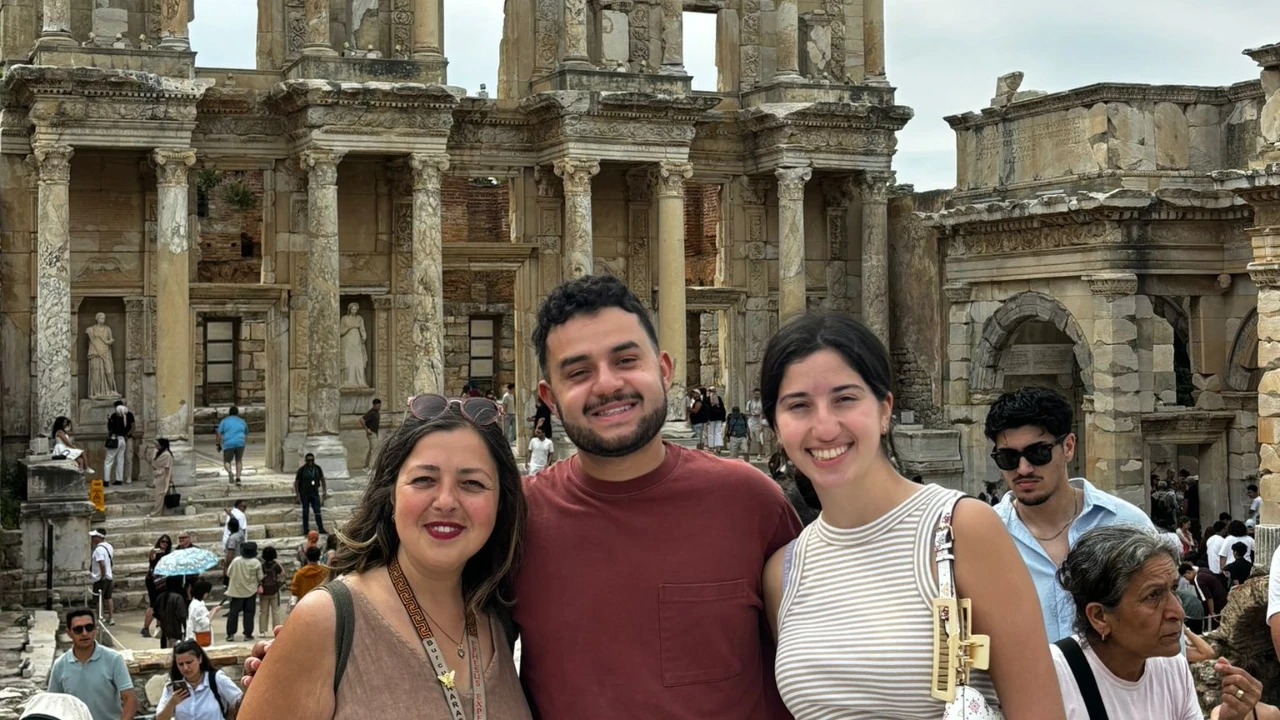
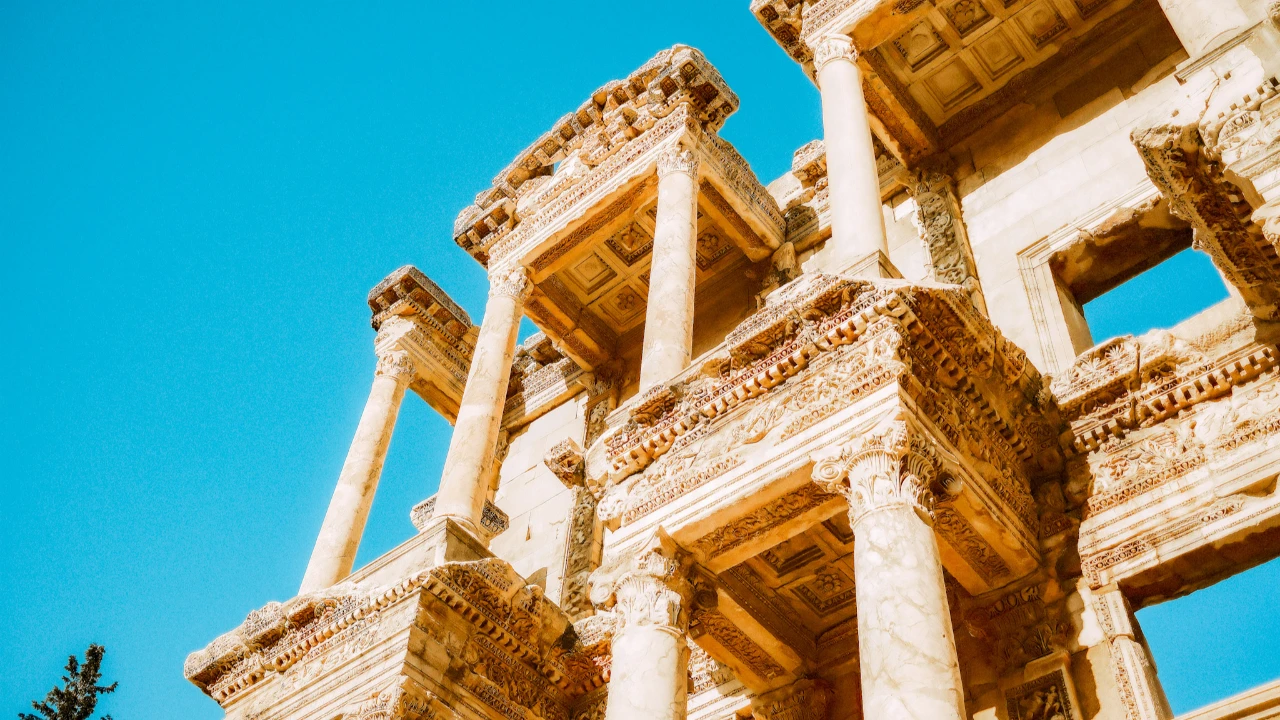
The Celsus Library is one of the most iconic structures in Ephesus. Completed around 117 AD, this library is far more than just a repository for books; it is an architectural masterpiece. The two-story facade is breathtaking, featuring columns and niches containing four statues representing wisdom, knowledge, intelligence, and virtue. Note that the statues seen today are replicas, as the originals are housed in a museum in Vienna. Standing before the facade to admire the intricate marble craftsmanship is a highlight of any visit. The morning and late afternoon hours are ideal for photography when the light hits the facade perfectly.
The Great Theater
With a capacity of approximately 25,000 people, the Great Theater is one of the largest open-air theaters of the ancient world. Built into the hillside, it served as a central hub for social life. Its acoustics are remarkable: a whisper spoken near the stage can be heard even from the highest tiers. As you climb the steps, you can enjoy panoramic views of the ancient city and the extending Harbor Street. The upper levels are a great spot to take a break and enjoy the view.
Terrace Houses
Located in the heart of the ancient city, the Terrace Houses were the luxury residences of Ephesus's elite. The floor mosaics and wall frescoes offer a vivid glimpse into the opulent lifestyle of the Roman era. This area is covered by a protective roof, making it one of the more comfortable sections to explore. Please note that visiting the Terrace Houses requires a separate ticket from the main entrance, but for those wanting to see the exquisite detail of the mosaics and frescoes, it is an essential stop.
Practical Tips for Visiting Ephesus
Because Ephesus covers a large area, a comprehensive visit takes about 2-3 hours. Since marble surfaces reflect heat, we recommend planning your visit for the early morning (08:00–10:00) or late afternoon for maximum comfort. The Museum Pass is accepted at the entrance; it is practical to check current ticket prices and the additional fee for the Terrace Houses before you arrive. Carrying water, a hat, and wearing comfortable walking shoes will make navigating the marble streets much easier.

A Hidden Gem Behind the Hills: Şirince Village
After a historical walk through the warm marble streets of Ephesus, you can head toward the hills of Selçuk to cool off and relax in Şirince Village, a place surrounded by olive and peach orchards. After the monumental scale of the ancient city, Şirince offers a completely different rhythm with its narrow streets and artisanal products. Seeing these two different textures in one day is one of the most beloved aspects of this route.
The History and Stone Architecture of Şirince
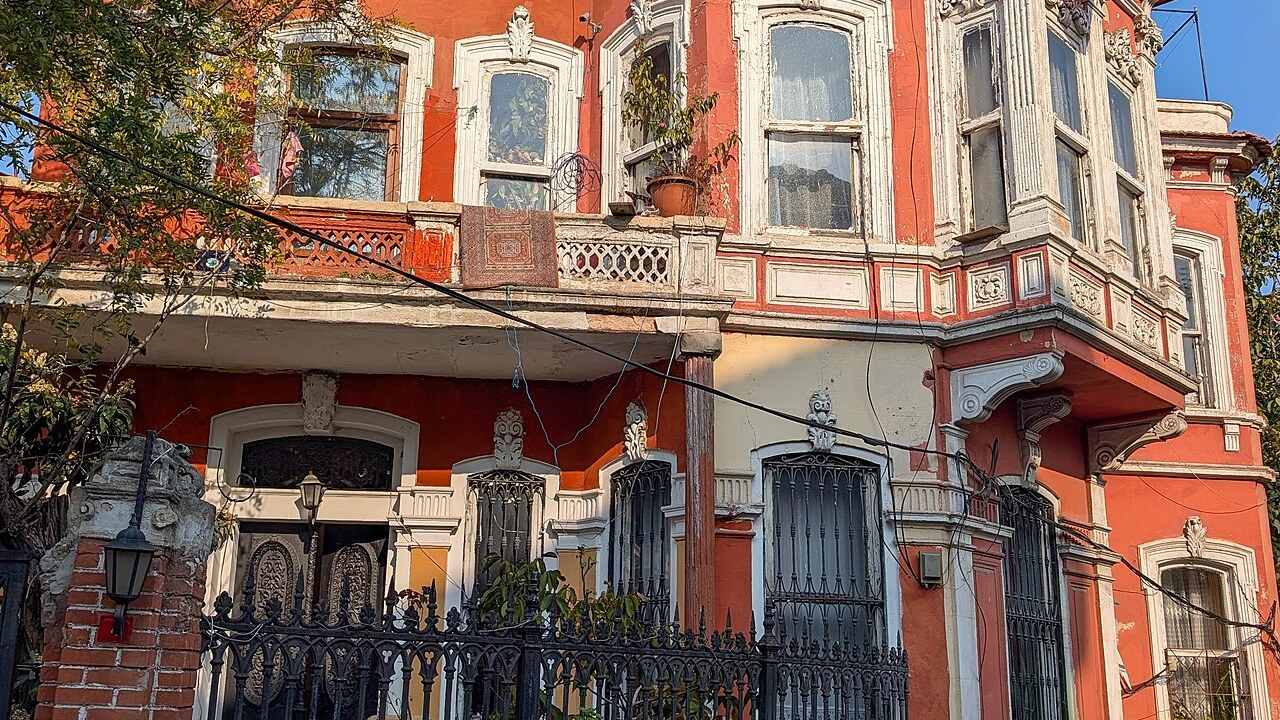
A former Greek village, Şirince is built on the slopes of a lush green valley. The village's signature white-walled, wood-windowed stone houses are arranged along the hillside so that they do not obstruct each other's views. This layout provides both aesthetic harmony and a view of the valley from almost every home. Walking through the narrow, steep cobblestone streets, you will encounter courtyards and vine-shaded walkways that carry the essence of daily life from the past. The village is perfect for slow-paced wandering and photography.
Homemade Fruit Wines and Sand-Brewed Coffee
One of the first things that comes to mind when thinking of Şirince is its homemade fruit wines. You can enjoy free tastings of these sweet wines—made from fruits like melon, peach, blackberry, mulberry, and plum—in the village's historic cellars and purchase your favorites. To top off your trip, head to the historic Hodri Meydan Tower at the top of the village to enjoy Turkish coffee brewed in sand while taking in the view. This is an ideal spot to rest and enjoy a short break overlooking the valley.
Handicrafts and Local Village Products
In the streets of Şirince, local women sell handmade lace, natural soaps, dried herbs, and fresh thyme from their stalls. Local products such as olive oil, jams, and dried fruits are also vital parts of the village economy and the visitor experience. Wandering through the stalls is a great opportunity to pick up souvenirs and chat with local producers. For a quieter experience, try doing your shopping in the upper neighborhoods of the village.
How to Get Between Ephesus and Şirince?
The approximately 12-kilometer distance between the two stops is easily covered by private car or public transport. For those arriving from İzmir city center or Adnan Menderes Airport, the İZBAN suburban train is a practical option; simply get off at the Selçuk station to begin your journey. From the Selçuk Bus Station (Otogar), minibuses to Şirince depart every 20-30 minutes.
For those traveling by car, the road between Ephesus and Şirince is short and well-signposted, climbing through Selçuk toward the hills. For those who want to travel without the hassle of driving and keep their schedule flexible, a private transfer is one of the most comfortable options. If you wish to combine this route with other coastal spots, you can also add nearby Kuşadası to your program; check out our Kuşadası culture tours for more cultural itineraries in the region.
Best Season and Visiting Hours
The best time to visit Ephesus and Şirince is during the spring and autumn months, when the weather is neither too hot nor too cool. The period between April–June and September–October is ideal for walking comfortably on the ancient marble streets and strolling through the village's sloping streets without getting too tired. During these months, the gardens are green, the air is mild, and the light is softer for photography.
In the summer, the region becomes very busy and hot; during this time, it is wise to schedule your Ephesus visit for the early morning and your Şirince break for the afternoon. In the winter, crowds thin out and the village takes on a misty, tranquil atmosphere, though you should be prepared for potential rain. Regardless of the season, planning your breaks in the shade or for coffee during the hottest hours of the day will make your trip much more enjoyable.
What to Eat in Şirince and Selçuk?
A village breakfast is one of the standout culinary experiences in Şirince; tables laden with fresh cheeses, village eggs, homemade jams, and local herbs provide a wonderful start to a morning tour. For those wanting to taste the local cuisine, olive oil dishes wrapped in vine leaves, herb-filled gözleme, and plum jam are must-tries. The local Şirince kebab is another specialty you will frequently find on menus.
In the Selçuk area, you can find Aegean cuisine based on olive oil, herb dishes, and seasonal vegetables. Sipping sand-brewed coffee at a cafe with a view in the upper parts of the village is a delightful way to slow down the pace of your trip. Tasting local products on-site or buying them packaged as souvenirs is a great way to complete your experience.
Accommodation in Şirince and Surrounding Areas
While Şirince is great for a day trip, it is also perfect for an overnight stay. Boutique pensions converted from traditional stone houses offer the chance to stay in an atmosphere that preserves the village's historic character; this is a valuable option for those who want to explore the village quietly before the crowds arrive. Staying in a courtyard house overlooking the valley allows you to experience the village's unique serenity in the early morning and evening.
Those seeking more central accommodation may consider the Selçuk district, while those wanting to stay by the sea can look at nearby Kuşadası. Choosing your accommodation based on your itinerary can save travel time: Selçuk center is practical for an Ephesus-focused program, while Kuşadası is convenient for a balance of coast and village. It is always helpful to check accommodation availability and conditions before booking.
A Recommended One-Day Itinerary
For those with limited time, Ephesus and Şirince can easily be combined into one day. A suggested route could look like this: Start early in the morning at the House of the Virgin Mary on Bülbül Mountain, located near Ephesus. Then, during the cooler hours of the day, head to Ephesus Ancient City to explore the main structures, including the Celsus Library, the Great Theater, and the Terrace Houses. After a lunch break, head up to the hills to Şirince Village.
Spend your afternoon wandering through the stone-house streets of Şirince, visiting fruit wine cellars and handicraft stalls. End your day with a relaxing Turkish coffee in the sand while overlooking the view from the top of the village. For a more relaxed pace, you can spread this program over two days, dedicating more time to the ancient city and spending the night in the village to explore Şirince again in the morning silence.
Frequently Asked Questions 6
How many kilometers is it between Şirince and Ephesus?
The distance between the two stops is approximately 12 kilometers. This short route via Selçuk is easily covered by private car or minibus, allowing both sites to be visited on the same day.
How long does it take to visit Ephesus and what are the best hours?
Because Ephesus covers a large area, a comprehensive visit takes about 2-3 hours. Due to the heat reflected by the marble, we recommend visiting in the early morning (08:00-10:00) or in the late afternoon during summer months. The Museum Pass is accepted.
Can the House of the Virgin Mary be added to this route?
Yes. The House of the Virgin Mary, an important pilgrimage site for Christians, is located on Bülbül Mountain near Ephesus and is only about 10 minutes away from the ancient city. A balanced itinerary is to start with the House of the Virgin Mary in the morning, visit Ephesus, and end the day in Şirince.
How can I get to Şirince using public transport instead of a private car?
You can take the İZBAN suburban train from İzmir center or the airport and get off at Selçuk station. From the Selçuk Bus Station (Otogar), minibuses to Şirince depart every 20-30 minutes.
What should I eat in Şirince, and what are the local specialties?
Village breakfast is a highlight in Şirince. Other must-try flavors include olive oil dishes wrapped in vine leaves, herb-filled gözleme, plum jam, and the local Şirince kebab. Homemade fruit wines are also a famous local product.
What is the best season to visit Ephesus and Şirince?
The most suitable period for this route is spring (April-June) and autumn (September-October) when the weather is mild. In the summer, planning your visit for the early morning or late afternoon will help you avoid the heat.