
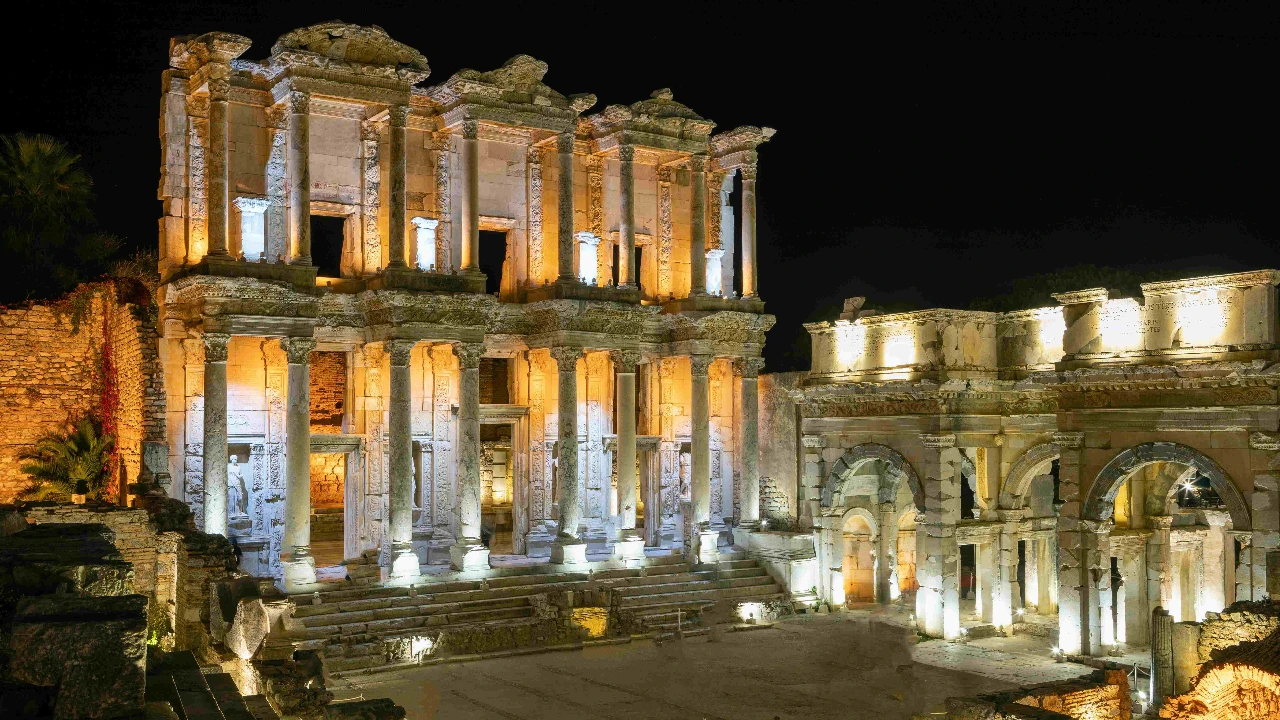
Once the beating heart of trade, philosophy, and culture in the ancient Mediterranean, the ancient city of Ephesus invites visitors on a journey back in time. With its monumental marble-paved avenues, towering temples, and ornate libraries, the city offers a glimpse into a vanished world. Walking through the valley between Panayır Mountain and Bülbüldağı means stepping where Roman senators, wealthy merchants, and legendary philosophers once trod 2,000 years ago. For those seeking the perfect Ephesus ancient city walking route, the path follows a seamless axis: starting from the sloping marbles of Curetes Street, passing through the grand plaza of the Celsus Library, and continuing along the Marble Road toward the Harbor Street (Arcadiane). In this guide, we break down the historic streets, monuments, and essential walking tips for your visit.
The 3 Main Marble Arteries of Ephesus
The urban backbone of the city consists of three interconnected ceremonial avenues:
Curetes Street: The Descent from Heracles Gate to Celsus
Connecting the State Agora to the Celsus Library, this sloping marble street takes its name from the Curetes priests who guarded the city's sacred fire. As you walk, you will encounter the Trajan Fountain, the Temple of Hadrian, and the remains of opulent villas.
Marble Road: From the Library to the Great Theatre
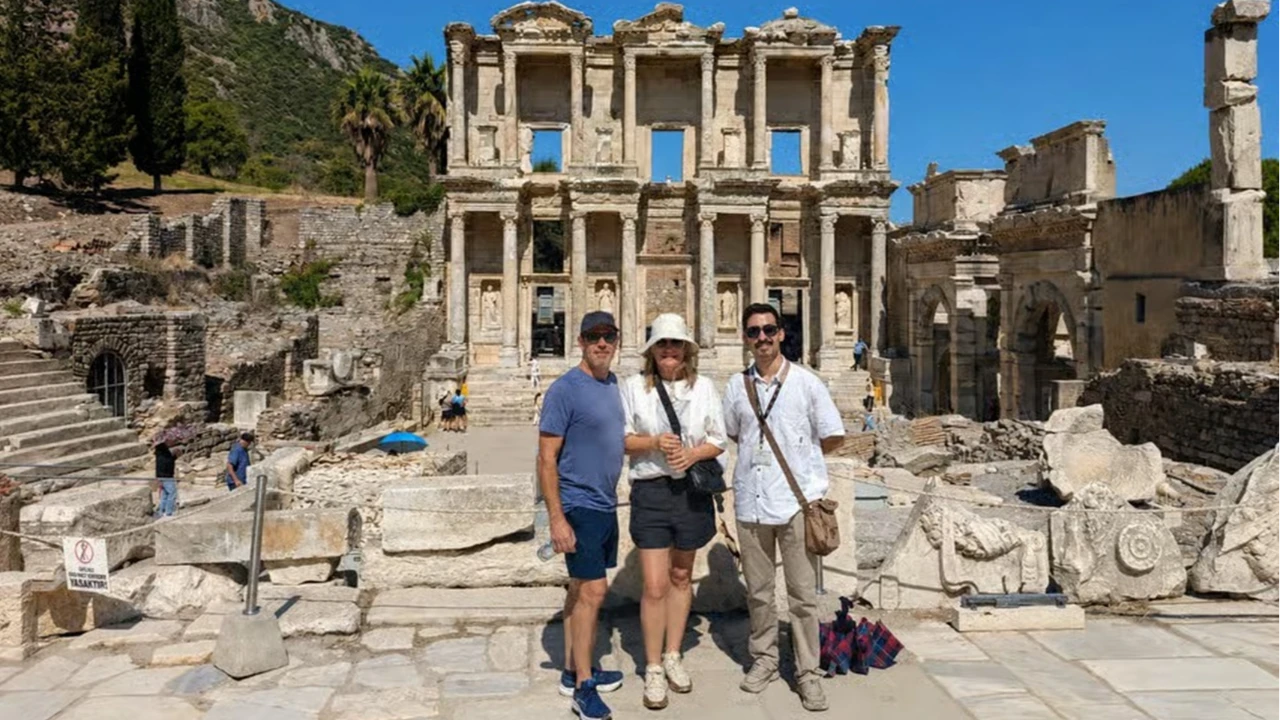
Starting from the plaza in front of the Celsus Library and leading toward the theatre, this wide avenue is a vivid testament to Roman commerce, featuring deep chariot wheel ruts and ancient "advertisement" footprints carved into the stone. You can find curated itineraries on our Ephesus ancient city historical tours page.

Comparison of Ephesus Streets and Architectural Features
We have summarized the lengths, terrain, and key highlights of the city's main thoroughfares in the table below.
| Ancient Street Name | Length | Surface Type | Key Monuments | Walking Experience |
|---|---|---|---|---|
| Curetes Street | 250 Meters | Sloping white marble | Trajan Fountain, Temple of Hadrian, Terrace Houses | Downhill, slight slope, can be slippery |
| Marble Road | 400 Meters | Flat marble blocks | Commercial Agora, Ancient Footprint, Stoas | Flat, wide, high sun exposure |
| Arcadiane (Harbor St) | 530 Meters | Wide marble paving | Ancient Harbor Baths, Light Columns | Straight path from Theatre to the harbor |
| Theatre Side Streets | 150 Meters | Earth and ancient steps | Scholastica Baths, Gymnasium ruins | Shaded, narrow, stepped passages |
Arcadiane (Harbor Street): The Processional Way of Kings
This monumental 11-meter-wide avenue, stretching from the Great Theatre to the ancient harbor (now silted up), was one of the world's first illuminated streets, lit by torches at night to welcome visiting dignitaries.
The Facades of the Temple of Hadrian and Trajan Fountain
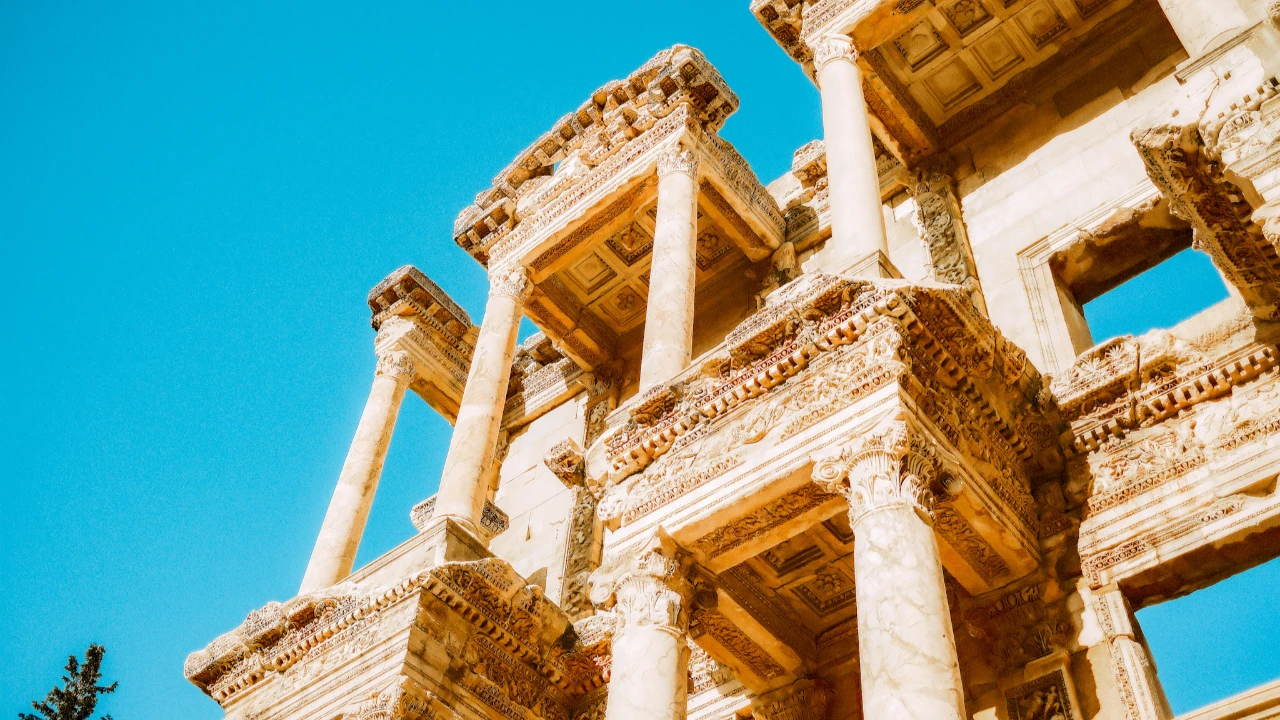
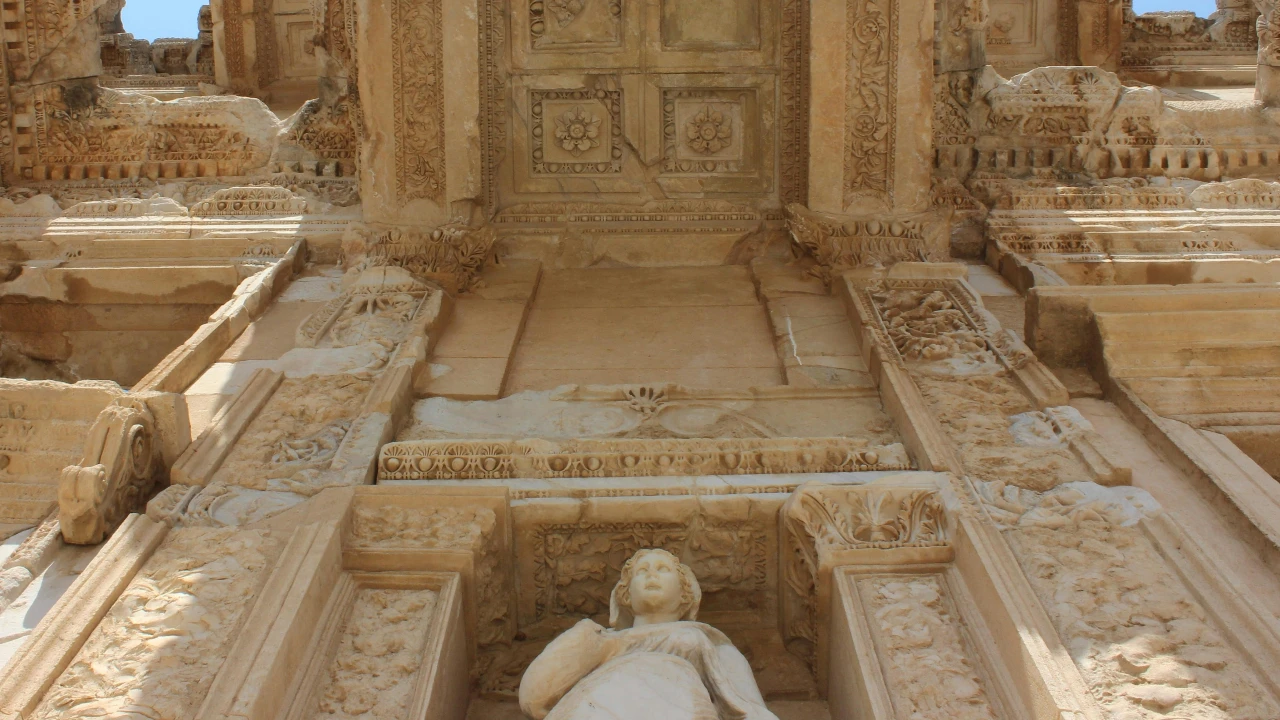
The Temple of Hadrian on Curetes Street is a masterpiece of Roman Corinthian art, renowned for its elegant column capitals and the striking Medusa relief on its arch. Explore our Ephesus walking tours list for more options.
Walking Dynamics and Safety on Marble Surfaces
Centuries of footsteps have polished the marble floors of Ephesus, making them beautiful but requiring special caution.
Slippery Stones and Footwear Choice
Because the white marbles have become smooth over millennia, they can be as slippery as ice during rainy days or humid mornings. We strongly recommend wearing trekking shoes with deep treads and non-slip rubber soles to prevent ankle sprains.
Sun Reflection and Heat Management
During midday, the white marble reflects sunlight directly, which can cause glare and increase the perceived temperature. Polarized sunglasses and a wide-brimmed hat are essential. Check out our archaeological packages on the Ephesus ancient city tours page.
Ephesus Walking Conditions by Season
Depending on when you visit, the temperature and walking comfort will vary. Here is what to expect:
| Season & Months | Avg. Temperature | Marble Surface Temp | Recommended Walking Time | Key Advantage |
|---|---|---|---|---|
| Spring (April - May) | 18°C to 23°C | Mild and comfortable | 09:30 AM - 03:00 PM | Blooming wildflowers and mild breezes |
| Summer (June - Aug) | 33°C to 38°C | Very Hot (45°C+) | 08:30 - 10:30 AM or 05:00 - 07:00 PM | Long daylight and clear evenings |
| Autumn (Sept - Oct) | 22°C to 27°C | Mild and balanced | 10:00 AM - 04:30 PM | Lower crowds and golden hour light |
| Winter (Nov - March) | 10°C to 15°C | Cold and occasionally slippery | 11:00 AM - 02:30 PM | Peaceful, solitary exploration |
Early Morning Walks in Summer
During the peak summer months (June to August), starting your trek at 08:30 AM, exactly when the gates open, allows you to experience the city in serenity before the marble heats up and the tour buses arrive.
Winter Photography Opportunities
In the quiet days of winter, it is possible to capture a photo of the Celsus Library without a single stranger in your frame. Furthermore, the wet reflections on the marble after a rain shower create stunning visual effects. Explore our Ephesus cultural tours for more details.
Complementary Stops Near the Route
After completing the main walking circuit, don't miss these nearby highlights:
The Elevated Walkways of the Terrace Houses
Located midway along Curetes Street, the Terrace Houses are protected by glass and wooden walkways. Viewing the private rooms, baths, and intricate mosaics of these Roman villas from above provides a fascinating architectural perspective.
The Path from the Harbor Exit to the Church of Mary
The path extending north from the Great Theatre leads to the Council Church (Church of Mary), where the Ecumenical Council of 431 AD was held, a pivotal moment in Christian history. Plan your trip via our Ephesus tours platform.
5 Golden Rules for Walking Through Ephesus
To preserve this ancient heritage and ensure a safe trip, please follow these five basic rules:
- Step carefully in the center of the marble blocks to avoid slipping on the edges.
- Since there is almost no shade in the ruins, always carry an umbrella or a wide-brimmed hat.
- Stay hydrated; take regular sips of cold water from your thermos before you feel thirsty.
- Remember that the Terrace Houses require a separate ticket, which you can purchase at the entrance.
- Walk with a professional guide to uncover the hidden myths and historical stories behind the facades.
- Climbing or sitting on marble columns and reliefs damages the historical structure.
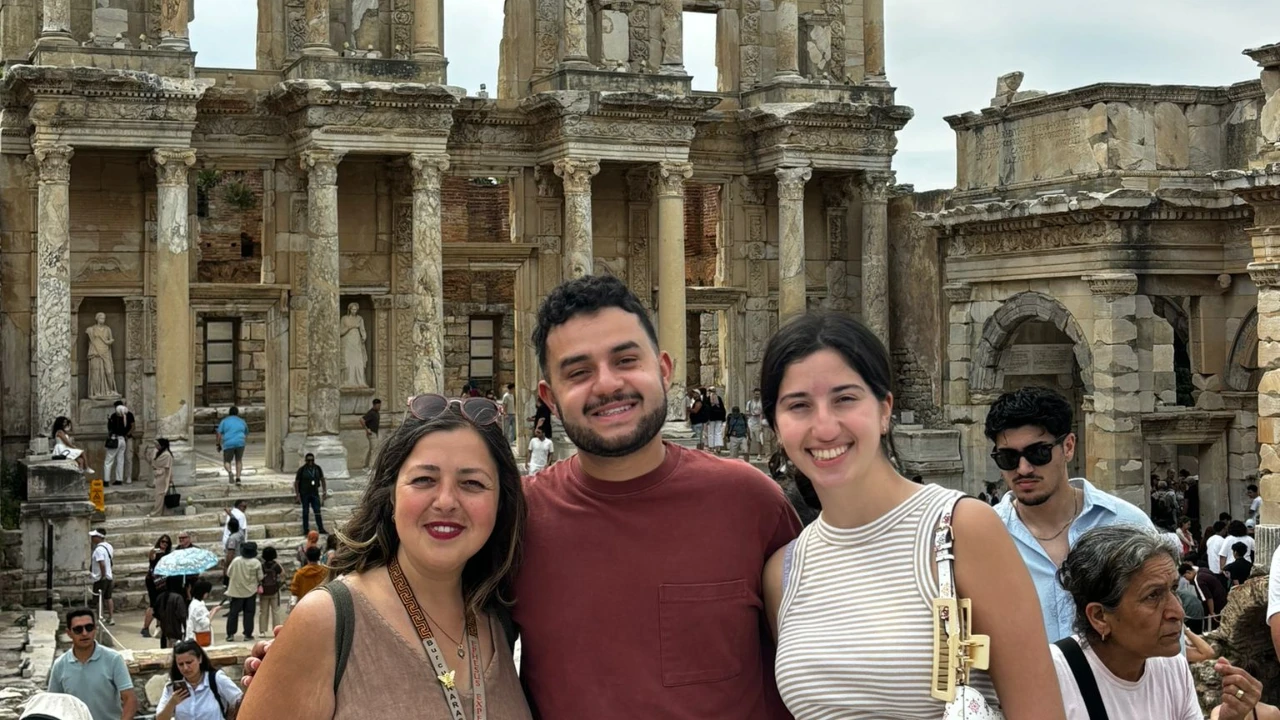
- Please be respectful of other visitors when taking photos on the steps of the Celsus Library.
- Smoking is prohibited within the site; please use the recycling bins at the gates for any waste.
- Be mindful of the steep steps and wind when climbing to the upper tiers of the Great Theatre.
- Visit the Ephesus Archaeology Museum in Selçuk center to see the original sculptures removed from these streets.
Tips for Visiting with Children
Turn the walk into an archaeological treasure hunt by pointing out the ancient game boards and water channels carved into the streets.
Post-Walk Relaxation
Sipping freshly squeezed pomegranate juice at the stalls near the Lower Gate and browsing the souvenir bazaar is the perfect way to unwind after a day of exploration.
Frequently Asked Questions 5
How long is the total walking route in Ephesus?
The main axis from the Upper Gate to the Lower Gate, including all major monuments and the agora, is approximately 2.5 kilometers (1.5 miles).
Are the marble streets stroller-friendly?
Strollers can be used on the main Curetes and Marble streets; however, due to the gaps between stones and various steps, the ride may be bumpy.
Are there drinking fountains along the walking route?
No, there are no potable water fountains along the ancient streets. Water is only available at the shops located at the Upper and Lower Gate entrances.
What type of shoes should I wear for the Ephesus walk?
Due to the polished, slippery marble, we recommend non-slip rubber trekking shoes rather than flat leather soles or thin sneakers.
How much extra time does visiting the Terrace Houses add to the walk?
A detailed exploration of the Terrace Houses typically adds about 45 minutes to 1 hour to your total visiting time.