For travelers staying in Van, the ancient lake basin of Eastern Anatolia, a day trip to Doğubeyazıt is an essential pilgrimage. This route leads to the Ishak Pasha Palace, widely considered the region's most enchanting architectural masterpiece, and the legendary foothills of Mount Ararat. Starting from the shores of Lake Van and crossing the lunar-like lava plains of Mount Tendürek, this journey is a stunning contrast between rugged geography and refined elegance.
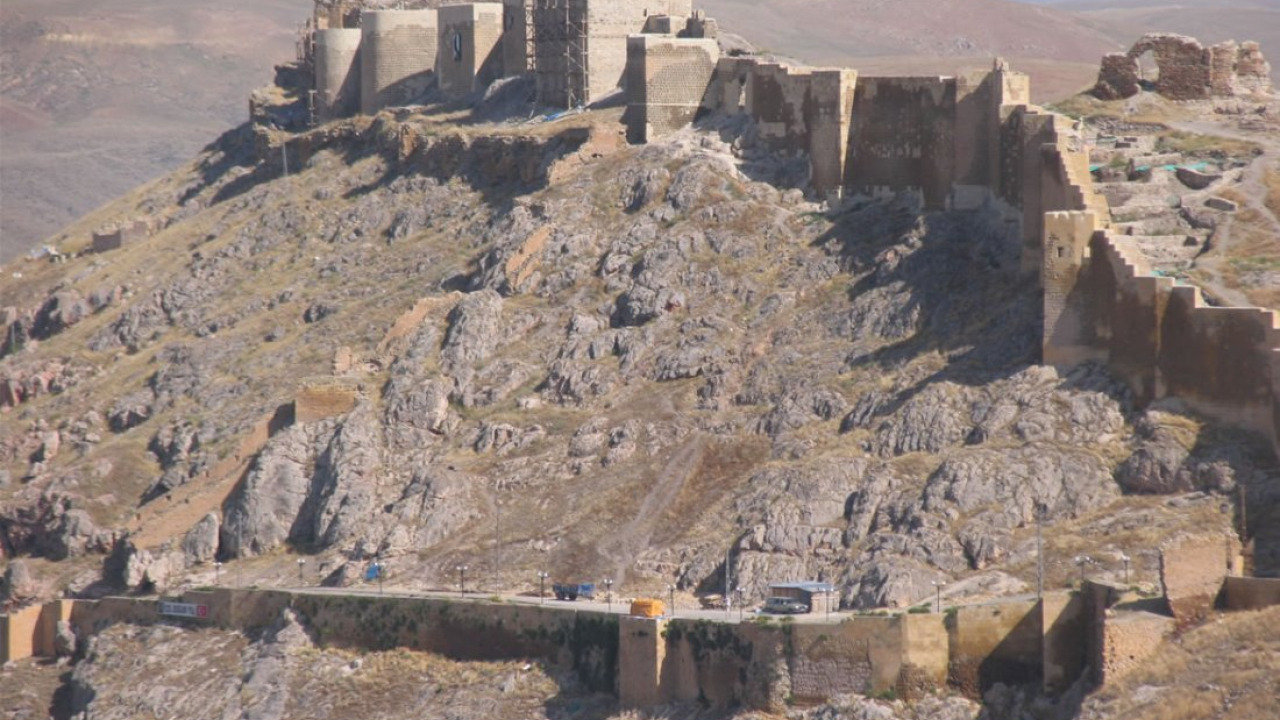
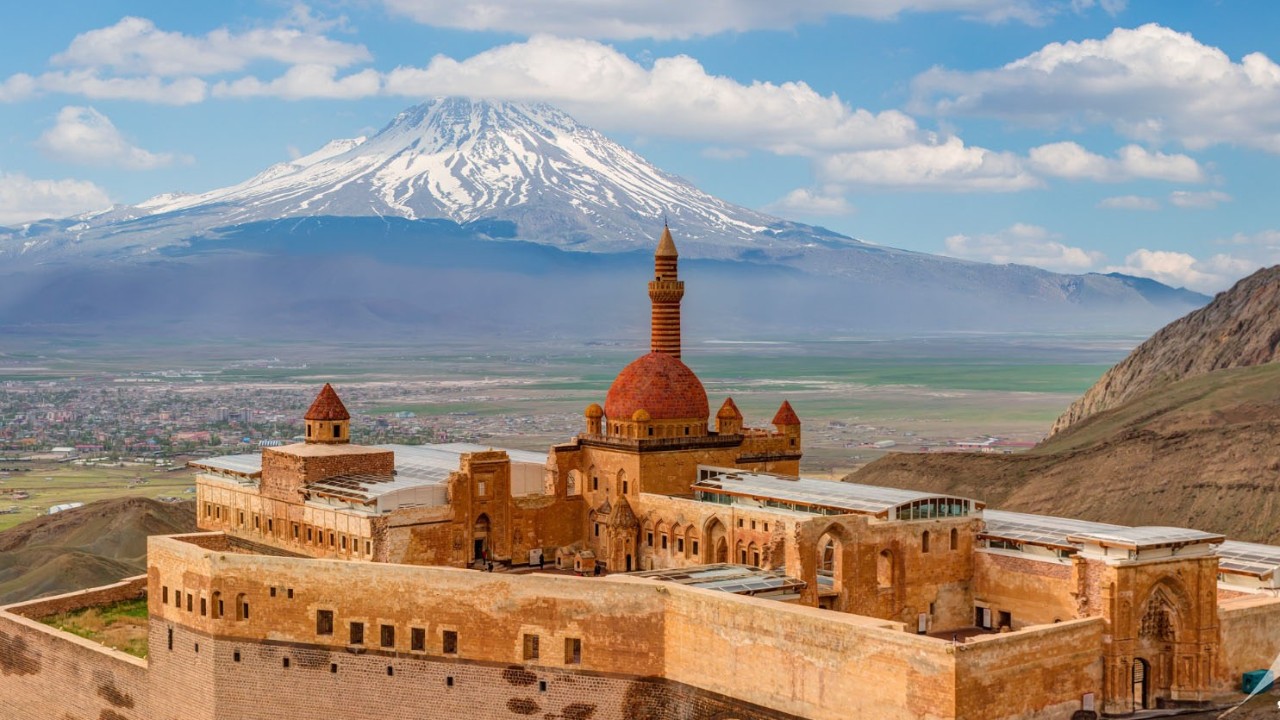
The Ishak Pasha Palace is a unique synthesis of Ottoman, Seljuk, and Baroque styles. Perched atop a steep cliff, its silhouette resembles an eagle's nest, leaving every visitor spellbound. Along the way, the suspension bridge of Muradiye Waterfall and the vast volcanic plateaus add a layer of raw natural beauty to the cultural experience.
In this comprehensive van cikisli dogubeyazit ve ishak pasa rehberi, we cover everything from road transportation and the palace's intricate sections to the Tendürek pass, the vistas of Mount Ararat, and the must-try local delicacies.
Quick Facts: Doğubeyazıt Day Trip from Van
To help you plan your day, here is a snapshot of the logistics, timing, and highlights of the tour.
| Feature | Visitor Quick Summary |
|---|---|
| Route & Region | Departing from Van İpekyolu, passing through Muradiye, Çaldıran, and the Doğubeyazıt plateau |
| Key Highlights | Ishak Pasha Palace, Muradiye Waterfall, Tendürek Mountain Lava Fields |
| Best Time to Visit | May – October (Spring and summer offer lush nature and open roads) |
| Recommended Duration | Full Day (Approx. 11 hours, typically from 08:00 to 19:00) |
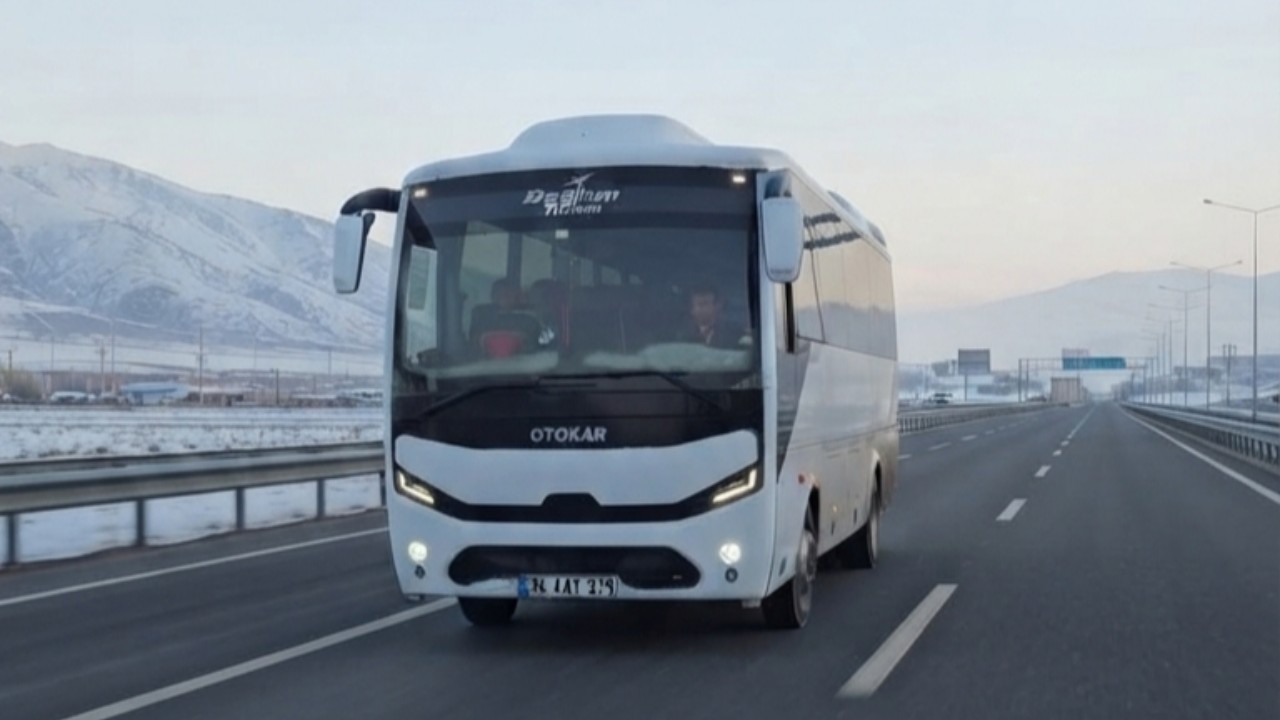
| Transport & Terrain | Air-conditioned tour vehicles; stone courtyards in the palace and unpaved walking paths |
| Ideal For | History buffs, architecture enthusiasts, photographers, and families |
Tour services typically depart early in the morning from hotels in Van city center, following the eastern coast of Lake Van through Erciş and Muradiye.
For those looking to explore other rich itineraries based in the region, feel free to browse our Van turları list.
The Road Trip and Muradiye Waterfall Stop
About an hour after leaving Van, the journey pauses at the breathtaking Muradiye Waterfall on the Bend-i Mahi Stream.
Visitors can cross the wooden suspension bridge connecting the two sides of the canyon to feel the cool mist of the waterfall as it plunges 18 meters down.
Çaldıran Plain and the Tendürek Lava Pass
The route crosses the historic Çaldıran Plain, the site of the famous 1514 battle, before ascending to the Tendürek Pass at an altitude of 2,644 meters.
The black basalt lava blocks erupted from the extinct Tendürek volcano create a surreal, moon-like landscape that stretches as far as the eye can see.
Doğubeyazıt Plain and the Silhouette of Mount Ararat
Once you crest the pass, the snow-capped peak of Mount Ararat, Turkey's highest summit at 5,137 meters, appears majestically on the horizon.
Rising above the wide-open plains of Doğubeyazıt, this mountain range provides an inspiring backdrop for every traveler.
Architectural Harmony and Stone Craftsmanship
The palace was built using volcanic tuff stones, which are highly resistant to the harsh winters of Doğubeyazıt, ensuring the structure has remained standing for centuries.
The Architecture and Courtyards of Ishak Pasha Palace
Built on a steep hill overlooking the Doğubeyazıt Plain, the Ishak Pasha Palace was completed in 1784 by Çolak Abdi Pasha and his son Ishak Pasha of the Çıldıroğulları family. Taking 99 years to complete, this complex is regarded as the most significant Ottoman palace after Topkapı Palace.
More than just a government residence, the palace is a miniature city, featuring a mosque, a madrasa (educational institution), a divan (council) hall, harem quarters, a bakery, and a bathhouse.
The lions, eagles, and "tree of life" motifs carved into the stone walls represent the pinnacle of Seljuk stone relief art.
Comparison of Palace Sections and Architectural Features
Explore the distinct characteristics of the main structures within the complex below:
| Palace Section | Style & Material | Function & Artistic Highlights |
|---|---|---|
| First Courtyard | Wide stone plaza, guard rooms | Reception for caravans, fountains, and horse tethering areas |
| Second Courtyard | Seljuk arched porticos, stone paving | Divan hall, administrative offices, and the formal entrance |
| Palace Mosque | Central dome, Baroque stone ornaments | Intricate mihrab carvings, women's gallery, and superb acoustics |
| Harem Quarters | Wooden ceilings, fireplaces, stone niches | Private living area for the Pasha and his family, overlooking the valley |
One of the most astonishing engineering feats of the palace is its early central heating system, which used clay pipes embedded in the walls to circulate hot water.
To explore this historic complex with expert guides, you can check the requirements via our Van One-Day Cultural Tour link.
The Monumental Portal and Seljuk Stone Carving
The main entrance gate is a monumental work of art, adorned with geometric stars and floral reliefs.
The way the master stonemasons carved the hard volcanic tuff like delicate lace is truly awe-inspiring.
Central Heating and Sewage Systems
By circulating hot water through "künk" (clay) pipes installed in the walls, the rooms were kept warm during the freezing winter months.
This system is recognized as one of the earliest applications of central heating in a palace structure worldwide.
The Elegance of the Palace Mosque
Rising in the second courtyard, the mosque shines like a jewel with its high dome and ornate exterior reliefs.
The acoustics of the mosque are designed so that the sound of the ney (reed flute) and the call to prayer echo clearly beneath the dome.
A Strategic Fortress City on the Silk Road
The Ishak Pasha Palace was not only designed for artistic elegance but also for strategic control. Its fortified position allowed the Pashas to monitor the caravan routes coming from Iran and the Caucasus. This administration ensured the safety of traders, keeping commerce and cultural exchange vibrant in the region for centuries.
Historical and Natural Sites Around Doğubeyazıt
After visiting the palace, the journey continues to other significant historical and geological landmarks in the vicinity.
The ruins of the Urartian Fortress, rising just above the palace, and the Tomb of Ahmed-i Hani, a renowned Islamic scholar, represent the spiritual and ancient depth of the region.
Additionally, the meteor crater located near the Iranian border is a fascinating geological formation that draws nature lovers from all over.
The Tomb of Ahmed-i Hani
The tomb of Ahmed-i Hani, the famous 17th-century Kurdish poet, philosopher, and mystic, is located on the upper slope of the palace hill.
Locals and visitors frequently visit this site to find spiritual peace and offer prayers.
Urartian Fortress Ruins
Built around 800 BC by the Kingdom of Urartu on steep cliffs, this fortress provided strategic control over the valley.
The Urartian burial chambers carved directly into the rock reveal a military history spanning thousands of years.
The Meteor Crater and Geological Structure
Located just 2 kilometers from the Iranian border, this massive crater, 35 meters wide and 60 meters deep, is considered the second-largest meteor crater in the world.
The sudden appearance of this deep abyss in the middle of the flat plain is a sight that leaves visitors in awe.
Gastronomy of Van and Doğubeyazıt: Abdigör Köfte
The most famous and labor-intensive dish of the region is the historic Abdigör Köfte, a legacy of the Doğubeyazıt palace kitchen.
Prepared by pounding lean beef on a stone with wooden mallets for hours until it reaches a paste-like consistency, this meatball is considered one of the world's oldest "diet" dishes.
Free of fat and sinew, the meat is kneaded with onions and spices, boiled in water, and served atop a bed of rice pilaf.
- Traditional Abdigör Köfte: A light and delicious palace dish made from meat pounded for hours on stone.
- Van Breakfast Specialties: Herbed cheese (otlu peynir), murtuğa, kavut, and honeycomb honey grace the tables throughout the trip.
- Kelek Dessert: A local Doğubeyazıt dessert made from thin dough, baked and soaked in syrup.
- Lamb Stew (Güveç) and Piti: Hearty lamb and chickpea stews slow-cooked in earthenware pots.
- "Kaçak" Tea Ceremony: Strong, deep-red tea served in tulip glasses, traditionally sipped with kıtlama (crystal) sugar.
A Century-Old Legacy of Palace Chefs
Abdigör köfte was specifically developed by palace physicians and chefs for Çolak Abdi Pasha (Ishak Pasha's father) to accommodate his stomach ailments.
The pounding technique breaks down the meat fibers, making it incredibly tender and easy to digest.
Herbed Cheese and Local Bazaar Shopping
Fresh Van herbed cheese, made with local herbs like sirmo, heliz, and mendo, is the most popular souvenir from the Doğubeyazıt bazaar.
The shopping experience is further enriched by spices and traditional tea sets sourced from the border markets of Iran.
Photography Tips for the Best Views
The Ishak Pasha Palace offers postcard-perfect compositions at every hour of the day.
The contrast between the steep cliffs behind the palace and the endless plain stretching before it creates a powerful sense of depth.
- Palace & Mount Ararat Composition: From the eastern terrace, you can capture the silhouette of Mount Ararat in the background of the palace.
- Portal Detail Shots: The stone carvings of the main gate show the clearest shadow details under the slanted light of the morning sun.
- Dome and Minaret Angle: Shots from the second courtyard capture the Baroque dome and the elegant minaret in perfect harmony.
- The Golden Hour: In the late afternoon, the golden light hitting the plain turns the palace's tuff stones into a deep crimson.
Practical Travel Tips for Doğubeyazıt
Weather conditions in the Eastern Anatolian highlands can change rapidly, so proper preparation is key.
- Dress in Layers: Even in summer, a light jacket is recommended as the wind can be chilly on the high plateaus.
- Museum Pass: The Ishak Pasha Palace is managed by the Ministry of Culture and Tourism; the Museum Pass (Müze Kart) is valid here.
- Comfortable Walking Shoes: The palace courtyards are paved with stone and the surrounding hills are steep, so flat, sturdy shoes are a must.
- Sunglasses and Hat: UV rays are stronger at high altitudes; protect your skin and eyes.
- Carry Cash: While some places take cards, cash is much more convenient for local bazaar shopping and small restaurants.
Frequently Asked Questions 4
How long is the drive between Van and Doğubeyazıt?
The road trip from Van city center to Doğubeyazıt takes approximately 2 to 2.5 hours, including a stop at Muradiye Waterfall.
Which days is the Ishak Pasha Palace open to visitors?
The palace is open every day of the week except Mondays. Closing times may vary between the winter and summer seasons.
Is photography and videography allowed inside the palace?
Yes, amateur photography and videography are permitted in the courtyards and rooms. However, professional tripod use requires permission from the museum administration.
What should I eat for lunch during a Doğubeyazıt tour?
The historic Abdigör köfte and traditional tandoor lavaş are the highly recommended signature dishes of the region.