For many travelers, the search for places to visit in Dalaman begins and ends at the airport. Yet, this charming district boasts its own coastline, a tranquil river, vast eucalyptus plains, sulfurous hot springs, and a collection of stunning bays all within a half-hour radius. This guide positions Dalaman not merely as a transit point, but as a fantastic base for an unforgettable Turkish holiday. We'll explore the Göcek-side bays of Sarsala and Bedri Rahmi, Sarıgerme's expansive sandy beach, the shores of Kayacık and Günlüklü, the Kapıdağ Peninsula, the district's own ancient cities Kalynda and Hippokome, the Ancient Blacksmiths' Bazaar, the sulfurous waters around Kapıkargın, the serene walking trails of Akkaya Valley and Kocagöl, the ancient city of Kaunos near Dalyan, and even the historic, train-less station building standing proudly in the middle of the plain. For each stop, you'll find location details, what to see, the best times to visit, and how to get there. Finally, we'll cover seasonal tips, accommodation comparisons, entry fees, and practical advice.
Where is Dalaman? A Comparison with Fethiye and Dalyan
Dalaman is a district nestled on Muğla's southwestern coast, situated in an agricultural plain between Köyceğiz and Göcek. Dalaman Airport (DLM), the region's main air gateway, is within the district's borders. During the summer months, a significant number of travelers heading to Fethiye, Marmaris, Göcek, and Sarıgerme pass through here. The district center is set back slightly from the coastline, so it doesn't present itself as a "beachfront resort town." However, its proximity to surrounding bays, thermal springs, and ancient cities makes it an ideal hub.
Here's a quick comparison: Fethiye is a bustling and lively center with extensive accommodation options, Ölüdeniz, Kayaköy, and stages of the Lycian Way. You can get a sense of the sheer density of attractions in that area from our Kayaköy travel guide. Dalyan, on the other hand, is a more boutique destination, focused on nature conservation with its delta, canal tours, Kaunos, and İztuzu trio. Dalaman sits comfortably between these two: it's the closest point to the airport, generally offers more competitive prices, is peaceful in the evenings, and during the day serves as a perfect base for exploring both the bays by boat and ancient sites by road.
The answer to "who is Dalaman suitable for?" depends on this distinction. Dalaman is a functional hub for travelers who don't want to spend too much time on transfers during a short break, plan to arrive on a morning flight and be in the water the same day, or want to be close to yacht and boat routes. For those seeking nightlife, bustling markets, and a wider variety of entertainment, Fethiye or Ölüdeniz might be a better fit.
Quick Facts About Dalaman
| Topic | Information |
|---|---|
| Location | Southwest Muğla, between Köyceğiz and Göcek |
| Airport | Dalaman Airport (DLM), approx. 5-6 km from district center |
| Half-day radius attractions | Sarsala Bay, Bedri Rahmi Bay, Sarıgerme beaches, Kayacık and Günlüklü shores, Kapıdağ Peninsula, Kalynda and Hippokome ancient cities, Ancient Blacksmiths' Bazaar, Kapıkargın sulfur springs, Akkaya Valley, Kocagöl, historic train station building |
| Neighboring district attractions | Kaunos Ancient City, King's Rock Tombs, and İztuzu Beach in Dalyan |
| Coastline | Center is slightly inland; sandy beaches towards Sarıgerme, Kayacık, and Kapıkargın; deep bays towards Göcek |
| Water sports | Rafting on Dalaman River, boat and paddle sports in the gulf |
| Thermal | Sulfur water pools and thermal facilities around Kapıkargın |
| Best time to visit | Late May, June, and September; July-August are hot and busy |
| Recommended duration | 2 days for center and coast, 3 days including Kaunos and Dalyan, 4 days including district's historical sites |
| Transportation | Flight (DLM), bus connections via Muğla and Fethiye, rental car |
| Entry & Fees | Bays, valley, lake, and eucalyptus roads are free; archaeological site entry is charged and covered by Müzekart for Turkish citizens |
Getting to Dalaman & Step-by-Step Itinerary
The most efficient way to explore the region is to plan your transportation around your arrival time. The following itinerary is designed for a four-night trip, including arrival and departure days. Travelers with two full days can follow the first three steps and save the Kaunos leg for a future visit; those with three days can skip the sixth step.
- Land at Dalaman Airport. Arrange your transfer in advance rather than waiting at the terminal exit, as platforms can get busy in summer.
- Dedicate the second half of your first day to Sarıgerme beach. It's only about 10 kilometers from the airport, minimizing travel time, and you can enjoy your first evening meal near the beach.
- On the second morning, head to Göcek around 09:00 and join a boat tour covering Sarsala Bay and Bedri Rahmi Bay. Return is usually in the late afternoon.
- On the third day, go to Kaunos Ancient City early in the morning. The site opens at 08:30, and since you'll be walking on an unshaded hillside, it can get tiring after 11:00.
- In the afternoon, take a lunch break along the Dalyan canal. If you wish, add a short swimming break at İztuzu Beach.
- Dedicate the fourth day to the district's own historical sites: the Kalynda Ancient City hiking trail, the Ancient Blacksmiths' Bazaar, and the train station building in the plain can all be combined into one day.
- Conclude your departure day with Akkaya Valley, Kocagöl, or the sulfurous pools in Kapıkargın. Avoid planning long routes close to your flight time.
Airport Exit and Transfer Options
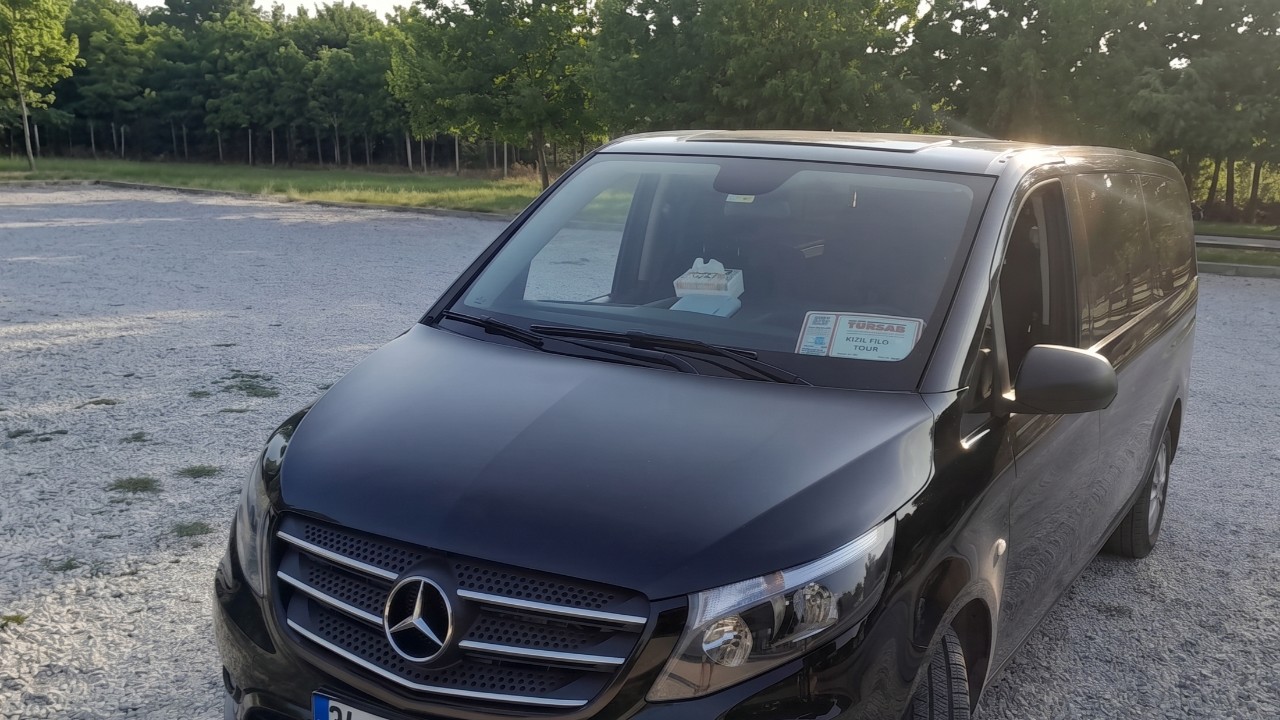
At the terminal exit, you'll find airline shuttles, local minibuses, and private transfer vehicles lined up. Shuttle times are tied to flight schedules, so options narrow for late-night arrivals; in this case, a pre-booked vehicle saves time. The cost depends on the vehicle type (sedan, minivan, VIP), number of passengers, distance, and time of day; night transfers are generally more expensive than daytime ones. Sarıgerme and Göcek are priced as short distances, while Fethiye and Marmaris are long distances. If you prefer door-to-door service to your hotel, you can compare options in the Dalaman hotel transfer tours list and check baggage allowances and waiting times for flight delays on the booking screen.
Car Rental, Göcek Tunnel, and Road Notes
Since the bays, thermal springs, and ancient cities are spread out, a rental car is one of the most time-saving solutions in the region. When driving from Dalaman towards Fethiye, the road passes through the Göcek Tunnel. The tunnel has a toll, payable via HGS or OGS (electronic toll systems); cash is not accepted at the booths. If you're renting a car, ask if the vehicle has a toll tag when you pick it up. For those who prefer not to pay, the old mountain road winding over the tunnel offers an alternative, but it's winding, longer, and can be challenging in the dark. Some side roads leading to the bays are unpaved; it's wise to inquire locally about road conditions before venturing onto these routes with low-clearance vehicles.
Bus, Minibus, and Train Queries
In Dalaman town center, connections to Ortaca, Köyceğiz, Fethiye, and Marmaris are available via the bus terminal and minibus stops. Minibuses run more frequently in summer but less often in winter; check for the last service times during the day. Since most thermal springs, bays, and valley attractions are off the main routes, travelers without a car should plan their day around their return time, not the minibus schedule.
Regarding rail travel: there are no passenger train lines in Muğla province, so there's no direct train access to Dalaman. Those wishing to approach by train use the Aydın or Denizli lines and complete the rest of the journey by bus or rental car. However, a search for "Dalaman Train Station" does yield a result: a station building standing in the middle of the plain. Its story is told in the history section below.





Bays and Beaches: From Sarsala to Kapıdağ
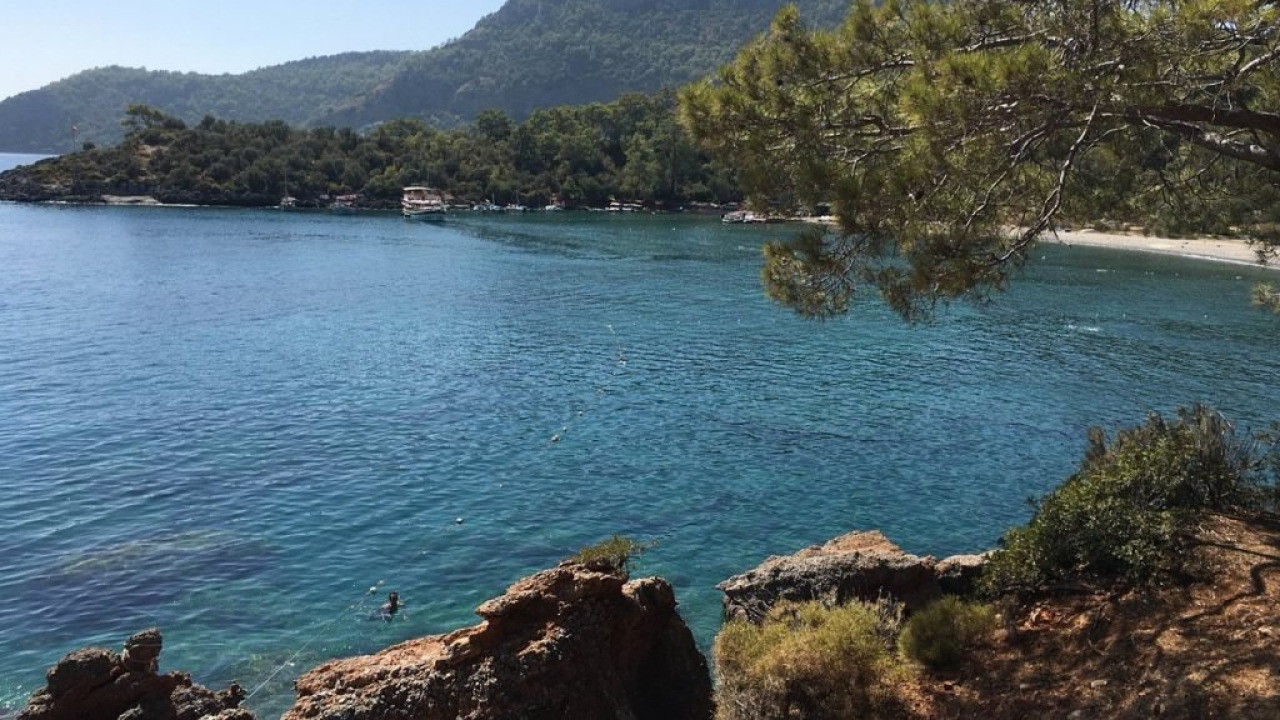
The coastline changes character from west to east. Towards Sarıgerme, Kayacık, and Kapıkargın, you'll find long sandy beaches, while in the direction of Göcek, there are deep bays where pine trees meet the sea. The stops are listed along this axis; those closer to the town center are accessible even without a car, while those further afield require a vehicle or boat.
Sarsala Bay
Sarsala Bay is one of the well-known coves around Göcek, a sheltered anchorage where red pine forests extend right down to the shore. It's about 15 kilometers from the town center, and blue cruise routes and daily boat trips regularly include it as a stop. Land access is also possible: a forest road branching off from the Göcek direction leads down to the bay, but part of the road is unpaved, so driving should be cautious, and low-clearance vehicles may struggle. The shore is pebbly; instead of organized beach facilities, the bay offers picnic and shaded areas, so bring water, a cooler, and an umbrella. Mornings are calmer, before yachts start moving and the sea is still; the shore gets busier in the afternoon when daily boats arrive. June and September stand out as periods when crowds are thinner but the water is warm.
The bay also had a little-known function: during the reclamation of the plain, the region's connection to the sea was established via a pier here, and a narrow-gauge railway was laid from the bay to the farm center. The eucalyptus-lined plain and this bay can be considered two ends of the same story; details are in the section about the train station building.
Bedri Rahmi (Taşyaka) Bay
The bay's original name is Taşyaka. Its current name comes from the painter and poet Bedri Rahmi Eyüboğlu, who visited in the mid-1970s and carved a fish figure onto a rock face by the shore. It's said that six animals are hidden within the figure, but the paint has faded, making it hard to spot from a boat; you need to get closer. It's about 14 kilometers from the town center. Lycian-type rock tombs can be seen on the hillside near the shore, meaning you can combine swimming with a brief archaeological glimpse. Land access to the bay is not practical; visits are generally by boat. Since tour programs often keep stop durations short, those wanting to photograph the figure should get into the water in the first few minutes of the stop; approaching the rock is easier before boat traffic increases. Boat tours departing from Göcek offer routes that combine this stop with others like Yassıca Islands and Tersane Island. Since the number of stops and duration at each vary between boats, reading the itinerary on the booking screen makes a difference.
Sarıgerme Public Beach
Sarıgerme is a coastal settlement west of Dalaman Airport, administratively part of Ortaca. It's about 10 kilometers from the airport, a 10-15 minute drive in normal traffic. With its long sandy beach, pine forest backdrop, and gently sloping shallow water, it's considered one of the region's family-friendly beaches. The public beach section, managed by the municipality, is suitable for day visits with its organized entrance and parking. Sun loungers and umbrellas are available for a fee, while finding a spot on the sand with your own beach towel is free. The afternoon breeze is usually refreshing. Some sections of the beach are monitored as sea turtle nesting areas; please adhere to warning signs regarding stakes, umbrellas, and night lights.
Sarıgerme's Sarçed Section
The Sarçed section of Sarıgerme beach, known for being managed by a local association, offers a more organized setup of sun loungers and shade compared to the public beach. The coastline is a continuation of the same sandy stretch, so the sea's character doesn't change; the difference lies in the service arrangement and crowd distribution. Mornings are more relaxed for choosing sun loungers and parking, while weekends see a rapid increase in occupancy. Shade is provided by the pine trees behind and established umbrellas; since staking is prohibited in marked nesting areas, umbrella placement is arranged accordingly.
Kayacık Beach
Kayacık is a coast often mentioned alongside Sarıgerme in local travel lists, reachable by a short drive from the town center. The beach character is similar to Sarıgerme, but with fewer facilities and some stony sections along the shore. Weekday mornings are the least crowded, while local visitor numbers increase on weekend afternoons. Since shade and snack bar facilities are limited, it's advisable to bring water, food, and an umbrella; water shoes can also make things easier.
Günlüklü Bay
Günlüklü Bay is located on the highway between Fethiye and Göcek. It gets its name from the sweetgum trees (sığla) that line the shore, and the shade provided by these trees is a distinctive feature of the bay. The practical detail for access is that since the bay is right by the road, you can turn off at the roadside sign and drive directly to it. Because of the dense shade, midday hours are more tolerable here than at other bays, though going in the cool morning still makes it easier to find both parking and shade. Coastal walking trails starting from Kille and Boynuzbükü also connect to this bay, making it a refreshing swimming spot at the end of a hike for walking enthusiasts.
Kapıdağ Peninsula
The Kapıdağ Peninsula stretches along the western side of the gulf between Göcek and Ölüdeniz and is regularly featured in local travel guides. There's no entry fee for visitors; you can access the peninsula anytime. On the peninsula, you'll find remnants of an ancient settlement known as Lydae, and Gemile Island lies offshore. A practical warning is important here: the paths are not marked, routes to the ruins are unsigned, and shade is limited. Instead of embarking on a long hike without local knowledge or a guide, it's safer to utilize the coastal stops offered by boat tours. Spring and October are ideal times, when the vegetation is green and temperatures are moderate.
Kille Bay
Kille Bay is one of the less frequented spots along the Dalaman coastline and is often mentioned in local hiking club itineraries alongside Boynuzbükü, Büyükova, and Günlüklü bays. Land access is via an unpaved road branching off the highway in the Göcek direction. The rough sections of the road can be challenging for low-clearance cars, so most visitors come to the bay with high-chassis vehicles or by boat. Since the turn-off and road conditions can vary based on local guidance, it's advisable to inquire about the current situation before heading out. The beach is long; shade and snack bar facilities are limited, so bring water, food, and an umbrella. The seabed is stony in places, so water shoes will make your experience easier here. On windy days, waves directly enter the bay, so families with children often prefer morning visits.
Ekincik Bay
Ekincik is approximately 66 kilometers from Dalaman, making it not an easy part of a day trip. Nevertheless, it regularly appears on regional travel lists because when combined with the Köyceğiz and Dalyan route, it becomes one of the calmest coastal stops. The bay can also be reached by road, but most visitors arrive via the Dalyan canal or boat tours departing from Köyceğiz. From Dalaman, a logical plan would be to extend the Kaunos and İztuzu day by adding Ekincik as that day's swimming stop, rather than making it a separate long journey. Due to the distance, it's important to plan your return time according to daylight hours.
Ancient Cities and Historical Layers: From Kalynda to Kaunos
Dalaman's surroundings aren't just about the coast. Within the district's own borders, you'll find ancient settlements like Kalynda and Hippokome, along with an area known as the Ancient Blacksmiths' Bazaar. Just a half-hour drive away, in the Dalyan area, lies Kaunos, the most visible testament to both Carian and Lycian cultures. Dividing these two layers into separate days yields more rewarding results than trying to squeeze them into a single afternoon. Those who wish to make ancient cities the focus of their itinerary can explore historical city tours departing from the region.
Kaunos: The Port City of Caria
Kaunos was founded as one of the port cities of the Carian region, and its location bordering Lycia means it bears architectural traces of both cultures. Visitors can explore the ruins of a theater, baths, a basilica, a fountain structure, and an acropolis. Over time, the harbor silted up, cutting off the city's connection to the sea, and today's reed beds and delta landscape are a result of this geological process. Since the visit involves walking on paths and a terraced hillside, closed-toe shoes are essential.
Two pieces of information are crucial for planning your visit. First, entry: it's a paid archaeological site. Müzekart is valid for Turkish citizens, while a separate tariff applies to foreign visitors. Second, hours: the Ministry's official archaeological site record states an opening time of 08:30, closing at 18:00, and ticket office closing at 17:30, meaning ticketing ends half an hour before the site closes. During the tourism season, opening hours may be extended; confirming the hours in advance for a summer visit can save you valuable time at the site. The lower and middle sections take approximately 1.5 hours to explore, while the acropolis climb takes 1 to 1.5 hours, so those arriving less than three hours before closing will have to choose between them.
King's Rock Tombs and Delta Views
Looking from the Dalyan shore, you'll see temple-fronted tombs carved into the rock face. Although they feature Lycian-type architectural facades, they belong to the city of Kaunos; the name "King's Tombs" comes from local usage. The light on the tombs is softer in the late afternoon and evening, which is also the preferred time for photographers. Boats departing from the jetties along the canal shore provide passage to the opposite bank; it's also possible to reach the area by road via Çandır village. The difference between the two options is time and scenery: the boat route, passing through a labyrinth of reeds, is longer but visually richer.
Adding İztuzu Beach to Your Itinerary
Approximately 4.5 kilometers long, İztuzu Beach is a sand barrier separating the delta from the sea, and it's also a sea turtle nesting area. For a traveler coming from Dalaman, a logical arrangement is to dedicate the morning to Kaunos and the afternoon to the beach. Nesting occurs roughly between May and August. Night access to the beach is closed as part of conservation efforts from May 1st to the end of September, between 8:00 PM and 8:00 AM. During this period, staking umbrellas, artificial lights, and loud music are prohibited on the beach. At the roadside entrance to the beach, you'll find DEKAMER, where injured turtles are treated and rehabilitated. The center is open to visitors, and it's possible to see animals under treatment up close. Operating hours vary by season, so it's best to inquire before you go.
Kalynda Ancient City
Kalynda is an ancient settlement within Dalaman's own borders, listed among the Dalaman Municipality's places to visit. The key point defining the nature of the visit is this: it's not an organized archaeological site with a ticket office, but rather a hiking trail passing through scattered ruins on a hillside. The trail, registered as "Dalaman - Kalynda Ancient City Route" in nature walking apps, is approximately 11.6 kilometers long and involves an elevation gain of around 280 meters, meaning it's a half-day excursion. Therefore, hiking boots with ankle support are needed instead of sneakers, along with at least two liters of water and a hat. Starting early in the morning offers two advantages: unshaded sections are crossed before it gets too hot, and there's ample daylight left for the return. Spring and autumn are the most comfortable periods; tackling this route in the midday heat of July and August can be challenging.
Hippokome Ancient City
Hippokome is another ancient settlement that frequently appears on travel lists around Dalaman. Compared to Kaunos, it's important to set expectations from the start: here, you won't find standing structures on the scale of a theater or agora, signed walking routes, or organized parking. A visit means seeing groups of ruins scattered across the terrain. Since location and trail information in published sources is limited, instead of setting out without local guidance, it's more efficient to consult local guides who organize ancient city routes in the district or inquire about current access conditions at the municipality's tourism promotion unit. The best timing is the same as for Kalynda: morning hours in spring and autumn. When combined with Kalynda on the same day, the district's ancient layer extends to a full day, not just a half-day.
Ancient Blacksmiths' Bazaar
The Ancient Blacksmiths' Bazaar is an area regularly mentioned among the historical stops in Dalaman's local travel lists. As its name suggests, it bears traces of a settlement connected to the region's metalworking past. However, this is not an area presented in a museum-like setting, but rather a line of ruins explored on the terrain. The practical implication for visitors is this: don't expect ticket booths, signs, or guides; prepare your shoes and water with a hiking mindset. Since the area is along the same route as the train station building in the plain and the eucalyptus roads, structuring a historical day around this trio reduces travel time. For photography, morning and late afternoon light yields more favorable results than midday light.
The Station That Never Saw a Train: The Plain's Recent History
One of the most intriguing structures in Dalaman is not ancient, but from recent history. In the middle of the plain stands a train station building that has never seen a train pass through it, fueling the "Dalaman Train Station" curiosity in local search results. The story begins in the early 1900s: the Egyptian Khedive, owner of the Dalaman farm, referred to in sources as Abbas Hilmi Pasha (and in some accounts as Abbas Halim Pasha), drained the swamps in the plain, had eucalyptus trees brought from Egypt and planted along the roadsides, laid a narrow-gauge railway from the pier in Sarsala to the farm center, and established the agricultural enterprise. The local memory, which the municipality refers to as "Afro-Turks," also stems from the labor migration of this period.
Sources disagree on how the building came to be. The popular narrative suggests that the Pasha wanted to build a hunting lodge in Dalaman and a train station in Egypt, but the project drawings got mixed up, and the station building was constructed in Dalaman. Another version of the story attributes the mix-up to drawings prepared in Istanbul, while another points to a French company. Some sources, however, suggest the structure was originally designed as a hunting lodge. Despite the differing accounts, the common point remains: since there was never a railway line in Dalaman, the building never actually served as a station. Today, the building is used as the administrative office of the Dalaman Agricultural Enterprise, part of the General Directorate of Agricultural Enterprises (TİGEM), and is closed to visitors; it can be viewed and photographed from the outside. The Dalaman Municipality lists the structure under two separate headings in its promotional materials, "Tren Garı" (Train Station) and "Dalaman Tren İstasyonu ve Afrikalı Türkler" (Dalaman Train Station and Afro-Turks), so visitors looking for two different structures are actually going to the same address. Since it's on the same route as the eucalyptus-lined roads in the plain, it easily fits into a nature tour.
Akkaya Valley, Dalaman River, and Nature Routes
When the coastal itinerary isn't enough, the district's inland areas come into play. The Dalaman River, its surrounding valleys, the lake in the plain, and the sulfurous water pools create a walking and relaxation route away from the crowds. A common feature of this route is that it requires no entry fee and has limited facilities.
Akkaya Valley, Hidden Valley, and Dam Lake
Akkaya is known for its valley and dam lake area north of Dalaman; it's also referred to as "Gizli Vadi" (Hidden Valley) and "Akkaya Kanyonu" (Akkaya Canyon) in local travel lists, so these three names describe the same area. The route offers a peaceful walk through agricultural lands and maquis shrubland. Open areas by the water are suitable for birdwatching, and since the elevation gain is low, the trail doesn't require technical expertise and can also be used for cycling. There's no entry fee for walking. With limited continuous shade, early morning or late afternoon hours are more comfortable. Spring is when water levels are high and vegetation is green; hiking in the valley during midday in mid-summer can be tiring. As facilities in the valley are limited, bring water and food, and plan for daylight hours for your return journey.
Kocagöl and the Plain Wetland
Kocagöl is a wetland in the plain, listed among the Dalaman Municipality's places to visit. The core of the visit is walking and birdwatching; the open areas around the lake are most productive for waterfowl in the early morning, with activity significantly decreasing by midday. Don't expect cafes, restrooms, or signed walking routes; the visit is free but without infrastructure. Binoculars, a hat, and water are necessary, and insect repellent is useful in summer. Kocagöl can be combined with Akkaya Valley on the same day, as both are close to the center and can be explored in less than half a day.
Kapıkargın Sulfur Springs and Thermal Pools
Sulfur water springs are among the defining features of Dalaman in regional promotional texts, yet they are often the most overlooked item in travel plans. The sulfur water pools around Kapıkargın and the thermal facilities built around them are the district's most prominent natural resource outside of the sea. The water carries a distinct sulfur smell upon entry, and it takes a few minutes to get used to it. Practical use is as follows: planning entry into the hot water in 15-20 minute intervals, resting in the shade in between, and drinking plenty of water makes the experience comfortable. Since sulfur water can tarnish silver and similar jewelry, it's a good habit to leave rings and necklaces in the changing cabin. Whether the pools are free or paid varies from facility to facility; natural pool setups and thermal facilities within hotels do not operate on the same tariff logic, and day passes versus overnight stays are also priced separately. Since Kapıkargın rock tombs are in the same direction, a hot spring break can be combined with a short historical stop. Cooler months are more suitable for entering the hot water than summer.
Rafting on Dalaman River
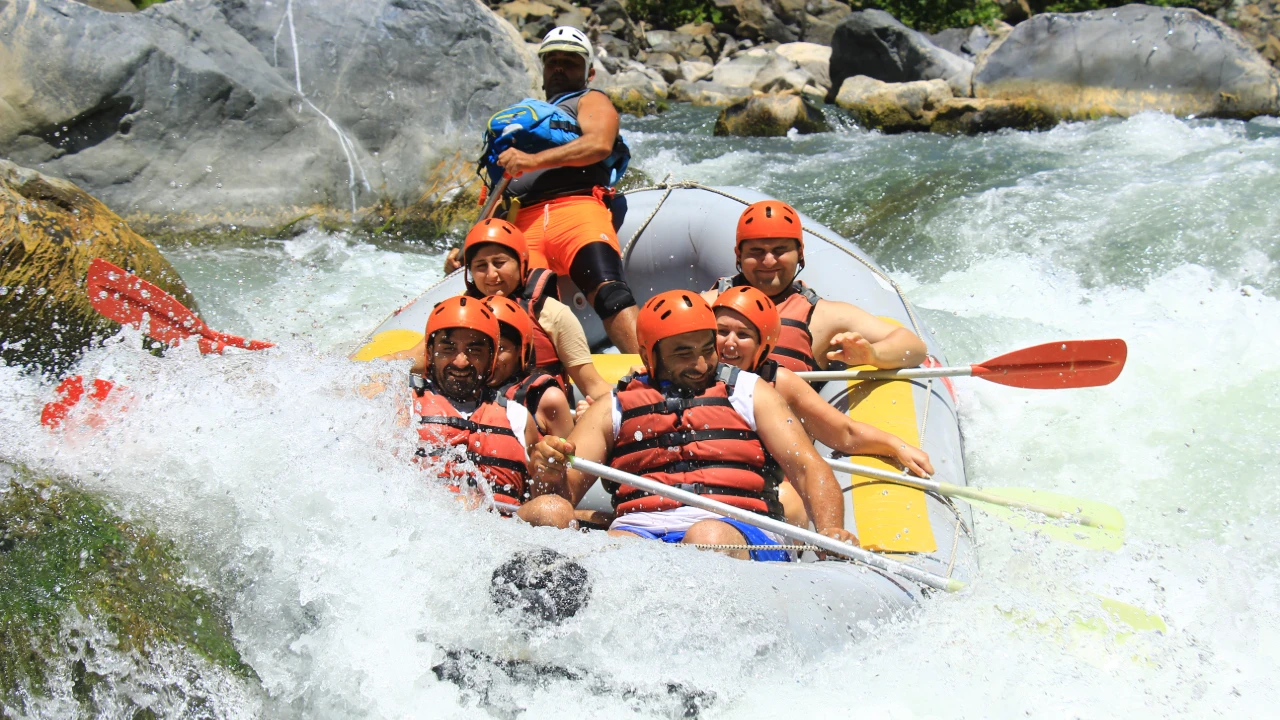
The Dalaman River is one of the rivers in the region where rafting is done. The course is generally described in sources as moderate to upper-moderate (Class III-IV), but the difficulty varies with the water flow: water levels rise with snowmelt in spring, while flow decreases towards the end of summer. Programs usually start with a morning meeting, followed by equipment distribution and a safety briefing, after which the river section lasts several hours. The cost is determined by group size, whether transfers are included, and additional services like lunch and a photo package. Bring spare clothes, water shoes, and a waterproof case. For season and course information, you can check the program details on the Dalaman rafting tours page.
TİGEM Eucalyptus Roads and Agricultural Plain
One of the defining features of the Dalaman plain's appearance is the eucalyptus trees lining the roadsides. These trees were planted to drain marshy areas and have, over time, become a visual signature of the district. The plain also includes the production areas of the Dalaman Agricultural Enterprise, part of the General Directorate of Agricultural Enterprises (TİGEM). Although the enterprise has shrunk due to various allocations to different institutions since its establishment, the plain's landscape is still dominated by citrus groves and grain fields. The sight of citrus in winter and grain in early summer makes the same road look distinctly different across seasons.
The production parcels are not hiking trails; unauthorized entry into fields and orchards is prohibited. However, the administrative building of the enterprise, the historic station structure mentioned above, is included in the municipality's promotional list and thus considered part of the district's travel route. The eucalyptus-lined roads in the plain also create a pleasant route for driving and photography, especially around sunset.
Where to Stay, When to Visit
Travelers using Dalaman as a base will make two key decisions: which settlement to stay in and which month to visit. The first table compares settlements, the second compares months; the paragraphs below the tables explain what each line practically means.
Accommodation Area Comparison
| Area | Best for | Pros | Cons |
|---|---|---|---|
| Dalaman Center | Short transfers, early flights | Close to airport, lower price pressure | Not within walking distance to the sea |
| Sarıgerme | Families, beach-focused holidays | Long sandy beach, shallow sea, walkable bazaar | High occupancy in summer |
| Kapıkargın | Thermal springs & quiet coast | Close to sulfur pools and rock tombs | Limited evening options |
| Göcek | Boat & bay routes | Marina area, close to bays | Accommodation tends to be more expensive |
| Dalyan | Nature & ancient city | Canal views, close to Kaunos and İztuzu | Beach access by boat or shuttle |
| Fethiye Direction | Variety, longer holidays | Wide range of options, lively center | Increased distance to Dalaman attractions |
Dalaman center is functional for travelers with late-night arrivals and early morning departures: the airport is 5-6 kilometers away, the bazaar and bus terminal are within walking distance, and accommodation prices are more moderate than coastal settlements. In return, a car or minibus is needed to reach the sea. Sarıgerme attracts families with its long sandy beach and gently sloping waters; the walkable bazaar behind the beach also solves evening plans, though in July and August, occupancy fills up quickly, and prices rise.
Göcek is considered the closest base for bay routes; the marina area and bazaar are bustling, boat departures are within walking distance, but accommodation prices are in the higher range. The Kapıkargın area is logical for travelers planning a thermal-focused program, but evening activity is low. Dalyan is suitable for those planning a Kaunos and İztuzu itinerary; it has a high concentration of boutique guesthouses with canal views, beach access is by boat or shuttle, and evenings are quiet. The Fethiye direction offers variety for longer holidays, but the daily round-trip travel time to Dalaman attractions significantly increases. For those visiting off-season, there's an additional criterion: while the number of open businesses in coastal settlements decreases in winter, the center and Dalyan area operate year-round.
Seasonal Calendar
| Period | Sea & Weather | Crowds | Note |
|---|---|---|---|
| April - May | Mild weather, cool sea | Low | Suitable for valley hikes, ancient city routes, and rafting |
| June | Sea warms up | Moderate | Balanced period for bay tours |
| July - August | Hot and humid | High | Shift sightseeing to mornings, save thermal springs for evenings |
| September | Warm sea, mild weather | Moderate | Prices begin to drop |
| October - November | Swimming season ends | Low | Ancient cities, thermal springs, and nature routes come to the fore |
What to Eat and Where to Eat in Dalaman
The regional cuisine draws from two main sources: fish from the delta and coast, and Muğla cuisine, which is rich in olive oil dishes and grains from the plain. From a Dalaman base, there are three practical dining routes, each concentrated in a different settlement.
Canal Side and Fish Dinners
In Dalyan, places serving fish dinners are concentrated along a specific axis: the canal-side promenade, the parallel Maraş Street, and the area around the pier square. Tables by the canal fill up quickly in the late afternoon, so reservations provide comfort in summer; rows overlooking the rock tombs at sunset are in higher demand. Menus frequently feature sea bream, sea bass, and mullet from delta and coastal fishing, while the delta's unique blue crab is often a separate item on menus. The region's signature product, mullet roe (bottarga), is seasonal: mullet enter the delta to spawn between August and October, and the roe is a product of this period, sold around Köyceğiz and Dalyan. Factors that increase the bill include whether fish is sold by portion or by weight, the number of mezes, and whether drinks are included; asking for the price per gram before ordering helps prevent surprises.
Marina Area and Beach Cafes
In Göcek, the marina area (D-Marin Göcek and Skopea Marina stretch) offers consistent options for breakfast and light lunches. Due to its proximity to yacht traffic, prices tend to be higher than in the town center. On Sarıgerme beach, a beach cafe setup is common: quick options like fish sandwiches, gözleme (Turkish flatbread), toast, and freshly squeezed fruit juices are popular. In Dalaman center, local artisan restaurants in the bazaar focus on daily home-cooked meals and grilled dishes; variety is high at lunchtime and decreases towards evening. For local product shopping, neighborhood markets are a practical address; Dalaman, Ortaca, Köyceğiz, and Dalyan markets are set up on different days of the week, and the day can change by municipal decision. Therefore, confirming the market day with your accommodation or municipal announcements before your trip prevents wasted journeys.
Local Products: Pine Honey, Citrus, Olive Oil
Muğla is among the provinces that account for a significant portion of pine honey production in Turkey; check the label to confirm if the honey sold in the region is pine or flower honey. The plain's citrus production is reflected in the markets during winter months, while products like olive oil and thyme are available year-round. Among the Muğla cuisine dishes worth trying are tarhana soup, arapsaçı (fennel salad) and deniz börülcesi (samphire) with olive oil, stuffed zucchini flowers, and keşkek (a traditional wheat and meat dish). When buying local products, asking for the production date and whether the seller is a registered business ensures both quality and proper invoicing.
Tour Options from the Region
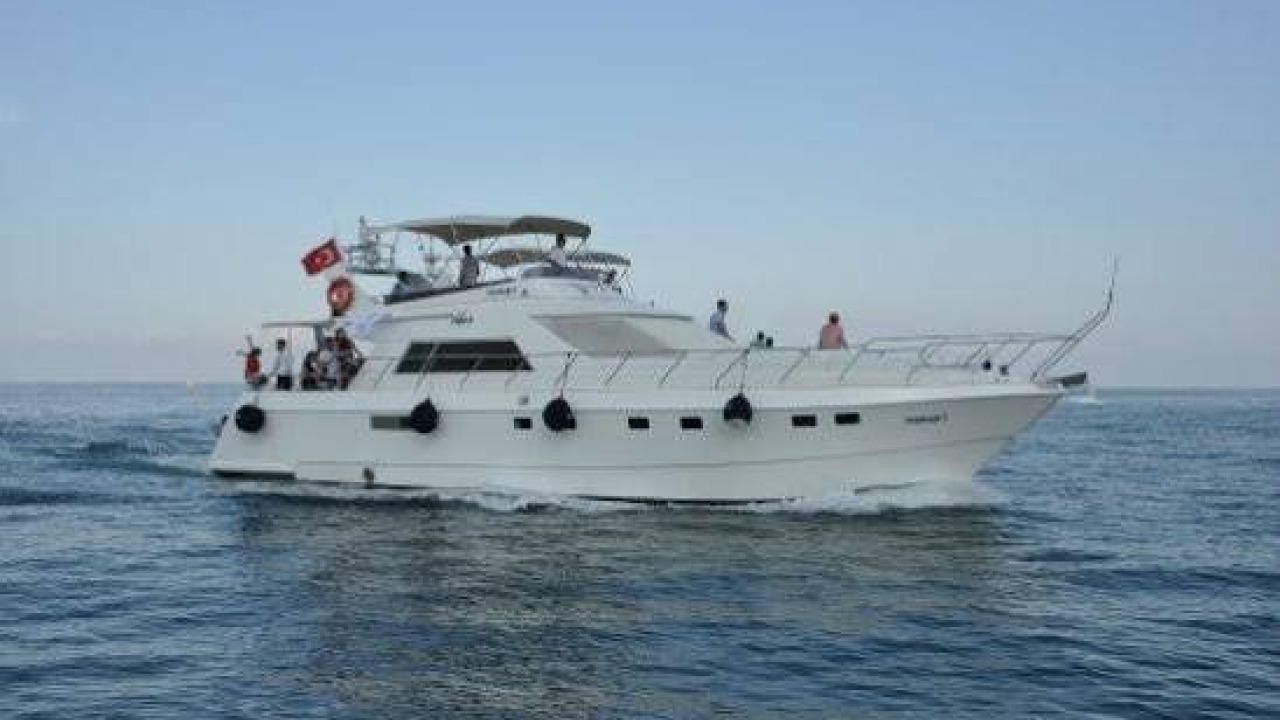
For travelers basing themselves in Dalaman, tour programs branch out in three directions: sea, river, and land. Daily boat tours departing from Göcek combine Sarsala, Bedri Rahmi, and island stops; whether lunch is included and the number of stops are the main differences between programs. Dalaman River rafting programs typically start with a morning meeting and last half a day, with transfers usually provided from your accommodation. On the land side, there are cultural and nature routes combining Kaunos, the Dalyan canal, and İztuzu, as well as ancient city and valley hikes within the district.
When choosing a program, key items to compare are: the actual duration in hours, whether transfers are included, and the group size. Larger groups tend to lower the price but shorten stop durations; smaller groups do the opposite. Current tour prices are not listed in this guide but are live on the booking screen: on the Dalaman nature and adventure tours page, each program's dedicated page shows the current amount based on date, number of people, included services, and cancellation conditions are also listed on the same screen.
Practical Tips Before You Go
- Plan your bay excursions for the morning: winds usually pick up in the afternoon, and the sea is calmer in the morning.
- Go to ancient city and ruin routes with a hat, water, and closed-toe shoes; walking in Kaunos involves hillsides and stairs, while the Kalynda trail is a half-day hike.
- If there are sea turtle warning signs on the beach, do not stake umbrellas, use night lights, or flash photography.
- Consider your vehicle type before entering unpaved roads; low-clearance cars may struggle on some bay descents.
- Göcek Tunnel toll is paid via HGS or OGS; cash is not accepted at the booths. Ask if your rental car has a tag when you pick it up.
- Don't wear silver jewelry on days you plan to enter sulfur pools; the water can tarnish jewelry. Also, a spare towel and flip-flops will make your experience easier.
- For undeveloped stops (Kille, Kayacık, Kocagöl, Kapıdağ), bring water, food, shade, and a fully charged phone battery.
- Make dinner reservations in summer, especially for canal-side and marina areas, which fill up quickly.
- Use a mix of cash and cards: some beach cafes and small businesses may not accept cards.
- If visiting off-season, confirm minibus last service times during the day; winter schedules are less frequent.
Understanding Entry, Fees, and Visiting Hours
The table below shows which stops are paid, which are free, and what determines the amount, rather than providing specific figures. Since tariffs are updated throughout the year, listing amounts would quickly make the page outdated; current information should be obtained from ticket offices, businesses, or booking screens.
| Item | Paid? | Hours or Period | What Determines the Cost |
|---|---|---|---|
| Kaunos Ancient City | Paid archaeological site; Müzekart valid for Turkish citizens, separate tariff for foreign visitors | Official record: opens 08:30, closes 18:00, ticket office closes 17:30; may be extended in season | Ministry tariff; whether a guided tour is added |
| İztuzu Beach | Beach entry is free; sun loungers and boat access are paid separately | Closed May 1st - end of September, 20:00 - 08:00 | Mode of transport (boat or shuttle), sun lounger use |
| DEKAMER | Open to visitors | Working hours vary by season | The center's own regulations; inquire before visiting |
| Bays, Akkaya Valley, Kocagöl, Kapıdağ, eucalyptus roads | Free | During daylight hours | No entry fee; costs are for transportation and food |
| Sulfur pools and thermal facilities | Varies by operator | Operator's opening hours | Natural pool or hotel facility, day pass or overnight stay |
| Daily boat tour | Paid | Departures usually 09:00 - 10:00, return late afternoon | Boat type, departure point, number of stops, inclusion of lunch, group size |
| Rafting program | Paid | Morning meeting, river section lasts several hours | Group size, transfer, photo, and meal package |
| Airport transfer | Paid | Depends on flight time, includes night | Vehicle type, number of people, distance, night time |
| Göcek Tunnel toll | Paid | Year-round | Vehicle class; payment via HGS or OGS, free alternative is the old mountain road |
Looking at the breakdown, the heaviest expense of the day often falls on transportation: private airport transfers and daily boat tours are in a similar price range, rafting programs are typically less, and a beach sun lounger is the smallest expense of the day. Ancient city entry is significantly less than a boat or rafting program for the same day; a Müzekart holder does not pay extra at the gate. Since there are no entry fees for bays, valleys, lakes, and eucalyptus roads, the cost of a day spent exploring within the district consists almost entirely of transportation and food expenses.
Quick Summary: Which Itinerary for Whom
When the Dalaman attractions list is divided by duration, the plan becomes clear. For travelers with only one day due to a transfer, the formula is short: morning swim at Sarıgerme beach, afternoon short tour around the eucalyptus roads and historic train station building in the plain, and dinner in Dalaman bazaar. If the flight is in the evening, the shorter route of Akkaya Valley carries less risk than Kaunos, as the return distance remains close to the center.
With two days, the program should be kept simple: first day for Sarıgerme beach and evening bazaar, second day for a Göcek-departing boat tour to the gulf bays. This arrangement keeps you close to the airport and minimizes travel time.
If you have three days, Kaunos and the Dalyan canal are added to the third day: morning at the ancient city, afternoon lunch by the canal, and if desired, a short swimming break at İztuzu. For those staying four days or more, the district's own historical sites come into play: the Kalynda route, Ancient Blacksmiths' Bazaar, and the train station building fill one day, while a rafting program, valley hike, and the sulfurous pools in Kapıkargın fill another.
Season preference also alters the itinerary. June and September are balanced periods for those wanting to combine sea activities with hiking in the same program. In July and August, a beach and boat-focused plan with morning starts is more comfortable. April, May, and October can be considered periods when ancient city, valley, thermal spring, and river programs come to the fore, and crowds are thinner.
Frequently Asked Questions 7
What are the best places to visit in Dalaman?
For a traveler using Dalaman as a base, the core list of attractions within a half-day radius includes: Sarsala and Bedri Rahmi bays, Sarıgerme beach and its Sarçed section, the shores of Kayacık, Günlüklü, and Kille, the Kapıdağ Peninsula, the ancient cities of Kalynda and Hippokome, the Ancient Blacksmiths' Bazaar, the sulfurous pools in Kapıkargın, Akkaya Valley and Kocagöl, and the train station building in the plain. Kaunos Ancient City and İztuzu Beach are administratively not in Dalaman but in the neighboring Dalyan area; these two require a separate half-day excursion. A practical planning measure is this: coastal and plain attractions combine into half-day blocks, while the Dalyan route typically demands a full day on its own.
What is Dalaman famous for?
Regional promotional texts primarily define Dalaman by three features: its sulfur water thermal springs, golden sandy beaches, and ancient cities. To these, two unique local hallmarks are added: the rows of eucalyptus trees brought from Egypt and planted along roadsides to drain swamps, and the train station building that never saw a train pass through it. While the airport is the most widely known element associated with the district, local travel lists often place thermal springs and bays at the top. The Dalaman River, with its rafting opportunities, forms a separate highlight.
What should I eat in Muğla Dalaman?
Dining and drinking follow three main routes: fish dinners along Dalyan's canal promenade and Maraş Street (featuring sea bream, sea bass, mullet, and the delta's unique blue crab), breakfast and light lunch around Göcek marina, and daily home-cooked meals at local artisan restaurants in Dalaman bazaar. The region's signature product, mullet roe (bottarga), is available between August and October. Pine honey, olive oil, and citrus in winter are highlights for local market shopping. Since market days vary by settlement and can be updated by municipal decision, it's essential to confirm the day locally before planning your shopping trip.
Can you swim in Dalaman?
Yes, you can, but since the district center is set back slightly from the coast, you'll need to reach a beach. Options close to the center include the coastline towards Kapıkargın, Sarıgerme to the west, and its continuation, Kayacık. Those seeking shade head to Günlüklü Bay, covered by sweetgum trees, while those looking for tranquility might prefer the Kille area. For bay preferences, travelers head towards Göcek. Most of these coastlines have no entry fee, but they also lack snack bar and shade facilities; you'll need to bring your own water and food. Keep in mind that the water might be cooler near the delta and river mouths.
How many days are enough to visit Dalaman?
Two days are sufficient for the center and coast. Adding Kaunos, Dalyan, and İztuzu extends the duration to three days. Four days is the time needed to incorporate the district's own historical sites into your itinerary: the Kalynda hiking route, Ancient Blacksmiths' Bazaar, and the train station building fill one day, while rafting, valley hikes, and the sulfurous pools in Kapıkargın spread across another day. A useful planning measure is to organize your day into half-day blocks rather than hour by hour; district-internal stops fit easily into these blocks, while the Dalyan route typically requires two blocks.
Can you reach Dalaman by train?
There are no passenger train lines in Muğla province, so there is no direct train access to Dalaman. Those wishing to use the railway travel by train to the Aydın or Denizli lines and complete the remaining journey by bus or rental car. However, there is a train station building in the district, built in the early 1900s, which has never seen a train pass through it. Sources disagree on why the structure was built here: the popular narrative suggests project drawings were mixed up, while some sources claim the building was originally designed as a hunting lodge. Despite the differing accounts, the common point remains: there was never a railway line in Dalaman. Today, the building is used as the administrative office of TİGEM and is closed to visitors; it can be viewed and photographed from the outside. Because the municipality's promotional list refers to it under two separate headings, visitors sometimes look for two different structures, but the address is the same.
Are Dalaman attractions paid, and is Müzekart valid?
Most attractions within the district are free: there's no entry fee for bays, Akkaya Valley, Kocagöl, Kapıdağ Peninsula, and the eucalyptus-lined roads in the plain; expenses are concentrated on transportation and food. Paid items include archaeological site entry, sulfur pool facilities, beach sun loungers, Göcek Tunnel toll, and tour programs. For Ministry-affiliated archaeological sites like Kaunos, Müzekart is valid for Turkish citizens, while a separate tariff applies to foreign visitors. Müzekart is not valid at thermal spring facilities, and tariffs vary by operator. For tours and activities, the current amount is visible live on the booking screen, as the price is determined by the date, number of people, inclusion of transfers, and program duration.