When planning a getaway to the stunning Aegean coast, one of the most frequent questions travelers ask is: "When is the best time to visit Didim?" Whether you are dreaming of lounging on golden sands or uncovering the secrets of ancient civilizations, the experience in this coastal gem shifts beautifully with the seasons.
As the heart of ancient Ionia, Didim enjoys a classic Mediterranean climate, meaning sunshine is a constant companion for much of the year. From the monumental Temple of Apollo to the crystal-clear waters of Altınkum, your itinerary will feel entirely different depending on when you arrive. By choosing the right season, you can avoid the peak crowds, secure better deals on accommodation, and ensure the weather aligns perfectly with your travel goals.
Quick Facts for Your Trip
To help you map out your journey, we've summarized the essential details regarding climate, distances, and top sights in the table below.
| Topic | Details |
|---|---|
| Location | Aydın, Turkey |
| Must-Visit Spots | Altınkum Plajı, Temple of Apollo, Akvaryum Koyu |
| Distances | Approx. 160 km from İzmir (2 hours by car), 76 km from Kuşadası (1 hour by car) |
| Ideal Visit Window | Late May to early October; June to September for swimming |
| Climate | Mediterranean; Daytime highs around 33°C in July-Aug, 13-19°C in winter |
| Target Audience | Suitable for all ages and travel styles |
Which Season is Right for You?
Matching your visit to your expectations is the key to a successful holiday. Compare the seasons based on temperature and sea conditions to find your perfect window.
| Season | Daytime Temp | Sea Temp | Highlights | Best For... |
|---|---|---|---|---|
| Spring (Apr-May) | 21-26 °C | 17-19 °C | Lush greenery, quiet ruins, occasional rain | History buffs who prefer cooler walking weather |
| Summer (Jun-Aug) | 31-33 °C | 22-25 °C | Virtually no rain, vibrant atmosphere | Beach lovers and those seeking nightlife |
| Autumn (Sep-Oct) | 24-29 °C | 23-24 °C | Smaller crowds, warm waters | Peace-seekers and budget-conscious travelers |
| Winter (Nov-Mar) | 13-19 °C | 16-20 °C | Rainy and windy, some facilities closed | Quiet coastal walks and indoor museum visits |
Why Spring is Perfect for the Temple of Apollo
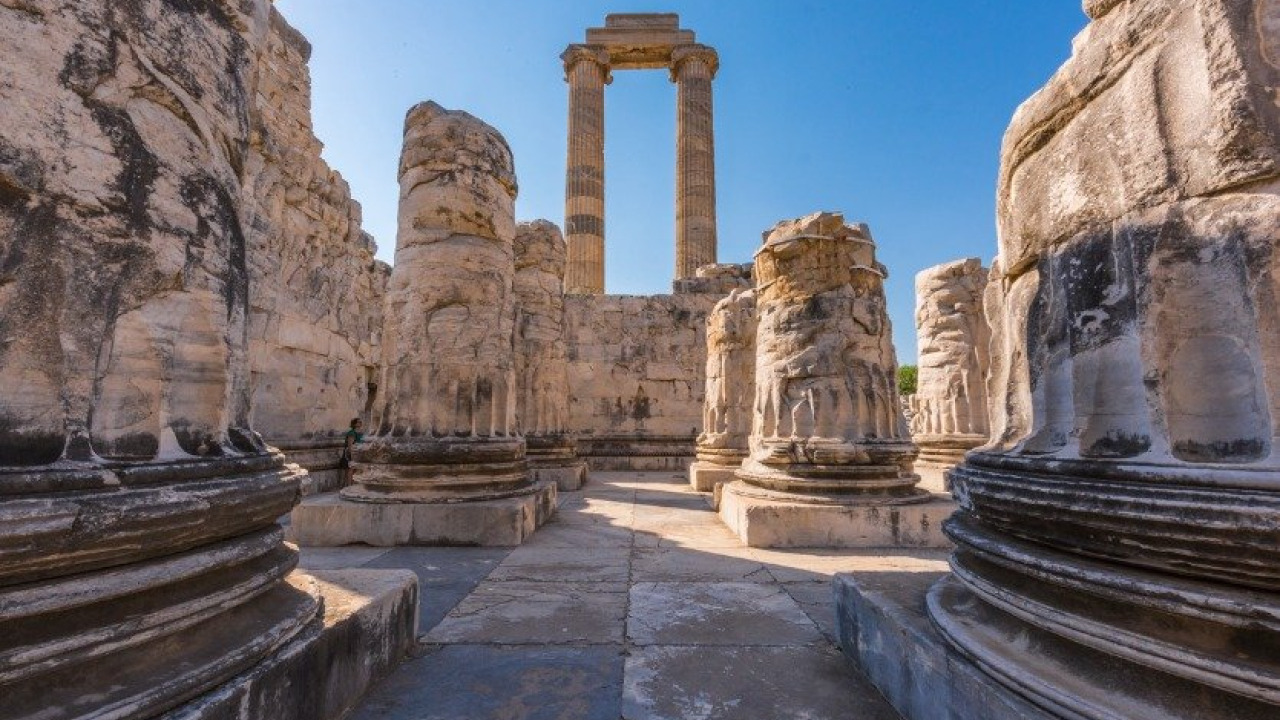
Spring is a magical time in the Aegean. Before the scorching summer heat takes hold, the landscape awakens in a burst of color. In April and May, with average highs between 21-26°C, exploring expansive archaeological sites becomes a pleasure rather than a struggle against the sun.
The Temple of Apollo, once the center of the oracle known as Didyma, is one of the most imposing examples of the Ionian order. The remaining colossal columns give a sense of the structure's original scale, while the famous Medusa head relief remains a favorite for photographers. We highly recommend exploring the vaulted passages leading to the adyton (the inner sanctuary) to truly grasp how the ancient oracles operated.
The site is open daily. Please note that closing times are slightly earlier in winter than in summer. The Museum Pass (Müzekart) is accepted here.
During the summer, the site is often illuminated for "night museum" visits. However, as night entries usually require a separate fee, it is wise to check the current schedule. Since shade is scarce on-site, early morning visits are best. To dive deeper into the legends of the region, you can opt for the rich Didim cultural tours available in the area.
The lack of crowds in spring provides photographers with clean, unobstructed views. It is also the ideal time to visit nearby Ionian cities like Priene and Miletos. For a more streamlined experience, consider the Didim day cultural tours designed for history enthusiasts.
When to Hit the Beach: Altınkum Plajı and the Summer Rush
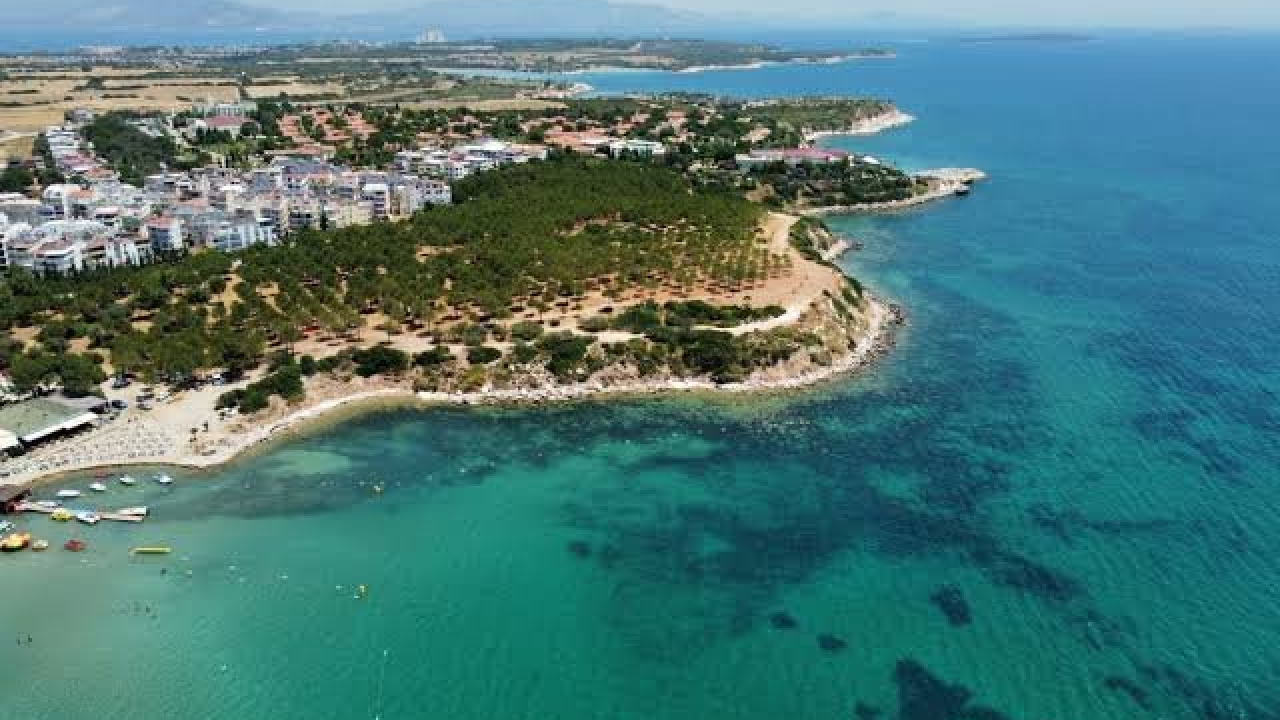
From June onwards, Didim transforms into a high-energy summer hub. Altınkum Plajı, famous for its fine golden sands and shallow, calm waters, becomes the place to be. Sea temperatures hover around 22°C in June and climb to a comfortable 25°C in July and August, making it a safe and inviting paradise for families with children.
With daytime highs reaching 33°C in mid-summer, timing is everything. Arriving early in the morning is the best way to secure a prime sunbed and enjoy a refreshing dip before the crowds arrive. To avoid the peak heat, we suggest retreating to the shade between noon and late afternoon to keep your energy up for the evening.
If the summer heat becomes too intense, water sports are a great way to stay cool and active. For a different kind of refreshment, you can escape to the forest trails with Didim nature adventure tours. This is also the peak season for outdoor events and the most vibrant nightlife.

Is September a Good Time to Visit? Exploring Akvaryum Koyu
As the school season begins and temperatures dip to around 29°C, a peaceful serenity settles over Didim. Because the sea has been warming all summer, the water remains a delightful 24°C, but the heavy crowds have largely vanished.
Akvaryum Koyu (Aquarium Bay), located about 8.5 km from the center, is a hidden gem. Since road access can be tricky, most visitors reach the bay via boat trips departing from the marina or Altınkum. In September, the water's clarity is at its peak; you can easily spot fish swimming beneath the surface while enjoying the reflection of pine forests on the glass-like water.
This quiet period is the perfect time to join a boat tour. We recommend bringing a snorkel or diving mask to explore the underwater world. The horizon, where the deep blue of the sea meets the autumn sky, offers a sense of peace that is unique to this season.
Swimming in October: Çamlaraltı and Manastır Koyu
In October, daytime temperatures average 24°C and the sea stays around 23°C. Sheltered bays that are protected from the wind remain excellent for swimming. Çamlaraltı Koyu, located toward Akbük about 20 km from the center, is a tranquil spot where pine trees shade the shoreline. Entry is free, making it a wonderful place for a quiet picnic or a book by the sea. As facilities are limited here, remember to bring your own water and snacks.
Manastır Koyu, about 10 km from the center, sits along the same coastline as Akvaryum Koyu. Named after the ruins of a nearby chapel, it blends natural beauty with historical depth.
Autumn walks around these bays are incredibly rewarding. To get a closer look at the local culture and heritage, you might consider the comfortable Didim city tour options.


What to Do in Didim During Winter?
Between November and March, daytime highs drop to 13-19°C, rainfall increases, and the sea cools to 16-20°C. While swimming is no longer realistic, the coastline becomes a sanctuary of silence. Watching the waves crash against the rocks and enjoying a quiet coffee by the sea is a meditative experience. Additionally, since accommodation and dining costs drop significantly, winter is the best time for budget-conscious travelers.
For those seeking indoor activities, the Milet Museum in the Balat neighborhood is a fantastic choice. The museum is open daily and accepts the Museum Pass. Your ticket also grants you access to the adjacent Milet archaeological site.
The Temple of Apollo remains open throughout the winter. If you wish to study the region's artifacts in detail without the heat, Didim museum tours are a great winter alternative. For more historical context, our guide to the Temple of Apollo and Milet ruins is an excellent resource.
Budgeting and Logistics for Your Didim Trip
Your choice of season doesn't just affect the weather, it directly impacts your wallet and your travel logistics.
Budget Planning and Entry Fees
Budgeting should align with the season. July and August see a significant spike in hotel and restaurant prices. If you visit in May or after September, you can often find the same quality of accommodation at a fraction of the cost.
The Museum Pass is valid for the Temple of Apollo. Since ticket prices are updated periodically, we recommend checking official sources for the 2026 season rates. Note that night visits in summer are priced separately from daytime tickets. A budget tip: the Milet Museum ticket typically includes entry to the Milet ruins.
Regarding transport, the drive from İzmir takes about 2 hours (160 km), while the trip from Kuşadası takes about 1 hour (76 km). If driving from İzmir, remember to factor highway tolls into your fuel budget.
Getting There
Depending on the season, here are the best ways to reach Didim: 1. By Air: Fly into İzmir Adnan Menderes or Milas-Bodrum airports. Since there are no direct, scheduled airport buses to Didim center, you will need to transfer via Söke, Aydın, or Kuşadası, or arrange a private transfer/rental car. Always confirm current schedules before booking. 2. By Car: From İzmir, take the Aydın highway and exit at Söke. The 160 km journey takes about 2 hours under normal conditions. Be aware of highway tolls and expect heavy traffic around Söke on summer weekends. 3. By Bus: During summer, there are frequent direct buses to the Didim bus station. In spring and autumn, frequency decreases, so booking in advance is advised. In winter, check for connecting options.
Packing List & Practical Tips
- Summer Essentials: High-SPF sunscreen and wide-brimmed hats are non-negotiable to protect against the intense Aegean sun.
- Layer Up: In spring and autumn, the breeze can be chilly in the evenings; bring a light jacket or cardigan.
- Footwear: Wear orthopedic sneakers or sturdy walking shoes. The marble surfaces at the Temple of Apollo can be slippery.
- Book Ahead: Popular restaurants and hotels operate at full capacity during high season. Make your reservations early to avoid disappointment.
- Weather Prep: While rain is rare in July and August, it's common from November to February. If visiting in winter, pack a raincoat and list indoor museum alternatives.
- Water Temp: The sea is around 19°C in May, 25°C in August, and 23°C in October. If you are sensitive to cold water, plan your swim for June onwards.
- Boat Tours: For bays like Akvaryum Koyu, confirm boat departure times a day in advance and plan your return before the evening chill sets in.
Final Thoughts on Visiting Didim
No matter when you visit, Didim welcomes you with the warm, hospitable spirit of the Aegean. Whether you want to dive into the high-energy rhythm of a summer holiday or wander through ancient ruins amidst the scent of spring blossoms, the choice depends on your travel style. By planning around the seasons, you can ensure a rich and fulfilling Aegean experience.
Frequently Asked Questions 5
When is the best time for swimming in Didim?
The sea temperature reaches about 22°C in June, stays between 24-25°C in July and August, and remains around 24°C in September. Therefore, the window from June to September is considered the ideal time for beach holidays.
Which season is best for visiting the Temple of Apollo?
April and May (with highs of 21-26°C) and September (around 29°C) are the most comfortable months for exploring the ruins without overheating. Because there is very little shade, early morning visits are highly recommended during the peak of summer.
Can you swim in Didim during the winter?
Between November and March, daytime temperatures drop to 13-19°C and the sea cools to 16-20°C, making swimming unrealistic. However, in October, the water is still around 23°C, making sheltered bays suitable for a dip. Winter is better for coastal walks and visiting the Milet Museum.
What is the weather like in Didim during the summer?
In July and August, daytime highs average 33°C, with nighttime lows around 23°C. Due to the Mediterranean climate, rain is almost non-existent, and the midday sun can be very intense.
How do I get to Didim from İzmir and how long does it take?
The road distance is approximately 160 km, taking about 2 hours by car. Since there are no direct airport buses from İzmir Adnan Menderes Airport to Didim center, travelers should transfer through Söke, Aydın, or Kuşadası, or arrange a private transfer.