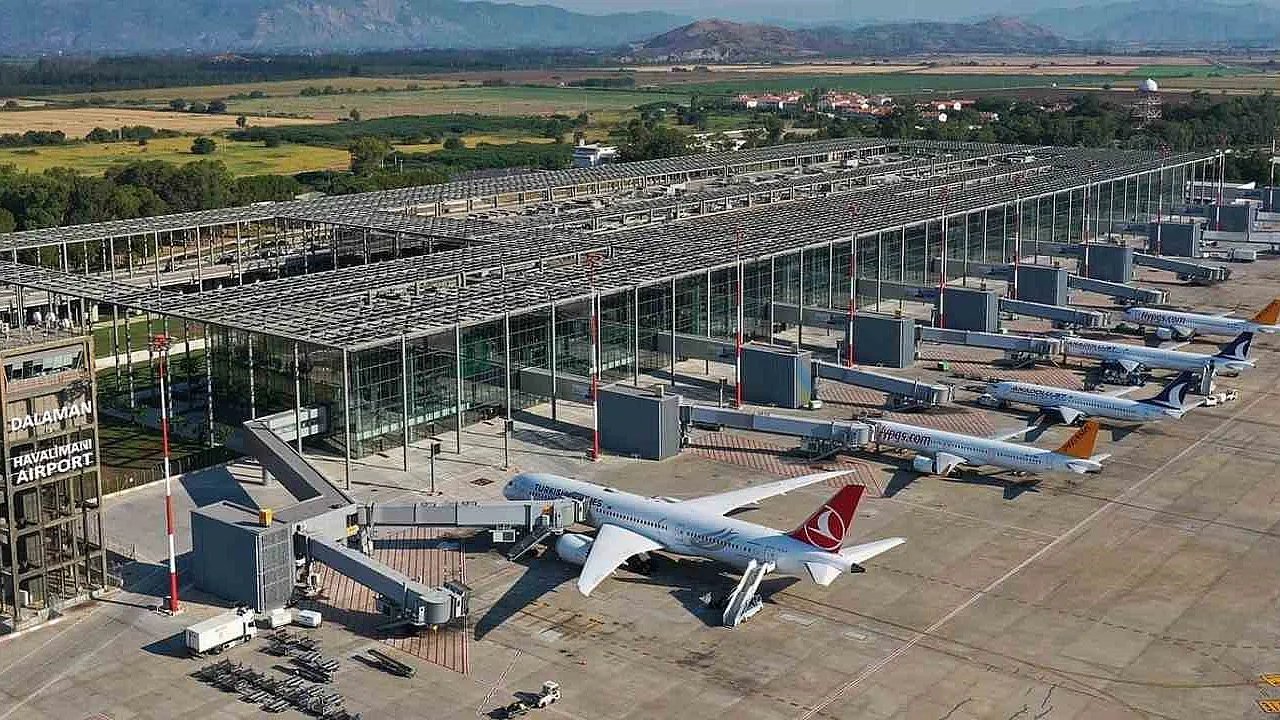

Most travelers don't plan their Dalaman Airport transfer until they've booked their flight and seen their arrival time. The reason is simple: two destinations from the same runway can lead to vastly different experiences. While Fethiye is roughly an hour away, the scenic coastal road towards Kaş can take up to two and a half hours. This difference in travel time directly influences which transport option will best suit your needs. For nearby stops like Sarıgerme or Göcek, a dolmuş (shared minibus) or bus connection might be perfectly reasonable. However, a large family arriving late at night and heading to Kaş will find a door-to-door private transfer a much smoother experience.
Here's the quick takeaway: if your destination is Göcek, Sarıgerme, Dalyan, or Fethiye, public transport is a viable option due to shorter distances and frequent connections. But if you're heading to Kalkan, Kaputaş, or Kaş, the journey triples, transfers multiply, and you risk missing the last connection in the evening. For these routes, a pre-booked private transfer will save you precious time and hassle. In the following sections, we'll compare these two routes side-by-side in terms of distance, duration, cost factors, road conditions, and potential stopovers.
We've made a conscious choice regarding pricing: you won't find exact figures on this page. Dalaman Airport transfer costs fluctuate throughout the year based on vehicle class, passenger count, time of day, route length, and season. A price listed a year ago would likely be misleading today. Instead, we'll explain what factors influence the cost and how the options rank against each other. For binding and up-to-date prices, please refer to the live transfer listing pages linked below. For public transport tickets, archaeological site entrance fees, and parking, the operator's or ticket office's own channels are the definitive source.
Quick Facts
| Topic | Information |
|---|---|
| Location | Dalaman district, Muğla province; airport is approximately 5-6 km from the town center. |
| Airport Code | DLM; domestic and international terminals are separate. |
| Fethiye Distance | Approx. 50 km, 45-60 minutes (via D400 and the toll Göcek Tunnel). |
| Kaş Distance | Approx. 155 km, 2 hours 15 minutes to 2 hours 45 minutes. |
| Transport Options | Private door-to-door transfer, airport shuttle bus, dolmuş and bus connections, car rental, taxi. |
| Night Arrivals | The terminal accommodates night arrivals; however, public transport options are limited to daytime hours, and bus station services end in the evening. For arrivals after midnight, a pre-booked private vehicle or a taxi from the terminal stand are practically your only options. |
| Cost Ranking | Ranking, not exact figures: dolmuş connections are the lowest tier, airport shuttle buses are slightly higher, car rental is a separate tier based on daily rates, private transfers are per vehicle, and taxis are the highest tier. The Kaş route is priced two to three times higher than the Fethiye route; binding rates are live on the transfer listing page. |
| Toll Fees | The Göcek Tunnel is a toll road payable with HGS; the free alternative is the old mountain road. |
| Museum Pass (Müzekart) | Valid at Ministry-affiliated archaeological sites (e.g., Kaunos near Dalyan); not valid at nature parks, municipal beaches, or private establishments. |
| Peak Season | June-September (charter traffic), holiday weeks, and school vacation starts. |
| Luggage | A standard sedan accommodates 3-4 suitcases; for surfboards, bicycles, or diving equipment, the vehicle class must be specified in advance. |
| Child Seat | Legally required based on age and height limits; must be requested during booking. |
| En Route Stops | Sarsala Koyu, Dalaman Çayı, Kaunos, İztuzu, Akkaya Vadisi, Göcek körfezi and Günlüklü, Bedri Rahmi Koyu, Sarıgerme, Kaputaş. |
| Best For | Families, travelers with boat tour connections, Lycian Way hikers, divers. |
Your First Half Hour at Dalaman Airport
The terminal buildings are situated within the Dalaman plain, approximately 5-6 kilometers outside the town center. The town itself isn't coastal; the sea begins about 15 kilometers to the west, towards Sarıgerme. This detail impacts your transfer plan, as travelers seeking the "closest beach to the airport" are actually heading towards Sarıgerme, while those looking for the "shortest route to my hotel" will be on the D400 highway.
Domestic and International Terminals
The terminals are separate structures, and their meeting points are also distinct. When booking, specifying whether your flight is domestic or international is a practical step that shortens the time it takes to meet your driver. International passengers should factor in additional time for passport control and baggage claim. During summer, multiple charter flights arriving simultaneously can lead to baggage carousel congestion. If your flight arrives during a busy period, it's realistic to allow 40-50 minutes between landing and getting into your vehicle.
Meeting, Waiting Times, and Communication
For door-to-door private transfers, drivers typically wait at the exit with a name sign. Sharing your flight code during booking allows the vehicle to track your flight in case of delays. If the code isn't shared, waiting time might be limited to the minutes stated in the contract, potentially incurring extra waiting fees. If you're arriving on an international flight, using the airport's Wi-Fi to message your driver before getting a local SIM card can save valuable time.
Night Arrivals and Flight Delays
For flights landing after midnight, public transport options are generally unavailable: dolmuş and shuttle services are concentrated during the day, and bus station operations conclude in the evening. At these hours, a pre-booked private transfer or a taxi from the airport stand are your only practical choices. If you're traveling to a distant destination like Kaş at night, remember that a significant portion of the road is a winding coastal route; the journey will take longer than during the day, and driver breaks will be added.
Dalaman Airport Distances and Times
A practical way to plan your journey is to match your destination with the categories below. The durations listed are driving times and do not include summer traffic or luggage loading. During July and August evenings, it's reasonable to allow an extra 10-20 minutes around Fethiye.
| Destination | Approx. Distance | Approx. Time | Notes |
|---|---|---|---|
| Dalaman Town Center | 5-6 km | 10 minutes | Bus station and market connections. |
| Sarıgerme | 15 km | 15-20 minutes | Closest beach option to the airport. |
| Göcek | 18-22 km | 20-25 minutes | Short route after Göcek Tunnel; pre-tunnel route is cited as 22 km. |
| Dalyan | 25 km | 25-35 minutes | Canal, Kaunos, and İztuzu connections. |
| Fethiye Center | 50 km | 45-60 minutes | Via Göcek Tunnel. |
| Ölüdeniz | 65 km | 60-75 minutes | Final section is steep and winding. |
| Kayaköy | 60 km | 60-70 minutes | Side road branching off from Fethiye. |
| Kalkan | 125-130 km | 2 hours - 2 hours 15 minutes | Last major settlement before Kaş. |
| Kaş Center | 155 km | 2 hours 15 minutes - 2 hours 45 minutes | Winding coastal road. |
| Marmaris | 95 km | 1 hour 30 minutes | Westward direction, opposite route. |
Understanding how the Kaş figures are calculated is useful, as different sources often provide varying numbers for the same route. The journey consists of two parts: approximately 50 kilometers from the airport to Fethiye center, and about 105 kilometers from Fethiye to Kaş. The total of these two gives the 155-kilometer range and is consistent with the final 27-kilometer section between Kalkan and Kaş. What truly impacts the duration isn't the distance, but the sheer number of bends and curves: the section up to Kalkan covers most of the road, but the remaining part disproportionately extends the travel time due to lower average speeds.
Fethiye Transfer: Short Route, Busy Traffic
Fethiye stands out as one of the region's most popular destinations, largely due to its proximity to the airport. Along the way, the plains give way to pine-covered hills around Göcek, culminating in stunning bay views in the final stretch. Fuel stations, markets, and breakfast stops are readily available along the route, making it easy to plan breaks for families traveling with children.
The Route via Göcek Tunnel and D400
The standard route from the airport takes you onto the D400 highway, heading east towards Göcek. The tunnel at the Göcek exit is a toll road, payable with HGS. If you're using a rental car, make sure to ask if the vehicle's HGS tag is active upon collection. The free alternative to the tunnel is the old mountain road, which offers scenic views but adds 20-30 minutes to your journey and can be challenging for passengers prone to motion sickness due to its winding nature. Since the tunnel shortens the journey, most transfer vehicles use this route. This is also why the distance between the airport and Göcek is cited as 22 kilometers in some sources and 18-19 kilometers in others, referring to these two parallel routes.
Key Areas in Fethiye for Drop-offs
Fethiye isn't a single center but a collection of several nearby settlements, and your transfer drop-off point will significantly influence your daily itinerary.
- Center and Karagözler: Approximately 50 kilometers from the airport; the marina, Paspatur Bazaar, and fish market are within walking distance. Karagözler climbs up a hillside, making it difficult for larger vehicles to access hotels on the upper streets, so the drop-off point is often the main road. This area is ideal for those who want to plan their evening activities on foot. However, since the marina area is lively late into the night, those seeking quiet rooms often look for accommodation on the upper streets.
- Çalış: A long, flat coastline north of the center; sunsets are a famous sight along this strip. Vehicle access to the beachfront is easy, and the street layout poses no problems for luggage drop-offs. Dolmuş connections to the center are quick, making it convenient for families who wish to visit the city daily.
- Ölüdeniz and Belcekız: Approximately 65 kilometers and 60-75 minutes from the airport; the final section is steep and winding, which can be tiring for passengers prone to motion sickness. The area known as the Blue Lagoon falls within the nature park boundaries; there's an entrance fee, and since it's not a Ministry-affiliated archaeological site, the Müzekart is not valid here. The tariff varies depending on whether you enter by vehicle or on foot. Confirm current regulations at the ticket booth. Paragliding flights from Babadağ land on Belcekız beach, keeping the area lively from morning till evening.
- Ovacık and Hisarönü: Two settlements located on the hills above Ölüdeniz; nights are cooler here compared to the coast below. Dolmuş connections to Ölüdeniz and Fethiye are frequent; the road is short but consistently uphill. In summer, the entertainment strip stays open late, making these two settlements popular for those seeking a lively program, while those desiring tranquility choose the Kayaköy area.
- Kayaköy: Approximately 60 kilometers from the airport; reached via a side road branching off from Fethiye. The stone houses and church ruins of this settlement, abandoned after the 1923 population exchange, are scattered across the hillside. Footwear choice is important as the paths are stony. This is also the starting point for the hiking route extending to Ölüdeniz.
When choosing your drop-off point, consider your daily itinerary: a holiday centered around the bazaar and boat trips will save time if you stay in the center or Çalış, while a beach and nature-focused program will involve less travel if you stay in the Ölüdeniz area. Travelers wishing to stay in two different areas during the same holiday can discuss splitting their transfer into two separate legs during booking. While the intermediate transfer is priced separately, it saves more time than navigating the hilly roads daily.
Kaş Transfer: Winding Coastal Road After Fethiye
Administratively part of Antalya province, Kaş is geographically closer to Dalaman Airport in terms of road connections. After Fethiye, the road descends into the Esen plain, then climbs from Kalkan to hug the rocky coastline. The scenery is breathtaking; however, the numerous bends mean average speeds are lower. For this approximately 155-kilometer route, it's realistic to plan for a duration of 2 hours 15 minutes to 2 hours 45 minutes.
Kalkan: A Natural Stop to Break the Journey
Kalkan is the last major settlement before Kaş, located 125-130 kilometers from the airport. Its old town, built on a hillside, features houses with thick stone walls, wooden shutters, and rooftop terraces. These terraces, once used for drying harvests, now serve as scenic lounges. It's a natural stop for a transfer looking to break up a long journey, as the marina and old town are back-to-back, separated by a short, stepped incline.
A critical detail for transfers is that much of the old town center is closed to vehicle traffic during the day, with loading hours restricted to the mornings. This means if your hotel address is within the old town, the vehicle cannot pull up to the door, and the drop-off point will be on the outer perimeter, requiring you to walk the final, stepped section with your luggage. Specifying your hotel's street and the number of suitcases in your reservation will clarify how much walking this will entail. The most comfortable time for a stopover is during the hours when lunch service begins; in the late afternoon, the terrace tables fill up, turning a short break into a full program.
Kaputaş Beach: A Stunning Cove by the Roadside
After leaving Kalkan, the road passes above Kaputaş Beach. The beach is situated where a narrow canyon meets the sea between two rocky cliffs. It's approximately 20 kilometers from Kaş center and about 7 kilometers from Kalkan, making it the last natural stop before reaching Kaş. The Blue Cave, approximately 600 meters east of the cove, has no land access; entry is by sea only, so you won't see the cave when passing by in a transfer vehicle.
The practical side directly concerns your transfer plan. There is no separate car park directly above the beach; vehicles park along the roadside, and finding a spot can be difficult in summer. Access to the shore is via a long staircase, so descending with luggage is impractical. The cove features a facility operated by the Kaş Municipality, offering sun loungers, umbrellas, changing rooms, showers, and a cafe. The pricing structure is as follows: sun loungers and umbrellas are subject to a fee, while entrance policies may vary by season and municipal regulations. Since this is not a Ministry-affiliated archaeological site, the Müzekart is not valid here. Confirm the current status with the municipality or at the entrance sign before your visit. Consequently, it's more convenient to plan your Kaputaş stop for a day after your arrival, once you've dropped your luggage at your hotel. Early mornings are ideal for both parking and shade.
Drop-off Points and Accommodation Areas in Kaş
In Kaş center, the streets are narrow, and most operate on a one-way system. Minibuses and VIP-class vehicles cannot enter the bazaar area, so the drop-off point is often a street slightly away from the hotel. When booking, providing the hotel's address along with its neighborhood will help the driver approach the correct spot.
- Center and Uzun Çarşı Area: Restaurants, cafes, and boutique hotels are clustered within walking distance; the Lycian sarcophagus in the middle of the bazaar is one of the region's well-known ancient landmarks. If you don't want to walk far with luggage, specify your hotel's street and any nearby parking spot in your reservation. In the evenings, vehicle movement around the bazaar slows down, pushing drop-off points further back.
- Çukurbağ Peninsula: Villas and boutique hotels descending to the sea line this peninsula, extending west of the center. With two coastlines, both morning and evening sun can be enjoyed from the same area. It's a 5-10 minute drive to the center, but the walking route is consistently uphill. If you plan to go to the center for dinner and return, ask about the hotel's shuttle times; daily taxi returns, though short, become a recurring expense.
- Küçük Çakıl and Büyük Çakıl Areas: Both coves are named after their pebble shores, and the sea deepens quickly. Families with small children seeking shallow sand often prefer the Sarıgerme area for this reason. Büyük Çakıl is within walking distance of the center, and platform-based businesses operate throughout the season.
- Towards Kalkan: Along the route heading west from the center, you'll find quieter establishments with large gardens. A vehicle is needed for every trip to the center; although dolmuşes pass by, their last service is earlier in the evening. If you stay in this area, a rental car or the hotel's own shuttle service will make your daily itinerary easier; otherwise, evening returns will rely on taxis.
If your flight to the Kaş area lands in the evening, to complete your journey without transfers, you can pre-book a suitable option from the Dalaman hotel transfer tours that matches your hotel's location. You'll also see the current price live on the same page, allowing you to travel directly to your door without waiting for bus station connections.
How to Get from Plane to Hotel: Step-by-Step Transfer Flow
The following sequence is designed to minimize wasted time after collecting your luggage and applies to both routes.
- Share information before landing. If you've made a reservation, inform the operator of your flight code, number of passengers, luggage count, and any child seat requests. An operator tracking your flight in case of delay will not charge waiting fees.
- Exit from the correct terminal. Domestic and international meeting areas are separate; confirm your meeting point with the terminal name.
- Match luggage to vehicle class. Four people and four large suitcases will strain the capacity of a standard sedan; if you have surfboards, bicycles, or diving tanks, request a minibus class.
- Discuss toll fees and break plans. Clarify whether Göcek Tunnel tolls are included in the price and if a driver break will be taken on the Kaş route before setting off.
- Grab water and snacks for long routes. While market stops can be made on the Kaş road, suitable stops decrease on the winding section; stocking up on essentials at the airport exit will make the journey more comfortable.
- Confirm address upon arrival. In Kaş center, Kalkan's vehicle-restricted old town, and Ölüdeniz's hillside streets, the vehicle may not be able to approach the hotel door; accept the designated drop-off point to avoid unnecessary circling.
How Your Arrival Time Shapes Your First Day
The most overlooked aspect of transfer planning is how your flight arrival time dictates your first day. An early morning arrival leaves you with a free afternoon, while an evening arrival means your first day practically ends on the road, pushing your itinerary to the next morning. The three scenarios below provide a practical framework connecting arrival times to your travel plans.
- For those with a transfer day only: A morning arrival allows for a quick visit to the Sarıgerme sandy beach near the airport or Göcek marina. Those with an evening flight can spend their last half-day on the same route and return directly to the terminal. In this scenario, luggage stays in the vehicle or with the hotel's concierge, and activities are limited to walking distance.
- For those with two nights: Day one can be spent on the coast near the terminal, and day two exploring the Dalyan area. Since both days can be managed from the same accommodation, there's no need to change vehicles, which saves time for travelers with luggage.
- For those heading to Fethiye or Kaş: Dedicating a separate day to the long coastal road helps spread out fatigue. Trying to squeeze both a Kaputaş stop and a visit to Kaş market into the same day means spending the evening on the road.
For a traveler choosing the Kaş route, a three-day itinerary might unfold as follows:
- Day One: Short transfer from the airport towards Sarıgerme or Göcek; luggage is dropped at the hotel, and the evening is spent within walking distance.
- Day Two: Explore the Dalyan area or Göcek Bay; on the return, head towards Fethiye to cover half of the long route.
- Day Three: Transfer from Fethiye to Kaş via Kalkan, with a luggage-free stop at Kaputaş, and an evening in Kaş center.
Transfer Options Comparison
The five main options are presented side-by-side in the table below, showing their cost logic, door-to-door availability, and suitability for different travelers. The "Cost Logic" column indicates the ranking between options, not absolute prices.
| Option | How it Works | Cost Logic | Best For |
|---|---|---|---|
| Private Transfer | Pre-booked vehicle, driver meets with name sign, door-to-door. | Per-vehicle fee; cost per person decreases with more passengers. | Families, night arrivals, long routes like Kaş. |
| Airport Shuttle Bus | Scheduled based on flight times, drops off at central transfer points. | Per-person ticket, lower-mid tier. | Flexible itineraries for two, light luggage. |
| Dolmuş & Bus Connections | Multiple transfers via bus stations, several vehicle changes. | Per-person ticket, lowest tier. | Budget-conscious travelers, daytime arrivals. |
| Car Rental | Pick up from airport office, self-drive. | Daily rental fee plus fuel, HGS, and parking. | Multi-stop itineraries, luggage flexibility. |
| Taxi | Vehicles waiting in queue, metered or agreed-upon fare. | Distance-based, highest tier. | Short distances and unexpected situations. |
Private Transfer: Your Door-to-Door Option
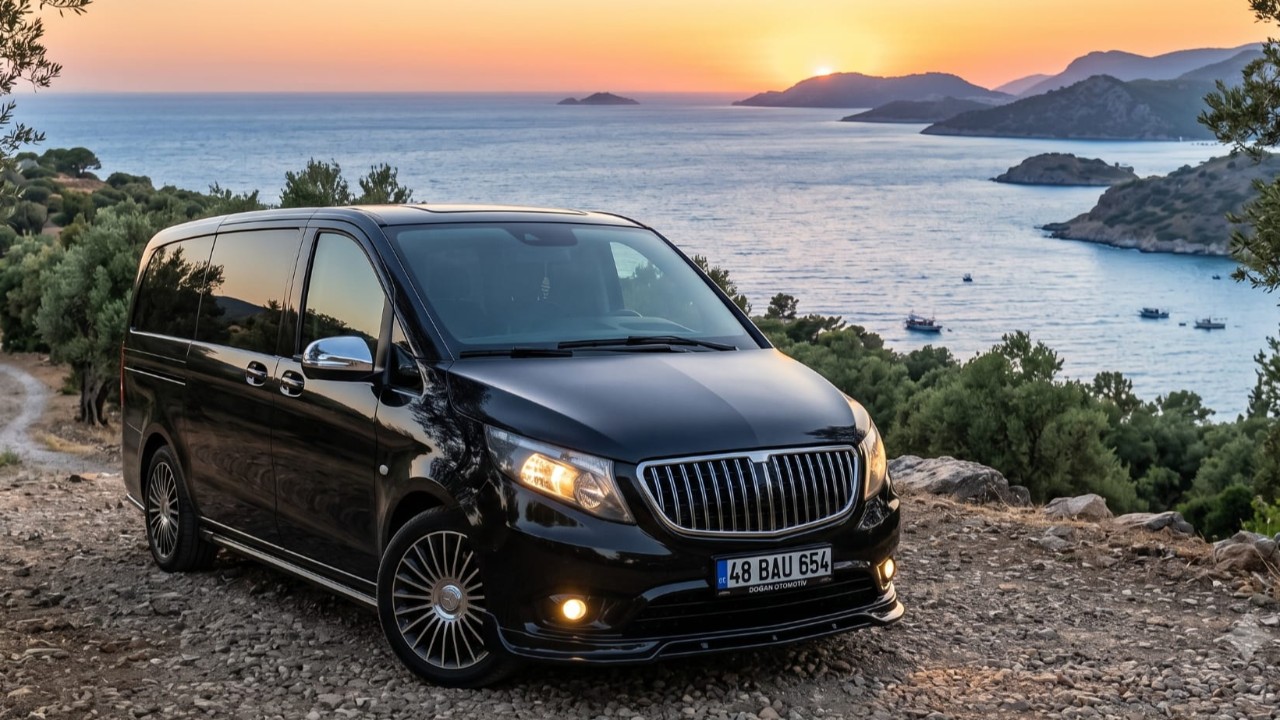
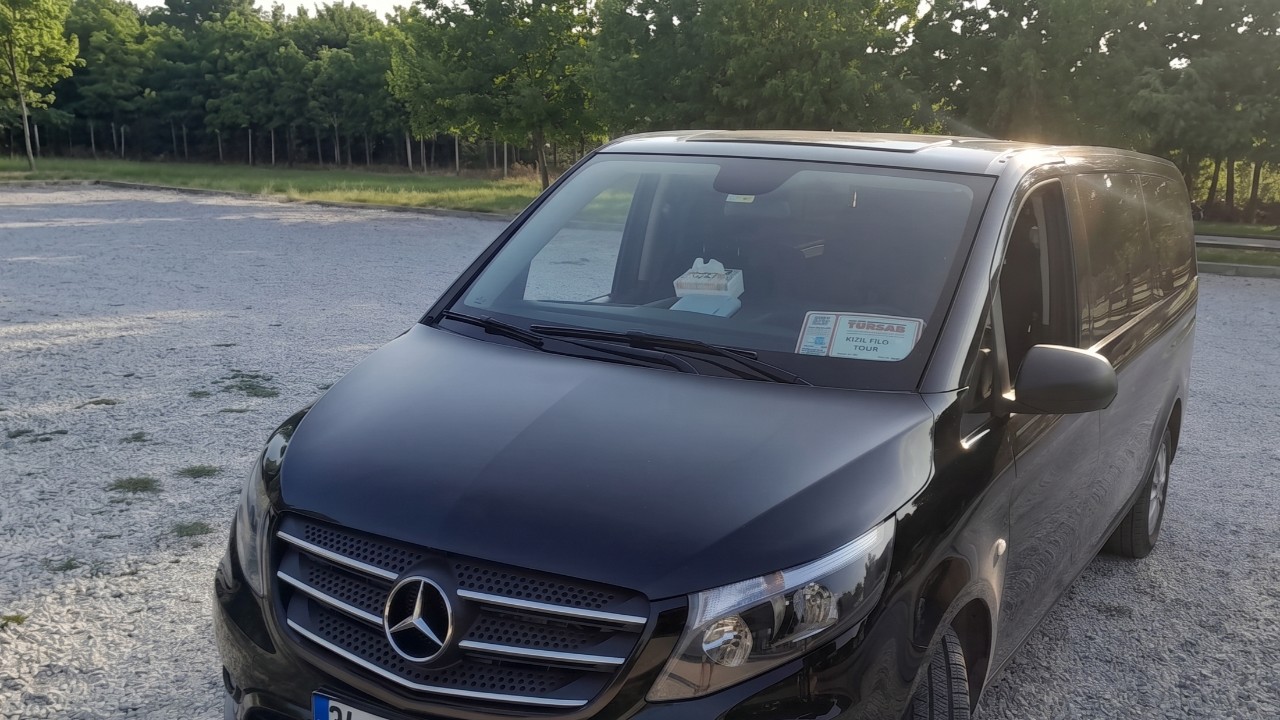
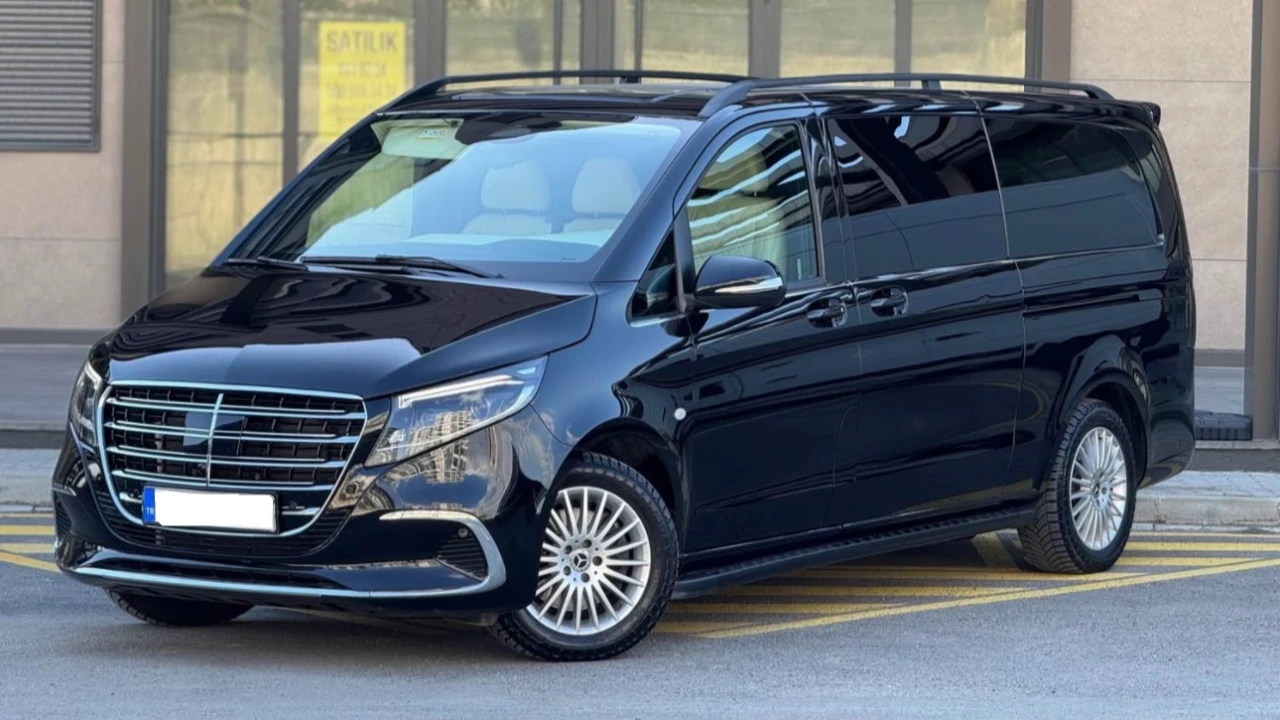
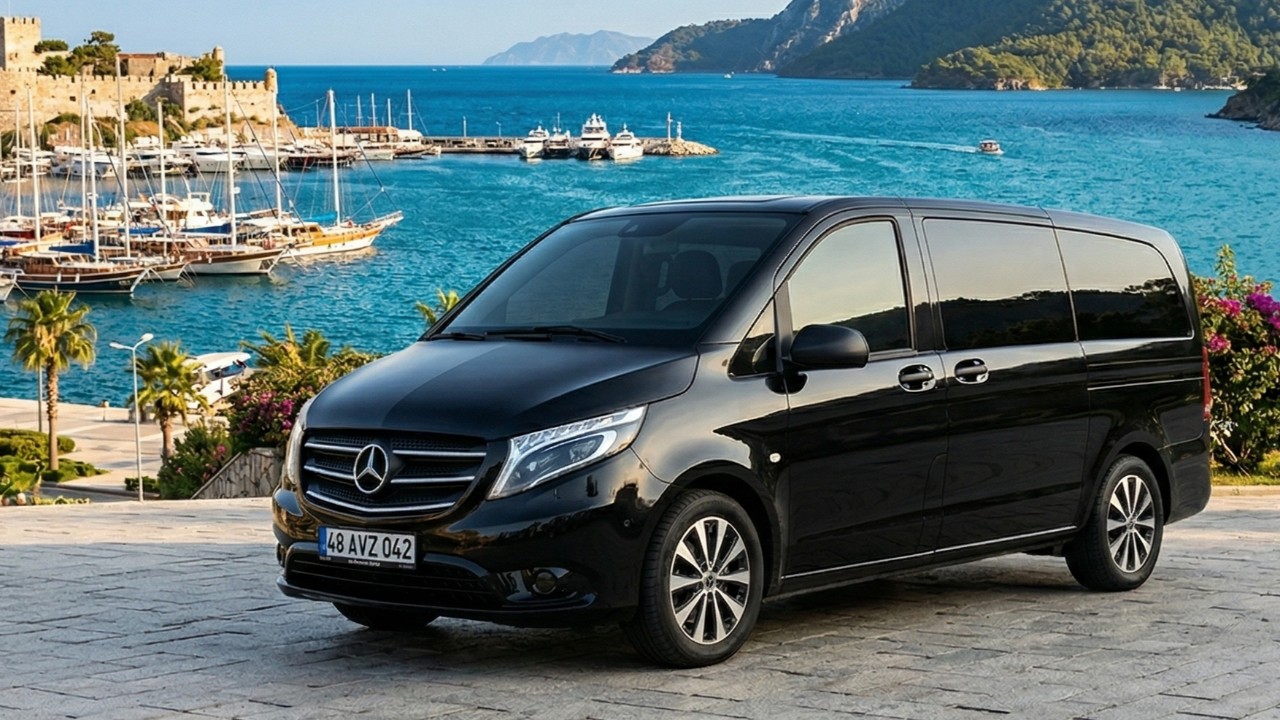
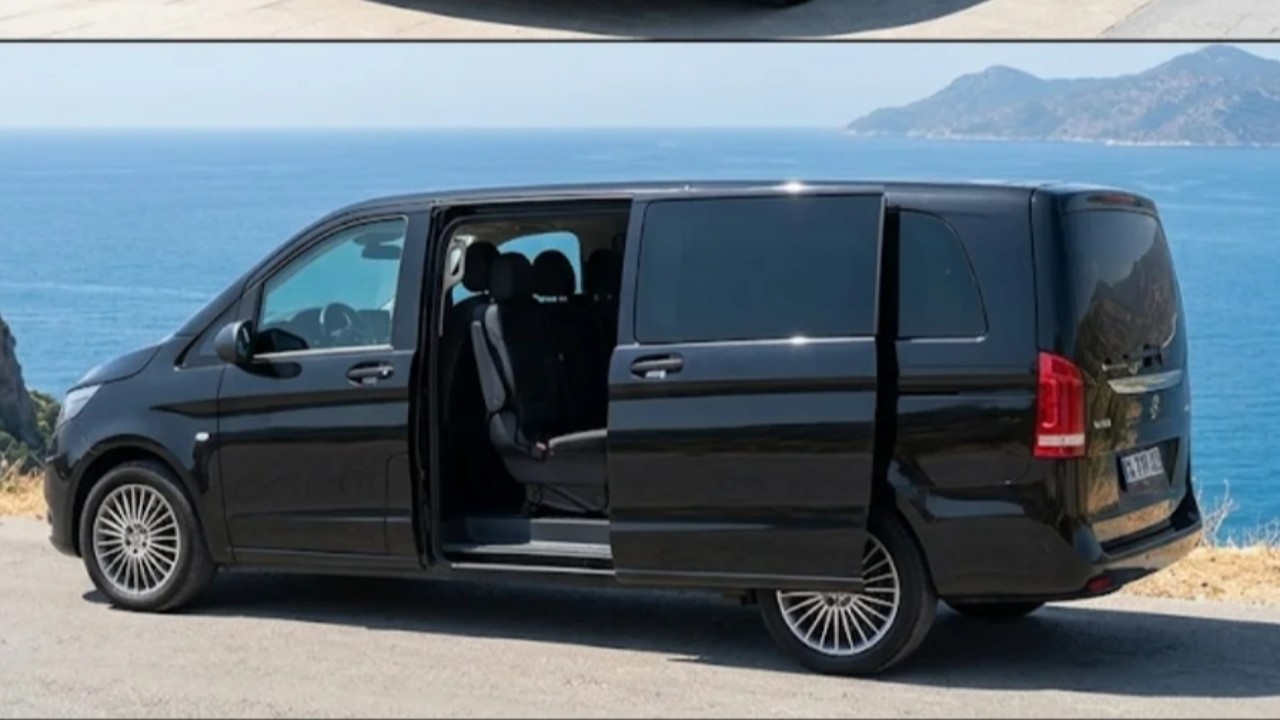
The distinguishing feature of a private transfer is that the fee is calculated per vehicle, not per person. For a group of four, the per-person cost approaches that of an airport shuttle bus, while for two travelers, the difference widens. On longer routes, this option saves significant time: no transfers, no pressure to catch the last service, and no lugging baggage around. When booking, seeing the waiting time, child seat policy, and cancellation terms in writing reduces the likelihood of misunderstandings. For shorter distances, those seeking a vehicle can explore Dalaman transfer service tour options and choose a class suitable for their passenger and luggage count; how the price varies with vehicle class is also visible on the same page.
Airport Shuttle and Bus Connections
Airport shuttle buses operate to central locations in the region based on flight schedules, with Fethiye and Marmaris being prominent routes. Instead of looking for a fixed timetable, it's necessary to confirm the departure list for your arrival day on the operator's official website. The shuttle will drop you off at a central point; from there, an additional dolmuş or taxi will be needed to reach your hotel. This extra step should be considered when traveling with luggage and children.
Dolmuş and Public Transport Network
If budget is your priority, the network works as follows: a short connection from the airport to Dalaman bus station, a bus from Dalaman bus station towards Fethiye, and then a dolmuş from Fethiye bus station to your final destination. For Kaş, an additional transfer is added to this chain after Fethiye. During the summer, services become more frequent throughout the day, extending late into the evening. In winter months, the number of services decreases, the last departures are earlier, and evening connections are weaker. Since a dynamic list operates rather than a published summer timetable, inquire about departure times at the bus station ticket office. A journey with transfers can approach three hours for Fethiye and five hours for Kaş.
Car Rental and Taxi
If you plan to explore the region with multiple stops, renting a car offers freedom for your daily itinerary: places like Dalyan, Saklıkent, Kayaköy, and Patara can be time-consuming to reach by public transport. In return, you'll incur costs for fuel, HGS tolls, parking, and the challenge of finding parking in busy summer months. A taxi is practical for short distances but expensive for longer routes; discussing the fare and route before leaving the airport will prevent unexpected discrepancies.
En Route Stops: Which Stop Fits Which Arrival Time
This section is not a travel guide for stops; it assesses what each stop adds to your transfer plan. Four factors are considered: location relative to the terminal, whether the road surface is suitable for a transfer vehicle, whether it can be visited with luggage, and which day it best fits into your itinerary. Placing a stop on the wrong day can waste more time than not seeing it at all.
| Stop | Location relative to terminal | Road surface and vehicle suitability | Best day for visit |
|---|---|---|---|
| Sarsala Cove | At the end of a forest road branching off after Göcek. | Unpaved forest road; low-clearance vehicles struggle, two vehicles meeting require maneuvering. | Short stop on arrival day; if coming by boat, a separate day. |
| Dalaman River rafting route | In the same basin, inland and close to the terminal. | Asphalt; meeting point is a facility by the river. | Same day for morning arrivals, if program matches departure time. |
| Kaunos Ancient City | In the Dalyan branch, 25 km from the terminal. | Asphalt; branch off D400, vehicle approaches site entrance. | Half-day; morning hours. |
| İztuzu Beach | On the same branch as Kaunos, at the coastal end of Dalyan. | Asphalt plus boat or shuttle connection. | Afternoon of the same day as Kaunos. |
| Akkaya Valley and Dam Lake | Inland, close to the terminal. | Agricultural roads after asphalt ends; describe target by village name. | Spare half-hour on arrival or departure day. |
| Göcek Bay and Günlüklü Cove | On the D400, between the terminal and Fethiye. | Asphalt; Günlüklü is by the roadside. | Arrival day, without deviating from the route. |
| Bedri Rahmi Cove | Within Göcek Bay. | Land path is weak; practically by boat. | Separate day, with a boat program. |
| Sarıgerme sandy beach | 15 km west of the terminal. | Asphalt; vehicle access to the shore. | Arrival day or last half-day of departure day. |
| Kille Cove | On a branch road off the highway towards Göcek. | Unpaved after asphalt ends; low-clearance vehicles struggle. | Separate day. |
| Kaputaş Beach | On the Kaş route, 20 km before Kaş. | By the D400; no separate car park, access to cove via stairs. | Luggage-free day; not for arrival day. |
Sarsala Cove
Sarsala, near Göcek, is one of the coves where pine forests meet the sea, and it's accessed by a gravel forest road. Shade is plentiful, the beach is short, and the water is crystal clear. What's crucial for transfers isn't the cove itself, but the road: the forest road is dusty and narrow, challenging for low-clearance vehicles, and requires careful maneuvering if two cars meet. Since it's about 20 kilometers from Dalaman Airport to Göcek, a short swim stop can be made here on your arrival day. However, you must inform the driver of this detour during booking, as the vehicle may not deviate from the route if the stopover isn't specified in the contract. As facilities in the cove are limited, bring your own water and food.
Bedri Rahmi Cove
Bedri Rahmi Cove is famous for the fish painting etched onto a rock by artist Bedri Rahmi Eyüboğlu; this figure, which gives the cove its name, is visible from the shoreline where boats anchor. Land access via paths is weak, so transportation is practically by boat, meaning this stop is a separate day trip, not a transfer stopover.
Daily boat tours departing from Göcek often include this cove on the same route as Sarsala. The impact on your transfer plan is this: boats typically depart early in the morning, so a passenger arriving on an evening flight cannot fit this program into the same day. Transferring to Göcek by vehicle and leaving the boat tour for the next day offers an itinerary that doesn't exhaust your arrival day.
Göcek Bay and Günlüklü Cove
Göcek Bay is the most practical sea stop between the terminal and Fethiye, as it doesn't require a detour from the main route: the marinas and bazaar remain close to the D400. On the western side of the Kapıdağ Peninsula, there are ruins of the ancient settlement of Lydae, but access there requires a combination of paths and boats, so it's not a stop to consider with a transfer vehicle.
Günlüklü Cove, located on the Fethiye-Göcek highway, gets its name from the 'sığla' (sweetgum) trees and offers dense shade. Since it's right by the roadside, a transfer vehicle can pull up directly, which is the main feature making this cove usable for a journey with luggage. The cove is more comfortable in the cool morning, becoming crowded in the afternoon.
Kaunos Ancient City
Kaunos is located in the Dalyan branch, 25 kilometers from the terminal—roughly half the distance of a transfer heading to Fethiye. As it's among the Ministry-affiliated archaeological sites, there's an entrance fee, and the Müzekart is valid here. Since different tariffs may apply for local and foreign visitors, confirm the current price at the ticket booth if you're not using a Müzekart.
The impact on your transfer plan is clear: the visit involves paths and stepped hillsides, so it's not an area to explore with luggage. The correct approach is to drop your luggage at the hotel and return to the Dalyan area for a separate half-day trip. Morning hours are more favorable for shade; the site is exposed, and walking in the afternoon sun can be tiring. The main point to discuss with your driver is waiting time: if you want the vehicle to wait during your archaeological site visit, this will be a separate charge exceeding the contract's standard waiting minutes.
İztuzu Beach
İztuzu is a long sand barrier separating the delta from the sea, and it's also a nesting ground for sea turtles. Since it's on the same branch as Kaunos, it makes sense to visit both on the same day: the ancient city in the morning, the beach in the afternoon.
There's a time restriction here that directly affects your transfer plan. During nesting season, typically from early May to late September, beach access is closed between 8:00 PM and 8:00 AM. This means planning to visit İztuzu on the same day as an evening flight arrival won't work. It's forbidden to stake umbrellas on the sand or use artificial lights at night; please adhere to the warning signs. Whether you reach the beach by boat or shuttle also changes the duration of your day plan, as the canal route is longer but visually richer.
Akkaya Valley and Dam Lake Area
Akkaya Valley, located near Dalaman center, with its dam lake and surrounding agricultural lands, is a hub for local hiking and cycling routes; it also appears in search results as Akkaya Canyon. Its low elevation makes it comfortable for walking in spring and autumn, but temperatures can be exhausting during July and August afternoons. The flat areas by the lake are suitable for short walks, while the hillside routes are better for longer tours.
Its proximity to the airport makes this valley usable for spare half-hours on arrival and departure days. Since there are exposed sections, water and a hat are necessary. As the road turns into agricultural tracks after the asphalt ends, telling the driver your destination by village name will prevent confusion; searching for a single pinpointed location on a map won't work here.
Dalaman River and Rafting Route
The Dalaman River, flowing through the same basin, is where the region's rafting programs take place. Water levels rise with snowmelt in spring, and as the flow decreases in mid-summer, the course becomes calmer; therefore, expectations for excitement should be matched with the calendar. The calmer period is advantageous for family programs, while those seeking fast rapids aim for the spring months.
Programs usually last half a day, and meeting points are facilities by the river. Those wishing to arrive by transfer from the airport and get into the water on the same day should compare the departure time with their arrival time. Bring dry clothes, closed-toe shoes, and a strap for your glasses. To see options departing from around the airport, compare the duration, season, and current price information on the Dalaman rafting tours list with your schedule.
Sarıgerme and Kille: Two Coastal Stops Near the Terminal
Sarıgerme, with its long sandy strip approximately 15 kilometers west of the terminal, is the closest beach option to the airport. The sand is fine, the water deepens slowly, and there's vehicle access to the shore. The public beach section is operated by the municipality, while the Sarçed section of the sandy strip is known as a local association's operation, offering the most comprehensive setup of cabins, showers, and sun loungers. You can walk between the two sections. The pricing structure works as follows: sun loungers and umbrellas are subject to a fee, while entrance and parking policies vary by operator, so inquire about this at the entrance if you plan to have your transfer vehicle wait all day. Staking umbrellas and nighttime access may be restricted in designated nesting areas.
Those seeking a day away from the crowds can head to Kille Cove, located on a branch road off the highway towards Göcek on the eastern side of the terminal. Since the asphalt road turns into a gravel track, low-clearance vehicles may struggle, and there are few facilities in the cove, so you'll need to bring your own water and shade. Both stops are close to the terminal, making them suitable for travelers with evening flights to utilize their last half-day. For the return journey, departing before dark will make driving on the gravel section easier.
Planning Transfer and Itinerary Together
A common mistake travelers make when visiting the region is treating their transfer and itinerary as two separate tasks. However, by connecting your airport exit with your first activity, you gain a day: a morning arrival leaves you with a free afternoon, while an evening arrival requires you to connect to an early morning program the next day.
What to Look for When Booking Your Transfer
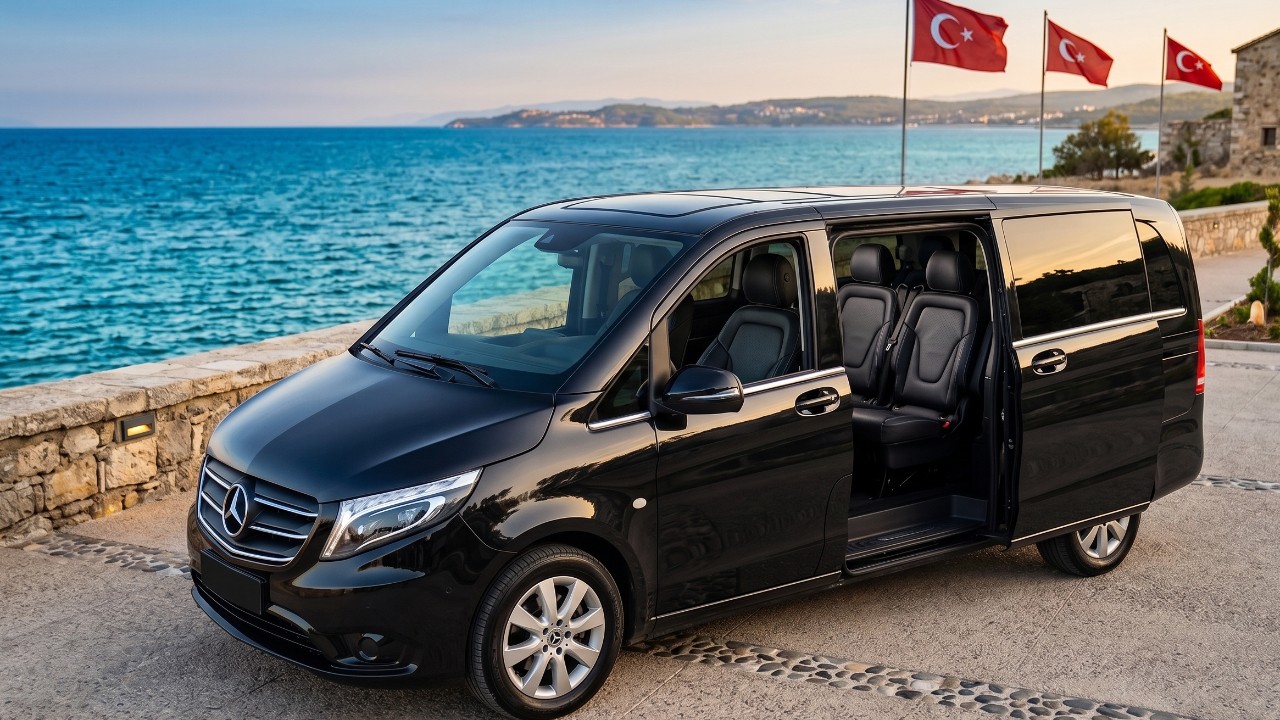
Key factors for airport transfer services include vehicle class, meeting method, waiting time, and cancellation conditions. A reservation with flight code sharing protects you against delays; if the luggage count is not accurately reported, a vehicle change may be necessary, extending the duration. When the group size exceeds three, per-vehicle pricing becomes more competitive than per-person ticket options. Service types also differ: drop-offs at hotel doors, intermediate points like coves or marinas, and booking return transfers together are priced differently. If your destination is Sarıgerme, Göcek, or Fethiye, you can choose a suitable class based on passenger count from the Dalaman hotel transfer tours and match the pickup time with your flight information, seeing the current price on the same screen.
Connecting Your Arrival Day to Nature Activities
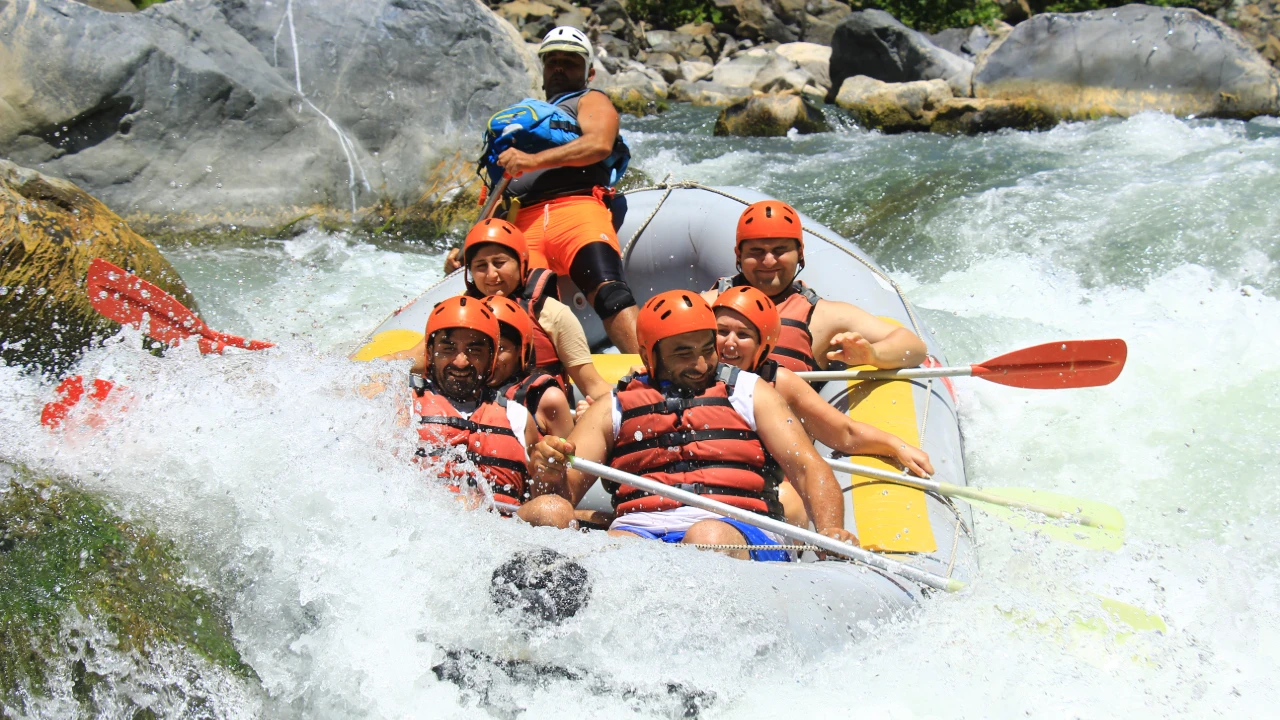
For morning arrivals, the remaining half-day is sufficient for short-distance nature programs: a walk around Akkaya Valley, rafting on the Dalaman River, or a short boat trip to Göcek coves. The determining factor here isn't distance, but departure time; most river and boat programs have morning meeting times, so an afternoon arrival automatically pushes these programs to the next day. Hiking routes, however, can be spread throughout the day, making them usable even for late arrivals. To see options close to the airport, compare the duration and departure times on the Dalaman nature adventure tours list with your flight schedule.
Season, Time, and Factors Affecting Price
Transfer costs and durations do not remain constant throughout the year. During months with heavy charter traffic, vehicle demand increases, and traffic slows down in towns along the route. In winter months, flight frequency decreases, and public transport connections weaken.
| Period | Flight & Road Conditions | Advantage | Consideration |
|---|---|---|---|
| April-May | Flight frequency increases, roads are clear. | Calm traffic, mild driving conditions. | Sea still cool, some businesses closed. |
| June-August | Peak charter traffic and night arrivals. | Abundant connections, frequent shuttles. | High vehicle demand and price pressure, early booking recommended. |
| September-October | Crowds thin, sea remains warm. | Relaxed roads, more flexible pricing. | Evenings get darker earlier in October. |
| November-March | Flight schedules become sparse. | Quiet roads, low demand. | Dolmuş and shuttle services decrease, night connections are weak. |
Factors Determining Price
This page doesn't provide exact figures, but outlining what drives costs up allows for comparison.
- Distance: The Kaş route is priced two to three times higher than the Fethiye route; Sarıgerme and Göcek fall into the short-distance category.
- Vehicle Class: There's a significant difference between sedan, minibus, and VIP classes; luggage count can push you into a higher class.
- Time Slot: Additional fees may apply for pickups after midnight.
- Toll Fees: Göcek Tunnel tolls may be included in the price or charged separately; don't assume.
- Season and Occupancy: Demand drives prices up in July-August and during holiday weeks.
- Extras: Child seats, stopovers, exceeding waiting times, and return bookings are calculated separately.
Entrance fees are a completely separate category from transfer costs and operate under different logic. At Ministry-affiliated archaeological sites, such as Kaunos in the Dalyan area, the Müzekart is valid, and different tariffs may apply for local and foreign visitors. Conversely, the entrance to Ölüdeniz Blue Lagoon within the nature park, the municipal facility at Kaputaş cove, and beach sun lounger setups are outside this scope; the Müzekart is not valid there, and prices are determined by whether you enter by vehicle or on foot, the season, and the type of establishment. When making comparisons, it's enough to remember the ranking: an archaeological site entrance fee is significantly less than a daily boat tour; an aerial activity like paragliding is significantly more than a daily boat tour.
If you hear two different price ranges for the same route, the way to compare is to ask about each item separately: are toll fees included in the price, how many minutes of waiting time are in the contract, until when is cancellation free of charge, and is a discount applied when booking the return transfer together?
En Route Breaks and Dining
For those wishing to take a break on a long journey, there are four distinct stopover areas along the route, each with different facilities. Which one you choose will determine the extra time added to your travel plan. Dalyan is a total of 25 kilometers from the airport and is located at the end of a branch road off the D400. For a transfer continuing towards Fethiye or Kaş, this detour adds to the round-trip journey plan. The restaurants along the canal are famous for sea bream, sea bass, and the region's unique blue crab. However, a traveler on the Kaş route would save travel time by visiting Dalyan on a subsequent day after checking into their accommodation, rather than trying to fit this stop into their arrival day. In Göcek, the marina area is a practical stop for breakfast and gözleme (Turkish flatbread), suitable for those seeking a quick break as it remains close to the D400.
Upon arriving in Fethiye, the area around the fish market is a classic choice: you can buy fresh fish from the stalls and have it cooked at nearby restaurants. Service and meze (appetizers) are charged separately, so asking for the bill in two parts will prevent misunderstandings. The streets within the Paspatur Bazaar offer meze-focused evening dining; this area is more suitable for evening plans than lunch. In Kaş, restaurants around Uzun Çarşı offer seafood and home-cooked meals, and evening service in the center continues late. Since the number of suitable stops decreases on the winding section after Kalkan, it's more comfortable to take a longer break around Fethiye. As card acceptance can vary at smaller establishments during en route stops, carrying cash will make things easier.
Practical Tips Before You Go
- Add your flight code to the reservation; this is a practical way to prevent waiting fees in case of delays.
- Declare the exact number of suitcases; four passengers with four large suitcases will exceed the capacity of a standard sedan.
- Request a child seat at the time of booking; there's a legal requirement based on age and height limits.
- If renting a car, check the HGS tag and fuel return policy upon collection.
- If heading towards Kaş, keep motion sickness medication and water handy for passengers prone to car sickness; the coastal section is continuously winding.
- Factor in the lack of public transport connections for night arrivals and book your vehicle in advance.
- For your return flight, depart 30-40 minutes earlier than planned to account for summer traffic.
- Ensure any stopover requests are written into your reservation; a driver may not deviate from the route if it's not specified in the contract.
- Carry both cash and card options; acceptance methods vary at small businesses and ticket booths.
Brief Summary and Recommendation
The decision boils down to two main thresholds. Fethiye and its surroundings are close enough to the airport that public transport remains a realistic option. However, for the 155-kilometer winding coastal route towards Kaş, the number of transfers and the risk of missing the last connection make a door-to-door private transfer a significant time and energy saver. Night arrivals and larger groups shift this balance further in the same direction: if a vehicle isn't pre-booked, the options narrow down to a taxi. Accurately reporting your luggage count, passenger number, and arrival time directly impacts both cost and duration.
For those wishing to turn their journey into an excursion, stopovers are available, but not every stop fits every day: Günlüklü and Göcek Bay can be used even with luggage, while Sarsala and Kille depend on the vehicle class due to their gravel roads. Kaunos and İztuzu require a separate half-day, and Kaputaş is best visited on a luggage-free day. Those wishing to center their itinerary around ancient cities can explore cultural tours departing from the region, including options covering Kaunos and the Lycian Way.
Frequently Asked Questions 8
How far is Kaş from Dalaman Airport, and how long does it take?
The road distance is approximately 155 kilometers, and the drive takes between 2 hours 15 minutes and 2 hours 45 minutes. The route consists of two parts: about 50 kilometers from the terminal to Fethiye center, and approximately 105 kilometers from Fethiye to Kaş. There's another air travel alternative to Kaş: Antalya Airport is about 190 kilometers from Kaş, making it significantly longer than the Dalaman road connection, which is why most travelers to Kaş fly into Dalaman. The duration is determined by the number of bends, not just the distance; a stop in Kalkan will extend the total journey by more than half an hour.
Is there a direct shuttle bus from Dalaman Airport to Kaş?
Direct airport shuttle services to Kaş are generally not available. Travelers wishing to use public transport must first reach Fethiye and then transfer at the bus station to a bus or dolmuş (shared minibus) serving the West Antalya route. The entire chain can take up to five hours, and there's a risk of missing the last connection in the evening. The good news at the end of the chain is that Kaş bus station is within walking distance of the center, so a second vehicle isn't needed upon arrival. However, for late arrivals, a pre-booked private transfer offers a more secure plan, as the last departure times at transfer points vary by day.
What happens if my flight is delayed or lands after midnight?
The crucial factor is having your flight code written in your reservation. When the code is shared, the operator tracks the flight, and the waiting time clock starts from the actual landing time. If the code isn't shared, the clock starts from the scheduled landing time, and any delay will reduce your free waiting period. If you're an international passenger, ask a second question: are passport control and baggage claim times included in the contract's free waiting minutes? For arrivals after midnight, public transport options are closed, so practically, a pre-booked private transfer or a taxi from the terminal stand are your only choices.
What time should I leave my hotel for my return flight?
Plan your departure time based on the airline's baggage drop-off and check-in closing times, not just your flight departure time; check-in usually closes before departure, and this is often overlooked. Add an extra 30-40 minutes for summer traffic. For those returning from distant or hilly areas like Kaş, Kalkan, and Ölüdeniz, the decision is made a day in advance: for early morning flights, you'll need to choose between departing near midnight or very early the next morning. Booking your return leg with your outbound reservation will formalize this timing.
What determines the transfer fee, and why are there no prices on this page?
We don't provide exact figures because transfer costs fluctuate several times a year based on vehicle class, passenger count, route length, time of day, and season; a fixed number on the page would quickly become outdated and misleading. The primary distinction in cost is whether the fee is calculated per vehicle or per person: private transfers are based on vehicle class and distance, while shuttles and dolmuş are per-person tickets. Night pickups, stopover requests, child seats, and exceeding waiting times are calculated separately. Entrance fees for archaeological sites and beaches are entirely outside this cost and have their own rules; while the Müzekart is valid at Ministry-affiliated archaeological sites, it's not accepted at nature parks, municipal beaches, or private establishments. You can find current and binding transfer rates live on the listing pages linked above.
What should I declare for luggage, sports equipment, and child seats?
Declare the exact number of suitcases: four passengers with four large suitcases will strain the capacity of a standard sedan. For surfboards, bicycles, and diving equipment, simply stating the quantity isn't enough; also provide dimensions, as these items change the vehicle class more due to length than sheer volume. A detail most passengers overlook is the child seat: a seat occupies one passenger space, so for a group near full capacity, a child seat request will push the vehicle into a higher class. Requesting it at the time of booking fulfills legal requirements and prevents delays caused by vehicle changes upon arrival.
Is it more sensible to rent a car or book a transfer from the airport?
The decision depends on how many places you plan to stay and how many separate excursions you'll undertake during your holiday. If you're staying at the same hotel and exploring the region with day trips, a door-to-door private transfer will be less hassle. If you want to plan your daily itinerary hour by hour, a rental car offers freedom; however, fuel, tunnel tolls, parking searches, and crowded car parks in peak season will add to your expenses and time. Another clarifying factor: if you plan to include archaeological sites like Patara, Xanthos, and Letoon in your itinerary for the Kalkan and Kaş routes, public transport connections to these stops are weak, making a rental car decision self-evident here. Conversely, in narrow areas, a car isn't always an advantage: Kalkan's old town center is closed to vehicle traffic during the day, and Kaş market operates on a one-way system.
What does taking a stopover add to my transfer plan?
The cost of a stopover is less about minutes and more about the contract. If a stopover request isn't written into the reservation, the driver may not deviate from the route, and even if they do, this time might count towards the total contracted duration or waiting minutes; clarify both before setting off. The second consideration is luggage: roadside stops like Günlüklü Cove are genuinely usable with luggage, whereas Kaputaş, accessed by stairs, or Kille, requiring a dirt road, are impractical for a transfer with suitcases. Thirdly, direction: detours like Dalyan, which branch off the main road, will incur travel time twice (there and back), while stops directly on the D400 will not.