
Connected to the mainland by a bridge, Cunda Island (officially known as Alibey Island) is one of the North Aegean's most beautifully preserved gems. With its narrow cobblestone streets, olive-scented breezes, historic Greek-style houses, and deep-rooted Aegean culinary traditions, the island offers both a tranquil escape and a world-class gastronomic journey. This guide explores Cunda Island's hidden streets and gourmet flavors, taking you step-by-step through its historic landmarks, dining culture, scenic bays, transport options, and the best time to visit. From the stone buildings tucked into every corner to the fishing boats lining the coast and the aroma of fresh olive bread wafting from local bakeries, the island's atmosphere is truly enchanting.
At Travel Tour Shop, we take a rigorous approach to curation, excluding approximately 83% of potential suppliers to ensure we only list those with proven local expertise and stellar guest reviews. This guide is part of that same commitment: we have compiled everything you need to know for your first visit, from must-see landmarks to gourmet stops and practical travel tips.
Quick Facts
| Topic | Information |
|---|---|
| Location | Ayvalık, Balıkesir (Alibey/Cunda Island; connected by bridge) |
| Highlights | Historic Greek houses, cobblestone streets, authentic Aegean cuisine |
| Key Stops | Taksiyarhis Church (Rahmi M. Koç Museum), Lovers Hill, Taş Kahve, the waterfront |
| Duration | Half-day walk; full day including dining |
| Best Time to Visit | Spring (May-June) and Autumn (Sept-Oct); Summer is lively |
| Transport | ~15 mins from Ayvalık via bridge, bus/minibus, or nostalgic ferry |
| Must-try Flavors | Papalina, Aegean herbs, olive oil appetizers, olives, and olive oil |
Where is Cunda Island? A Brief History of Alibey Island
Cunda Island is located in the Ayvalık district of Balıkesir and is connected to the mainland by a bridge, making it easily accessible by road from Ayvalık center. While its official name is Alibey Island, it is far more widely known among locals and travelers as Cunda. The island is nestled within the rugged coastline of the North Aegean, surrounded by lush olive groves and secluded coves.
The island's current cultural fabric carries the traces of its diverse past. For many years, Greek and Turkish communities lived side-by-side in Cunda, and following the 1923 population exchange, the island took on its modern character with immigrants arriving from Crete and Lesbos. This migration brought more than just new residents; it brought a unique culinary heritage and lifestyle. The stone facades, wooden doors, and ornate ironwork of the old Greek houses you see in the streets are silent witnesses to this multi-layered history. Understanding this background adds a profound depth to every structure you encounter.
Cunda's Hidden Streets and Historic Charm
The true soul of Cunda lies hidden within its narrow, interconnected stone alleys. Wandering through cobblestone paths, past courtyards draped in bougainvillea and facades that remain stunning even with their weathered colors, is one of the island's most delightful experiences. These historic landmarks are scattered throughout the streetscape; those looking to combine the region's cultural heritage with a professional itinerary can explore our culture tours options.
Taksiyarhis Church and the Rahmi M. Koç Museum
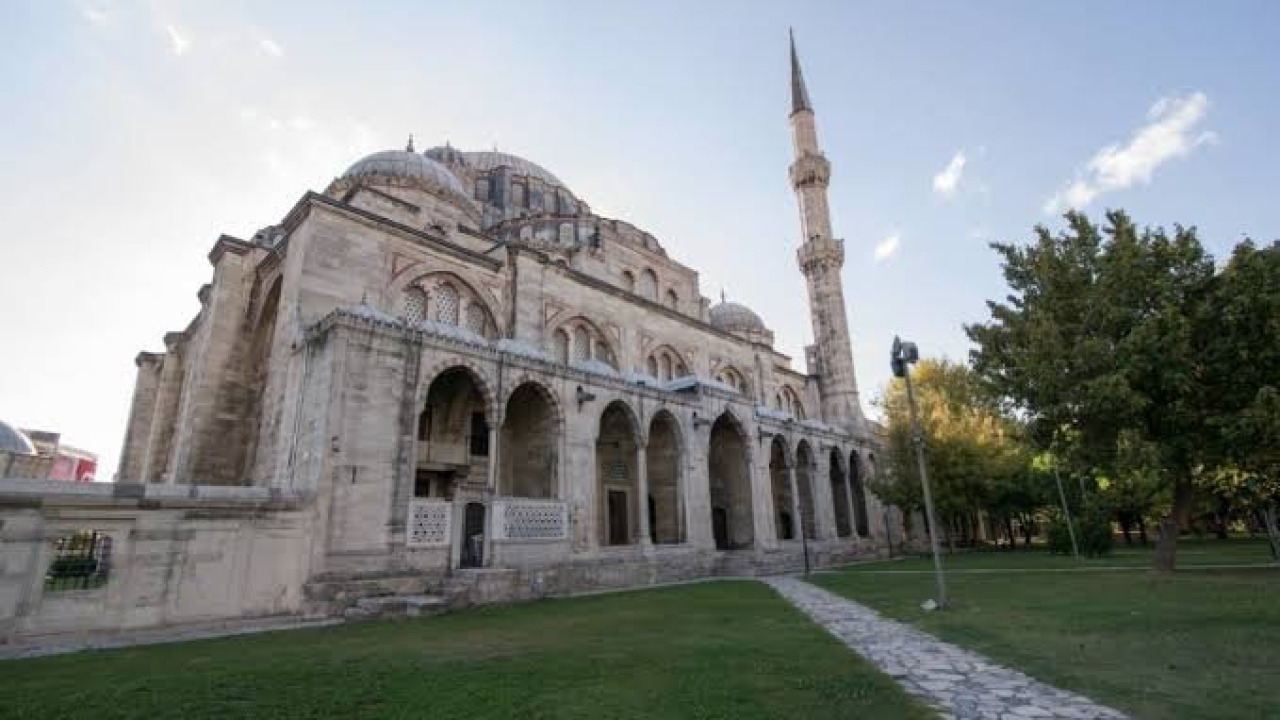
Rising from the heart of the island, the magnificent Taksiyarhis Church is a neo-classical masterpiece believed to have been built in 1873. After years of neglect, it was meticulously restored and transformed into the Rahmi M. Koç Museum. Today, it houses an impressive collection of antique toys, maritime instruments, and classic automobiles, making it a fascinating stop for both history buffs and technology enthusiasts. The ceiling paintings in the dome and the intricate stonework become even more meaningful when you imagine the building's journey from its original purpose to its current state. We recommend visiting in the morning to enjoy a quieter experience before exploring the streets.
Lovers Hill and the Sevim & Necdet Kent Library
As the highest point on the island, Lovers Hill (Aşıklar Tepesi) offers a breathtaking bird's-eye view of Cunda and the Ayvalık Gulf. The historic windmill at the summit has been restored and repurposed as the Sevim and Necdet Kent Library. After browsing the rare collections inside, you can take a break at the adjacent cafe while soaking in the view. This spot is particularly magical near sunset, as the light shifts beautifully over the gulf—a dream location for photographers looking to capture the island's panorama. Since the climb is a gentle incline, comfortable walking shoes are highly recommended.
Taş Kahve and the Waterfront
The historic Taş Kahve, located on the Cunda waterfront, boasts a history of approximately 150 years. With its high ceilings, garlic-stone walls, and large windows, it serves as one of the island's most important social hubs. Sitting here in the early morning for a coffee and a chat with the locals is a cherished island tradition. The promenade starting from Taş Kahve is ideal for a stroll alongside fishing boats, cafes, and historic facades. Walking along this waterfront in the late afternoon allows you to feel the island's atmosphere transition beautifully from day to night.
Cunda Cuisine: The Gourmet Table of the Aegean
Cunda Island boasts one of the most storied culinary traditions in the North Aegean. When the herb culture brought by Cretan immigrants meets the fresh bounty of the sea, Cunda's dining tables become a true gastronomic experience. For those wishing to taste the island's culinary heritage through a guided program, our gastronomy organization tours are an excellent choice.
Aegean Herbs and Olive Oil Mezes
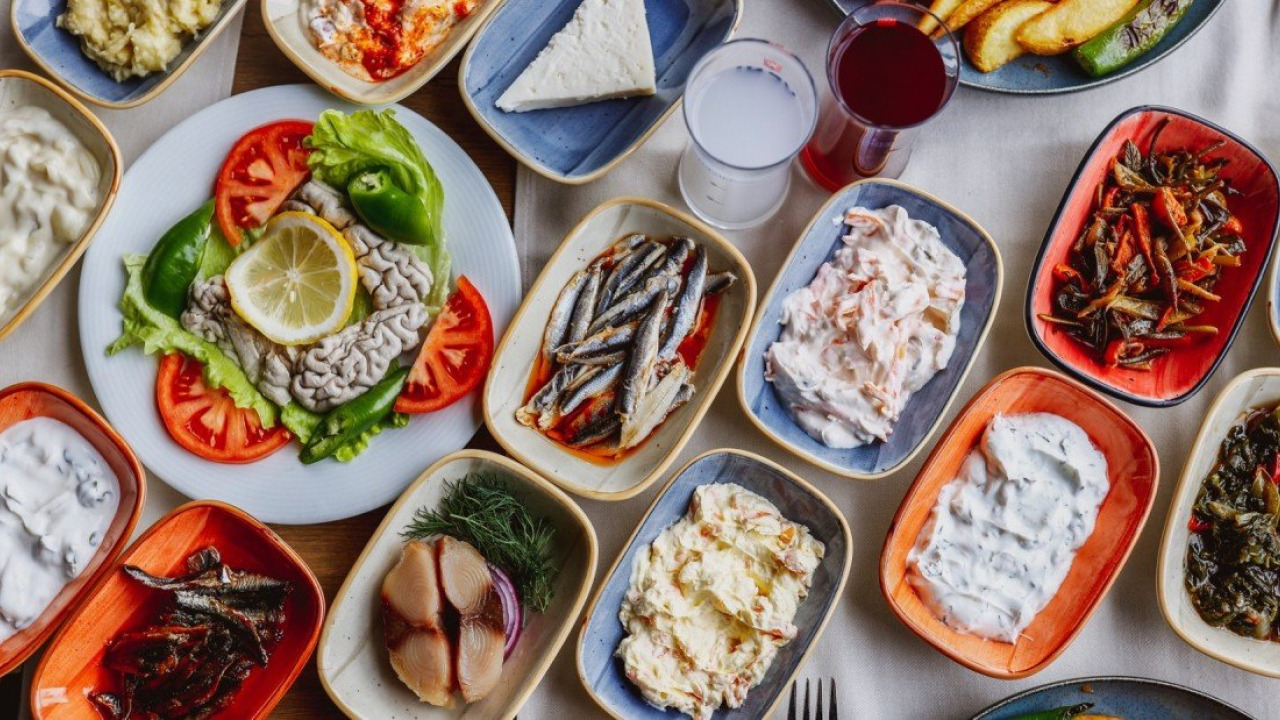
The mezes you will encounter in Cunda's restaurants offer a level of freshness unique to the region. Wild greens like radika (dandelion), sea fennel, arapsaçı, şevketi bostan (blessed thistle), stuffed zucchini flowers, and artichokes in olive oil are staples of the table. These herbs are typically seasoned with cold-pressed extra virgin olive oil sourced from the surrounding groves. Because the variety of herbs changes with the seasons, asking about the "herbs of the day" is a wonderful way to start your meal. For those eager to experience this green abundance firsthand, our food experience tours are a perfect option.
Papalina and Seafood
Papalina is an iconic symbol of Cunda cuisine. It is a species of fish, smaller than anchovies, known to be caught exclusively in the Ayvalık Gulf during the summer months. Flour-dusted and fried until crispy, it is best enjoyed whole, including the bones, at the historic restaurants along the coast. Because it is seasonal, it provides a unique culinary window that makes visiting in the right season even more rewarding. For a truly memorable meal, plan a table overlooking the gulf to pair the island's flavors with its stunning views.
Olives, Olive Oil, and Local Souvenirs
The Cunda and Ayvalık region is one of Turkey's most significant centers for olive and olive oil production. In the local shops, you can find premium early-harvest extra virgin olive oil, olive paste, olive oil soaps, mastic cookies, and mastic jam. These products serve as lasting mementos of Cunda that you can either bring into your own kitchen or gift to loved ones. When shopping, checking the harvest date and production details will help you select the highest quality olive oil.
Swimming in Cunda: Bays and Beaches
Cunda is more than just historic streets; it also offers various options for sea lovers. Ortunç Koyu, located behind the island, is a popular choice known for its crystal-clear waters and the way the pine forests meet the sea. Çataltepe Plajı and Duba Plajı are shallower, calmer alternatives that are particularly suitable for families with children. Thanks to the ease of movement between bays, it is easy to visit several different spots in a single day.
You can also explore the island and its surroundings via boat tours; those interested in visiting the smaller, more secluded coves should consider our ship and boat tours options. To ensure a more comfortable and less crowded experience, we recommend planning your swimming sessions for the morning or late afternoon, avoiding the midday heat.
How to Get to Cunda Island
Your journey to Cunda begins in Ayvalık. Ayvalık is well-connected to major cities like Istanbul and Izmir via regular bus services; the bus station is conveniently located near the center. For those flying, the nearest airports are Balıkesir Koca Seyit (Edremit) and Izmir Adnan Menderes. Travel times from these airports to Ayvalık vary, so it is helpful to plan your road journey in advance.
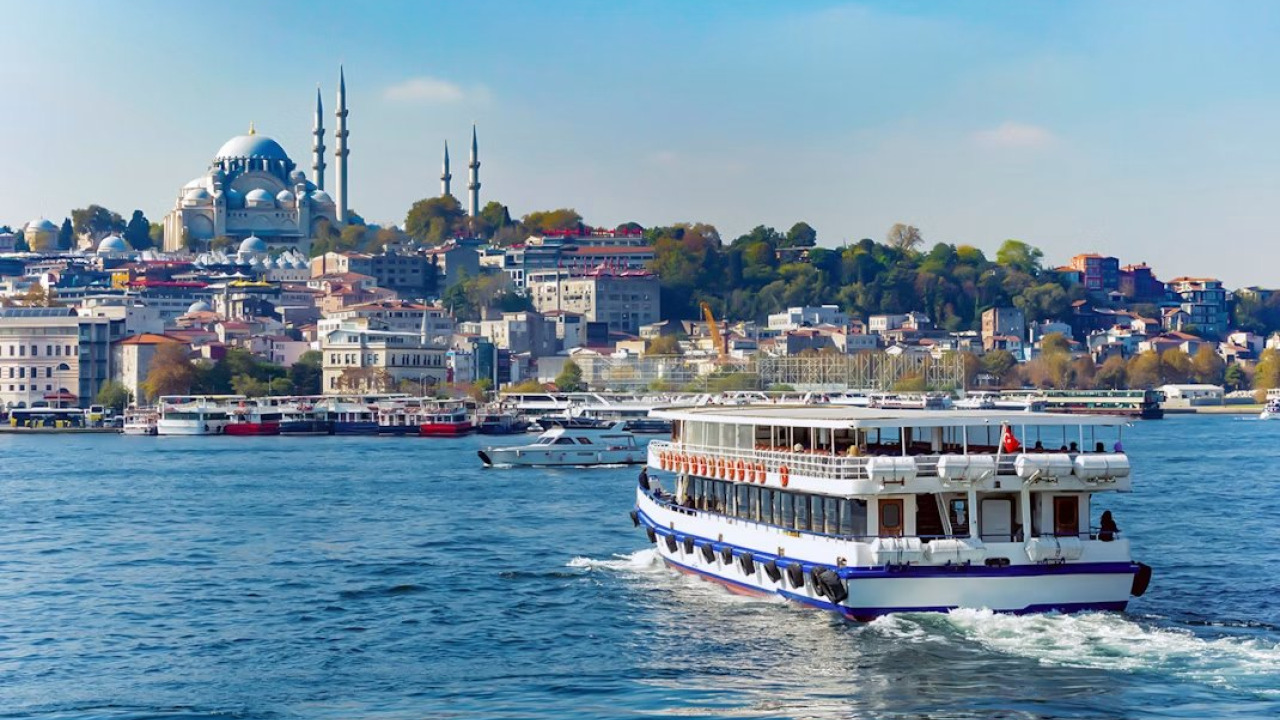
Once in Ayvalık, reaching Cunda is quite simple. Since the island is connected by a bridge, you can drive directly across. For public transport, municipal buses and minibuses run from Ayvalık center to Cunda approximately every 15 minutes. For a more scenic arrival, one of the most delightful options is the nostalgic passenger ferry departing from Ayvalık harbor. This short 15-minute sea voyage makes you feel like your holiday has truly begun before you even step onto the island. For first-time visitors or those traveling with heavy luggage, a private transfer is a comfortable alternative.
The Best Season to Visit Cunda
The most rewarding time to visit Cunda is during the spring and autumn, when the weather is neither too hot nor too cool. The months of May-June and September-October are ideal for walking through the narrow streets, spending time in outdoor venues, and capturing photographs in a calm atmosphere. During these months, the island is much more tranquil than in the peak summer season.
Summer is the island's most vibrant period, perfect for swimming and tasting seasonal delicacies like papalina, though the daytime heat and crowds should be taken into account. During this time, spreading your activities across the early morning and late afternoon will ensure more comfort. In the winter, the island settles into a quiet rhythm; while some businesses may be closed, there is a unique charm for those seeking a silent and authentic Cunda experience.
Accommodation and Evening Atmosphere
Cunda and Ayvalık offer a wide range of accommodation to suit different budgets and expectations. For those wanting to immerse themselves in history, boutique hotels and guesthouses converted from restored stone houses offer an incredibly atmospheric stay. Travelers looking for a broader range of options may prefer to use Ayvalık center as a base and visit Cunda on day trips. Since demand rises significantly during the summer, booking in advance is essential to secure your preferred choice.
As evening falls, Cunda reveals a completely different side. The historic venues along the waterfront and the courtyards in the narrow streets come alive; long dinners featuring seafood, Aegean herbs, and mezes become the centerpiece of the night. An evening spent among historic stone walls is a compelling reason not to limit your visit to just the daytime. This blend of culinary culture and vibrant street atmosphere is often the highlight of any visitor's trip.
A One-Day Cunda Itinerary
For those with limited time, Cunda can be beautifully explored in a single day. Here is a suggested route: Start your morning by crossing to the island via the nostalgic ferry or the bridge, and begin your day with breakfast near Taş Kahve. Afterward, follow the stone streets to explore the Rahmi M. Koç Museum at Taksiyarhis Church. Toward midday, head up to Lovers Hill to take in the panoramic views of the island and the gulf.
For lunch, experience Cunda's cuisine with Aegean herbs, olive oil mezes, and—if in season—papalina. Spend your afternoon swimming at Ortunç Koyu or taking a relaxing stroll along the waterfront. Conclude your day with a long, leisurely dinner at one of the historic seaside restaurants to finish your journey on a peaceful note. Those seeking a slower pace can easily spread this program over two days to include more of Ayvalık.
Frequently Asked Questions 6
How do I get to Cunda Island?
The first stop to reach Cunda is Ayvalık. From Ayvalık center, municipal buses and minibuses run to Cunda approximately every 15 minutes. Since the island is connected to the mainland by a bridge, you can also reach it by private car. One of the most enjoyable options is the nostalgic passenger ferry from Ayvalık harbor, which takes about 15 minutes.
What should I eat in Cunda?
Cunda cuisine is headlined by Aegean herbs and olive oil mezes, such as radika, sea fennel, arapsaçı, şevketi bostan, stuffed zucchini flowers, and artichokes in olive oil. In the summer, the papalina fish, caught in the Ayvalık Gulf, is a local icon. All meals are enriched by the region's high-quality, cold-pressed extra virgin olive oil.
Which bays and beaches are best for swimming?
Ortunç Koyu, located behind the island, is a popular spot known for its clean waters and the meeting of pine forests and the sea. Çataltepe Plajı and Duba Plajı are shallow and calm, making them ideal for families with children. The ease of transport on the island allows you to visit several bays in one day.
What is Cunda Island famous for?
Cunda is famous for its historic Greek houses, narrow cobblestone streets, the Rahmi M. Koç Museum in Taksiyarhis Church, Lovers Hill, and its deep-rooted Aegean cuisine. The herb culture brought by Cretan immigrants, combined with olive oil and fresh seafood, defines the island's gastronomic identity.
What can I buy as a souvenir in Cunda?
The Cunda and Ayvalık region is renowned for its olives and olive oil. You can purchase early-harvest extra virgin olive oil, olive paste, olive oil soaps, mastic cookies, and mastic jam from local shops. These make excellent gifts or personal treats.
When is the best time to visit Cunda?
The spring (May-June) and autumn (September-October) months are best for exploring the streets and photography due to the mild weather. Summer is ideal for swimming and enjoying seasonal delicacies; during this time, it is most comfortable to plan your outings for the early morning or late afternoon.