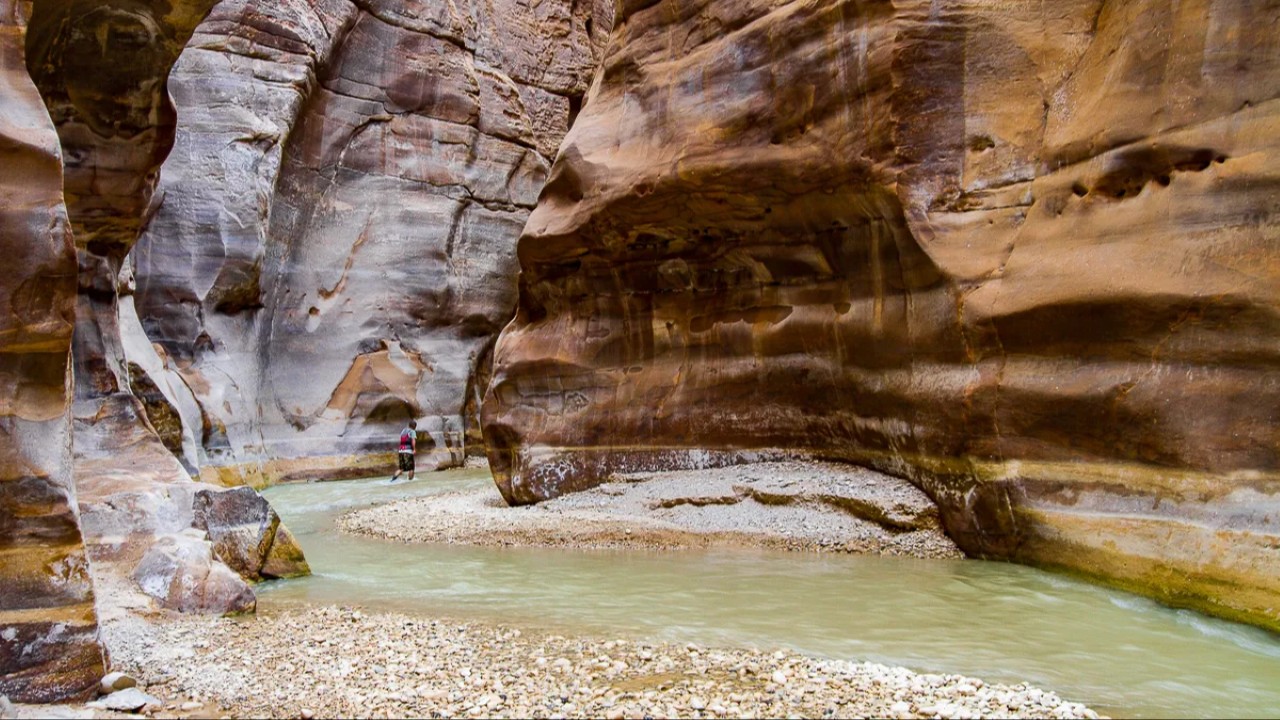
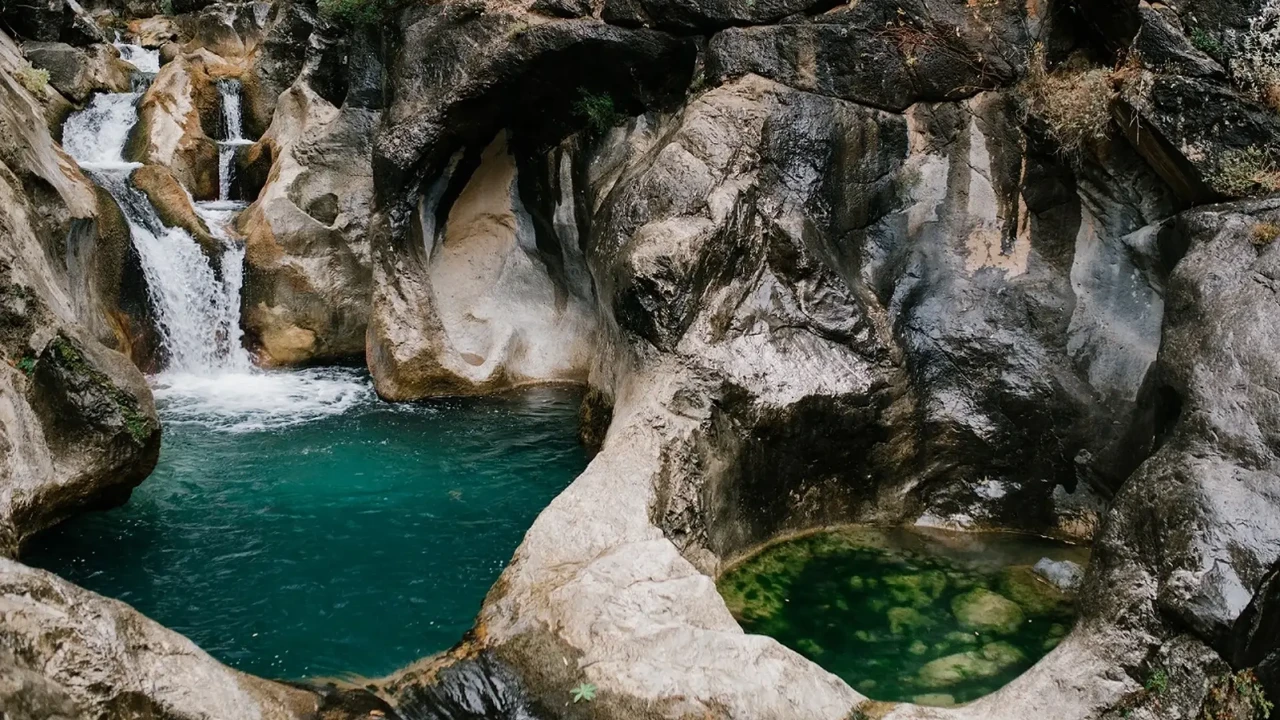
Deep canyons carved by the Taurus Mountains over millions of years, rushing icy mountain springs, natural rock pools, and sheer waterfalls offer an extraordinary arena for nature lovers. Canyoning, a thrilling blend of hiking, swimming, cliff jumping, and waterfall abseiling, grants you the rare privilege of touching the purest, most untouched heart of nature. For adventurers looking to dive into an adrenaline-fueled exploration and navigate wild valleys safely, canyoning tour adventure routes are expertly curated by guides licensed by the Turkish Mountaineering Federation.
Before stepping into a canyon, the most critical thing to understand is that this sport demands technical discipline and physical endurance. In narrow bottlenecks where sunlight rarely reaches, water temperatures can hover around 10-14°C (50-57°F) even in the height of summer.
To mitigate the risk of hypothermia, wearing the correct neoprene wetsuit, using a helmet and harness properly, and following guide instructions to the letter is vital. Participants who undergo professional preparation can experience the raw power of nature amidst magnificent canyon walls with complete peace of mind.
Canyoning Basics: Essential Pre-Trip Information
Knowing the technical difficulty and water flow of a route before you start is key to a safe adventure. Across Turkey, the most popular routes include canyoning tours in Antalya canyons, deep valley descents in Muğla, and the famous canyoning routes at the foothills of Kemer.
The following table summarizes the basic technical and gear requirements for canyoning enthusiasts:
| Feature | Practical Visitor & Route Summary |
|---|---|
| Average Duration | 3 to 5 hours of active adventure depending on length |
| Wetsuit Thickness | 5mm thermal wetsuit to combat cold water |
| Abseiling Method | Static/dynamic climbing ropes, figure-eight descenders, and carabiners |
| Helmet & Life Jacket | EN 12492 certified climbing helmet and 50N buoyancy aid |
| Minimum Age | 12-14 years old for beginners; basic swimming skills required |
| Guide-to-Guest Ratio | At least one experienced mountain guide per 4 or 5 participants |
| Weather Monitoring | Constant radar tracking to prevent flash flood risks |
Canyoning Disciplines: Trekking, Swimming, and Abseiling
Canyoning is not a single action; it is a dynamic movement that changes based on the natural obstacles of the valley. In wider sections, you will trek through rocky riverbeds, while in deeper gorges, you will progress by swimming on your back.
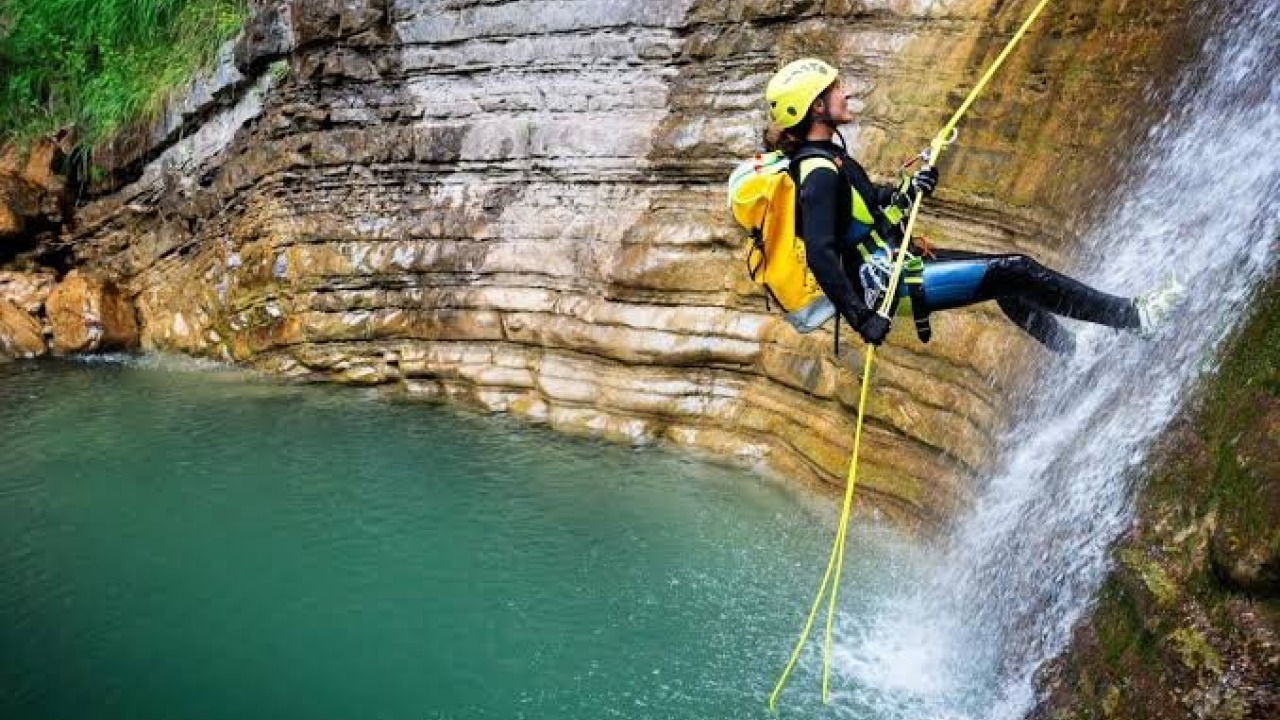
As the terrain steepens, waterfall abseiling (rappelling) comes into play. Participants are secured to steel bolt stations fixed into the rock using safety ropes, descending the vertical walls backward through the cool spray of the falls.
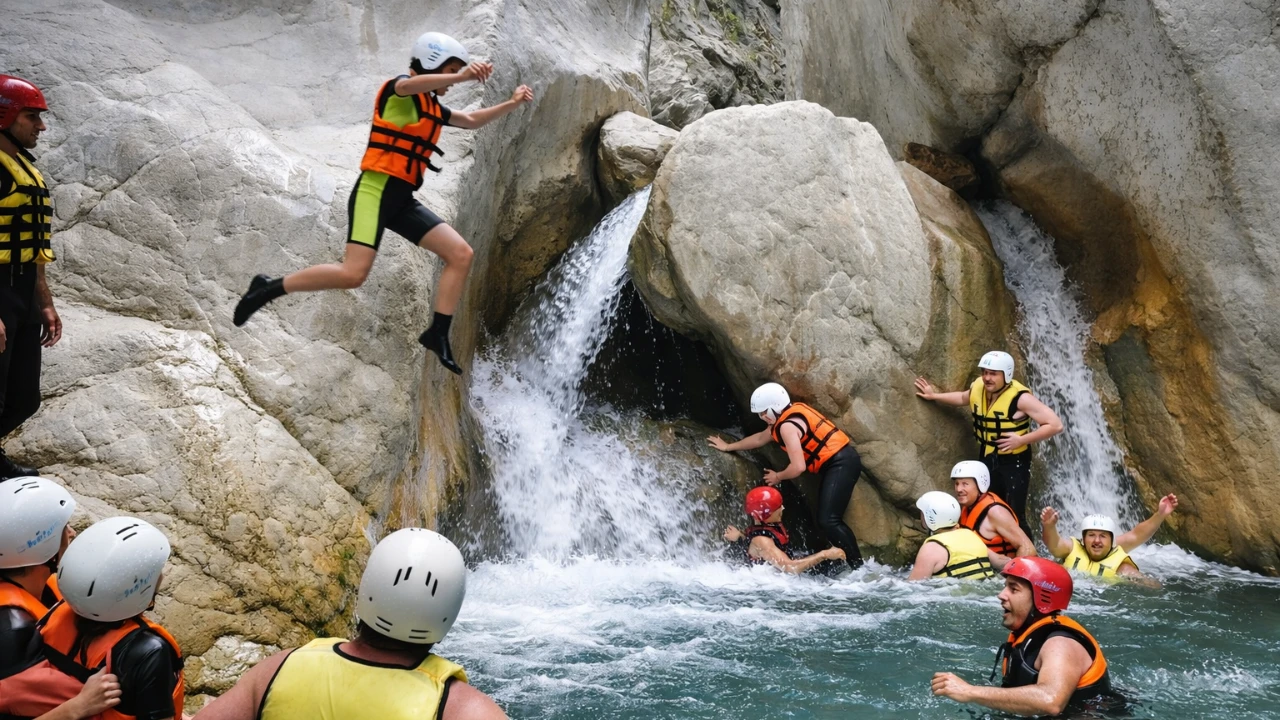
Controlled jumps into natural rock pools are often the most exhilarating moments of the tour. However, the water depth and bottom composition of every jump point are always verified beforehand by the lead guide.
Neoprene Wetsuits and Thermal Protection
Because canyon waters are fed by deep mountain snowmelt, they remain extremely cold. Prolonged exposure to these temperatures can lead to muscle cramps and hypothermia.
This is why professional 5mm neoprene wetsuits are mandatory on canyoning tours. A thin layer of water enters the suit and is warmed by your body heat, creating a natural thermal insulation shield.
Additionally, neoprene booties and non-slip canyon shoes are essential to prevent frostbite and ensure stability on slippery, wet rocks.
Climbing Helmets and Rockfall Safety
On steep canyon walls reaching hundreds of meters, there is always a risk of small stones or debris falling from above. Therefore, a climbing helmet must never be removed from the moment you enter the canyon until you exit.
The chin strap must be securely fastened to ensure a perfect fit. The helmet protects against both falling objects and impact against the canyon walls should you slip.
To maintain the balance of the ecosystem and prevent rock movement, participants should avoid unnecessary shouting or throwing stones within the canyon.
Comparing Canyon Difficulty Levels and Participant Criteria
Canyon routes are categorized using international grading systems based on valley narrowness, waterfall height, and water velocity. Starting with a route that matches your experience level ensures a safe progression.
The table below compares the difficulty classes and requirements for canyoning in Turkey:
| Difficulty Class | Number of Abseils | Max Waterfall Height | Swimming Distance | Who Can Join? |
|---|---|---|---|---|
| Level 1 (Beginner) | 1 or 2 easy descents | 5 to 8 Meters | Short pool swims | Families and teens on their first canyoning trip |
| Level 2 (Intermediate) | 3 to 6 technical descents | 10 to 18 Meters | Continuous current swimming | Fit and active adventure seekers |
| Level 3 (Advanced) | 7 or more descents | 20 to 45 Meters | Long stretches of cold water | Experienced athletes with rope training |
| Extreme / Exploration | Numerous technical stages | 50+ Meter massive falls | Challenging siphon passages | Professional canyon rescue teams |
We highly recommend that first-timers choose Level 1 family-friendly routes. As your confidence and experience grow, you can aim for higher-intensity waterfalls.
A 5-Step Safety Protocol for a Secure Canyon Crossing
The best way to minimize risk in outdoor sports is to implement a disciplined safety protocol. Here are the five fundamental rules followed by mountain guides and canyoning federations:
- Safety Briefing & Gear Adjustment: At the canyon entrance, all harnesses, helmets, and wetsuits must be adjusted for a perfect, secure fit.
- Dry Land Rope Practice: Before reaching a waterfall, participants should practice using the figure-eight descender and proper rope handling on low rocks.
- The Double-Safety Rule for Abseiling: While the participant descends on the main rope, the guide provides immediate braking support using a secondary safety line.
- Never Jump into Unknown Water: No one should jump into a rock pool or pond until the guide has measured the depth and given the "all clear."
- Maintaining Group Order: Never stray from the group. The next person should not begin their descent until the person ahead has completed it and exited the pool.
Strict adherence to these rules ensures the tour is completed successfully and joyfully. Respecting the rules of nature is the cornerstone of mountaineering ethics.
Flash Floods and Weather Monitoring
The greatest natural risk in canyoning is a "flash flood", where sudden, heavy rainfall in the upper reaches of the mountain causes water levels to rise meters in minutes.
Professional tour operators monitor regional meteorological radar covering the entire canyon basin in real-time. If there is any risk of storms or heavy downpours in the catchment area, canyon crossings are canceled immediately.
If the water becomes suddenly murky or the flow increases rapidly while inside the canyon, guides will immediately move the group to high-ground safety shelves. This meteorological awareness is vital for life safety.
Proper Body Positioning for Rock Jumps
When jumping into canyon pools under guide supervision, maintaining the correct body form absorbs the impact of the water. During a jump, arms should be crossed over the chest and legs held tightly together.
Never jump head-first or stomach-first; always enter the water in a vertical "pencil" position. Slightly bending the knees the moment your feet hit the water helps soften the impact.
A well-executed jump provides a massive adrenaline rush and a sense of accomplishment. Safe technique is the key to true fun.
Turkey's Majestic Natural Trails and Biodiversity
Beyond being an adventure playground, Turkey's canyons are protected habitats for endemic plants and wildlife. Near the foothills of Göynük Kanyon, ancient pines and wild orchids cling to the steep cliffs.
In the Köprülü Kanyon and Tazı Kanyonu regions, you can often spot red hawks and eagles soaring overhead. In the cool pools of the valleys, native red-spotted mountain trout thrive.
To protect these sensitive ecosystems, the General Directorate of Nature Conservation and National Parks prohibits lighting fires or leaving trash on the trails. Environmentally conscious adventurers help keep these valleys pristine.
Energy Management and Nutrition Inside the Canyon
Fighting cold water and climbing steep terrain accelerates calorie consumption significantly. Therefore, it is essential to replenish energy during short breaks mid-tour.
Guides carry waterproof dry barrels containing dried figs, walnuts, hazelnuts, and energy bars. These light but nutrient-dense snacks stabilize blood sugar and help prevent shivering.
For hydration, only clean mountain spring water approved by the guide should be consumed. Athletes who manage their energy correctly stay vigorous until the very end of the tour.
The Exit Ritual: Warmth and Celebration
Emerging from the steep canyon walls into the sunlight brings an indescribable sense of victory. Once the wet neoprene is removed and dry cotton clothing is put on, the body warms up rapidly.
A hot cup of mountain tea or fresh soup brewed at the base station washes away the canyon's chill. Participants share the pride of having conquered such a challenging terrain.
Overcoming nature's obstacles through teamwork builds unbreakable bonds between participants. A canyoning adventure becomes a lifelong turning point.
Packing List: What to Bring on Your Canyoning Tour
To maintain comfort during a demanding canyon day, ensure you have the following essentials:
- Swimwear for Under the Wetsuit: Seamless, non-abrasive, and form-fitting synthetic swim shorts or suits.
- Old Athletic Shoes with Grip: Lace-up fabric sneakers with strong traction for wet rocks (Do not use flip-flops or sandals).
- Large Microfiber Towel & Dry Clothes: A thick fleece jacket, sweatpants, and dry socks to change into immediately after exiting.
- Glasses Strap: A secure cord to prevent prescription glasses from falling into the water.
- Waterproof Action Camera & Chest Mount: To capture your waterfall descents hands-free.
Using daily contact lenses is often more comfortable than glasses during water splashes. Rings and bracelets should be removed before the trip to avoid snagging on ropes.
Frequently Asked Questions 5
Do I need professional mountaineering training for canyoning?
No. For beginner and intermediate canyoning routes, experienced mountain guides will provide detailed instruction on abseiling and swimming techniques before the tour begins.
Is wearing a neoprene wetsuit mandatory?
Yes. Since canyon spring waters are typically between 10-14°C, wearing a 5mm neoprene wetsuit is mandatory to prevent the risk of hypothermia.
How is safety ensured during waterfall abseiling?
Participants are secured to a double-safety rope system using harnesses, carabiners, and figure-eight descenders; all descents are performed under strict guide supervision.
What are the age and fitness requirements for canyoning tours?
A minimum age limit of 12-14 years applies. Any healthy individual without heart conditions and with basic swimming skills can participate.
Where are the most popular canyoning routes in Turkey?
The most well-known routes include Göynük Kanyon in Antalya, the foothills of Köprülü Kanyon, Valla Kanyon in Kastamonu, and Saklıkent in Muğla.