
Beyond its turquoise bays and bougainvillea-draped white houses, the Bodrum peninsula is home to a culinary heritage as rich as its history. The generosity of the Mediterranean climate, the tradition of foraging wild greens brought by Cretan settlers, and the region's ancient olive groves have transformed the local table into a showcase of characteristic Aegean flavors. Bodrum cuisine is built on three pillars: the lightness of olive oil, the freshness of seasonal herbs, and the simplicity of the day's fresh catch. At Travel Tour Shop, we’ve used our local expertise to map out the "what to eat in Bodrum" experience—from foraging-inspired appetizers to the legendary Çökertme Kebab and aromatic mandarin desserts. Whether you are a foodie or a casual traveler, here is your comprehensive guide to the tastes of Bodrum.
Quick Facts
| Category | Details |
|---|---|
| Region | Muğla, Bodrum peninsula (Aegean Coast) |
| Culinary Style | Olive oil-based, seasonal, focused on wild greens and seafood |
| Must-Try Dishes | Çökertme Kebab, stuffed zucchini blossoms, sautéed wild greens, grilled octopus, fried calamari |
| Desserts | Lokma, mastic desserts, mandarin ice cream, mandarin jam |
| Best Season | Spring (for wild greens), Summer and early Autumn (for seafood) |
The Essence of Bodrum Cuisine: Olive Oil and Seasonality
To truly understand the gastronomy of Bodrum, one must look at two fundamental elements: olive oil and seasonality. Cold-pressed olive oil, extracted from the region's centuries-old trees, is the backbone of the kitchen. It isn't just for cooking; it's the star of every meze, herb salad, and pastry. This light, aromatic oil defines the overall character of the Bodrum table.
The second pillar is seasonality. In Bodrum, the menu is dictated by what the earth provides at that exact moment. In the spring, wild herbs gathered from the mountains and fields color the plates; in the summer, sun-ripened vegetables and fresh seafood take center stage. Local markets are preferred over processed foods. The central Bodrum market (held on Fridays) and the Bitez market are the best spots to find hand-picked wild greens and artisanal olive oils directly from the producers.
Another layer of this cuisine is its historical fusion. The herb culture brought by Cretan migrants merged with local farming habits to create a unique culinary language. For those who want to experience Bodrum's flavors beyond a restaurant menu, we invite you to explore our gastronomy and organization tours category.
Aegean Wild Greens: The Soul of the Table
What makes Bodrum's cuisine truly unique is the abundance of wild, foraged greens. These vibrant herbs, which fill the market stalls in spring, are typically paired with olive oil and lemon. Some of the most celebrated local greens include radish greens, mustard greens, samphire (sea beans), and mallow.
Here are the standout wild greens you should try:
- Şevketi bostan (Golden Thistle): A slightly bitter Aegean herb from the thistle family. It is usually cooked with meat or prepared as an olive oil dish; it's a staple in the lunch menus of local eateries.
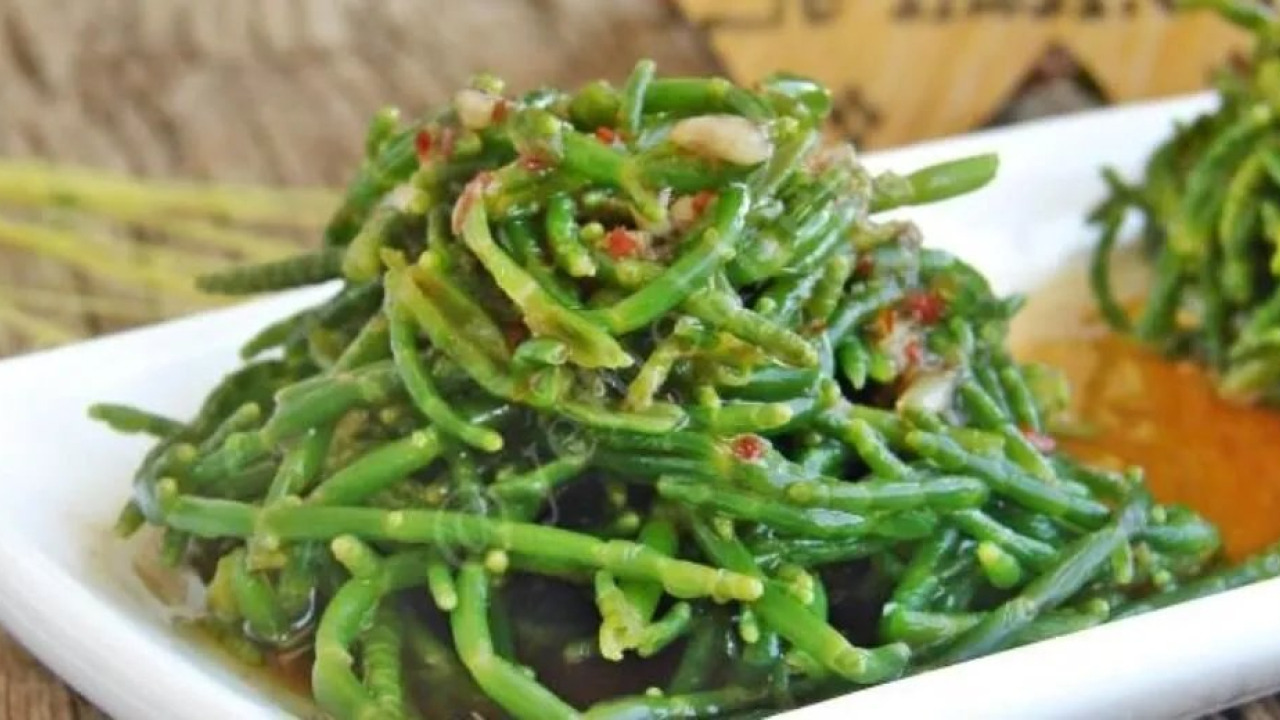
- Deniz börülcesi (Samphire/Sea Beans): Growing along the coast, this crunchy green is boiled and served as a salad with olive oil, garlic, and lemon.
- Radish and Mustard Greens: Classic additions to fish tables and meze platters, usually consumed raw with a squeeze of lemon.
- Radika (Chicory) and Arapsaçı: Known for their slightly bitter notes, these are enjoyed either sautéed or boiled.
- Mallow and Dock: These tender greens are used both in fresh salads and as fillings for traditional pastries.
- Sautéed Bitter Herbs (Acıot): As the name suggests, this dish has a distinct bitterness, balanced by sautéing with garlic and olive oil.
Herb Pastries and Sautéed Greens
In local bakeries and during village breakfasts, you'll often find "otlu börek"—a flaky pastry filled with a harmonious blend of arapsaçı, mallow, dock, and curd cheese. The combination of hand-rolled thin dough and olive oil gives it a unique texture. Sautéed greens vary by the day; whatever is freshest at the market ends up on the plate. This flexibility is the clearest indicator of Bodrum's farm-to-table nature.
Signature Dishes: Çökertme Kebab and Hearty Classics
While Aegean cuisine is known for its vegetables, Bodrum also boasts impressive meat dishes. The most famous signature dish is undoubtedly the Çökertme Kebab. It consists of matchstick-thin, crispy fried potatoes topped with strained garlic yogurt, and crowned with julienned beef or tenderloin slices. Finished with a drizzle of sizzling butter and tomato sauce, it is a quintessential Bodrum dinner.
Another delicate masterpiece is the stuffed zucchini blossom (kabak çiçeği dolması). These blossoms are picked at the first light of dawn before they close. They are carefully stuffed with a mixture of rice, onions, mint, dill, and olive oil, then simmered on low heat. They can be served as a cold olive oil appetizer or a light starter.
Bodrum's traditional wedding and community feasts also offer a glimpse into its authentic side:
- Keşkek: A traditional celebratory dish made from wheat and meat (beef or chicken) slow-cooked and beaten until it reaches a creamy consistency, topped with sizzling butter and red pepper flakes.
- Lokum Pilavı: A historic local dish where handmade dough is cut into tiny squares, dried, and then cooked in meat broth.
- Papaz Yahnisi (Priest's Stew): A rich, aromatic stew made with pearl onions, garlic, vinegar, and beef, reflecting the multicultural history of the Mediterranean.
- Meat with Chickpeas and Tatar: Hearty classics often served at local gatherings.
- Bodrum Vegetable Doner: A unique street food where layers of meat are interspersed with potatoes, carrots, peas, and green peppers, known for its juicy texture.
From Sea to Table: Bodrum Seafood
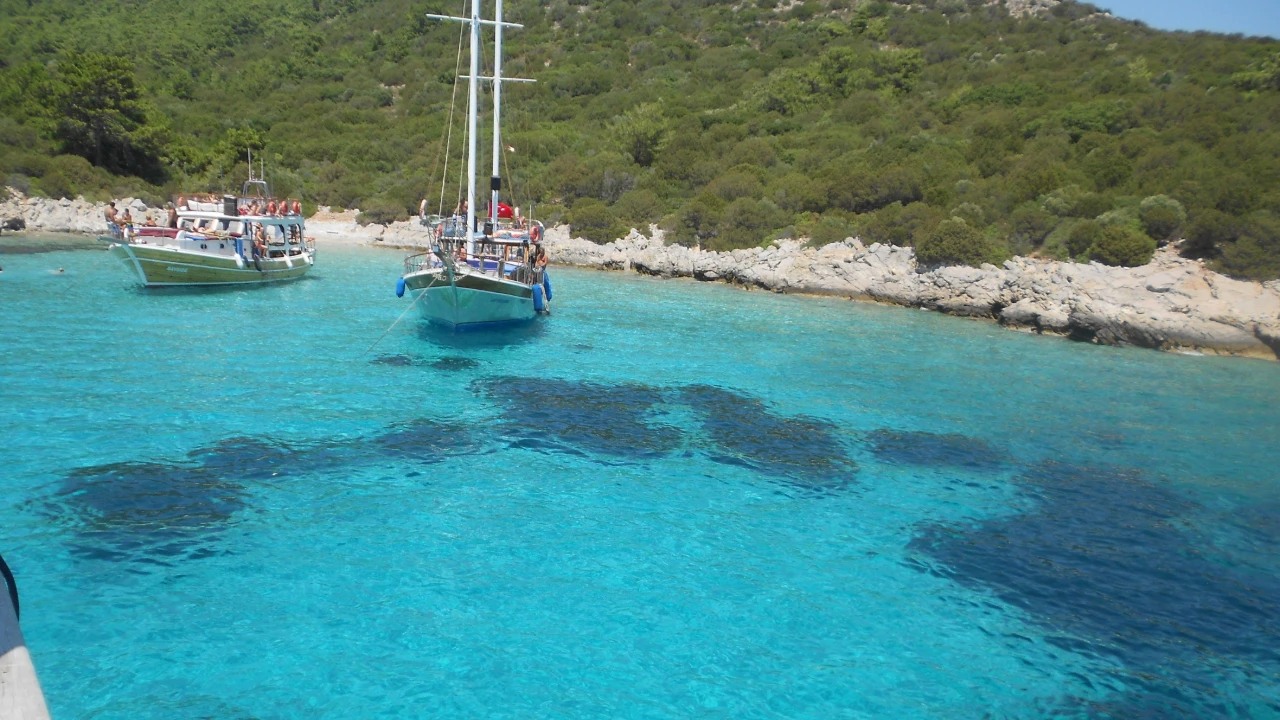
The clean, flowing waters of the Aegean Sea provide Bodrum with an incredible variety of seafood. Fish restaurants in coastal towns like Gümüşlük, Yalıkavak, and Türkbükü bring the freshest catch directly to your table. For those who want to discover these flavors while cruising, our Bodrum boat and ship tours category offers the perfect way to see the bays and coastal towns together.
Must-try seafood delicacies include:
- Grilled Octopus and Octopus Rice: Octopus caught in rocky bays is tenderized and slow-grilled over charcoal for a crispy exterior and juicy interior. Octopus rice, prepared with tomatoes, garlic, and olive oil, is a favorite warm starter in local taverns.
- Fried Calamari: Fresh local calamari is lightly floured and fried to perfection, served with a creamy tarator sauce.
- Cuttlefish Salad: Cuttlefish is boiled and marinated with olive oil, capers, and fresh herbs to create a refreshing cold salad.
- Sour Bonito (Ekşili Palamut): A traditional fisherman's dish where bonito is baked with plenty of lemon, garlic, tomatoes, and bay leaves.
- Stuffed Mullet (Kefal Dolması): A labor-intensive local specialty where the fish is stuffed with a spiced rice filling and oven-baked.
These seafood dishes are perfectly complemented by the aforementioned wild greens like samphire and radish greens.
Olive Oil Dishes, Artichokes, and Bodrum Sweets
The lighter side of the Bodrum table is dominated by "zeytinyağlılar" (dishes cooked in olive oil). Okra and green beans cooked in olive oil are classics found in every hotel and restaurant. In the spring, artichokes take center stage; olive oil artichokes prepared with peas, carrots, and dill are among the most elegant dishes of the season. Stuffed peppers and various marinated vegetables further enrich the meze platters.
For dessert, Bodrum offers simple yet characteristic options. Lokma, a syrup-soaked fried dough ball, is a beloved street treat. Mastic-flavored desserts and milk-based puddings are ideal for those seeking a lighter finish. In the summer heat, ice cream is the undisputed king.
The Certified Bodrum Mandarin
You cannot talk about Bodrum's cuisine without mentioning the mandarin. With its thin skin, intense aroma, and juicy pulp, the Bodrum Mandarin is a geographically certified regional specialty. Mandarin jam, made by cooking the peel to remove the bitterness, is an aromatic breakfast staple. Mandarin Turkish delight and chocolates are the go-to gourmet souvenirs. For a refreshing summer treat, try the mandarin ice cream in Bitez.
Where to Eat in Bodrum
To truly experience the cuisine, it helps to know which area offers which vibe:
- Gümüşlük and Coastal Towns: Famous for tables set right in the water, Gümüşlük is the place for fresh fish and seafood. Enjoying fried calamari and sea beans during a sunset is the quintessential coastal experience. Yalıkavak and Türkbükü offer a similar upscale seafood atmosphere.
- Bitez and Ortakent: These areas are perfect for village breakfasts in stone houses surrounded by mandarin groves. Expect homemade jams, local cheeses, hot herb pastries, and freshly squeezed mandarin juice.
- Bodrum Center "Esnaf" Restaurants: In the backstreets of the bazaar, these traditional eateries serve stuffed zucchini blossoms, şevketi bostan, and home-style stews during lunch. Vegetable doner is the classic street food of the center.
- Local Markets: The central Friday market and the Bitez market are essential stops for those who want to see the source of the olive oil and wild greens.
How to Plan Your Bodrum Gastronomy Route?
A planned approach makes the culinary journey more rewarding. First, consider the season. If your goal is to taste the wild Aegean greens and experience the vibrant markets, spring is the ideal time. For the best seafood and the lively atmosphere of beach restaurants, summer and early autumn are best.
Second, organize your route by region. Dedicate one day to a seafood feast in the coastal towns, and another to a village breakfast and the local eateries in the center. Since popular fish restaurants can get crowded in the summer, making a reservation is highly recommended.
At Travel Tour Shop, we suggest a region-based plan for travelers who want to know Bodrum not just through its sights, but through its flavors. To build a gastronomy-focused itinerary or combine it with other activities, browse all our tour options and create a program that suits your palate.
Frequently Asked Questions 6
What should I eat in Bodrum?
The highlights of Bodrum's cuisine include Çökertme Kebab, stuffed zucchini blossoms, sautéed wild greens, grilled octopus, fried calamari, and various olive oil-based dishes. Aegean wild herbs and fresh seafood are the two main pillars of the cuisine. For dessert, try lokma or mandarin ice cream.
What are the traditional dishes of Bodrum?
Traditional flavors include Çökertme Kebab, lokum pilavı, keşkek, stuffed zucchini blossoms, herb pastries, and wild greens like samphire and şevketi bostan. Seafood specialties like sour bonito and stuffed mullet are also highly recommended.
Which wild greens are common in Bodrum cuisine?
Greens such as şevketi bostan, samphire, chicory, radish greens, mustard greens, mallow, and arapsaçı are common. These are typically prepared as salads with olive oil and lemon or sautéed.
Where is the best place to eat seafood in Bodrum?
Coastal towns like Gümüşlük, Yalıkavak, and Türkbükü are the top choices for fresh fish and seafood. The waterfront restaurants in these areas specialize in grilled octopus, fried calamari, and the daily catch.
What is the best season to experience Bodrum's cuisine?
Spring is the best time for those wanting to taste the widest variety of wild Aegean greens and visit the markets at their peak. Summer and early autumn are ideal for seafood and the vibrant beach restaurant scene.
Why is the Bodrum Mandarin so famous?
The Bodrum Mandarin is a certified regional product known for its thin skin and intense aroma. It has become a gastronomic symbol of the region through products like mandarin jam, mandarin Turkish delight, and mandarin ice cream.