
The cuisine of the Black Sea region is a soulful reflection of its landscape—a rustic yet bold culinary tradition built around three pillars: anchovies, corn, and collard greens. From the sizzling pan-fried hamsi and the stretchy goodness of mıhlama (kuymak) to the earthy depths of karalahana sarması and the sweet layers of Laz böreği, this region offers a flavor profile unlike any other in Turkey. Rather than relying on heavy spices, the Black Sea table celebrates the freshness of the sea, wild highland herbs, and rich mountain butter. Stretching from Rize to Samsun and Artvin to Kastamonu, the food evolves with the geography. In this guide, we explore the essence of Black Sea cuisine, highlighting its standout dishes, regional variations, wild greens, and the legendary breakfast culture.
At Travel Tour Shop, we operate on the ground, personally vetting gastronomy routes and highland programs to ensure they meet our high standards. Below, you will find a comprehensive overview of the region's culinary landscape, allowing you to plan your gastronomic adventure before you even land.
Quick Facts
| Feature | Detail |
|---|---|
| Region | Black Sea (Rize, Trabzon, Ordu, Giresun, Samsun, Artvin, Sinop, Kastamonu) |
| Culinary Character | Simple and natural; centered on anchovies, corn, and collard greens; lightly seasoned |
| Signature Dishes | Hamsi tava, hamsili pilav, mıhlama/kuymak, karalahana sarması, Laz böreği, corn bread, regional pide |
| Desserts | Laz böreği, pepeçura, milk-based desserts, Hamsiköy sütlaç |
| Best Season | Winter for anchovies; Spring and Summer for highland herbs and fresh greens |
The Three Pillars of Black Sea Cuisine
To understand the food of the Black Sea is to understand its land. With its steep slopes, relentless rain, and fragmented farmland, the people of this region have mastered the art of creating rich flavors from limited, local resources. Three ingredients define the identity of this kitchen: anchovies (hamsi), collard greens (karalahana), and corn flour.
Hamsi is more than just a fish; it is a cultural icon, the subject of folk songs and jokes, and the primary source of joy during the winter months. The creativity applied to this tiny fish is astounding, ranging from the classic hamsi tava to hamsili pilav (anchovy pilaf), hamsi kuşu (anchovy "birds"), and even anchovy-topped bread.
Karalahana, often referred to as "pancar" locally, is a hardy green that stays vibrant even under a blanket of winter snow. When simmered with corn grits, white beans, and animal fat, it transforms into the region's most comforting soups and rolls.
Corn flour is the backbone of the Black Sea table. Because the rainy climate is less suited for wheat, corn became the primary carbohydrate source, appearing in everything from bread and soups to desserts and fish coatings. When combined with the fragrant Vakfıkebir butter—produced from cows grazing in high alpine meadows—corn flour becomes the base for the region's most iconic dish: mıhlama.
Signature Dishes of the Black Sea
When people think of Black Sea cuisine, a few legendary dishes immediately come to mind. Here are the absolute must-try plates from across the region.
Anchovies and Hamsi Specialties
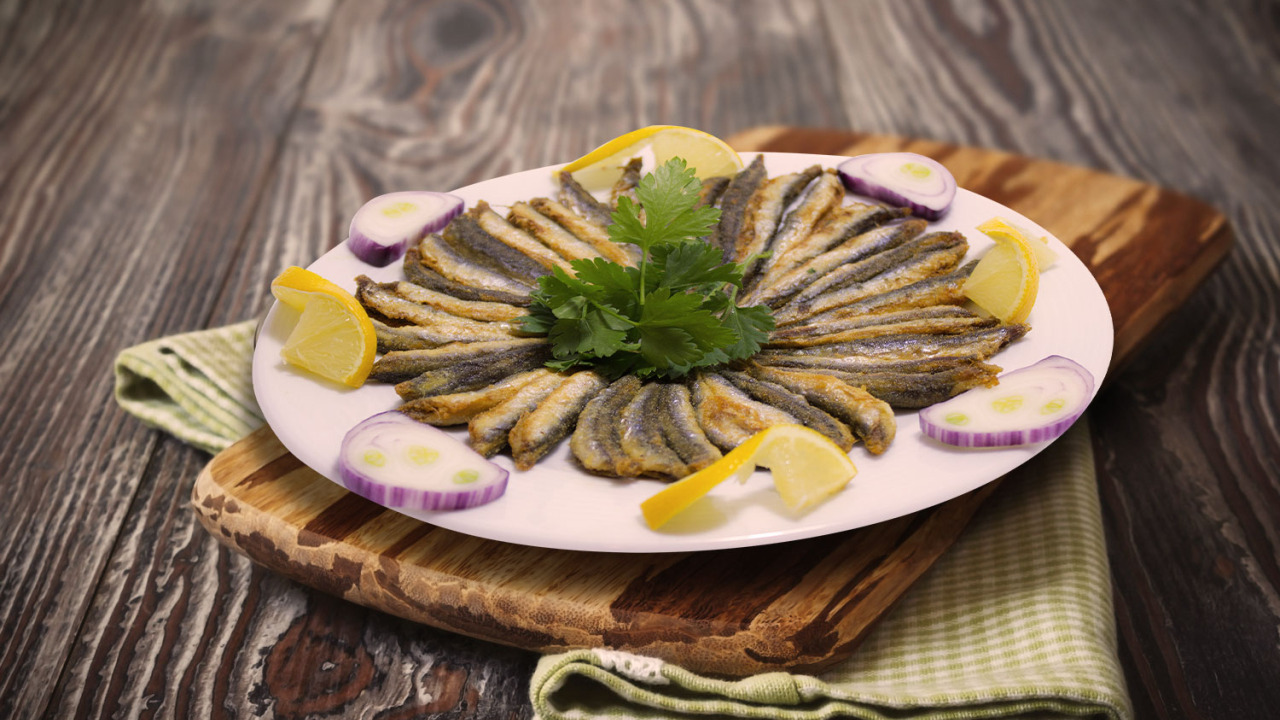
Hamsi tava is the most beloved and straightforward way to enjoy anchovies. Cleaned fish are salted, coated in corn flour, and arranged in a circular pattern in a special double-sided pan, fried until golden and crispy. For something more sophisticated, hamsili pilav is a centerpiece of local feasts: a savory rice filling with onions, pine nuts, currants, and spices is encased in a shell of boneless anchovies and baked to perfection.
Mıhlama and Kuymak
Known as kuymak in Trabzon and mıhlama in Rize and Artvin, this dish is the ultimate symbol of the region. It is a rich, cheesy cornmeal fondue characterized by its incredible "stretch" and the aroma of melted butter. Butter is melted in a copper pan, corn flour is toasted, and then water or milk is added. Finally, local cheeses like kolot or çeçil are stirred in over low heat until the cheese reaches a gooey, elastic consistency. In Artvin, you might find variations like havits, where the cheese is melted and topped with a dusting of corn flour.
Collard Green Rolls and Soup
Karalahana is a staple in two forms: sarması (rolls) and çorbası (soup). Karalahana sarması consists of hearty collard leaves stuffed with a filling of rice or corn grits. Karalahana çorbası is a thick, nourishing winter soup made with corn grits and white beans. Both dishes embody the region's philosophy of simple, earth-to-table cooking.
Laz Böreği
Despite its name (which means "Laz pastry"), Laz böreği is actually a dessert. It consists of paper-thin layers of phyllo dough filled with a thick, creamy vanilla custard, baked, and then drenched in a warm sugar syrup. The contrast between the crispy pastry and the velvety custard makes it one of the region's most prized sweets.
Black Sea Pide and Cornbread
Regions like Sürmene, Bafra, and Espiye each have their own unique take on pide. Black Sea pide is typically long, thin, and crisp, topped with minced meat, kolot cheese, or kavurma (preserved meat). The finishing touch is a generous dollop of highland butter applied just before serving. Alongside this, mısır ekmeği (cornbread) is a dense, stone-oven classic, often enjoyed warm and crumbled into yogurt.
West, Central, and East: A Regional Flavor Map
The Black Sea region is not a monolith. As the climate and vegetation shift from west to east, so does the food. This diversity ensures that the cuisine is far more than just fish and cheese.
West Black Sea (Kastamonu, Sinop, Bartın, Zonguldak)
The West is influenced by Central Anatolia and Bolu, with a strong emphasis on forest products and hunting. Kastamonu's etli ekmek (meat bread) and bandma (a turkey-based dish) showcase a rich dough-based tradition. Sinop mantısı is a unique take on Turkish ravioli, folded into ear-shapes and served with crushed walnuts and melted butter. Wild mushrooms, particularly the Kanlıca variety, are also highly prized here.
Central Black Sea (Samsun, Ordu, Amasya)
Thanks to the fertile Çarşamba and Bafra plains, the Central region boasts high agricultural diversity. Bafra and Terme pides are famous for their thin crusts and wood-fired finish. Nokul, a traditional pastry with walnuts or raisins, is a local favorite in Samsun and Sinop. Ordu's tables often feature sautéed wild greens like sakarca and melocan, while Samsun's çakallı menemeni is a legendary breakfast choice.
East Black Sea (Trabzon, Rize, Giresun, Artvin)
This is where the most characteristic elements of Black Sea cuisine reach their peak. The dominance of hamsi and karalahana is strongest here, as is the variety of highland cheeses. Giresun's plump hazelnuts and Rize's world-famous tea are central not just to the diet, but to the economy and culture. In Trabzon, you'll find unique local meatballs cooked over charcoal, adding another layer of richness to the region.
Wild Greens and Traditional Soups
While it may seem meat and fish-heavy, the humid climate fosters hundreds of edible wild plants, creating a powerful tradition of herb-based cooking.
Melocan (thistle tips) are harvested young and typically sautéed with onions. Sakarca, a wild garlic-onion hybrid, is often prepared as a scramble with eggs. Nettle (ısırgan otu) is used for hearty soups and purees, often thickened with corn flour and garlic. Pazı (pezik) is used for everything from pickles to rice-based stews.
On the soup front, karalahana çorbası leads the way, followed by nettle and corn-based soups. These dishes are masterclasses in creating deep flavor from minimal, wild ingredients.
Sweets of the Black Sea
Black Sea desserts lean away from heavy syrupy pastries and toward lighter, milk- and fruit-based treats. Beyond the aforementioned Laz böreği, the region offers pepeçura—a traditional pudding made from aromatic purple Isabella grapes. The grapes are crushed and simmered with corn flour and a touch of starch until thick, then served chilled. Its tart and light flavor is perfect for summer.
Milk-based desserts are also prominent, with Hamsiköy sütlaç (rice pudding) becoming a symbol of the region's dairy tradition. Kaygana, a flour-and-egg based dish, sits somewhere between a savory pancake and a sweet treat depending on the village.
The Black Sea Breakfast Ritual
A Black Sea breakfast is an experience in itself. At the center of the table is almost always a steaming pan of mıhlama or kuymak. This is accompanied by fresh cornbread, highland butter, honey, minci (curd cheese), and kolot cheese. Sautéed collard greens or seasonal wild herbs with eggs round out the spread.
The indispensable companion is Rize tea, served strong in traditional tulip-shaped glasses. In the highland houses, this natural breakfast becomes a ritual of slowing down and reconnecting with nature.
Where to Taste the Best of the Black Sea?
To truly experience this cuisine, you must taste it in its natural habitat. Fresh anchovies are best enjoyed at the fishing harbors along the coast, while kuymak and organic breakfasts are best served in copper pans high in the mountains. The plateaus of Ayder and Pokut in Rize, and the highlands around Trabzon, offer the perfect blend of scenery and flavor.
For those who want to explore the region systematically, gastronomy and nature tours are the best option. If you want to combine highland trekking with foraging and local cooking, our nature and adventure tours are a great starting point. For a more focused culinary journey, explore our gastronomy and organization tours. You can compare all our tour options to find the perfect itinerary.
No matter which route you choose, the secret of Black Sea cuisine lies in the freshness of the ingredients and the environment in which they are cooked. The same dish tastes different on the coast than it does on a mountain peak—make sure to experience both.
Frequently Asked Questions 6
What are the most famous dishes of the Black Sea region?
The most iconic dishes include hamsi tava (pan-fried anchovies), hamsili pilav (anchovy pilaf), mıhlama/kuymak (cheesy cornmeal), karalahana sarması (collard green rolls), karalahana çorbası (collard green soup), Laz böreği, regional pide, and corn bread. While these are common across the region, fish and greens dominate the East, while pastries are more prominent in the West.
What is the difference between mıhlama and kuymak?
They belong to the same family of dishes, but the proportions vary by region. Kuymak (typical of Trabzon) emphasizes cornmeal, uses less cheese, and is often made with water. Mıhlama (typical of Rize and Artvin) has a higher cheese content, is sometimes made with milk, and is known for its extreme stretchiness. In Artvin, you may also find "havits," where cheese is melted and topped with corn flour.
What are the most famous desserts in the Black Sea?
Standout desserts include the syrup-and-custard Laz böreği, the grape-based pepeçura, and the creamy Hamsiköy sütlaç (rice pudding). Kaygana is another traditional treat that can be prepared sweet or savory. Generally, Black Sea desserts are lighter, focusing on milk and fruit.
What are the traditional wild green dishes of the region?
The humid climate allows for a rich variety of wild greens. Popular dishes include sautéed melocan (thistle tips), sakarca (wild garlic), nettle dishes, and pazı (pezik) stews. These are usually sautéed with onions and butter or cooked with corn flour, with collard greens remaining the most central vegetable.
What is typically served for a Black Sea breakfast?
The centerpiece is usually hot mıhlama or kuymak. This is paired with corn bread, highland butter, honey, minci (curd cheese), kolot cheese, and seasonal sautéed greens. Rize tea is the essential beverage that completes the ritual.
Is West Black Sea cuisine different from East Black Sea cuisine?
Yes, there are distinct differences. The East focuses heavily on anchovies, collard greens, and mıhlama. The West is more influenced by the forests and Central Anatolian culture, leaning toward meat-filled pastries and wild mushrooms. For example, Kastamonu etli ekmek and Sinop mantısı are hallmarks of the West, while hamsili pilav and mıhlama define the East.