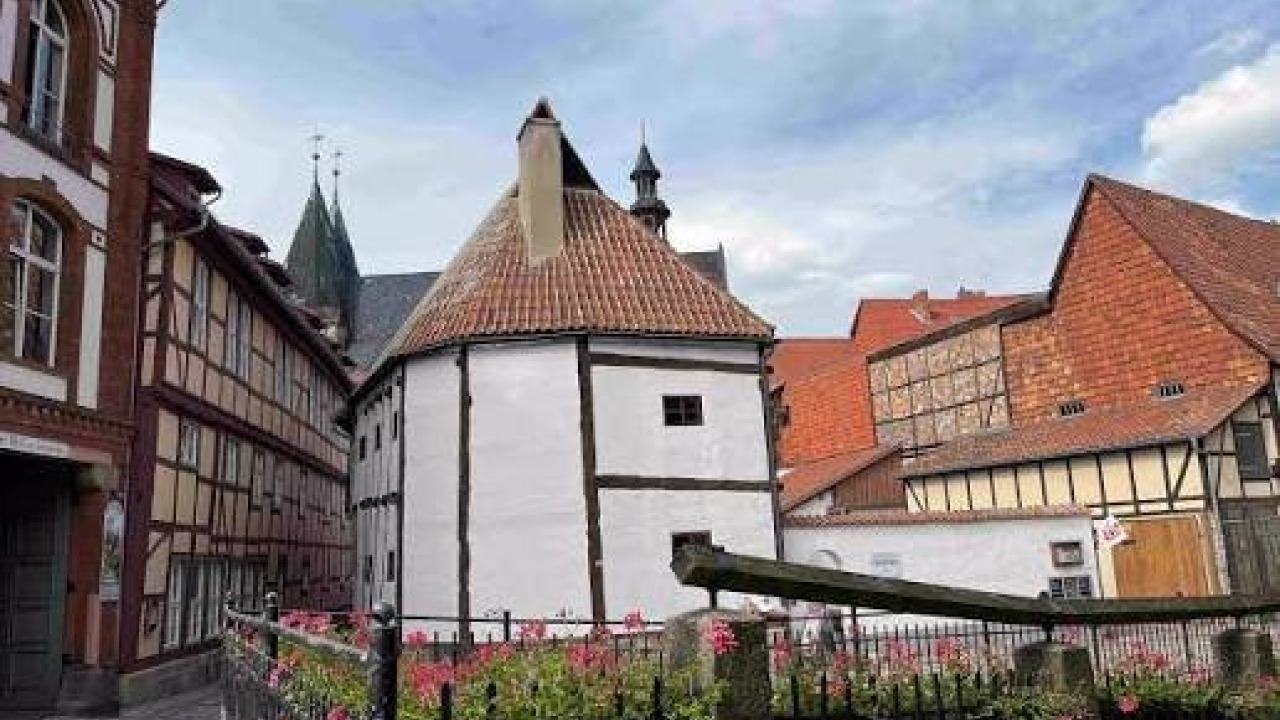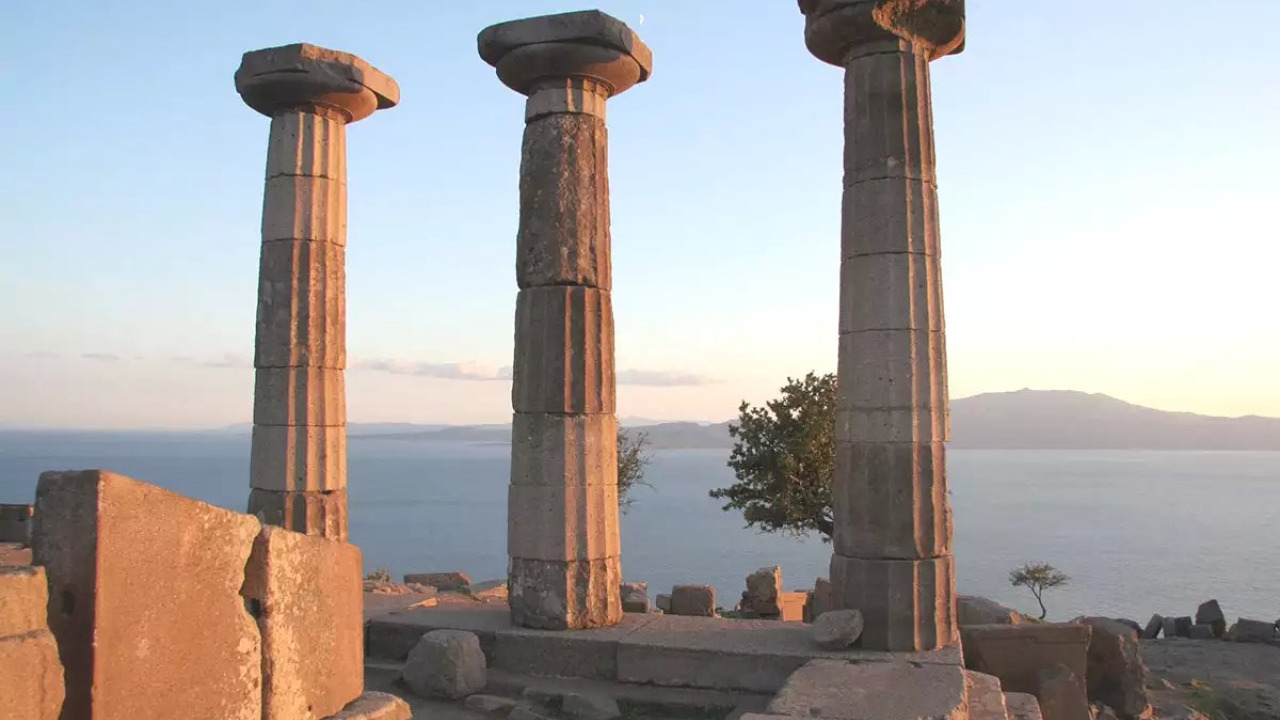
Assos Behramkale, a village in Çanakkale's Ayvacık district, is a fascinating destination that boasts two distinct layers of life under the same settlement name. Perched atop a volcanic hill, you'll find the ruins of an ancient city and charming stone houses, while at the end of a steep road, a small harbor opens up to the Aegean Sea. The Athena Temple, crowning the approximately 238-meter-high andesite hill, dates back to 540-530 BC; the city was added to UNESCO's Tentative List of World Heritage Sites in 2017. This guide treats the region not merely as a side stop on a broader Northern Aegean tour, but as a standalone destination, detailing how to structure your visit between the temple on the hill and the pier below, and how to integrate your trip into a Çanakkale provincial itinerary.
What Makes Behramkale Unique: The Temple on the Hill, The Harbor Below
According to historical sources, the city was founded around the 7th century BC by Aeolian settlers from Methymna (modern-day Midilli) on the opposite shore, becoming one of the prominent port cities of the Aeolis region. Ancient texts recount that Aristotle resided here for a period in the 4th century BC, and a circle of thinkers formed around him. This same coast is also mentioned in Christian history: According to the Acts of the Apostles, Saint Paul traveled by land from Troas to Assos and then sailed from here to Midilli.
Quick Facts
| Topic | Information |
|---|---|
| Location | Çanakkale Province, Ayvacık District, Behramkale village |
| Key Attractions | Athena Temple, ancient walls, necropolis, Hüdavendigar Mosque, stone bridge |
| Settlement Layout | Two tiers: Upper village (archaeological site) and lower pier (harbor) |
| Opposite Shore | Views of Midilli Island and Edremit Bay |
| Best Time to Visit | April-June and September-October |
| Transportation | Private car or minibus connection via Ayvacık |
| Note | Archaeological site entrance is paid, Museum Pass is valid |
Places to See in Assos Behramkale
Although the stops are close to each other, the elevation difference means a slower walking pace.
Athena Temple
The Athena Temple, located at the highest point of the acropolis, dates back to 540-530 BC and is renowned as an example of an archaic Doric temple in Anatolia, featuring a blend of Doric and Ionic details. Through its reconstructed columns, Edremit Bay and Midilli Island are visible. There is no shade on the plateau at midday; the late afternoon, when the light softens, is comfortable for both walking and photography.
Assos Walls and City Gates
The Hellenistic-era walls encircling the city, with their tower and gate remnants, are considered among Anatolia's best-preserved defense systems; their length is said to be approximately three kilometers. The path approaching the western gate offers the clearest view of the wall's height. Starting your archaeological site tour with the walls helps you visualize the city's boundaries.
Ancient Theater and Agora
Carved into the southern slope, the theater is positioned to have the sea as its backdrop; from the seating rows, the bay appears like a natural stage set. The agora, just above it, was the city's commercial and meeting area; the foundations of the stoa and remnants of the council building can be observed on this flat ground. Since the steps leading down to the theater are uneven, it's advisable to allocate separate time for both descent and ascent.
Necropolis and Assos Sarcophagi
Extending outside the city gate, the necropolis is notable for its sarcophagi and tomb monuments from various periods. In ancient sources, the origin of the word "sarcophagus" is linked to this region due to a characteristic attributed to Assos stone; though the narrative is debated, it speaks to the region's stone tradition. The tomb monuments along the roadside are quiet in the early morning hours.
Hüdavendigar Mosque
Adjacent to the archaeological site entrance, the domed mosque dates from the early Ottoman period and is dated to the 14th century in historical records. The structure incorporates reused ancient and Byzantine-era stones from the surroundings; traces of earlier ornamentation and inscriptions can be seen on the lintel of the entrance door. Despite its small scale, it beautifully illustrates the layered history of the region within a single structure.
Behramkale Stone Bridge
At the village entrance, the arched stone bridge over Tuzla Stream is widely believed to date back to the early centuries of the Ottoman period. Closed to vehicle traffic, it can be comfortably walked upon; the pebbled riverbed beneath provides a favorable angle for photography. A short break here before heading up to the village sets the right pace for your visit.
Assos Pier and Kadırga Bay
The pier, reached by a steep and narrow road from the upper village, is a small harbor where stone structures once used for storing acorn shells have been transformed into boutique hotels and fish restaurants. A walk along the quay takes just a few minutes, and when the sea is calm, you can enter the water from the steps. Kadırga Bay to the east, with its mix of sand and pebble beach, offers a larger area for swimming.
How to Get to Assos?
- Those arriving by private car should head approximately 85 kilometers south from Çanakkale city center, proceeding via Ayvacık; the turn-off for Behramkale from Ayvacık is about 20 kilometers.
- Those arriving by bus will arrive at Çanakkale or Ayvacık bus terminals; from Ayvacık, minibus and taxi connections are available to the village, though service frequency decreases outside of peak season.
- For those arriving by plane, the two closest airports are Çanakkale (CKZ) and Edremit Koca Seyit (EDO); road connections are required from both.
- Those coming from the south, via the Küçükkuyu and Assos coastal road, will reach the village by following the coastal road.
Parking in the Village and Descent to the Pier
The road between the upper village and the pier is narrow, steep, and occasionally constricted. During peak seasons, queues can form during descent by car, so leaving your vehicle in the upper village's parking lot and walking down is a practical solution. The descent takes approximately twenty minutes, while the return journey is longer due to the incline.
Tour and Program Options
While it's possible to explore Assos independently, touring the archaeological site, mosque, bridge, and pier area with a guided program makes it easier to appreciate the layers of history in sequence. For multi-stop programs combining the region with Troya Ancient City and Çanakkale city center, Çanakkale cultural tours options can be explored; those seeking broader itineraries focused on ancient cities can check out the historical city tours section.
Season and Timing
| Period | Advantage | Note |
|---|---|---|
| Spring (April-June) | Mild weather, green coastline | Favorable period for archaeological site walks |
| Summer (July-August) | Warm sea, pier businesses fully operational | Midday heat and parking congestion increase |
| Autumn (September-October) | Sea still warm, crowds decrease | Sunset times shift earlier |
| Winter (November-March) | Quiet village, clear views | Winds strengthen, limited pier businesses |
Dining and Accommodation Areas
Accommodation in the village is concentrated in two distinct characters: guesthouses converted from the stone houses of the upper village emphasize tranquility and walking distance to the archaeological site, while establishments at the pier highlight their beachfront location. Aegean herbs, olive oil dishes, and seasonal fish dominate the menu; the region's olive oil and cheese from nearby districts can be found in local markets.
| Area | Highlight | Suitable for |
|---|---|---|
| Upper village (Behramkale) | Stone house guesthouses, walking distance to archaeological site | History-focused travelers seeking quiet accommodation |
| Assos Pier | Waterfront hotels and fish restaurants | Those wanting beachfront stays |
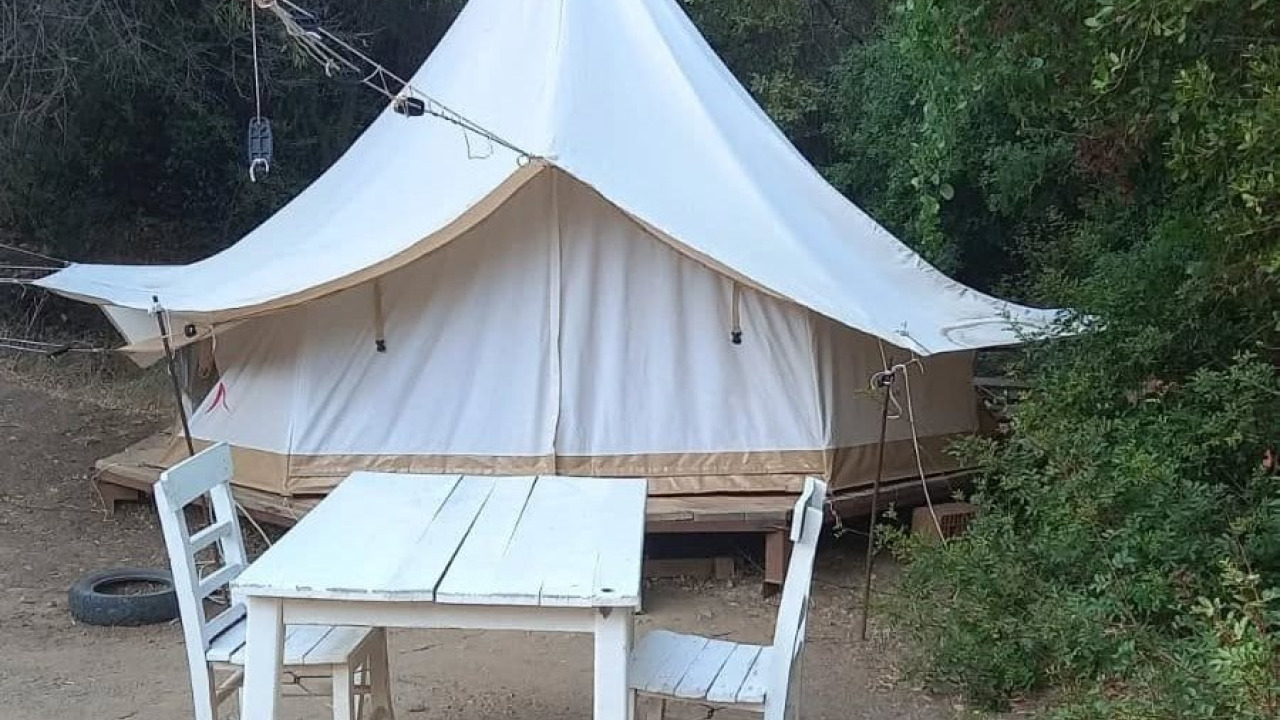
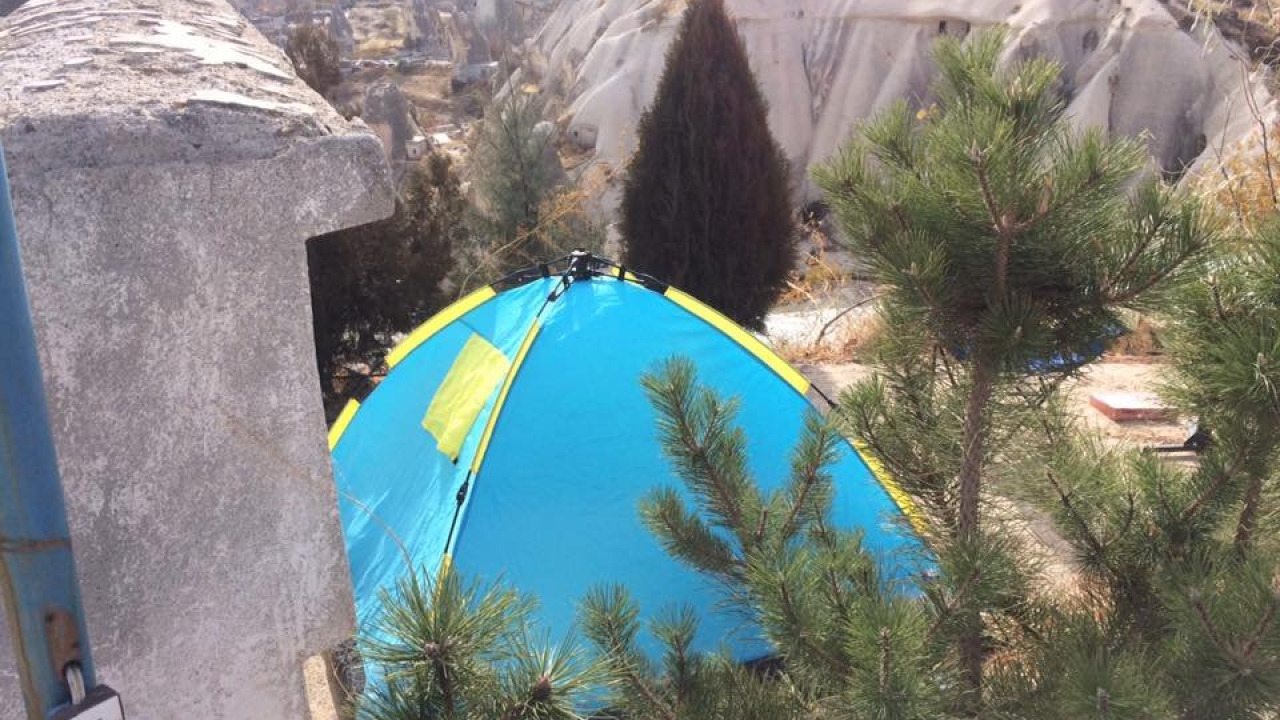
| Kadırga Bay | Wide beach, camping and bungalow options | Those planning a swimming-focused itinerary |
Tips Before You Go
- Shade is limited at the archaeological site; a hat, water, and sturdy shoes will make your visit more comfortable.
- If you plan to walk the path between the upper village and the pier, allow extra time for the return journey.
- Booking accommodation and dinner in advance during high season will reduce waiting times.
- Using a Museum Pass at the archaeological site entrance speeds up ticket procedures.
- To help preserve the site, avoid climbing on the ruins and stick to marked paths.
How Many Days to Allocate and How to Add to Your Çanakkale Itinerary?
Assos Behramkale requires a full day on its own: a morning visit to the bridge and mosque, an afternoon at the archaeological site, and late afternoon at the pier creates a comfortable flow. If you stay overnight, Kadırga Bay can be added the next morning. For those wishing to connect the trip to a provincial itinerary, Troya Ancient City and the museums in Çanakkale city center are suitable next stops for the second day; to plan different themes together, Çanakkale tours and cultural tours lists can be checked.
Frequently Asked Questions 6
Are Assos and Behramkale the same place?
Behramkale is the current name of the village in the Ayvacık district; Assos is the name of the ancient city located in the same area. The harbor section of the village, descending to the sea, is known as Assos Pier.
Can Çanakkale be explored in 1 day?
The city center and its immediate surroundings can be seen in one day, but Assos is far from the center. Instead of trying to squeeze Assos into the same day, allocating a separate day for it will create a more relaxed itinerary.
What should a Çanakkale travel itinerary look like?
A common approach is to start from the center, head towards Troya, and then proceed south along the Ayvacık and Assos route. Structuring the itinerary geographically prevents using the same road twice.
What is the most famous place in Çanakkale?
Troya Ancient City and the memorial sites on the Gallipoli Peninsula stand out in terms of visitor interest. Along the Northern Aegean coast, Assos and Bozcaada are well-known stops.
What are 10 places to visit in Çanakkale?
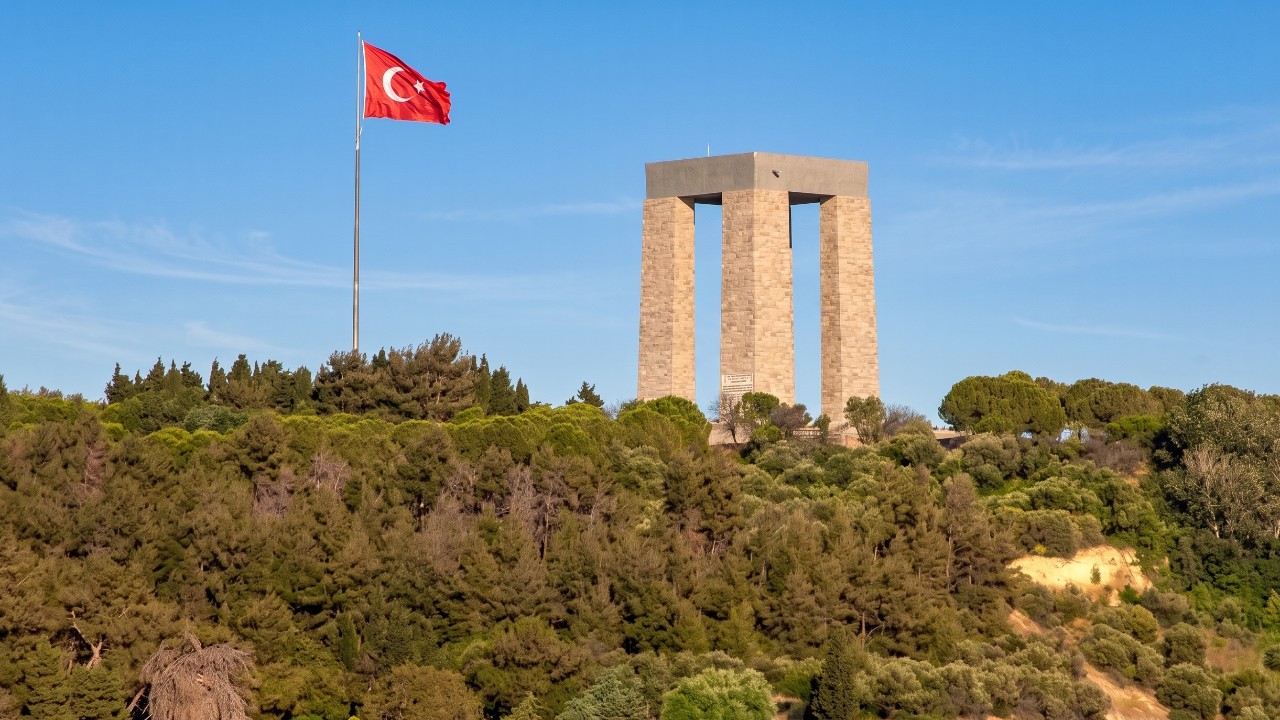
Troya Ancient City, Assos, Çimenlik Castle, Çanakkale Naval Museum, Aynalı Çarşı, Kilitbahir Castle Museum, Martyrs' Memorial, Namazgah Bastion, Bozcaada, and Çanakkale Clock Tower are commonly listed.
Can you drive down to Assos Pier?
Yes, you can, but the road is narrow and steep; during peak seasons, parking capacity fills up quickly. Leaving your car in the upper village and walking down is more practical for most visitors.