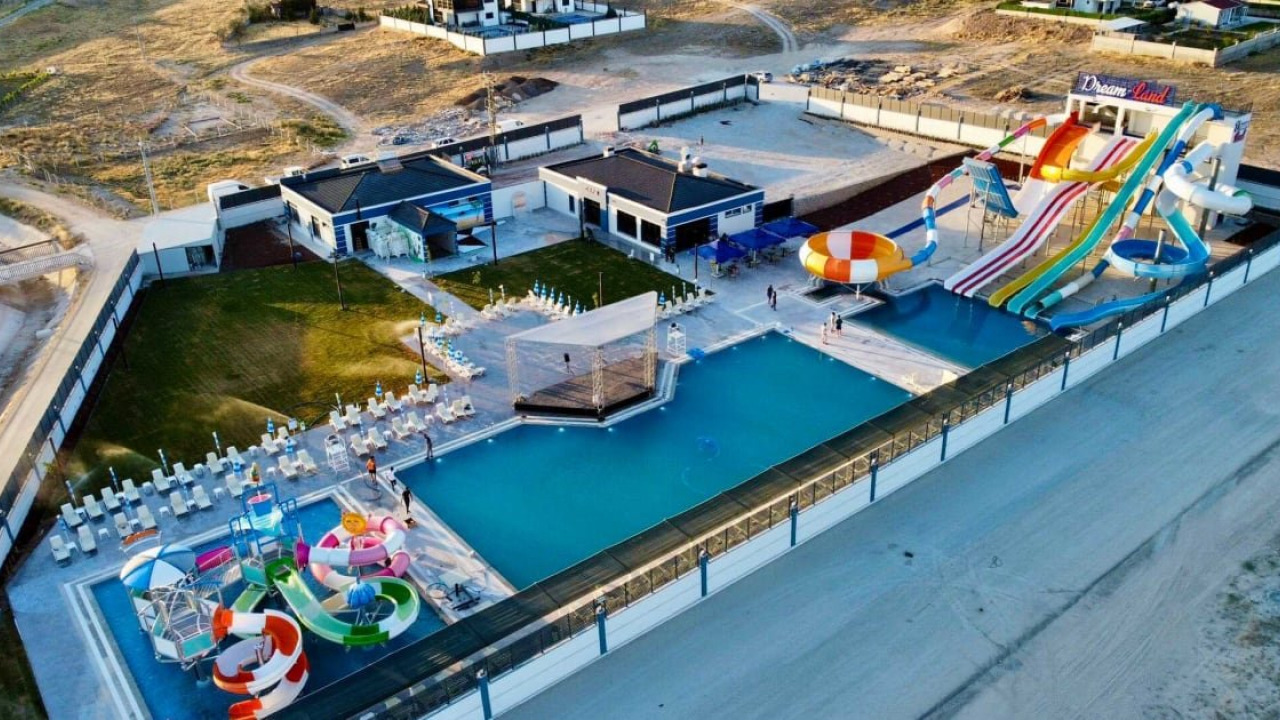

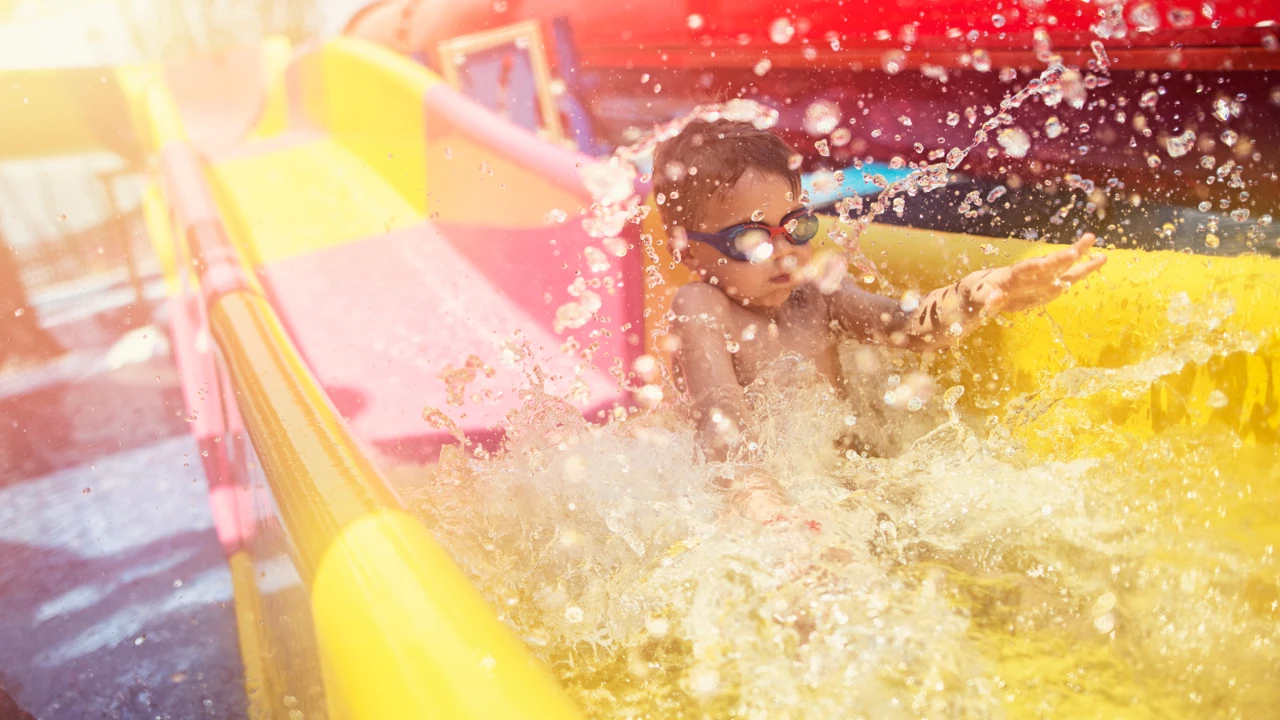
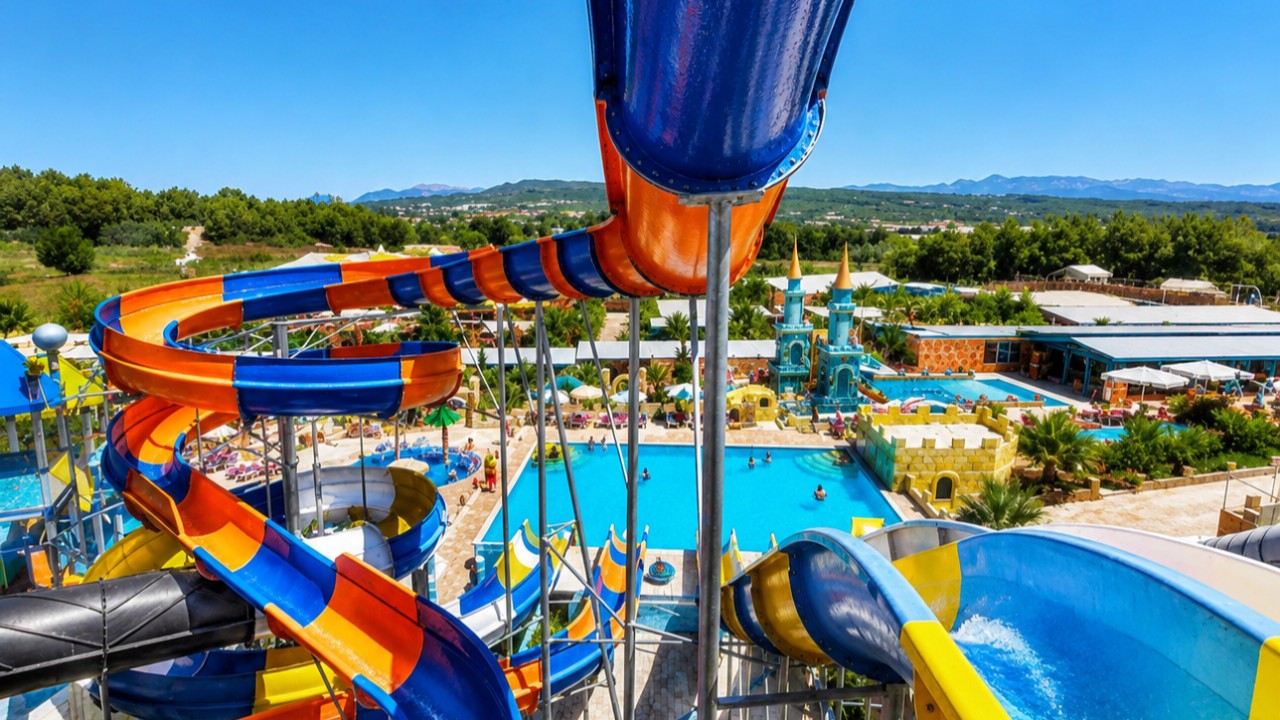
One of the most dynamic and exhilarating joys of summer holidays is the adrenaline-pumping rush down winding water slides from dizzying heights into cool pools. From wave pools and themed pirate towers to thrilling freefall slides and family-sized raft rides, aquapark tours and water park activities offer boundless aquatic adventures for visitors of all ages. Behind this world of fun, however, lie precise engineering principles and uncompromising safety standards.
Ensuring a safe day at water parks requires strict adherence to established guidelines, from pool depths to slide riding rules. Understanding the rules within the facility ensures both families and young thrill-seekers can enjoy themselves without the risk of injury.
Quick Facts: Water Park & Pool Standards
| Feature & Standard | Practical Visitor & Safety Summary |
|---|---|
| Legal Safety Standard | TSE EN 1069 Water Slide Design & Safety Standards |
| Lifeguard Staff | TSSF-certified licensed lifeguards with silver or bronze badges |
| Major Slide Height Limit | Minimum height requirement of 120 cm to 140 cm for fast body slides |
| Maximum Weight Limits | 100 kg to 120 kg capacity limit for single and double raft slides |
| Pool Chemistry & Hygiene | Daily pH (7.2 - 7.6) and free chlorine (1.0 - 3.0 ppm) measurements |
| Floor Safety Surfacing | Anti-slip polyurethane or antibacterial rubber in wet areas |
| Dress Code & Accessories Rule | Swimwear or shorts without metal buckles; necklaces, watches, and glasses are prohibited |
Top Water Fun Centers in Turkey: Early Choices
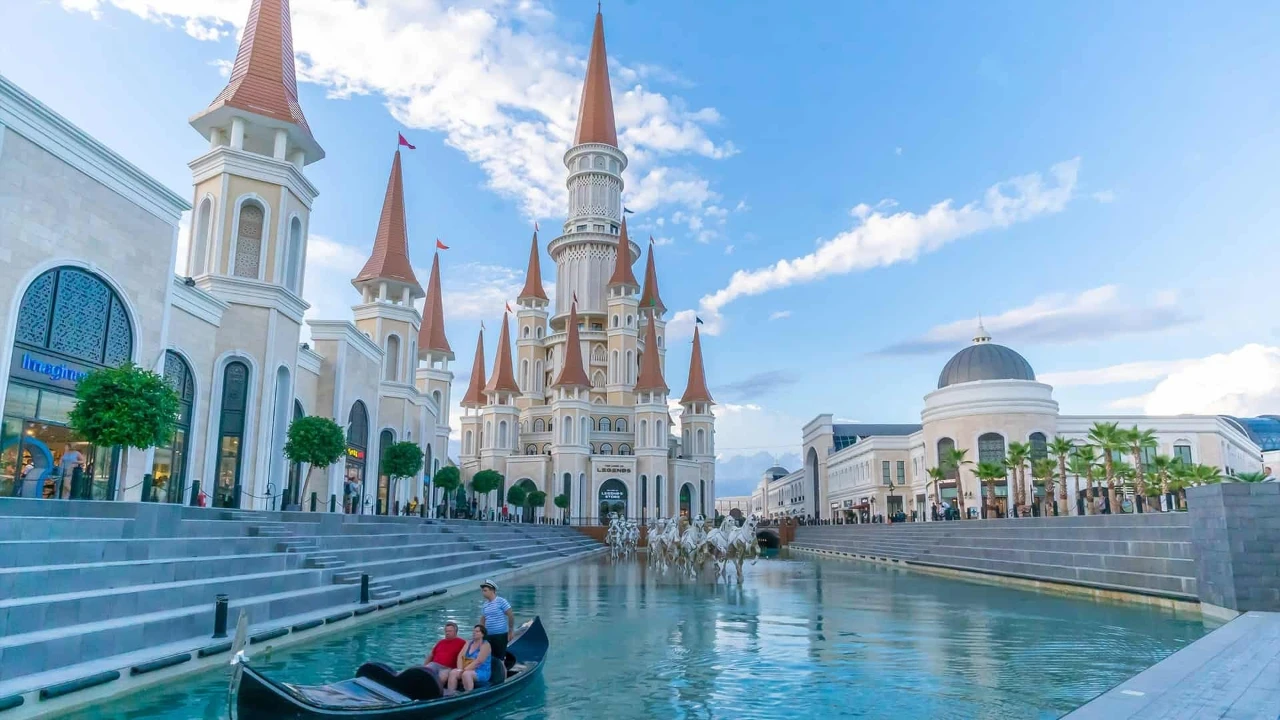
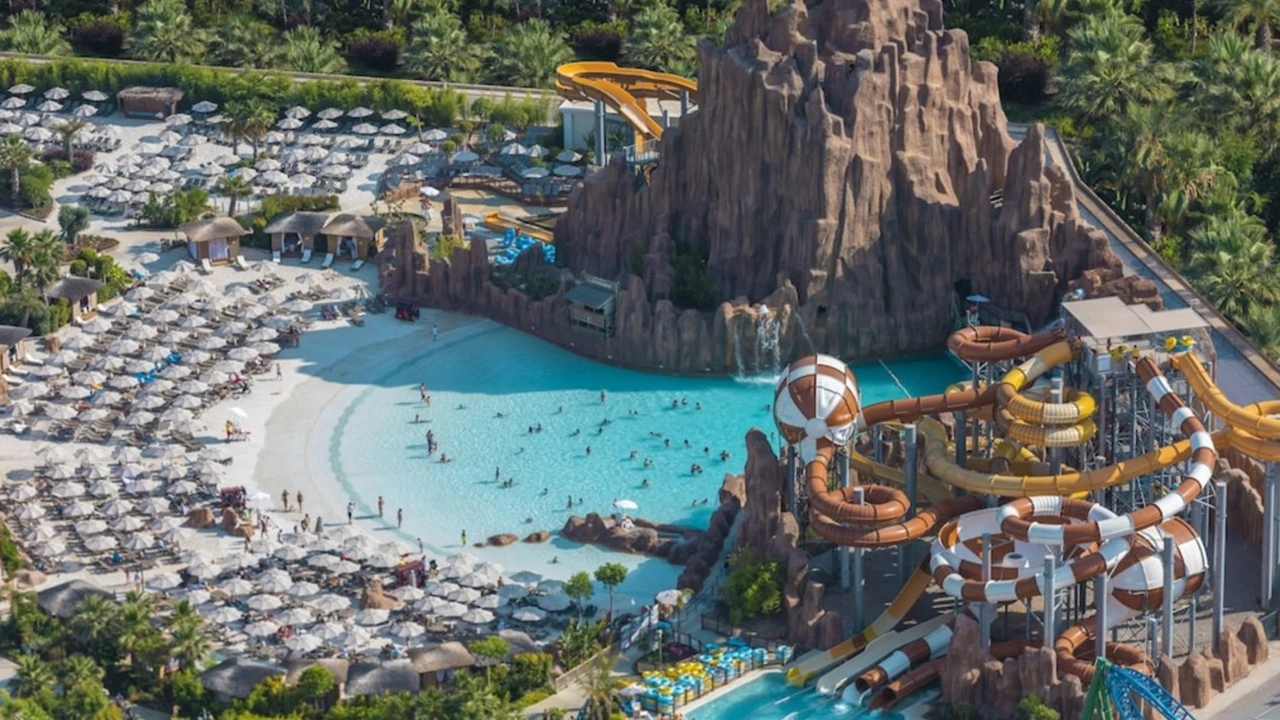
The Mediterranean and Aegean coasts are home to world-class modern water park complexes. With their thematic slides and massive entertainment islands, Antalya water park and aquapark facilities are among the most visited attractions of the summer season. ### Antalya and Belek Water Parks
Combining luxurious resort concepts with giant wave pools, Belek thematic water parks are a top choice for families with children.
Side and Aegean Coast Complexes
For holidaymakers looking to cool off next to historical ruins, family water parks in the Side region offer wide raft family rides and river tours. Those seeking fun in the pine-forested coves of the Aegean can enjoy all-day animation and water games at Marmaris water entertainment centers and aquapark complexes on the Muğla coast.
TSE EN 1069 Standards and Slide Height Criteria
Water slides are not merely simple entertainment devices; they are engineering marvels operating with hydrostatic pressure and gravitational acceleration. The TSE EN 1069 directive, which sets European and Turkish standards, ensures the incline angle, water flow rate, and curve radius of each slide meet specific safety benchmarks. The most visible application of these standards can be seen in the height measurement charts at the entrance turnstiles.
Curve Angle and Hydrostatic Pressure
On high-speed steep slides (Kamikaze, Freefall, Space Bowl), riders must possess a certain body weight and muscle strength. Children shorter than 120 centimeters may lack the muscle structure to withstand the centrifugal force generated when cornering at high speeds. This could lead to the child hitting the slide wall or inadvertently flipping over.
Exit Pool Depth Safety
Furthermore, the depth of slide exit pools typically ranges between 110 and 130 centimeters. A child whose height is less than this depth might panic upon immersion, unable to touch the bottom, creating a drowning risk. Therefore, staff's strict adherence to height limits is solely for the purpose of safeguarding the child's life.
Slide Types, Incline, and Safety Equipment Comparison
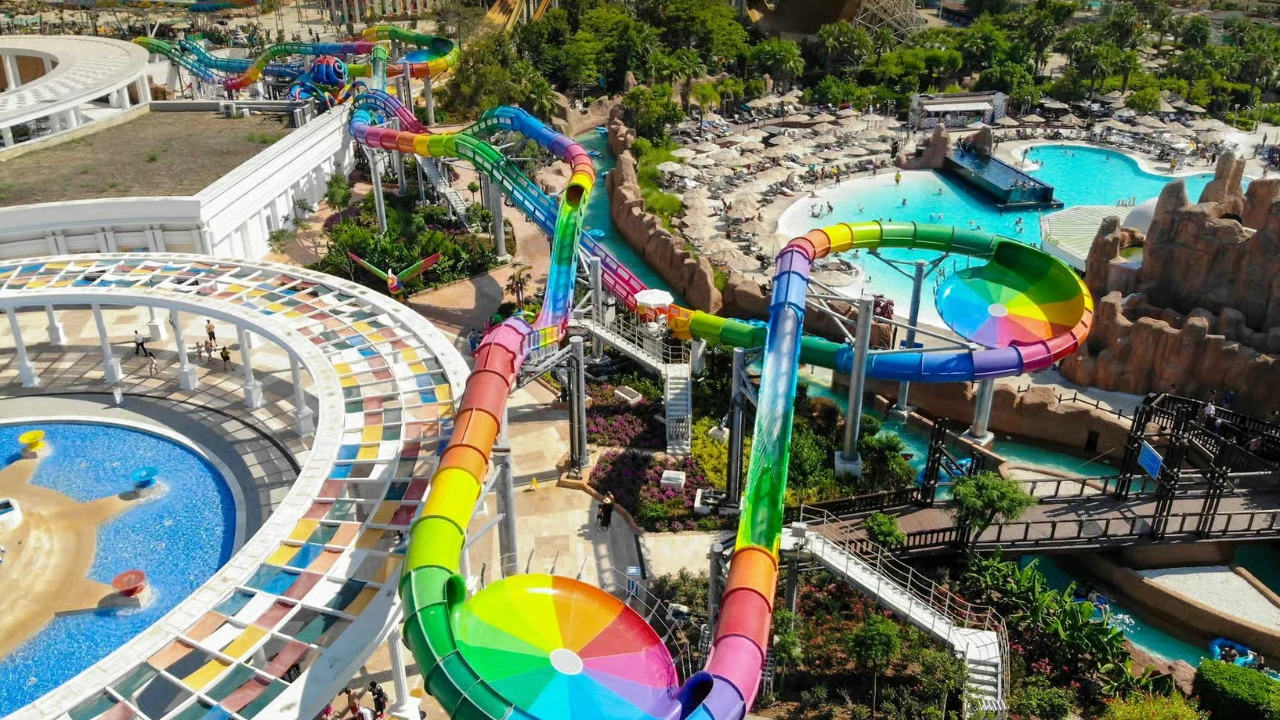
Modern water parks feature slides designed with varying levels of adrenaline and user profiles in mind. Each slide has different water depths, riding positions, and safety distances.
The table below lists common slide categories and their operational safety parameters found in water parks:
| Slide Type & Design | Incline & Speed Level | Minimum Height Rule | Landing Pool Type & Depth | Mandatory Riding & Stopping Position |
|---|---|---|---|---|
| Kamikaze & Freefall | Very high speed (60+ km/h) | Minimum 140 cm | Flat braking channel (40 cm water) | Lying on back, legs and arms crossed |
| Enclosed Tube (Black Hole) | Medium - high speed, winding | Minimum 120 cm | Drop pool (120 cm depth) | Horizontal back position, elbows on chest |
| Rafting Slide (with rafts) | Medium speed, family-sized width | Minimum 110 cm | Deceleration pool (90 cm depth) | Inside special inflatable raft, holding side handles firmly |
| Bowl (Space Bowl) | High-acceleration centrifugal | Minimum 140 cm | Deep central pool (180 cm water) | Back-first entry, ability to swim freely in the pool |
| Kids' Aqua Tower & Mushroom | Very low speed, short straight | No height limit | Shallow children's pool (30 - 45 cm water) | Sitting slide, free play under parental supervision |
The air pressure of single or double tubes used on raft slides is regularly checked by staff. An under-inflated raft can increase friction and get stuck on curves, while an over-inflated one can pose a tipping hazard. For this reason, only the facility's approved and barcoded rafts are permitted on the rides.
5-Step Protocol for Safe Fun at the Water Park
To ensure an accident-free day by the pool and on the tower platforms, every visitor must adhere to five fundamental safety rules. These protocols effectively eliminate wet-surface slips and in-slide collisions.
- Remove Metal Items Before Riding: Watches, necklaces, earrings, and shorts with metal buckles must be removed and stored in lockers.
- Wait for the Tower Safety Light: Do not enter the slide until the green light illuminates or the lifeguard gives the 'all clear' signal.
- Assume the Correct Body Position: Lie on your back, cross your legs, and clasp your hands over your chest.
- Exit the Landing Pool Quickly: After landing in the pool from the slide, immediately swim to the side ladder to avoid collision with the next rider.
- Maintain Walking Discipline on Wet Surfaces: Never run around pool edges; always walk with non-slip water shoes.
Lingering in the slide landing pool or waiting for a friend in the water can lead to high-speed collisions with other guests coming down. Pinching your nose with your fingers upon landing prevents chlorinated water from entering your nasal passages. Immediately heeding the lifeguard's whistle warnings ensures order within the facility.
Pool Hygiene, Chlorine Levels, and Health Standards
In water parks where hundreds of holidaymakers cool off simultaneously, microbiological cleanliness is a vital concern. In accordance with the Ministry of Health's Regulation on Health Principles for Swimming Pools, pool waters are filtered using automatic dosing systems. The free chlorine level in the pool must be maintained between 1 and 3 ppm, and the water's pH value between 7.2 and 7.6.
Visitors passing through foot disinfection pools and showering before entering the main pools helps prevent water contamination. Individuals with open wounds, infection risks, or contagious skin conditions are not permitted to enter the pools. These measures prevent common pool-related ailments such as eye inflammation and ear infections.
By regulation, infants and young children are prohibited from entering main pools. Babies are only allowed in shallow children's pools and must wear special leak-proof swim diapers. Facility engineers subject pool waters to regular daily laboratory tests and post chemical analysis reports on notice boards.
Lifeguard Communication and Child Safety
The most critical safety element of water parks are the licensed lifeguards stationed at pool sides and slide towers. TSSF-certified lifeguards with silver badges possess underwater rescue and first aid training. Lifeguards manage waiting times at the towers, preventing in-slide collisions.
One of the most common parental mistakes is leaving children entirely unsupervised, assuming 'there's a lifeguard'. While lifeguards scan the entire area in crowded wave pools or deep water zones, nothing replaces direct parental supervision. Non-swimming children should always wear snug-fitting swim vests.
Approved life jackets offer much safer protection, as armbands can slip off in wavy water. Children should be taught in advance to approach uniformed security or lifeguard staff if they get lost in the park. Thanks to disciplined safety rules, water parks transform into unforgettable memories cherished by families for years to come.
Essentials to Pack for Your Aquapark Visit
- Non-Slip Water Shoes: Ensures safe walking on wet and sun-heated slippery surfaces.
- Waterproof Phone Case: Protects your phone from getting wet while taking photos by the pool or walking around the park.
- High-Factor Water-Resistant Sunscreen: Protects skin from sunburn against UV rays reflected off the water's surface.
- Quick-Drying Microfiber Towel: Provides practical dryness for toweling off between slides and relaxing comfortably on sun loungers.
Sun Protection and Dehydration Prevention
While being in the water all day at outdoor aquaparks provides a cooling sensation, it doesn't diminish the scorching effect of the sun's rays. UV rays reflected off the water's surface can cause sunburns to develop much faster and more severely. Therefore, high-factor water-resistant sunscreens should be reapplied every two hours.
Dehydration and Rest Breaks
Constant activity and climbing slide stairs can lead to the body losing significant amounts of fluid unnoticed. Children and adults should rest in shaded areas and drink plenty of water every hour to prevent heatstroke. Spending time in shaded rest areas with a hat and sunglasses, especially during midday, helps conserve energy.
Waterproof Magnetic Wristbands
Lockable storage lockers at facilities offer practical solutions for keeping valuable electronic devices and wallets safe. Waterproof magnetic wristbands, worn on the wrist, allow for food and drink purchases without needing to carry cash. Visitors wishing to capture memories with their phones should use certified neck-strap waterproof cases to prevent device damage.
Frequently Asked Questions 5
Are there height and weight limits for aquapark slides?
According to TSE EN 1069 standards, fast Kamikaze slides have a minimum height requirement of 120 cm or 140 cm, while some raft slides have a maximum weight limit of 100-120 kg. These rules are in place to balance centrifugal force and prevent riders from being thrown off.
Can small children and babies enter aquaparks?
Yes, but babies must wear special waterproof swim diapers and are only permitted in shallow children's fun pools called 'Splash Parks'. Babies are prohibited from adult deep pools for hygiene and safety reasons.
Is it mandatory for aquaparks to have licensed lifeguards?
Yes, it is a legal requirement for TSSF-certified lifeguards with silver or bronze badges to be on duty at every major slide landing pool and wave pool. Lifeguards both monitor riding intervals and provide immediate first aid intervention.
Are there swimwear and jewelry restrictions when riding slides?
Shorts with zippers and metal accessories are prohibited as they can scratch the slide's gelcoat surface; additionally, jewelry such as necklaces, earrings, and watches must be removed. The risk of jewelry getting caught in slide joints can lead to injuries.
Which holiday resorts in Turkey have the largest water parks?
Antalya (The Land of Legends), Kuşadası (Adaland), Bodrum, and Alanya facilities host giant slide complexes that meet international standards. These facilities feature wave pools, dolphin show centers, and thematic water towers.