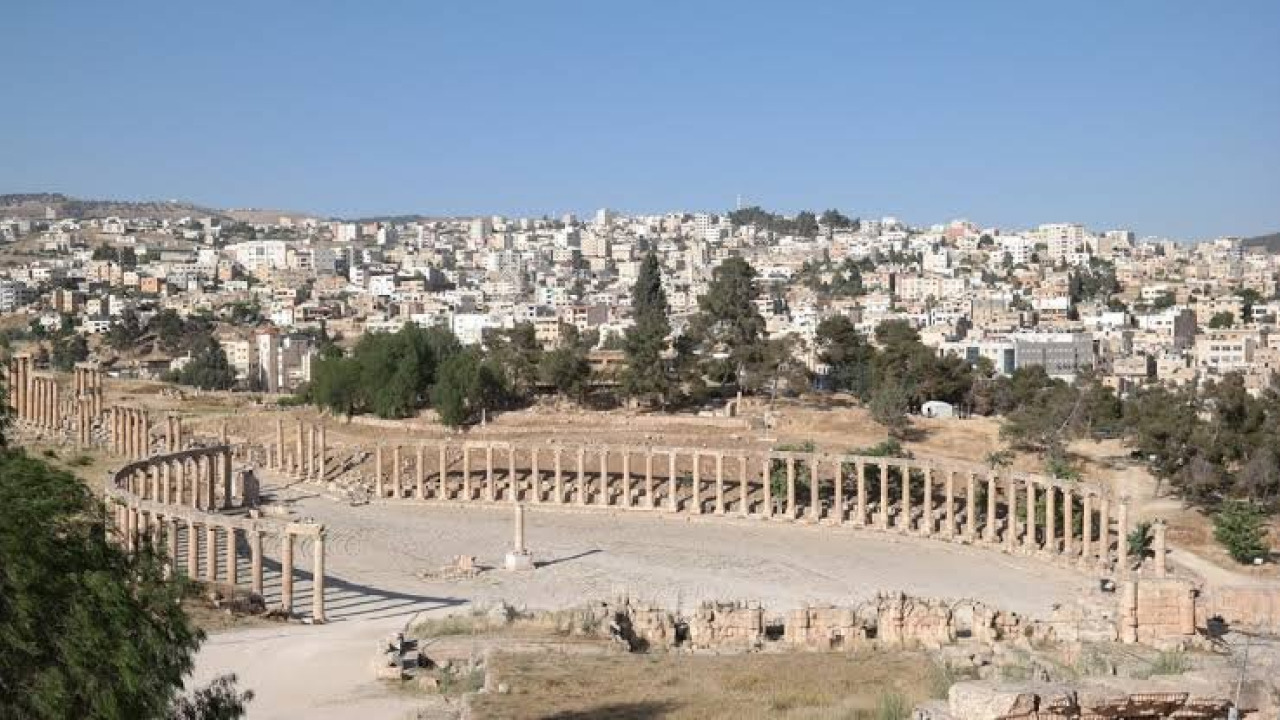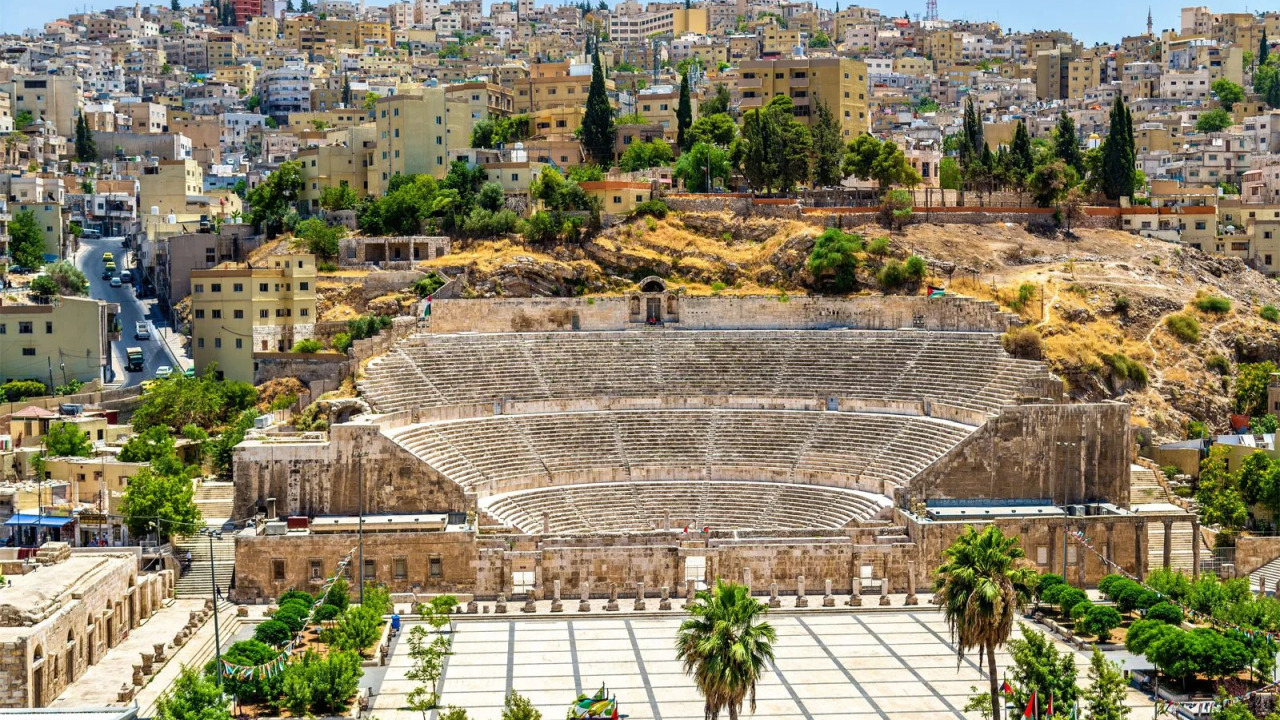

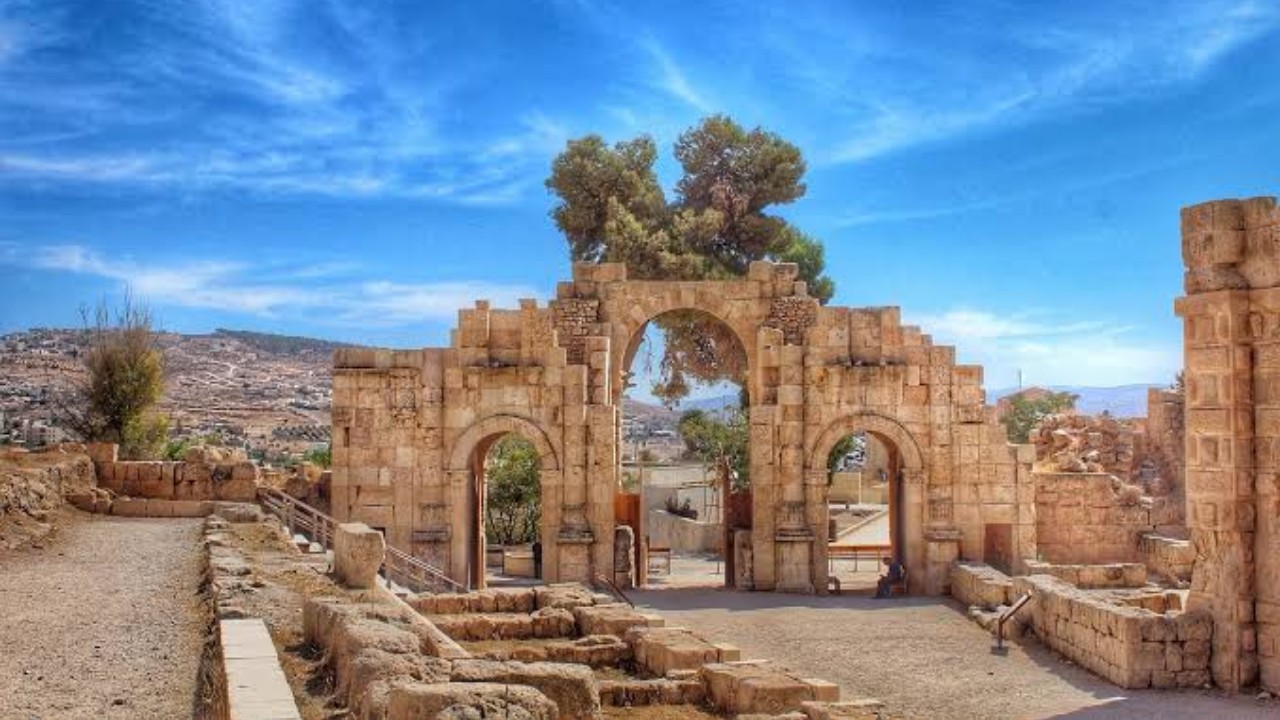
When people think of Jordan, Petra and Wadi Rum usually steal the spotlight. However, perched atop a lush canopy of pine and olive trees in the north, Ajloun Castle is a hidden gem that fits perfectly into a half-day itinerary without breaking the bank. Entry for international visitors is 3 JOD, and it's completely free for Jordan Pass holders. Most travelers spend about 90 to 120 minutes exploring the fortress. Many visitors combine this 1184 AD Ayyubid stronghold with a trip to Jerash before heading back to Amman. Below, we've compiled everything you need to know: from ticket prices and seasonal hours to transport from Amman, the cable car experience, and the neighboring forest reserve.
Quick Facts
| Category | Details |
|---|---|
| Official Name | Qal'at ar-Rabad |
| Location | Ajloun, Northern Jordan; 32.332687 N / 35.751785 E |
| Year Built | 1184 |
| Distance from Amman | Approx. 73-76 km (1.5 hours by road) |
| Distance from Jerash | Approx. 19-25 km |
| Entry Fee (Foreigners) | 3 JOD |
| Jordan Pass | Included |
| Recommended Visit Time | 90-120 minutes |
| Adjacent Nature Area | Ajloun Forest Reserve (13 km²) |
Ajloun Castle Entry Fees and Opening Hours
As of the 2026 season, the entry fee for international tourists is 3 JOD, while Jordanian citizens pay 0.25 JOD. Payments are accepted in Jordanian Dinars; we highly recommend carrying cash to speed up the process at the ticket booth. Please note that closing times vary significantly between the summer and winter seasons.
| Season | Opening - Closing Hours |
|---|---|
| Winter (Nov - Mar) | 08:00 - 16:00 |
| Summer | 08:00 - 18:30 |
| Spring Transition (Apr - May) | 08:00 - 17:30 |
| Ramadan | 09:00 - 17:00 |
Entry with the Jordan Pass
Ajloun Castle is included in the list of archaeological sites covered by the Jordan Pass. If you have purchased the pass in advance, you don't need to pay the 3 JOD fee; simply scan your QR code at the entrance. If you are planning a comprehensive route from the north to the south of Jordan, the Jordan Pass is the most cost-effective way to visit.
Pro Tips for the Ticket Office
Aim to enter the castle at least 45-60 minutes before the official closing time, as the last ticket sales do not coincide exactly with the closing hour. During Ramadan, afternoon hours may be shorter, and expect larger crowds during official and religious holidays.
How to Get to Ajloun Castle
The castle is situated on the slopes of Jebel Auf, overlooking the town of Ajloun. While the journey is straightforward, the final stretch involves a winding climb.
- Head north from Amman toward Jerash; the total distance is 73-76 km, taking roughly 1.5 hours.
- After passing Jerash, follow the connecting road (19-25 km) that winds through pine forests and olive groves.
- Upon reaching Ajloun town, follow the signs for Jebel Auf and ascend the hillside.
- Walk from the parking area to the ticket booth to purchase your ticket or scan your Jordan Pass.
- Cross the stone bridge over the moat to enter the main gate of the fortress.
| Transport Option | How it Works |
|---|---|
| Rental Car | Direct from Amman; easily combined with Jerash in one day |
| Day Trip Tour | Popular packages combine Jerash, Ajloun, and Umm Qais |
| Cable Car | From Eshtafina toward the castle; approx. 20-minute round trip |
Combining with Jerash
Since the distance between the two sites is short, a "Jerash in the morning, Ajloun in the afternoon" schedule works perfectly. For those planning a northern Jordan circuit focused on ancient cities, the itineraries on our historical city tours page typically group these two stops together.
What to See at Ajloun Castle
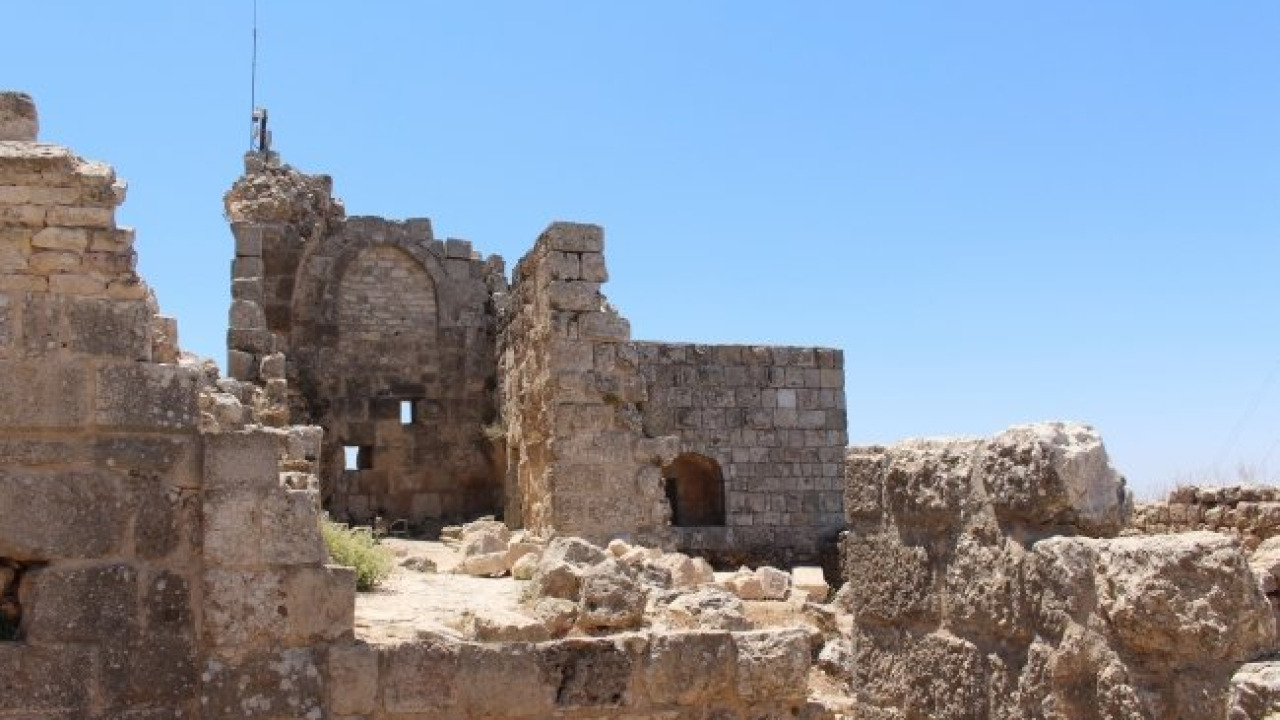
Designed as a strategic watchtower and defensive fortification, the castle features thick walls, narrow corridors, and breathtaking vistas rather than opulent palace rooms.
- The Defensive Moat: Surrounding the castle, it averages 16 meters in width and reaches depths of up to 15 meters in some areas.
- Arrow Slits & Towers: Explore the thick walls pierced with arrow slits and the four corner towers of the original plan.
- The 13th-Century Bridge: A bridge added in the early 1200s, featuring distinctive pigeon reliefs.
- The On-site Museum: A small collection of pottery, arrowheads, and coins unearthed during excavations.
- Observation Points: Stunning views looking west toward the Jordan Valley.
The Moat, Towers, and Bridge
The moat was engineered to halt any advancing army before they could reach the walls. The bridge was a later addition, and the intricate pigeon carvings on its structure are still visible today.
The Castle Museum
Though modest in size, the museum helps visitors understand the layered history of the fortress. The artifacts here highlight not only the military function of the site but also the daily village life that surrounded it.
A Brief History: From 1184 to Baybars
The castle was built to control the region's iron mines and to halt Crusader advances in northern Jordan. Positioned at the crossroads of trade routes between Jordan and Syria, its strategic importance is clear. This layered history makes the castle a highlight for travelers planning cultural tours of the Middle East.
Foundation and Expansion
The structure was commissioned in 1184 by Izz ad-Din Usama bin Munqidh, one of Saladin's commanders. The castle reached its current form by 1214, and in 1215, the Mamluk officer Aybak bin Abdullah added a new tower and the bridge to the southeast corner.
Mongol Destruction and Reconstruction
A Mongol invasion in 1260 caused severe damage to the fortress. Shortly after, the Mamluk Sultan Baybars reclaimed the region and oversaw the restoration. Much of the standing masonry today dates back to this reconstruction phase.
Ajloun Cable Car: Tickets and Hours
The cable car connects the town to the castle peak, starting from the forested area of Eshtafina and ending near the castle at an altitude of approximately 1,250 meters. The line is about 2.5 km long (5 km round trip), taking roughly 20 minutes. The system operates 40 cabins, each capable of carrying up to eight people.
Operating hours vary by season: typically 10:00–16:30 in winter and 10:00–17:30 in summer. Please note that the line is closed for maintenance on the first Tuesday of every month. As of Summer 2026, the ticket for international visitors is approximately 8 JOD, though some sources suggest it may reach 10 JOD; we recommend confirming the current rate at the booth. The cable car ticket is sold separately from the castle entry fee.
Ajloun Forest Reserve and Ziplining
To the north of the castle lies a 13 km² reserve dominated by oak, pistachio, and terebinth trees. The area is famous for its roe deer and is blanketed in wildflowers during the spring. The reserve is managed by the RSCN (Royal Society for the Conservation of Nature).
Trails and Reservations
Several trails start from the visitor center, including the Roe Deer Trail, Soap House Trail, Orjan Village Trail, Rockrose Trail, and Ajloun Houses Trail. The Soap House Trail climbs to 1,100 meters at Eagle's View Point and ends at a traditional olive oil soap workshop in Orjan village. Entry for foreigners is 8 JOD, which covers the self-guided Roe Deer trail; guided trails range from 17 to 32 JOD. Reservations are required at least 24 hours in advance. For those building a hiking-heavy itinerary, our nature and adventure tours page features similar routes.
Ziplining and Cabins
Zipline prices in the reserve vary by length: the 330-meter line is 25 JOD, medium lines are 8 JOD, and the short line is 5 JOD. For those wishing to stay overnight, there are 23 cabins set in forest clearings, each with private bathrooms and small terraces; shared bungalow options are also available. An on-site restaurant serves authentic, homemade local dishes.
Travel Tips for Visitors
- Best Time to Visit: Spring is ideal for the lush greenery and mild weather, while autumn is the time for the olive harvest.
- Footwear: The castle grounds are stony and uneven; non-slip walking shoes are highly recommended.
- Local Shopping: Village markets around Ajloun sell homemade olive oil, traditional soaps, and dried herbs. For those interested in local producers and culinary experiences, check out our gastronomy and organization tours page.
- Planning: Pre-book your meals and trail guides at the reserve to avoid availability issues on the day of your visit.
Frequently Asked Questions 6
Is Ajloun Castle entry included in the Jordan Pass?
Yes. The castle is one of the archaeological sites covered by the Jordan Pass. If you have a valid pass, you do not need to pay the 3 JOD entry fee.
How much time should I allow for visiting Ajloun Castle?
Spending 90 to 120 minutes is usually sufficient to explore the castle. If you add the cable car to your itinerary, allow an additional 30 to 60 minutes.
Does the cable car ticket include castle entry?
No. The cable car and castle entry tickets are sold separately. As of Summer 2026, the cable car is approximately 8 JOD; please check the current rate at the ticket office.
Can I enter the Ajloun Forest Reserve with a castle ticket?
No. The reserve is a separate entity. Entry for international visitors is 8 JOD, which includes the Roe Deer trail. Guided trails are priced between 17 and 32 JOD.
Can I visit Ajloun and Jerash on the same day?
Yes. Because the distance between them is only 19-25 km, a day trip from Amman typically includes Jerash in the morning and Ajloun in the afternoon.
Do the castle's closing times change by season?
Yes. It typically closes around 16:00 in winter and 18:30 in summer. During Ramadan, hours are adjusted to 09:00–17:00. We recommend arriving at least 45-60 minutes before closing.