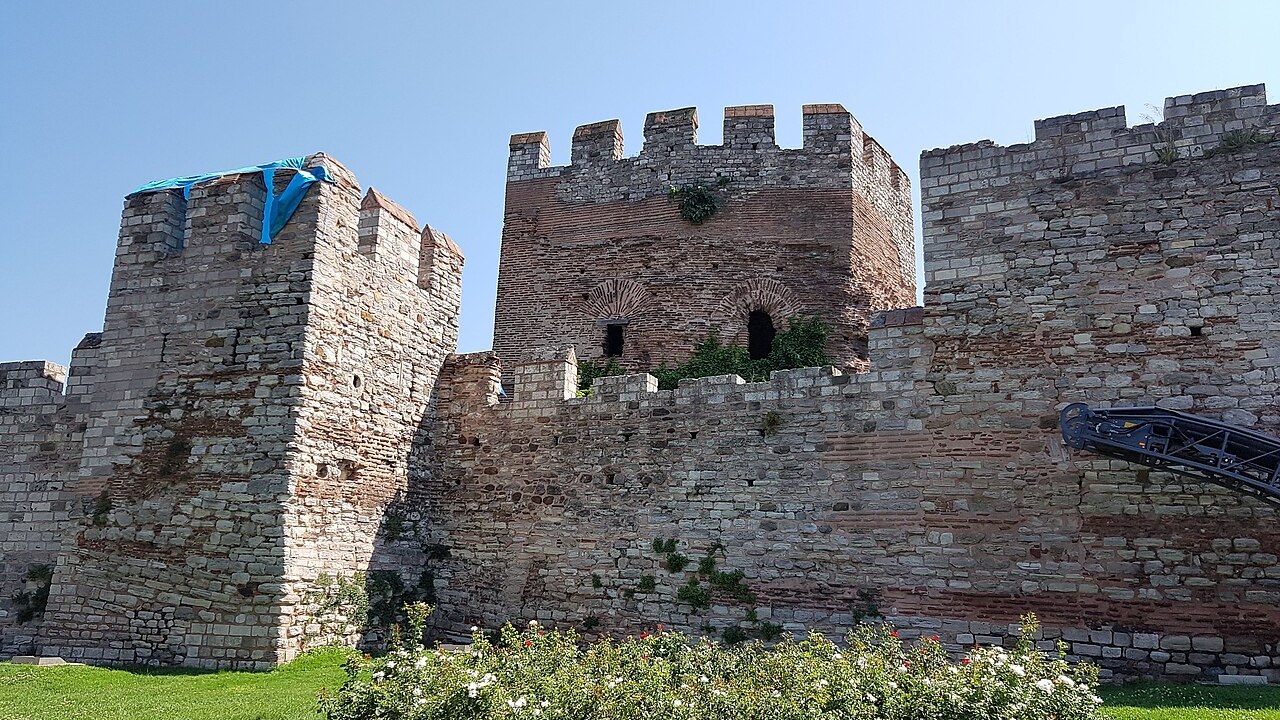
The Walls of Istanbul are the ancient defensive fortifications that once encircled the historic peninsula, stretching from the Sea of Marmara to the Golden Horn. For those eager to dive into the city's layered history, Istanbul tours offer a professional way to explore this heritage with expert guides. These towering bastions serve as a sprawling open-air museum.
Excavations at the Yenikapı Theodosius Harbor have revealed the city's deep roots, pushing its history back to the Neolithic era. This defensive line, designed to protect the city from both land and sea, bears the indelible marks of various civilizations.
Walking along the wall line allows visitors to trace the boundaries of Istanbul during the Byzantine and Ottoman eras. The gates connecting different districts act as historic portals, where travelers can observe the sheer scale of ancient military architecture.
Key highlights of a journey along the land walls include:
- The impressive stretch of land walls extending from Ayvansaray on the Golden Horn to the Yedikule Fortress on the Marmara coast.
- Monumental gateways such as Topkapı, Edirnekapı, Silivrikapı, and Belgradkapı, historic points of conquest and entry.
- Open-air walking paths, moat gardens, and beautifully restored observation terraces.
- Cultural stops enriched by the authentic neighborhood atmosphere within the Fatih district.
Quick Facts: The Walls of Istanbul and Their Legacy
The land walls of Istanbul stand as some of the most significant monuments of military architecture in world history. These fortifications symbolize the city's resilience against countless sieges over the centuries.
For travelers planning a visit to the land walls and the surrounding routes, here is a summary of essential operational information.
| Category | Field Notes & Visitor Information |
|---|---|
| Historic Route | The land walls stretching from the Golden Horn to the Sea of Marmara |
| Key Gates | Edirnekapı, Topkapı, Mevlanakapı, Silivrikapı, and the Yedikule Fortress gate |
| How to Visit | Self-guided walks along the outer wall line or guided historical tours |
| Transportation | Accessible via tram, metro, Marmaray, and coastal public transport |
| Booking | Advanced booking (1 day prior) recommended for guided walking tours |
| Cancellation | Flexible cancellation up to 24 hours before organized walking programs |
The land walls were designed as a tiered defense system. A triple layer consisting of a moat, an outer wall, and a main inner wall ensured the city's security for centuries. Bastions were positioned at regular intervals, providing strategic vantage points for soldiers to monitor the horizon.
Today, significant portions of the walls remain standing and are being revitalized through restoration. The moats have been converted into parks and green spaces for public use, creating serene walking areas around these ancient monuments.
History buffs often follow the gates in sequence to discover the old city's entry points. Behind every gate lies a different historic neighborhood, allowing visitors to experience both the grandeur of the architecture and the intimacy of local culture.
Must-Visit Gates and Landmarks Along the Walls
The land walls of Istanbul are home to precious gateways and monumental bastions. These strategic points were once the primary checkpoints for anyone entering or leaving the city.
Yedikule Dungeons and the Golden Gate
Rising near the shores of the Sea of Marmara, the Yedikule Fortress occupies a strategic position at the southern end of the walls. The Golden Gate, where Byzantine victory processions once entered, was later reinforced with additional towers during the Ottoman era. Today, the fortress courtyard and bastions host various cultural events.
As you walk around the fortress, you can examine the massive stone walls of the towers. The bastions offer a stunning panoramic view of the Sea of Marmara, making this an ideal starting point for a tour of the walls.
The Belgradkapı and Silivrikapı Line
Heading north from Yedikule, you reach Belgradkapı, named after the communities settled here after the Belgrade campaign. The gate's arch and adjacent watchtower still showcase original stonework, while the surrounding greenery provides a peaceful walking path.
The next stop, Silivrikapı, was one of the main gateways for trade routes arriving from Thrace. Historic fountains and Ottoman cemeteries surrounding the gate add a layer of spiritual depth to the area, offering travelers a chance to pause within a traditional neighborhood setting.
Mevlanakapı and the Topkapı Passage
Located in the central section of the land walls, Mevlanakapı derives its name from the historic Mevlevi culture. The inscriptions at the entrance and the remnants of the bastions reflect the architectural style of the period. Nearby park areas provide shaded spots for weary travelers to rest.
Further north lies the historic Topkapı passage, a critical site during the conquest of the city. This area, where fierce battles took place, holds immense symbolic value. Guided tour options in Fatih allow you to explore these pivotal sites with expert storytelling.
Edirnekapı and the Mihrimah Sultan Area
Perched on one of the highest hills of the historic peninsula, Edirnekapı was the ceremonial gate through which sultans entered the city after their girding-of-the-sword ceremonies. The historic road from Edirne connected to the city at this point. Right next to the gate stands the Mihrimah Sultan Mosque, a masterpiece by Mimar Sinan.
From the mosque's courtyard, the monumental silhouette of the walls is clearly visible. The high bastions dominate the city's skyline, and visitors can explore the mosque complex while observing the vibrant street life around the gate.
Ayvansaray and the Golden Horn Walls
The northern end of the walls meets the waters of the Golden Horn at the Ayvansaray coast. Here, the land walls transition into the sea walls. The streets of Ayvansaray, with their wooden houses, historic places of worship, and winding slopes, offer breathtaking shots for photography enthusiasts.
The park areas along the Golden Horn serve as a relaxing finish to the walk. The cool breeze from the sea helps wash away the fatigue of the journey as visitors enjoy the panoramic views of the waterway.
Tekfur Palace and Anemas Dungeons
Between Edirnekapı and Ayvansaray, the ruins of the Tekfur Palace stand out. The palace facade, featuring intricate stone and brickwork, is one of the few remaining examples of Byzantine palace architecture. Now serving as a tile museum, it is a vital cultural stop.
Nearby, the Anemas Dungeons are famous for their underground vaults integrated into the wall structure. The interconnected vaulted chambers showcase the engineering brilliance of ancient defense systems, allowing visitors to truly feel the city's storied past.
Best Times to Visit the Walls of Istanbul
Seasonal weather significantly impacts the quality of a walking tour along the land walls. Mild temperatures provide the perfect environment for photographing the historic bastions.
For those planning a trek around the walls, here is a seasonal guide to help you choose the best time to visit.
| Season | Weather & Trail Conditions | Crowd Levels & Pro Tips |
|---|---|---|
| Spring | Mild weather and clear visibility | The best time for architectural photography |
| Summer | Sunny and hot open-air conditions | Visit early morning or late afternoon |
| Autumn | Cool breezes and a relaxed pace | Ideal conditions for cultural walking tours |
| Winter | Rainy and cold ground conditions | Non-slip shoes and warm clothing are essential |
In April and May, the green spaces surrounding the walls come to life. The mild weather makes it easy to cover long distances on foot, and photographers can take advantage of the balanced natural light.
During the summer, midday heat can make walking in open areas challenging. We recommend planning your visit for the early morning or late afternoon. The "golden hour," when the sun hits the ancient stones, offers stunning visual richness.
Autumn is perfect for those who want to soak in the historic atmosphere accompanied by a crisp breeze. Dry autumn days are highly favorable for stepping through cultural routes at a leisurely pace.
Tour and Exploration Options Around the Walls
The walls surrounding the historic peninsula are central to guided cultural programs that tell the story of the city's deep past. Expert guides make it much easier to grasp the architectural details hidden within the stone walls.
Among the walking programs in the area, guided tours covering the Fener, Balat, and Ayvansaray line are particularly popular. The "Istanbul: Fener and Balat Guided Walking Tour" typically lasts about 3 hours and includes historic churches, mosques, and city gates. These programs usually require booking 1 day in advance, with flexible cancellation up to 24 hours prior.
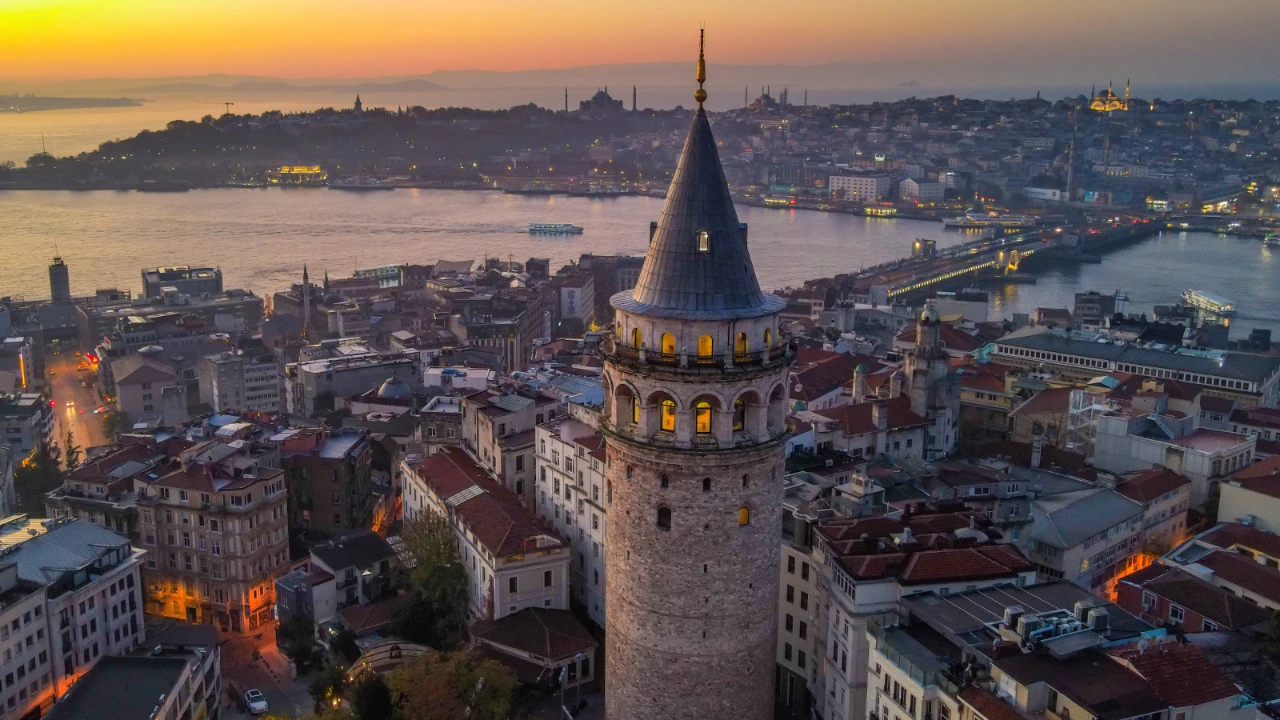
Those who have completed their tour of the land walls can expand their itinerary with guided tour options in Galata to explore the Genoese walls and tower architecture. This allows for a fascinating comparison of the different defensive structures on Istanbul's shores.
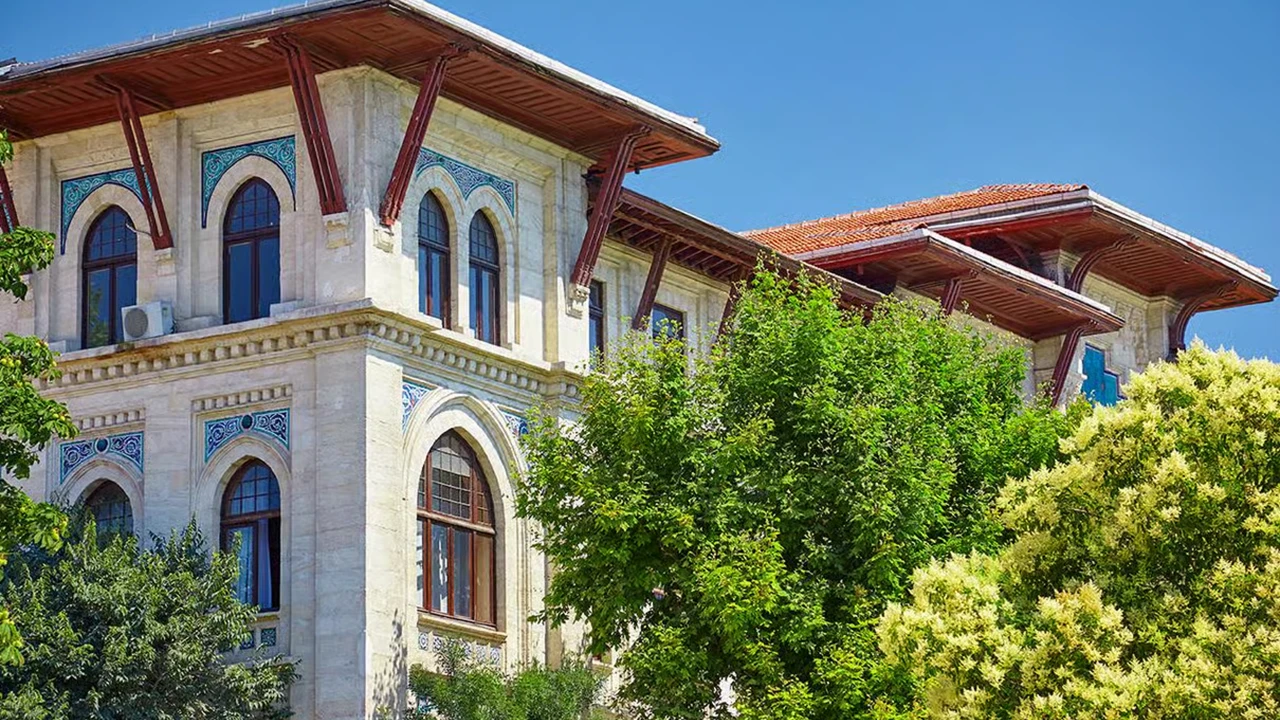
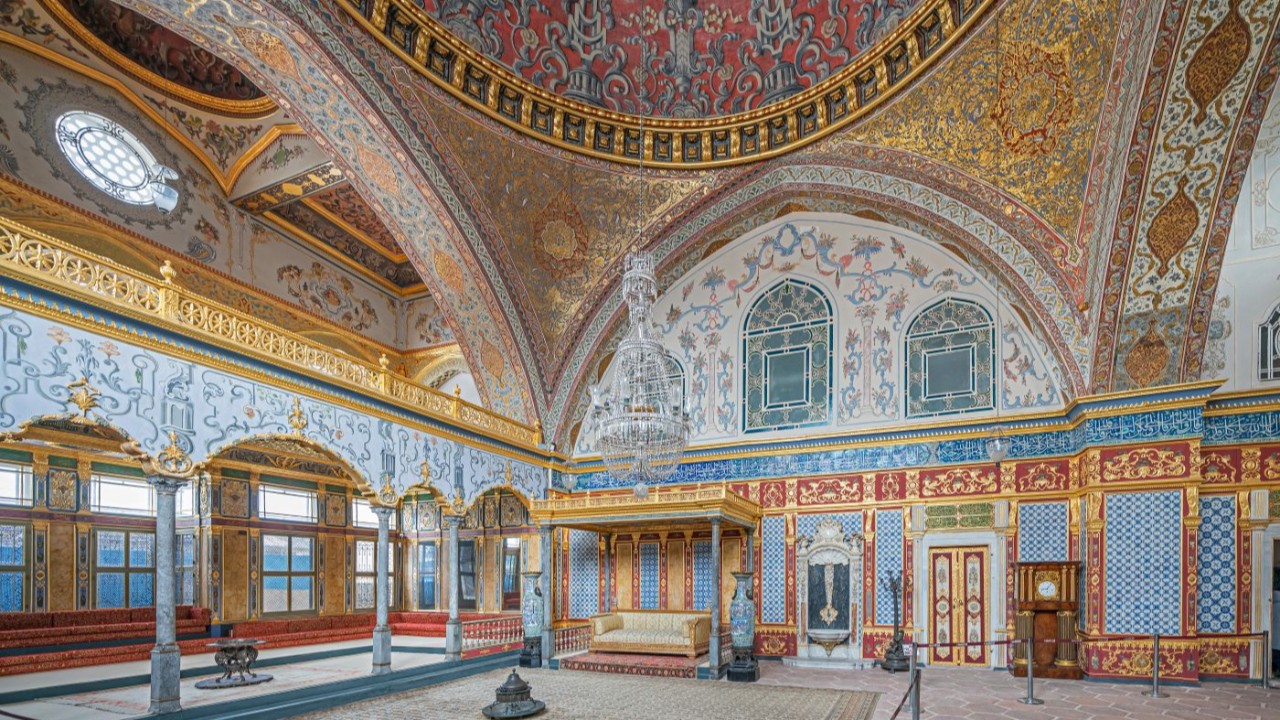
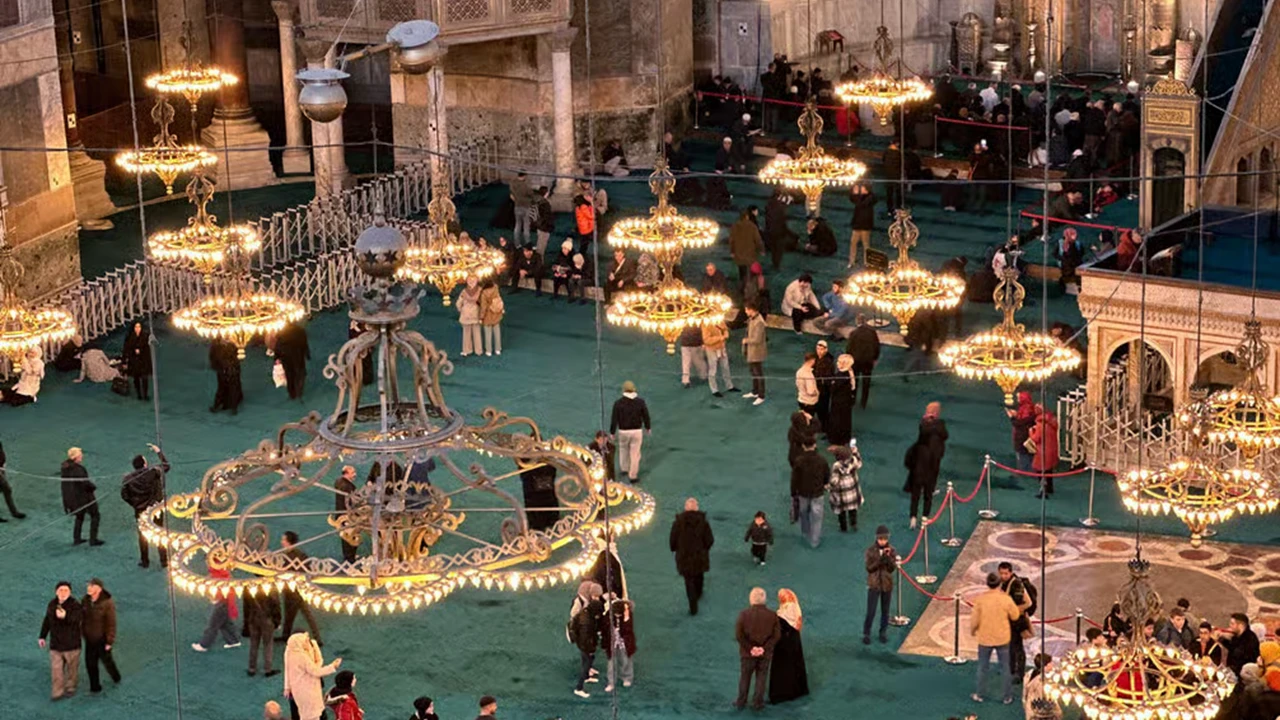
For those wishing to discover the cultural richness of the historic peninsula, here are some popular tour alternatives:
Land Walls Walking Route and Safety Tips
To ensure a safe and enjoyable experience, it is recommended to follow a planned route when walking along the historic walls. Prioritizing personal safety in open-air conditions enhances the overall trip.
Here is a recommended 5-step protocol for exploring the land walls:
- Start and Route Planning: Before setting off, decide whether to start at Ayvansaray or Yedikule and prepare your route map.
- Navigating the Gates: Use designated pedestrian crossings at main arteries like Edirnekapı and Topkapı to examine the gates safely.
- Terrain and Safety: Be mindful of uneven, stony ground when walking on paths at the base of the walls, and avoid climbing the wall structures.
- Cultural Pit-Stops: Take breaks by visiting the historic mosques, museums, and neighborhood squares located along the way.
- Return Transport: Once you reach your destination, use the nearest tram or Marmaray station for a convenient return to the city center.
Following these steps ensures a smooth journey. Climbing the historic walls is dangerous and prohibited to protect both the visitor and the monument. Visitors are strongly encouraged to stay on marked paths.
When crossing streets, always use signaled pedestrian crossings. If walking in a group, maintaining a steady pace helps with environmental awareness and safety.
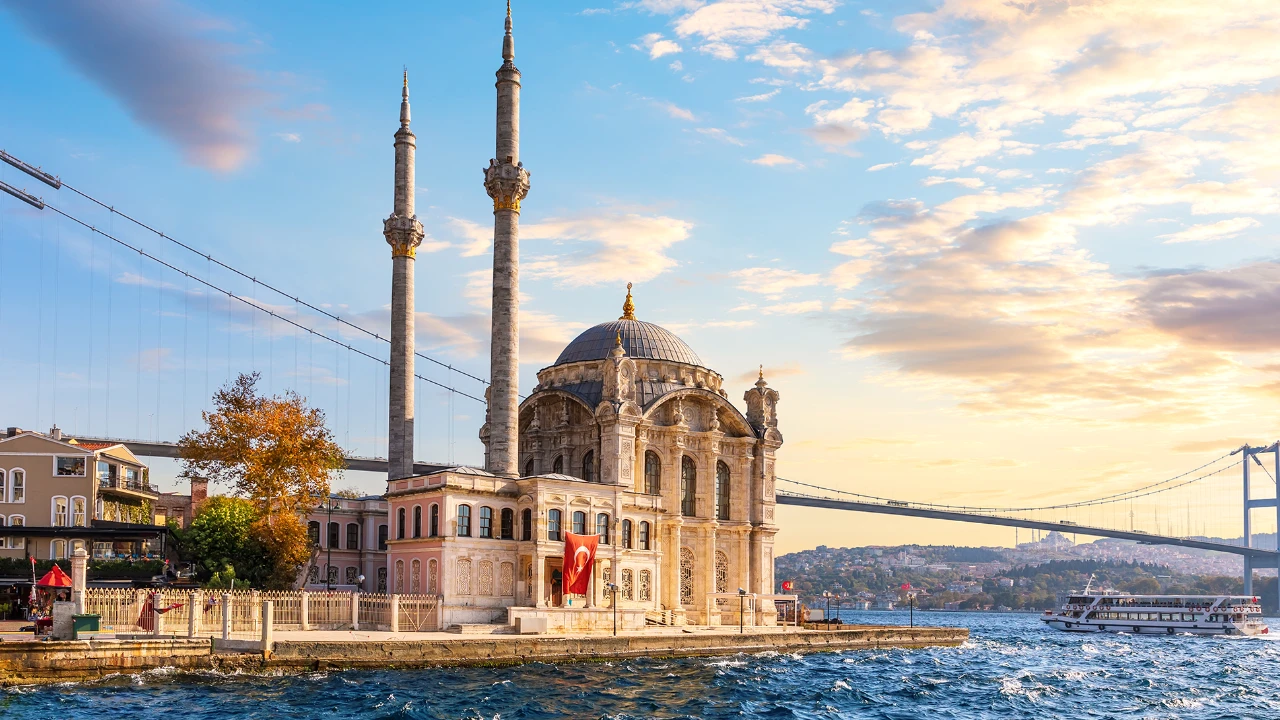
After exploring the walls, those who wish to see the city's silhouette from the water can choose guided tour options on the Bosphorus to admire the palaces and fortresses. A boat trip is a wonderful way to unwind after a day of walking.
Practical Tips for Visitors
Proper preparation makes a world of difference when walking along the expansive wall line. Taking a few personal precautions will significantly increase your comfort.
Here are some practical tips for those heading out to explore the land walls:
- Wear comfortable, non-slip athletic shoes for long stretches of outdoor walking.
- Respect environmental protection rules to avoid damaging the stone texture and ruins of the historic structure.
- On sunny days, don't forget to bring a hat, sunglasses, and plenty of drinking water.
- When photographing the historic gates, stay in safe zones and be mindful of main road traffic.
For those adding museums to their itinerary, Dolmabahçe Palace is located at Vişnezade Beşiktaş and is open from 09:00 to 17:00. In the historic peninsula, the Hagia Irene monument also offers a chance to get up close with Byzantine stone architecture.
Having a local transportation card (Istanbulkart) makes tram and bus transfers much faster. Visitors can easily jump between different sections of the walls using public transport.

Final Thoughts on the Historic Walls of Istanbul
With their stone bastions and monumental gates, the Walls of Istanbul are a cornerstone of world heritage. The line stretching from the Golden Horn to the Marmara allows visitors to feel the historic resilience of the city.
A discovery walk along the wall line offers a unique opportunity to experience both ancient architecture and the living culture of the local neighborhoods. Combining your visit with guided tour options in Istanbul City Center will enrich your travel experience by linking the walls with other iconic monuments.
Spending a few hours in the shadow of these historic stones is like taking a pleasant journey back in time. We invite you to walk this ancient route with your loved ones and witness the enduring history of Istanbul.
Frequently Asked Questions 5
Where are the Walls of Istanbul located?
The Walls of Istanbul encircle the historic peninsula, stretching from the Ayvansaray neighborhood on the Golden Horn to the Yedikule area on the coast of the Sea of Marmara. The land wall ruins are primarily located at the intersection of the Fatih and Zeytinburnu districts. Visitors can easily view the ruins from the walking paths that run along the main roads.
Which neighborhoods are the walls in?
The land walls run through several neighborhoods in the Fatih district, including Yedikule, Silivrikapı, Mevlanakapı, Topkapı, Edirnekapı, and Ayvansaray. The coastal sections follow the Samatya and Yenikapı lines on the Marmara side, and the Balat and Cibali lines on the Golden Horn side. Each of these neighborhoods possesses a unique cultural fabric centered around the city gates.
When were the Walls of Istanbul built?
The main body of the land walls was constructed during the Eastern Roman period under the reign of Emperor Theodosius. Findings from the Yenikapı excavations push the settlement history of the peninsula back to the Neolithic period, confirming the area's millennia-old past. Over the centuries, the walls gained their current monumental appearance through various repairs and additions.
Why were the Walls of Istanbul built?
The walls were built to protect the strategically located historic peninsula from military attacks coming from both land and sea. This defense system, equipped with double-layered moats, outer walls, and watchtowers, ensured the city's security for centuries. Having outlived their defensive purpose, the walls have now become one of the city's most valuable open-air spaces.
Who built the Walls of Istanbul?
The land wall line was constructed through the joint efforts of architects and engineers during the reign of Eastern Roman Emperor Theodosius II. In subsequent centuries, following earthquakes and sieges, both Byzantine and Ottoman rulers carried out extensive reinforcement work on the walls. Today, this monumental heritage is preserved for future generations through conservation and restoration projects.