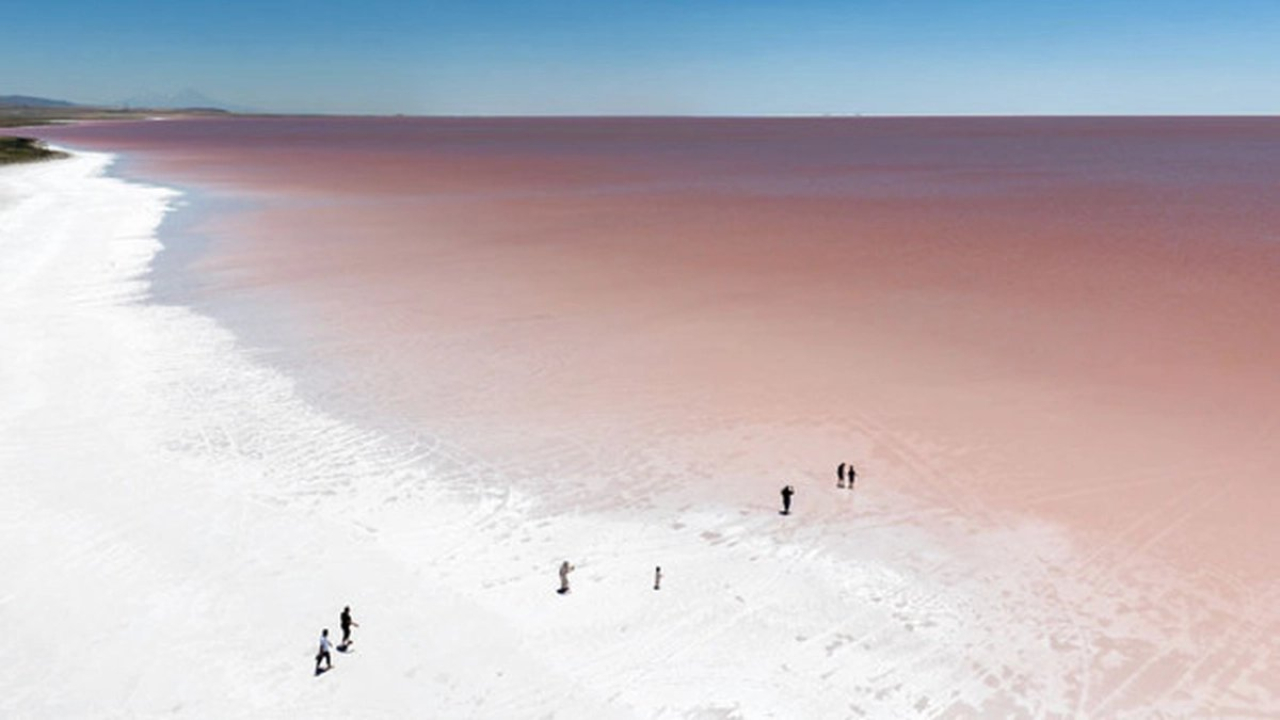
Tuz Gölü, or Salt Lake, is a shallow, highly saline, endorheic basin lake sprawling across the borders of Konya, Aksaray, and Ankara provinces in the heart of Turkey's Central Anatolia region. Many visitors mistakenly view it as just a quick photo stop on the road between Ankara and Aksaray. However, the lake's appearance transforms dramatically with each season. In spring, a thin sheet of water creates a stunning mirror effect, reflecting the sky. By mid-summer, the surface hardens into a vast white salt crust, and a vibrant flamingo colony, with its young, can be observed from the shore. This comprehensive guide from Travel Tour Shop will help you discover what to expect each month, where to access the shoreline, how to get there, and offers a realistic itinerary for your visit.
Timing Your Visit to Tuz Gölü: What Each Season Offers
The magic of your visit largely depends on the calendar: water levels are highest in spring and lowest by late summer, with flamingo activity following this natural cycle.
| Period | What to Expect at the Lake | Notes |
|---|---|---|
| March-May | Thin water layer, prominent mirror reflection | Ground can be muddy, stay close to the shore |
| June-July | Water recedes, salt crust forms, colony nesting | High temperatures, no shade |
| August-September | Salt flats at their widest, young flamingos visible | Ideal period for walking on the salt |
| October-February | Fewer crowds, lake color turns grayish | Strong winds and cold weather |
Quick Facts
| Topic | Information |
|---|---|
| Location | On the borders of Konya, Aksaray, and Ankara, Central Anatolia |
| Highlights | Vast salt flats, flamingo colony, stunning sunsets, mirror reflections |
| Best Time to Visit | Late May to September |
| Transportation | Ankara-Aksaray highway, private vehicle recommended |
| Recommended Duration | Half a day; a full day if combining with nearby attractions |

Where is Tuz Gölü and Why is it So Salty?
The lake lies within a depression in the Central Anatolian plateau. Its western shore falls within Cihanbeyli district of Konya, the northeastern shore belongs to Şereflikoçhisar district of Ankara, and the southern and eastern parts are in Aksaray. Settlements along the shore are sparse, and the lake is primarily viewed from the roadside.
Endorheic Basin and High Salinity
The streams feeding the lake are weak, and there's no outlet to the sea. Because evaporation significantly exceeds precipitation, dissolved salts accumulate on the lakebed. Depending on the season, salinity can exceed 30%, roughly ten times that of seawater. With an area of approximately 1,600 square kilometers, it's Turkey's second-largest lake. Its depth rarely surpasses half a meter in most places, reaching 1-2 meters in the deepest sections during spring, but large areas dry up completely by late summer. The stunning reflections seen in photographs are a direct result of this remarkable shallowness.
Salt Pans and Production Season
The Kaldırım, Kayacık, and Yavşan salt pans along the shore produce a significant portion of the table salt consumed in Turkey. Production intensifies during the evaporation season, from June to September. Water is channeled into pools, evaporated, and the remaining salt crust is collected by machinery and piled into mounds. These areas are operational sites and not part of the tourist route. The lake and its surroundings were declared a Special Environmental Protection Area in 2000, with its boundaries updated in 2002.
What to See Along the Lake Shore?
Viewpoints Towards Şereflikoçhisar
The Ankara-Aksaray highway runs along the eastern shore of the lake for a considerable stretch. Around Şereflikoçhisar, you'll find flat areas for parking, elevated spots offering panoramic views of the lake, and kiosks selling local salt products. Be sure to park your vehicle in designated dirt pull-offs, not on the emergency lane. The paths leading down to the shore can be longer than they appear.
Flamingo Breeding Ground and Birdwatching
Tuz Gölü is home to one of the most populous flamingo breeding colonies in the Mediterranean basin. The colony establishes itself on shallow islets in the southern part of the lake, within the borders of Aksaray's Eskil district. During productive seasons, thousands of chicks hatch and begin feeding in flocks from mid-summer onwards. Approaching the colony can disturb the birds and is against conservation rules; observations should be made from a distance, using binoculars or a telephoto lens. Other species like ruddy shelducks, avocets, and terns also feed in the same shallow waters. Bird activity increases in the early morning and late afternoon. For those looking to add similar nature stops to their itinerary, explore our nature and adventure tours options.
Walking on the Salt Crust and the Mirror Effect
During the summer months, as the water recedes, the surface transforms into a hard salt crust, allowing visitors to walk inland from the shore. Be aware that mud can sometimes remain beneath the crust; if your footprints start getting wet, it's best to stop advancing in that direction. In late spring, when a thin layer of water remains, the surface beautifully reflects the sky. Windless mornings are the best times to witness this mesmerizing mirror effect.
Positioning for Sunset Views
On the eastern shore, the sun dips below the horizon over the vast salt flats, painting the white surface in hues of pink and orange. Since the light changes rapidly, aim to find your spot at least half an hour before sunset. Paths can be difficult to discern in twilight, so make a mental note of your return route during daylight.
Getting There from Ankara, Aksaray, and Konya
There is no direct public transport connection to Tuz Gölü. A private vehicle is essential for the final approach, and service points along the shore are scarce, so check your fuel levels beforehand.
- Visitors coming from Ankara should follow the Ankara-Aksaray highway towards Şereflikoçhisar. This approximately 150-kilometer journey typically takes 1.5-2 hours under normal conditions.
- Those departing from Aksaray should head towards Ankara. The roughly 80-kilometer route to Şereflikoçhisar takes about an hour and is convenient for travelers staying in Cappadocia.
- Travelers from Konya will reach the western shore via Cihanbeyli. This side is more secluded, with fewer facilities and signposts.
- If traveling by bus, you can take an Ankara-Aksaray service and alight at Şereflikoçhisar. However, you will still need a vehicle to reach the lake shore.
| Shore | Advantage | Note |
|---|---|---|
| East (Şereflikoçhisar side) | Close to the highway, many rest stops | Road traffic can be heavy |
| South (Aksaray side) | Connects well with Cappadocia routes | Limited signage |
| West (Cihanbeyli side) | Quiet, away from crowds | Few service points |
Trip Duration and Itinerary Suggestions
There are no entrance fees for the viewpoints along the lake shore. Your primary costs will be fuel, travel time, and any admission fees for archaeological sites covered by historical city tours in the surrounding area. The Museum Pass (Müze Kart) is valid at sites managed by the Ministry of Culture and Tourism.
- Arrive at the shore early in the morning to take advantage of cooler temperatures for birdwatching and walking.
- Have lunch at restaurants in Şereflikoçhisar or Aksaray.
- In the afternoon, visit Seljuk-era attractions on the Aksaray side, such as the Sultanhanı Caravanserai.
- Return to the shore in the late afternoon to find your spot for sunset.
Nearby Valley Attractions: Ihlara and Manastır
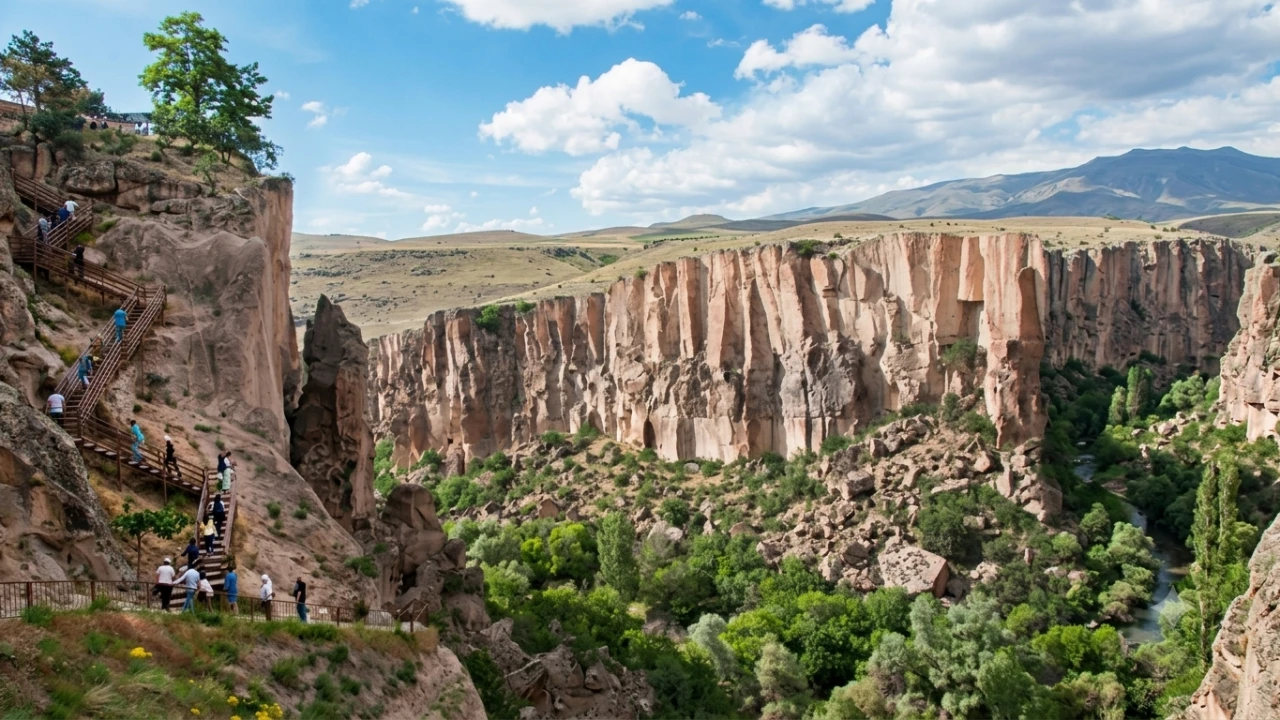
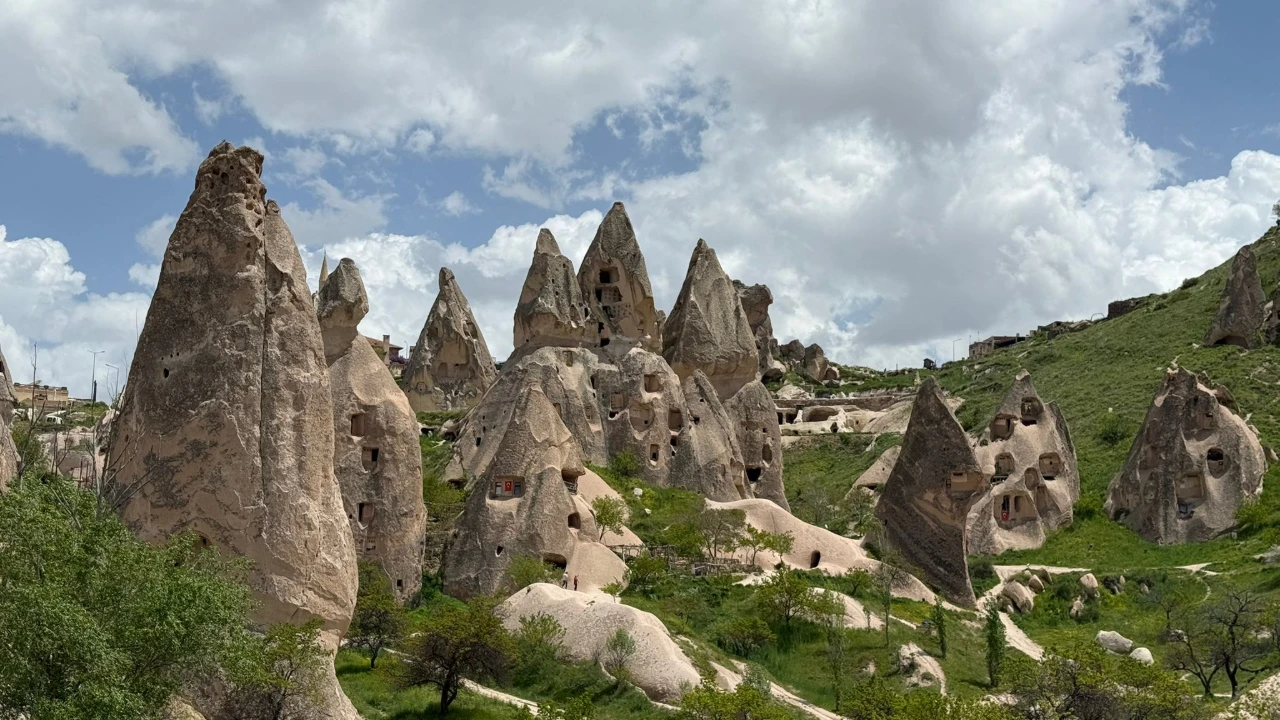
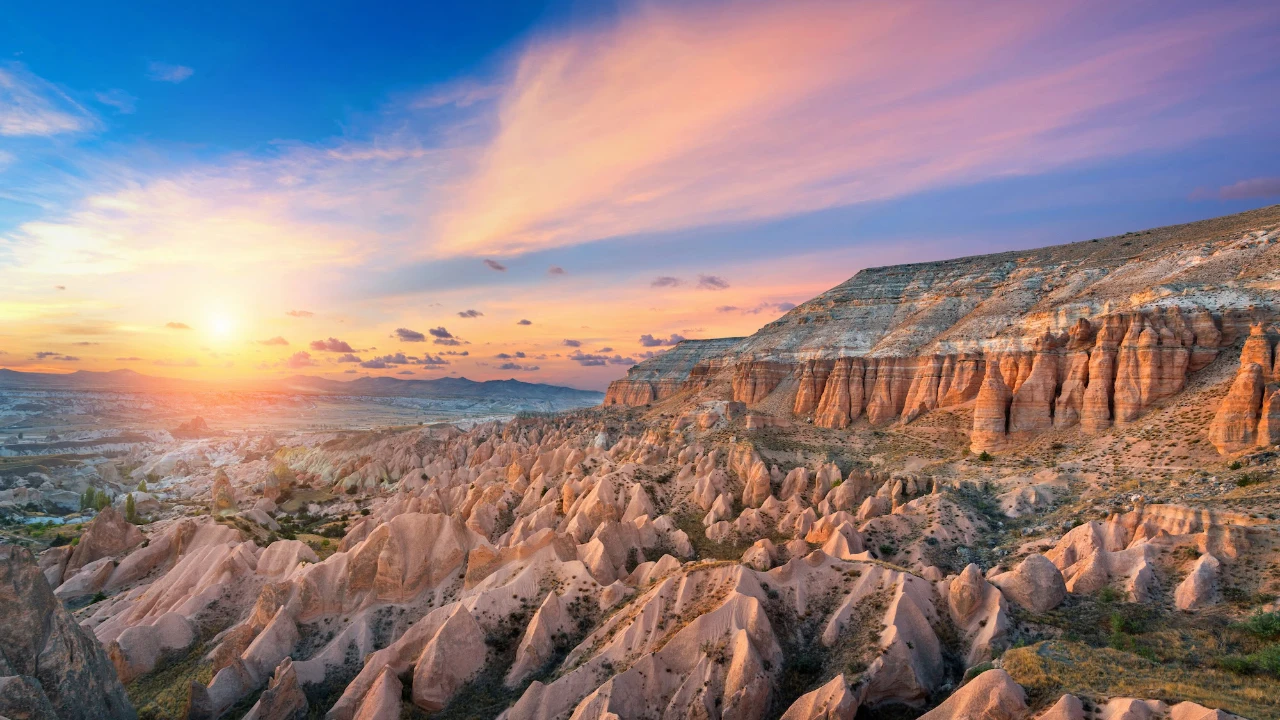
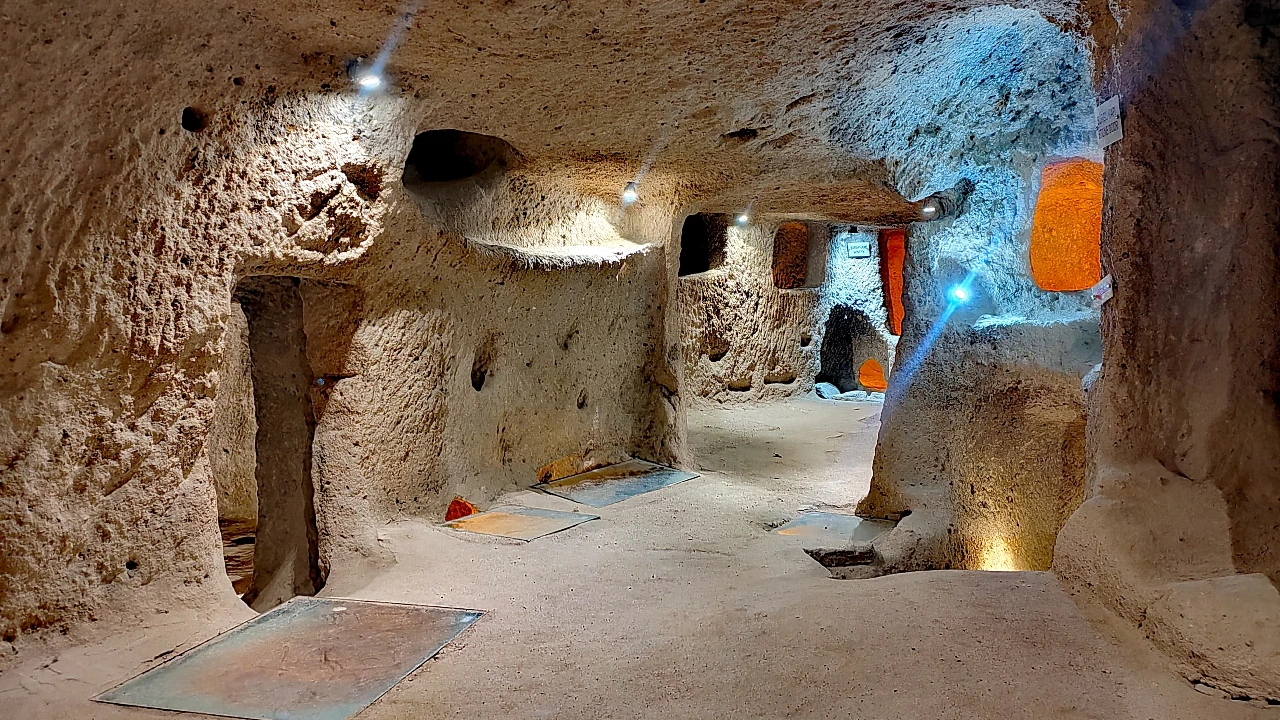
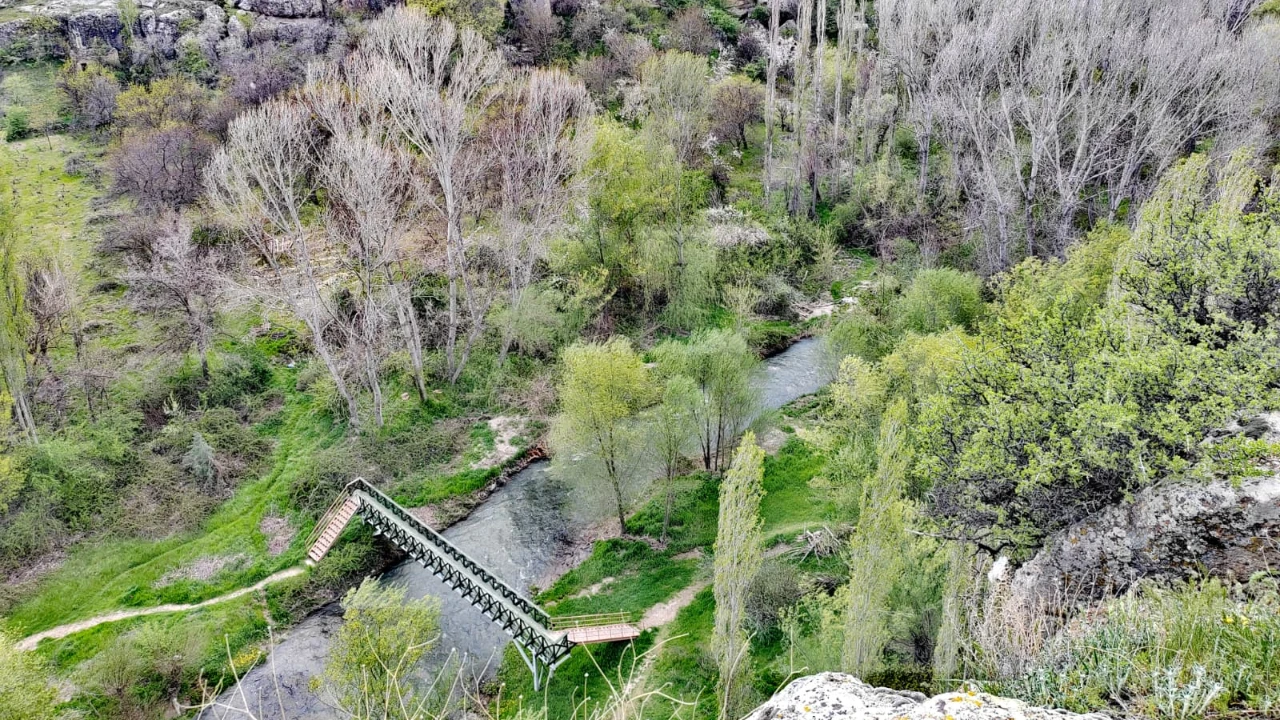
The 14-kilometer-long Ihlara Valley, carved by the Melendiz River through tuff layers originating from Mount Hasan, begins in the town of Ihlara. It stretches through Belisırma and Yaprakhisar to Selime, with its rock-cut churches on the slopes being its most famous feature. In the same district, Manastır Valley boasts around 28 rock-cut churches, chapels, and underground spaces along its 4.5-kilometer length. Both are located within the Güzelyurt district and hold archaeological site status. Those looking to extend their itinerary can benefit from our Cappadocia attractions guide.
Dining and Accommodation Areas
There are no restaurants or hotels directly on the lake shore. Dining and accommodation options are concentrated in roadside facilities and district centers. Roadside eateries offer Central Anatolian classics like lentil soup (mercimek çorbası), dried bean stew (kuru fasulye), and tandoor-cooked meats (tandır). In Aksaray city center, bakeries and traditional artisan restaurants (esnaf lokantaları) are prominent. For a deeper dive into regional cuisine, check out our Konya cuisine guide.
For accommodation, there are three sensible bases: Aksaray city center, with its strong road connections; Şereflikoçhisar for a quick stopover; and for those combining their trip with Cappadocia, the stone house guesthouses around Güzelyurt-Ihlara. Travelers staying on the Cappadocia side can integrate their route with our Cappadocia cultural tours programs.
Practical Tips Before You Go
- The salt crust can be abrasive to footwear; choose old, closed-toe shoes and rinse the soles thoroughly upon your return.
- The intense light reflecting off the white surface can strain your eyes; bring sunglasses, a hat, and sunscreen.
- There is no shade or fresh water sources along the shore; carry enough water and snacks for everyone in your party.
- Do not drive your vehicle onto the lakebed; tires can get stuck in mud where the crust is thin.
- Wind can carry salt dust; protect your camera and phone with a plastic bag, and avoid changing lenses on the shore.
Summary: Crafting Your Perfect Day at Tuz Gölü
A trip to Tuz Gölü ultimately comes down to two key decisions: which month to visit and which shore to approach from. Late spring and early summer are ideal for reflections and birdwatching, while August and September are perfect for walking across the vast salt flats. The eastern shore offers easier access, while the western shore provides tranquility. Spending half a day at the lake and dedicating the rest to nearby caravanserai and valley stops creates a well-balanced itinerary. For those eager to delve deeper into the region's rich history, explore our cultural tours options.
Frequently Asked Questions 7
Where is Tuz Gölü and which provinces does it border?
The lake spans the borders of Konya, Aksaray, and Ankara in Central Anatolia. Its western shore is in Cihanbeyli, the northeastern shore in Şereflikoçhisar, and the southern and eastern parts are in Aksaray.
When can flamingos be seen at Tuz Gölü?
The colony establishes itself in spring, with nesting occurring in early summer. The most active sightings last from mid-summer until September. Observations should be made with binoculars and without approaching the colony.
Can you walk on Tuz Gölü?
During the summer months, when the water recedes and the surface becomes a hard crust, you can walk inland from the shore. If the ground starts to feel wet, it's advisable to turn back; vehicles should not be driven onto the lakebed.
What is Aksaray Güzelyurt famous for?
Güzelyurt is known for its rock-cut churches, traditional stone house architecture, and the Manastır Valley. Ihlara Valley is also within this district's borders, making Güzelyurt an ideal base for exploring the valleys.
Where is Manastır Valley located?
Manastır Valley is located in Aksaray's Güzelyurt district, right next to the settlement. Along its approximately 4.5-kilometer length, you'll find rock-cut churches, chapels, and ancient stone houses.
What is the history of Ihlara Valley?
The valley was formed by the Melendiz River carving through tuff layers originating from Mount Hasan. During the Byzantine period, monastic communities carved churches, chapels, and dwellings into the slopes. Kırkdamaltı and Direkli churches are particularly known for their frescoes.
How much is the entrance fee for Ihlara Valley?
The valley is an archaeological site with an entrance fee; the Museum Pass (Müze Kart) is valid. As tariffs are updated periodically, it's advisable to confirm the current fees from official Ministry sources before your visit.