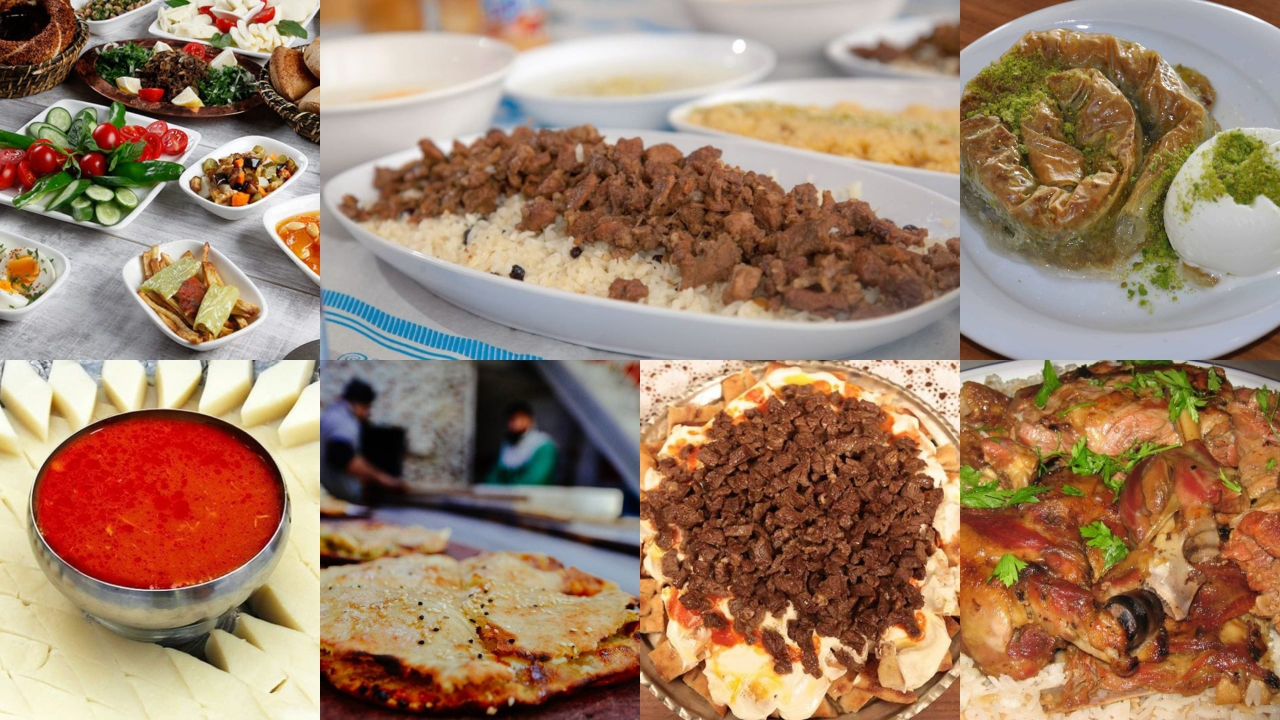

Konya's cuisine is a profound reflection of Anatolia's deep-rooted culinary heritage. With origins stretching back to Çatalhöyük—one of the world's first settled agricultural centers—this gastronomy blends the opulence of the Seljuk courts, the mindful simplicity of Mevlevi culture, and the natural abundance of the Konya Plain. From the legendary Etli Ekmek and slow-roasted Fırın Kebabı to the tangy Bamya soup and the decadent Sac Arası dessert, the city offers a diverse palette of flavors. But what exactly should you eat in Konya, where can you find the most authentic tastes, and what defines this unique culinary identity? In this guide, we’ve curated the highlights of Konya's food scene with practical tips for every traveler.
At Travel Tour Shop, we work directly on the ground across the gastronomic routes of Konya and its surroundings. We have designed this guide not as a cookbook, but as a roadmap for travelers to understand exactly what to expect when they sit down at a local table. Below, you will find a quick summary followed by a deep dive into the city's signature flavors.
Quick Facts
| Category | Details |
|---|---|
| City | Konya (Central Anatolia) |
| Culinary Character | Flour-based pastries and lamb-heavy dishes; influenced by Seljuk and Mevlevi traditions |
| Must-Try Dishes | Etli Ekmek, Fırın Kebabı, Tirit, Bamya Soup, Arabaşı Soup |
| Signature Desserts | Sac Arası, Höşmerim, Cevizli Sucuk, Semolina Halva |
| Best Time to Visit | Year-round; hearty meat dishes and warming soups are especially prized in cooler months |
The Roots of Konya Cuisine: From Çatalhöyük to the Seljuk Court
What sets Konya's food apart from other regional Turkish cuisines is its historical depth. The local table is built upon three main pillars, each leaving a distinct mark on the flavors you encounter today.
The Agricultural Legacy of Çatalhöyük
Located within the borders of Konya, Çatalhöyük is known as one of the earliest centers of settled agriculture in human history. The domestication of wheat, the storage of legumes, and the development of livestock farming thousands of years ago laid the foundation for Konya's love of grains and meats. Today, the thin crust of Etli Ekmek and the use of bulgur in soups are direct echoes of this ancient agricultural identity.
The Influence of the Seljuk Court
In the 12th and 13th centuries, Konya served as the capital of the Anatolian Seljuk State. The lavish banquets hosted in the palace introduced a refined culinary culture to the city. Meat dishes sweetened with dried fruits, almond-studded pilafs, and syrup-soaked desserts were carried from the royal tables of the Seljuks into the modern era. For those wishing to explore the Seljuk and Mevlevi heritage more closely, we invite you to browse our cultural tours category.
The Mevlevi Philosophy of Simplicity
In Mevlevi culture, the kitchen is viewed as a place of spiritual maturation. This philosophy emphasizes respect for ingredients and a strict avoidance of waste. The transformation of stale bread into a dish like Tirit is a perfect example of this elegant, sustainable logic. In Konya, nothing goes to waste; every ingredient finds its purpose on the table.
The Crown Jewel: Etli Ekmek
When people think of Konya, the first thing that comes to mind is almost always Etli Ekmek. While it may look similar to Lahmacun, it is distinguished by its exceptionally long, thin dough and the use of high-quality durum wheat from the Konya Plain. A truly authentic Etli Ekmek can exceed a meter in length and is traditionally served hot on wooden boards.
The topping is kept simple to let the quality of the ingredients shine: hand-chopped (using a zırh blade) medium-fat lamb, finely diced tomatoes, peppers, and onions. Traditional recipes avoid heavy tomato paste or overpowering spices, focusing instead on the pure taste of the meat and wheat. The dough is baked in a stone oven fueled by oak wood until the edges are perfectly crisp.
Etli Ekmek vs. Bıçak Arası
While both share the same dough and baking technique, the difference lies in how the meat is prepared. In Etli Ekmek, the meat is finely minced with a zırh and mixed with vegetables. In Bıçak Arası, the meat is not minced but hand-cut into tiny, precise cubes. This gives Bıçak Arası a more pronounced meat texture on the palate.
Fırın Kebabı and the Art of Meat
The meat-centric side of Konya's cuisine relies heavily on small livestock. Lamb and mutton, raised on the natural pastures of the highlands, define the character of these dishes. Beef is rarely the star of traditional recipes.
Fırın Kebabı (Oven Kebab)
Fırın Kebabı is a dish where patience is the main ingredient. It contains nothing more than meat and rock salt. Cuts from the lamb's foreleg and ribs are placed in large copper cauldrons and slow-cooked for hours over an oak fire without adding a single drop of water. The result is meat so tender it effortlessly falls off the bone. It is served on hot tırnak pide (finger bread) with a side of sliced onions.
Tirit
Tirit is the culinary embodiment of the Mevlevi "zero waste" philosophy. Pieces of pide, lightly crisped in the oven, are soaked in hot bone broth. This is topped with strained garlic yogurt, sumac-rubbed onions, and parsley, followed by shredded lamb and a drizzle of sizzling melted butter. It is a staple of weddings and large family gatherings.
Çebiç
A frequent highlight of Konya's gastronomic offerings, Çebiç consists of tender lamb cooked in a tandoor oven, served alongside a bed of bulgur or rice pilaf. Its melt-in-your-mouth texture makes it a favorite for those seeking a hearty, traditional meal.
Signature Soups: Bamya and Arabaşı
In Konya, soup is more than an appetizer; it is a vital part of the meal. Two specific soups are synonymous with the city.
Bamya Soup (Okra Soup) is the traditional opening dish for weddings and formal invitations. It uses tiny, dried "flower okras" from the Amasya region. After being boiled in lemon water, the okras are cooked with sautéed diced lamb. The addition of plenty of lemon or verjuice (koruk) creates a tart, refreshing flavor that perfectly balances the heavier meat dishes that follow.
Arabaşı Soup is a winter tradition unique to Konya and its surroundings. This thick, spicy meat broth is served alongside a separate plate of boiled dough pieces. Instead of using a spoon, the ritual involves dipping the dough into the soup—a cozy and communal experience during the cold Anatolian months.
Street Food, Breakfast, and the Famous Blue Cheese
Konya's food scene isn't just about sit-down restaurants; the city's bakery and market culture is equally vibrant.
Yağlı Somun (Buttery Loaf) is a breakfast favorite. A hot loaf of bread fresh from the stone oven is sliced open and stuffed with "moldy" blue cheese, kashar, butter, and sometimes sautéed meat (kavurma). It is popped back into the oven until the outside is crunchy and the cheese inside is molten. It's common to see queues forming in front of bakeries for this treat in the early morning.
Şebit is a rustic street food found in villages and markets. It consists of a thin yufka dough cooked on a griddle, filled with blue cheese, butter, and parsley, and rolled up. It is simple, filling, and authentic.
The star ingredient here is Konya's unique Küflü Peynir (Green/Moldy Cheese). Made from sheep's milk and aged under controlled conditions to develop its characteristic blue veins, it has a pungent, sharp aroma. It is the essential component of the morning breakfast and Şebit. When buying, look for producers with geographical indication certification to ensure authenticity.
Desserts and the Ritual of the Wedding Pilaf
Konya's sweets carry the elegance of the Seljuk era. Sac Arası gets its name from the tradition of being cooked between two griddles (sac). Dough rolled as thin as baklava is spread with clotted cream (kaymak), sprinkled with pistachios, and rolled into a tray. After baking, it is drenched in cold syrup, resulting in a dessert that is crispy on the outside and creamy on the inside.
Höşmerim is a traditional dessert based on fresh cheese and semolina, offering a light yet dense texture. For those looking for a souvenir, Cevizli Sucuk (Walnut Sausage) is a must—walnuts strung together and dipped in a grape molasses and starch mixture, then dried. Semolina halva is also a classic treat often served during celebrations.
Speaking of celebrations, the "Wedding Pilaf" (Düğün Pilavı) is a ritual in itself. It follows a strict serving order: starting with Bamya soup, followed by buttery meat pilaf with chickpeas, then a break for semolina halva or Sac Arası, continuing with Yayla soup, and finally closing with a second meat pilaf sweetened with dried fruits. Eating from large shared trays in groups of ten to twelve reflects the city's deep culture of sharing.
Where to Eat in Konya
When planning your culinary adventure in Konya, it's more practical to think in terms of "establishment types" rather than specific restaurants. Here is a framework for your food hunt:
- Etli Ekmek Bakeries: Look for established bakeries in the city center where you can watch the dough being rolled and baked over wood fire. Lunchtime is the peak hour.
- Fırın Kebabı Halls: These specialty shops often sell by weight. It is best to visit during lunch when the meat is freshest. Pair it with sumac onions and ayran.
- Traditional Tradesmen Restaurants (Esnaf Lokantası): These are the best spots for Tirit, Çebiç, and Bamya soup.
- Bakery Breakfast Spots: Visit early-morning bakeries for the best Yağlı Somun and blue cheese experience.
- Local Markets and Village Tables: For authentic Şebit and homemade products, Sunday markets and surrounding village eateries are your best bet.
If you prefer to experience these gastronomic routes with a professional guide and a curated itinerary, explore our gastronomy and organization tours category. To compare all our travel packages, you can view all our tour options.
Konya's cuisine is too layered to be summarized by a single dish. From the ancient wheat of Çatalhöyük to the royal Fırın Kebabı, and from the buttery street loaves to the ritual of the wedding pilaf, this is a journey where history and flavor meet. If you find yourself in the city, we suggest starting your day with a warming soup, continuing with a Fırın Kebabı lunch, and closing the evening with a slice of Sac Arası.
Frequently Asked Questions 6
What should I eat in Konya?
The highlights of Konya's table include meat dishes like Etli Ekmek, Fırın Kebabı, Tirit, and Çebiç; soups such as Bamya and Arabaşı; and street favorites like Yağlı Somun and Şebit. For dessert, don't miss Sac Arası, Höşmerim, and Cevizli Sucuk.
What is the most famous dish in Konya?
Etli Ekmek is the most iconic dish. With its long, thin crust, hand-chopped lamb filling, and wood-fired crispiness, it has become the symbol of the city. Fırın Kebabı and Bamya soup are also highly representative of the region.
What is the difference between Etli Ekmek and Bıçak Arası?
Both use the same dough and baking method. The difference is in the meat: Etli Ekmek uses minced meat mixed with vegetables, while Bıçak Arası uses meat hand-cut into tiny cubes, offering a more distinct meat texture.
What are Bamya and Arabaşı soups?
Bamya soup is a tart, refreshing soup made from dried baby okras and lamb, typically served at the start of wedding menus. Arabaşı is a winter tradition consisting of a thick, spicy meat broth served with separate pieces of boiled dough for dipping.
Which desserts are popular in Konya?
The most popular are Sac Arası (a crispy, cream-filled syrup dessert), Höşmerim (cheese and semolina based), Cevizli Sucuk (walnut and molasses), and semolina halva.
Where can I find authentic local food in Konya?
For Etli Ekmek, visit traditional bakeries; for Fırın Kebabı, go to specialized kebab halls; for Tirit and soups, traditional esnaf (tradesmen) restaurants are ideal. For breakfast, try the local bakeries, and for Şebit, visit the local markets.