
Tourism is far more than just a sector that markets natural beauty and historical wonders. It is a vast, high-stakes ecosystem where nations project their soft power, conduct cultural diplomacy, and sign multi-billion dollar commercial agreements. The most visible stage for this ecosystem is the international tourism fair, held across various continents. In this article, we explore why these fairs are vital, how Turkey's role in this arena has evolved, and how these events contribute to national promotion—viewing them through a strategic lens rather than a simple travel list.
At Travel Tour Shop, we work with a team that understands Turkey's tourism potential on the ground. We closely monitor how the trends discussed at these fairs translate into actual bookings and traveler experiences. This allows us to look behind the scenes at how B2B negotiations and destination marketing truly function.
Why Tourism Fairs are Stages for Diplomacy and Trade
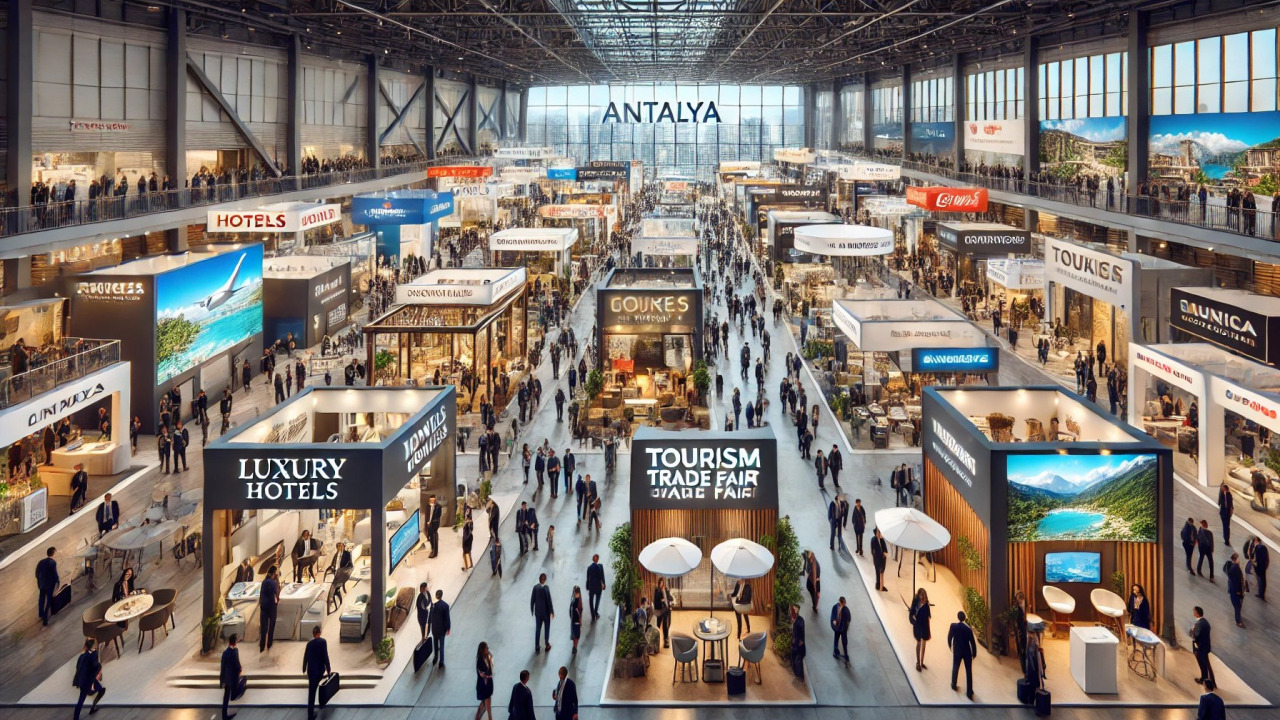
Tourism fairs are prestigious platforms where destinations, hotel chains, airlines, travel agencies, tour operators, and tourism technology providers converge. While colorful booths and brochures catch the eye, the real work happens through the commercial and diplomatic traffic flowing across meeting tables. A fair is simultaneously a marketplace and a global podium.
B2B and B2C: Two Distinct Audiences
Fairs cater to two different worlds. On the B2B (Business-to-Business) side, tour operators, agencies, and hotels negotiate allotments, pricing, and long-term contracts. Many charter flight agreements and early booking contracts for the summer season are finalized during these high-level meetings. On the B2C (Business-to-Consumer) side, travelers discover their next vacation routes and make their first connections with new destinations. This dual structure makes a fair both a stock exchange and a showroom.
Soft Power and Cultural Diplomacy
A country's presence at a fair is a summary of how it perceives itself and how it wishes to be perceived by the world. Cuisine, music, handicrafts, and archaeological heritage become tools of soft power on this stage. Press conferences held at the ministerial level, bilateral meetings, and cooperation protocols turn these fairs into grounds for cultural diplomacy. Our article on the importance of the World Cup in tourism complements this perspective by examining how global events drive travel mobility.
Turkey's Global Presence: From Participant to Trendsetter
Turkey's presence at international tourism fairs is a tangible indicator of the transformation in the country's tourism policy. In the 1980s, Turkey's participation was often limited to "sun, sand, and sea" focused booths with modest budgets. Today, Turkey has emerged as a proactive, multi-channel player running sophisticated, thematic campaigns.
The TGA and GoTürkiye Transformation
The most significant turning point in the professionalization of Turkey's presence was the establishment of TGA (Türkiye Tourism Promotion and Development Agency). Before this structure, the country was represented by fragmented stands from different regions and hotels. With TGA, Turkey has unified under a single corporate identity and a holistic destination image: GoTürkiye. The result is a more organized, visible, and results-oriented promotional approach at international fairs.
From Fragmented Stands to a Unified Identity
In the past, each region built its own visual language with limited resources. Today, Turkish pavilions share a cohesive brand identity. This unity leaves a powerful and consistent image of the country in the minds of visitors, rather than a fragmented picture. This corporate consistency also provides a negotiation advantage; partners are not dealing with a scattered list of regions, but with a planned national strategy.
Major Global Fairs Where Turkey Shines
Turkey participates in numerous fairs across different continents every year. A few of these stand out as global hubs that shape the direction of international tourism. The following table summarizes the strategic importance of these fairs for Turkey.
| Fair | City / Country | Strategic Importance for Turkey |
|---|---|---|
| ITB Berlin | Berlin, Germany | European market, charter flights, and early bookings |
| WTM London | London, UK | Global branding and trendsetting |
| ATM Dubai | Dubai, UAE | Luxury, wellness, and the Middle East market |
| FITUR Madrid | Madrid, Spain | The Spanish-speaking world and cultural tourism |
| EMITT Istanbul | Istanbul, Turkey | Eurasia and Balkans hub (Host) |
ITB Berlin: The Key to the European Market
Considered one of the world's largest tourism exchanges, ITB Berlin is the gateway to Germany and Central Europe—Turkey's most traditional markets. At this fair, Turkey presents more than just hotels; it showcases cultural routes, gastronomic richness, and sustainability certifications to European tour operators. A significant portion of summer season charter and early booking contracts is matured here, making the fair vital for maintaining European market share.
WTM London: The Global Trend and Idea Hub
World Travel Market (WTM) London brings together the global decision-makers of the tourism industry. This is where demand for Turkey—particularly for Muğla, Antalya, and Istanbul—is managed within the UK market. Turkey uses this platform to highlight its innovative side, emphasizing sustainable tourism, eco-tourism, and digital promotion platforms. WTM is where the industry's pulse is taken and the tone for the upcoming season is set.
ATM Dubai: Luxury, Wellness, and the Middle East Market
The Arabian Travel Market (ATM) is a vital meeting point for the Middle East, North Africa, and South Asia. Turkey stands out here with luxury tourism, shopping, plateau tourism, and specifically health and thermal tourism concepts aimed at the high-spending Gulf region. The strength of destinations like Istanbul, Bursa, and Yalova in this market is reinforced through B2B meetings at ATM.
FITUR Madrid: The Gateway to Iberia and Latin America
Held in Madrid, FITUR is one of the largest fairs for the Iberian Peninsula and Latin America. Turkey targets the Spanish-speaking world at this event, focusing on cultural and faith-based tourism with highlights such as Cappadocia, Ephesus, Göbeklitepe, and Taş Tepeler. FITUR serves as the door to a massive market outside of Europe.
Turkey as a Host: EMITT and Domestic International Fairs
Turkey does not only showcase itself abroad; it also hosts global tourism professionals on its own soil through international fairs held domestically. This allows the business of tourism to be managed from within the country.
EMITT Istanbul: The Tourism Summit of Eurasia
EMITT (East Mediterranean International Travel and Tourism Exhibition) is recognized among the world's major tourism fairs. Held in Istanbul, it is one of the most important tourism summits for the East Mediterranean, Balkans, Near East, and Eurasia. Hosting thousands of participants from numerous countries every year, the fair acts as a showcase for the tourism potential of all 81 provinces of Turkey. It also serves as a bridge for revitalizing domestic tourism and establishing new collaborations with neighboring countries.
Travel Turkey İzmir and Antalya Fairs
Travel Turkey İzmir (TTI), held in the heart of the Aegean, is a growing organization focused on alternative tourism, gastronomy, and cruise tourism, triggering regional collaborations with Mediterranean partners. The fair held in Antalya, considered the capital of tourism, holds strategic importance due to its end-of-season timing; it provides a B2B-focused, direct-sales platform where contracts and marketing plans for the following year are first discussed.
Strategic Products and Messages Highlighted at Fairs
While traditional trade fairs focused on the physical attributes of facilities, today Turkey builds a narrative centered on experience, sustainability, and cultural depth. This approach aims to transform the country from a mere summer holiday destination into a multi-layered destination with year-round appeal.
Sustainable Tourism and the GSTC Emphasis
Turkey has become one of the countries developing government-level cooperation with the GSTC (Global Sustainable Tourism Council), which sets global sustainable tourism standards. At fairs, facilities holding sustainability certifications are prominently featured. This emphasis is becoming a decisive factor for environmentally conscious travelers and the younger generation.
Culture and Archaeology: Göbeklitepe and Taş Tepeler
At fairs, Turkey positions itself as a cultural destination carrying the earliest traces of human history. Visual presentations, virtual reality (VR) experiences, and contributions from archaeologists make the Göbeklitepe and Taş Tepeler projects some of the most popular attractions at the pavilions. This positioning moves the country closer to being a high-end cultural destination. For visitors interested in cultural heritage, our cultural tours category offers options that tell this story authentically.
Gastronomy Tourism and the Michelin Influence
The inclusion of Istanbul, İzmir, and Bodrum in the Michelin Guide has strengthened Turkey's gastronomic emphasis at fairs. Live show-cooking by Turkish chefs, tasting areas, and the promotion of regional cuisines are among the most talked-about events at these fairs. Gastronomy has become a standalone reason to visit a region.
Health and Medical Tourism
Turkey has become a major global hub for health tourism, ranging from hair transplants and dental treatments to aesthetic surgery and thermal tourism. Health tourism zones established at fairs bring accredited hospitals and intermediary organizations together with global insurance companies and health agencies.
The Contribution of Fairs to Turkey's Tourism and Soft Power
To understand the impact of these fairs, it is helpful to look at the evolution of Turkey's marketing vision. The following table compares the traditional approach with today's modern strategy.
| Parameter | Traditional Approach | Turkey's Modern Strategy |
|---|---|---|
| Product Focus | Mass tourism (sun, sand, sea) | Highly diverse (gastronomy, health, culture, archaeology) |
| Pavilion Concept | Fragmented, scattered hotel/region stands | Unified corporate pavilion under TGA |
| Technology | Brochures, catalogs, and printed maps | VR experiences, QR digital guides, AI |
| Sustainability | Not a priority | Highlighting GSTC-certified facilities |
| Marketing Language | Price-oriented, "cheap destination" image | Value, experience, and quality-oriented prestigious image |
Fairs are also places where relationships with specific markets are managed. The deepening of tourism ties with certain countries can be seen in our analysis of Turkey-Russia tourism relations, which explores Russian tourist profiles and market trends. Such market analyses form the backbone of negotiations at the fair table.
Challenges and Crisis Management in Global Fairs
Tourism is one of the sectors most sensitive to geopolitical tensions, economic fluctuations, and global perceptions. Because Turkey is located in a sensitive geography, it uses fairs as tools for perception management and communication. During periods of regional tension, pavilions and press conferences are utilized to directly communicate the message that the country is a safe and stable destination.
On the economic front, the price-performance balance is key. Under global inflationary pressures, Turkey strives to maintain its position against competitors like Spain, Italy, and Greece by combining its price advantage with high quality. The flexible and visionary approach of Turkish hoteliers during negotiations helps keep occupancy rates stable even during challenging times. You can compare all our tour options across Turkey on a single page to see how this diversity is reflected on the ground.
Digitalization and the Future of Trade Fairs
As traditional trade fairs give way to hybrid and digital models, Turkey is one of the countries adapting rapidly to this transformation. Physical fairs are now planned alongside digital extensions.
Hybrid Fairs and B2B Matchmaking
Digital trade fairs, which gained momentum during the pandemic, are now an integral part of physical organizations. Months before attending a fair, Turkey uses digital B2B matchmaking platforms to set up appointment systems with foreign operators. This ensures that the limited time on the fair floor is used with maximum efficiency.
Data-Driven Pavilions and Artificial Intelligence
The future of trade fairs lies in offering personalized offers by analyzing the interests of visitors. Systems that can detect whether a visitor interacting with a digital screen is interested in golf tourism or faith-based tourism can suggest tailored itineraries. This approach transforms promotion from a monologue addressed to a mass audience into a personalized dialogue.
Frequently Asked Questions 6
What exactly is the purpose of tourism fairs?
Tourism fairs are platforms where destinations, hotels, agencies, and tour operators converge. While B2B collaborations and contracts are established on one hand, new routes are introduced to travelers on the other. In this sense, fairs act as both a commercial exchange and a promotional podium.
Which international tourism fairs is Turkey most prominent in?
Turkey is strongly represented at major fairs such as ITB Berlin, WTM London, ATM Dubai, and FITUR Madrid. Additionally, through EMITT held in Istanbul, it hosts an international fair on its own soil.
What is EMITT and why is it important?
EMITT is an international fair held in Istanbul and is one of the most important tourism summits for the East Mediterranean and Eurasia. It is a strategic meeting point for showcasing the potential of all 81 provinces of Turkey and establishing cooperation with regional countries.
How are tourism fairs related to soft power?
Fairs are stages where countries introduce their culture, cuisine, and history to the world. This promotion contributes to a country's soft power by enhancing its international perception and attractiveness. Cultural diplomacy is often conducted at these fairside negotiation tables.
What types of tourism does Turkey highlight at fairs?
Alongside classic sea tourism, Turkey highlights gastronomy, culture and archaeology, health and thermal tourism, and sustainable tourism. This diversity aims to spread tourism revenue throughout the year and increase per capita spending.
How is digitalization changing tourism fairs?
Digitalization has moved fairs toward a hybrid structure. Participants now arrange appointments via digital matchmaking platforms before the event, and pavilions offer experiences supported by VR and artificial intelligence. This enables both time efficiency and personalized promotion.