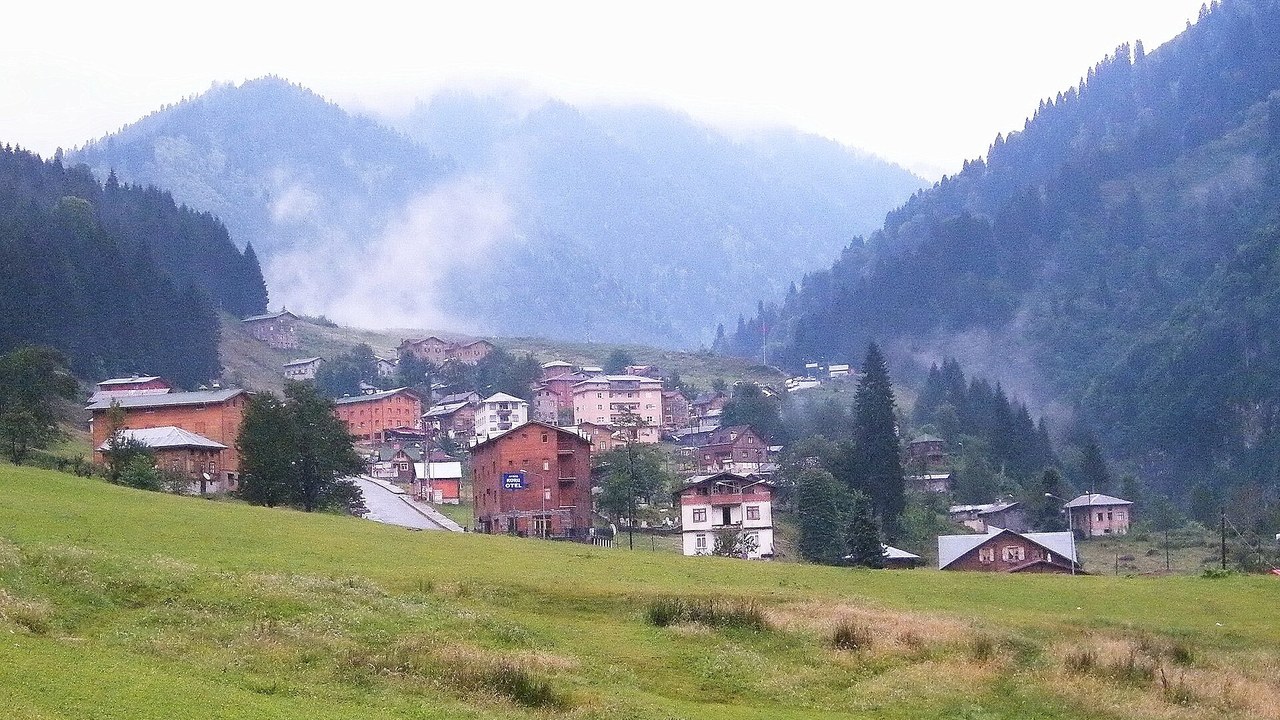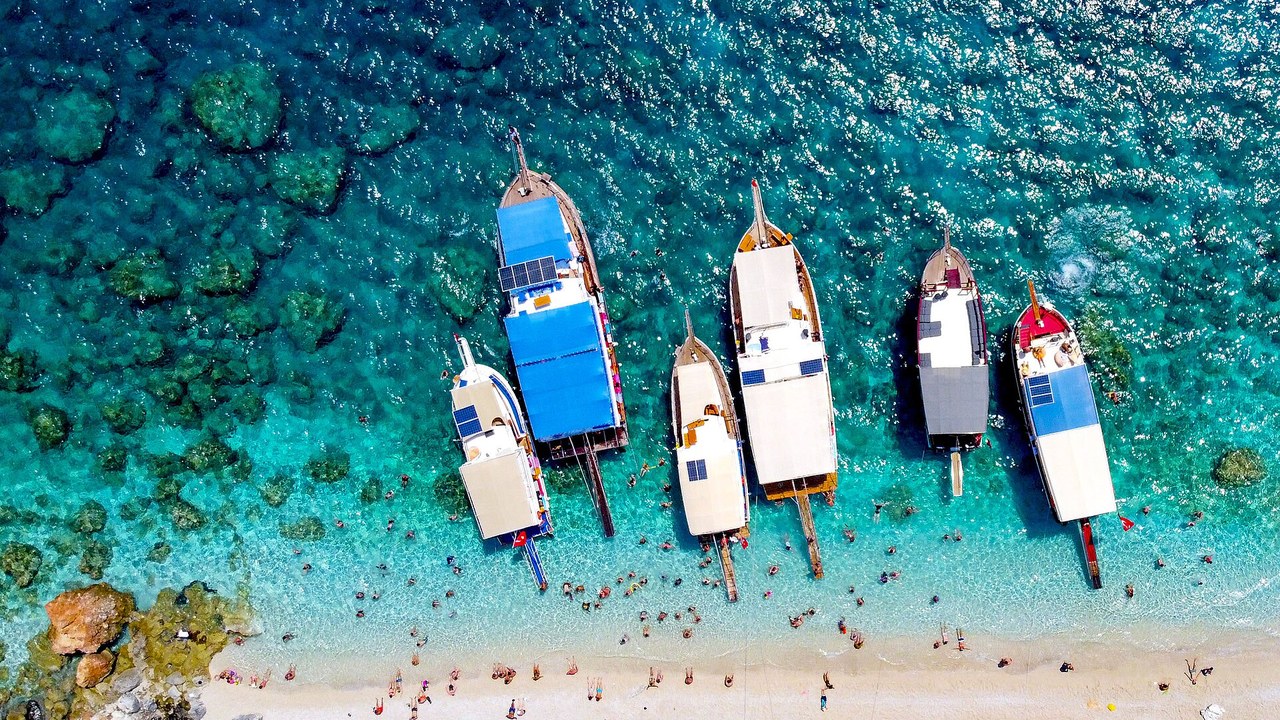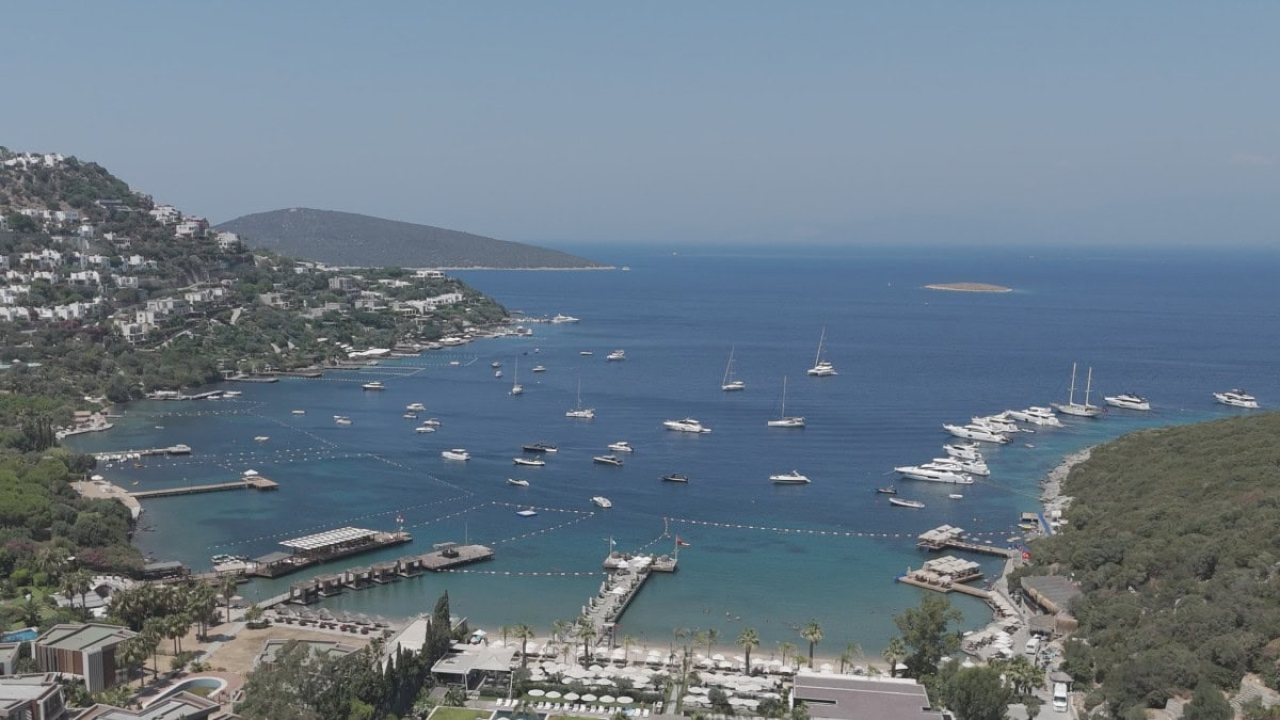

While Bodrum often steals the spotlight, the Muğla region is a sprawling paradise that extends far beyond a single town, boasting over 1,100 kilometers of breathtaking coastline. From the historic ramparts of Bodrum Castle and its ancient theater to the almond-scented breezes of the Datça peninsula, the pine-fringed hidden coves of Göcek, the winding riverways of Dalyan, the pristine sands of İztuzu, and the bohemian charm of Akyaka—Muğla is a diverse tapestry of experiences. In this guide, we move beyond the postcards to give you a comprehensive look at the region, starting from the vibrant energy of Bodrum and stretching across its most serene peninsulas and bays.
At Travel Tour Shop, we don't just book trips; we know the terrain. We understand the unique character of every district. Below, you will find a breakdown of Muğla's districts and their "travel personalities," detailed guides to must-visit spots like Bodrum, Datça, Göcek, Dalyan, and Akyaka, and practical tips on when and how to visit. Our goal is to help you plan your journey not as a typical tourist, but as a seasoned traveler who knows the secret coves and the best winding roads.
Quick Facts
| Category | Details |
|---|---|
| Province | Muğla (The southwestern coast where the Aegean meets the Mediterranean) |
| Best Time to Visit | June-September for beach holidays · September-October for a quieter vibe · Spring and Autumn for sightseeing |
| Recommended Duration | 3-4 days for a single district · 6-8 days for a multi-district itinerary |
| Top Highlights | Bodrum Castle, Datça-Knidos, Göcek bays, Dalyan-İztuzu, Akyaka, Sedir Island |
| Transportation | Milas-Bodrum (BJV) and Dalaman (DLM) airports · Car rental · Boat charters |
Exploring Muğla's Districts: Which One is for You?
Because Muğla covers such a vast area, each district offers a completely different vacation concept. Identifying which vibe matches your expectations before booking will help you set the right rhythm for your trip.
Bodrum: History, Marinas, and High-Life
Bodrum is the most famous face of Muğla, known for its iconic white-washed cubic architecture, luxury marinas, and upscale resorts. A place of legend and poetry, it is home to the remains of the Mausoleum at Halicarnassus (one of the Seven Wonders of the Ancient World) and the formidable Bodrum Castle, built by the Knights of St. John. From the party vibes of Gümbet to the chic shores of Yalıkavak and the artistic atmosphere of Gümüşlük, the peninsula offers something for everyone. Generally, the northern side features calmer bays, while the southern coast is more wind-swept—your choice of accommodation will define the pace of your stay.
Datça: The Serene, Almond-Scented Peninsula
Datça is a slender finger of land stretching into the sea where the Aegean and Mediterranean merge. With its traditional stone houses, endless almond groves, and secluded coves, it is the ultimate sanctuary for those looking to escape the hustle and bustle of Bodrum. The crown jewel here is the ancient city of Knidos, perched at the very tip of the peninsula.
Göcek: The Yachting Capital
Göcek is a sheltered bay where lush pine forests dip their toes into turquoise waters. As one of the premier starting points for a "Blue Cruise," it is world-renowned for its marinas and surrounding archipelago. Many of its most stunning bays are inaccessible by road, making boat trips an absolute necessity here.
Dalyan: Rivers, Rock Tombs, and Turtles
Dalyan is one of Muğla's most unique destinations, characterized by its river channels winding through reed beds, towering rock tombs, and the famous İztuzu Beach. Situated between Lake Köyceğiz and the Mediterranean, this wetland geography is a dream for nature lovers and history buffs alike.
Marmaris and Akyaka: Where Green Meets Blue
Surrounded by dense pine forests, Marmaris is a hub for sailors, featuring protected bays and peaceful escapes like Selimiye, Bozburun, and Turunç. While the Marmaris waterfront is great for a quick stroll, Akyaka—located further inside the Gökova Gulf—offers a more laid-back alternative with its unique wooden architecture and world-class windsurfing conditions.
Top Things to Do in Bodrum
Bodrum center and its surrounding peninsula perfectly blend ancient history with a modern maritime culture. Most of the central highlights are within walking distance, allowing you to pack a lot into a single day.
- Bodrum Castle and the Museum of Underwater Archaeology: Built in the 15th century, the castle houses one of the world's leading collections of underwater archaeology, including the famous Uluburun shipwreck.
- Ancient Theatre of Bodrum: A massive theater carved into the hillside, offering a stunning view of the harbor and a glimpse into the city's Halicarnassus roots.
- The Mausoleum at Halicarnassus: Visit the site of one of the Seven Wonders of the Ancient World. While mostly in ruins, the site remains a powerful testament to ancient grandeur.
- Zeki Müren Art Museum and Bodrum Maritime Museum: Perfect stops for those wanting to dive deeper into the local art scene and the region's seafaring heritage.
- Gümüşlük, Yalıkavak, and Bitez: Explore the seafood restaurants of Gümüşlük, the luxury boutiques of Yalıkavak's marina, or the surf-friendly shores of Bitez.
- Bodrum Windmills and the Myndos Gate: The windmills on the hill between Gümbet and the center are the best spot for sunset views, while the Myndos Gate marks the entrance to the ancient city walls.
Datça and Knidos: The Ancient Edge of the World
The Datça peninsula represents the slower, more mindful side of Muğla. Beyond the stone houses of the town center, the real draw is the ancient city of Knidos. Located at the exact point where the Aegean and Mediterranean seas meet, Knidos was once a powerhouse of science, art, and trade. Watching the sunset from its seaside ancient theater is a rite of passage for any visitor. You can reach Datça from Bodrum via road or by seasonal ferry.
The peninsula has a soul of its own: the narrow stone alleys of Old Datça (Reşadiye), gardens overflowing with olives and almonds, and the crystal-clear waters of Palamutbükü and Ovabükü. The scenic drive to Knidos is a journey in itself, making Datça the perfect counterbalance to the high energy of Bodrum.
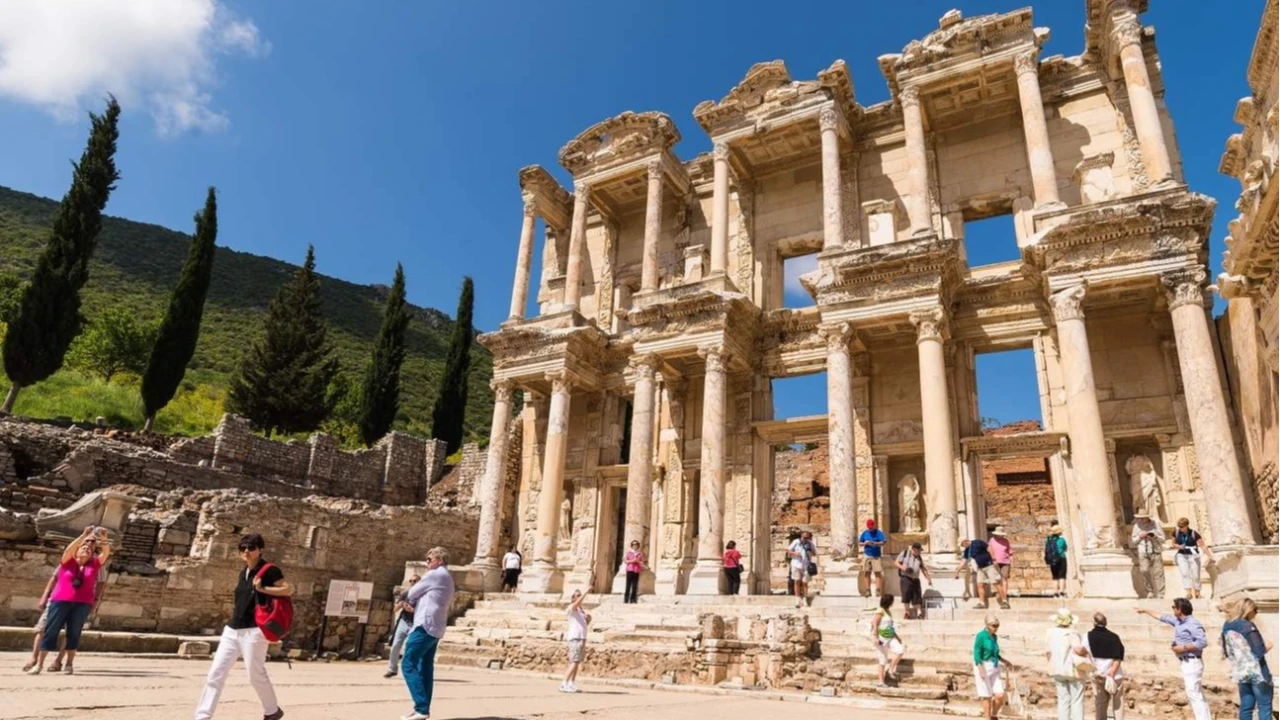
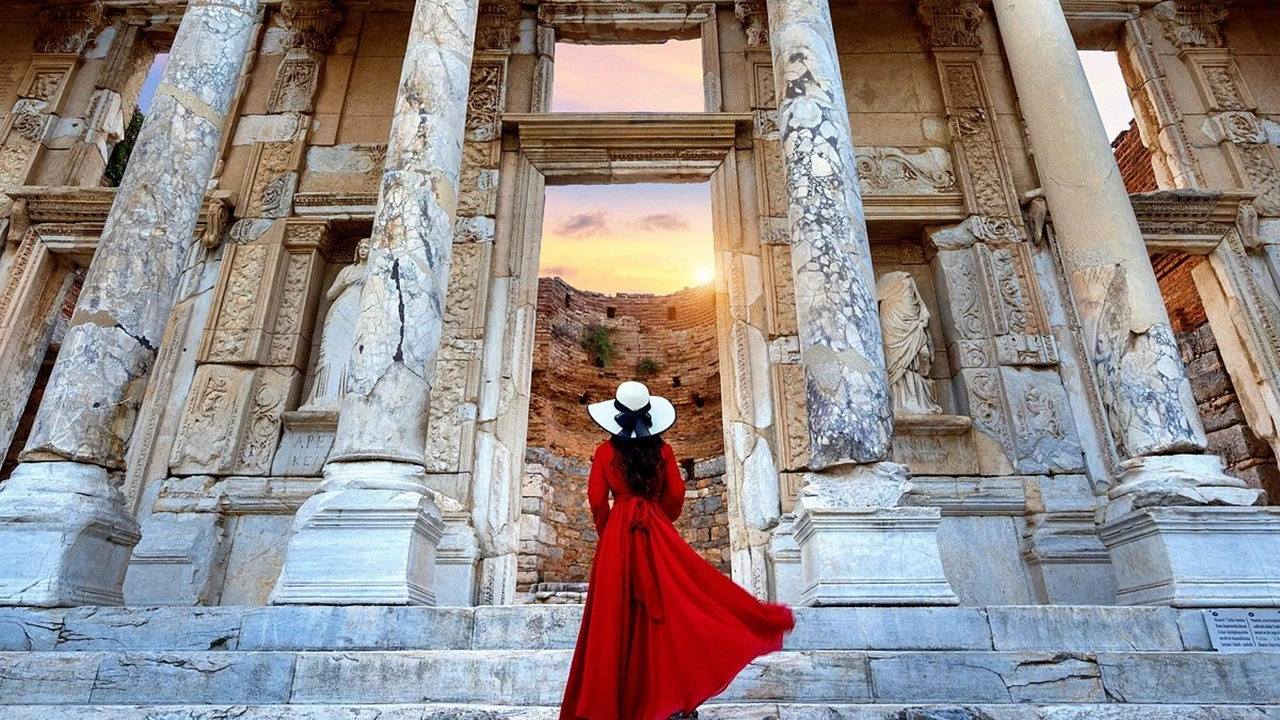
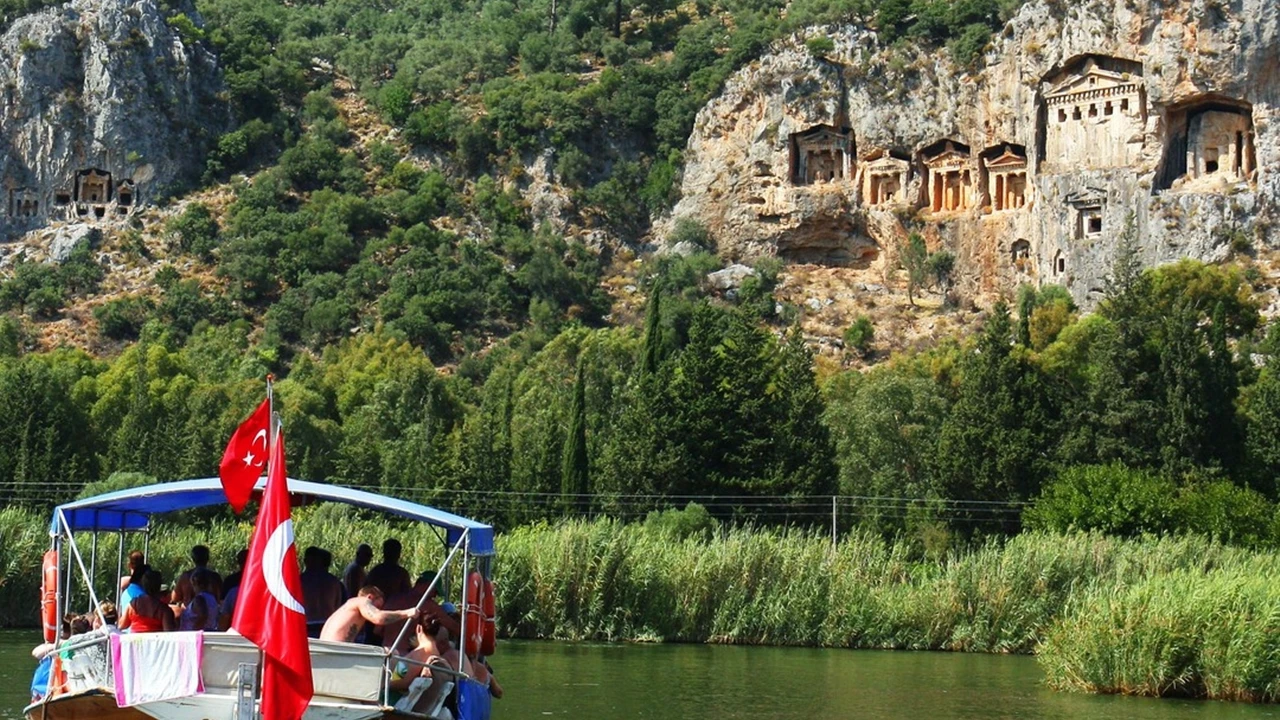
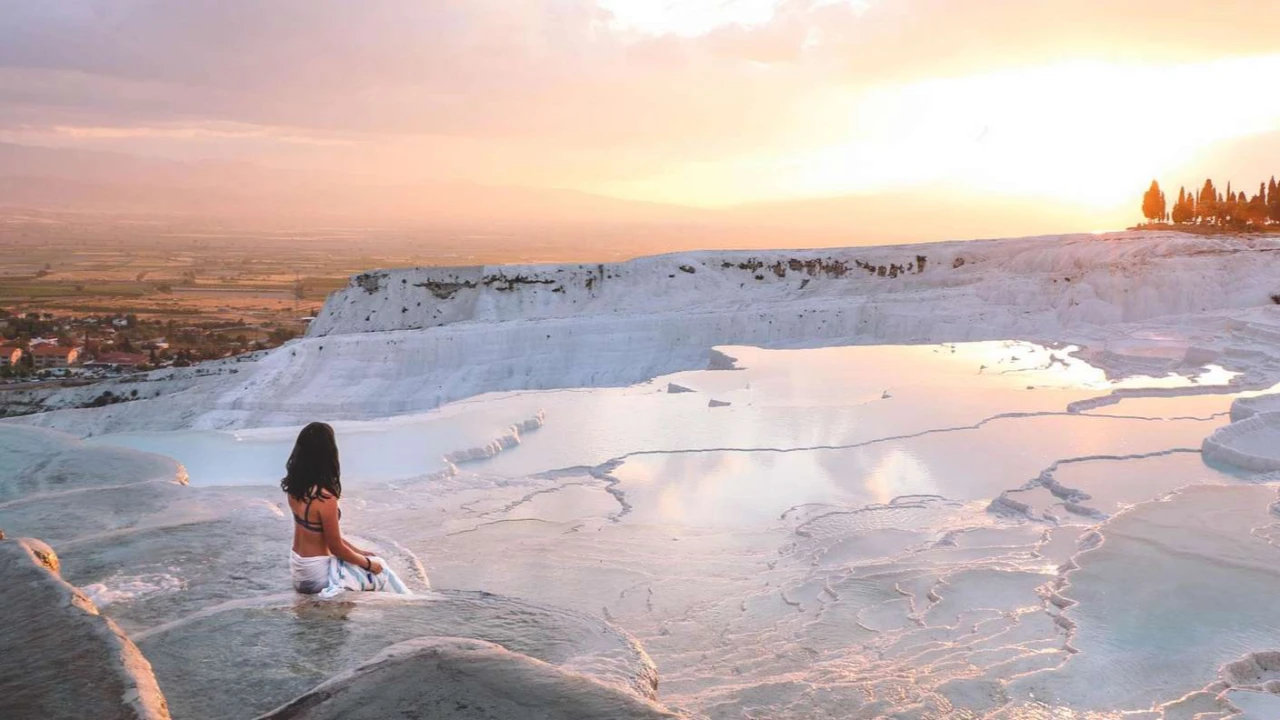
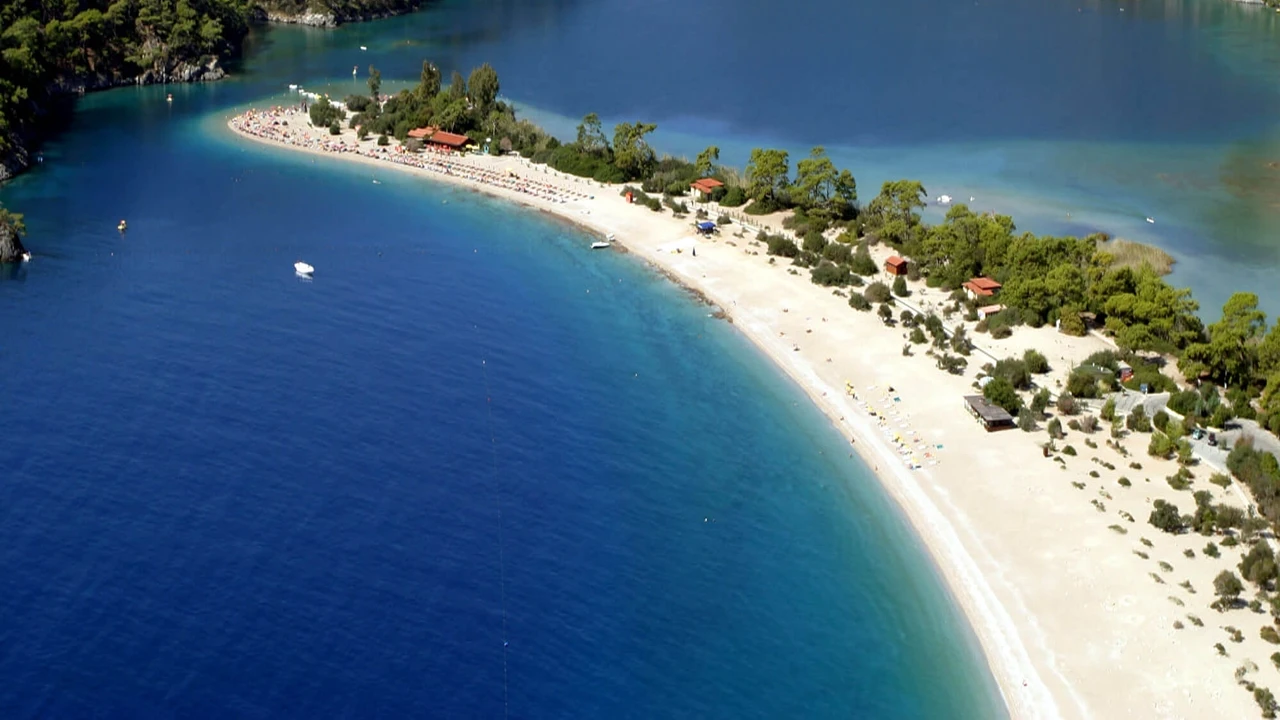
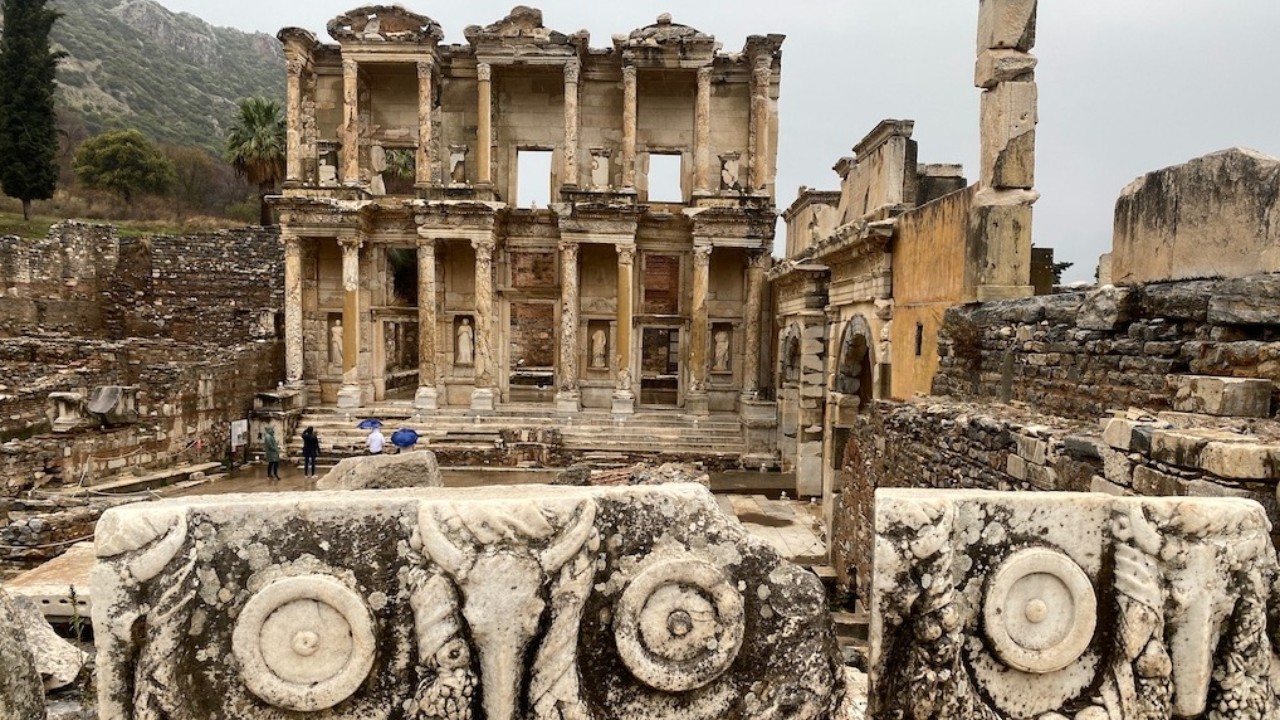
Göcek and Dalyan: Hidden Bays, İztuzu, and Kaunos
Due to the rugged geography of Muğla, some of the clearest waters are only reachable by boat. This makes the islands and coves around Göcek the heart of the region's maritime routes. Daily tours from Göcek allow you to hop between secluded islets and swim in emerald waters.
Dalyan offers a completely different rhythm. You'll travel through river channels on flat-bottomed boats, passing the Kaunos Royal Rock Tombs—monumental tombs carved directly into the cliffs to resemble temple facades. The journey ends at İztuzu Beach, a stunning stretch of golden sand. Because it is a critical nesting ground for loggerhead sea turtles (Caretta caretta), the beach is strictly protected, giving it a wild, untouched feel that sets it apart from other resorts.
If you want to discover these bays from the water, explore our Muğla sea adventure tours category.

Akyaka and Sedir Island: The Quiet Side of Gökova
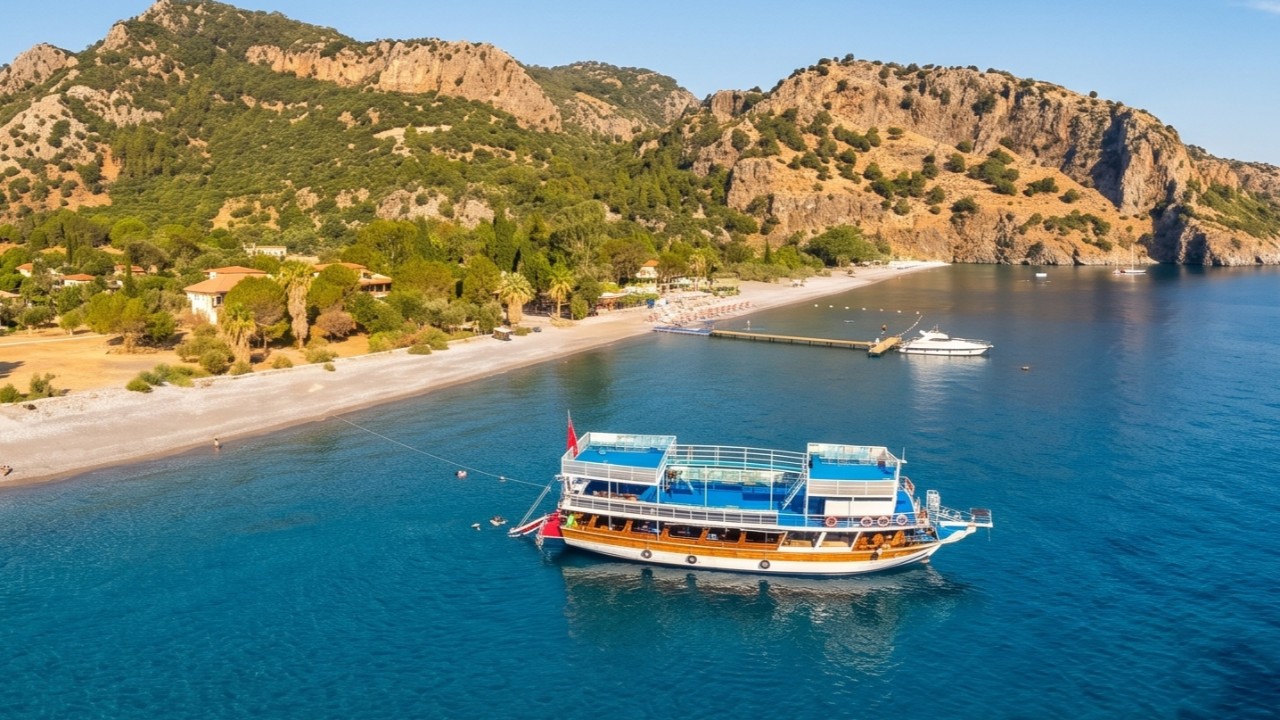
The inner reaches of the Gökova Gulf are ideal for those seeking a slower pace. Akyaka is famous for its preserved wooden architecture, the crystal-clear Azmak River, and its status as a windsurfing mecca. Canoeing or walking along the riverbanks provides a refreshing alternative to the beach.
In the gulf lies Sedir Island, home to the ancient city of Kedrai and the legendary Cleopatra Beach. The beach is famous for its uniquely coarse, golden sand, which is so scientifically rare that it is protected by law—taking sand off the island is strictly forbidden. Accessible by boat from Gökova or Çamlı, Sedir Island is perfect for a day trip combining ruins, hiking, and swimming.
Boat Tours and Maritime Routes in Muğla
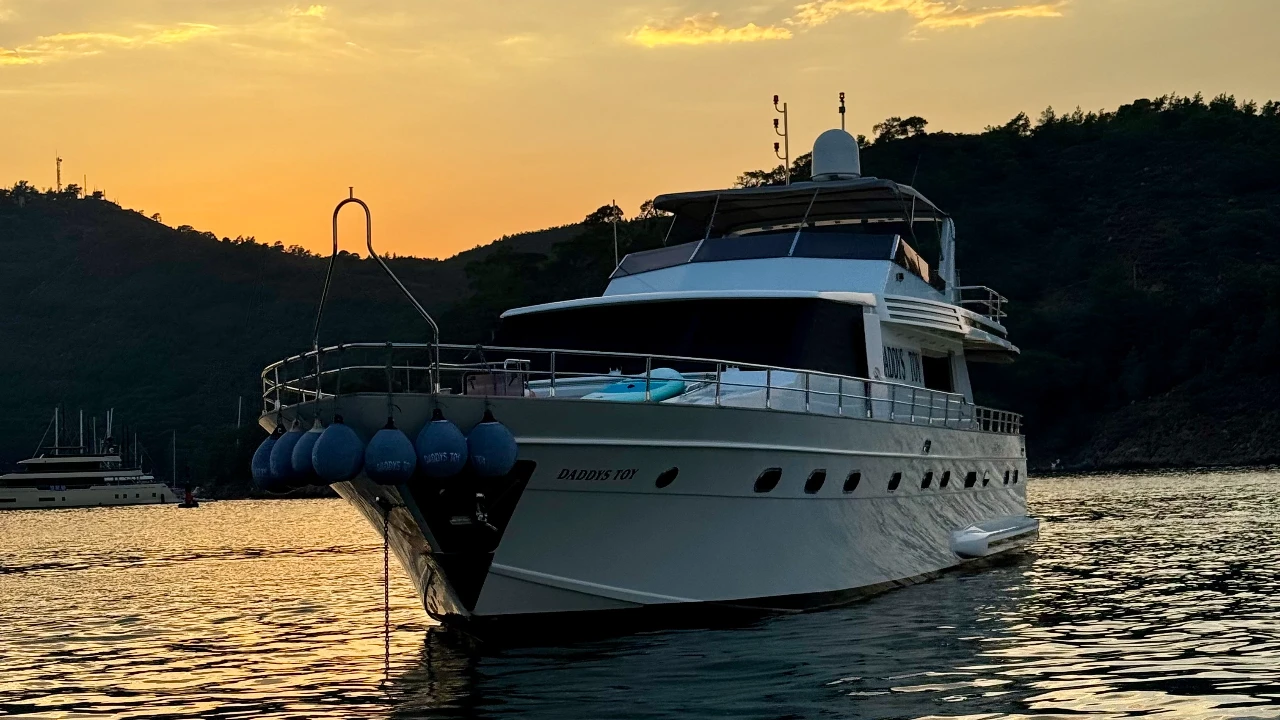
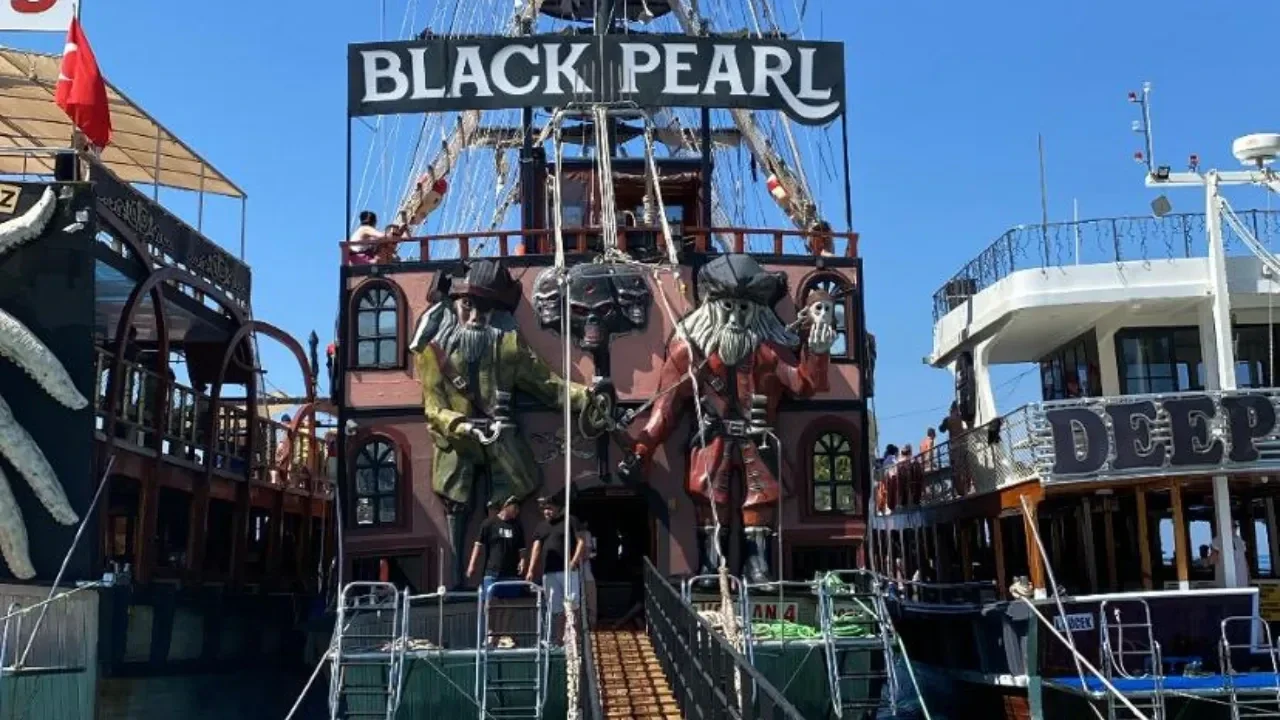
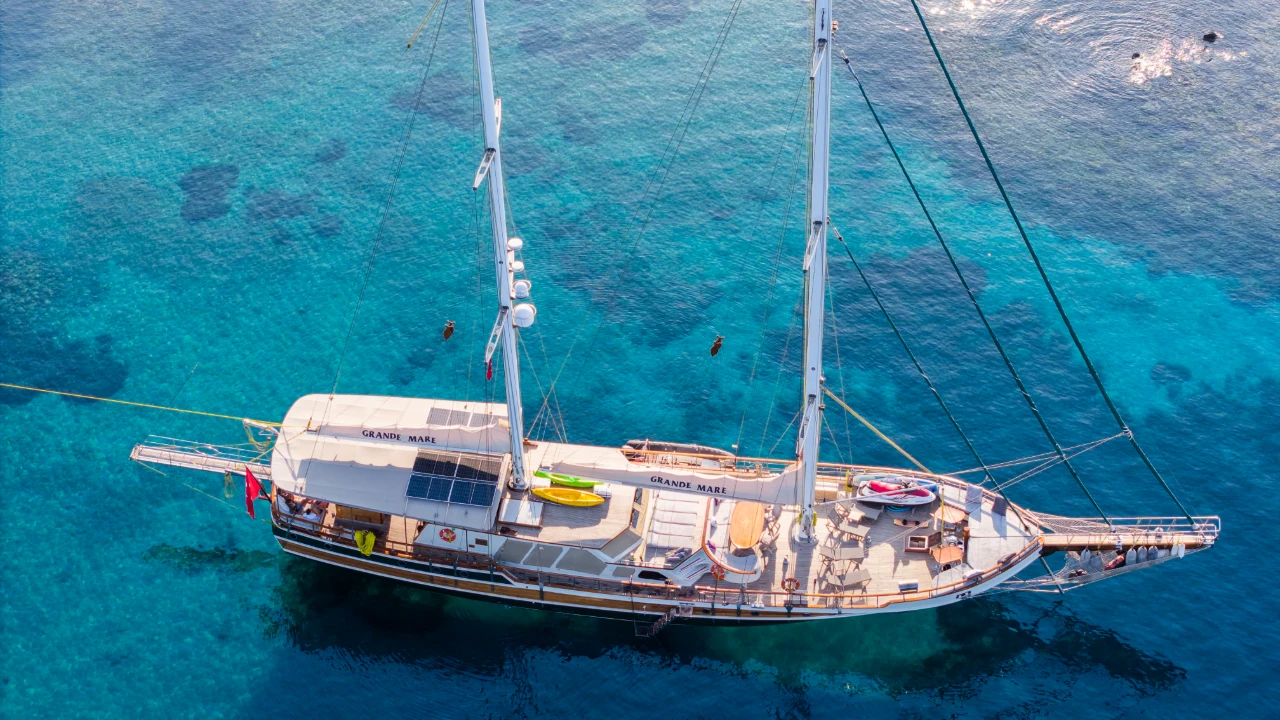
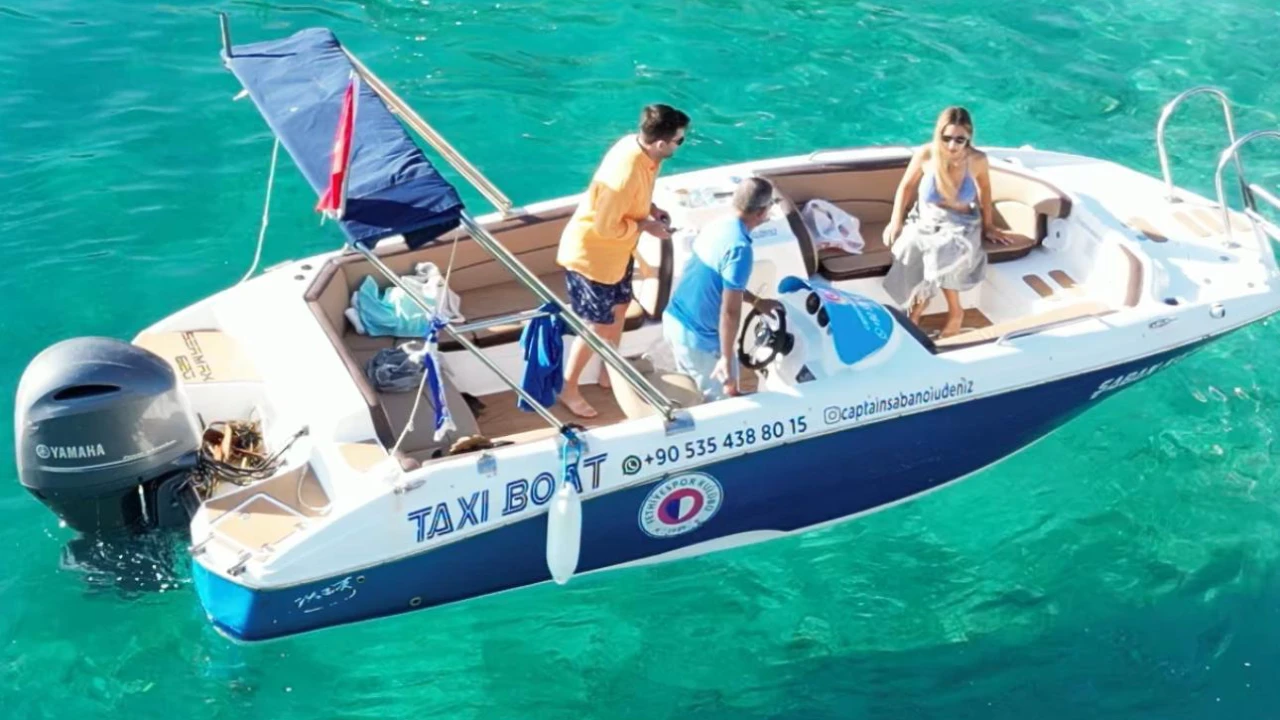
To see Muğla only from the land is to miss half the magic. The bays around Bodrum, the Göcek archipelago, the Gökova Gulf, and the shores of Datça are best experienced by sea. While daily boat trips are great for a few swimming stops, a "Blue Cruise" (multi-day sailing) allows you to connect different districts while sleeping under the stars.
To compare ship and boat options departing from Bodrum, visit our Bodrum cruise and boat tours category.
When choosing a route, consider three things: the departure port, the duration, and the number of stops. Daily tours from Bodrum and Göcek focus on swimming and sunbathing, while multi-day cruises turn the boat into your hotel. Keep in mind that the inner Gökova Gulf is generally more sheltered, while open-sea routes offer a more adventurous, wind-swept experience.
When and How to Visit Muğla
The peak summer season runs from June to August; this is when the crowds are largest and the energy is highest. For those seeking comfort and tranquility, September and October are the "golden months"—the sea is still warm, but the streets are quieter. Spring and Autumn are the best times for exploring the ruins of Knidos, Kaunos, and Bodrum without the oppressive heat.
Logistically, Muğla is served by two international airports: - Milas-Bodrum Airport (BJV): The best choice if your primary destinations are Bodrum, Milas, or Datça. - Dalaman Airport (DLM): The most convenient gateway for Marmaris, Fethiye, Göcek, Dalyan, and Akyaka.
Since the distances between districts can be significant, choosing the right airport can save you hours of travel. For those planning a multi-stop itinerary, we recommend organized tours that combine road and sea travel. You can view all our tour options here.
Frequently Asked Questions 6
Which airport should I choose for a trip to Muğla?
It depends on your destination. Use Milas-Bodrum Airport (BJV) for Bodrum, Milas, and Datça. Use Dalaman Airport (DLM) for Marmaris, Fethiye, Göcek, Dalyan, and Akyaka.
Which districts in Muğla are the most popular?
Bodrum, Marmaris, Fethiye, Datça, Göcek, Dalyan, and Akyaka are the highlights. Bodrum is for history and nightlife, Datça for peace, Dalyan for nature, and Akyaka for a bohemian, relaxed vibe.
What are the must-see spots in Bodrum?
Don't miss Bodrum Castle and the Museum of Underwater Archaeology, the Ancient Theatre, the Mausoleum at Halicarnassus, and the charming villages of Gümüşlük, Yalıkavak, and Bitez.
How many days do I need to explore Muğla?
If you are focusing on one district, 3-4 days is usually enough. However, if you want to combine Bodrum, Datça, Dalyan, and Göcek, a 6-8 day itinerary is recommended for a more relaxed experience.
What can I see in Dalyan and İztuzu?
Take a river boat trip to see the Kaunos Royal Rock Tombs and end your journey at İztuzu Beach, a protected nesting site for Caretta caretta sea turtles.
When is the best time to visit Muğla?
For beach lovers, June to September is peak season. For a quieter experience, September and October are ideal. For sightseeing and visiting ancient ruins, spring and autumn offer the most pleasant weather.