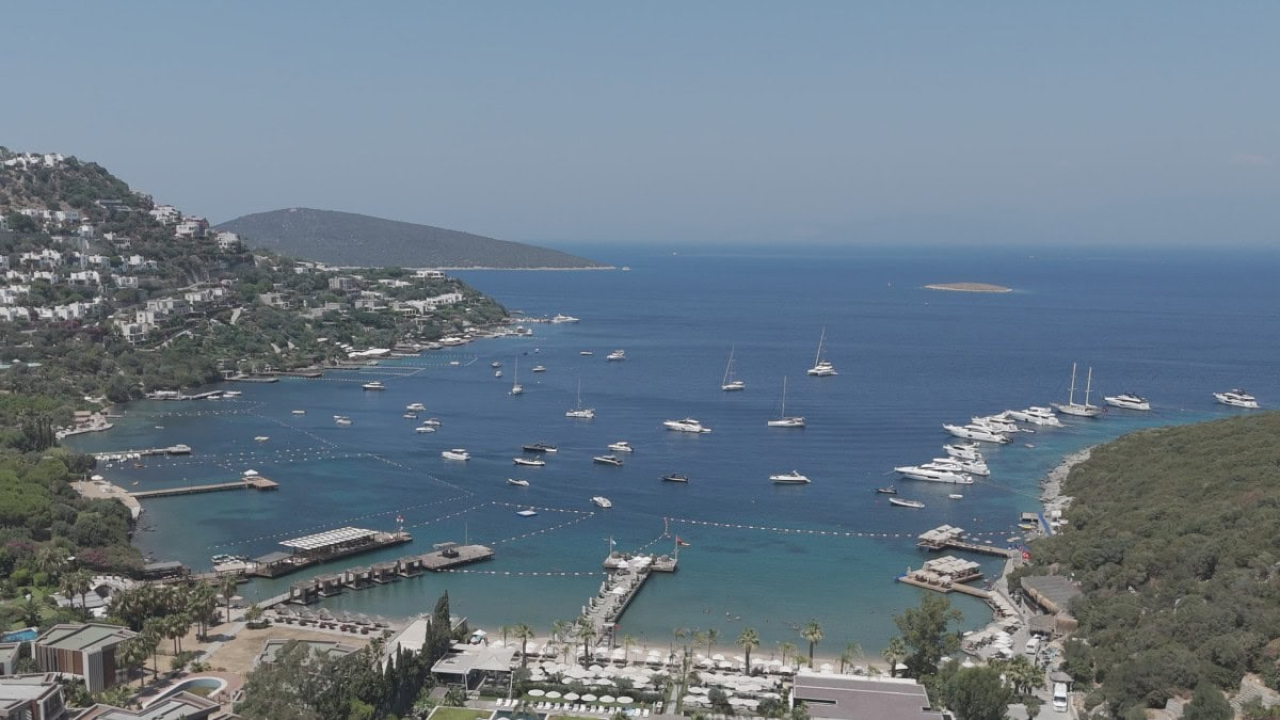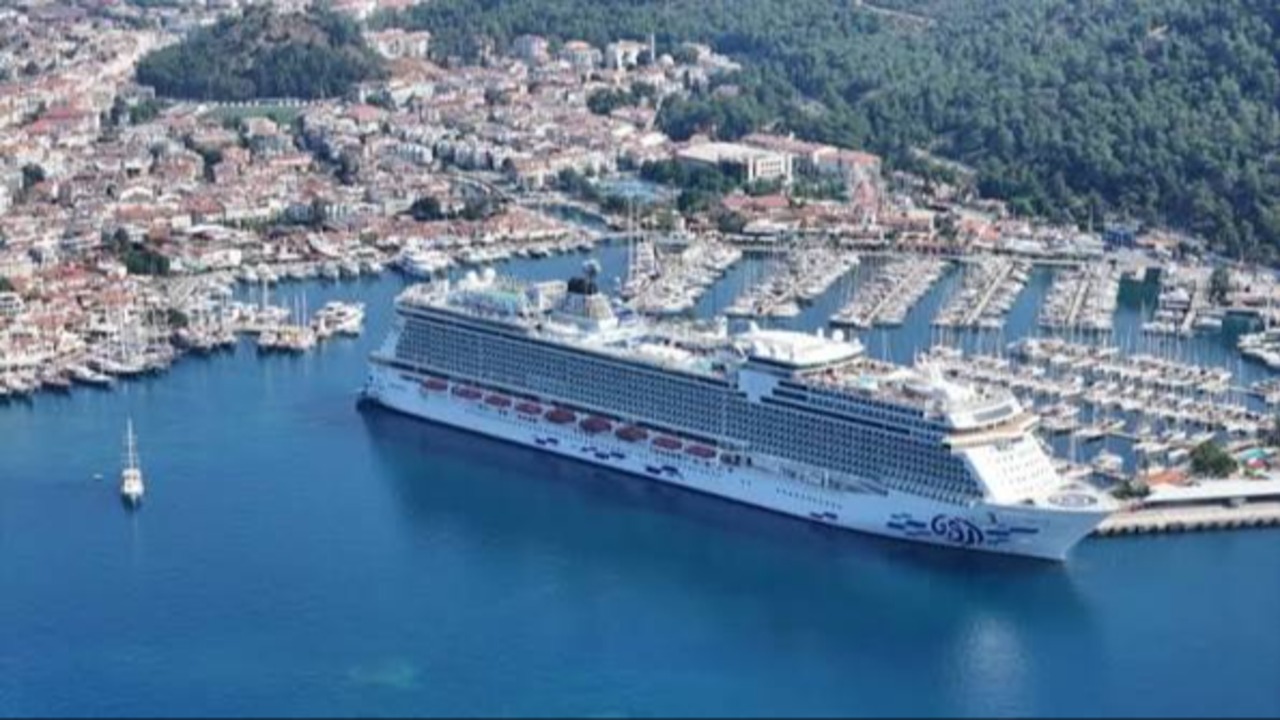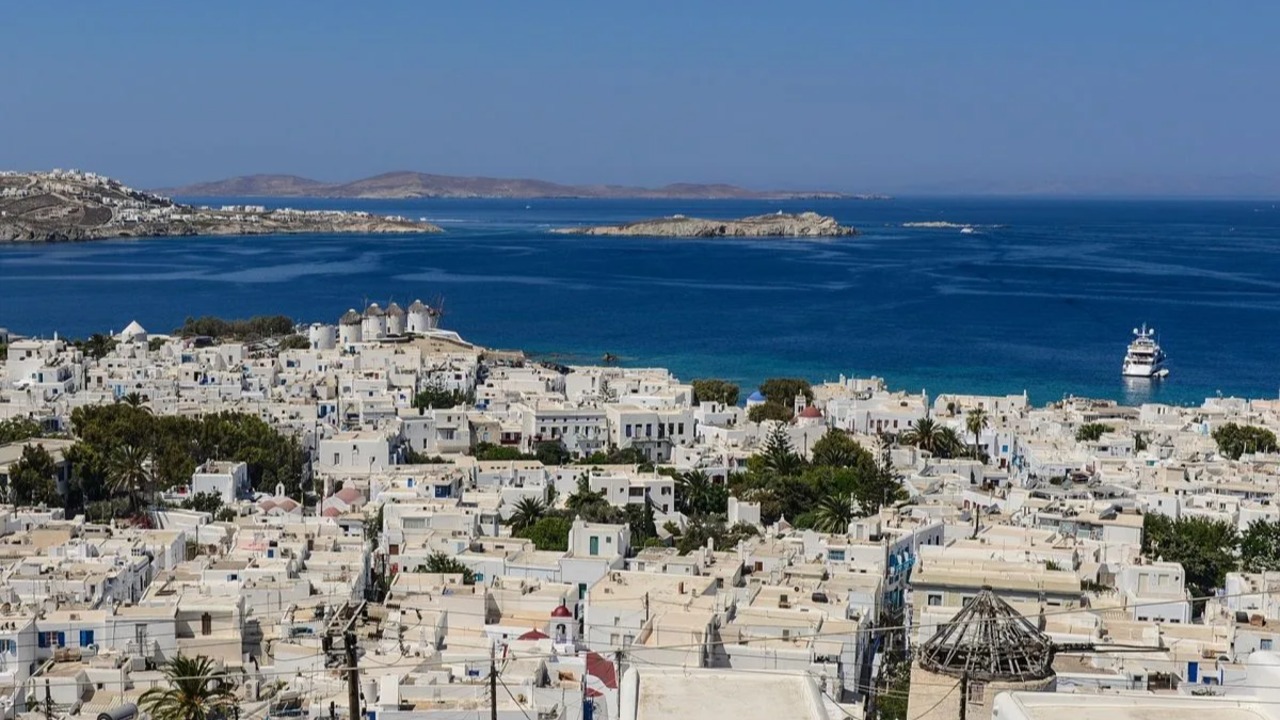

Divided by the turquoise waters of the Aegean, Turkey and Greece are bound by more than just a border; they share a geography, a culinary heritage, and centuries of intertwined history. This proximity has transformed tourism between the two nations into a vibrant, mutual exchange. For travelers in Turkey, the Greek islands offer a seamless escape just a few nautical miles away, while Greek visitors are frequently drawn to the magnetic charm of Istanbul, İzmir, Edirne, and Bodrum. Understanding the dynamics of Turkey Greece tourism—and the practicalities of hopping from the coast to the islands—is essential for anyone planning a regional getaway.
At Travel Tour Shop, we operate on the ground across the Aegean coast and neighboring routes. We personally evaluate ferry lines, seasonal conditions, and destinations to ensure they meet our high standards of service. In this guide, we outline the general framework of tourism between the two countries, the logistics of ferry crossings, and the essential details of the "visa on arrival" process. As visa regulations and ferry schedules can shift, we strongly recommend confirming current requirements with your ferry operator or the relevant consulate before booking.
Quick Facts
| Category | Details |
|---|---|
| Destination | Greece (Neighboring via the Aegean Sea) |
| Key Ferry Routes | Ayvalık-Lesvos, Çeşme-Chios, Kuşadası-Samos, Bodrum-Kos, Marmaris-Rhodes, Kaş-Meis |
| Visa | Visa on arrival available for ordinary (burgundy) passports; subject to ferry company or consulate confirmation |
| Best Season | Late spring through autumn is ideal for beach activities and sightseeing |
| Note | Visa on arrival applications are typically handled via the ferry company; documents, duration, and fees may vary |
Two Sides of the Aegean: The Bond Between Turkey and Greece
For years, Turkey and Greece were viewed as competitors in the global tourism market, both offering the classic Mediterranean promise of sun, sea, and ancient ruins. Over time, however, this relationship has evolved from competition to complementarity. Since the 1990s, it has become clear that the two neighbors can collectively offer a comprehensive "East Mediterranean Experience" for international travelers.
This shift has led to tangible results: more frequent ferry services, streamlined border processes, and collaborative tour packages designed by travel agencies from both sides. While political climates may fluctuate, tourism has remained a steady bridge bringing people together. Today, the Aegean is a connected travel hub, where ferries wave goodbye from Çeşme to Chios and cruise ships dock regularly at the port of Kuşadası.
The cultural connection runs deep. Similar dining traditions, shared musical motifs, and overlapping lifestyles create a sense of familiarity that transcends tourism. For the traveler, this means that a Greek island or a Turkish coastal town feels less like a foreign land and more like a welcoming extension of the same cultural landscape.
Mutual Tourism Flow and Economic Impact
The flow of Turkey Greece tourism is a two-way street. Turkish travelers often head to the nearby Greek islands for short breaks, weekend getaways, or gastronomic explorations. The quiet bays, seaside tavernas, and sleepy villages of the islands provide a serene alternative to more crowded holiday resorts. This movement also boosts the local economies of Turkish port cities like Ayvalık, Çeşme, Kuşadası, Bodrum, and Marmaris, as visitors stay, dine, and shop in these hubs before crossing the sea.
Conversely, Greek citizens frequently visit the historical and religious landmarks of Istanbul, the vibrant atmosphere of İzmir, and the shopping districts of Edirne and the Thrace region. The geographic proximity and variety of transport options—sea, land, and air—ensure that this traffic remains constant, making the Aegean one of the most visited cross-border regions in the world.
Beyond the economic exchange, every visit serves as a touchpoint that reduces prejudice and strengthens neighborly bonds. In this sense, tourism acts as a powerful tool of soft power, maintaining stability and friendship between the two societies.
Crossing to the Greek Islands by Ferry
The most convenient way to reach the Greek islands is via ferries departing from Turkey's Aegean port cities. Because many islands are only a few nautical miles from the coast, they are perfect for day trips or short vacations. The primary routes include:
- Ayvalık - Lesvos (Midilli): A gateway to the North Aegean, known for its olive groves and quiet coastal villages.
- Çeşme - Chios (Sakız): A short voyage to the island famous for its mastic trees.
- Kuşadası - Samos (Sisam): A connection to an island celebrated for its lush greenery and wine culture.
- Bodrum / Turgutreis - Kos: Access to an island known for its flat, bike-friendly terrain and ancient heritage.
- Marmaris - Rhodes (Rodos): A route to the island of medieval walls and expansive beaches.
- Kaş - Meis (Kastellorizo): A very short hop to the tiny, tranquil island sitting right across from Kaş.
Frequency, routes, and travel times vary by season and operator. While schedules increase during the summer, some lines may become limited during the winter. We recommend checking the latest timetables before your trip. For those who love the sea, these short crossings are a joy in themselves; you can explore similar maritime experiences in our cruise and boat tours category.
When booking, it is practical to arrange your round-trip tickets simultaneously. Some visa application processes require proof of a return ticket, so it is wise to confirm this detail with your provider.
The "Visa on Arrival" (Express Visa) Process
To make travel easier for Turkish citizens, the "visa on arrival" (or express visa) system was introduced. This allows travelers to enter specific Greek islands without a full consular application, instead coordinating through the ferry company. Since the scope and conditions of this program are updated periodically, please use the following as a general guide and verify current details with your ferry operator or the consulate.
How to obtain a visa on arrival?
Generally, the application is made through the ferry company operating the route. The passenger submits the required documents to the company, which then forwards them to the port authorities on the island. Common requirements typically include a signed application form, a biometric photo, a copy of the passport, and a national ID. Applications must usually be completed a certain number of days before departure. Because fees and processing times can vary, always get the most current quote directly from your service provider.
Which islands are covered and what are the conditions?
The visa on arrival program typically covers a select group of islands, most notably Chios, Samos, Lesvos, Rhodes, Kos, and Meis. Key points to keep in mind:
- The program generally applies to ferry departures originating from Turkey.
- Entry may be restricted to the specific island where the application was made; traveling to other islands or the Greek mainland may require a different visa.
- The permitted stay is usually short (a window of a few days).
- Passport type is critical; while some official passports are exempt, ordinary passport holders must apply.
- Quotas and seasonal demand can affect processing times.
Because these details are subject to change, verifying the current status with official sources ensures your travel plans remain seamless.
Shared Culture, Cuisine, and Cruise Routes
The strongest pillar of Turkey Greece tourism is cultural affinity. The cuisines of both nations are mirrors of each other: tzatziki (cacık), stuffed vine leaves (dolma), baklava, and fresh seafood are staples on both shores. This similarity creates a natural foundation for gastronomic tourism. From the vineyards around İzmir and Urla to the mastic-scented streets of Chios, and from the olive oil tables of Bodrum to the seafood of Kos, the region is a paradise for food lovers. You can find options that highlight this cultural depth in our cultural tours category.
Cruise tourism also plays a vital role in linking the two countries. East Mediterranean itineraries often group Turkish and Greek ports together. A traveler might spend one day exploring Istanbul or Kuşadası and the next visiting Athens, Santorini, or Mykonos. This integrated structure allows visitors from around the world to experience the ancient legacies of both Anatolia and Ancient Greece in a single journey.
Beyond the sights, there is a genuine desire for mutual understanding. Shared festivals, "Aegean Cuisine" concepts, and joint art events transform tourism from a simple holiday into a continuous cultural dialogue.
Planning Your Trip: Essential Tips
When planning a trip to the Greek islands, consider the following:
First, choose your destination carefully. Your choice of island determines your departure port, ferry line, and visa process. A quick trip from Kaş to Meis is a vastly different experience from a journey from Marmaris to Rhodes.
Second, timing is everything. The period from late spring to autumn is ideal for swimming and outdoor exploration. Summer offers the most frequent ferry schedules and a buzzing island atmosphere, while winter is much quieter with reduced services.
Third, get your paperwork in order. Check your passport validity and gather all necessary visa documents well in advance. Avoiding last-minute applications prevents stress regarding quotas or missing paperwork.
Finally, for those planning multi-island hops, organized tour packages can significantly reduce the logistical burden. Having transport, accommodation, and border crossings pre-arranged is especially helpful for first-time visitors. To compare different themed itineraries, feel free to browse all our tour options.
Frequently Asked Questions 6
Do I need a visa to go to the Greek islands from Turkey?
Turkish citizens with ordinary (burgundy) passports generally require a visa. However, an "express visa" or visa on arrival is available for specific islands. Some official passport holders may be exempt. Please confirm your specific status with the consulate or your ferry company.
Which Greek islands offer visa on arrival?
Chios, Samos, Lesvos, Rhodes, Kos, and Meis are frequently included in the visa on arrival program. Since the list and conditions can change seasonally, always verify with your ferry operator before booking.
How do I apply for a visa on arrival?
Applications are typically handled via the ferry company. You submit your documents to the company, which then coordinates with the island's port authorities. Requirements and fees vary by island and company, so check the current guidelines before starting the process.
Which Turkish ports have ferries to the Greek islands?
Ferries depart from Ayvalık (to Lesvos), Çeşme (to Chios), Kuşadası (to Samos), Bodrum and Turgutreis (to Kos), Marmaris (to Rhodes), and Kaş (to Meis). Schedules vary by season.
Can I travel to the Greek mainland with a visa on arrival?
Generally, no. Visa on arrival is typically restricted to the specific island you applied for. Traveling to the mainland or other islands usually requires a standard Schengen visa. Please verify this with official consular sources.
What is the best time of year to visit the Greek islands?
Late spring through autumn is considered the best time due to mild weather and calm seas. Summer is the peak season with the most frequent ferries, while winter offers a more secluded experience with limited transport.