
Trabzon's culinary scene is a vibrant tapestry where the freshness of the Black Sea meets the lushness of the highlands. As a historic port city where the Silk Road once touched the coast, Trabzon has spent centuries blending diverse cultural influences into its plates. The rugged terrain favored corn over wheat, the proximity to the sea made the anchovy (hamsi) a cultural icon, and the high-altitude pastures created a rich tradition of butter and artisanal cheeses. In this guide, we dive deep into the authentic flavors of Trabzon, how to eat them, and the best gastronomic routes to follow.
At Travel Tour Shop, we operate on the ground in the Eastern Black Sea region, maintaining close ties with local producers and the hidden gems of Trabzon's districts. We have curated the following recommendations based on our own quality standards to help you design a culinary experience that perfectly suits your palate. First, let's look at a quick snapshot of the city's flavor profile, followed by a detailed exploration of each specialty.
Quick Facts
| Category | Detail |
|---|---|
| City | Trabzon (Eastern Black Sea) |
| Culinary Profile | Based on cornmeal, butter, anchovies, and highland dairy |
| Signature Dishes | Akçaabat meatballs, kuymak, anchovy pilaf, Sürmene pide |
| Desserts | Hamsiköy rice pudding, Laz böreği |
| Best Season | Winter for anchovies; Summer for highland dairy and herbs |
What is the Most Famous Dish in Trabzon?
When people think of Trabzon, the first things that come to mind are hamsi (anchovies) and Akçaabat meatballs. The city's bond with the sea has turned the anchovy into more than just food—it's a symbol of identity. During the winter months, this small fish dominates the markets and serves as the star ingredient in everything from simple pan-fries to elaborate pilafs and pastries. On the other hand, the Akçaabat meatball, named after the district of Akçaabat, is a geographically certified delicacy and the city's most renowned meat dish.
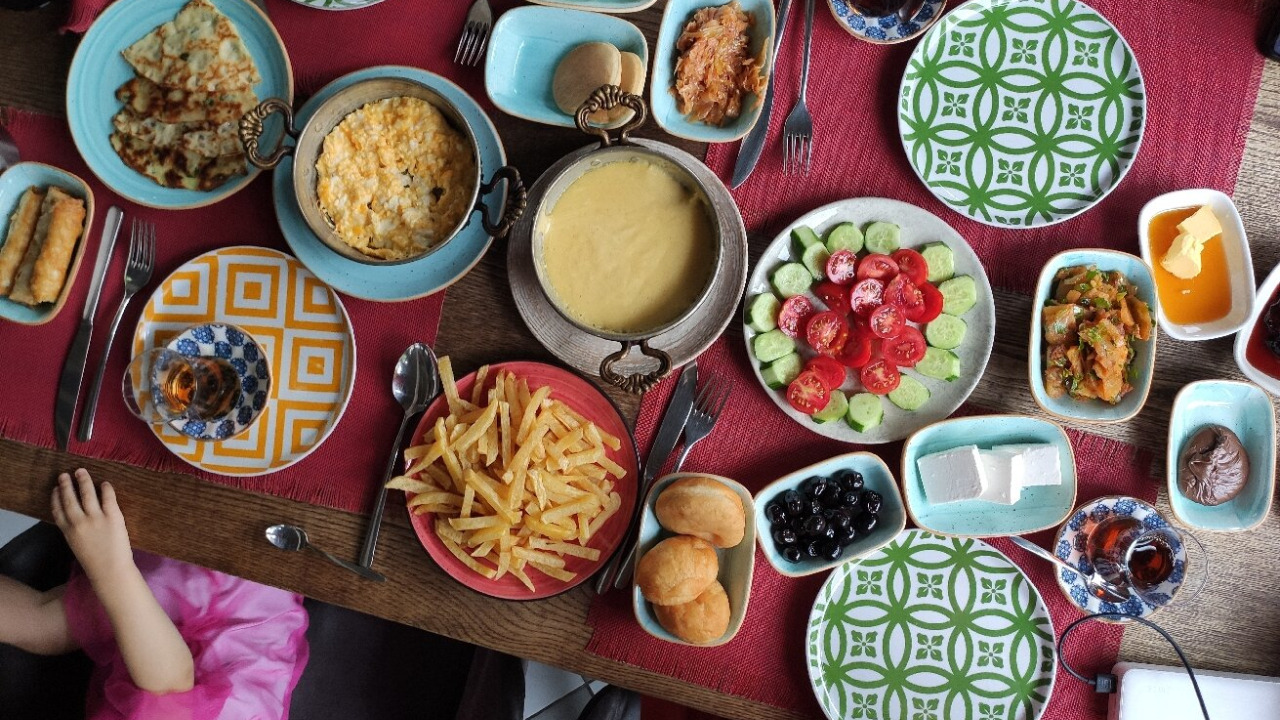
Another undisputed star of the table is kuymak. A molten blend of cornmeal, butter, and local cheese, this sizzling pan dish is a staple of both breakfast tables and cozy winter evenings. Together, these three flavors provide the most authentic answer to the question, "What should I eat in Trabzon?" and are the primary tastes that distinguish this city from its neighbors.
Local Specialties You Must Try
Trabzon cuisine is defined by a technique that balances the simplicity of cornmeal with the richness of butter. Most of the city's signature dishes revolve around these two ingredients. Here are the top dishes to seek out during your visit.
Akçaabat Meatballs (Akçaabat Köftesi)
Akçaabat meatballs are prized for their purity, made from a blend of beef rib and brisket mixed with garlic, without the use of heavy spices or industrial additives. The mixture is rested overnight, shaped into flat ovals by hand, and grilled over oak charcoal. Traditionally served with charred peppers and a side of piyaz (white bean salad), the quality of the meat and the smoky aroma of the wood fire are what give these meatballs their distinct character.
Kuymak (Trabzon Style)
While often confused with Rize's mıhlama, the Trabzon version of kuymak typically features a higher ratio of cornmeal and adds the cheese at the very end. Butter is melted in a copper pan until it foams, and cornmeal is roasted until it reaches a golden hue. After adding water and reaching the right consistency, kolot cheese is folded in. Once the cheese melts and the butter pools around the edges, it's served piping hot, perfect for dipping pieces of corn bread. The legendary "cheese pull" is the hallmark of a dish made with fresh, high-fat kolot cheese.
Hamsi and Anchovy Pilaf (Hamsili Pilav)
For a local, hamsi is the heart of the kitchen. For the famous anchovy pilaf, cleaned and salted fish are layered meticulously along the bottom and sides of a greased tray, scales facing out. The center is filled with a savory rice pilaf seasoned with onions, pine nuts, currants, and spices, then topped with another layer of fish and baked until crispy. When the tray is flipped over for serving, it reveals a stunning, shimmering pattern of fish.
The versatility of hamsi doesn't stop there. Hamsi tava (pan-fried anchovies coated in cornmeal) is the most common daily meal. Other variations include hamsi kuşu (two fish joined back-to-back), hamsili ekmek (anchovies baked into bread dough), and hamsi buğulama (steamed anchovies with butter). This variety explains why the anchovy is treated as a culinary culture of its own.
Sürmene Pide
In Trabzon, making pide is an art form. The open-faced pide associated with the Sürmene district is famous for its thin, crispy edges and a molten pool of cheese in the center. The long-rested dough is hand-shaped into a boat, filled with a mix of unsalted iminci and kolot cheese, and baked in a wood-fired oven. Just before it leaves the oven, an egg yolk and a knob of butter are added to the center. The traditional way to eat it is to tear off the crispy edges and dip them into the rich, cheesy sauce.
The Culture of Butter, Cheese, and Bread
The backbone of Trabzon's gastronomy lies in its highland dairy and corn-based breads. These products are the most defining elements that separate the region from others, and many hold official geographical indications.
Vakfıkebir and Tonya Butter: Traditional churned butter is used instead of vegetable oil in almost every Trabzon dish. Produced from the milk of cows grazing on high-altitude pastures, Vakfıkebir and Tonya butter are known for their deep yellow color and intense aroma. From kuymak to pide, this butter defines the flavor profile of the region.
Kolot and Minci Cheese: Kolot is a semi-hard cow's milk cheese that provides the stretchy texture of kuymak. Minci is a dense, curd-like cheese produced by boiling the buttermilk left over after butter production; it is primarily used in pastries and pide fillings.
Vakfıkebir Bread and Trabzon Loaves: Vakfıkebir bread is fermented with sourdough and slow-baked in stone ovens over oak wood in massive loaves weighing between 1 to 5 kilograms. Its thick crust locks in moisture, keeping the bread fresh for a long time. Cornbread, meanwhile, is the essential carbohydrate companion for kuymak and wild herb dishes.
For those who want to see these products being made at the source, the mountain villages of Trabzon are a discovery in themselves. You can explore our Trabzon nature and adventure tours category for highland routes and nature programs.
Collard Greens and Wild Herb Dishes
Beyond meat and fish, Trabzon has a rich repertoire of greens and wild herbs. The humid Black Sea climate allows a variety of edible plants to grow in the mountains, which form a significant part of the local diet.
Kara lahana (collard greens) is the most used vegetable in the city. These cold-resistant greens sweeten after the first frost and remain on the table all winter. In the Trabzon style, collard greens are simmered for hours with cornmeal, dried beans, and butter, then mashed with a wooden spoon into a thick puree and topped with a spicy pepper sauce. This mashed consistency differs from the soup-based versions found in neighboring regions. Other variations include kara lahana sarması (stuffed collard leaves) and kara lahana çorbası (soup with borlotti beans and cracked corn). Additionally, dishes like pazı diple, galdirik sauté, and fried tomara are seasonal delicacies gathered from the mountains in spring.
Traditional Desserts and Sweet Endings
The crown jewel of Trabzon's desserts is Hamsiköy rice pudding (sütlaç). Made in the village of Hamsiköy in the Maçka district, this pudding uses the rich milk of cows grazing on high pastures. Unlike standard versions, it contains no starch or rice flour; its thickness comes solely from the slow reduction of milk and rice. It is baked in earthenware pots until the top is caramelized and typically served with crushed hazelnuts.
Another classic is Laz böreği, a sweet pastry consisting of thin layers of phyllo dough filled with a thick, custard-like cream and topped with powdered sugar. With its layered structure and light sweetness, it is the perfect alternative to the heavier, syrup-soaked desserts of other regions.
To finish a meal, locals often enjoy regional fruits like taflan (wild berries) and Trabzon persimmons. Taflan, a small dark forest berry, is eaten fresh or dried for winter. The bright orange Trabzon persimmon ripens in autumn and becomes sweeter as it softens. These fruits are common in local markets and village gardens, completing the seasonal cycle of the Trabzon table.
Gastronomic Stops in Trabzon
A true food tour of Trabzon extends far beyond the city center; the most authentic versions of these dishes are found in the districts they are named after. Here is a suggested framework for a gourmet's day in the city. Rather than recommending specific restaurants, we focus on where to find the best versions of each dish.
- Morning: Start your day around Boztepe, overlooking the city, with fresh Trabzon bread, kuymak, and highland honey.
- Lunch: Head to the coast of Akçaabat to find certified meatball shops serving charcoal-grilled Akçaabat meatballs with a side of frothy ayran.
- Afternoon: Visit the historic pide ovens in the Sürmene district to watch your open-faced pide be slid into the oven.
- Dessert Break: On the road to Maçka, stop in Hamsiköy for a bowl of hazelnut rice pudding against a backdrop of misty mountains.
If you would like to experience this route as part of a guided program where transportation and timing are handled for you, check out our gastronomy and organization tours category. For a wider range of options combining Trabzon with different themes, you can browse all our tour options.
The Best Time to Experience Trabzon's Cuisine
Trabzon's food follows a seasonal rhythm. Winter is the peak season for hamsi and anchovy-based dishes, when the fish markets are at their most bountiful. Spring and summer are the best times for highland products, fresh butter, kolot cheese, and wild herb dishes. Staples like kuymak, pide, and Akçaabat meatballs are available and delicious year-round.
For those visiting with a gastronomic focus, we recommend a plan that connects the districts. Akçaabat, Sürmene, Vakfıkebir, and Maçka each carry their own signature flavor. To truly taste the essence of Trabzon, you must venture beyond the city center and reach the places where the local production actually happens.
Frequently Asked Questions 6
What is the most famous dish in Trabzon?
The most iconic flavors are hamsi (anchovies) and Akçaabat meatballs. Hamsi is used in a vast array of dishes, including pan-fries and pilafs, while Akçaabat meatballs are a geographically certified meat specialty. Kuymak is also one of the city's most beloved hot dishes.
What are the local specialties of Trabzon?
Key delicacies include Akçaabat meatballs, kuymak, anchovy pilaf, pan-fried hamsi, Sürmene pide, collard green dishes, and Hamsiköy rice pudding. Vakfıkebir bread, highland butter, and local cheeses are the fundamental building blocks of the cuisine.
How is kuymak made, and what is the secret to the cheese stretch?
Kuymak is made by roasting cornmeal in butter, adding water, and stirring in kolot cheese once the consistency is right. The 'stretch' depends on using fresh, high-fat kolot cheese. Once the cheese is added, it shouldn't be over-stirred; it should melt naturally with the heat.
What makes Vakfıkebir bread different from other breads?
Vakfıkebir bread is fermented with sourdough and slow-baked in stone ovens over oak wood in large loaves (1-5 kg). Its thick crust preserves the internal moisture, allowing it to stay fresh much longer than standard bread if stored correctly.
What makes Hamsiköy rice pudding special?
Hamsiköy rice pudding is made using the rich, fatty milk from the highlands of Hamsiköy (Maçka) without any added starch or rice flour. The milk and rice are simmered slowly to achieve a natural thickness, then baked until the top is browned and served with hazelnuts.
Which districts should I visit to experience Trabzon's cuisine authentically?
For the best experience, visit Akçaabat for the meatballs, Sürmene for the open-faced pide, Vakfıkebir for the butter and bread, and Hamsiköy in Maçka for the rice pudding. Leaving the city center allows you to taste these delicacies at their source.