The Historic Peninsula in Istanbul's Fatih district served as the administrative heart of the Eastern Roman and Ottoman Empires for centuries, shaping world history. This guide to things to do in Sultanahmet brings together the mosques, cisterns, museums, and bazaars around the square into a walkable itinerary, summarizing transportation, seasonal considerations, and entry requirements all in one place. Designated a UNESCO World Heritage Site in 1985 as part of the Historic Areas of Istanbul, this district is a prime destination for both local and international visitors.
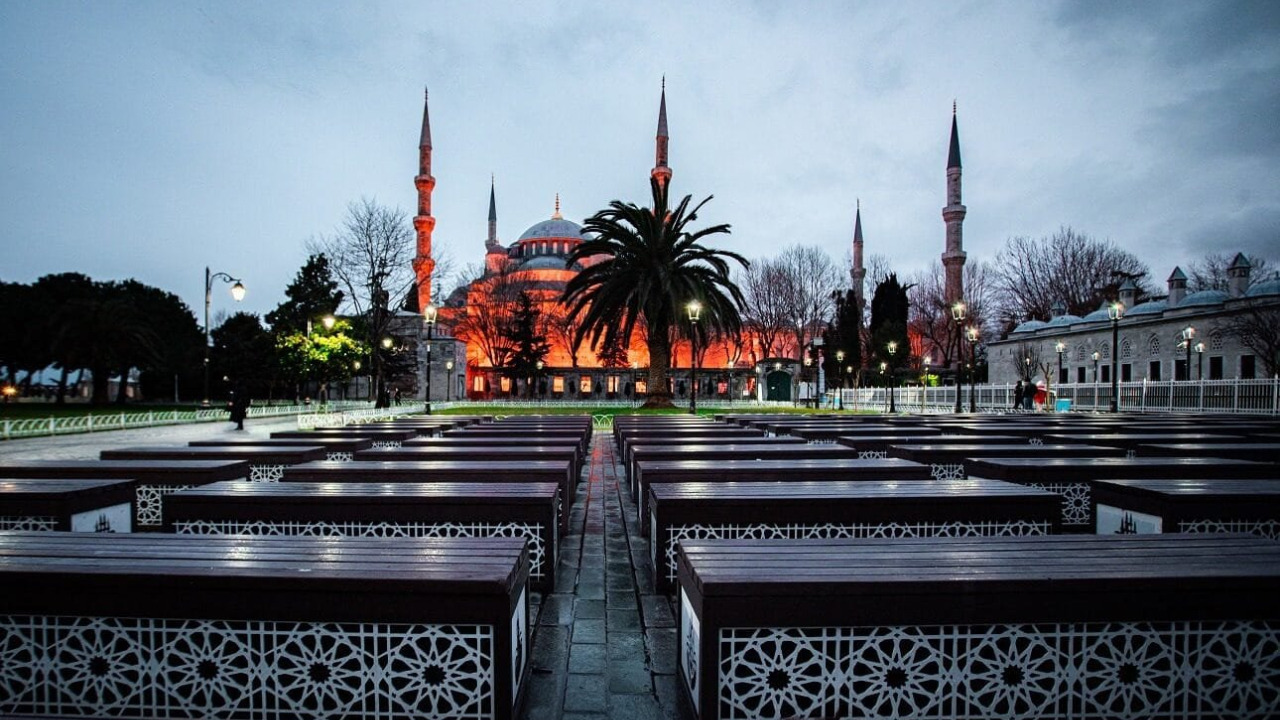
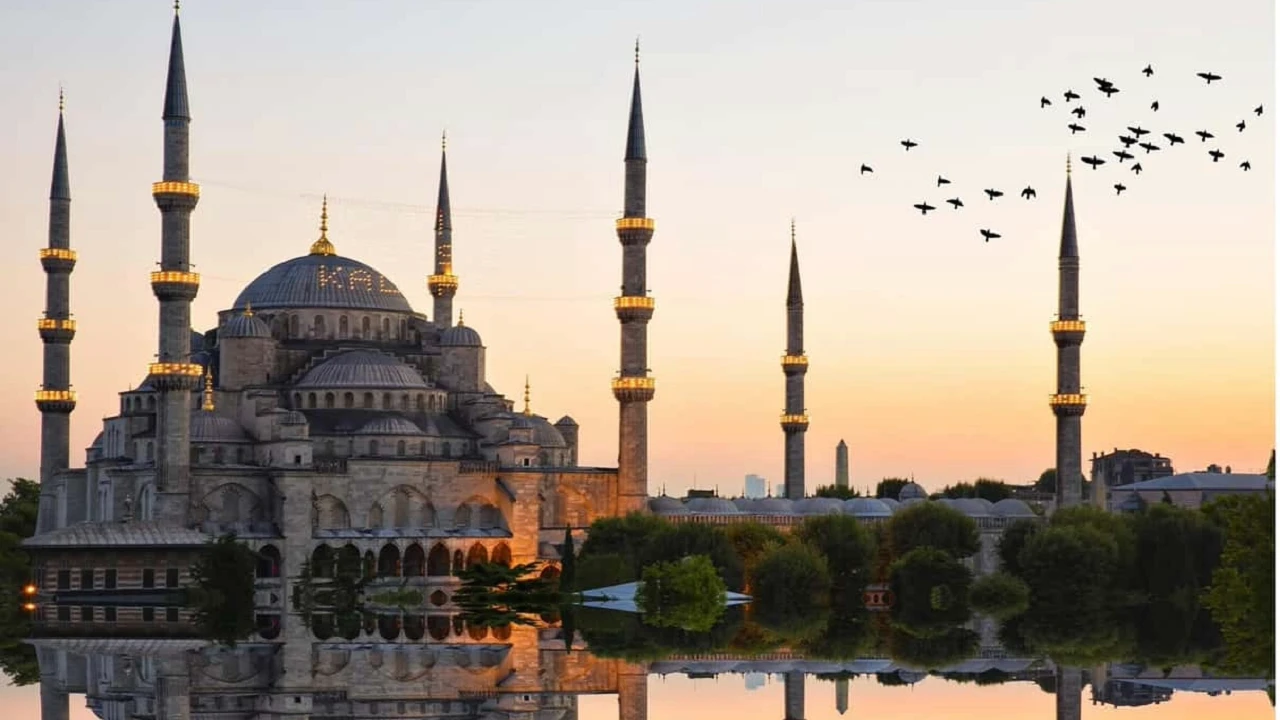
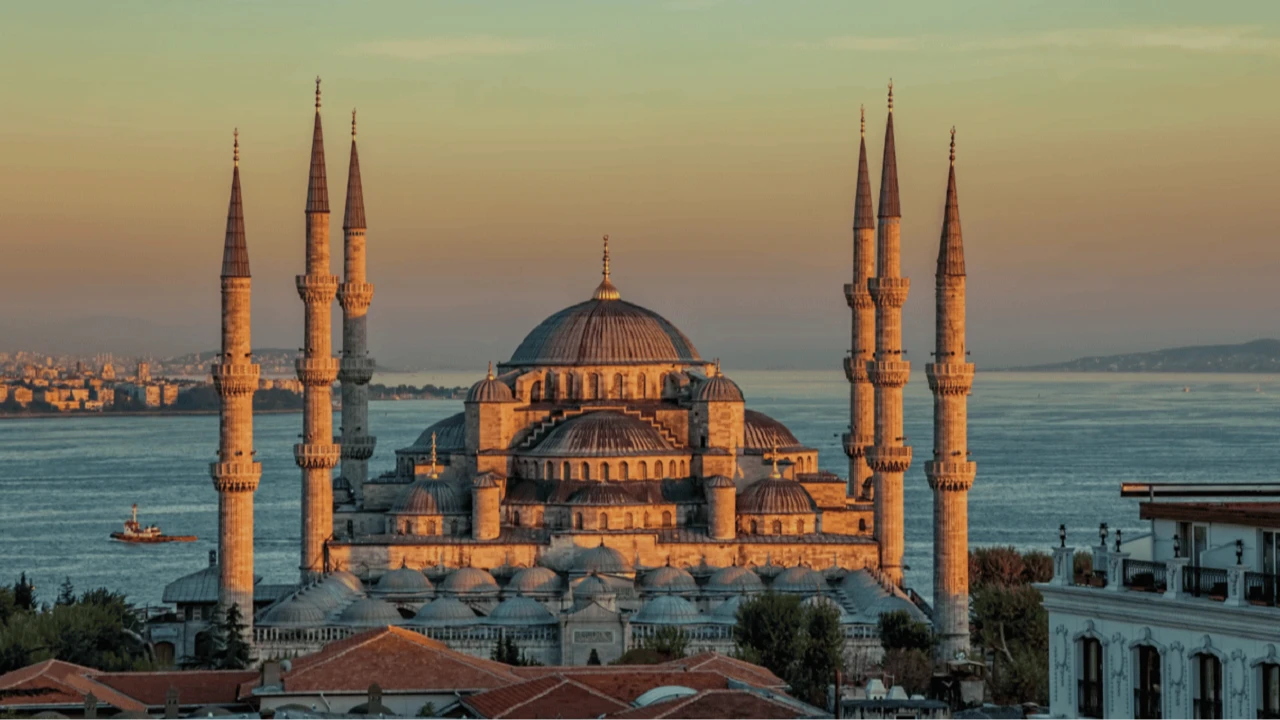
Sultanahmet Square, built on the site of the ancient Hippodrome, stretches between the six-minaret Sultanahmet Camii (Blue Mosque) and the nearly fifteen-hundred-year-old Ayasofya-i Kebir Cami-i Şerifi (Hagia Sophia Grand Mosque), making the entire area feel like an open-air museum.
Quick Facts
| Information Type | Detail |
|---|---|
| Location | Turkey, Istanbul Province, Fatih District, Sultanahmet |
| UNESCO Designation | 1985, as part of the Historic Areas of Istanbul |
| Public Transport | T1 Kabataş-Bağcılar tram line, Sultanahmet stop |
| Walk from Stop to Square | Approximately 3 minutes |
| Key Distance | Basilica Cistern (Yerebatan Sarnıcı) is about 300 meters from Sultanahmet Camii (Blue Mosque) |
| Entry Information | Mosques are free outside of prayer times; Museum Pass (Müzekart) is valid at Ministry museums but not at Basilica Cistern (Yerebatan Sarnıcı) |
Top Attractions to Explore in Sultanahmet Square
Sultanahmet Camii (The Blue Mosque)
Built between 1609 and 1617 by architect Sedefkar Mehmed Ağa, Sultanahmet Camii was the first Ottoman mosque to feature six minarets. It's known in the Western world as the Blue Mosque due to the more than twenty thousand blue, green, and white Iznik tiles that adorn its interior. With its expansive dome, calligraphic inscriptions, and stained-glass windows, it stands as a magnificent example of classical Ottoman architecture.
Ayasofya-i Kebir Cami-i Şerifi (Hagia Sophia Grand Mosque)
At the opposite end of the square, Hagia Sophia was originally built in the 6th century as the principal church of the Eastern Roman Empire. After the conquest of Constantinople, it was converted into a mosque, and today it continues to serve as a mosque. As tourist visit regulations can change, please check current practices before your visit.
Sultanahmet Square and the Hippodrome Remains
The Hippodrome, once the site of thrilling chariot races during the Byzantine era, is now a spacious public square and resting area. The Obelisk of Theodosius (Dikilitaş) and the Serpent Column (Yılanlı Sütun) in the square date back to antiquity, while the Walled Obelisk (Örme Dikilitaş) is from the Byzantine period. At the northern end, the German Fountain (Alman Çeşmesi) was a gift from German Emperor Wilhelm II.
Basilica Cistern (Yerebatan Sarnıcı)
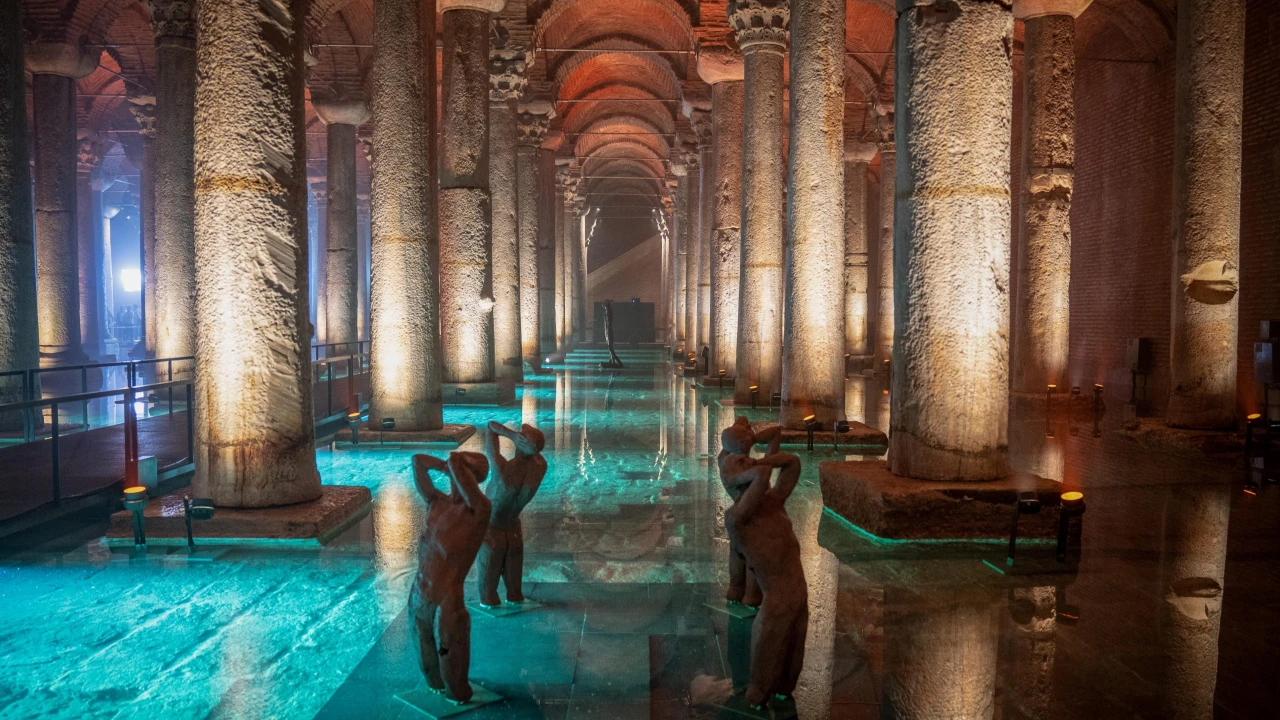
Located approximately 150 meters from Hagia Sophia and 300 meters from Sultanahmet Camii, the Basilica Cistern (Yerebatan Sarnıcı) was constructed in the 6th century to supply water to the city. With 336 marble columns rising from the water and Medusa heads at their bases, it offers a truly mystical atmosphere. Entry requires a fee, and rates vary for local and foreign visitors, as well as between day and evening sessions.
Turkish and Islamic Arts Museum
Housed within the historic Ibrahim Pasha Palace, this museum showcases an impressive collection of manuscripts, calligraphic panels, wooden artifacts, and historical carpets from various regions of the Islamic world. Its arched courtyard, facing the square, is a fine example of Ottoman civil architecture.
Arasta Bazaar and Great Palace Mosaics Museum
Behind Sultanahmet Camii, the Arasta Bazaar is a charming, tranquil shopping street offering handicrafts and spices. Adjacent to it, the Great Palace Mosaics Museum displays hunting and nature scenes from the floor of the Eastern Roman palace. Please note that the museum has been closed for earthquake reinforcement and restoration since April 10, 2023, so check its opening status before planning your visit.
Other Must-See Stops Within Walking Distance of the Square
Topkapi Palace Museum
Entered through the Imperial Gate (Bab-ı Hümayun) behind Hagia Sophia, Topkapi Palace is a sprawling complex built by Fatih Sultan Mehmet in the 15th century, serving as the administrative center for Ottoman sultans for centuries. Allocate half a day to explore the Treasury, Sacred Relics, and Harem sections. Please note that the museum is closed on Tuesdays.
Istanbul Archaeology Museums and Gülhane Park
Accessible from the first courtyard of Topkapi Palace, this complex comprises the Archaeology Museum, the Museum of Ancient Orient, and the Tiled Kiosk. Home to the famous Sarcophagus of Alexander, the museum is adjacent to Gülhane Park, which was once the outer garden of the palace. The Gülhane tram stop is conveniently located right next to it.
Grand Bazaar
Reachable by a roughly 15-minute walk from the square or by tram from the Beyazıt-Kapalıçarşı stop, the Grand Bazaar is a historic covered market established after the conquest, housing thousands of shops. It's open Monday to Saturday from 08:30 to 19:00 and closed on Sundays.
What is Sultanahmet Famous For?
The district takes its name from the iconic six-minaret mosque. When one thinks of the square, the Hippodrome monuments, the dome of Hagia Sophia, and the mysterious columns of the Basilica Cistern also spring to mind. On the culinary front, the meatball restaurants (köfteci) along Divanyolu and the famous Sultanahmet köftesi are true symbols of the area.
How to Explore Sultanahmet in One Day
The Sultanahmet stop on the T1 tram line is approximately a 3-minute walk from the square. To explore the sites without getting too tired, here's a suggested order:
- Morning Square: Start your day early in Sultanahmet Square; photograph the Obelisk and the German Fountain before the crowds arrive.
- Mosque Visit: After the morning prayer, when the crowds have thinned, explore the courtyard and interior of Sultanahmet Camii (Blue Mosque).
- Underground Break: Walk approximately 3 minutes from the square to the Basilica Cistern (Yerebatan Sarnıcı).
- Palace and Museum: Enter Topkapi Palace before noon; if it's a Tuesday (when the palace is closed), opt for the Istanbul Archaeology Museums instead.
- Lunch Break: Enjoy some delicious köfte on Divanyolu, then visit the Turkish and Islamic Arts Museum.
- Bazaar Exploration: Conclude your day at the Arasta Bazaar, or, on any day except Sunday, at the Grand Bazaar.
Visiting Hours and Entry Conditions
Hours are valid as of Summer 2026; please check before your visit, as they may change on public holidays:
| Venue | Visiting Days and Hours | Ticket Notes |
|---|---|---|
| Sultanahmet Camii (Blue Mosque) | Daily, outside of prayer times | Free |
| Basilica Cistern (Yerebatan Sarnıcı) | Daily 09:00-22:00; closed between 18:30-19:30 sessions | Paid entry, Museum Pass (Müzekart) not valid |
| Topkapi Palace Museum | Closed Tuesdays; winter 09:00-17:00, summer 09:00-19:00 | Paid entry, ticket office closes 60 minutes prior |
| Istanbul Archaeology Museums | Daily 09:00-18:45 | Museum Pass (Müzekart) valid |
| Grand Bazaar | Monday-Saturday 08:30-19:00; closed Sundays | Free |
| Great Palace Mosaics Museum | Under restoration since April 10, 2023 | Opening date not announced |
Rules to observe during your visit:
- Sultanahmet Camii (Blue Mosque) is an active place of worship; it closes to tourists during prayer times, so plan your visit outside of these hours.
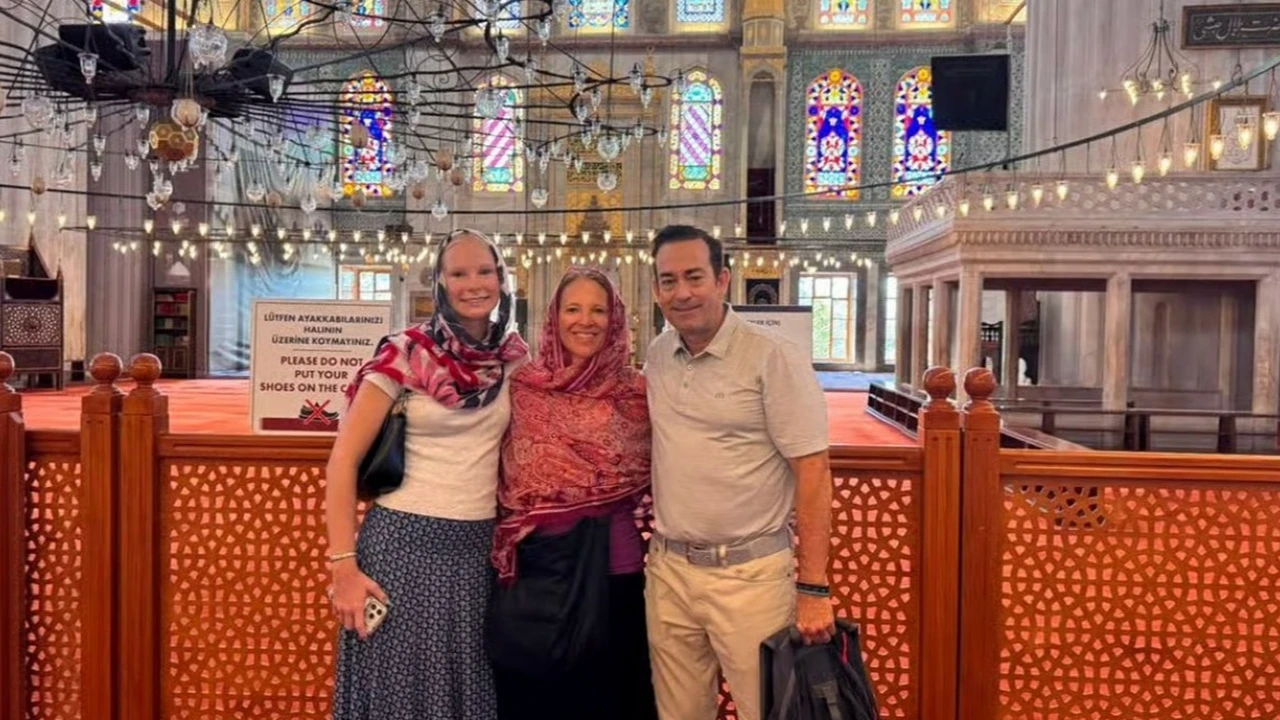
- When visiting mosques, wear clothing that covers your shoulders and knees; female visitors should also carry a headscarf.
- Opt for comfortable walking shoes.
- During peak season, purchasing your Basilica Cistern (Yerebatan Sarnıcı) ticket online can help reduce waiting times.
Best Season to Visit
| Visiting Period | Advantage | Note |
|---|---|---|
| Spring (April-May) | The square and Gülhane Park bloom during tulip season | Crowds increase |
| Summer (June-August) | Longer days allow for more sightseeing | Midday heat can be tiring; prefer mornings |
| Autumn (September-November) | Mild weather is ideal for long walks | Museums are less crowded |
| Winter (December-February) | Tourist density decreases | Indoor museums and the cistern offer good shelter from rain |
Sultanahmet Tours and Guided Alternatives
You can compare all available programs in the area on our Sultanahmet Tours page. For shorter excursions, Sultanahmet day cultural tours are suitable. Those looking to delve deeper into the historical background can choose from Sultanahmet cultural tours. For a museum-focused experience, consider a Sultanahmet museum tour, and for itineraries extending from the square to the Arasta Bazaar, Sultanahmet historic city tours are available.

Frequently Asked Questions 5
Is there an entrance fee for Sultanahmet Camii (Blue Mosque)?
Sultanahmet Camii (Blue Mosque) is an active place of worship, so entry is free for all visitors; there is no separate ticketing system, and it is only closed to tourists during prayer times.
How do I get to Sultanahmet by tram?
You can reach Sultanahmet Square by taking the T1 Kabataş-Bağcılar tram line and getting off at the Sultanahmet stop, followed by approximately a 3-minute walk.
How far is the Basilica Cistern (Yerebatan Sarnıcı) from Sultanahmet Camii (Blue Mosque)?
The Basilica Cistern (Yerebatan Sarnıcı) is approximately 300 meters from Sultanahmet Camii (Blue Mosque) and can be reached in an average of 4-5 minutes on foot.
How long does a Sultanahmet visit take?
One full day is sufficient for the square, mosque, cistern, and the Turkish and Islamic Arts Museum. If you add Topkapi Palace and the Istanbul Archaeology Museums, plan for 1.5 days.
Is the Museum Pass (Müzekart) valid in Sultanahmet Square?
The Museum Pass (Müzekart) is valid at Ministry museums such as the Turkish and Islamic Arts Museum, Topkapi Palace, and the Istanbul Archaeology Museums. However, it is not valid at the municipality-run Basilica Cistern (Yerebatan Sarnıcı), where a separate fee structure applies.