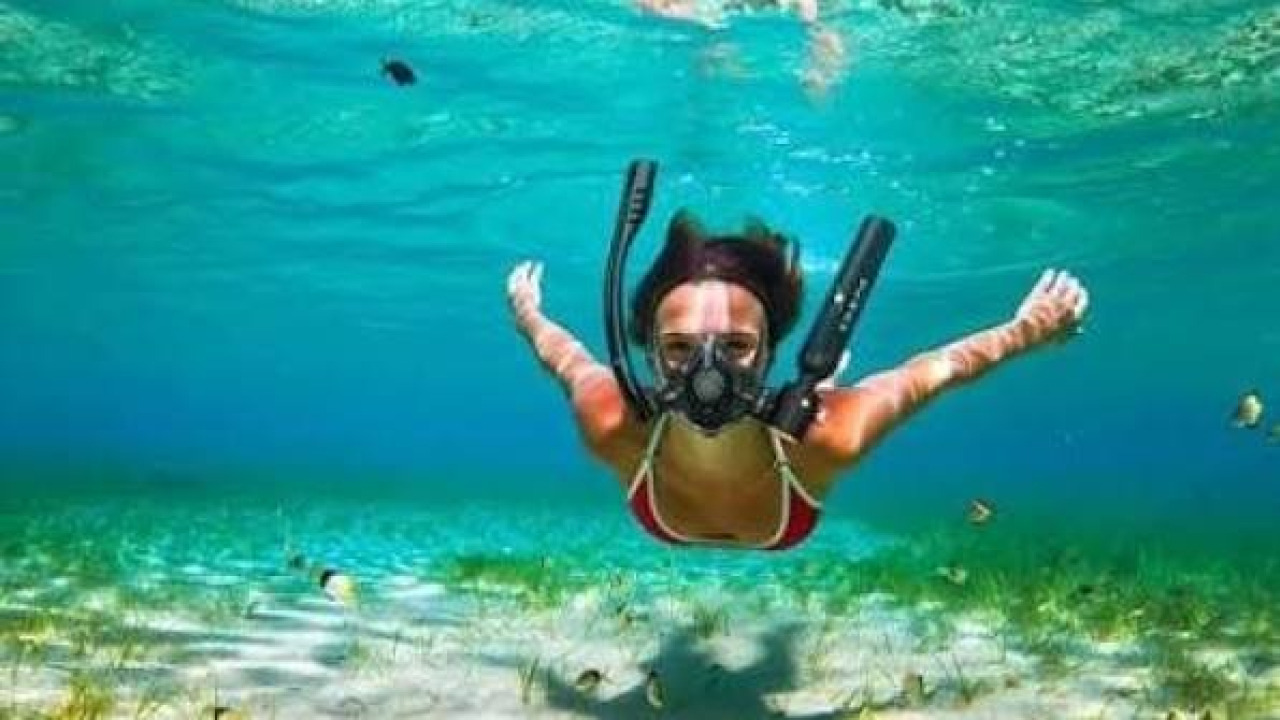

One of the most enchanting ways to spend a summer afternoon is drifting just below the surface, watching vibrant reefs, schools of fish, and ancient shipwrecks glide by. Unlike scuba diving, which requires heavy tanks and complex training, snorkeling offers an effortless gateway to the underwater world with just a mask and a snorkel. To explore the crystal-clear bays of Turkey through professionally guided excursions, check out our Snorkel Tours for live schedules and upcoming trips.
The most common concerns for ocean lovers are often: "Do I need to be an expert swimmer?" and "Is it safe in choppy water?" The answer is reassuring: when you choose the right equipment and swim under professional supervision, even non-swimmers can enjoy a safe and breathtaking experience.
By following safety standards set by maritime authorities and diving federations, you can enjoy peace of mind in both open seas and sheltered coves. Choosing the right bay for your fitness level ensures your underwater adventure remains a relaxing, lifelong memory.
Snorkeling Gear & Safety: Quick Reference Guide
| Feature | Practical Summary for Travelers |
|---|---|
| Regulatory Standards | TSSF Unassisted Diving Guidelines & Coast Guard Standards |
| Swimming Requirement | Not mandatory; specialized snorkel life vests ensure safety |
| Ideal Visibility | 8 to 25 meters in clear Turkish bays |
| Essential Gear | Tempered glass mask, dry-top snorkel, and flexible fins |
| Age & Participation | Children from age 5 can join with parental supervision |
| Sun & Thermal Protection | UV-rated rash guards or lightweight neoprene wetsuits |
| Best Time to Go | 08:30 to 11:30 AM for calm, windless waters |
Turkey's Best Reef Routes and Regional Highlights
The southern coast of Turkey boasts some of the richest snorkeling routes in the Mediterranean, thanks to its exceptional water temperature and visibility. For those wanting to swim over ancient ruins, Kaş Snorkel Tours offer an unparalleled underwater archaeology experience in the turquoise waters of the Kekova region. The underwater canyons and seagrass meadows near Kaş also provide rare opportunities to spot endangered Caretta Caretta sea turtles.
If you prefer sheltered bays where pine forests meet the sea, Kemer Snorkel Tours offer tranquil waters near Phaselis and Çamyuva. The natural, breakwater-like structure of the Kemer bays makes it an ideal, wave-free training ground for families and first-timers.
For a drift through turquoise lagoons where the Aegean meets the Mediterranean, Fethiye Snorkel Tours stand out with routes through Aquarium Bay and Ölüdeniz. The local limestone geology keeps the water sediment-free, creating perfect light refraction for underwater photography.
Famous for its white pebble seabed that resembles a giant aquarium, Bodrum Snorkel Tours showcase a massive variety of marine life around Orak Island and Karaada. Meanwhile, guests looking for safe, shallow, sandy shores often opt for the gentle routes of Side Snorkel Tours.
Swimming Ability and Snorkel Life Vest Standards
You do not need to be an advanced swimmer to participate in snorkeling. Specialized "snorkel vests" are available for adults and children who are non-swimmers or have a fear of deep water. Unlike standard bulky orange life jackets, these vests are designed to be comfortable, allowing your head to submerge easily while keeping your torso buoyant.
Equipped with a manual inflation valve, these vests allow you to adjust your buoyancy instantly. You can float effortlessly on the surface, observing the marine life for hours without tiring your arms or legs. The bright neon yellow or orange colors ensure that boat captains and guides can spot you easily in open water.
Even for strong swimmers, wearing a vest in open sea currents is a wise safety precaution. In the event of an unexpected leg cramp or fatigue, you can quickly inflate the vest to enter a resting position. This safety-first approach completely removes the anxiety of being in the ocean.
During group tours, licensed lifeguards and dive guides accompany participants, often using safety buoys. If a swimmer gets tired, they can hold onto these buoys to catch their breath before safely transitioning back to the guide boat.
Comparing Snorkel Types and Equipment Features
Your choice of snorkel directly impacts your comfort and the risk of swallowing water. Models range from simple classic tubes to modern, high-tech valve systems.
The following table compares the primary snorkel types available to travelers:
| Snorkel Model | Water Drainage Mechanism | Wave Protection | Breathing Resistance | Ideal User Profile |
|---|---|---|---|---|
| Dry-Top | Dual float valve & bottom purge | Top cap seals completely when submerged | Very low; natural breathing | Beginners, children, and choppy seas |
| Semi-Dry | Bottom purge valve only | Top grille partially deflects splashes | Low resistance | Intermediate swimmers in calm bays |
| Classic J-Tube | No mechanical valves; open tube | No protection; water can enter | Completely open airway | Free divers and professional athletes |
| Full Face Mask | Integrated dual-channel dry system | Automatic top-locking float | Free breathing (nose & mouth) | Novice travelers staying near the surface |
Dry-top snorkels feature a moving ball mechanism at the top that instantly seals the air intake when you dive underwater. When you resurface, the seal opens automatically for continuous breathing. Additionally, a one-way silicone diaphragm valve at the bottom allows you to clear any small droplets of water with a single sharp exhale.
Classic snorkels are generally preferred by spearfishermen and free divers who practice breath-holding. However, for recreational tourism, dry-top models are the undisputed choice for comfort, as they virtually eliminate the fear of swallowing water.
Preventing Mask Fogging and Managing Visibility
The most frustrating issue in snorkeling is when the mask lens fogs up, obscuring your view. This happens due to condensation caused by the temperature difference between the cool seawater and the warm air from your breath. New masks often have a microscopic silicone protective layer left over from the manufacturing process.
Before your first use, you should clean this layer by applying white toothpaste to the inside of the lens and rubbing it in circular motions with a soft cloth. Just before entering the water, apply professional anti-fog spray or a few drops of baby shampoo, then rinse lightly with seawater. This breaks the surface tension of water droplets and prevents fogging.
When fitting your mask, ensure no hair is caught between the silicone skirt and your skin, and make sure the skirt isn't folded under your mustache area. A smooth seal is vital to prevent leaks. Avoid tightening the strap too much; the mask should stay in place via natural vacuum pressure. Over-tightening can cause pressure points and headaches. A good fit is confirmed if the mask stays on your face when you inhale gently through your nose.
A 5-Step Protocol for a Safe and Peaceful Experience
Maintaining discipline during surface exploration protects your safety and prevents exhaustion. Follow this five-step preparation protocol used by professional lifeguards:
- Gear Check & Seal Test: Before leaving the shore, fit your mask, secure the snorkel to the strap, and perform a dry breathing test.
- Vest & Fin Adjustment: Put on a snorkel vest appropriate for your weight and ensure your fins are secured comfortably without rubbing your ankles.
- Safe Entry: When entering the water from a boat or shore, hold your mask against your face with one hand and use a controlled stepping technique in deeper water.
- Buddy System: Never wander off alone. Always maintain eye contact with at least one "buddy" in the water.
- Group Boundaries & Guide Signals: Stay within the designated safety buoys and listen immediately for whistle or horn signals from the boat.
By following these steps, you can explore the ocean's wonders with zero anxiety. Staying calm and using slow, rhythmic fin kicks will help you conserve energy.
Protecting the Reef Ecosystem and Underwater Etiquette
Snorkeling is a recreational activity that brings us into direct contact with nature. The coral reefs, sea urchins, and Posidonia seagrass meadows along our coasts are delicate organisms that keep our waters clean. Swimmers should avoid kicking the bottom or stirring up sand.
A cloud of sediment can block sunlight from reaching seagrasses, halting photosynthesis and potentially clogging the gills of reef creatures. In shallow areas (less than two meters deep), it is better to move with gentle arm strokes in a horizontal position rather than using heavy fin kicks. Never touch marine life, and do not collect shells or stones as souvenirs.
Furthermore, chemical sunscreens can be harmful to the marine ecosystem. Ingredients like oxybenzone and octinoxate are scientifically proven to cause coral bleaching and harm fish larvae. To protect our oceans, please choose mineral-based (zinc oxide) eco-friendly sunscreens or wear long-sleeved UV-rated rash guards.
Respecting nature ensures that future generations can enjoy these same crystal-clear waters. Every bay we leave clean is a testament to the enduring beauty of Turkey's marine tourism.
Frequently Asked Questions 5
Do I need to be a strong swimmer to snorkel?
No; for beginners or children, specialized snorkel vests are used. These vests provide buoyancy, allowing you to breathe easily while floating on the surface without much effort.
How can I prevent my snorkel mask from fogging up?
Before your first use, apply anti-fog spray or baby shampoo to the lens. Rinsing the mask with seawater immediately before putting it on also helps prevent fogging.
What is the difference between a valve snorkel and a dry-top snorkel?
Dry-top snorkels feature a float mechanism at the top that completely blocks water entry when waves hit or when you dive. The bottom purge valve allows you to blow out any small amount of water that might enter.
Are fins mandatory for snorkeling?
While not mandatory in very shallow reefs, flexible open-sea fins are highly recommended to help with maneuvering against light currents and to prevent leg cramps.
Where are the clearest snorkeling bays and reefs in Turkey?
The routes with the highest underwater visibility are Kaş (Kekova and Hidayet Bay), Fethiye (Butterfly Valley and Aquarium Bay), Kemer (Phaselis coast), and Bodrum (Orak Island).