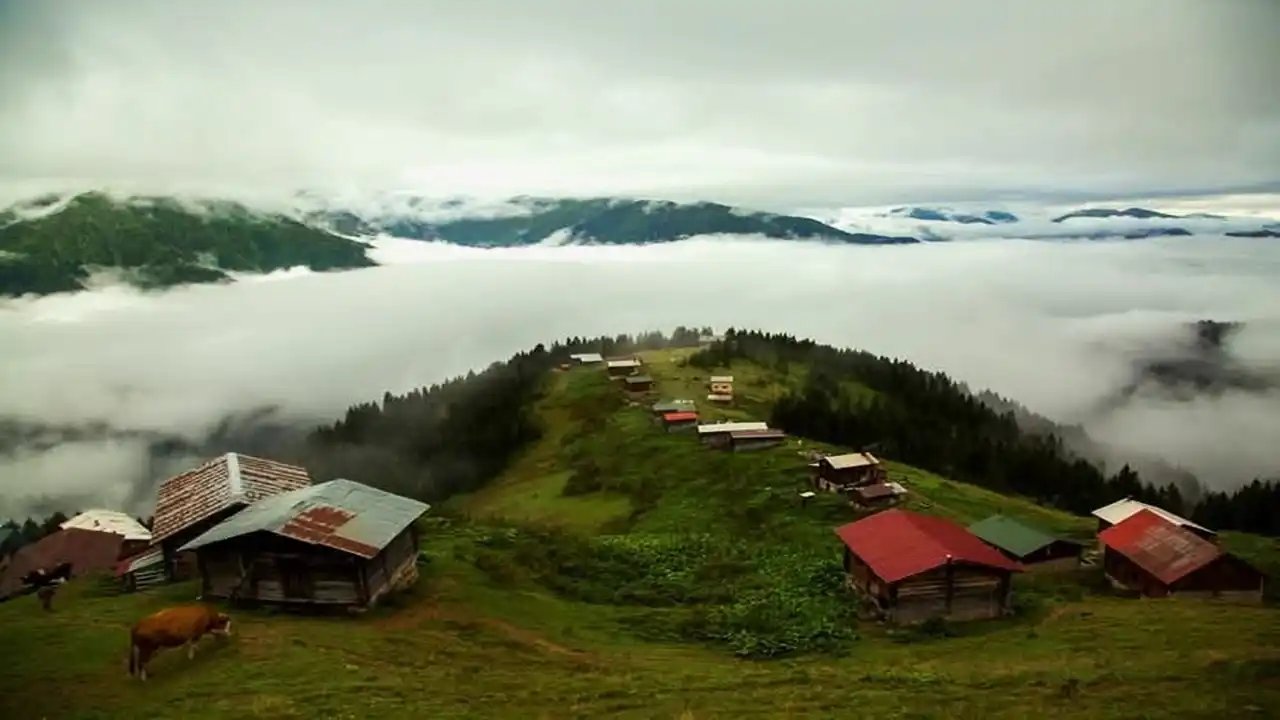

Perched on the soaring peaks of the Eastern Black Sea, where the dense spruce forests begin to thin, Pokut Plateau in the Çamlıhemşin district of Rize is one of the region's most photogenic gems. Sitting at an altitude of approximately 2,050 meters, Pokut captivates nature lovers and photographers alike with its centuries-old wooden Hemşin houses, rolling green meadows, and its world-famous "sea of clouds" phenomenon. In this guide, we bring you field-verified insights on Pokut Plateau’s cloud sea views, hiking routes, challenging transport conditions, accommodation options, and authentic highland life.
At Travel Tour Shop, we maintain a strict quality standard: we filter out approximately 83% of tour and transfer providers, highlighting only those who pass our rigorous evaluation based on local expertise and verified guest reviews. This quality filter is especially vital for remote destinations like Pokut, where navigating the terrain requires specialized local knowledge. We have compiled everything you need to know, from must-see spots to practical travel tips for first-time visitors.
Quick Facts
| Topic | Information |
|---|---|
| Location | Rize, Çamlıhemşin (Kaçkar Mountains foothills, Eastern Black Sea) |
| Altitude | Approximately 2,050 meters |
| Highlights | Historic Hemşin wooden houses, sea of clouds, highland trekking |
| Main Route | Pokut - Sal Plateau trail (approx. 2 kilometers) |
| Transport | 4x4 off-road vehicles or local highland shuttles from Çamlıhemşin |
| Best Time to Visit | Summer season (June - September) |
| Trip Duration | Day trip or 1-2 nights stay |
Where is Pokut Plateau? The Highland Neighbor to the Sky
Pokut Plateau is a high-altitude settlement located at the foothills of the Kaçkar Mountains in the Çamlıhemşin district of Rize. Local lore suggests that the name "Pokut" means "windy valley" in the Hemşin language. Unlike many other highlands in the Black Sea region, Pokut sits right at the transition zone where pine and spruce forests begin to thin, rather than being entirely above the tree line. This unique position grants Pokut a special microclimate, offering lush greenery while providing a degree of protection from the wind.
The plateau's location makes it a premier destination for both sightseeing and trekking. On one side, you are greeted by the snow-capped peaks of the Kaçkar Mountains; on the other, deep valleys and winding trails lead to neighboring plateaus. This geography makes Pokut an ideal hub for short nature walks. For those looking to explore more extensive nature-focused programs, you can browse our options under nature and adventure tours.
Its Place Within the Kaçkar Highlands
Pokut is part of a larger cluster of highlands around Çamlıhemşin. It is part of the same natural trekking network as its neighbor, Sal Plateau, as well as Samistal and the more distant Elevit. It is possible to traverse between these highlands via well-trodden footpaths, transforming Pokut from a mere stopover into a regional exploration hub. Before heading up, travelers should remember that the humid, cool climate of Çamlıhemşin can change rapidly as you ascend.
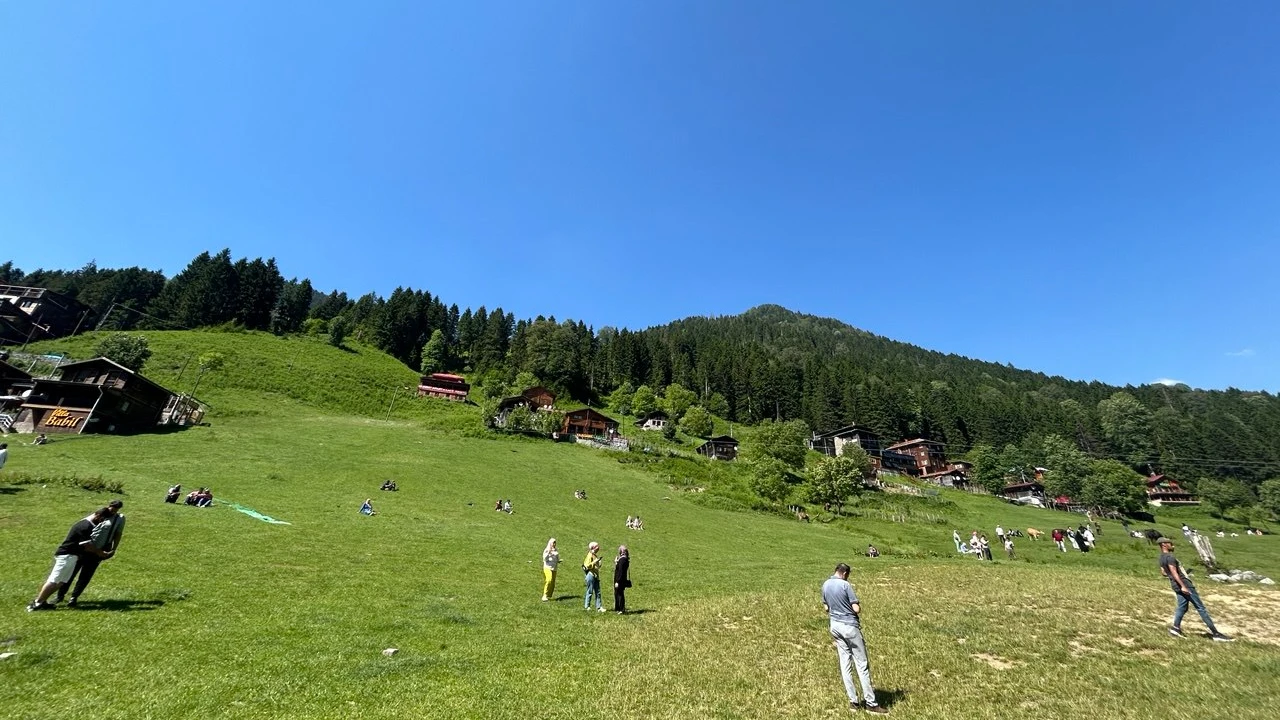
The Historic Wooden Hemşin Houses of Pokut
The most striking sight upon arriving at Pokut Plateau is the collection of traditional Hemşin houses. Believed to be between 100 and 150 years old, these structures stand in perfect harmony with nature, showcasing exquisite wood and stone craftsmanship. The houses are so seamlessly integrated into the landscape that they almost appear to have sprouted from the hillside itself. Most windows are strategically positioned to offer sweeping views of the Kaçkar Mountains and the valleys below.
The 'Çandı' Technique and Woodwork
These houses are built using a local method known as "çandı," characterized by an interlocking wooden system that minimizes the use of nails. This structural design provides excellent resilience against both earthquakes and the region's heavy rainfall. The wooden bodies sit atop stone foundations, which protect the timber from the damp climate, while the upper floors serve as living and storage spaces. This architecture is not merely aesthetic; it is a functional solution shaped by high altitudes and harsh winters.
Highland Life and Daily Rhythms
During the summer months, families engaged in livestock farming maintain the traditional rhythm of highland life. The day revolves around early morning grazing and the processing of fresh milk and dairy products. For visitors, observing this lifestyle is a wonderful way to connect with the cultural soul of the plateau. Sipping tea by a wood-burning stove in the evening is a quintessential part of the Pokut experience.
The Sea of Clouds: Pokut’s Misty Spectacle
The phenomenon that has made Pokut Plateau a world-renowned destination is the frequent occurrence of the "sea of clouds." When looking down from the plateau's viewpoints, you will often see the entire valley submerged in a thick blanket of white mist, with only the mountain peaks rising above like islands in an ocean. It creates the breathtaking sensation of standing on the edge of the sky.
How Does the Sea of Clouds Form?
The mechanism behind this spectacle is the meeting of the Black Sea's moist air masses with the dramatic changes in altitude. As humid air rises from the sea, it travels through the valleys and hits the mountain slopes, creating a dense layer of fog. Due to its high elevation, Pokut often sits above this fog layer. This allows visitors to look down upon the clouds while enjoying clear skies above. This effect is most intense on days with significant humidity and temperature differentials.
The Best Times to Catch the Cloud Sea
The sea of clouds is most frequently observed during June, July, and August, when humidity and temperature fluctuations are at their peak. Within a single day, the early morning hours and the late afternoon during sunset are the most productive windows. The red hues of the sunset hitting the clouds create an unforgettable spectacle. However, since this is a natural phenomenon, it is not guaranteed every day; therefore, planning an overnight stay significantly increases your chances of witnessing it.
Trekking from Pokut to Sal Plateau
One of the most popular activities in Pokut is hiking to the neighboring Sal Plateau, located on the opposite ridge. A well-defined, approximately 2-kilometer trail winds through spruce forests between the two plateaus. This gentle route takes about 30-40 minutes and is perfect for breathing in the crisp mountain air, spotting wild strawberries, and listening to the distant chime of cowbells in the meadows.
The Pokut - Sal Trail
The path between Pokut and Sal is considered accessible for hikers with a moderate level of experience. While the trail is largely distinct, visibility can drop instantly if fog rolls in; therefore, if the weather looks overcast, it is safer to hike with a local guide. The route offers numerous scenic viewpoints and flat areas perfect for a photo break. For those who wish to experience such treks with professional guidance and route safety, we recommend exploring our trekking and nature walking tours.
Routes Extending to Samistal and Beyond
Beyond Sal Plateau, there is a more challenging transition route that extends from the Pokut area toward Samistal Plateau. This route requires higher fitness levels and proper equipment due to the increased altitude and longer hiking duration. These extended routes are preferred by serious hikers looking to see multiple plateaus in a single journey. We recommend that those planning longer treks confirm the route duration and weather conditions with local sources beforehand.
How to Get to Pokut Plateau: A 4x4 Transport Guide
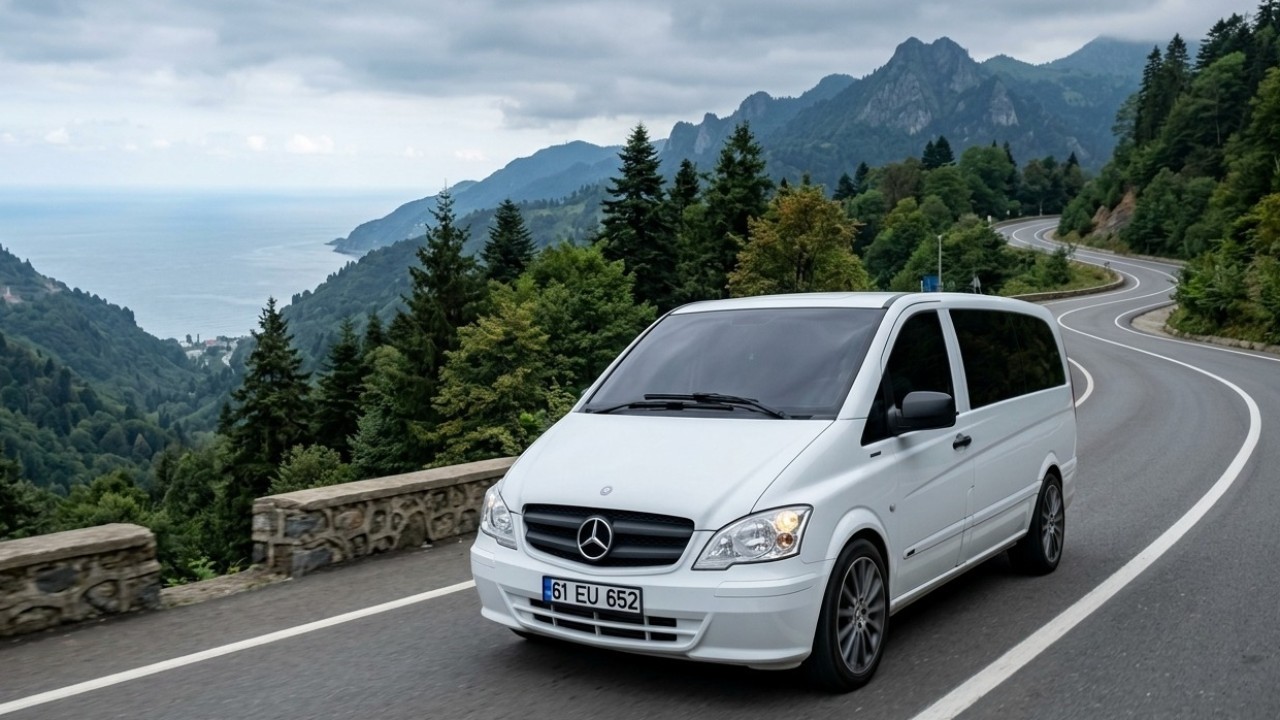
Reaching Pokut Plateau is the part of the trip that requires the most planning. The road is extremely steep, rocky, winding, and rugged. It is not possible to reach the plateau in a standard passenger car or a typical city vehicle; attempting to do so can cause serious damage to your vehicle's undercarriage. Access is only possible via high-clearance, professional 4x4 off-road vehicles.
The most practical and safest method is to use the local 4x4 highland shuttles that depart from the center of Çamlıhemşin. These drivers know the road intimately and are highly experienced with the difficult turns. The ascent from Çamlıhemşin to Pokut is a rugged climb that can take about an hour, depending on road and weather conditions. Generally, you reach Çamlıhemşin via Rize or Ardeşen, and from there, you take the shuttle up. Keep in mind that roads may close due to snow in winter, and the plateau season is limited to the summer months.
Accommodation in Pokut Plateau
Within the plateau, you will find boutique family-run pensions and mountain lodges housed in restored historic wooden homes. Staying in these pensions allows you to experience authentic highland life firsthand, such as enjoying tea by a wood stove in the evening. Staying overnight offers a massive advantage for those wanting to catch the sea of clouds, as the best views occur during the early morning and late evening.
Since room capacities are limited, it is essential to book your stay months in advance during the summer season. Most pensions offer traditional comfort; therefore, it is best to set your expectations according to highland conditions rather than city hotel standards. It is also helpful to note that electricity and internet access can be intermittent, and heating is primarily provided by wood stoves.
The Best Time to Visit Pokut Plateau
The ideal time to visit Pokut Plateau is between June and September, when the highland season is in full swing. During these months, the roads are mostly open, pensions are operational, and the chances of seeing the sea of clouds are highest. July and August are particularly vibrant, featuring both highland festivals and the most lush greenery, though demand is highest during this period, making early booking crucial.
Late spring and early autumn can be considered by those seeking a quieter visit, though weather conditions can be more unpredictable. During the winter months, access is generally impossible as the roads are often blocked by snow. Therefore, anyone planning a winter trip must confirm accessibility through local sources in advance.
What to Eat in Pokut? Highland Flavors
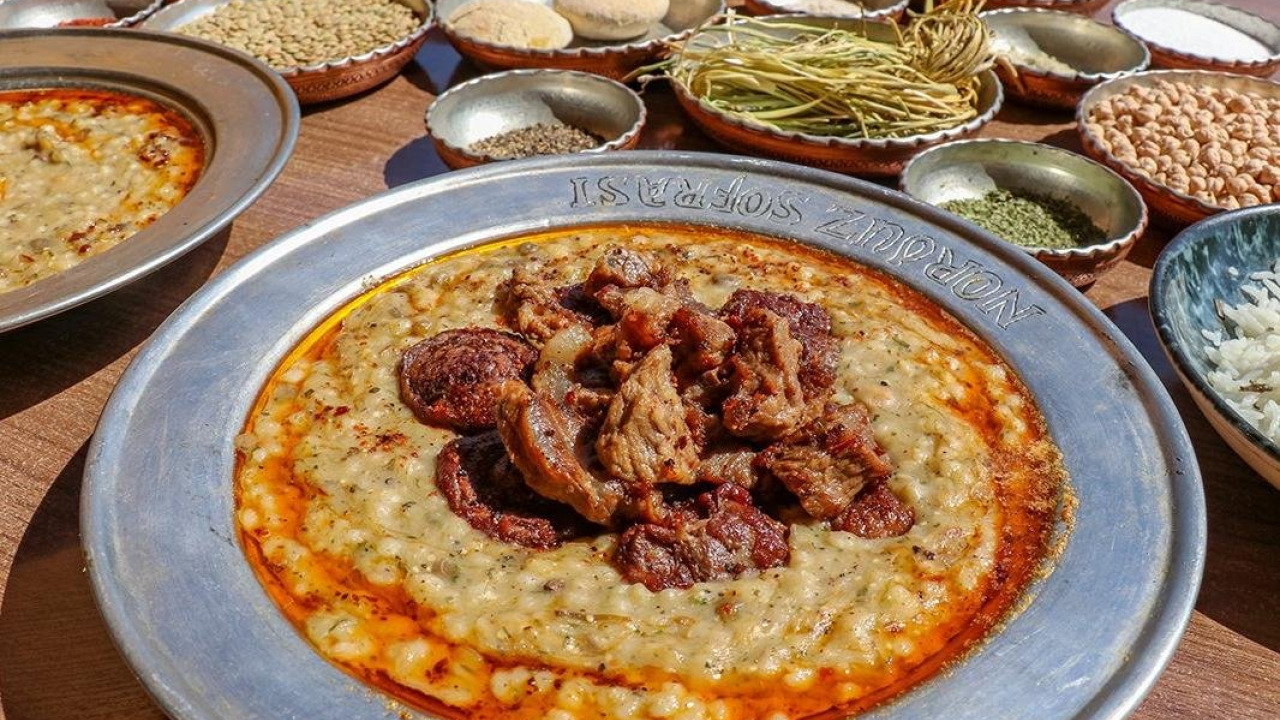
The culinary culture of Pokut reflects the simple, natural cuisine of the Black Sea highlands. Freshly produced milk and dairy products, especially highland cheese and butter, are the stars of the table. Breakfast spreads often feature corn bread, honey, clotted cream (kaymak), and local cheeses. A must-try local dish is Muhlama (also known as kuymak), a delicious preparation of melted cheese and butter.
Since dining options on the plateau are limited, meals are mostly provided by the pension where you are staying. This means the menu may vary depending on the season and daily local production. It is a good idea to carry water and light snacks, especially for long hikes. For a wider variety of dining options, you can find more choices in Çamlıhemşin and the surrounding areas.
Pokut Plateau Itinerary and Preparation Tips
For those with limited time, Pokut can be visited as a day trip; however, we highly recommend staying at least one night to fully immerse yourself in the atmosphere and catch the sea of clouds. A suggested itinerary would be: depart Çamlıhemşin by 4x4 in the morning, arrive in Pokut before noon to explore the wooden houses and viewpoints, take a short hike on the Pokut - Sal trail in the afternoon, and wait for the sunset alongside the sea of clouds. If you stay overnight, you get a second chance at the views early the next morning.
Regarding preparation, the weather in Pokut can change in minutes. We recommend bringing a heavy waterproof jacket, a windbreaker, thermal clothing, sturdy trekking boots, and a raincoat to protect against sudden downpours and cold winds. Additionally, sunglasses, a hat, sunscreen, and sufficient drinking water are essential. For those looking to combine the Black Sea highlands into a larger journey, you can expand your trip by exploring our Turkey nature adventure tours.
Frequently Asked Questions 6
Is it possible to reach Pokut Plateau with a private passenger car?
No. The road to Pokut Plateau is steep, rocky, winding, and rugged. It is not possible to reach the plateau with standard passenger cars or city vehicles, as this can cause serious damage to the vehicle's undercarriage. Access is only possible via high-clearance professional 4x4 vehicles. Taking the local 4x4 highland shuttles from Çamlıhemşin is the safest option.
What are the accommodation options in Pokut Plateau?
There are boutique family pensions and mountain lodges located in restored historic wooden houses. Staying here allows you to experience authentic highland life, such as drinking tea by a wood stove in the evening. Because room capacity is limited, it is important to book several months in advance during the summer season.
During which months is the sea of clouds most frequently seen?
The sea of clouds is most commonly observed in June, July, and August, when humidity and temperature differences are highest. The most effective times of day are the early morning and sunset. Since this is a natural phenomenon, it depends on the weather; staying overnight increases your chances of seeing it.
How long does the hike from Pokut to Sal Plateau take?
There is a hiking trail of approximately 2 kilometers between Pokut and Sal Plateau, and the route takes an average of 30-40 minutes. It is a gentle hike through spruce forests. Since navigating can be difficult in foggy weather, we recommend hiking with a local guide if the weather is overcast.
When is the best time to visit Pokut Plateau?
Access to the plateau is mostly limited to the summer season between June and September. During this time, roads are open, pensions are serving guests, and weather conditions for viewing the scenery are favorable. In winter, access is usually impossible due to snow-blocked roads.
What should I bring on a highland trip?
Since the weather in Pokut can change rapidly, we recommend bringing a heavy waterproof jacket, a windbreaker, thermal clothing, sturdy trekking boots, and a raincoat. Sunglasses, a hat, sunscreen, and plenty of drinking water are also highly recommended. Because evenings are cool due to the altitude and humidity, dressing in layers is a practical solution.