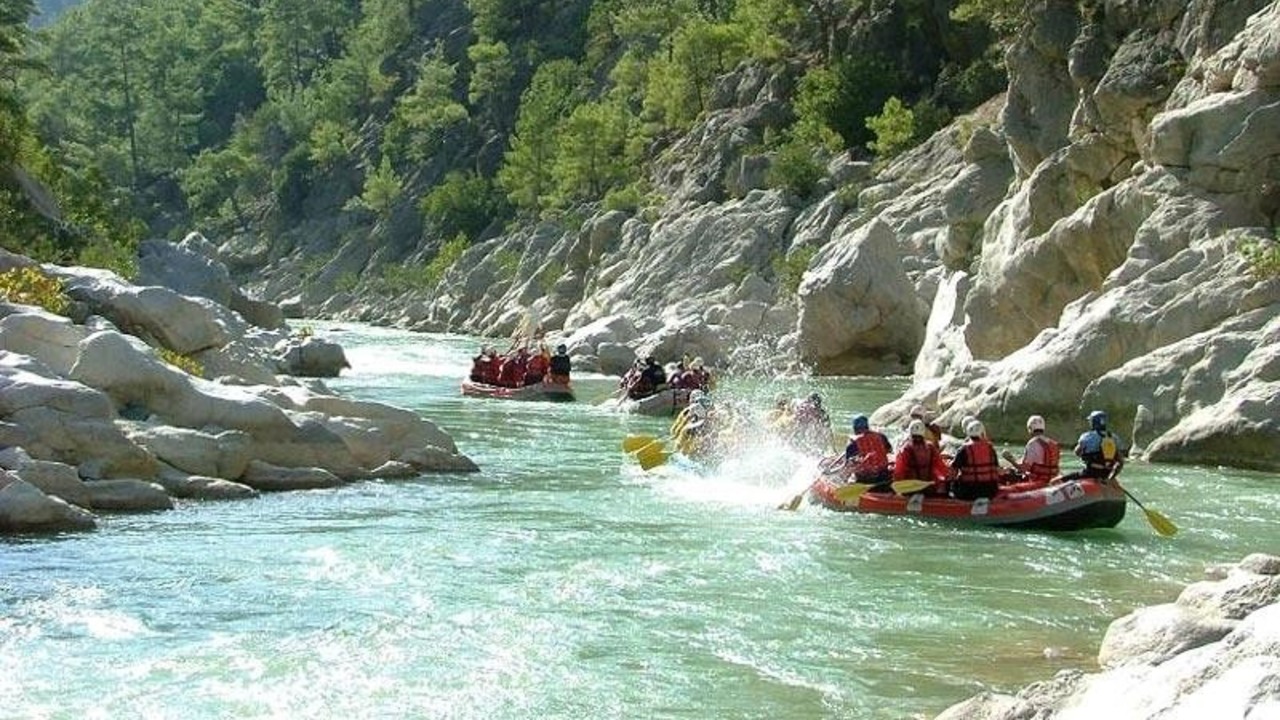
Rafting is an adrenaline-fueled team sport where participants navigate river rapids using specially designed inflatable rafts, guided by a professional expert. For travelers seeking a thrill in the heart of nature, it has become one of the most sought-after adventure activities in recent years. With its powerful rivers fed by towering mountains and dramatic canyons, Turkey offers a diverse geography perfect for rafting, with trails catering to every skill level. In this guide, we cover everything you need to know: what rafting is, how it works, the essential gear, difficulty ratings, safety protocols, and the best spots to hit the rapids in Turkey.
At Travel Tour Shop, we prioritize your safety above all else. We have rigorously vetted our adventure partners, filtering out approximately 83% of providers to list only those who meet our strict standards for equipment, safety certifications, and guest satisfaction. The information provided below reflects this commitment to quality.
Quick Facts
| Feature | Details |
|---|---|
| Definition | A team-based water sport using inflatable rafts on rivers |
| Most Popular Route | Köprülü Kanyon (Antalya) |
| Peak Season | Generally April to November |
| Difficulty | Graded from Class 1 to Class 6 |
| Essential Gear | Life jacket, helmet, paddle, wetsuit |
| Who Can Join | Ages 7+, provided basic health requirements are met |
What is Rafting and How Does it Work?
Derived from the English word "raft," rafting is the art of navigating a river's current, battling rapids to reach your destination. Under the guidance of a professional lead, participants sit in strategic positions within the boat and paddle in synchronization with the guide's commands. While the rush of adrenaline is a huge draw, rafting is also about fostering teamwork, reconnecting with nature, staying physically active, and escaping the stresses of daily life.
Before the journey begins, your guide will provide a comprehensive safety briefing. You'll learn the correct way to hold your paddle, how to get back into the boat if you fall in, the proper swimming position in rapids, and the specific commands used during the trip. This preparation ensures the experience remains controlled, safe, and exhilarating. Because rafting relies on group harmony, the ability to move as one is far more important than individual strength.
Essential Rafting Gear
To ensure a safe experience, standardized professional equipment is used. Most tour packages include the following:
- Life Jacket (PFD): The most critical piece of safety gear, providing buoyancy in the water.
- Helmet: Protects the head from potential impacts with rocks.
- Paddle: Used to steer and propel the raft.
- Wetsuit (Neoprene): Insulates the body against cold water, which is especially vital during the early season.
- Appropriate Footwear: Water-resistant shoes with non-slip soles are highly recommended.
Ensuring your gear fits properly is key to your safety. We recommend confirming that all necessary equipment is included when making your booking.
Understanding Rafting Difficulty Levels
Rafting routes are graded on an international scale based on the water's flow, volume, and technical challenges:
- Class 1-2: Calm waters with light ripples; ideal for beginners, families, and first-timers.
- Class 3-4: Faster currents and larger waves; designed for intermediate adventurers seeking a thrill.
- Class 5-6: Powerful, technical, and violent waters; reserved exclusively for experts and professional teams.
Most tourist-oriented routes in Turkey fall within the Class 1-4 range, making the sport accessible to a wide variety of travelers. Knowing the grade of your chosen route helps you set the right expectations for your adventure.
Where to Go Rafting in Turkey?
Turkey's natural river systems and extended sunny season make it a prime destination for white-water rafting. The standout regions include:
- Köprülü Kanyon (Antalya): The country's most famous rafting hub, featuring a stunning 14km course through breathtaking canyon scenery.
- Çoruh River (Artvin): Known for its powerful currents, this is a challenging route for experienced rafters.
- Fırtına River (Rize): Offers a lush, green experience in the heart of the Black Sea region.
- Melen and Zamantı Rivers: Provide excellent alternative options in different regions of the country.
You can compare various nature and adventure options around Antalya on our Antalya nature and adventure tours and Turkey nature and adventure tours pages.
Köprülü Kanyon, Antalya: The Heart of Rafting
When people think of rafting in Turkey, Köprülü Kanyon in the Manavgat district of Antalya is the first place that comes to mind. With a course of approximately 14 kilometers, crystal-clear waters, and towering cliffs, it is the perfect spot for beginners and intermediate rafters. The day is usually packed with excitement, including swimming breaks and photo stops along the way. Because it is easily accessible via day trips from Antalya city center, Side, Belek, and surrounding resorts, it is a seamless addition to any holiday itinerary. If you're also curious about the nearby Green Canyon, check out our guide to the Antalya Green Canyon tour.
Who Can Join? (And Who Should Skip It?)
Contrary to popular belief, rafting isn't just for professional athletes. Beginner-level courses are designed for families, groups of friends, and those who have never touched a paddle. Generally, children aged 7 and up can participate. While knowing how to swim is not a strict requirement—thanks to life jackets and professional guides—it certainly adds to the comfort level.
However, for safety reasons, rafting may not be suitable for: - Individuals with heart conditions or high blood pressure. - Pregnant women. - Those recovering from recent surgeries. - People with specific chronic health issues.
We strongly advise informing your guide and the tour operator of any health conditions during booking. Please note that participation under the influence of alcohol is strictly prohibited for safety reasons.
The Benefits of Rafting
Beyond the thrill, rafting offers numerous physical and mental benefits. Paddling in unison strengthens teamwork and communication, teaching participants how to work toward a common goal. Physically, the action of paddling engages the arms, back, and core muscles. Immersing yourself in the wild helps clear the mind, reduce stress, and refresh your mental state. Moreover, the sense of achievement that comes from conquering the rapids boosts self-confidence, making it a highlight of any trip.
Golden Rules for a Safe Trip
To ensure your experience is both fun and safe, follow these essential guidelines: 1. Listen to the Guide: Your guide's commands are law. Follow their instructions for paddling and steering immediately. 2. Gear Up: Never remove your life jacket or helmet while on the water. 3. The "Safe Position": If you fall overboard, adopt the position taught in the briefing: float on your back with your feet pointing downstream to avoid obstacles. 4. Hold Tight: Use the grip points on the raft as instructed. 5. Leave Valuables Behind: Avoid bringing expensive jewelry or electronics on the boat.
Is Rafting Risky? How is Safety Managed?
Like any outdoor adventure sport, rafting carries inherent risks. However, these are effectively managed through professional protocols. Safety is ensured via: - Certified Guides: Licensed professionals with extensive river knowledge. - Premium Gear: High-quality, well-maintained life jackets and helmets. - Safety Briefings: Mandatory pre-trip instructions for all guests. - Route Selection: Matching the river's difficulty to the participants' skill levels.
Remember, the most important safety component is the participant's willingness to follow the guide's instructions. In the event of extreme weather or dangerous water levels, tours may be postponed for your protection.
What Determines the Price of a Rafting Tour?
Rafting prices vary based on several factors: the length of the route, included services (hotel transfers, lunch, professional photo/video packages), whether it's a group or private tour, and the season. Generally, rafting packages in Turkey offer exceptional value for money compared to similar activities in Europe. You can compare current prices and itineraries on Travel Tour Shop to find the best option for your budget.
The Best Time for Rafting in Turkey
The rafting season in Turkey typically runs from April to November. - Spring (April-May): As snow melts in the mountains, the currents are stronger and more exciting. However, the water is colder, making wetsuits essential. - Summer (June-August): The water temperature is warmer, making swimming breaks more enjoyable. This is the peak period for families. - Autumn (September-November): Offers a balanced climate and stunning fall foliage along the riverbanks.
Packing List: What to Bring
To make your day as comfortable as possible, we recommend bringing: - Swimwear and a change of dry clothes. - A towel. - Water-resistant shoes or sandals. - Sunscreen. - A strap for your glasses (if you wear them). - A waterproof pouch for your phone, or simply leave valuables in the vehicle.
For first-timers: don't be nervous! Beginner routes are designed specifically for you, and guides will be with you every step of the way. Ask questions, listen to the briefing, and trust your team. Most people find that after a few minutes of paddling, they are completely hooked.
Experience Rafting with Travel Tour Shop
Book your next adventure with confidence through Travel Tour Shop. We provide transparent details on route difficulty, included services (gear, transfers, meals), and duration, allowing you to choose the perfect fit for your group. Because we only partner with operators who pass our rigorous safety and equipment audits, you can focus entirely on the thrill of the river. For more nature-centric journeys, such as the Fırtına river region, explore our Black Sea tourism guide.
Frequently Asked Questions 6
What is rafting?
Rafting is a team sport where you navigate river rapids in an inflatable boat under the guidance of a professional. It combines adrenaline with a deep connection to nature.
Where can I go rafting in Turkey?
The most popular spot is Köprülü Kanyon in Antalya. Other great options include the Çoruh River (Artvin) and the Fırtına River (Rize).
Who should avoid rafting?
Rafting may not be suitable for pregnant women, individuals with heart or blood pressure issues, or those recovering from recent surgery. Alcohol consumption is strictly prohibited. Always inform your guide of any health concerns.
Is rafting dangerous?
While it is an adventure sport with inherent risks, these are managed through licensed guides, high-quality safety gear, and mandatory briefings. Following the guide's instructions is the key to a safe trip.
How much does rafting cost in Turkey?
Prices vary depending on the route length, included services, and whether you book a private or group tour. We recommend comparing current offers on Travel Tour Shop for the best rates.
When is the best time to go rafting?
The season generally runs from April to November. Spring offers stronger currents due to snowmelt, while summer is ideal for those who prefer warmer water and swimming.