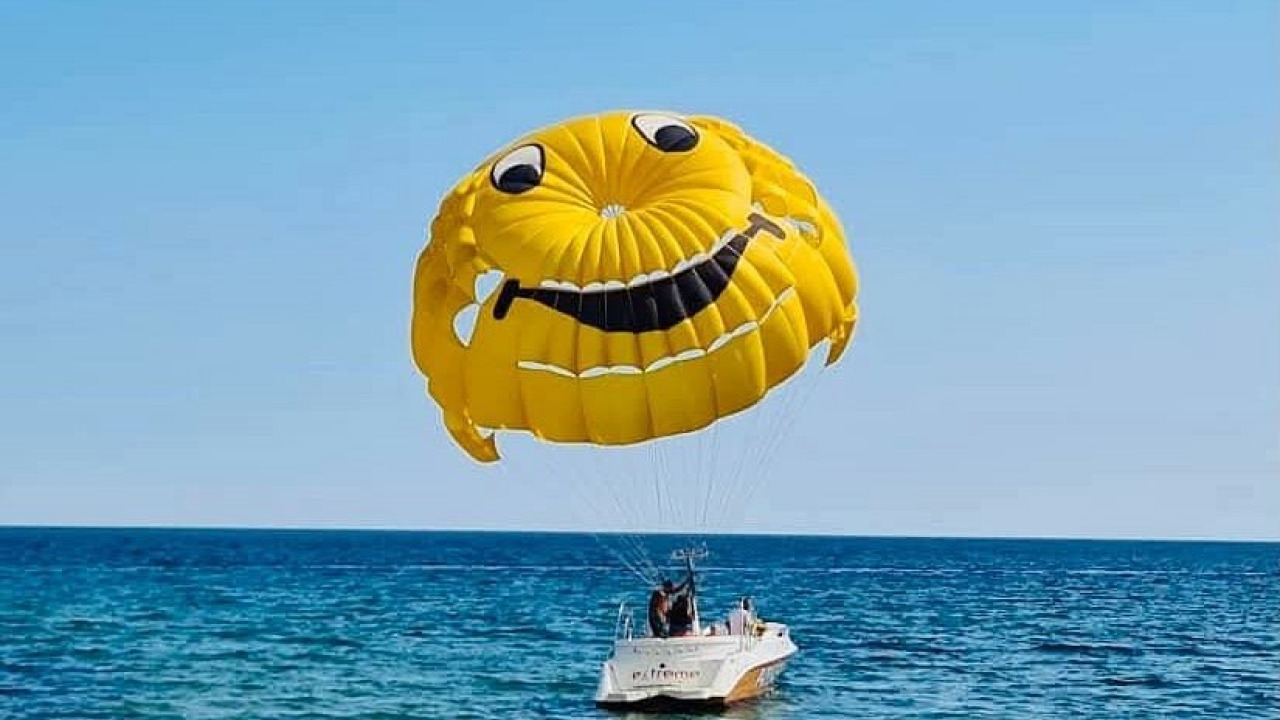
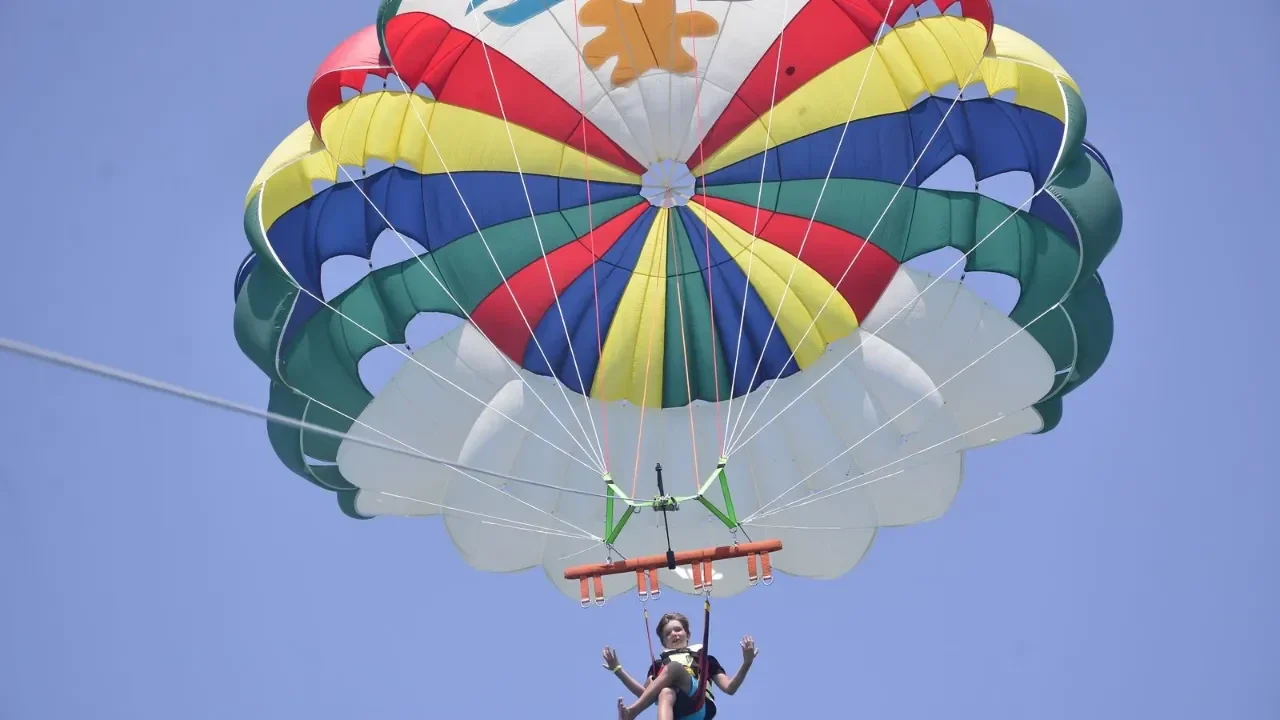
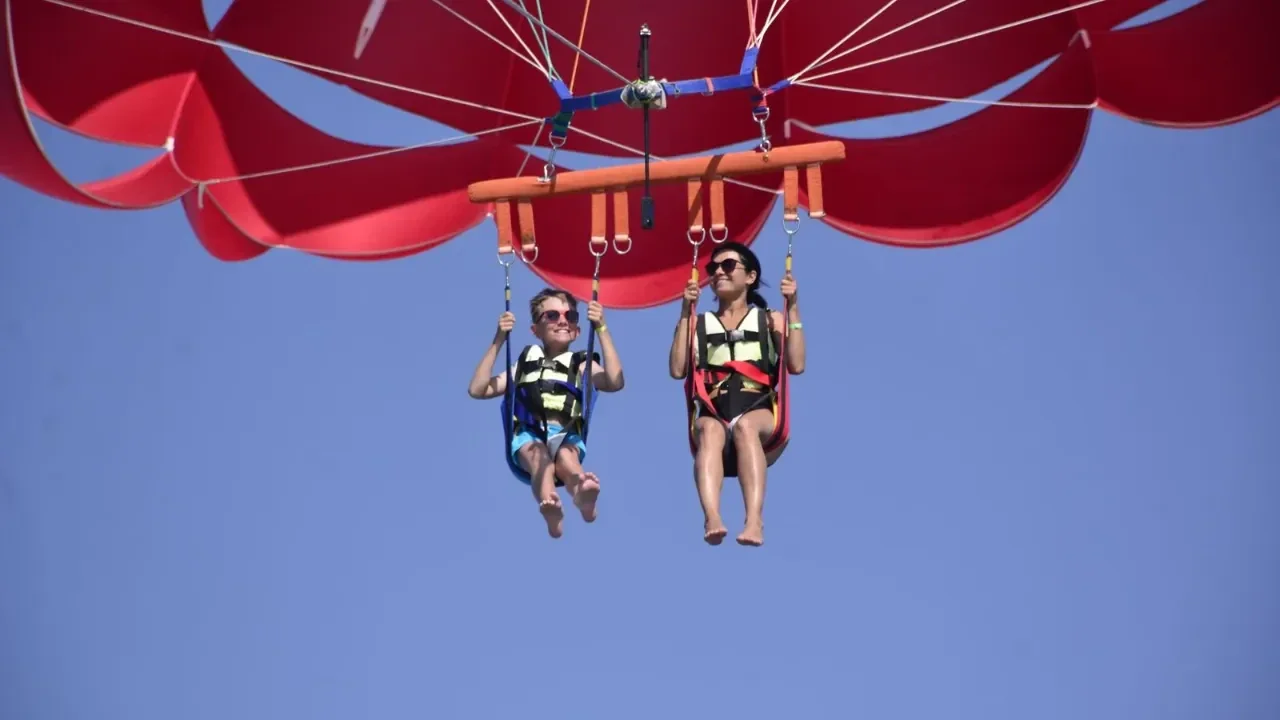
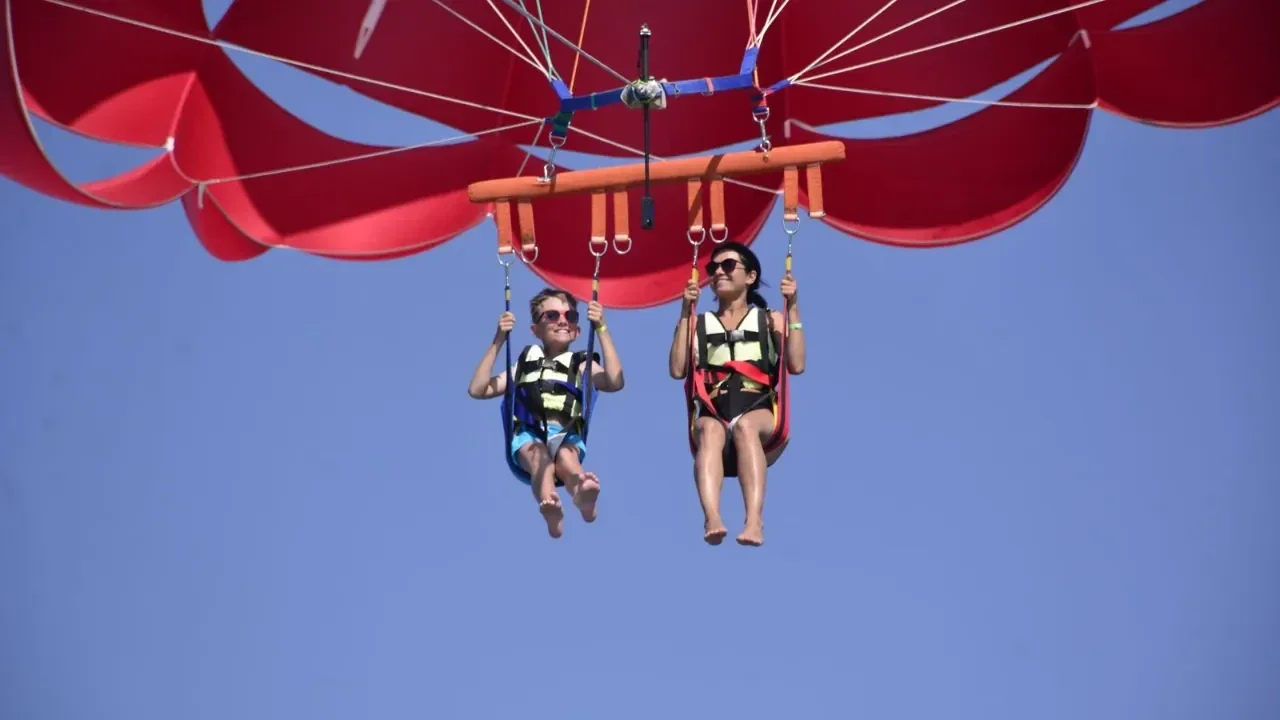
Gliding over the shimmering Mediterranean and Aegean coasts under the golden summer sun is one of the most exhilarating experiences for any traveler. Rising hundreds of feet into the air, tethered to a powerful motorboat, offers a breathtaking bird's-eye view of the coastline that is simply unmatched. Organized by licensed water sports centers, Parasailing Turları utilize modern hydraulic winch systems, allowing you to ascend into the sky and return to the deck safely without ever needing to touch the water.
When dancing with the wind at high altitudes, safety depends on two critical factors: the technical proficiency of the operator and the passenger's adherence to flight protocols. This guide has been prepared in line with international safety guidelines and Coast Guard standards for travelers who want a thrill-seeking experience with zero risk.
Parasailing Quick Facts: What You Need to Know
| Feature | Visitor & Flight Summary |
|---|---|
| Legal Regulations | Governed by the Sporting Activities for Tourism Regulation and Coast Guard Inspections |
| Boat Equipment Standard | Licensed speedboats equipped with a hydraulic winch platform on the aft deck |
| Critical Wind Limit | Maximum operational limit of 18-20 knots (monitoring for sudden gusts) |
| Flight Options | Balanced harness systems for Single, Tandem (double), and Triple flights |
| Mandatory Safety Gear | Auto-locking parachute harness and 100 Newton life jacket |
| Age & Health Requirements | Accompanied flights from age 5; restrictions for heart conditions or severe acrophobia |
Top Parasailing Destinations Along the Turkish Coast
Turkey's turquoise bays and consistent sea breezes make it one of the most favorable geographies in the world for parasailing. With some of the longest sandy stretches in the Mediterranean, Parasailing in Antalya offer the chance to admire the majestic silhouette of the Taurus Mountains from the sky over Konyaaltı and Lara. The expansive waters of the Antalya gulf provide ample room for boats to maneuver safely in open sea.
Known for its luxury resorts and calm, shallow waters, Parasailing in Kadriye provide regular flight routes in the Belek region, popular among families and couples. The sheltered corridors off the coast of Kadriye are renowned for having the most stable thermal wind balance and ideal water temperatures.
All stations operating along the coast must hold a "Sporting Activity Permit for Tourism Purposes" issued by the Ministry of Culture and Tourism and the Port Authority.
The Winch Boat System and Flight Mechanics
Unlike traditional beach-launched parachutes, modern parasailing operations do not take off from the sand or a pier. Current global standards utilize a hydraulic winch mechanism (winch boat) installed in the boat's cockpit. Participants are secured into harnesses while seated on the boat's wide rear platform.
As the captain increases engine RPM and heads into the wind, the parachute canopy fills with air and lifts naturally. The winch operator gradually releases the high-strength synthetic rope from the drum. Passengers ascend at a smooth angle, feeling no jarring movements as they rise into the sky.
Once the flight is complete, the hydraulic winch reverses, slowly reeling the rope back in. Participants are gently lowered back onto the deck platform, often without even getting their feet wet. Upon request, the captain can pause the winch to let passengers lightly dip their feet in the water before pulling them back up.
The following technical table summarizes flight types, weight limits, and equipment requirements:
| Flight Type | Participants | Ideal Total Weight | Rope Extension | Typical Air Time |
|---|---|---|---|---|
| Single Flight | 1 Person | 50 kg to 100 kg | 150 - 200 Meters | 8 to 10 Minutes |
| Tandem Flight | 2 People | 110 kg to 180 kg | 200 - 300 Meters | 10 to 12 Minutes |
| Triple Flight | 3 People (Family) | 130 kg to 210 kg | 200 - 250 Meters | 10 to 12 Minutes |
| VIP Group Tour | Private Group | Variable rotation | Up to 300 Meters | 60 Min total boat tour |
Weight balance is adjusted based on wind intensity. In stronger winds, tandem flights are often preferred over single, lightweight flights to maintain stability.
Wind Intensity, Knot Limits, and Cancellation Criteria
The primary determinant of safety in parasailing is the real-time meteorological condition. Wind speed is constantly monitored using anemometers. Under normal operational conditions, a wind speed between 12 and 15 knots produces the ideal lift.
If wind speeds exceed 18 knots and sudden gusts hit over 20 knots, flights must be stopped immediately. In high winds, the parachute canopy can exert more pull than the boat's engine can handle, making steering difficult for the captain. Additionally, approaching storm clouds or sudden shifts in wind direction necessitate the cancellation of operations.
When authorized water sports personnel postpone or cancel a flight due to weather, this decision should be respected. Waiting for the wind to calm is vital for a safe experience.
The 5-Step Protocol for a Safe Parasailing Experience
From the moment you step on the boat until you return to shore, these standard safety steps reduce the risk of accidents to zero. Professional stations follow these mandatory procedures:
- Pre-Flight Safety Briefing: The captain and crew provide verbal instructions on the flight route, hand signals, seating position, and emergency procedures.
- Harness and Life Jacket Check: You are fitted with a high-buoyancy life jacket suited to your size, and a hip harness made of heavy-duty woven webbing is securely fastened.
- Bar and Lock Connection: Carabiners connected to the parachute's main tow bar are fixed to the harness using a double-lock system and double-checked by staff.
- Controlled Ascent: As the boat turns into the wind, you stand with knees slightly bent; as the winch rope releases, you lean back and soar upward.
- Safe Deck Landing: As the winch reels in, legs are kept relaxed; upon contact with the deck, staff assist by the ankles to ensure a safe landing on the platform.
This disciplined five-step process ensures that you experience the thrill of high altitude with total peace of mind and a smooth landing.
Equipment Quality, Rope Strength, and Coast Guard Zones
The quality of parasailing equipment is the most critical factor in protecting human life. The main tow rope is typically made of 10mm or 12mm braided high-modulus polyethylene or nylon fibers. These ropes have a breaking strength exceeding 2,500 kilograms.
To combat the corrosive effects of salt water and UV rays, ropes are regularly rinsed and replaced periodically. The parachute canopies are manufactured from specialized ripstop nylon with near-zero air permeability. Vent holes in the canopy release excess wind pressure to ensure a stable glide.
Per Coast Guard regulations, parasailing boats must operate at least 300 meters away from designated swimming areas. Approaching buoy lines where swimmers are present or intersecting other boat routes is strictly prohibited.
Water sports exit corridors, marked with buoys, are used when leaving the shore facility. In these corridors, engine power is kept to a minimum to ensure the absolute safety of tourists on the beach.
Weight Distribution and Aerodynamic Balance in Tandem/Triple Flights
Tandem and triple flights are the most enjoyable options, allowing families and friends to share the excitement side-by-side. However, when two or three people ascend simultaneously, the aerodynamic center of gravity must be meticulously calculated. The combined weight of the passengers must not exceed the carrying capacity of the winch and canopy.
When two people of different weights are attached to the flight bar, adjustable balance hooks are used to prevent the lighter person from tilting upward. The heavier participant is placed closer to the center of gravity, while the lighter passenger is attached to the outer side to create a symmetrical suspension angle. In triple flights, a small child is typically secured exactly between two adults.
A correctly adjusted harness system allows the parachute to catch the wind homogeneously, preventing uncontrolled swaying and ensuring a smooth, comfortable ride.
Emergency Management and Water Landing Procedures
While modern winch-based parasailing is exceptionally safe, being prepared for emergency scenarios is essential. In rare cases of engine failure or a sudden drop in wind, the hydraulic winch engages an automatic safety lock. In such an event, the parachute acts like a free-fall parachute, gliding slowly down toward the water.
If a water landing is necessary, the mandatory life jackets keep participants effortlessly afloat. As instructed in the briefing, passengers should extend their legs slightly forward upon contact and move in the direction of the wind current to prevent the canopy from landing on top of them.
A standby rescue boat or the main speed boat can reach participants within seconds to bring them safely back on board. Because all equipment is made of salt-resistant, non-sinkable materials, emergency water landings are transformed into a simple, refreshing dip.
Frequently Asked Questions 5
Do I need a special license or certificate to go parasailing in Turkey?
No license, certificate, or swimming qualification is required. The boat is operated by a licensed professional captain, and participants fly as passengers after a safety briefing.
What are the minimum and maximum age limits for parasailing?
The minimum age is generally five or six, and children can fly tandem with a parent. There is no upper age limit; any healthy individual without heart failure, panic disorders, or severe hypertension can participate.
What safety and protective equipment is mandatory during the activity?
Every passenger must wear a marine-grade life jacket suited to their height and weight. Additionally, a specialized flight harness consisting of a safety belt and leg loops is used to connect to the parachute bar.
What clothes and items should I bring on the tour?
Comfortable clothing such as swimwear, shorts, and a T-shirt are ideal. Sunglasses, hats, and mobile phones should be left on the deck or protected with security-tethered cases to avoid the risk of falling.
Where are the most popular parasailing spots in Turkey?
The shores of central Antalya, Alanya, Belek Kadriye, Kemer, Fethiye Ölüdeniz, and the bays of Bodrum host Turkey's most popular and professional water sports parks.