Nestled where the Aegean meets the Mediterranean, Pamukkale is a world-renowned natural wonder, famous for its thousand-year-old white travertines and healing thermal waters. After a day of exploring Hierapolis and the snowy landscapes of the terraces, travelers seeking to soothe their souls will find a wealth of cultural alternatives in the evening. In this spirit, Pamukkale Religious Show Tours offer an exquisite cultural program that brings the Mevlevi Sufi tradition to life in an authentic atmosphere. The melodic strains of the live ney flute and the harmonious rotations of the dervishes lead spectators on a profound inner journey.
The Sema ceremony, shaped by the philosophy of Mevlana Celaleddin-i Rumi, is an ancient spiritual ritual symbolizing the existence of the universe and humanity. Recognized on the UNESCO Representative List of the Intangible Cultural Heritage of Humanity, this tradition is not merely an artistic stage performance, but a state of deep meditation. Performed in venues featuring historic caravanserai architecture in the Pamukkale and Karahayıt regions, these shows introduce visitors to the rich spiritual fabric of Anatolia.
Quick Facts: Pamukkale Whirling Dervish Show
To make the most of your evening, it is helpful to know the session times, venue etiquette, and transfer options before joining the program. The summary table below provides the essential field details for the dervish event.
| Key Criteria | Details & Conditions |
|---|---|
| Region & Location | Denizli Province, Pamukkale and Karahayıt Region |
| Venue Type | Acoustic Caravanserai Halls and Cultural Centers |
| Average Duration | Approximately 45 to 60 Minutes |
| Musical Performance | Live Sufi Music Ensemble (Ney, Kudüm, Kanun) |
| Session Format | Evening Sessions (Typically starting at 20:30 or 21:00) |
| Hotel Transfer | Round-trip from Pamukkale and Karahayıt Hotels |
Maintaining absolute silence within the hall throughout the Sema ceremony is the primary rule of traditional etiquette. We recommend taking your seat at least 15 minutes before the program begins to fully immerse yourself in the spiritual acoustics of the venue.
A Spiritual Odyssey: The Sound of the Ney and the Meaning of Sema
As the lights dim, the first notes of the ney flute echo through the hall, symbolizing the human soul's cry in its search for truth in Sufi thought. The melancholic yet clear sound of the reed flute quiets the worldly anxieties of the mind, fostering a state of serene focus. Then, to the rhythmic beats of the kudüm drum, the dervishes enter the stage with measured steps.
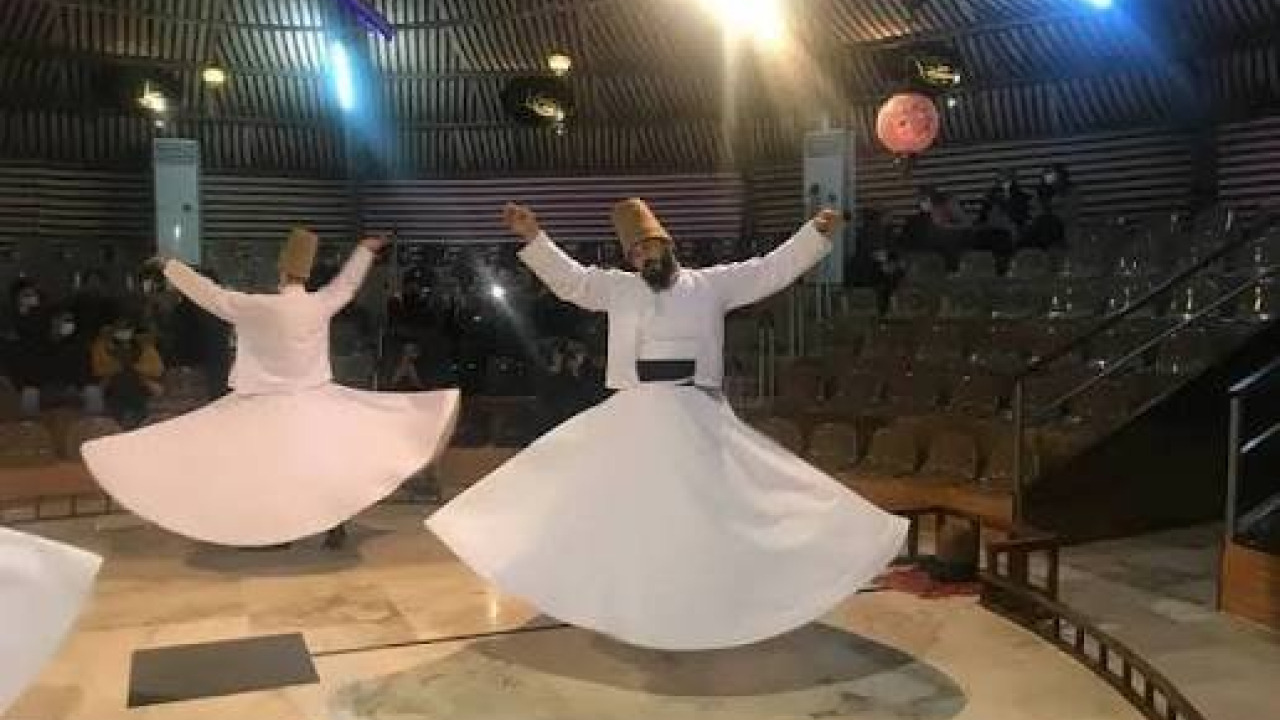
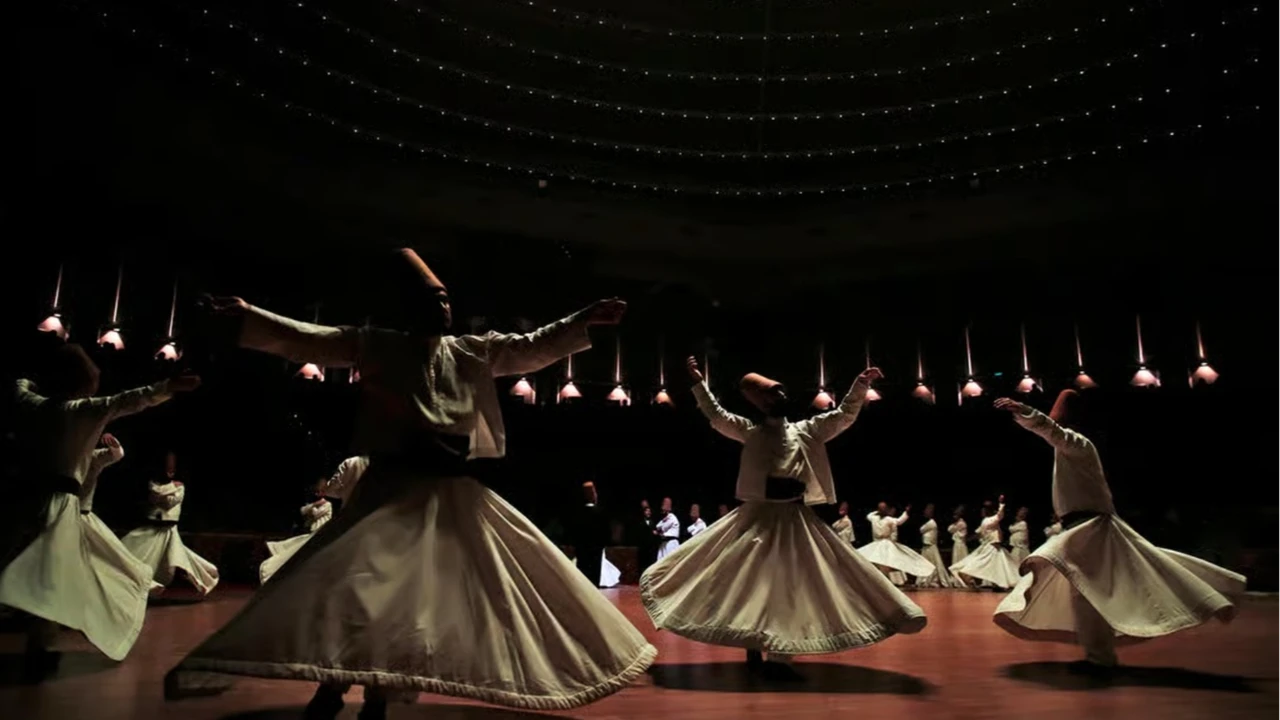
The sikke (tall hat) worn by the dervishes represents the tombstone of the ego, the black cloak symbolizes the grave, and the white tennure (skirt) represents the shroud of the ego. By removing their cloaks in the presence of the postnişin (spiritual leader), the dervishes symbolically shed their worldly attachments and begin their spiritual rebirth. The posture, right hand open toward the sky and left hand turned toward the earth, signifies receiving grace from the Divine and distributing it to humanity.
As the rotation begins, the billowing skirts create a mesmerizing circular form, bringing a captivating visual harmony to the hall. The ceremony, consisting of four distinct "salams" (greetings), narrates the stages of human creation, the realization of divine power, and the return to the consciousness of servitude. Accompanied by qasidas and prayers, the ritual leaves spectators with a profound sense of peace.
The Perfect 5-Step Evening Cultural Itinerary in Pamukkale
To maximize your time during sunset and the evening hours of your Pamukkale trip, we suggest the following 5-step flow:
- Sunset at the Hierapolis Ancient Theatre: Head to the theater at the highest point of the ancient city in the late afternoon to watch the crimson sun set over the travertines.
- Transfer to Karahayıt & Dinner: After sunset, move to the Karahayıt district for dinner featuring local Aegean herbs and the famous Denizli oven kebab.
- Arrival at the Venue: Arrive at the historic caravanserai venue around 20:15 and settle in quietly.
- Mevlevi Sema Ceremony & Live Sufi Music: Experience the Naat-ı şerif, the ney solo, and the four-stage Sema ritual for approximately one hour.
- Conversation with Artists & Hotel Return: After the program, enjoy a brief cultural chat with the head dervish and the ney player before your transfer vehicle takes you back to your hotel.
This balanced schedule ensures you don't miss the natural beauty of the day while ending your night with spiritual depth. Pre-planned transfers eliminate the stress of finding a taxi late at night.
Verified Historical Landmarks in and around Pamukkale
The ancient and natural sites visited by day and the Sufi atmosphere of the evening create a perfectly complementary route. The surrounding locations offer immense cultural depth.
Karahayıt Red Water and Thermal Springs
Located just north of Pamukkale, Karahayıt is famous for its red thermal waters, rich in iron and calcium. These healing waters, bubbling up from underground, create red travertine terraces that offer a unique geological contrast. The local thermal baths are ideal for visitors wanting to relax before the evening show.
Pamukkale Travertines and Calcium Terraces
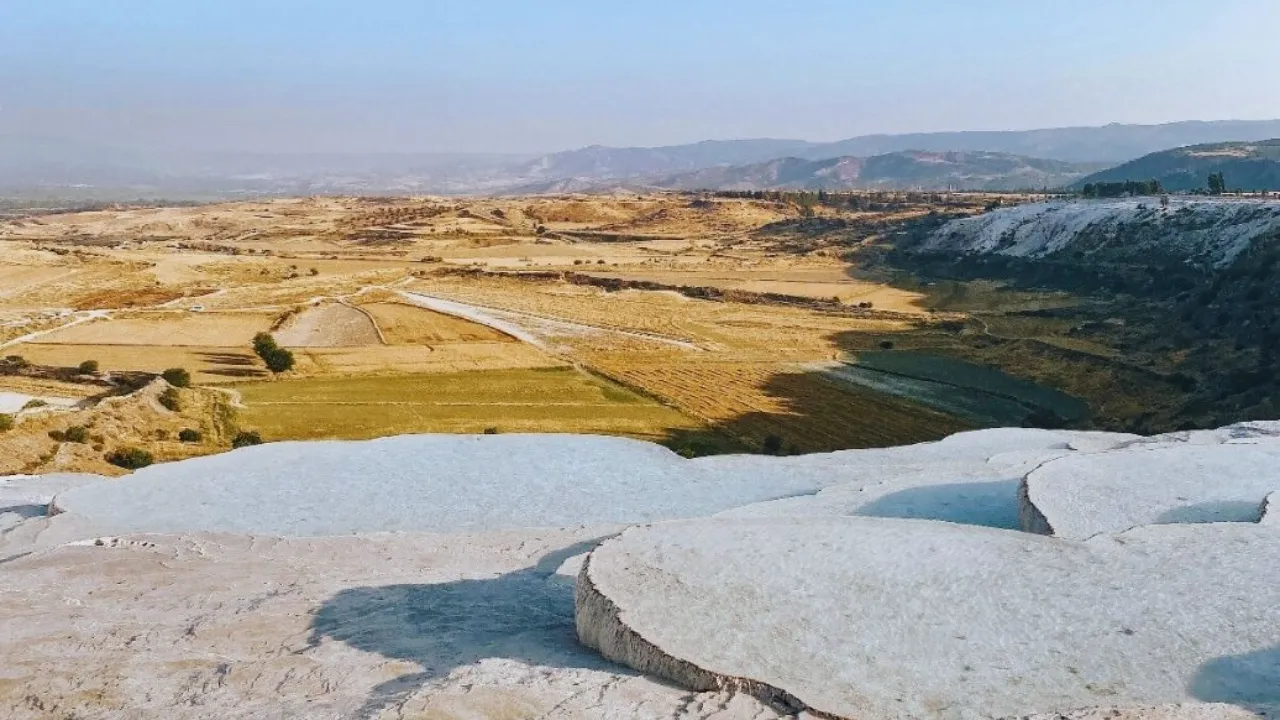
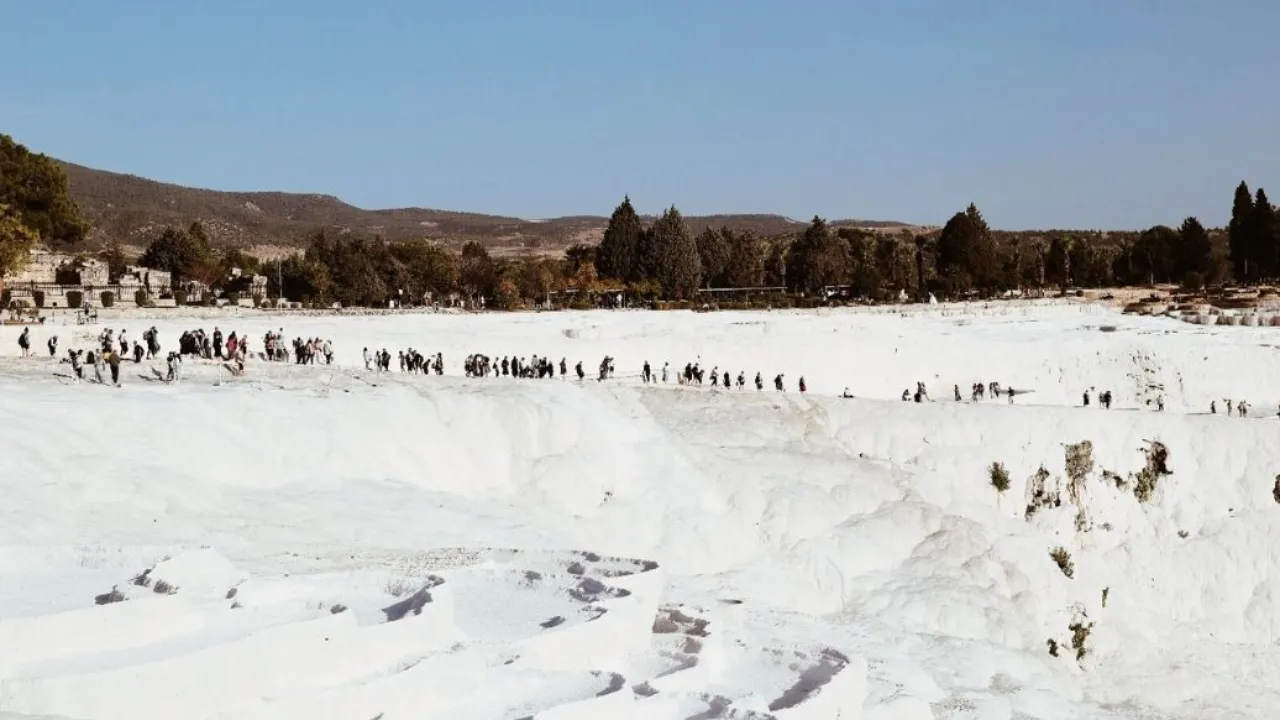
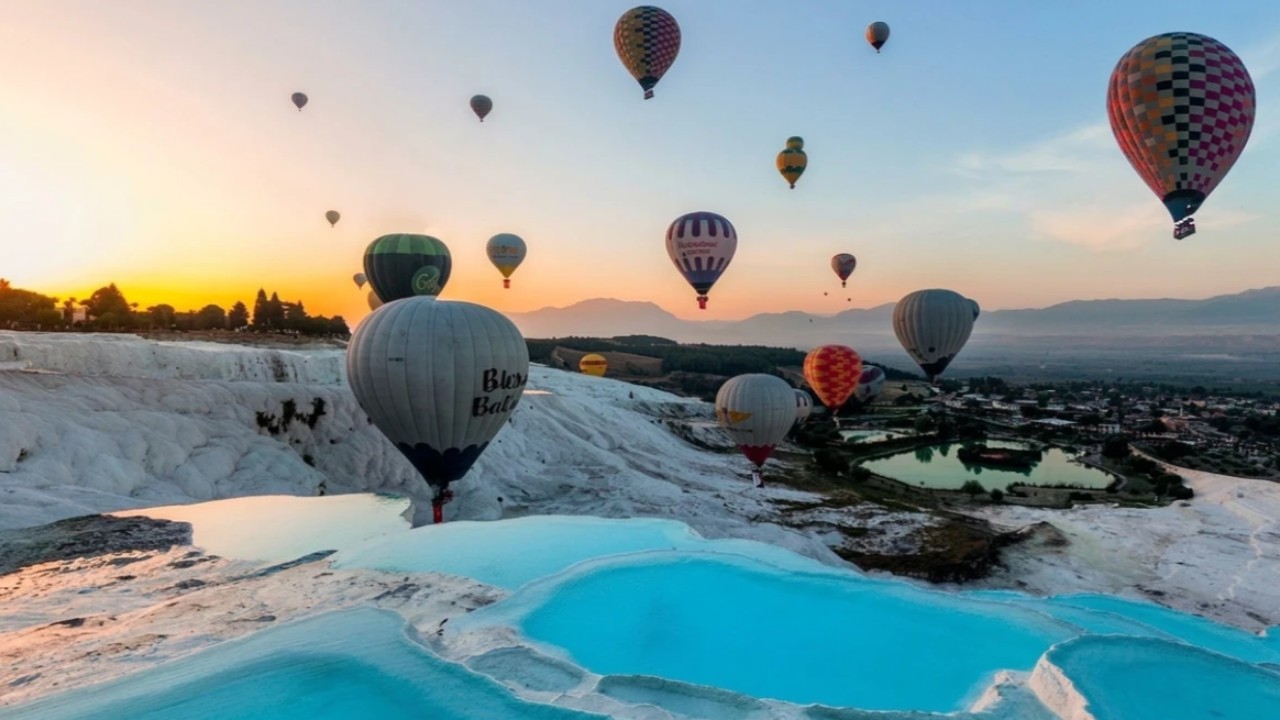
Formed over centuries by the deposition of calcium-rich thermal waters, these snow-white terraces are breathtaking, resembling fields of cotton. Walking barefoot through the warm waters along the terraces relaxes the feet and washes away the day's fatigue. The reflections of sunlight on the travertines at different hours create dazzling vistas.
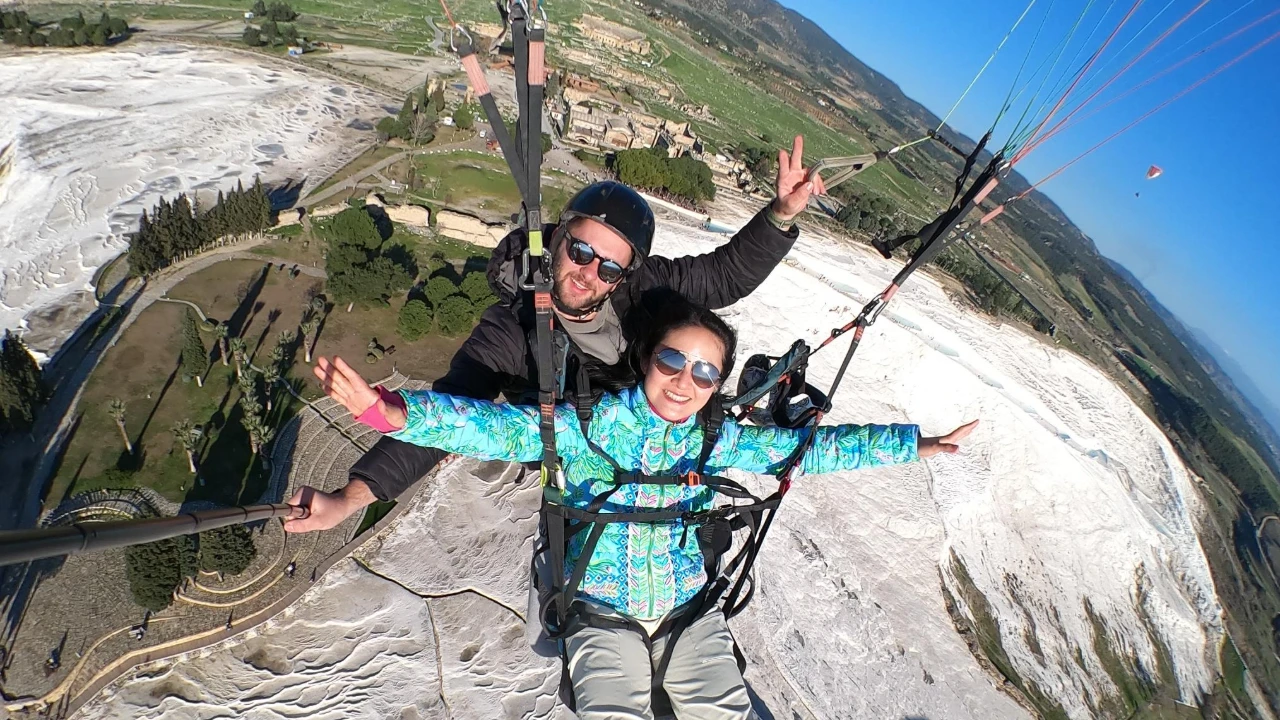
Hierapolis Ancient City and Cleopatra's Pool
Founded by King II. Eumenes of Pergamon, this ancient city stands with its massive necropolis, monumental gates, and Roman baths. Swimming in Cleopatra's Pool, where ancient columns remain submerged, feels like swimming through history. The acoustics of the ancient theater continue to inspire awe today.

Laodikeia Ancient City
Perched on a hill overlooking the Denizli plain, Laodikeia is home to one of the Seven Churches mentioned in the Bible. Its wide colonnaded streets, temples, and restored theaters attract archaeology enthusiasts. Frescoes and mosaics unearthed from excavations reveal the city's once-glamorous commercial life.
Karahayıt Cultural Halls and Caravanserais
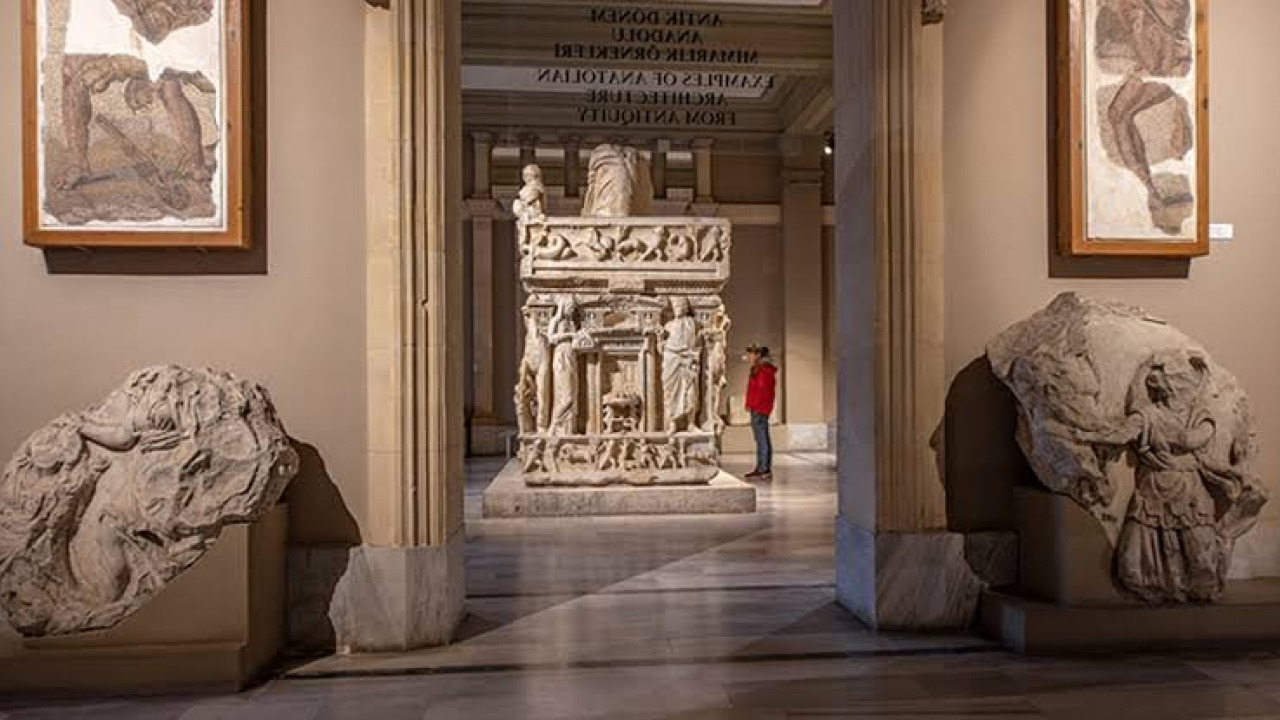
The traditional stone-architecture cultural centers in the region serve as the acoustic venues for the dervish shows. With their wooden ceiling carvings and dim lighting, they provide an authentic dergah (dervish lodge) atmosphere. If you wish to add other historical and cultural stops in the Aegean to your route, you can explore rich cultural experiences in the Denizli region and evening activities around Pamukkale.
Understanding the Sema Ceremony: Symbols and Meanings
Every stage and element used in the Sema ceremony is rooted in a philosophical meaning. The following table explains the layers of these symbols.
| Sema Element | Physical Appearance | Sufi Symbolic Meaning |
|---|---|---|
| Sikke (Hat) | Brown felt conical hat | Represents the tombstone of the human ego |
| Black Cloak | Heavy, wide-cut outer garment | Represents worldly ambitions and the grave |
| White Tennure | Sleeveless, wide-skirted white dress | The shroud of the ego and the purified soul |
| Ney Flute | Seven-holed reed wind instrument | Reflects the Divine Breath and human longing |
| Four Salams | Four repeated stages of rotation | Creation, Divine Power, Love, and Servitude |
| Hand Position | Right hand up, Left hand down | The balance of receiving from God and giving to people |
Watching the performance with an understanding of this symbolic language transforms the ritual from a simple folk dance into a deep meditative experience. The stillness of the movements profoundly affects the audience.
Practical Tips for Attending the Show
To respect the spiritual atmosphere of the venue and maintain the harmony of the event, please follow these basic guidelines:
- Silence and Concentration: It is a matter of respect to avoid whispering, clapping, or using phones during the Sema. Please set all devices to silent.
- No-Flash Photography: To avoid disrupting the balance and concentration of the dervishes, flash photography is strictly prohibited. Use low-light mode for silent captures.
- Modest Attire: As this is a spiritual ritual, we recommend avoiding overly revealing or distracting clothing when entering the hall.
- Families with Children: To ensure children do not run or make noise, parents are encouraged to choose the back rows.
- Punctuality: Entry and exit are not permitted once the music and ceremony have begun; please ensure you are in the hall before the start time.
Transfer vehicles provided by the tour agency will pick you up from your hotel lobby and return you safely after the event. We recommend confirming your reservation during the day to ensure seat availability.
Frequently Asked Questions 5
How long is the Pamukkale whirling dervish show and what does the program include?
The program lasts between 45 and 60 minutes. It includes the opening Naat-ı şerif, a ney flute solo, a live hymn performance, and the full four-stage Sema ceremony.
Can I take photos or videos during the dervish show?
Yes, photos and videos can be taken for memories, but flash is forbidden to ensure the dervishes maintain their balance. Captures should be made with phones on silent and without disturbing other guests.
On which days and at what times are the whirling dervish shows held in Pamukkale?
Shows are generally held on specific days of the week with sessions at 20:30 or 21:00. Depending on the tourism season, regular sessions are organized three or four days a week.
Do I need to make a reservation in advance for the dervish show?
Since venue capacities are limited and authentic locations are used, advance reservation is highly recommended. Tours can fill up quickly, especially during the high season.
Is transfer provided from Karahayıt and Pamukkale hotels to the show venue?
Yes, as part of the organized tours, round-trip vehicle transfers are provided from hotels in the Pamukkale and Karahayıt regions. Guests are picked up from the lobby at a designated time and dropped off after the program.