
Museums are the crown jewels of any cultural itinerary, housing the priceless treasures of millennia-old civilizations, the grand halls of imperial palaces, and the inspiring works of contemporary art. Behind every glass display, every ancient coin, and every weathered manuscript lies a captivating fragment of our shared human history. To experience Turkey's most prestigious museums and palaces through expert-led programs, explore our curated museum and palace tour itineraries for live booking options.
For many culture enthusiasts, the biggest hurdles to a perfect trip are long ticket queues, confusion over which passes work where, and the struggle to truly grasp the significance of the artifacts on display. During peak tourism season, spending hours standing in line can quickly drain the energy from your precious vacation time.
Fortunately, professional solutions provided by the Ministry of Culture and Tourism and licensed guiding associations ensure a seamless, high-comfort discovery experience. Exploring museums alongside a licensed guide transforms the silent artifacts into a living, breathing narrative.
Quick Facts for Museum and Palace Visitors
| Feature | Practical Summary for Cultural Travelers |
|---|---|
| Legal Framework | Cultural Heritage Museum Directives and TUREB Professional Laws |
| Fast-Track Access | Skip the lines via group entrances when accompanied by a licensed guide |
| Museum Pass Scope | Unlimited access for Turkish citizens at 300+ Ministry-affiliated museums |
| Special Palace Status | National Palaces and private foundation museums follow separate ticketing rules |
| Audio & Acoustic Comfort | "Whisper" radio headset systems for clear listening in crowded halls |
| Closing Day Schedule | Most state museums close on Mondays; Topkapı Sarayı is closed on Tuesdays |
| Ideal Visiting Times | Early morning at 09:00 opening or during the quieter mid-afternoon hours |
Turkey's Most Iconic Museum Corridors and Regional Routes
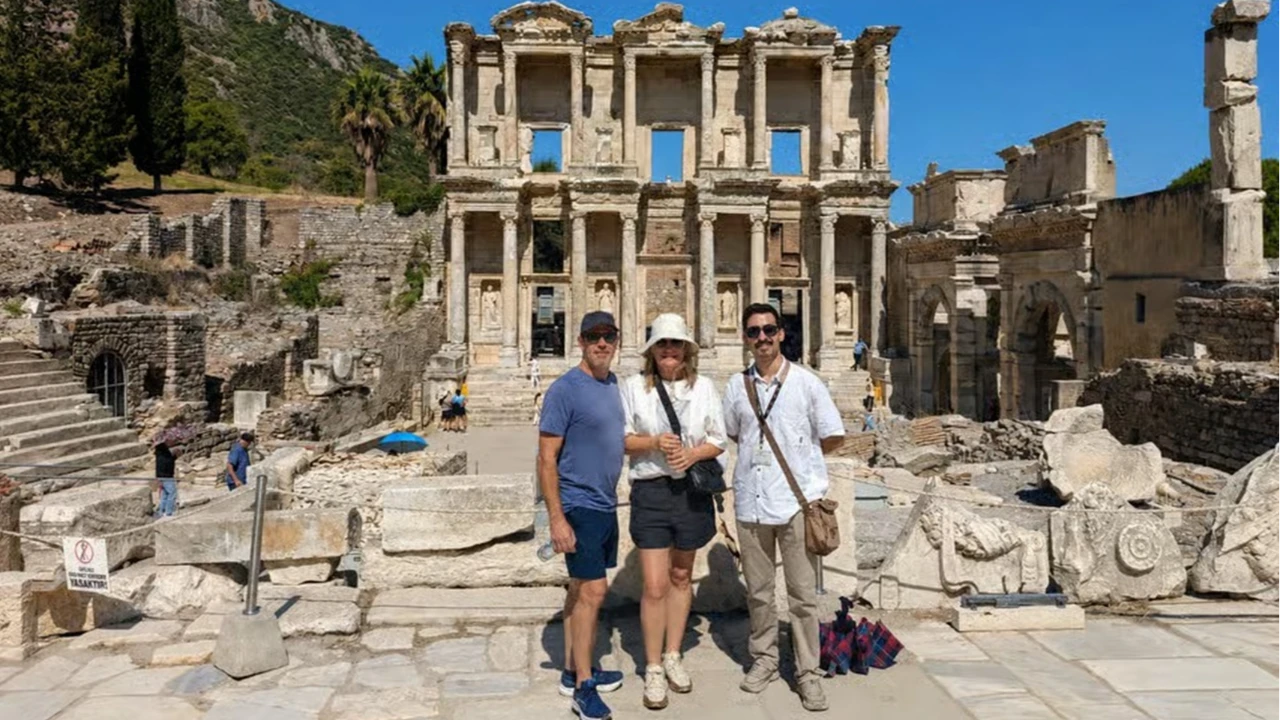
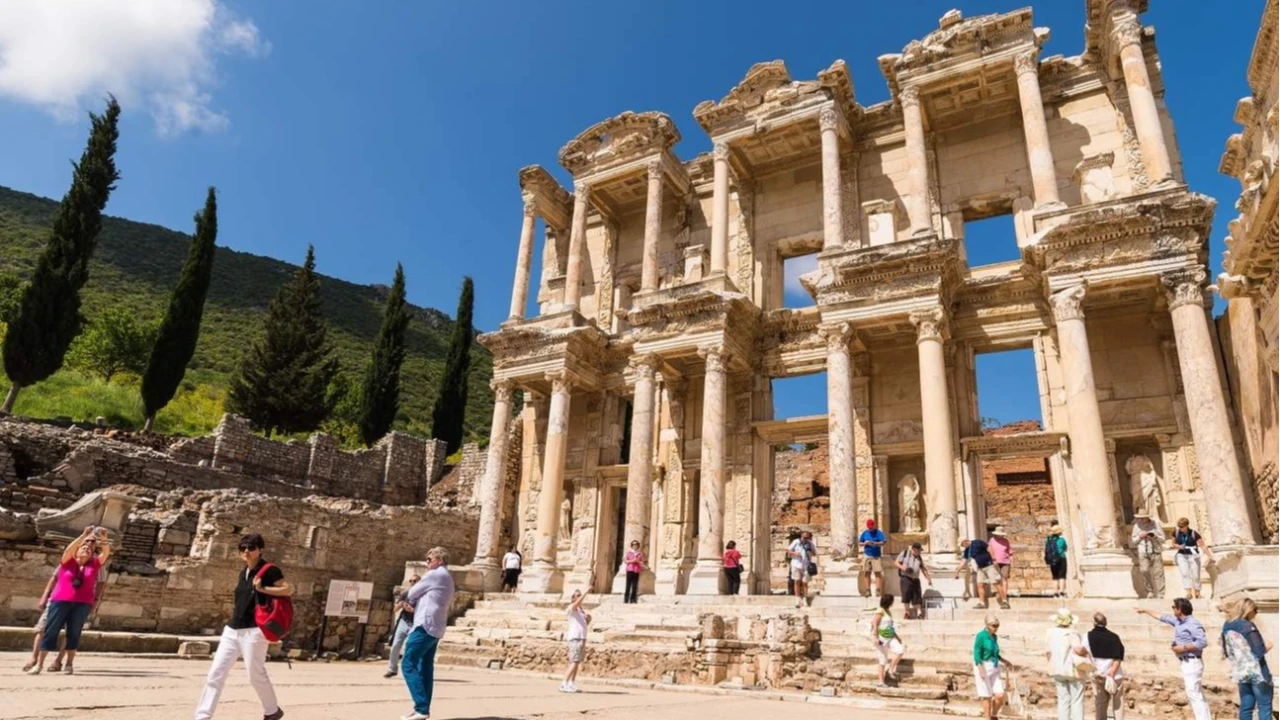
Turkey stands among the world's premier cultural destinations, boasting an incredible wealth of sculptures unearthed from archaeological sites and vast imperial collections. Our Kuşadası and Ephesus museum tours captivate travelers with the famous Artemis statues at the Ephesus Archaeological Museum. Tours departing from Kuşadası masterfully bridge the gap between magnificent outdoor archaeological sites and rich museum galleries.
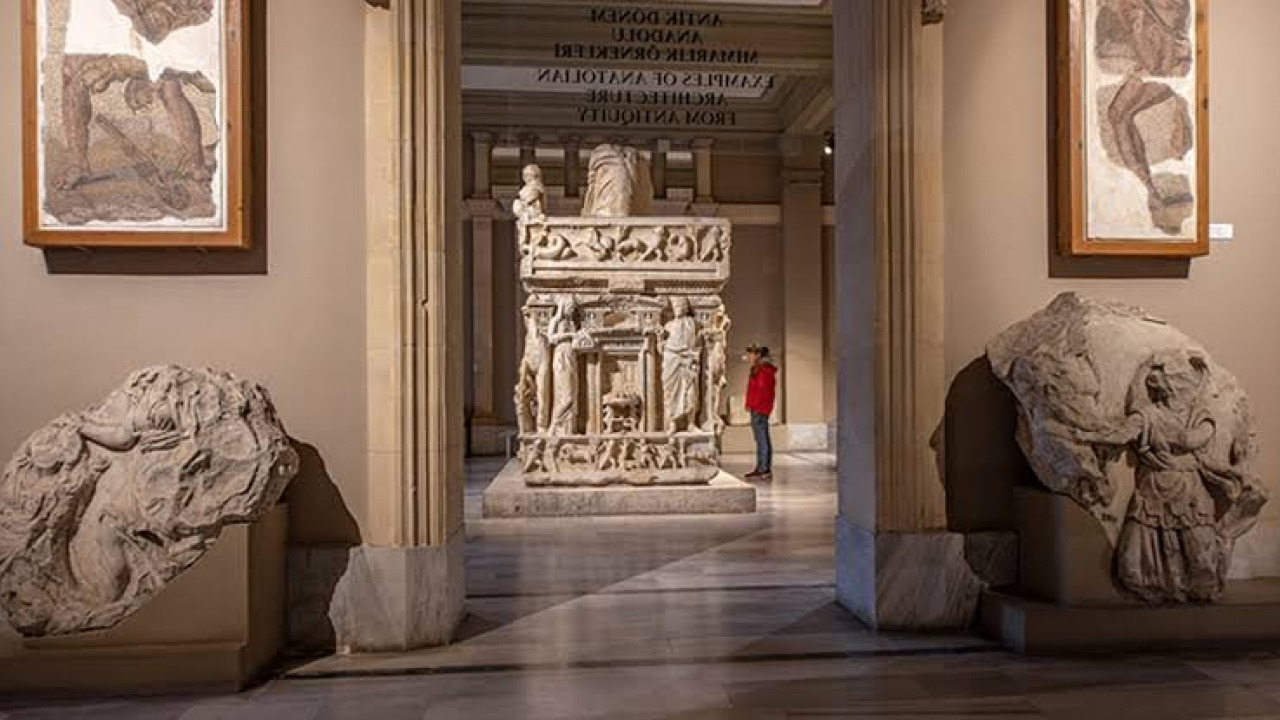
In the heart of the Historical Peninsula, Historical Peninsula and Fatih museum tours take you through world heritage sites such as Hagia Sophia, the Istanbul Archaeology Museums, and the Museum of Turkish and Islamic Arts. These complexes, home to masterpieces like the Alexander Sarcophagus, reveal the multi-layered history of former imperial capitals.
For those seeking a blend of modern art and history, Beyoğlu culture and art routes reflect the city's cosmopolitan spirit through landmarks like the Pera Museum and the Galata Mevlevihanesi. Meanwhile, those wishing to dive into Aegean history can explore the Izmir Archaeology and Ethnography museums via our Izmir Konak museum tours.
Skip-the-Line Strategies and Museum Pass Tips
During summer months and public holidays, monumental sites like Hagia Sophia, Topkapı Sarayı, or Ephesus can see ticket lines stretching hundreds of meters. Waiting under the scorching sun can exhaust your entire day. Booking a tour through a licensed agency with a professional tourist guide completely eliminates this waiting period through priority access.
Priority Agency Entry and Time Management
Professional guides allow groups to enter through dedicated agency turnstiles, providing immediate access to the galleries. This ensures you spend your time admiring masterpieces rather than standing on the pavement.
Group coordinators also manage the ticketing process digitally in advance, organizing a direct transition for visitors into the exhibition halls. This level of professional planning significantly elevates the comfort of your journey.
Digital Museum Passes and Valid Sites
For individual travelers, the digital Museum Pass offered by the Ministry of Culture and Tourism is an essential tool for savings and convenience. A QR code downloaded to your smartphone can be scanned instantly at turnstiles, removing the hassle of traditional ticketing.
However, please note that the standard Museum Pass is only valid at official sites affiliated with the Ministry of Culture and Tourism. Structures under the Presidency of National Palaces, such as Dolmabahçe Sarayı, Beylerbeyi Sarayı, and Küçüksu Kasrı, as well as private foundation museums, require separate tickets. For international guests, the Museum Pass Türkiye provides the ultimate advantage of fast-track entry across the country.
Comparison of Museum Types and Management Models
Knowing which authority manages a site is key to planning your tickets and arrival times correctly. Turkey's historical sites and exhibition centers are categorized by their administrative status.
The following table compares the primary museum categories in Turkey, their pass validity, and operational rules:
| Museum Category | Governing Body | Pass Validity | Typical Closing Day | Visitor Profile & Character |
|---|---|---|---|---|
| State Archaeological Museums | Ministry of Culture and Tourism | Museum Pass & Museum Pass Türkiye | Usually Mondays | Sculpture and sarcophagi halls, school groups |
| National Palaces & Mansions | Presidency of National Palaces | Special Palace Pass / Full Ticket | Usually Mondays | Harem suites, crystal chandeliers, and gardens |
| Private Foundation Art Museums | Private Companies or Foundations | Specific Museum Tickets | Usually Mondays | Contemporary art, temporary exhibitions |
| Municipal City Museums | Local Metropolitan Municipalities | Symbolic Fee or Free | Varies (Open weekends) | Local ethnography, crafts, and urban history |
In National Palaces, visitors may be required to wear disposable sterile shoe covers to protect historic parquet floors and silk carpets. In state museums, while wide marble halls offer walking comfort, choosing appropriate footwear is essential for long visits.
Private foundation museums often host world-class international temporary exhibitions. Since tickets for these events are often sold for specific time slots, booking in advance is critical.
Audio Guides vs. Live Professional Guides
Walking through museum halls alone and reading a two-line description on a plaque often fails to convey the true historical weight of an artifact. Many visitors opt for rented audio guides. However, audio guides offer a pre-recorded, monotone experience and cannot answer your spontaneous questions.
Personalized Storytelling and Interactive Communication
A professional, licensed tourist guide, however, tailors their narrative to the specific interests and knowledge level of the group. They can weave mythological tales for a family with children or dive into the technical details of column capitals and arch statics for architecture enthusiasts. A skilled guide manages your time expertly by highlighting the three most critical masterpieces in any given hall.
Furthermore, a professional guide turns a visit into an intellectual feast by sharing the latest findings from recent excavations and discussing current international restoration debates.
The Advantage of the "Whisper" Radio System
To ensure you hear the guide clearly in crowded corridors, modern group tours utilize "whisper" radio headset technology. Even if the guide speaks in a soft, respectful tone into a sensitive microphone, every participant within twenty meters can hear the narration perfectly through their headset.
This system creates deep focus without disturbing the museum's serene atmosphere, allowing you to learn every detail without bothering other visitors.
Artifact Preservation: Why Flash Photography is Banned
The most fundamental rules when visiting museum displays are the prohibition of flash photography and touching the artifacts. Many visitors wonder why flash is so strictly regulated. The high-intensity light bursts from cameras and smartphones contain ultraviolet and infrared wavelengths.
The Impact of Flash on Pigments
These rays break down the molecular structure of pigments in ancient textiles, parchment, manuscripts, and frescoes, leading to irreversible fading. In a hall visited by hundreds of thousands of people, cumulative flash exposure can destroy historical heritage forever. This is why museum lighting is specially designed using fiber optics and filtered, cool LED sources.
Respecting security barriers and not leaning on pedestals is the minimum requirement for a civilized cultural visit. Avoiding contact with display glass helps maintain cleanliness and prevents optical reflections.
Tripod Restrictions and Climate Standards
Tripods, monopods, and selfie sticks are prohibited to prevent blocking the view of other visitors and to mitigate the risk of accidentally striking a display case or marble bust in narrow passages.
Additionally, museum climate control systems maintain air temperature at approximately 20°C with 50% relative humidity year-round. Keeping doors closed and prohibiting food and drink inside is essential to preserving this delicate microclimate.
Museum Bag Essentials
To make your cultural excursion as comfortable as possible, we recommend carrying the following:
- ID Card or Digital Museum Pass: Have this ready to speed up identity verification at turnstiles.
- Comfortable, Soft-Soled Shoes: Essential for preventing foot fatigue during hours of walking on marble and stone floors.
- Personal Earphones: Lightweight earphones with a standard 3.5mm jack (compatible with most audio guide devices).
A 5-Step Protocol for a Safe and Efficient Museum Visit
To complete your journey through grand museum complexes without exhaustion and with maximum insight, follow these five essential steps:
- Confirm Operating Days and Hours: Always check the official portal before visiting to avoid being surprised by unexpected closures.
- Digital Ticketing and Guided Reservations: Purchase tickets online in advance or join a guided tour to eliminate the risk of queuing at the box office.
- Locker Use and Light Gear: Leave heavy backpacks and thick coats in the cloakroom; enter the halls with only essentials and water.
- Whisper Headset Connection: Secure your radio headset, check the frequency channel, and adjust the volume to your preference.
- Follow the Curated Route: Follow the chronological order of exhibitions; focus on the major masterpieces without rushing to ensure a meaningful experience.
By following these five rules, a museum visit transforms from a simple walk into a soul-enriching experience that expands your visual memory and deepens your respect for history.



Frequently Asked Questions 5
How can I get skip-the-line access in museums?
When participating in group tours led by TUREB-licensed professional guides, you can use priority group entrances to bypass long ticket queues entirely.
Which museums is the Museum Pass valid for and who can get it?
The Museum Pass provides unlimited access for one year to over 300 museums and archaeological sites affiliated with the Ministry of Culture and Tourism. Turkish citizens can obtain it digitally or at ticket offices for a nominal fee.
What is the difference between an audio guide and a live guide?
While an audio guide provides general information at fixed points, a live professional guide answers visitor questions, shares recent excavation findings, and weaves unique stories throughout the route.
Which days of the week are museums in Turkey closed?
Most state museums are closed on Mondays for weekly maintenance and cleaning; Topkapı Sarayı is typically closed on Tuesdays. Always check the current calendar before your visit.
Is flash photography and tripod use allowed in museums?
Flash photography is legally prohibited to prevent light damage to the pigments and textures of historical artifacts. Tripods and selfie sticks are also not permitted as they obstruct visitor flow.