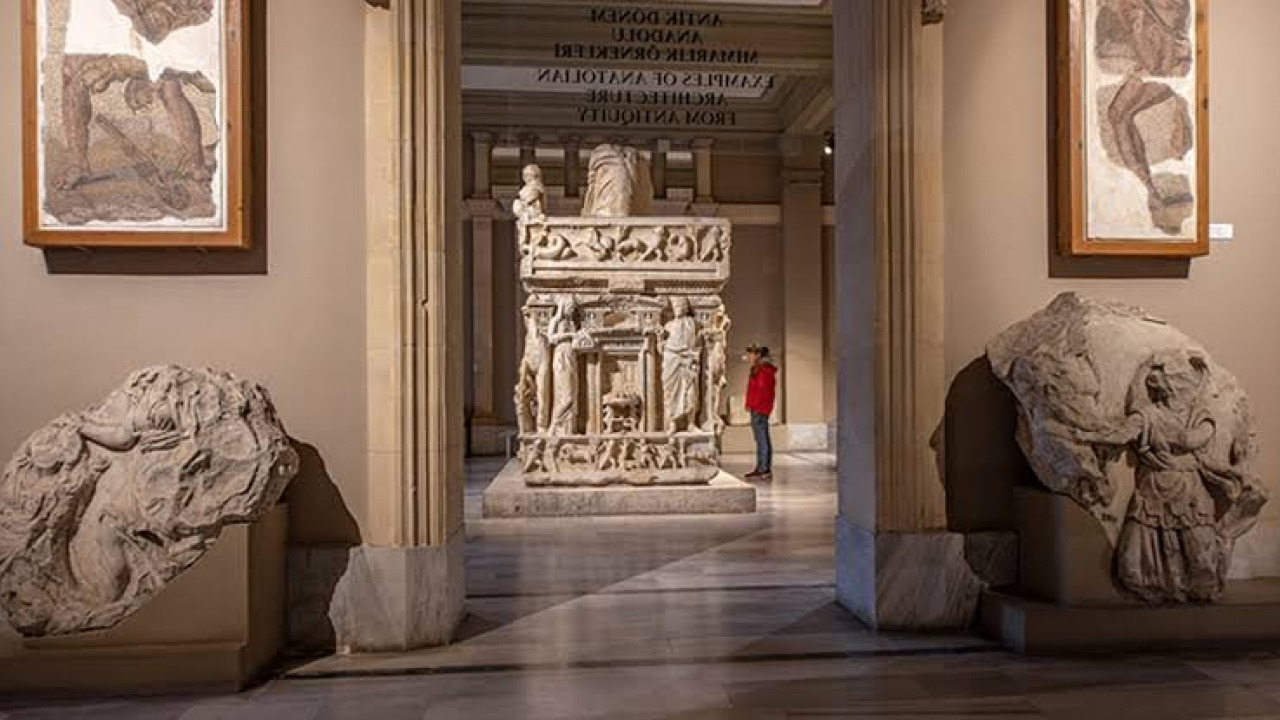

Perched upon the ancient Tur Abdin plateau in Southeastern Anatolia, Midyat is a living open-air museum, renowned for its monumental mansions carved from golden limestone and monasteries dating back 1,600 years. To immerse yourself in this millennia-old legacy of faith and craftsmanship, you can explore Midyat cultural tour options to ensure a seamless and comfortable journey. From the historic stone architecture of the town center to the Deyrulumur Mor Gabriel Monastery, located 23 kilometers away, this region stands as one of the world's most enduring centers of Syriac and Mesopotamian culture.
Designed for the discerning traveler, this field guide provides an unbiased roadmap including visiting hours, dress codes, photography etiquette, terrain conditions, and essential logistics to help you plan an efficient itinerary.
Quick Facts: Midyat Mansions & Mor Gabriel Monastery
Before you set off for the historic settlements of Midyat and the serene grounds of Mor Gabriel Monastery, here are the essential geographical and cultural markers.
| Parameter | Field & Logistics Information |
|---|---|
| Geographic Location | Mardin Province, Midyat District and Güngören Village countryside |
| Nearest Airport | Mardin Prof. Dr. Aziz Sancar Airport (MQM, 78 km) |
| Monastery Foundation | 397 AD (by Mor Shmuel and Mor Shemon) |
| Architectural Material | Katori stone (a limestone that is easy to carve and hardens upon exposure to air) |
| Terrain & Walking Conditions | Historic cobblestones, steep stone stairs, and flat stone courtyards |
| Ideal Visiting Season | April to May and September to November (Autumn) |
| Entry & Guiding Rules | Mor Gabriel Monastery tours are conducted exclusively with official Syriac guides |
The Tur Abdin Plateau and the Ancient Geography of Midyat
Tur Abdin, meaning "Mountain of the Servants" or "Mountain of the Worshipers" in Syriac, is a historic highland plateau. Nestled between the southern bends of the Tigris River and the vast Mesopotamian plains, this limestone region has hosted some of Christianity's earliest monastic communities. Midyat serves as the administrative, commercial, and cultural heartbeat of this sacred basin.
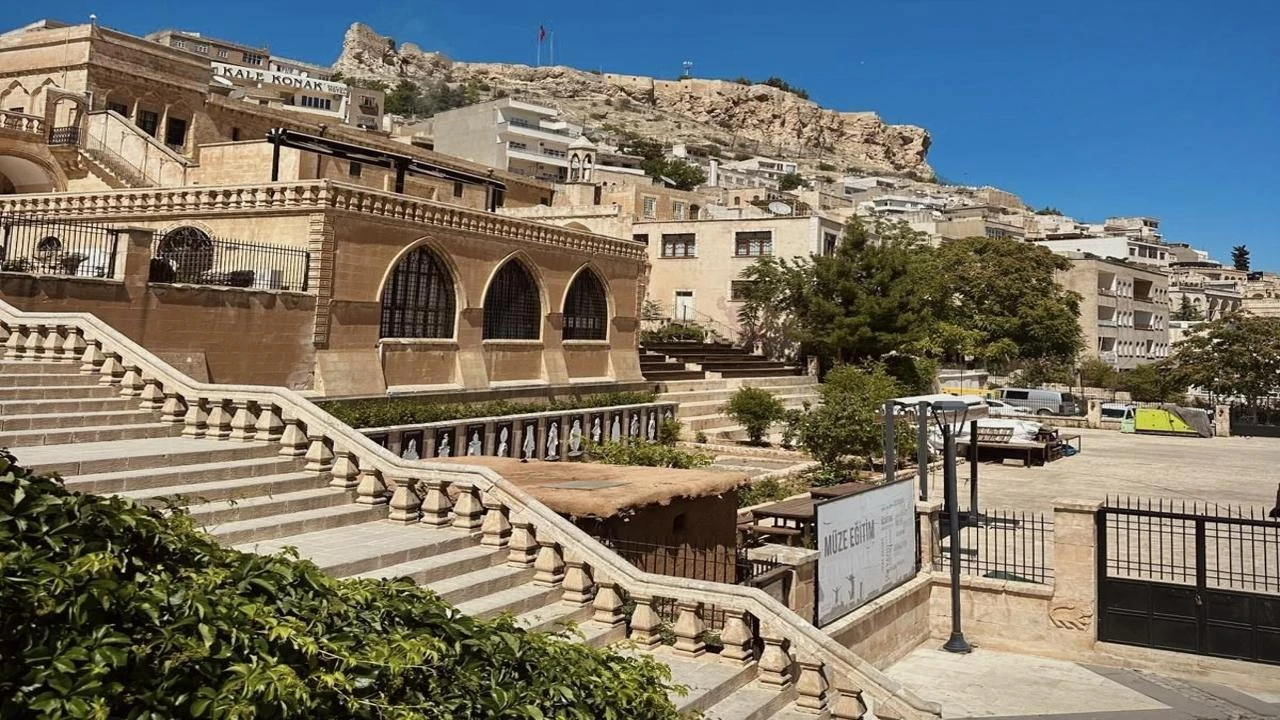
The district is divided into two primary areas: Estel, where modern development is concentrated, and Old Midyat, where the historic stone mansions are meticulously preserved. The skyline of Old Midyat is a stunning blend of church bell towers, mosque minarets, and grand stone mansions shielded by high courtyard walls. It is connected to the center of Mardin via a dual carriageway, roughly a one-hour drive.
The region experiences a typical Mesopotamian continental climate. Summer days can soar above 40°C with dry desert heat, while winters can be harsh and snowy. Consequently, the thick walls and vaulted interiors of the stone buildings have served as cool sanctuaries in summer and warm refuges in winter for centuries.
Midyat Stone Mansions and the Art of Katori
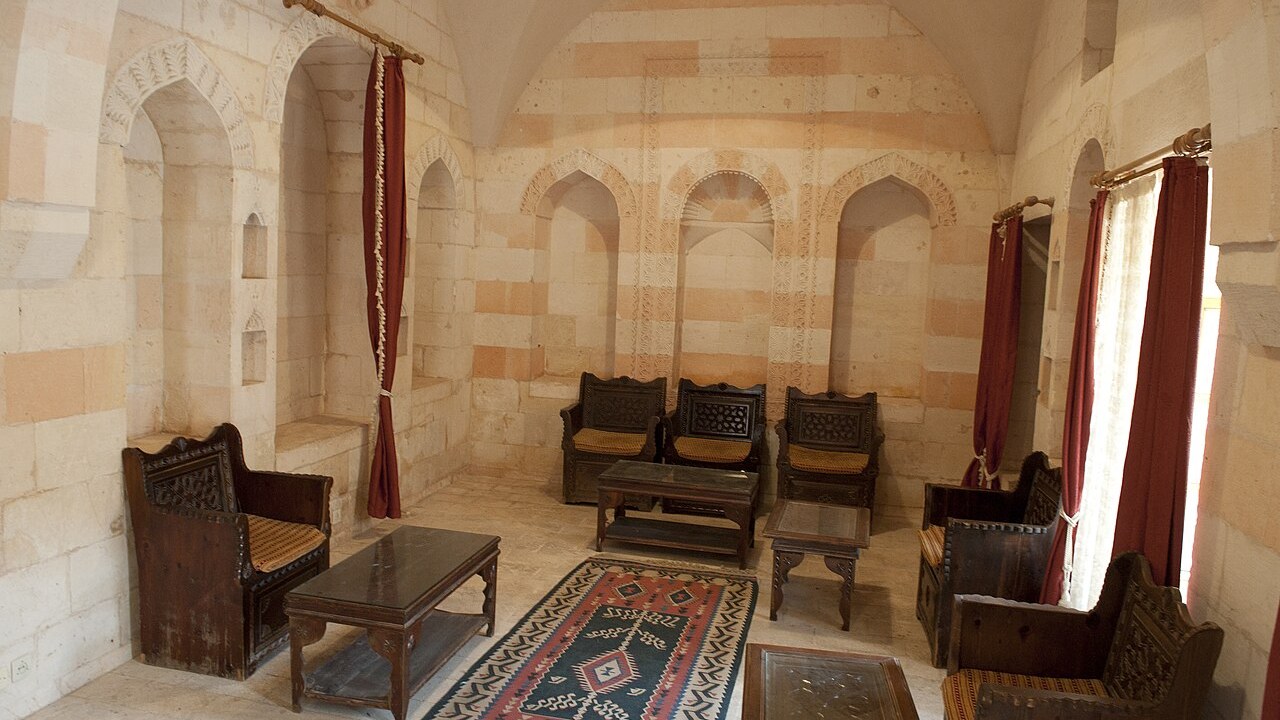
The defining characteristic of Midyat's mansions is the use of Katori stone. This unique limestone is soft when first quarried but hardens into a brilliant golden-yellow hue upon contact with air. Local master stonemasons have treated this material like lace, intricately carving windows, balcony railings, and door arches.
Midyat State Guest House & Panoramic Terrace
Situated on the highest peak of Old Midyat, the Midyat State Guest House is the district's most visited civil structure, featuring a monumental three-story courtyard architecture. Once owned by a Syriac family, this historic mansion was later nationalized and opened to the public.
Climbing the narrow stone steps to the top terrace reveals a breathtaking panoramic view of Old Midyat. While the infinite void of the Mesopotamian plain stretches toward the horizon, you can capture close-up shots of neighboring church towers and hidden courtyard gardens. The vaulted rooms on the ground floor offer a glimpse into traditional domestic life.
Cevat Paşa Mansion and Civil Architecture
Built in the early Republican era using Katori stone, the Cevat Paşa Mansion is a unique piece of architecture that blends traditional stonework with Western-influenced planning. Its inner courtyard, enclosed by high stone walls, provides a peaceful sanctuary away from the noise of the outside world.
As you wander through the streets of Midyat, you will encounter "abbaras", vaulted passageways that run beneath the mansions. These tunnels provide vital protection from winter snow and the scorching summer sun. To explore these architectural gems with professional insight, we recommend the Midyat historical city tours programs.
History and Significance of Deyrulumur Mor Gabriel Monastery
Rising among oak groves near Güngören Village, 23 kilometers southeast of Midyat, the Mor Gabriel Monastery is the most senior center of the Syriac Orthodox world. Its original Syriac name, "Deyrulumur," translates to "Home of Life" or "Shelter of the Monks."
Founded in 397 AD by Mor Shmuel and his student Mor Shemon, this sacred complex possesses a history older than many of the famous churches in Jerusalem. Roman Emperors Arcadius, Honorius, and Theodosius provided generous donations to ensure the monastery was adorned with rich mosaics. Over time, the institution took the name of Bishop Mor Gabriel, a 7th-century figure renowned for his contributions and miracles.
For centuries, the monastery served as both a theological academy and a scriptorium where ancient manuscripts were painstakingly copied. Today, it remains an active monastic community where the archbishop, monks, nuns, and theology students continue their prayers and studies within these historic walls.
The Main Church and Byzantine Mosaics
The Great Church at the center of the complex reflects the grandeur of 5th-century Roman and early Byzantine architecture. The gold-leaf mosaics in the apse dome were crafted by artists from the imperial workshops of Constantinople.
The stone floors are adorned with centuries-old carvings and Syriac inscriptions. The dim lighting and the acoustic properties of the stone vaults amplify the spiritual resonance of the hymns chanted during morning prayers. Maintaining silence in this area is a fundamental rule for all visitors.
The Theodora Dome and the Shrine of the Forty Martyrs
In the northern section of the complex lies the octagonal Theodora Dome, built to commemorate a visit by Empress Theodora. Constructed with red brick and mortar, this dome is a rare Mesopotamian example of ancient Roman engineering.
The Shrine of the Forty Martyrs and the Cemetery of Saints (Beth Kdishe) serve as the eternal resting place for bishops and saints who left deep marks on the monastery's history. The stone sarcophagi nestled in wall niches are historical documents testifying to early Christian burial traditions.
Comparative Overview of Midyat's Historic Sites
To help you plan your visit, we have compiled the architectural and logistical details of the key stops in Midyat.
| Historic Site | Period / Foundation | Material & Terrain | Visiting Hours & Conditions | Highlight |
|---|---|---|---|---|
| Mor Gabriel Monastery | 397 AD (Early Christian) | Cut limestone, flat stone | 09:00-11:30 / 13:00-16:30 (Guided) | Apse mosaic & active monastic life |
| Midyat State Guest House | Late 19th C. (Ottoman) | Katori stone, steep stairs | 08:30-18:00 (Daily) | Terrace views & courtyard |
| Cevat Paşa Mansion | Early 20th C. (Republic) | Katori stone, wide courtyard | 09:00-17:00 (Museum Pass valid) | Traditional interiors & stone arches |
| Mor Shmuni Church | 6th Century (Syriac) | Rubble & cut limestone | Special permit or after Sunday mass | Bell tower & historic cemetery |
| Midyat Silversmiths Bazaar | Historic Caravan Market | Cobblestone streets | 09:00-20:00 (Open access) | Telkari silver filigree workshops |
Terrain, Weather, and Dress Code Tips
Midyat's streets consist of historic stone paving and steep inclines. Especially in Old Midyat and the monastery courtyards, we strongly recommend wearing comfortable sneakers or hiking shoes with non-slip soles. Stiletto heels or thin-soled shoes can easily get caught in the gaps of the ancient stones.
For those traveling in summer, hats, sunglasses, and sunscreen are essential. Since shaded areas on the wide mansion terraces are limited, try to avoid peak sun exposure during midday.
As Mor Gabriel Monastery is an active place of worship, a strict dress code is enforced. Entry is not permitted for those wearing shorts above the knee, sleeveless tops, or low-cut clothing. Shawls or skirts may be provided at the entrance for visitors to cover up.
Visitor Protocol for Midyat and Mor Gabriel
To ensure a respectful and enriching experience, please adhere to the following guidelines:
- Time Your Visit: Plan to arrive early, keeping in mind that Mor Gabriel Monastery is closed between 11:30 and 13:00.
- Follow the Guide: Upon entering the monastery, do not wander individually; stay with the official guide assigned to your group.
- Photography Etiquette: Avoid using flash photography inside the prayer halls to protect the sacred relics and ancient mosaics.
- Respect Privacy: When photographing the stone mansions, avoid entering private residential areas to respect the privacy of the local inhabitants.
- Shopping Smart: When purchasing Telkari silver in the bazaar, always check for the silver purity hallmark on the back of the piece.
Frequently Asked Questions 5
What is the history of Mor Gabriel Monastery in Midyat?
Founded in 397 AD by Mor Shmuel and Mor Shemon, the monastery grew through the patronage of Roman emperors and became widely known in the 7th century due to the miracles of Bishop Mor Gabriel.
Is there an entrance fee for Mor Gabriel Monastery?
A modest contribution for maintenance and guiding is collected at the entrance. Please note that official Museum Passes are not valid here.
Who built the Mor Gabriel Monastery?
The foundations were laid in 397 AD by the Syriac monks Mor Shmuel and Mor Shemon, and the complex was expanded in subsequent eras with the support of Roman emperors.
Does Mor Gabriel Monastery have another name?
Yes, its original and official Syriac name is the Deyrulumur Monastery, which means 'Shelter of the Monks' or 'Home of Life'.
How far is it from Midyat center to Mor Gabriel Monastery?
The road distance between Midyat town center and Mor Gabriel Monastery in Güngören Village is approximately 23 kilometers, which takes about 25 minutes by car.