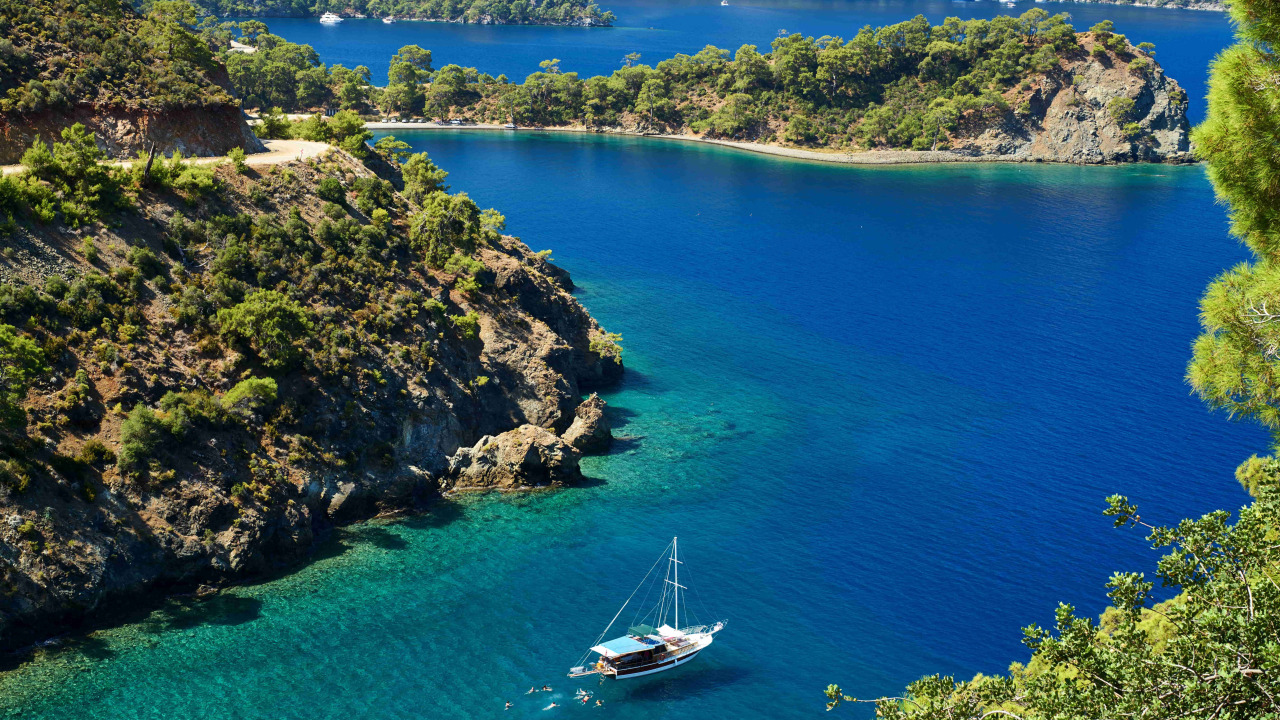

Unlike many holiday destinations, a trip to Göcek isn't planned around roads, but rather around its stunning bays and vibrant marina scene. Nestled in Fethiye, Muğla, Göcek is a long-standing haven for yachting enthusiasts, boasting pine-clad hills, a sheltered bay, and the famous 12 Islands archipelago. This unique geography shapes the town itself. While the town center is easily walkable from end to end, the true gems – like Cleopatra's Bath, Bedri Rahmi Bay, Tersane Island, Osmanağa, and Ayten bays – are only accessible by sea. Therefore, the real question in Göcek isn't 'which bay will I see?', but 'which boat will take me to these magnificent bays?'. Your choice of transport, the season, and your budget will all hinge on this decision.
Is Göcek Your Perfect Getaway? A Quick Comparison with Fethiye and Ölüdeniz
When deciding to visit Göcek, you're essentially choosing both your accommodation base and your sea-faring launch point. Fethiye center offers a more bustling and budget-friendly base with its bus terminal, hospital, large market, and wide range of accommodation options. Ölüdeniz, on the other hand, is beach-focused, drawing visitors with its sandy shores, paragliding from Babadağ, and a lively atmosphere throughout the day. Göcek is distinct from both; here, days are spent exploring bays by boat, and evenings are enjoyed in the charming narrow bazaar streets and along the marina promenade.
Don't expect a long public beach in Göcek itself. The coastline in front of the town is primarily used for mooring and leisurely strolls, rather than swimming. To swim, you'll either need to venture out to the bays by boat or drive to nearby spots like İnlice Beach, Sarsala, and Katrancı Bay. The islands at the mouth of the gulf break the waves, keeping the water generally calm – a structural advantage that makes swimming and paddle sports particularly enjoyable.
Budget is also a key factor. Businesses around the marina and boutique accommodations are typically priced higher compared to Fethiye center. If tranquility, lush greenery, and proximity to boats are your priorities, Göcek will be a perfect fit. However, if you're seeking expansive beaches, vibrant nightlife, and a more flexible budget, Fethiye center or Çalış might be a more suitable base. A hybrid approach is also possible: staying in Fethiye and embarking on your boat trip from Göcek.
Quick Facts
| Topic | Information |
|---|---|
| Location | Muğla, Fethiye district; western end of Fethiye Bay |
| Administrative status | Neighborhood of Fethiye district (municipality closed in 2014) |
| Protection status | Coast and islands within Fethiye-Göcek Special Environmental Protection Area |
| Highlights | Marinas, 12 Islands bays (Kleopatra Hamamı, Bedri Rahmi, Tersane), walkable bazaar |
| Best time to visit | Late May, June, and September (warm sea, fewer crowds) |
| Airport | Dalaman Airport approx. 22 km, 20-25 minutes by road |
| Fethiye center | Approx. 27 km, about 30 minutes via Göcek Tunnel |
| Entrance fee | Entry to the settlement, marina promenades, and canal walk is free; boat tours, parking, and tunnel passage are subject to a fee. |
| Museum Pass | No ticketed museums or ancient sites in Göcek; ruins in bays and roadside are open-air and free. Museum Pass is only useful at Ministry sites like Tlos in Fethiye. |
| Boat tour times | Day trips generally depart 10:00-11:00, return 17:00-18:30 |
| How many days are enough | 1 day for the center only; 2-3 days including the bays |
Getting There & When to Go: How to Reach Göcek and the Best Time to Visit
Access to Göcek primarily flows through two main gateways: Dalaman Airport and Fethiye center. The airport's close proximity is a key reason for the region's prominence in yacht tourism; it's possible to land and be at the pier within half an hour.
From the Airport and Fethiye to Göcek
- From Dalaman Airport: Transfer services and taxis are available at the terminal exit. The approximately 22 km journey takes 20-25 minutes during off-peak hours; during busy times, it can approach half an hour. During peak season, booking your transfer vehicle in advance according to your flight schedule will reduce waiting times.
- From Fethiye center: Approximately 27 km via the D400 highway. Driving through the Göcek Tunnel takes about 30 minutes. The tunnel passage is subject to a toll; the tariff is determined by vehicle class, and the current amount is displayed at the toll booth.
- Old road instead of the tunnel: The winding old mountain road (Göcek old road) bypasses the tunnel and is longer, but it's known for its scenic viewpoints overlooking the bay. If you plan a photo stop, choose the old road on the way there and the tunnel on the way back.
- By bus: Minibus and dolmuş lines from Fethiye and Dalaman serve Göcek. Frequency varies by season; ask about the last departure time when boarding in the evening.
- With your own car: Parking space in the center is limited. Paid parking lots are available around the bazaar; during busy weeks, available spots decrease as boat departure times approach, so it's advisable to aim for parking early on your tour day.
Getting Around Göcek
The center is walkable from one end to the other. The bazaar, marina entrances, and coastal promenade are close to each other, so you won't need a car during the day. Access to the bays is by boat: there are daily tours departing from the pier, hourly water taxis, and private charter options. To reach nearby beaches (İnlice, Sarsala, Katrancı Bay, Sarıgerme direction), you'll need a car or dolmuş.
Best Time to Visit & Seasonal Differences
| Period | Sea and weather | Crowds | Note |
|---|---|---|---|
| April - Early May | Mild weather, cool sea | Low | Comfortable for walking and bazaar; boat trips start limited. |
| Late May - June | Sea suitable for swimming | Medium | Lush greenery, prices before peak. |
| July - August | Hot, warm sea | High | Tours and accommodation require advance booking. |
| September | Sea at its warmest | Medium | Advantageous for sea temperature and crowd balance. |
| October | Weather cools, sea remains warm | Low | Fewer trips, shorter days. |
| November - March | Rainy and calm | Very Low | Some bazaar shops close, boat tours largely stop. |
For those visiting in winter, Göcek isn't entirely deserted: the maintenance activity along the marina, the scent of pine after rain, and peaceful coffee breaks offer a different kind of program. However, if your plan is solely focused on the sea, it's more advisable to skip the winter months.
Marinas, Bazaar & Canal Area: What to See in the Center
Göcek's unique character is shaped by three distinct areas. The marinas, the charming bazaar with its narrow streets, and the canal running through the settlement are all within walking distance, allowing a tour of the center to be completed in half a day. The coastline and surrounding islands are part of the Fethiye-Göcek Special Environmental Protection Area. This status imposes specific rules on building density, waste disposal, and mooring, ensuring the preservation of low-rise structures and the forest boundary, rather than high-rise developments. The 'unspoiled' image of Göcek is more a result of these regulations than a mere preference.
Marinas and Yacht Harbor Promenade
Göcek is a settlement where several marinas, close to each other, overlook the same bay. D-Marin Göcek, Skopea Marina, Club Marina, Marinturk Göcek Village Port and Marinturk Göcek Exclusive operate here, complemented by the public pier and surrounding mooring areas. As business names and capacities change periodically, boat owners planning to moor should confirm the current status on the marina websites.
Visitors enter the marinas to admire the yachts from the promenades, relax at the cafes in the common areas, and gather offers for boat tours. Access to mooring areas is generally restricted, but cafes and restaurants in the common areas are open to all; the shopping and cafe area known as Portville around the marina is also along the same walking path. The rhythm of the promenade is dictated by boat departures: the pier is bustling before morning departures, the decks empty after the boats set sail, and cafes fill up again with the evening return.
Göcek Bazaar and Local Market
Göcek Bazaar is a walkable area consisting of a few parallel streets. Boutiques, souvenir shops, coffee houses, and fishmongers are intertwined. During the season, the bazaar remains open from morning until late at night; in winter months, this period shortens significantly, and some businesses close. As opening and closing times vary by business and season, it's safer to inquire and confirm during the day rather than relying on shop hours for evening plans.
The weekly local market is set up on Sundays. Here, an administrative detail might be useful: Göcek ceased to be a town municipality in 2014 after Muğla gained metropolitan status under Law No. 6360, becoming a neighborhood of Fethiye district. This means that if the market's day, time, or location changes, the relevant authorities are Fethiye Municipality and the Göcek Neighborhood headman's office; you can confirm this from them or your accommodation before visiting. Stalls offer local olive oil, honey, goat cheese, dried figs, and almonds from local producers.
The Canal Side and the So-Called "Venetian Houses"
The canal running through the settlement is one of Göcek's most photographed details. The promenade along the canal connects the bazaar to the coastline and offers a shaded route. A section of the canal features a residential area lined along the water, often referred to as 'Venetian Houses' on social media. This is a private settlement; unauthorized entry is not permitted. Those wishing to take photos should remain on the public walkway outside and respect the residents' privacy.
Walking along this stretch in the late afternoon is particularly enjoyable due to the light. There are seating areas and shady trees around the canal; during hot hours, it's more comfortable to plan short strolls and coffee breaks instead of long walks.
The 12 Islands Bays: Which Stop is Right for You?
The 12 Islands is the collective name for the various islands and islets, large and small, within Fethiye Bay; this archipelago forms the backbone of daily boat tours. The table below presents the sea-accessible stops side by side. Since routes are determined by the captain based on the boat, bay occupancy, and weather conditions, inquire about the day's itinerary when purchasing your ticket.
| Stop | How to get there | Highlights | Who it's for |
|---|---|---|---|
| Cleopatra's Bath (Hamam Bay) | Daily tour or private charter | Submerged ancient bath ruins | Those who want to combine history with swimming. |
| Bedri Rahmi (Taşyaka) Bay | Tour boat | Fish figure carved into the rock, rock tombs on the hillside | Culture and photography enthusiasts. |
| Yassıca Islands | Tour boat mooring | Shallow passages, sand spit | Families and groups with children. |
| Tersane Island | Tour boat | Abandoned settlement and shipyard bay | Those who enjoy exploratory walks. |
| Göbün Bay | Tour boat | Traces of ancient ruins on the hillside | History buffs. |
| Domuz Island | Mooring around the island by boat | Island silhouette, deep blue water | Scenery and swimming break. |
| Osmanağa Bay | Tour boat, water taxi | Pine shade reaching the shore, clear shallows | Those seeking a long swimming break. |
| Ayten Bay | Water taxi or private charter | Tranquility, shaded shore | Those avoiding crowds. |
| Göcek Island | Water taxi or tour boat | Island bays opposite the settlement | Short sea break close to the center. |
| Gemile Island | Boat heading towards Kapıdağ | Byzantine-era church ruins on the hillside | History and sunset. |
| Aquarium Bay | Daily tour or water taxi | Clear water, snorkel visibility | Snorkeling focused visitors. |
| Yavansu Bay | Private charter, small boat | Calm water protected from wind | Those wanting to go off the classic route. |
Cleopatra's Bath (Hamam Bay)
The most talked-about stop in Göcek Bay is the bay known locally as Hamam Bay, and in tour promotions as Cleopatra's Bath or Cleopatra's Sunken Bath. The reason is clear: traces of an ancient bath structure, with walls and foundations, remain partially submerged along the coastline. The water is so clear that the ruins are visible from the surface, and you can snorkel to observe the stone rows beneath. This stop uniquely combines a swimming break with an archaeological view; many visitors' most memorable photo from their Göcek tour comes from this very bay.
The 'Cleopatra' connection is based on legend, not documented history. Since the ruins are not presented as an organized excavation site, it's wise to approach the period and function of the structure with caution; the narrative from guides often aligns with the stories passed down through generations in the region. There is no ticket booth; entry to the bay is by boat and free, with the cost being the tour ticket itself.
Practically, two points are important. First, preservation: it's essential not to step on the ruins, take stones, or hold onto the walls; the area is under protection, and the submerged stone surfaces are vulnerable to erosion. Second, the route: this stop is not included in every shared program, as captains may alter the itinerary based on bay occupancy. Therefore, if seeing Cleopatra's Bath is your main goal, get written confirmation that it's on the day's route when buying your ticket. In terms of timing, early stops when the water is calm are advantageous: as waves increase, visibility of the ruins from the surface diminishes.
Bedri Rahmi (Taşyaka) Bay
The bay is named after the fish figure carved into the rock face by painter and poet Bedri Rahmi Eyüboğlu; locally, it's also known as Taşyaka Bay and Balıklı Bay (Fish Bay). Eyüboğlu was a long-time professor at the fine arts academy in Istanbul, engaging in poetry and writing alongside his painting. Fish is a recurring motif in his works; this figure on the coast was created in the 1970s, shortly before the artist's death in 1975.
The story of the figure is linked to a tradition that extends beyond Göcek. In the mid-20th century, a group of writers, translators, and painters began exploring these bays on gulets; this travel culture, known as the Blue Voyage (Mavi Yolculuk) in Turkish, brought the bays between Fethiye and Gökova into literature and art. Bedri Rahmi was part of that circle. Thus, the fish in the bay is more than just a decorative tour stop; it's a trace left by that generation on the coast.
Practically, this is a short stop. The figure is on a rock block close to the shore; visibility changes depending on the boat's angle, so asking the guide for the figure's direction saves time. For those taking photos, hours closer to noon, when the figure is not in shadow, are more suitable. Lycian-type rock tombs are also visible on the hillside of the bay, meaning both swimming and a brief archaeological view are possible during the same stop; as the stop duration varies from boat to boat, those going ashore need to be efficient with their time. What visitors expecting a cultural stop should know is this: what you'll see is not a museum or an excavation site, but an inscription carved into the rock.
Yassıca Islands
The Yassıca Islands are a shallow area formed by several low-profile islets. The depth decreases in the passages between the islands, making the turquoise hues more pronounced; many popular photos used in tour promotions come from these very passages. Some of the passages are generally shallow enough to walk through without swimming, making it comfortable for families with children, and allowing non-swimmers to enter the water without losing their footing.
There's almost no tree cover on the islets; shade comes from the boat, so a hat and a thin, long-sleeved shirt are useful for longer stops. Sea shoes are a practical precaution as rocks can be sharp when going ashore. In terms of timing, the rule is this: when boat traffic increases between the islets at midday, the swimming area narrows, while in the first stop of the morning, the water appears clearer. On windy days, the water in shallow passages can become murky, so the turquoise view aimed for in photos isn't always the same.
Tersane Island
Tersane Island, known as the largest of the 12 Islands archipelago, gets its name from its past use as a ship maintenance and repair area (Tersane means shipyard). The island features a bay that functions like a sheltered harbor; this protected structure, where boats could be hauled, defined the island's function and name. On the shore, stone walls, foundation traces, and narrow paths of an abandoned settlement remain, suitable for a short exploratory walk. As some of the walls stand without support, it's important not to enter the ruins or stand too close to the walls. Shade is limited; a hat, water, and sunscreen are essential for an island walk. Since going ashore is possible, the stop duration can be longer than in other bays; those planning to walk should ask how many minutes the program allocates for this stop before disembarking.
Göbün Bay
Göbün Bay is a sheltered mooring point nestled beneath a pine-covered hillside; when the wind is calm, the water turns into a mirror. Being within the gulf, waves are usually low, providing an ideal setting for long swimming breaks and paddle sports.
Traces of a Lycian-era rock tomb and water cisterns are said to be on the hillside, but as there are no information boards in the area, dating should be approached with caution. The path to the ruins is short but stony, so closed-toe shoes are helpful; since shade comes from the hillside, it's more comfortable to avoid climbing during midday sun. If you plan to go ashore, ask the guide how many minutes the stop will be: seeing the ruins and returning might require sacrificing some swimming time.
Domuz Island
Domuz Island is one of the larger islands in the gulf. The island is privately owned, and access ashore is restricted; therefore, tours typically moor around the island for a swimming break. As the depth increases around the island, the water darkens, creating a striking contrast in photos and drone shots.
It's important to note a common confusion: the island known as Cleopatra Island is not this one, but Sedir Island in Gökova Bay. Sedir Island is in a different gulf and outside the daily routes departing from Göcek. However, there is indeed a stop called Cleopatra in Göcek Bay: Cleopatra's Bath, also known as Hamam Bay, where ruins lie submerged in the water. Visitors who confuse the two names might overlook a stop that is actually on their itinerary; asking for the bay by its name, Hamam Bay, when buying a ticket resolves this confusion.
Osmanağa Bay
Osmanağa Bay is one of the bays that cannot be reached by foot despite its proximity to the center; access is by boat or vehicle. Its standout feature is the water: pine trees extend right to the shore, and the seabed gently slopes from shallow to deep, providing a comfortable area for long swimming breaks and snorkeling.
Since the bay is on the same route as Ayten Bay and nearby small beaches, those using water taxis can combine both on the same trip; with private charters, you set the route order, so a plan like Osmanağa in the morning and Ayten in the afternoon is possible. Infrastructure is limited: don't expect a buffet, showers, or fresh water; food and drinks come from the boat, and waste is carried back. In terms of timing, the key is the midday break for daily boats: the bay gets busy during those hours, while early mornings are calm.
Ayten Bay
Ayten Bay is frequently mentioned among the swimming spots in Göcek. It's not a regular stop on shared programs; most traffic comes from water taxis and private charters. It cannot be reached on foot from the center, so visiting the bay requires separate planning.
The main value of the bay is its tranquility. As the wind is broken, the water remains calm for long periods during the day, creating an ideal setting for paddleboarding, kayaking, and extended swimming breaks. The trees on the shore provide limited shade, but since there's no commercial infrastructure, food, drinks, and coolers come from the boat, and trash is brought back to the harbor. In terms of timing, there are two options: in the morning, the water is clearer and the bay is almost empty, while in the afternoon, small boat traffic from the Osmanağa direction increases. For those planning a half-day, going by water taxi and arranging a return time is more efficient than staying on deck all day.
Göcek Island
Göcek Island is one of the islands that stands opposite the settlement and closes off the mouth of the gulf. Its proximity to the center shortens the time allocated for a sea break: reaching the island's bays from the pier requires a short cruise, making a water taxi a logical choice for this stop.
Swimming breaks are taken in the island's bays, and the passage between the island and the mainland breaks the waves, keeping the water generally calm. The Göcek skyline, marina masts, and pine-covered hills in the background are all visible in the same frame. Since there are no organized paths or infrastructure for going ashore, the program is limited to the shore and swimming breaks. In terms of timing, its advantage is this: visitors who don't want to spend a full day on a boat can enjoy a half-day sea break here, and returning in the late afternoon is easy.
Gemile Island
Gemile Island is located off the Kapıdağ Peninsula, between Göcek and Ölüdeniz; it's also known as Gemiler Island and is considered among the region's historical stops. Byzantine-era church and cistern ruins scattered across the hillside, stone paths, and wall traces descending to the shore distinguish the island from an ordinary swimming stop; locally, the island is also referred to as Aya Nikola.
As organization and information in the area are limited, it's necessary to get narratives from a guide, and it's advisable to approach dating with caution. Practically, the hillside is stony and steep: closed-toe shoes, water, and a hat are necessary, and one should not enter the ruin walls. In terms of timing, there are two notes. The island may not be part of the classic 12 Islands program departing from Göcek; it's more often preferred on routes heading towards Kapıdağ and for private charters. The strait between the island and the mainland is known for its evening light, so those aiming for a sunset should discuss the return time with the captain in advance.
Aquarium Bay
Named for its crystal-clear waters, Aquarium Bay is the ideal stop for those who want to explore underwater with a snorkel: the seabed is stony and light-colored, ensuring excellent visibility. There's no commercial infrastructure in the bay, shade is limited, and fresh water or showers are unavailable; as there's no rental point, bringing your own snorkel set is a practical precaution. It's a frequent stop on programs that include swimming breaks, but not on every route. On crowded days, as boat traffic increases, it's safer to stay near the boat's ladder side while swimming.
Yavansu Bay
Yavansu Bay is one of the spots mentioned when listing Göcek's bays but not a regular stop on shared programs. Access is generally by private charter or small boat. Thanks to its wind-protected structure, the water remains calm, and it's recommended as an alternative when classic stops are crowded. Since there's no infrastructure, food, drinks, and shade come from the boat. As whether the bay is on the program varies by boat, it's necessary to clarify the route with the captain before departure.
Land-Accessible Stops: Bays and Ruins Reached by Vehicle
Not all of Göcek's attractions are boat-dependent. A few stops accessible by car or dolmuş offer a secondary program that complements a boat day; these stops also serve as a backup for windy days when boat tours are canceled. Tlos, in the last row of the table, is a distant stop that requires a separate day, not just half a day.
| Stop | How to get there | Highlights | Note |
|---|---|---|---|
| İnlice Beach | Vehicle or municipal shuttle in season | Public beach band close to the center | Public section is free, sunbeds are charged by the operator. |
| Sarsala Bay | Stabilized forest road from Göcek direction | Pine forest reaching the shore, short sandy beach | Low-chassis vehicles struggle, limited buffet infrastructure. |
| Katrancı Bay | On the Fethiye road, by vehicle or dolmuş | Tree shade, nature park layout | Entry and parking rules posted at entrance. |
| Kille Bükü | Dalaman side, dirt and stabilized road | Long beach, less crowded shore | High-chassis vehicles are more comfortable, limited shade. |
| Göcek Rock Tombs | Roadside towards İnlice, short walk | Lycian-type rock tomb facades | No signs, ticket office, or tickets. |
| Tlos Ancient City | Vehicle route turning off Saklıkent road via Fethiye | Acropolis, rock tombs, Bellerophon relief | Ministry ancient site: ticketed, covered by Museum Pass. |
İnlice Beach
İnlice, located between Göcek and Fethiye, is the most easily accessible sea option from the center due to its proximity to the main road. The shore is a mix of fine pebbles and sand, with a wooded strip behind it; while sunbeds and umbrellas are set up in managed sections, it's possible to lay your towel down in the public area. Thus, for visitors who can't find a beach in Göcek center, this is usually the first solution.
Having your own vehicle makes access easier; it's also reported that municipal shuttles operate during the season, but it's necessary to confirm the current status and times of the shuttle from your accommodation or the headman's office. Regarding fees, the rule is simple: entry to the public section of the shore is free, while sunbed and umbrella usage varies by operator and season. In terms of timing, morning hours make it easier to find both shade and a spot, and weekend occupancy increases rapidly.
Sarsala Bay
Sarsala is a sheltered bay where red pine forests extend right to the shore, and it's one of the few stops around Göcek accessible both by sea and land. Blue Cruise and daily boat routes regularly use it as a stop, while those coming by land follow the forest road branching off from the Göcek direction.
As part of the road is stabilized, driving should be cautious: the road is dusty and narrow, low-chassis vehicles may struggle, and two vehicles meeting requires maneuvering. The bay features a picnic and shaded area concept rather than an organized beach operation, so you'll need to bring your own water, cooler, and umbrella. Timing shows a clear distinction: morning hours are calm and the sea is still, while in the afternoon, the bay gets crowded with daily boats. June and September stand out as periods when crowds decrease but the water remains warm.
Göcek Rock Tombs
Göcek's land-side historical stop consists of rock tombs visible on the hillsides along the road towards İnlice. These traces, associated with the ancient Daedala settlement in the region, are composed of Lycian-type tomb facades carved into the rock; similar traces can be found on the hillsides of Bedri Rahmi and Göbün bays, meaning the Göcek area carries remnants of the same period both by sea and land.
It's important to set correct practical expectations: there is no ticket office, ticket, Museum Pass application, or information board here; the area is not an organized ancient site. Parking space along the road is limited, the path is stony so closed-toe shoes are useful, and entry into the tomb chambers is not permitted. Shade is scarce, so morning or late afternoon visits are more comfortable; asking for directions from the Göcek Neighborhood headman's office or your accommodation for the exact location will save time.
Tlos Ancient City
Tlos, often included in lists for those researching the Göcek area, is actually a stop in Fethiye's hinterland valley, not Göcek itself. The route from the center goes via the D400 to Fethiye, then turns off towards Saklıkent; thus, it's not added as a half-day to a Göcek-based program but requires a separate day. In return, it offers something Göcek's bays don't: an organized, ticketed, and informative ancient site.
In this Lycian city, built on the western slope of Akdağ, the acropolis, rock-cut tombs, theater, stadium, and bath ruins are all visible in the same area; an Ottoman-era castle ruin also stands on top of the acropolis. The most photographed detail of the city is the rock tomb on the acropolis face, known for its Bellerophon relief. Regarding fees, the situation differs from Göcek: the area is open to visitors for a fee, covered by the Museum Pass, and separate tariffs apply for local and foreign visitors, as is common at Ministry ancient sites. Since the current tariff is displayed at the ticket office, it's more accurate to see the amount upon entry rather than searching for it before setting off.
Practically, there are two notes. First, the terrain: it's stony and sloped, and shade is limited; closed-toe shoes are required, and it's more comfortable to avoid climbing in the midday heat. Second, budget planning: when combined with Saklıkent Canyon, which is on the same turn-off, the day is full. However, since the canyon is not considered a Ministry ancient site, it's ticketed separately, and the Museum Pass does not work there. This means two stops fit into the same day, but there will be two separate entry costs in your budget.
Boat Tour Options: Shared, Private, and Water Taxi
In Göcek, your itinerary essentially begins with choosing your boat. You can reach the same bay in three different ways, and the cost and experience will vary accordingly.
| Option | Duration | Pricing | Best for |
|---|---|---|---|
| Shared daily tour | Approx. 6-8 hours | Per person | First-time visitors, those wanting many stops. |
| Private charter | Half or full day | Per boat | Groups, families, those wanting a custom route. |
| Water taxi | 1-3 hours | Per person or per transfer | Going to and from a specific bay. |
Shared Daily Tours
The classic option: multi-stop tours departing from the pier between 10:00-11:00 and returning in the late afternoon. The program generally includes five to seven stops and lunch; at some of these stops, you'll anchor for a swimming break, while others are viewed from a close distance while cruising. When buying your ticket, clarify these points: are food and drinks included, which stops are visited, and what is the boat's capacity? High-capacity boats are more economical but lead to longer queues for ladders during breaks; the rush to secure a spot on deck during the first stop after departure also occurs on these boats. Deck shade, toilets, and ladder type are details that determine day-long comfort. Asking whether the route is within the gulf or towards the open sea is important for those prone to seasickness.
If you're looking for Göcek-departing programs, you can compare the scope, duration, and departure information from the Göcek boat and yacht tours list; current prices are also live on this list, so comparing the scope rather than searching for figures yields more accurate results. For those wishing to explore the same gulf from the opposite end, Fethiye boat tours offer a different route: Fethiye-departing programs generally head towards the eastern side of the gulf and Ölüdeniz, while Göcek-departing ones focus on the 12 Islands archipelago. When the departure point changes, the list of stops seen during the day also changes entirely.
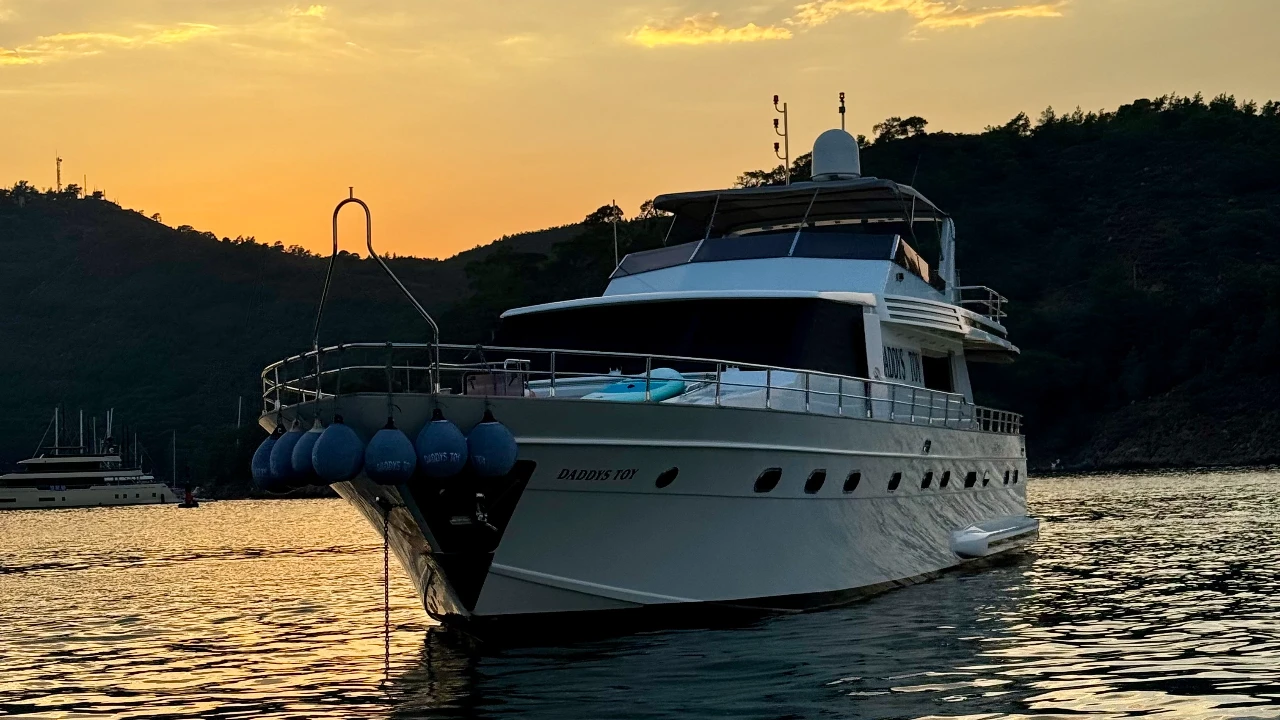
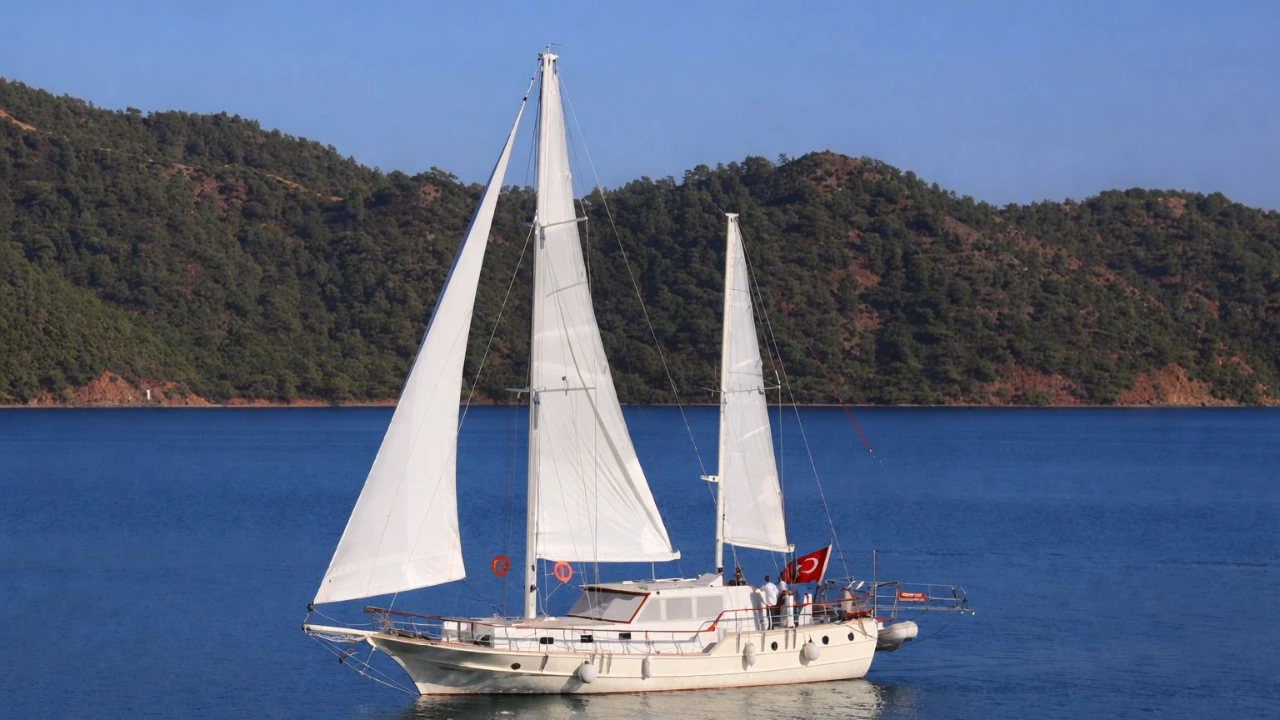
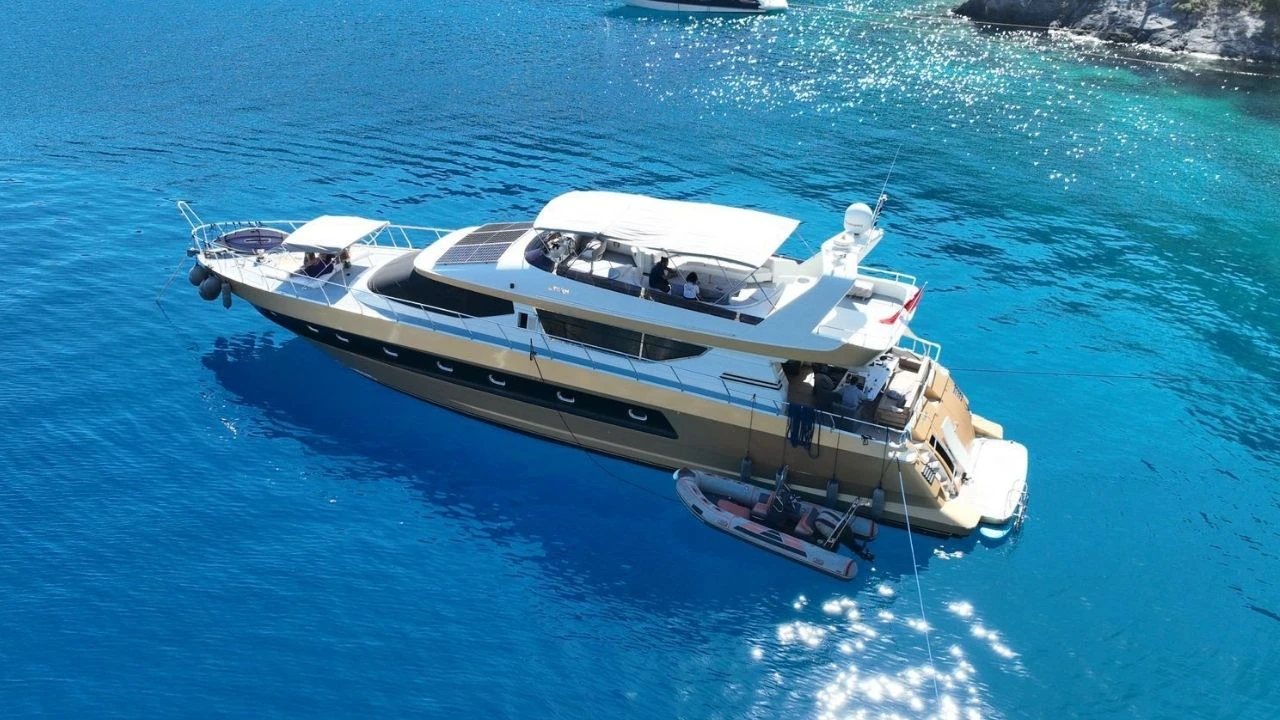
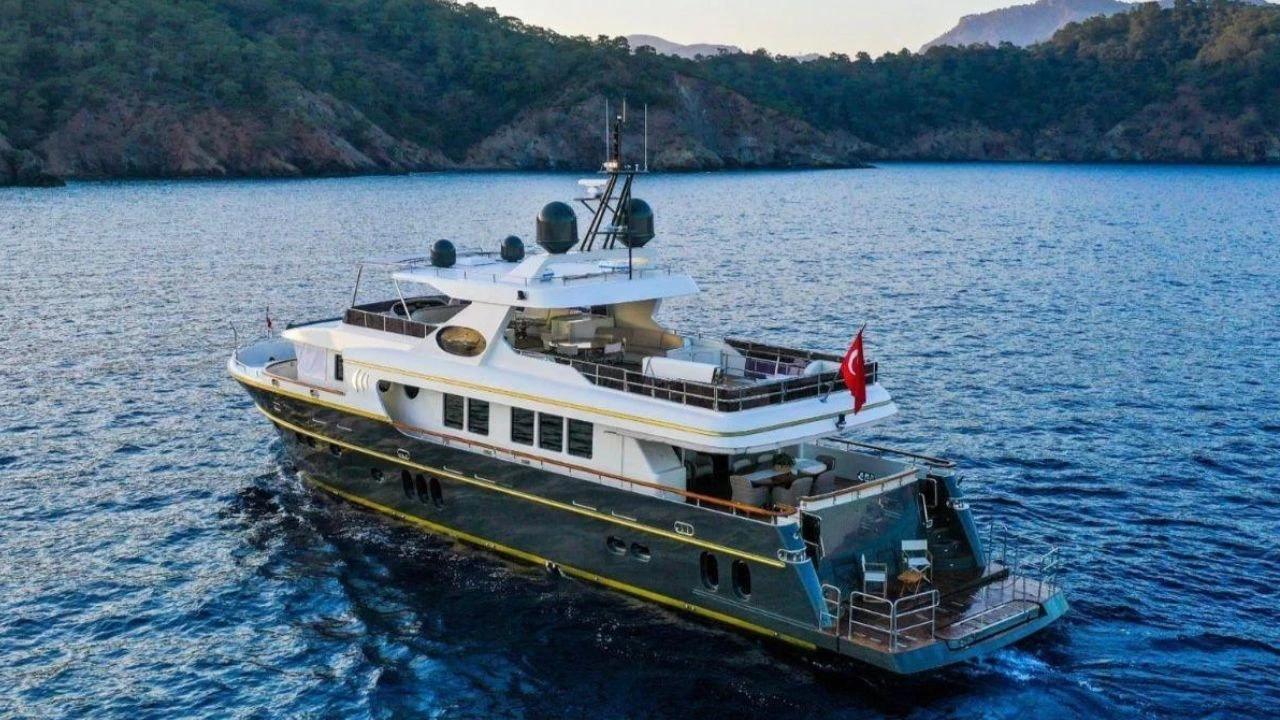
Private Charters and Blue Cruise Departures
Göcek is one of the starting and ending ports for Blue Cruise itineraries. Week-long gulet programs exploring the gulf either begin or conclude here. For daily private charters, the fee is determined per boat, so as the group gets larger, the per-person cost can approach that of a shared tour. When getting a quote, ask for written confirmation of whether fuel, meals, port clearance procedures, and taxes are included. Since you determine the route, it's also possible to plan stops at places not always included in shared programs, such as Ayten, Yavansu, and Gemile.
Water Taxi: A Half-Day Alternative
For those who don't want to spend the entire day on a boat, a water taxi is a practical solution. It drops you off at a specific bay and picks you up at a pre-arranged time, allowing you to spend time in the bay instead of waiting on a crowded deck. Osmanağa, Ayten, and Göcek Island bays are the most efficiently visited stops with this method due to their proximity to the center. Confirming the return time via message prevents waiting at the pier. Those wishing to add activities like paddleboarding and diving to their itinerary can explore suitable options in the nature adventure tours category.
Beyond the Boats: What Else to Do in Göcek?
A Göcek itinerary isn't limited to boat trips. The scale of the settlement and the surrounding forest offer several land-based alternatives; visitors who fit a boat tour into one day can fill the remaining time with these activities.
- Paddleboarding and kayaking: Since islands enclose the mouth of the gulf, the water remains calm for long periods during the day; the canal exit and the area in front of the marina are therefore frequently used for paddleboarding. Equipment rental businesses are found along the coastline during the season, closing in winter months.
- Diving: The rocky seabed around the islands and the visibility make it suitable for diving. Introductory dives are organized for visitors without certification; departure time, depth of the dive spot, and whether equipment is included in the package are details clarified at the time of booking.
- Tennis: The Göcek Tennis Club in the center, with its courts and social facilities, is considered one of the settlement's non-boat attractions. Court usage and lessons require advance booking; pricing and membership conditions are subject to the club's own regulations.
- Forest roads and hiking: There are dirt roads on the pine-covered hillsides behind the settlement. Shade is not continuous along the path; carrying water is essential, and the duration of the hike and return time are best clarified on-site.
- Bazaar, canal, and market route: This trio, explored on foot, easily fills half a day. On Sundays, the local market is added to this program.
- Kapıdağ Peninsula, Lydae, and Gemile: The Kapıdağ Peninsula near Göcek features ruins of the ancient Lydae settlement, and Gemile Island lies offshore. As access requires a combination of paths and boats, going with a guide is safer; those wishing to add similar ancient stops to their itinerary can check the historical city tours category.
Budgeting, Dining & Accommodation: What Influences the Cost?
In Göcek, accommodation and boat trips are the two main budget drivers; the rest is largely a matter of preference. The table below presents items based on their pricing logic rather than specific figures. The practical reason is that boat, transfer, and menu prices change even within a season; what helps you compare offers is not the amount but which variables influence the price. Confirm current prices with the agency, pier, ticket office, or establishment before your departure.
How Items Are Priced
| Item | How it's priced | Factors influencing price |
|---|---|---|
| Shared daily boat tour | Per person ticket | Lunch included, boat type and capacity, season week, number of stops |
| Private charter (half or full day) | Per boat; amount divided among the group | Capacity, gulet or speedboat, fuel and crew included, route length |
| Water taxi | Per transfer or per person | Distance, waiting time, number of people |
| Entry to settlement, marina promenades, canal walk | Free | No fee charged; cafes and restaurants in common areas are separate |
| Ruins and rock tombs in bays | Free | No ticket office, ticket, or Museum Pass application; access cost depends on boat or vehicle |
| Food and drink | From menu, per person | Marina promenade or inner bazaar street, fish or meat, whether fish is chosen from the counter |
| Parking | Hourly or daily rate | Location (marina parking or around bazaar), season, duration of stay |
| Göcek Tunnel passage | Toll booth tariff by vehicle class | Vehicle class; current tariff displayed at toll booth |
| Airport transfer | Per vehicle for private transfer, per person for shared shuttle | Vehicle type, number of people, flight time |
| Sunbeds and umbrellas (nearby beaches) | Varies by operator; free in public sections | Operator, day, season |
The boat item can differ even for two boats going to the same bay. Whether lunch is included, the difference between a small boat and a high-capacity excursion boat, the fuel difference between a gulet and a speedboat, and the week of the season – these are the variables that widen the per-person cost of the same route.
It's possible to establish a ranking without giving figures, and this ranking, unlike amounts, doesn't become outdated year to year. For two people or a small group, a private charter is significantly more expensive per person than a shared tour on the same day; as the group grows, the per-person cost of the two models approaches each other. A half-day water taxi trip is less expensive than a full-day program, a local eatery in the inner bazaar street is less expensive than a sea-view restaurant on the marina promenade, and the public beach area is less expensive than a managed section with sunbeds. For specific figures, current prices for tours are live on the program cards on our listing page, linked above; for other items, the price is directly at the establishment.
The budget item that often surprises people is usually what's not visible on the list: water and food taken onto the boat because there are no buffets in the bays, unrentable snorkels and sea shoes, market shopping requiring cash, and evening return transfers. Planning these in advance makes the portion that separates the total per-person cost from the ticket price visible.
What to Eat & Where
Dining in Göcek proceeds along two main lines. The marina area represents the upper tier, with sea-view restaurants and coffee shops; the inner streets of the bazaar offer a more economical tier with local eateries, home-cooked meals, and bakery products. The difference is just two blocks on foot: as you move from the marina towards the inner bazaar, menu prices tend to decrease.
Boat days also dictate meal planning. Most daily tours provide lunch on board, so dining in the bazaar is often reserved for the evening. As departures are between 10:00-11:00, the breakfast window is narrow: since some coffee shops open close to departure time, it's safer to have breakfast at your accommodation or grab something from a bakery. For those who prefer fish, the day's catch is displayed at the fishmongers in the bazaar; sea bream and sea bass are common, and depending on the season, rockfish like red mullet, dentex, striped red mullet, and grouper appear on the stalls.
Among the noteworthy dishes from Muğla cuisine are olive oil-braised greens, Çökertme kebab, tarhana soup, and mezes made with goat cheese. Çökertme kebab is named after Muğla's Çökertme village; it features thinly sliced meat, julienned potatoes, and garlic yogurt served on the same plate. For breakfast, local goat cheese, thyme-infused olives, and tray pastries are common. Figs, almonds, and honey purchased from the local market are useful both for a boat day and as souvenirs. Those wishing to center their program around regional cuisine can explore options in the gastronomy tours category.
Two nearby stops can be planned separately for dining. Fethiye's Fish Market, located around Paspatur, operates on a system where you choose your fish from a stall and have it cooked at an adjacent restaurant; a separate fee is paid to the restaurant for cooking, and as the amount varies by stall, it's necessary to ask before ordering. Kayaköy, towards Fethiye, is known for its meze and home-cooked meal-focused eateries; for those planning to visit the area, our article Kayaköy Travel Guide: Fethiye Ghost Village, History and Nature makes planning your route easier.
Accommodation Areas
- Göcek center and around the bazaar: Primarily boutique hotels and apartments. The center is walkable, so a car-free itinerary is possible; however, prices are higher, and bazaar noise can continue late into the night.
- Around the marina: Accommodation close to yacht and boat traffic. Proximity to the pier is an advantage for early-departure boat days; however, activity starts early in the morning.
- Göcek outskirts and hillside settlements: Villa and detached house options. Parking in the center is limited, so a car is needed, and you should allow time to find a spot upon evening return; suitable for families and longer stays.
- İnlice and Fethiye direction: Beach access and a wider budget range. İnlice is between Göcek and Fethiye; Fethiye center is about 27 km away. A reasonable base for those wanting to visit Göcek for a day trip.
- Dalaman and Sarıgerme side: Long sandy beaches and family-focused resorts. Dalaman Airport is approximately 22 km away, shortening transfer times for short stays.
Practical Tips Before You Go
The following notes focus on typical details that can disrupt a Göcek itinerary on-site:
- Buy your boat ticket a day in advance. During peak season, finding a spot by going to the pier in the morning becomes difficult; getting written confirmation of the scope and the day's stop list prevents later disputes.
- Bring your snorkel and sea shoes. Most bays don't have rental points, and the seabed can be stony; a snorkel is directly useful at ruin stops like Cleopatra's Bath.
- Account for shade. If deck shade is limited, a hat, long-sleeved thin shirt, and high-factor sunscreen are necessary.
- Carry cash. Card payments may not be accepted at the local market and small pier businesses; the number of ATMs in the bazaar is also limited.
- Check the wind forecast. The afternoon breeze increasing towards the shore can change the route and mooring spot; the water is calmer on morning departures.
- Collect waste on the boat. There are no trash bins in the bays; bringing waste back to the harbor is a practical reflection of the protected area regime.
- Carry documents offline. Network coverage can be weak in the bays; download reservation and ticket records to your phone before departure.
- Respect private settlements and ruins. Unauthorized entry is not permitted in the residential area along the canal or around Domuz Island, and one should not step on ruin walls.
Families with children and visitors with mobility limitations should additionally inquire about the ladder type: whether boarding the boat and entering the sea is done from a wide platform or a steep ladder directly affects day-long comfort.
Summary and Quick Itinerary
The formula for efficiently exploring Göcek is to divide the center and the bays into different days. A three-day framework is sufficient for most visitors:
- Day One: Morning walk along the marina promenade and canal area, afternoon exploring the bazaar and fishmonger stalls, evening dining along the coastal strip.
- Day Two: Full-day boat tour; swimming breaks around Cleopatra's Bath, Bedri Rahmi Bay, Yassıca Islands, and Tersane Island.
- Day Three: By car to İnlice, Sarsala, or Katrancı Bay, a short stop at the rock tombs along the way, followed by the Fish Market or Kayaköy in Fethiye.
If the program needs to be shortened, the priority is a boat day; followed by half a day in the center, and the remaining time at a nearby beach. The reservation order also works the same way: planning transfers and meals before boat and accommodation are finalized often disrupts both items later. For a half-day, taking a water taxi to Osmanağa, Ayten, or Göcek Island bays offers an alternative to a full-day tour. Those who can align their visit with Sunday can add the local market to their program, and those seeking cultural stops can include Kapıdağ and Gemile in the same framework. For those wanting to see an organized, ticketed ancient site, Tlos is available via Fethiye; that stop doesn't fit into the three-day framework and requires a fourth day.
Frequently Asked Questions 7
What is Göcek, Muğla famous for?
Göcek is one of the centers of yachting, with its adjacent marinas and sheltered bay; it is among the starting and ending ports for Blue Cruise itineraries. Its second claim to fame is the 12 Islands bays and the daily boat tours that explore them. It's useful to know that in maritime use, the gulf is referred to as Skopea Port: this name may appear in route descriptions and boat tariffs instead of Göcek. The second detail in the naming is the 12 Islands itself; this is an established usage, not an official count of islands. Sources count the various islands and islets differently, which is why two tour programs describing the same region might list different stops.
What are the must-see places in Göcek?
In the center, the marina promenade, bazaar streets, and canal area can be explored on foot. Sea-accessible stops include Cleopatra's Bath (Hamam Bay), Bedri Rahmi (Taşyaka) Bay, Yassıca Islands, Tersane Island, Göbün and Osmanağa bays, Ayten Bay, Göcek Island, Gemile Island, and the area around Domuz Island. Land-accessible additions include İnlice Beach, Sarsala Bay, Katrancı Bay, and the rock tombs along the İnlice road. When planning your list, it helps to categorize them into three groups: those accessible only by sea, those only by land, and a few stops open to both. Sarsala is a typical example of this third group; being on both daily boat routes and at the end of a forest road, the same bay can be reached in two different ways on two different days.
Which day is Göcek market held?
The local market is held on Sundays in the covered market area in the center, making it enjoyable even on rainy or very sunny days. Some sources mention an additional producers' market on Wednesdays; it's safer to confirm this before planning your day rather than relying on it. The variety of products is wider in the morning; stalls thin out in the afternoon, and the number significantly decreases in winter months. Since Göcek has been a neighborhood of Fethiye district since 2014, you can confirm any changes in day, time, or location from Fethiye Municipality, the Göcek Neighborhood headman's office, or your accommodation. If Sunday coincides with a boat tour, grocery and deli shops in the bazaar remain open throughout the week, so shopping can be shifted there.
How much do Göcek boat tours cost?
Shared daily tours are priced per person, while private charters are priced per boat. The relative ranking is as follows: for two people or a small group, a private charter is significantly more expensive per person than a shared tour sold for the same day; as the group grows, the per-person cost of the two models approaches each other; a half-day water taxi trip is less expensive than a full-day program. Factors influencing the price include whether lunch is included, the type and capacity of the boat, the departure point, the week of the season, and the number of stops; items not included in the ticket generally cover drinks, equipment rental, and parking. Since the same boat can sell the same route with different inclusions, it's necessary to compare based on scope rather than just the price. Current prices for Göcek-departing programs are live on the program cards on our Göcek boat and yacht tours list, linked above; they can also be confirmed at the pier and with agencies before departure.
Where can you swim in Göcek?
Ways to swim vary: a daily tour, an hourly water taxi, or driving to nearby beaches. The coastline in front of the settlement is reserved for mooring, not swimming, so searching for a beach in the center won't yield results. Land-accessible options include İnlice Beach, Sarsala Bay, and Katrancı Bay; for sea-accessible spots, swimming time depends on the number of stops on the route, meaning a program with fewer stops allows for longer breaks in each bay. The second factor determining your choice is infrastructure: since showers and fresh water are not available in the bays, you'll need to return to your accommodation to rinse off the salt, a problem eliminated at managed beaches accessible by land. At vehicle-accessible beaches, sunbed and umbrella fees vary by operator, while laying your towel down in public sections is free.
Which celebrities can be found in Göcek?
There is no verifiable list of individuals, and this information falls under privacy; it's more useful to answer the question with its practical implications rather than listing names. There are no tour programs marketed as 'celebrity spotting' in Göcek: while promenades and public decks are open, mooring areas are closed, meaning yachts are only seen from a distance. The residential area along the canal is private property; even if the walkway there is public, taking photos directed at courtyards, balconies, and boat decks is considered a violation of privacy. From a visitor's perspective, the concrete reality is this: since entry to mooring areas is restricted, yacht viewing is effectively limited to walking along the promenade, and no ticket or reservation is required for this.
Are there places to visit in Göcek during winter?
In winter, boat tours largely cease, and some bazaar shops close. The maintenance activity along the marina, the canal area, and the forest roads behind offer a tranquil program. After rainfall, stabilized forest roads can become muddy, making vehicle access to land-accessible bays like Sarsala difficult; for the same reason, choosing the winding old mountain road instead of the tunnel when heading towards Fethiye is an unnecessary risk in winter months. Combining a winter program in Göcek with areas along the airport route like Dalyan and Köyceğiz also makes the day more productive; hot spring stops in this direction are often added to off-season itineraries. If your plan is sea-focused, late May to October is more suitable.