
While Bodrum is often synonymous with turquoise bays, sun-drenched beaches, and a vibrant nightlife, the town's true soul is hidden within the stone fortifications rising above its harbor. Known in antiquity as Halicarnassus, the Bodrum district of Muğla stands out not just for its coastline, but for its millennia of history. Guarding the entrance to the harbor, Bodrum Castle is a formidable military structure built by the Knights of St. John in the 15th century. Today, it serves as a cultural cornerstone, housing the Bodrum Underwater Archaeology Museum. In this guide, we explore the knightly towers, ancient shipwrecks recovered from the deep, practical travel tips, the best seasons to visit, and a curated itinerary for your trip.
At Travel Tour Shop, we take a rigorous approach to curation. We exclude approximately 83% of tour and guide providers from our recommendations, highlighting only those who offer authentic local experiences and possess proven track records from past guests. We have applied this same standard to this guide: we have compiled everything you need to know, from deep historical insights to practical travel advice, for your first visit to Bodrum Castle.
Quick Facts
| Topic | Information |
|---|---|
| Location | Muğla, Bodrum (Çarşı Mahallesi, waterfront) |
| Built Period | 15th Century (c. 1402-1523), Knights of St. John |
| Featured Museum | Bodrum Underwater Archaeology Museum (est. 1964) |
| Key Highlights | Uluburun Shipwreck (14th Century BC), Serçe Limanı Glass Shipwreck |
| Towers | French, English, Italian, German, and Spanish Towers |
| Visit Duration | Approximately 2-3 hours |
| Entry | Paid archaeological site and museum; Museum Pass (Müzekart) accepted |
| Accessibility | Steep stone stairs; not suitable for strollers or wheelchairs |
| Best Time to Visit | Spring and Autumn; early morning or late afternoon in summer |
Where is Bodrum Castle? In the Heart of Halicarnassus
Bodrum Castle is located in the very heart of the Bodrum district, in the Çarşı Mahallesi neighborhood, right on the edge of the marina. It is built upon a rocky outcrop stretching into the sea between two harbors; according to historical sources, this site was once a small island. This strategic position made the castle a defensive powerhouse and has transformed it into a stunning viewpoint offering panoramic sea views for today's visitors.
The castle is the most recognizable landmark of the district, seamlessly integrated with Bodrum's bustling bazaar and marina. As you step outside the walls, you find yourself in the lively harbor area filled with cafes, boats, and local shops. In this way, Bodrum Castle is a place where history and daily life meet. For those wishing to explore the castle and surrounding historical sites through a professional lens, we recommend checking out Bodrum culture tours.
The Legacy of Knights: The History of Bodrum Castle
Construction of Bodrum Castle began in the early 15th century, amidst the shifting political landscape following the Battle of Ankara in 1402. The castle was built by the Christian military order known as the Knights of St. John (Knights Hospitaller) to serve as one of their primary military bases in the Eastern Mediterranean. Sources suggest the structure took a long time to reach its current form, with construction lasting until 1523; consequently, the castle is a layered architectural marvel shaped by different centuries.
The castle spans a vast area of approximately 30,000 square meters. Visitors enter the inner castle through gates adorned with various coats of arms, featuring knightly symbols such as crosses, stripes, lions, and dragons. With its massive walls, courtyards, and towers, the castle is considered one of the most remarkable examples of medieval military architecture in Anatolia.
Stones from the Mausoleum of Halicarnassus
One of the most fascinating historical details of Bodrum Castle is the material used in its construction. The massive marble blocks and intricate reliefs from the Mausoleum of Halicarnassus—one of the Seven Wonders of the Ancient World that was destroyed by an earthquake—were repurposed to build the castle. As a result, it is possible to see ancient carved stones integrated into certain sections of the walls. While walking through the castle, looking closely at the masonry offers a unique chance to see two different eras meeting in a single structure.
The Castle Towers: Traces of European Knights
The castle's defense system was reinforced by towers built by different groups of knights from various European nations. Each tower is named after the nation that constructed it and serves as a major stop on the visitor route. Walking through the towers in sequence is an excellent way to grasp the castle's multicultural history.
The French Tower and the Glass Hall
The French Tower is known as the highest tower in the castle and is often considered one of its most impressive sections. Dating back to the castle's early periods, this structure now houses the Glass Hall. Thanks to its elevated position, it offers sweeping views of the surrounding courtyards and the harbor. Since the steps leading up the tower can be quite steep, we recommend wearing comfortable shoes to make your visit easier.
The English Tower (The Lion Tower)
The English Tower stands out with its knightly coats of arms, historical armor, and lion reliefs; due to these features, locals often refer to it as the Lion Tower. The interior is arranged with details that reflect the knightly culture and defensive mindset of the era. Examining the emblems on the walls is a delightful detail for those wanting to distinguish the identities of the different nations that built the fortress.
The Italian and German Towers
The Italian Tower is one of the structures positioned at the center of the castle's defensive lines, commanding a view of the inner courtyards. The German Tower is known as the section where knights conducted medical and logistical operations, shedding light on the castle's not just military, but also daily and administrative functions. Together, these two towers help visitors understand how the castle was shared and managed by different groups.
The Spanish Tower
Historical records indicate that in addition to the French, English, Italian, and German towers, there is also a Spanish Tower; in some accounts, this section is referred to as the Snake Tower. This five-tower arrangement was designed to defend the castle's extensive walls from multiple directions. Moving through the courtyards while visiting the towers is a memorable way to explore the inner world of the fortress step by step.
Bodrum Underwater Archaeology Museum: History from the Deep
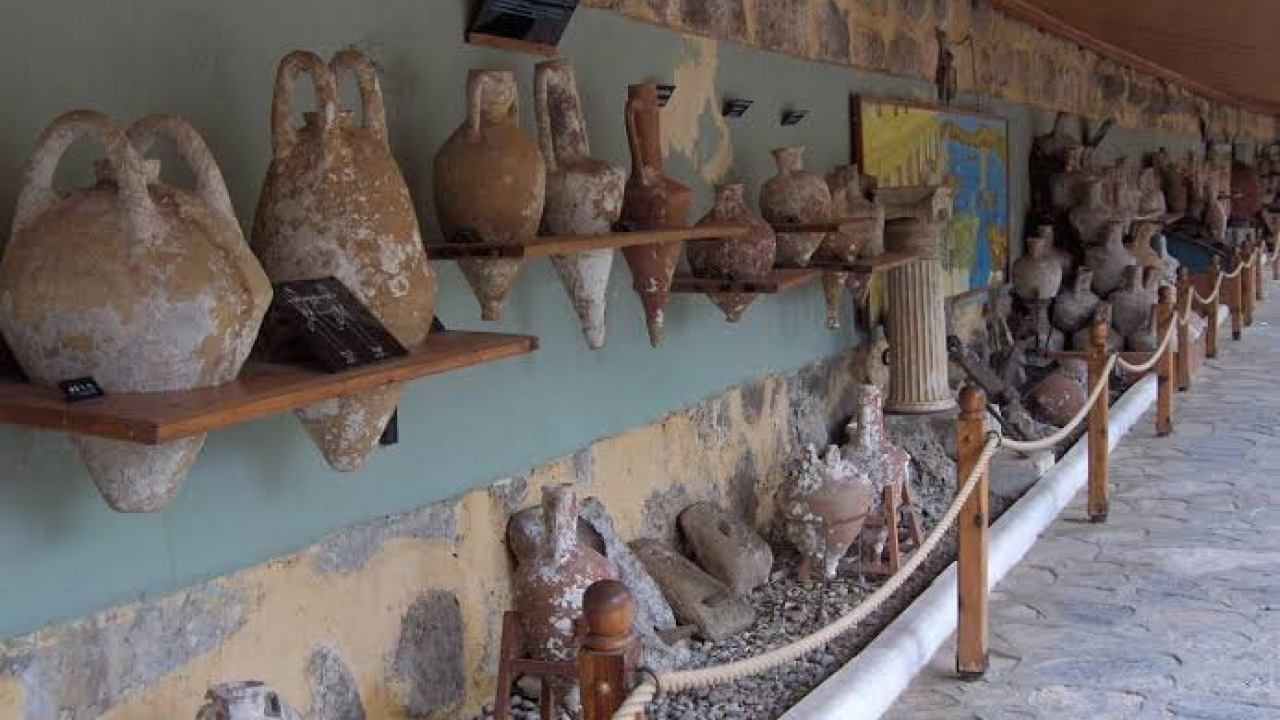
Located within the walls of Bodrum Castle, the Bodrum Underwater Archaeology Museum was established in 1964 and took its current name in 1981. The museum houses one of the world's most prominent collections, featuring artifacts recovered by sponge divers and archaeologists from the Aegean and Mediterranean seas. In 1995, the museum was honored with a special award in the Museum of the Year competition in Europe. The exhibits, spread across various towers and halls, cover a vast timeline from prehistoric eras to the Middle Ages.
After witnessing these treasures brought up from the seabed, those who wish to experience the underwater world of the Bodrum coast firsthand can explore the modern state of these waters through Bodrum scuba diving tours. This allows the historical context of the museum to complement the natural richness of the region.
The Uluburun Shipwreck: A Vessel from the Late Bronze Age
The museum's most famous exhibit is the Uluburun Shipwreck, which dates back to the 14th century BC, during the Late Bronze Age. Discovered off the coast of Kaş, this ship is one of the oldest known commercial shipwrecks ever found. The artifacts recovered from the ship—including ivory, copper ingots, turquoise glass beads, and a gold seal bearing the name of Egyptian Queen Nefertiti—reveal the complex ancient trade networks between distant lands. As it provides a tangible picture of the maritime economy of that era, it is the museum's most significant stop.
The Serçe Limanı Glass Shipwreck
Another major exhibit is the Serçe Limanı Glass Shipwreck, dating to the 11th century AD. This wreck yielded tons of Islamic-era glass vessels and raw glass materials. The delicacy and elegance of the displayed glasswork provide invaluable insights into the glassmaking artistry of a millennium ago. The shipwreck and its contents allow visitors to understand the craftsmanship and maritime trade of the period.
Other Exhibition Halls
Beyond the Uluburun and Serçe Limanı wrecks, the museum hosts numerous other exhibits spread across various towers and halls. Finds such as glass artifacts, amphorae, coins, and everyday objects are organized in different galleries. Because of this extensive network of exhibits, visiting both the castle and the museum requires a certain amount of time; moving through at a relaxed pace will enhance your enjoyment.


How to Get to Bodrum Castle
Since Bodrum Castle is located in the center of the district, it is very easy to reach. You can walk from the Bodrum bus station in about 10-15 minutes; the walk itself is quite pleasant as you pass through the bazaar and along the waterfront. For those arriving by private car, we recommend using the parking lots around the harbor, as parking directly around the castle is limited.
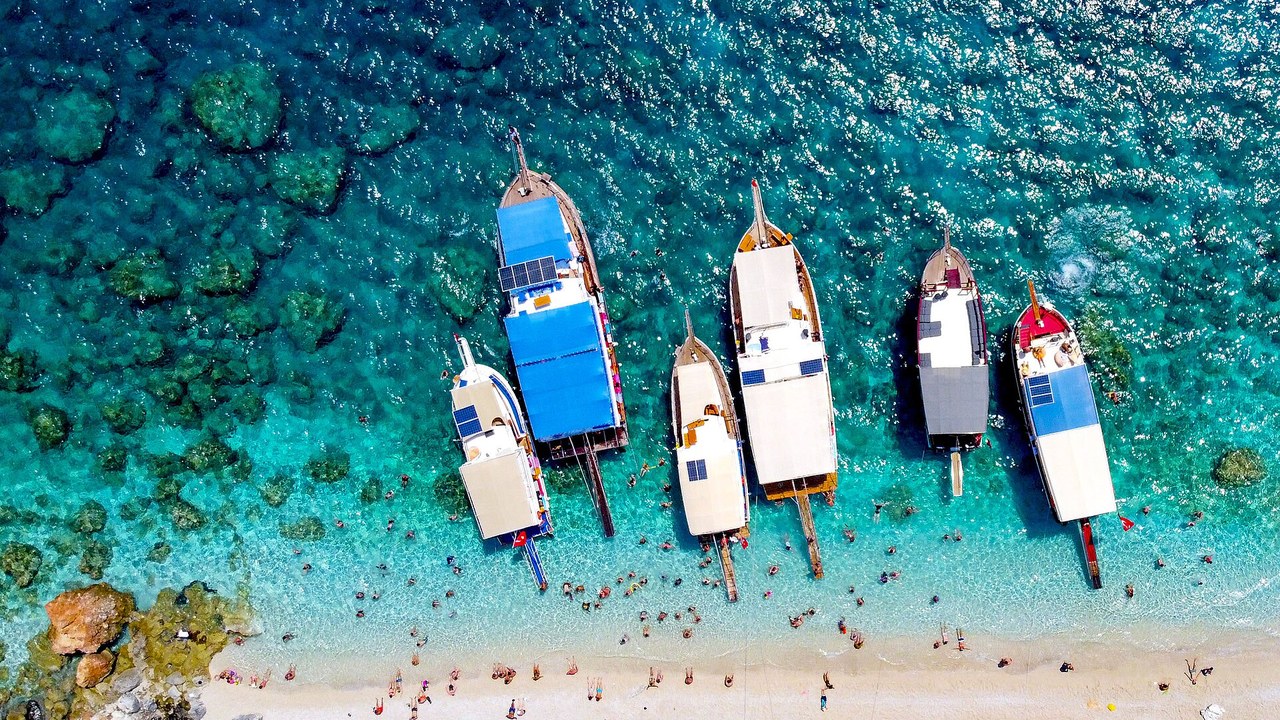
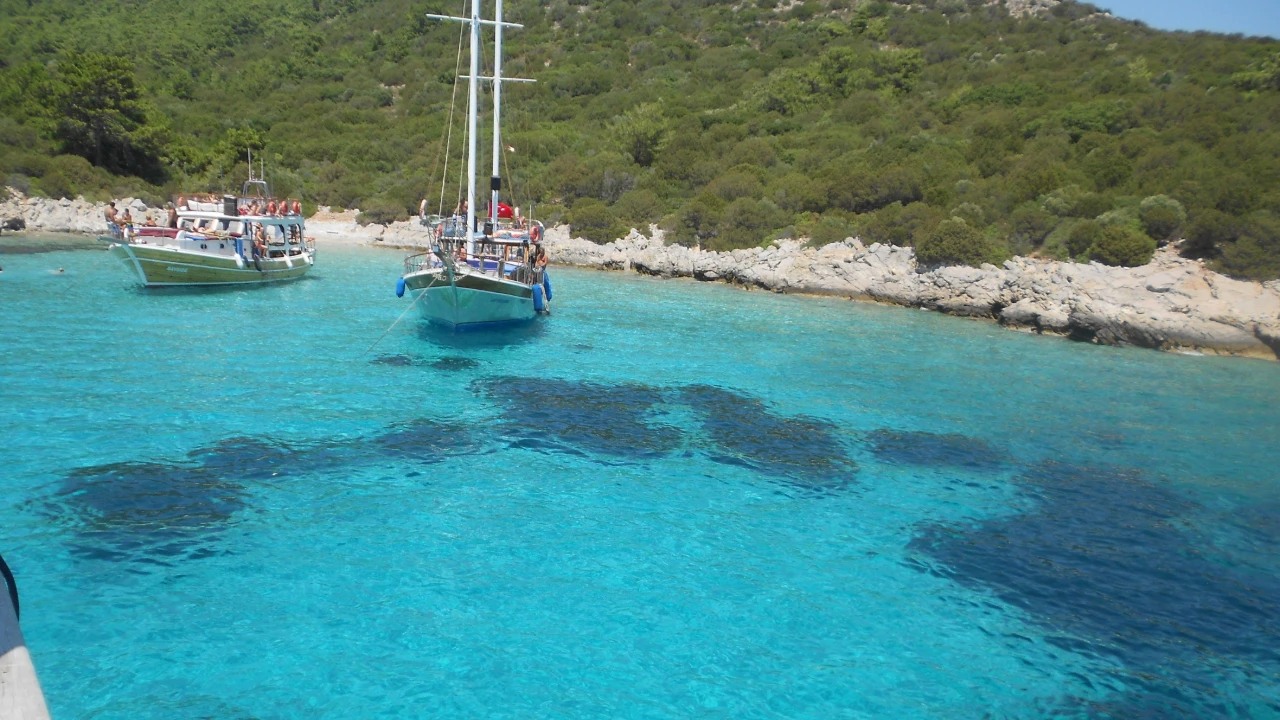
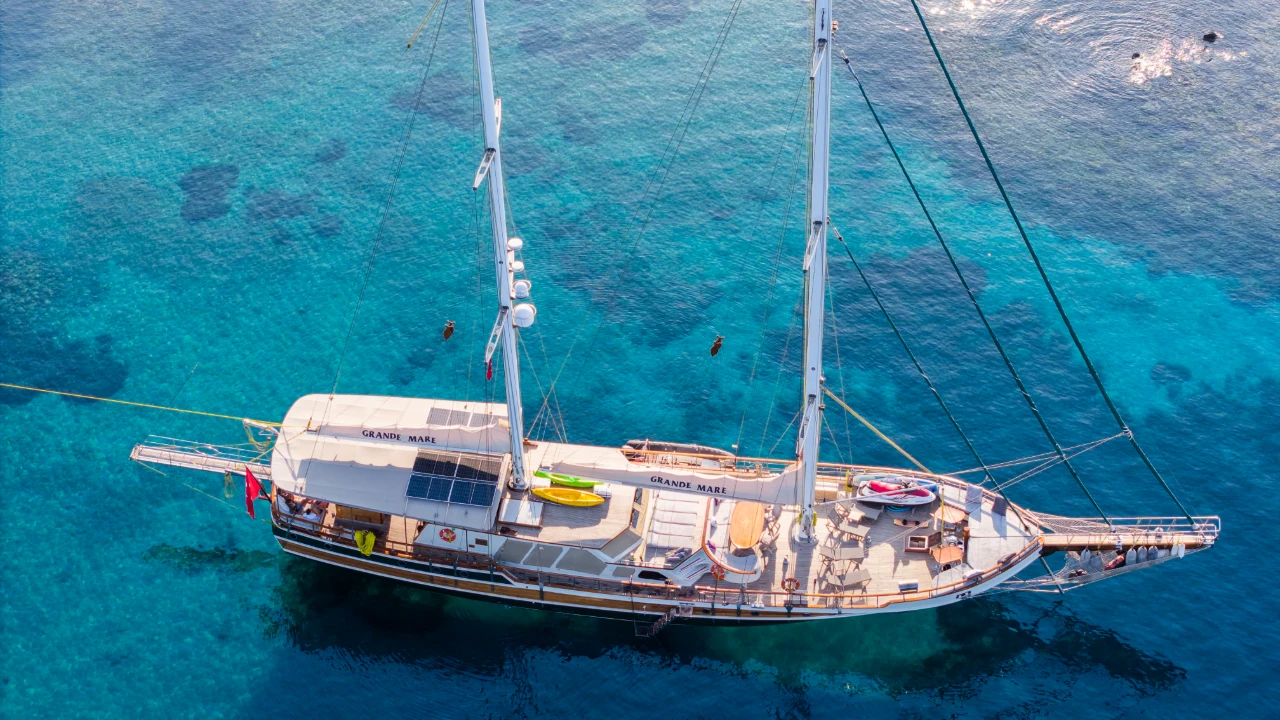
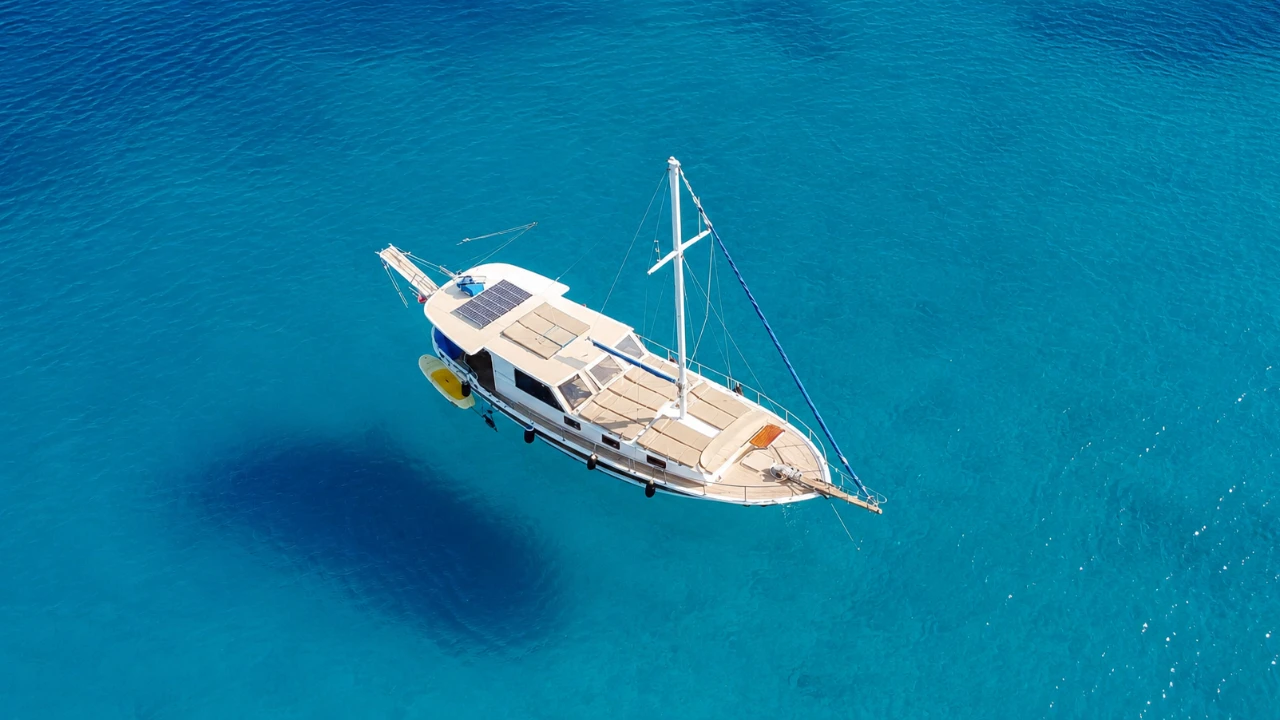
For visitors arriving from outside the city, the nearest air travel hub is Milas-Bodrum Airport, located approximately 35-40 kilometers from the center. Transfers to the center can be arranged via shuttle, bus, or taxi. Those arriving in Bodrum by sea will find themselves conveniently located near the harbor where the castle stands. For those who want to see the castle from the sea and explore the surrounding bays, Bodrum boat and yacht tours departing from the harbor are a great option; the view of the fortifications from the water is quite different from the land side.
Best Visiting Seasons and Hours
The best time to visit Bodrum Castle is during the spring and autumn months, when the weather is neither too hot nor too cool. The period from April to June and September to October offers an ideal climate for walking comfortably through the open courtyards and towers. During the summer months, the stone floors and open areas of the castle can become very hot during midday; planning your visit for early morning or late afternoon during this season will ensure more comfort.
For a daytime visit, early morning is advantageous for both the cooler temperatures and the quieter atmosphere. Since a thorough exploration of the castle and museum takes about 2-3 hours, it is helpful to plan your day accordingly. As a practical step, we recommend checking official sources for current opening hours and weekly closing days before your visit.
Dining and Accommodation Near the Castle
Because Bodrum Castle is integrated with the bazaar and marina area, meeting your needs before or after your visit is easy. The immediate vicinity of the castle features cafes with sea views, breakfast spots, and fish restaurants; sitting by the waterfront and relaxing while looking at the fortifications can be a wonderful break during your trip. For those wanting to taste the local seafood-heavy cuisine, the area around the bazaar is an excellent starting point.
In terms of accommodation, Bodrum center offers a wide range of options for various budgets, including boutique hotels, pensions, and larger hotels. Staying near the bazaar and harbor is practical for those who want to be within walking distance of the castle; from here, you can easily access both the castle and the lively social areas that come alive at night. Those seeking a quieter environment can find more peaceful options in the neighborhoods surrounding the center.
A Suggested Half-Day Bodrum Castle Itinerary
For those with limited time, Bodrum Castle and its museum can easily be explored in half a day. A suggested route might look like this: Walk from the bazaar to the castle in the early morning, and after entering through the ticket office, start by exploring the courtyards and walls. Then, begin with the French Tower and the Glass Hall, followed by the English, Italian, German, and Spanish towers in sequence. Taking short breaks at the various viewpoints while moving between towers is ideal for both resting and taking photographs.
After the towers, dedicate time to the museum halls, specifically the Uluburun and Serçe Limanı glass shipwreck exhibits. Once you have completed your tour, you can enjoy a lunch break at a waterfront venue overlooking the fortifications. If you wish to extend your program, you can spend the afternoon exploring the bazaar and marina, or complete your day with a boat tour from the harbor to see the castle from the sea.
Frequently Asked Questions 6
Is there an entry fee for Bodrum Castle and is the Museum Pass (Müzekart) valid?
Yes, Bodrum Castle and the Underwater Archaeology Museum are considered an archaeological site and museum; entry is subject to a fee. Since it is managed by the Ministry of Culture and Tourism, the Museum Pass (Müzekart) is valid, allowing you to explore the castle, towers, and shipwreck halls with your card. It is helpful to check current fees and Museum Pass conditions via official sources before your visit.
What is inside Bodrum Castle?
Inside the castle, you will find towers named after different European nations (French, English, Italian, German, and Spanish), large courtyards, and exhibition halls belonging to the Bodrum Underwater Archaeology Museum. The museum displays significant finds recovered from the sea, such as the Uluburun Shipwreck and the Serçe Limanı Glass Shipwreck.
How long does it take to visit Bodrum Castle and the museum?
A detailed tour of the castle's courtyards, towers, and museum halls takes approximately 2-3 hours. The duration may increase for those who wish to take photographs, rest at viewpoints, or examine the exhibits more closely. Planning your schedule accordingly will make your visit more relaxing.
Is Bodrum Castle accessible for people with disabilities and strollers?
As Bodrum Castle is a historical military fortification, it contains steep stone stairs, narrow passages, and uneven ground. Access to the interiors of the towers and some shipwreck exhibits is provided via steep steps. Therefore, the castle interior is not suitable for visiting with strollers or wheelchairs.
How do I get to Bodrum Castle?
The castle is located in the heart of the Bodrum district, right on the waterfront of the marina. You can reach it on foot from the Bodrum bus station in about 10-15 minutes. For those coming from outside the city, the nearest airport is Milas-Bodrum Airport, located about 35-40 kilometers from the center, where you can take a transfer, shuttle, or taxi to the center.
What is the best season to visit Bodrum Castle?
The spring (April-June) and autumn (September-October) months, when the weather is mild, are the best times to visit the castle. Since the open areas of the castle can be hot during midday in the summer, it is more comfortable to plan your visit for the early morning or late afternoon.