Jordan is one of the Middle East's most captivating destinations, blending ancient mysteries with a timeless atmosphere. Its capital, Amman, serves as a unique cultural mosaic where modern urban life intertwines with millennia of history. Just a short drive from the city center lie high peaks that hold immense significance for both spiritual pilgrims and nature enthusiasts. For those eager to dive deep into the region's cultural heritage, Mount Nebo private cultural programs offer an indispensable experience.
As you leave the city bustle and ascend toward the summit, you'll be greeted by panoramic landscapes that are a dream for any photographer. This peak, renowned in historical and religious texts, provides a bird's-eye view of the region's dramatic geography. The valley, bathed in golden hues during sunrise and sunset, creates memories that last a lifetime. Accompanied by the refreshing desert breeze, this excursion is a perennial highlight among Amman regional discovery routes.
Summit Routes: Overview and Viewing Points
The peak of the mountain sits approximately 800 meters above sea level, dominating the surrounding valleys. On clear days, the shimmering surface of the Dead Sea is visible, and you can even spot the borders of neighboring countries. Specially designed observation decks allow visitors to soak in this unique panorama in comfort. Surrounded by ancient ruins, these terraces evoke a mystical atmosphere as the wind sweeps across the plateau.
The walking paths in the area are well-maintained and accessible for visitors of all ages. Along the way, informative signage provides detailed insights into the historical and cultural significance of the landscape. The ancient monuments and mosaic remnants adjacent to the summit reveal why this location has remained pivotal for centuries. The sparse, hardy vegetation, shaped by the arid desert climate, adds a distinct character to the scenery.
| Quick Facts | Details |
|---|---|
| Region & Location | Southwest of the capital, high-altitude peak |
| Recommended Duration | Half-day (approx. 4-5 hours) |
| Difficulty Level | Easy; flat and paved walking paths |
| Essential Gear | Windbreaker, sunglasses, and a hat |
| Best Time to Visit | Spring and Autumn |
| Physical Requirement | No steep climbing or long stairs |
The table above provides the essential practical details for planning your journey to this mystical summit. Keep in mind that due to the altitude, the temperature is typically a few degrees cooler than in the city. Visiting in the early morning is highly recommended to enjoy a serene experience away from the crowds. Let's take a closer look at the most captivating highlights of this route.


Key Highlights and Ancient Ruins
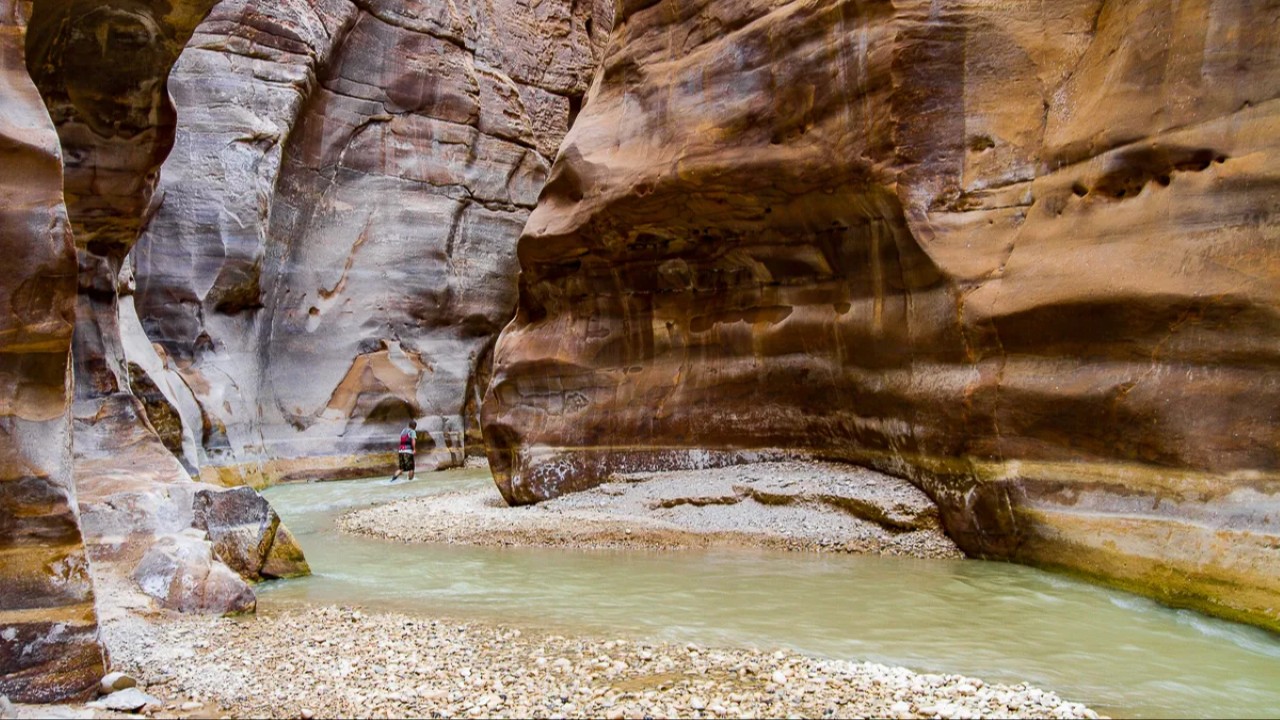
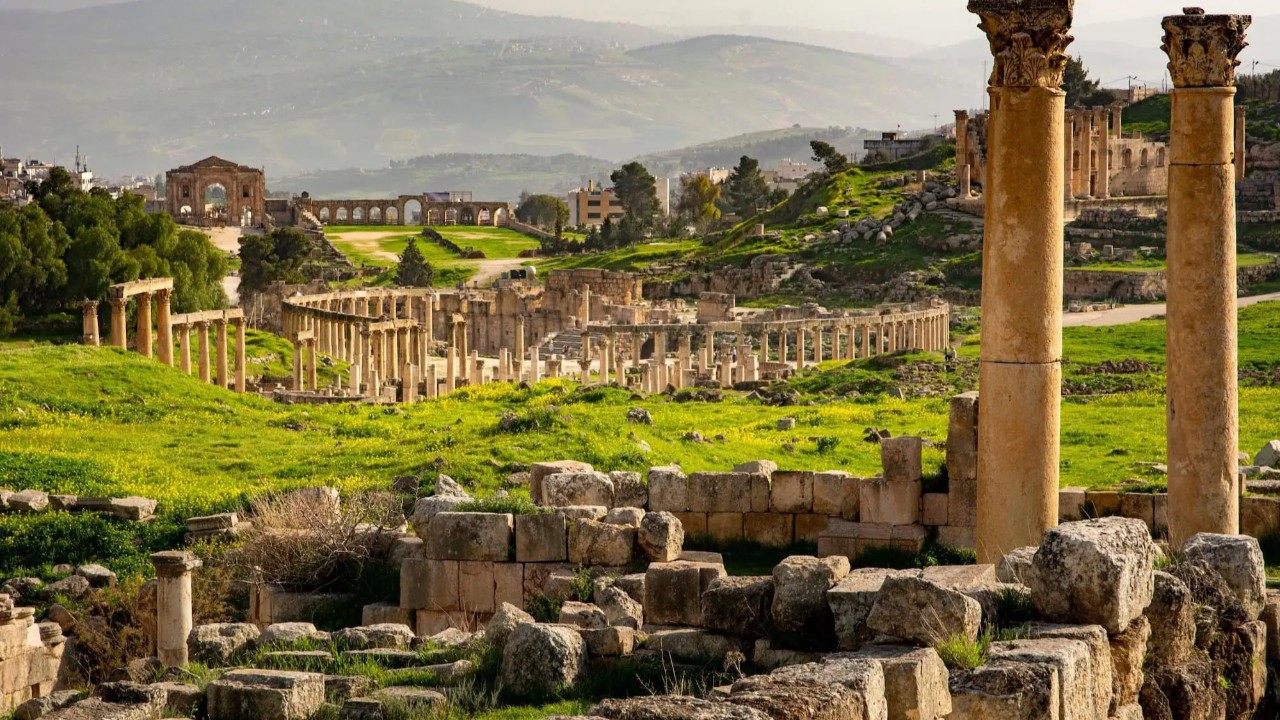
The journey from the capital winds through a variety of historical and natural wonders before reaching the summit. The shifting geography along the way is a testament to Jordan's diverse natural wealth. Upon reaching the top, you are welcomed by monumental structures and mosaics that are thousands of years old. Here are the primary stops you shouldn't miss.
Ancient Chapels with Mosaic Floors
Among the most significant ruins on the summit are the ancient chapels, world-famous for their massive, intricate floor mosaics. Dating back centuries, these panels depict social life, animal figures, and religious symbols with incredible craftsmanship. Protective structures built over the mosaics not only preserve the art but also provide a cool sanctuary for visitors from the sun. Studying these details offers a fascinating glimpse into the artistic vision of the ancient world.
Guided tours provide deep dives into the symbolism behind each figure in the mosaics. As some sections are still undergoing restoration, you may even have the chance to observe archaeologists at work. The soft, ambient lighting inside the chapels enhances the natural colors of the stones, making it a perfect spot for photography. These masterpieces are a treasure trove not only for faith-based tourism but for art history enthusiasts as well.
Panoramic Observation Deck and the Brazen Serpent
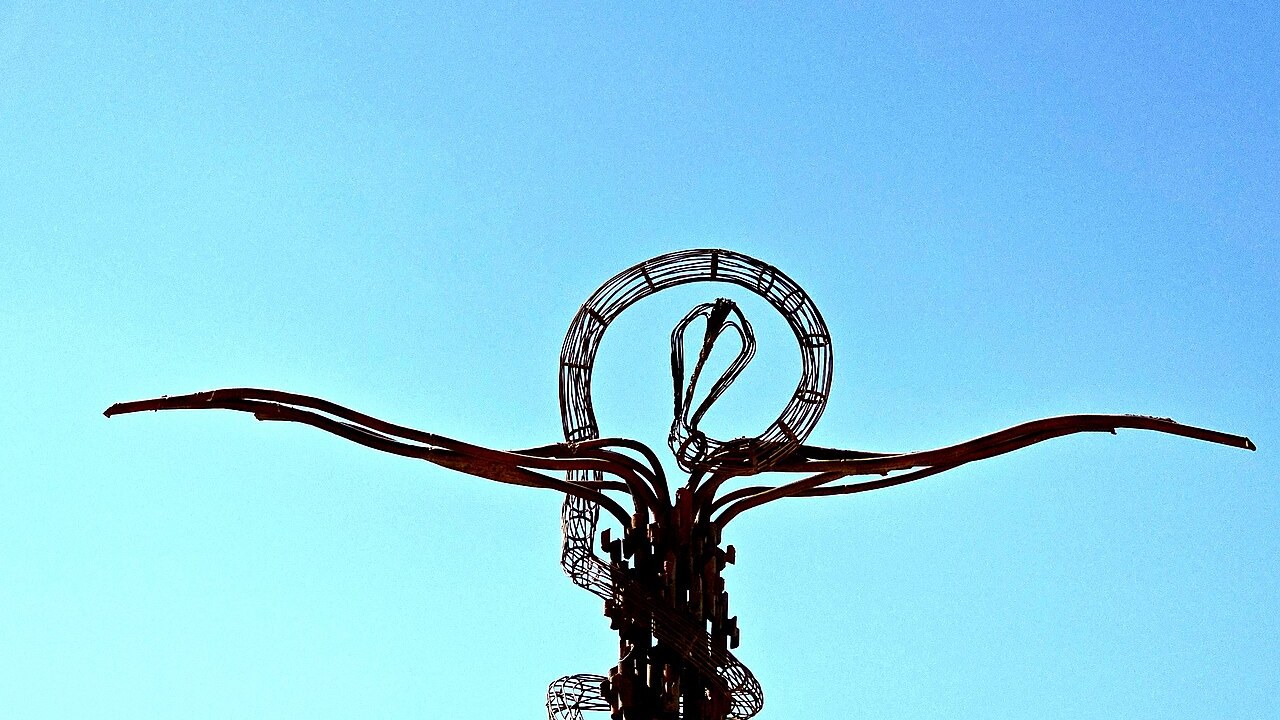
The wide observation deck at the furthest edge of the summit is usually the first stop for every visitor. At the center of this terrace stands a massive bronze monument designed by Italian artists. The way the sunlight reflects off the bronze, especially during sunset, creates a stunning visual. Standing here, visitors can gaze upon the lands mentioned in ancient scriptures in a moment of profound silence.
Looking down from the terrace, the full majesty of the Jordan Valley unfolds in a winding stretch. On clear days, the contrast between the deep blue of the Dead Sea and the golden tones of the desert is breathtaking. Directional signs around the terrace help visitors identify distant cities and natural landmarks. For many, simply sitting in silence and absorbing the view is the most rewarding part of the tour.
The Ancient Pilgrimage Path
The historic pilgrimage route, once traversed by thousands on foot, is now a favorite for nature hikers. Unlike the main paved road, this rocky, winding path offers a complete immersion in nature. Desert wildflowers and resilient plant species lining the trail demonstrate nature's ability to adapt to harsh conditions. Those who hike to the summit often feel a greater sense of achievement upon reaching the vista.
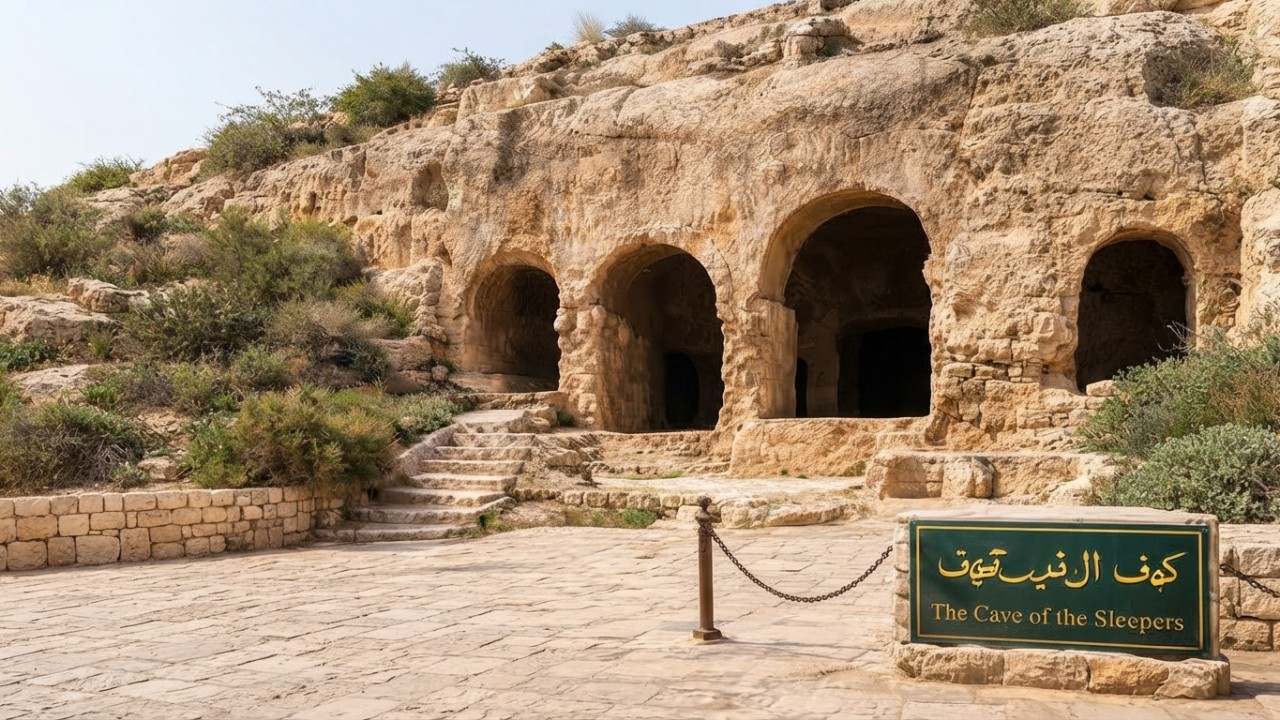
Wooden benches placed at strategic points along the path are ideal for short breaks to look back and admire the view. The sound of the wind hitting the rocks enhances the mystical aura of this ancient trail. In some sections, the entrances to ancient resting caves are still visible. This journey is more than just physical exercise; it is often described as a journey of inner peace.
Transportation and Arrival
Travel from the capital to the summit is typically handled via air-conditioned tour vehicles or private rentals. The roads are wide and well-maintained, making it a safe and easy 45-minute drive. The transition from the modern architecture of the city center to the silence of the desert is visually striking. If you are driving yourself, consider stopping at small Bedouin tents along the way to sample traditional Arabic coffee.
A typical itinerary for the trip looks like this:
- Hotel Departure: Start your day early with breakfast and head out.
- Drive to the Countryside: Leave the city traffic behind and merge onto the highway heading southwest.
- Scenic Stop: Take a quick photo break at the first overlook providing a view of the valley.
- Arrival at the Summit: Park at the visitor center's spacious lot and begin your walking tour.
Starting early helps you beat the desert heat and avoid the peak tourist crowds. On your way back, you can stop in nearby towns like Madaba to visit the famous handmade mosaic workshops. This flexible approach turns a half-day trip into a full-fledged cultural immersion.
Estimated Costs and Budgeting
Budgeting is key to avoiding surprises during international travel. Jordan is generally considered a mid-to-high budget destination compared to some of its neighbors. However, since this specific summit tour is a short excursion, it is relatively budget-friendly. Joining a group tour is often the most cost-effective option, as it typically covers transport, professional guiding, and entry fees.
| Expense Item | Cost Level | Scope & Description |
|---|---|---|
| Group Tour Package | Moderate | Transport, professional guide, and summit entry |
| Private Transfer | High | Door-to-door private vehicle service from your hotel |
| Museum Entries | Low | Ticket for the mosaic preservation area |
| Food & Drink | Budget | Local snacks and drinks at roadside cafes |
| Souvenirs | Variable | Handmade Madaba-style mosaic miniatures |
The local currency is the Jordanian Dinar (JOD); it is highly recommended to carry some cash for small purchases. Modern cafeterias at the visitor center accept major international credit cards. Bargaining at souvenir shops is a standard part of the local trading culture. For those wondering about the cost of tours from Amman, keeping an eye on seasonal agency promotions can lead to significant savings.
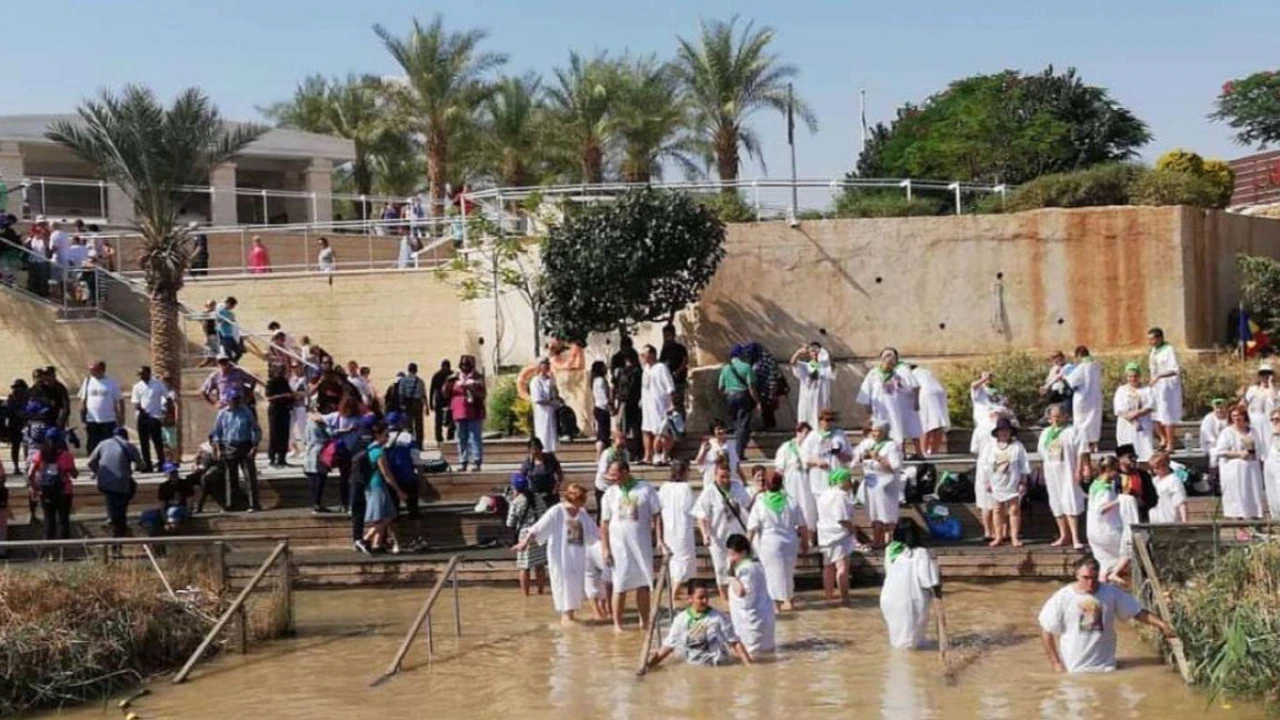
The Spiritual Atmosphere of Sacred Routes
This historic summit is regarded as a place of purification and tranquility for visitors of all faiths. The quiet walking paths provide the perfect environment to reflect and connect with the ancient textures of the land.
Tips for a Safe and Seamless Exploration
When traveling to a high-altitude region dominated by a desert climate, a little preparation goes a long way. Respecting the rules designed to protect natural areas and ancient ruins is a shared responsibility for all visitors. Here are some practical tips for a smooth trip:
- Bring a light windbreaker, even on warm days, as the breeze at high altitudes can be chilly.
- The dry desert air dehydrates the body quickly; always carry plenty of bottled water in your bag.
- To show respect for the sacred sites, opt for lightweight but modest clothing that covers shoulders and knees.
- Avoid using flash photography inside the mosaic areas, as it can damage the ancient pigments.
- Protect yourself from the intense sun with high-SPF sunscreen and a wide-brimmed hat.
Frequently Asked Questions 5
Where is Mount Nebo located?
It is situated approximately 30 kilometers southwest of the capital, Amman, at a strategic high point overlooking the Dead Sea.
Do I need a visa for Jordan?
Many nationalities enjoy visa-free entry or visa-on-arrival for tourism. (For example, Turkish citizens are generally exempt for stays up to 90 days). Please check your local embassy for the most current requirements.
Is there a lot of walking involved to reach the summit?
No. Since vehicles go directly to the visitor center, the walk to the actual summit is short, flat, and very comfortable.
Are there dining facilities in the area?
Yes, there are modern cafeterias and clean restroom facilities located right at the entrance of the summit area.
What are the best times for photography?
The early morning or late afternoon, when the light is soft and the shadows are long, provide the most dramatic and beautiful shots.