Nestled in the heart of the Lakes Region, Burdur offers a captivating alternative for travelers seeking a blend of ancient mysteries and breathtaking natural landscapes. While the "Turkish Maldives", Salda Lake, and the vibrant lavender fields have surged in popularity recently, the province is also home to majestic ancient settlements like Sagalassos. To truly soak in the region's deep historical roots without the summer heat, a visit during the spring months is highly recommended. You can create an unforgettable itinerary by pairing this trip with our Antalya region tour options or exploring neighboring routes.
Before you set off, it is essential to weigh your accommodation options and tailor your route to your interests. History buffs can dive deep into the ancient ruins, while nature lovers can spend their days by the serene lakes. Because the main attractions are spread across a wide geography, strategic logistical planning is key. Let’s dive into the details of planning your Burdur getaway, from regional analysis to curated itineraries.
Burdur Trip Planning & Quick Facts
Understanding the basic dynamics of the region will make your journey much smoother. The following quick-reference table provides a general profile of the city, transport options, and top activities. Proper timing and logistics are vital to maximizing your experience across Burdur's expansive landscape.
| Criteria | Detailed Information |
|---|---|
| Ideal Duration | 3 days is usually sufficient for a comprehensive tour. |
| Transport Options | Flights to Isparta Süleyman Demirel Airport or road travel are preferred. |
| Vehicle Requirement | A rental car is highly recommended for visiting ancient cities and lakes outside the center. |
| Where to Stay | Hotels in Burdur center, the Yeşilova region, and around Ağlasun are the top choices. |
| Top Activities | Photography tours, lakeside hiking, and exploring ancient ruins. |
Who Should Visit Where? Traveler Profiles & Regional Analysis
Burdur has something for everyone, but different corners of the province cater to different tastes. By choosing the right area based on your travel profile, you can make the most of your time.
| Traveler Profile | Recommended Areas | Focus & Expectations |
|---|---|---|
| Photography Enthusiasts | Salda Lake, Akçaköy Lavender Valley | Visual feasts, nature photography, and stunning sunsets. |
| History & Archaeology Buffs | Sagalassos Ancient City, Kibyra, City Center | Ancient ruins, museum visits, and classical architecture. |
| Nature Lovers | Burdur Lake, İnsuyu Cave, Karacaören Dam | Hiking trails, bird watching, and lush forested areas. |
| Gourmet Travelers | Burdur Center Kebab Houses, Local Eateries | Geographically indicated flavors, local cuisine, and traditional desserts. |
| Families | City Center, Yeşilova Surroundings | Easily accessible locations and spacious, child-friendly parks. |
When to Visit Burdur? Seasonal Guide
The Lakes Region is heavily influenced by a continental climate. When planning your trip, consider the weather and the natural cycles of the land. Whether you want to see the purple bloom of the lavender fields or the crispness of a snowy winter, the season will define the theme of your trip.
| Travel Period | Climate Conditions | Highlight Activities |
|---|---|---|
| Spring (April - May) | Mild weather with occasional rain showers. | Ancient city tours, nature hikes, and springtime lakeside walks. |
| Early Summer (June) | Temperatures rise gradually; not yet oppressive. | Lavender fields begin to bud; relaxing by the lake. |
| High Summer (July - August) | Hot and dry; avoid the midday sun. | Lavender harvest season, escaping to high-altitude settlements, evening strolls. |
| Autumn (September - October) | Golden and crimson hues; cooling temperatures. | Photography safaris and autumn vistas from ancient theaters. |
| Winter (December - February) | Cold with potential snowfall; harsh weather. | Salda Ski Center activities, indoor museum visits, and thermal breaks. |
How Many Days in Burdur? Sample Itineraries
Depending on your schedule, you can explore the city with varying levels of depth. Because the sites are scattered, grouping your daily routes by region saves time and reduces fatigue. Here are a few practical suggestions:
| Duration | Route Focus |
|---|---|
| 1-Day Quick Tour | Salda Lake in the Yeşilova direction, the Archaeology Museum on the way back, and a local dinner. |
| 2-Day Culture Route | The 1-Day route plus a visit to Sagalassos Ancient City and the historic charm of Ağlasun. |
| 3-Day Deep Dive | A visit to Kibyra Ancient City in Gölhisar, İnsuyu Cave, and the Lavender Valley (seasonal). |
| 4-Day Regional Tour | Nature exploration around Karacaören Dam, Susuz Caravanserai, and excursions to neighboring districts. |
Burdur Sightseeing Map: Top Attractions
The historical and natural sites within Burdur’s borders each tell a unique story. Often featured in our curated cultural tours, these locations span a wide variety of interests. Be sure to account for travel distances when mapping your route.
Salda Lake and the White Sands
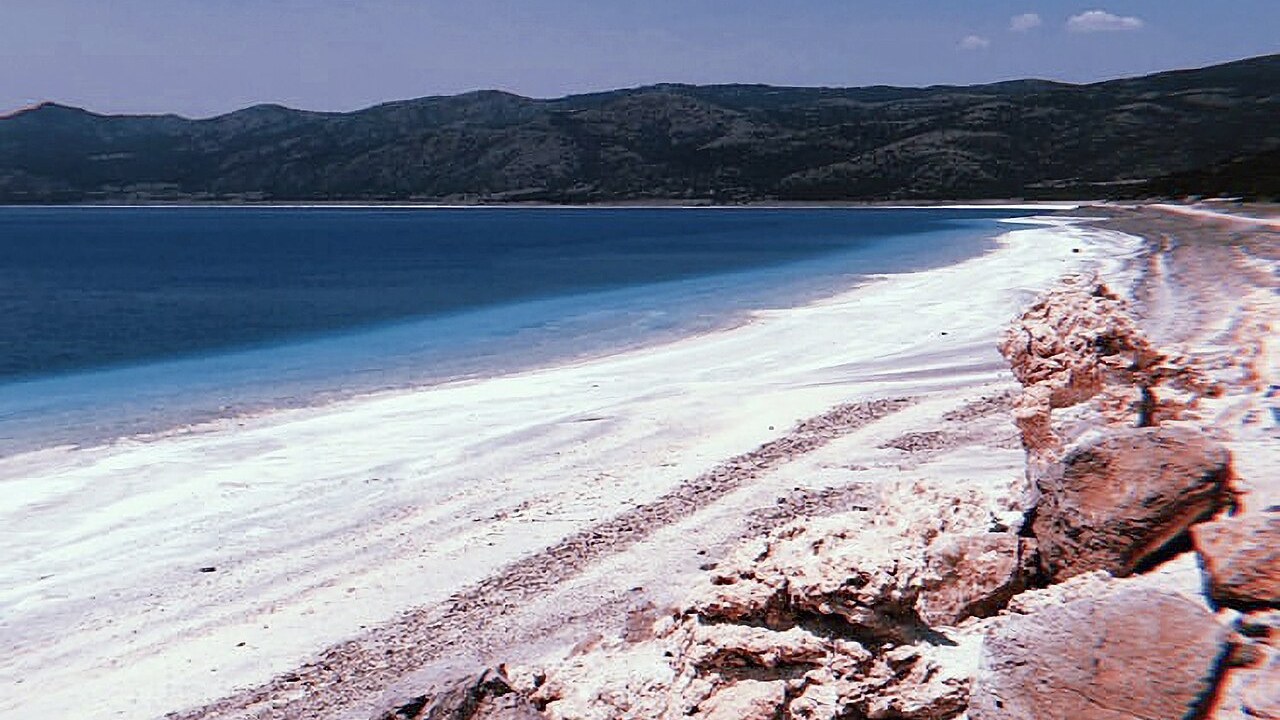
Famous for its blinding white sands and turquoise waters, Salda Lake is the crown jewel of the province. Located in the Yeşilova district, this natural wonder attracts visitors with its magnesium-rich white rocks. To protect the delicate ecosystem, a strict conservation zone has been established. You can hike along designated paths and capture breathtaking photos of the landscape.
Swimming restrictions are in place to preserve the lake's purity, with access permitted only at specific designated beach areas. The shifting hues of the water at sunset create an ethereal atmosphere that photographers should not miss. You can relax at the small facilities located around the perimeter.
Sagalassos Ancient City (Ağlasun)
Perched on the high slopes of the Taurus Mountains in the Ağlasun district, Sagalassos was one of the most magnificent cities of the ancient world. The Antonine Fountain, where original spring water has flowed for millennia, transports visitors back in time. As you explore, you will encounter a massive ancient theater, the agora, the library, and the ruins of Roman baths.
Since the city is built on a steep mountain slope, comfortable walking shoes are a must. Excavations are still ongoing, with new discoveries emerging every year. The high altitude provides a sweeping view of the valley, making the historical atmosphere even more imposing.
The Mysterious World of İnsuyu Cave
One of the first caves opened to tourism in Turkey, İnsuyu is renowned for its stunning calcitic formations. The constant cool temperature inside provides a refreshing escape from the summer heat. The cave features a variety of underground ponds and stalactite formations that offer a rich visual experience. Visitors can safely explore the cave via well-lit, organized walkways.
While water levels within the cave fluctuate over the years, the process of stalactite and stalagmite formation continues. The cave air is also believed to be beneficial for respiratory conditions like asthma. This underground marvel is located just a short drive from the city center.
Burdur Archaeology Museum
The museum houses a rich collection of precious artifacts unearthed from regional excavations. Significant finds from Sagalassos and the Hacılar Mound are displayed in chronological order. To understand the evolution of life from the Neolithic period to the Roman Empire, this museum is an essential stop.
The most popular sections include the Roman-era imperial statues and everyday objects from antiquity. The clear layout and informative panels help visitors easily grasp the historical context. If you are planning a cultural journey, this is the perfect starting point.
Kibyra Ancient City (Gölhisar)
Located in the Gölhisar district, Kibyra reflects the military and political power of the ancient era with its massive stadium and grand council building. The Medusa mosaic, crafted from colored marbles on the floor of the council house, is one of the city's most prized treasures. The fact that the city once hosted gladiator fights adds a layer of intrigue to its atmosphere.
The site is quite expansive, so you should set aside at least a few hours to explore it fully. Built on hilly terrain, Kibyra offers a commanding view of the Gölhisar plain. You can easily reach this site via a private vehicle or through local day-trip alternatives.
Akçaköy Lavender Valley and Lisinia Nature
Lisinia, located on the shores of Burdur Lake, began as a wildlife rehabilitation and nature support project. Nearby, the Akçaköy Lavender Valley transforms into a sea of purple during the summer, offering a true visual feast. Visiting during the harvest season allows you to wander through endless fields and experience the charm of rural tourism.
In this area, where ecological farming techniques are prioritized, you can learn about sustainable agriculture and purchase all-natural products. A favorite stop for photography tours in the summer, this region is perfect for those looking to escape the crowds. You can also include nearby historical stops like the Susuz Caravanserai and İncir Han in your itinerary.
What to Eat in Burdur? Gastronomic Stops
The culinary culture of Burdur is defined by simplicity and bold flavors. The "Burdur Şiş" (Burdur Kebab) is the city's signature dish, featuring specially prepared minced meat served on a thin, crisp piece of pide bread. You can experience this authentic taste at long-standing local establishments like Şişçi Hasan. The kebab is traditionally served with roasted peppers and onions to complete the flavor profile.
For dessert, walnut paste (ceviz ezmesi) is a popular local treat. Other regional delicacies include Burdur pudding (muhallebi) and poppy seed pastries. While strolling through the city center, you will find many traditional artisan restaurants and dessert shops offering these local flavors.
When planning your Burdur trip and packing your bags, you can follow this suggested sequence:
- Start your first morning with a refreshing walk around Salda Lake in the Yeşilova district.
- Return to the city center in the afternoon to explore the Sagalassos and Kibyra artifacts at the Burdur Archaeology Museum.
- On the second day, head to the Ağlasun district to visit the high-altitude Sagalassos Ancient City and the Antonine Fountain.
- On your way back, stop at İnsuyu Cave to see the underground ponds and stalactite galleries.
- On the third day, add the Kibyra Ancient City stadium in Gölhisar to your route, and if it's summer, don't miss the Akçaköy Lavender Valley.
To ensure your comfort on the ground, keep these essential tips in mind:
- Wear non-slip hiking shoes for the uneven terrain of ancient cities like Sagalassos and Kibyra.
- Carry a light windbreaker or cardigan for the İnsuyu Cave and the high-altitude passes of Ağlasun.
- Respect the conservation boundaries around Salda Lake and use only the permitted beach areas.
- Since the districts are spread apart, plan your daily departures for early morning to maximize your time.
Frequently Asked Questions 5
Where should I visit in Burdur?
You should prioritize Salda Lake in Yeşilova, Sagalassos Ancient City in Ağlasun, İnsuyu Cave, and the Burdur Archaeology Museum in the city center.
What is Burdur famous for?
Burdur is famous for the natural beauty of Salda Lake, the ruins of Sagalassos, and local delicacies like Burdur Şiş and walnut paste.
Do I need to rent a car to visit Burdur?
Yes, renting a car is highly recommended to easily reach the ancient cities and natural sites located in distant districts like Yeşilova, Ağlasun, and Gölhisar.
Where can I stay in Burdur?
Depending on your route, you can stay in comfortable hotels in the city center, boutique facilities in Yeşilova, or nature cottages around Ağlasun.
How many days are enough to see Burdur?
To visit the major tourist attractions without feeling rushed, a 2 to 3-day travel plan is ideal.