
This Lycian Coast budget guide is designed for those looking to understand where their money will go when exploring the stunning coastline between Fethiye and Antalya. In ancient times, Lycia was known for its unique language, rock-cut tombs, and federal governance; today, the same geography seamlessly blends ancient cities, hidden coves, and breathtaking hiking trails. What truly makes the region expensive or affordable isn't the distance, but how you plan your trip: which airport you fly into, how many times you change accommodation, whether you access the sea from the shore or by boat, and how many Ministry-affiliated ancient sites you visit. This guide breaks down these decisions into tables, steps, and seasonal considerations to help you compare options.
Lycian Coast Budget: The Quick Answer
On the Lycian Coast, the most significant factor influencing your budget is the frequency of your movement; accommodation class comes in a close second. A trip planned around staying in just two or three central locations like Fethiye, Kaş, and Çıralı, and taking day trips, will generally be more economical than moving to a different town every night. Each relocation incurs a transfer fee and half a day's travel time, often pushing travelers with luggage towards more expensive private transport in the evening.
Second in line are the total costs of ancient site entries. Here, the main issue isn't the price itself, but which institution manages the site. Patara, Xanthos, Letoon, Tlos, Pınara, Kayaköy, Myra, Olympos, and Phaselis are all ancient sites managed by the Ministry of Culture and Tourism; the St. Nicholas Church in Demre also falls under this umbrella as a Ministry-affiliated attraction. This means the Museum Pass is valid at all these locations. In contrast, Ölüdeniz Nature Park and Saklıkent Canyon are natural areas managed by the Ministry of Agriculture and Forestry, where the Museum Pass is not accepted, requiring separate tickets. Your total entry cost will vary depending on which of these two categories your itinerary leans towards; a step-by-step calculation is provided in the cost section.
Third, consider how you interact with the sea. The Kekova sunken city, Butterfly Valley, and many coves around Kaş cannot be reached by walking from the shore; a boat is essential. The difference between a group boat tour and a private charter is one of the most variable budget items: per-person costs on a crowded group boat are at the lower end, while a private charter for four or five people will significantly increase the per-person cost compared to a group tour. Your choice of season also impacts the same itinerary; opting for May or October instead of mid-summer can offer more favorable rates for accommodation and boat tours.
This guide intentionally avoids specific price figures. Instead, for each item, we've indicated whether it's paid or free, if the Museum Pass is valid, if there are separate tariffs for local and foreign visitors, and what variables influence the price. The reason is simple: tariffs are updated seasonally, but the ranking of costs remains consistent. If we were to list coastal expenses from largest to smallest, accommodation and tandem paragliding would be at the top, day boat tours and cable car tickets in the mid-range, and ancient site entries and dolmuş tickets at the lower end. Readers looking for live tour and activity prices can check the current departure schedules on the tour pages linked throughout this article.
Quick Facts
| Topic | Information |
|---|---|
| Location | The strip extending from Fethiye district of Muğla to the western coast of Antalya (Teke Peninsula) |
| Main Hubs | Fethiye, Kalkan, Kaş, Üçağız, Demre, Çıralı and Olympos, Tekirova |
| Prominent Ancient Sites | Patara, Xanthos, Letoon, Tlos, Pınara, Kayaköy, Myra, Olympos, Phaselis |
| UNESCO Listing | Xanthos and Letoon were inscribed on the World Heritage List in 1988 |
| Lycian Way | A marked long-distance route between Ovacık (Fethiye) and Geyikbayırı (Antalya); marked with red and white paint stripes |
| Entry Points | Dalaman Airport (Fethiye side), Antalya Airport (Olympos and Kemer side) |
| Ancient Site Hours | The Ministry operates two separate schedules for summer and winter; open later in the evening during summer, closes after afternoon in winter, ticket sales stop a while before closing |
| Museum Pass | Valid at ancient sites and museums affiliated with the Ministry of Culture and Tourism (including St. Nicholas Church); not valid at Ölüdeniz Nature Park and Saklıkent Canyon, which are affiliated with the Ministry of Agriculture and Forestry |
| Tariff Structure | Ministry-affiliated ancient sites apply separate tariffs for local and foreign visitors; discounted entry rights are available based on age group |
| Best Season | April-May and October-November for hiking, June-September for sea activities |
| Typical Duration | 5 to 7 days to see the main attractions |
How to Get to the Lycian Coast and Plan Your Route
The Lycian Coast can be accessed from two ends, and your chosen entry point will set the first line of your budget. Dalaman Airport serves the western end, while Antalya Airport serves the eastern end; the coastal road between them is connected by the D400 highway. The trick to planning a smart route is to enter from one end and exit from the other, rather than traversing the coast back and forth. This choice shortens travel time and eliminates paying for the same route's transportation twice.
Landing at Dalaman and Antalya Airports
The distance between Dalaman Airport and Fethiye is approximately 50 kilometers and takes about an hour by airport buses that operate according to flight schedules. On the Antalya side, the distance is given as between 190 and 200 kilometers: the lower end when measured from the city center, the upper end when measured from the airport, as the airport is located east of the center. This journey takes nearly four hours by bus. If you're planning an itinerary focused on Kaş and Kekova, entering via Dalaman shortens your travel time. The opposite is true for programs centered around Olympos, Çıralı, and Phaselis. The decision between an airport bus and a taxi depends on the number of passengers: for two people, the bus is significantly more economical, but for a family of four, the per-person cost of a door-to-door transfer approaches that of the bus. The calculation changes for late-night arrivals, as the last bus might have already departed.
Bus, Dolmuş, and Transfer Lines
The backbone of coastal transport is the dolmuş (shared minibus) line. The approximately 110-kilometer journey between Fethiye and Kaş, via Kalkan and the Patara turn-off, takes two and a half to three hours; services are frequent from morning to evening in summer, becoming less frequent in winter. The route continues similarly between Kaş and Demre, and Demre and Kumluca. Since most ancient sites are not directly on the main road but at turn-offs, you'll need to take a dolmuş and then either walk the last two or three kilometers or complete the journey with a local taxi. This detail creates a small but frequently recurring expense in your budget; structuring your daily plan with one turn-off instead of two will significantly reduce the total cost.
On the eastern half of the coast, the line breaks, and a segment often overlooked in guides begins here. When traveling from Kaş or Demre towards Olympos, you'll pass through Kumluca, then transfer to the line heading towards Kemer; for Olympos and Çıralı, you'll alight at the turn-off on the main road. The descent from the turn-off to the beach is about eight to nine kilometers, and this final section is covered by a village shuttle or local taxi. What might seem like a single dolmuş ticket thus turns into two transfers plus a local shuttle; this segment is where the budget for a traveler heading from Fethiye to Olympos can unexpectedly swell. The same logic applies to Phaselis: the distance between the turn-off and the ruins is walkable, but not in the heat or with luggage.
Saklıkent Canyon and Tlos Line
Saklıkent holds the status of a nature park affiliated with the Ministry of Agriculture and Forestry. This status has two implications for your budget: entry is paid, and the Museum Pass is not valid here. Moreover, the section extending into the canyon might be separately charged, meaning you might encounter a second gate when you thought you were done with one payment; clarify what each fee covers at the entrance.
At the canyon's mouth, you walk on a wooden platform, then cross an icy stream to proceed; it's challenging to go further without water shoes or non-slip soles. Morning hours are more comfortable in terms of both water level and crowds; groups tend to gather at the canyon mouth towards noon.
Tlos is one of the region's ancient settlements, associated with the name Dalawa in Hittite records. Among the rock-cut tombs carved into the cliff face, the Bellerophon tomb, known for its Pegasus relief, stands out. On the acropolis hill, there are Ottoman-era ruins associated with the local legend of Kanlı Ali Ağa, while the stadium, baths, and theater can be seen on the lower terrace. As it's Ministry-affiliated, the Museum Pass is valid, and separate tariffs apply for local and foreign visitors.
Regarding timing, there are two distinct needs: photographing the rock tomb facades requires morning light, while climbing the acropolis calls for cooler hours; ascending the hill in the midday heat consumes both water and time. Since the canyon and the ancient city are on the same route, combining them into one turn-off saves travel time compared to spreading them across two separate days. Although the distance between the two stops is short, public transport is infrequent; checking the return schedule at the canyon exit prevents being forced to take a taxi in the afternoon.
Step-by-Step Six-Day Budget Itinerary
- Day One: Settle into Fethiye. Arrive from Dalaman by airport bus, establish your accommodation in the center, and spend the evening in the old bazaar known as Paspatur. Dedicating the first day to transfer and a city stroll ensures a full day for exploration tomorrow.
- Day Two: Combine Ölüdeniz and Butterfly Valley. Take a dolmuş to Ölüdeniz; if you wish to access the lagoon's shore, the Nature Park entrance is paid separately, but this ticket is not required to board the Butterfly Valley boat, as boats depart from Belcekız and Ölüdeniz beaches. Combining both on the same day doesn't reduce the total entry cost, as each point requires its own ticket; the saving is on transport, as you avoid paying for the same dolmuş route two days in a row.
- Day Three: Visit Saklıkent and Tlos on the same route. The canyon and the ancient city are close to each other and on the same route; dividing the day into morning canyon and afternoon rock tombs prevents repeating travel.
- Day Four: Head to the Patara, Letoon, and Xanthos triangle. Board a dolmuş from Fethiye heading towards Kaş, and get off at the Patara turn-off. On the same day, add Letoon and Xanthos, then move your evening accommodation to Kaş; this way, you'll wake up within walking distance of the boat pier the next morning.
- Day Five: Take a Kekova boat tour. Group boats departing from Kaş or Üçağız leave in the morning and return in the late afternoon; check the departure time at the pier or with the operator a day in advance. Asking item by item whether lunch, drinks, and snorkeling equipment are included in the package will allow you to compare with menus paid separately on the boat.
- Day Six: Exit from the eastern end. Adding one night in Olympos and Çıralı via Demre and returning from Antalya Airport saves a full day of travel compared to traversing the entire coast and returning to Dalaman. If you wish to complete it in five days, integrate this step into day five: after your Kekova boat trip, head to Çıralı the same evening, and the next morning, proceed directly to the airport instead of Yanartaş.
Fethiye and Ölüdeniz Axis
Ancient Telmessos lies beneath Fethiye; the Amyntas Rock Tomb on the city's hillside is visible from the center and becomes prominent against the urban fabric in the late afternoon light. The stairs leading up to the tomb are paid, but viewing it from below is free. This duo is a small example of a common logic you'll encounter on the coast: the distant view of the same structure is free, while entering it is paid.
Ölüdeniz is a Nature Park, meaning its entrance is paid, and the Museum Pass is not valid here. Visitors who wish to stay on the beach strip without entering the lagoon can still swim without paying this fee; access to the shore on the Belcekız side is free. Butterfly Valley is reached by boats departing from Belcekız and Ölüdeniz beaches, and a park ticket is not required for this. Services are concentrated between morning and afternoon; it's essential to check the time of the last return boat at the pier, as travelers who miss it will be left with the choice of spending the night in the valley or hiring a private boat.
The main budget-saving choice on this axis is not to cram paragliding, boat trips, and jeep tours into the same day: a rushed schedule often leads to opting for private transfers due to time constraints. Knowing the relative cost of activities also makes choices easier. A tandem paragliding flight from Babadağ is at the top tier of day programs in the region; a day boat tour falls below this, and a cable car ticket is significantly above an ancient site entry but well below a flight. An itinerary that includes all three on the same day will be both exhausting and push the day's total cost to its peak.
Kayaköy: The Abandoned Stone Settlement
Kayaköy is located southwest of Fethiye center, at the end of a side road branching off the Ölüdeniz road. The old name of the settlement is Levissi; the Greek population left the village with the 1923 population exchange, and after the 1957 Fethiye earthquake, the houses turned into ruins, ending settled life in the village. Today, among the stone houses covering the hillside, large and small churches and chapels can be visited; there is also a pottery workshop operating in the area.
From a budget perspective, Kayaköy is important for two reasons. Firstly, as it is an ancient site affiliated with the Ministry, entry is paid, and the Museum Pass is valid here; thus, it incurs no additional payment for visitors with the card. Secondly, there is a path that crosses the hillside between the village and Ölüdeniz: travelers willing to hike can completely eliminate the dolmuş or taxi cost between the two points. The path is stony and offers little shade, so closed shoes and water are essential.
Regarding timing, early morning and late afternoon are preferable; walking on the shadeless hillside in the midday heat is tiring. If you're considering staying in the village, factor in one detail: dolmuş services to the center are limited during the day and become very infrequent in the evening, which can lead to taxi expenses for late returns. Combining Kayaköy with an Ölüdeniz or Fethiye center day on the same turn-off largely offsets this expense.
Pınara: Pigeonhole Tombs on the Rock Face
Pınara is an ancient site reached by turning inland from the highway between Fethiye and Kaş, towards Minare village, and is often overlooked in most guides. The distinguishing feature of the city is the hundreds of small carved tombs lining the steep rock face behind it; due to this sight, the area is locally known as the "pigeonhole tombs." On the lower terrace, monumental rock tombs with prominent reliefs, a theater, and temple ruins can be observed.
The historical significance of the area is not small: Pınara was in the class of major cities in the Lycian League, possessing three votes, meaning it was considered on par with Xanthos, Patara, Tlos, Myra, and Olympos. As a Ministry-affiliated ancient site, entry is paid, and the Museum Pass is valid.
On the practical side, two warnings are necessary. The final section after the turn-off is narrow and steep, and public transport does not serve this branch; thus, adding Pınara to your list means a rental car or local taxi, which will drive up the day's transportation cost. In return, the area is shaded by pines and peaceful, with low tour group density. Since you're traveling on the same turn-off line, combining Pınara with a Xanthos and Letoon day is much more economical than dedicating a separate day; if you visit in the morning, you'll also benefit from shade and coolness.
Patara: Assembly Building, Beach, and Dunes
Patara is the city where the Lycian League's assembly building was located and is known as the birthplace of St. Nicholas. The restored assembly building is open for visitors today; the main street, theater, and harbor structures excavated from beneath the sand can be seen during the same visit. The ancient site ticket also grants access to the long sandy beach, meaning both the ancient city and the beach can be planned together with one payment. The beach is a caretta caretta (loggerhead sea turtle) nesting area, so it closes to visitors at a certain hour in the evening; ask for this time at the ticket office, as closing hours vary by season. The dunes are shadeless and the area is vast, so a hat, water, and closed shoes should be at the top of your list. As it is Ministry-affiliated, the Museum Pass is valid.
Xanthos and Letoon: The UNESCO-Listed Duo
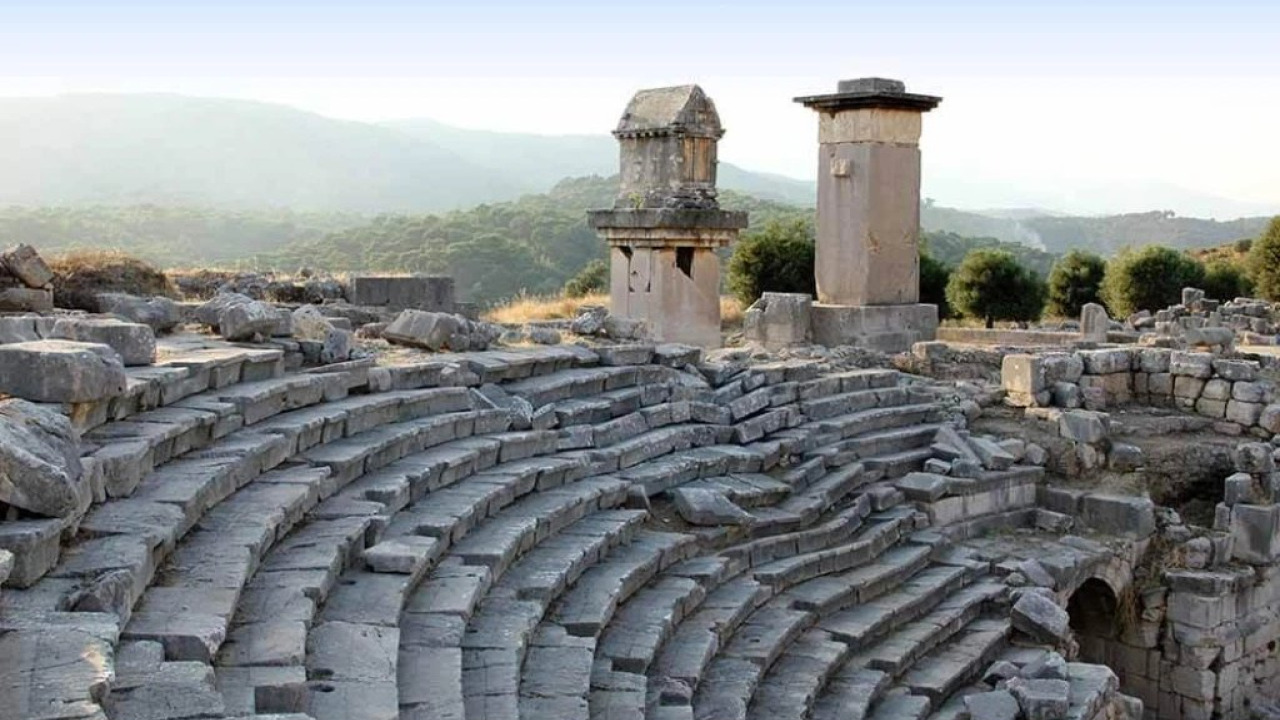
Xanthos, being the largest city in the region, is often referred to as the capital of Lycia in historical sources and is located quite close to the main road near Kınık. In the area, you can see the Harpy Monument, a column tomb with reliefs, the foundational remains where the Nereid Monument once stood, an obelisk bearing long Lycian and Greek inscriptions, a Roman-era theater, and an agora; the original blocks of the Nereid Monument are exhibited today in the British Museum, meaning only the foundations and surrounding structures are seen at the site. Herodotus' account of the Persian siege and the city's resistance is the narrative that makes Xanthos prominent in ancient sources.
Letoon is the common cult center of the league and is located within Kumluova village. The foundations of three temples dedicated to Leto, Apollo, and Artemis stand side by side; a trilingual stele inscribed in Lycian, Greek, and Aramaic was found in this area and is considered an important document in studies on the Lycian language. Due to high groundwater levels, a part of the sacred area is seasonally submerged, while the theater is situated on the hillside. Patara, Letoon, and Xanthos are close to each other and can be visited on the same day; as Letoon's sacred area is flat and shadeless, early morning or late afternoon hours are more comfortable. Both were inscribed on the UNESCO World Heritage List in 1988 as a joint Xanthos and Letoon site, and both are Ministry-affiliated.
Kalkan: An Old Port Town Built on a Hillside
Kalkan is a settlement within the Kaş district, built on a steep hillside above a natural harbor. Its old name was Kalamaki; until the early 20th century, it was a port village inhabited by a Greek population, and it served as the pier from which goods from the Xanthos valley were shipped. With the 1923 population exchange, the village was largely emptied, and in subsequent decades, the whitewashed stone houses were restored and converted into boutique hotels, guesthouses, and restaurants. What's worth seeing is this very fabric: narrow cobblestone streets, bougainvillea-covered facades, rooftop terrace restaurants, and the marina.
From a budget perspective, Kalkan has a distinct feature: there are no ticketed areas within the settlement. This means exploring the town is free; payments go towards food, accommodation, sunbeds, and boat trips. Entry to Kalkan Public Beach is free, with sunbeds priced separately; at Kalamar Cove near the town, a beach club setup prevails, and the daily cost increases. Fırnaz Cove, located towards Patara, is the opposite: since there are few businesses, there's often no item to pay for, but in return, you need to bring your own water, food, and shade, and factor in the cost of a car or taxi as there are no dolmuş services to the cove. Patara ancient site is approximately 13 kilometers from Kalkan, making Kalkan the closest stop for an overnight stay when visiting the Patara-Letoon-Xanthos triangle.
A practical tip concerns the incline: there's a stepped elevation between the coast and the old town center, making the altitude of your accommodation more important than its proximity to the beach for travelers with luggage; ask how many steps "walking distance to the beach" entails when booking. Regarding timing, the town comes alive in the evening: terrace restaurants fill up at sunset, so visitors wanting a table with a view should make reservations during the day.
Kaş and Kaputaş Cove
Kaş's center sits atop ancient Antiphellos, and an open-air ancient theater is located within the town; as the theater can be visited freely, it's a stop with no entry fee. The Lycian sarcophagus, known locally as the King's Tomb, stands in the middle of the street fabric and is the second free Lycian trace visible within the city. The central street, called Uzun Çarşı (Long Bazaar), forms the main axis for evening strolls and shopping.
Kaputaş Cove, located on the road between Kalkan and Kaş, is just below the highway, and you descend to the shore via stairs; dolmuşes stop in front of the cove, so a private car is not necessary, making Kaputaş one of the beaches in the region with the lowest transportation cost. Crowds peak towards noon, so the cove is more breathable early in the morning and towards evening. Opting to find shade from the rocks instead of renting umbrellas and sunbeds is a practical choice that reduces expenses at this stop.
Kekova, Üçağız, and Kaleköy
In Kekova, structural remains submerged after an earthquake can be seen; due to conservation efforts, swimming and diving are not permitted in the sunken area, and tours are conducted from boats. Boats depart from Kaş, Üçağız, and Demre's Çayağzı pier, and the departure point directly affects the duration: programs departing from Kaş travel a longer distance to the sunken area, while those from Üçağız arrive more quickly, a difference reflected in both your daily plan and the price. Üçağız village is built upon ancient Teimiussa, with rock-cut tombs along the coastline blending into the village fabric. Kaleköy, opposite, is intertwined with the ancient settlement of Simena; you climb to the castle via a path, from the top of which you can see the entire cove and the small ancient theater within the castle. Kaleköy is not accessible by road, requiring boat or foot access, which alters luggage planning for travelers staying in the village. For those wishing to book a boat tour in the region, Kaş boat tours options resolve the departure point and duration differences within the program.
Demre: Myra and St. Nicholas Church
Upon entering Demre, greenhouse covers are noticeable, while the town's two main attractions are close to the center. At the Myra ancient site, rock-cut tomb facades and a well-preserved Roman theater stand out; blocks bearing mask and mythological scene reliefs are exhibited around the theater. As much of the city lies beneath the alluvium carried by the Demre Stream, the walkable area is limited, which shortens visit time and is useful when planning your day. The St. Nicholas Church, on the other hand, is a Byzantine-era structure built in the name of St. Nicholas, Bishop of Myra; it contains frescoes and a sarcophagus, and due to the intensity of faith tourism, it can get crowded during group hours.
Establishing the correct entry structure is particularly important here, as it's often confused. The Church and the Myra ancient site are separate entry points and require separate tickets; a Myra ticket is not valid at the church. However, the church is also a Ministry of Culture and Tourism-affiliated site, meaning the Museum Pass is valid at both locations, and visitors with the card do not make additional payments in Demre. For visitors without the card, separate tariffs are set for local and foreign visitors.
Since the two stops are within walking distance, combining them on the same day allows you to pay transportation costs only once; splitting them into separate days doesn't change the total entry cost but doubles the travel. For those wishing to explore the Demre and Kekova line with a culture-focused itinerary, Demre cultural tours combine transportation and entry planning; updated seasonal prices are also visible live on this page.
Olympos, Çıralı, and Yanartaş
At the Olympos ancient site, you pass through ruins stretching along the riverbed to reach the beach directly; thus, the ancient site ticket also functions as a beach entry, making this one of the practical budget combinations on the coast. Accommodation in the valley is known for its treehouse and bungalow culture, while neighboring Çıralı is a quiet coastal settlement primarily offering guesthouses. Çıralı beach is also a caretta caretta nesting area, so light usage and coastal activity are restricted in the evenings during nesting season. Yanartaş, on the hillside, is formed by natural gas continuously burning on the surface from underground; the flame points are reached via a stony path in twenty to thirty minutes. Evening hours are preferred as the flames become more prominent in the dark, making a flashlight and non-slip soles essential. Entry is paid and it's open for evening visits; again, confirm closing times at the ticket office.
Phaselis, Tekirova, and Kemer End
Phaselis is an ancient port city with three harbors on the eastern end of the coast, located between Tekirova and Kemer. The northern, central, and southern harbors are connected by a main street; on either side of the street are the remains of baths and an agora, a theater on the hillside, and an aqueduct behind the city. The distinguishing feature of the area is that the ruins extend through a pine forest and open onto small beaches: here too, the ancient site ticket combines swimming and sightseeing in one payment. As it is Ministry-affiliated, the Museum Pass is valid. Since it's often the first stop for itineraries starting from Antalya, tour buses tend to gather in the afternoon, while mornings are quieter; sea shoes are useful as the ground is pebbly.
Tekirova, just south of Phaselis, is a settlement nestled between pine forests and the sea, and accommodation on this end of the coast is primarily hotel-based. The aspect of the settlement directly relevant to planning is that the lower station of the cable car ascending Tahtalı Mountain is located here. A common name confusion needs to be clarified from the outset: the ancient name of this mountain is also Olympos, but it is not the same place as the Olympos ancient city near Çıralı; when booking a program, ask which one is being referred to to prevent booking the wrong activity on the wrong day. A cable car ticket falls significantly above the ancient site entry fees on the coast, but below a tandem paragliding flight.
Kemer, on the other hand, is the dolmuş hub of the eastern end; as it's the closest coastal town to Antalya Airport, the transfer leg is short, and the line to the Olympos and Çıralı turn-off passes through here. What this means for your budget is: travelers staying on the eastern side of the coast can reach Phaselis and Tekirova with a short dolmuş ride, making Phaselis one of the ancient site stops with the lowest transportation costs on the eastern end. In contrast, hotels in the Kemer and Tekirova belt are priced at the higher end in mid-summer; exploring the same region while staying in Olympos or Çıralı can reduce accommodation costs, but in return, it requires sacrificing evening vibrancy.
Viewpoints and Photo Spots
Most scenic viewpoints on the coast do not require a ticket, so a photo-focused day will hardly strain your budget. Prominent spots and their timing are as follows:
- Kaputaş's upper view. The cove is seen in its entirety from the viewpoint on the highway before descending; pre-noon light enhances the water's color.
- Kaleköy and Simena castle. From the top, Kekova island, the sunken coastline, and Üçağız cove are seen together; boat tours usually make a stop here.
- Ölüdeniz lagoon from Babadağ. The full expanse of the lagoon is only visible from above. There are three ways to get there, each in a different price bracket: tandem paragliding is at the top, the cable car in the middle, and driving up the mountain road is at the bottom. The frame is similar in all three, the difference lies in the price you pay and the time you spend at the summit.
- Yanartaş flames. Requires long exposure in the dark; it's difficult to get a sharp shot without a tripod, and the flame brightness can mislead exposure.
- Patara dunes. The vast dune surface creates undulating shadows in the afternoon light; sunset photos are not always possible as the beach closes in the evening due to caretta caretta protection.
- Xanthos acropolis. From the top, the Eşen Plain and the layout of the ancient city can be observed together; morning hours are more suitable due to lack of shade.
How to Choose Transportation on the Lycian Coast?
The same route will result in a different total cost depending on your chosen mode of transport. The four truly used options on the coast are differentiated by flexibility and cost. When deciding, consider the number of people: for a two-person trip, public transport is clearly more economical, but for a family of four, the per-person cost of car rental approaches that of public transport.
| Option | Flexibility | Budget Impact | Who it suits |
|---|---|---|---|
| Dolmuş and bus | Dependent on schedules, last-mile issue at turn-offs | Lower end; advantage decreases with more people | Two-person, flexible itinerary travelers |
| Rental car | High; access to turn-offs and early morning hours | Adds rental, fuel, and parking expenses | Families and groups of three to four people |
| Airport transfer and shuttle | Moderate; door-to-door, fixed time | Per-person cost decreases with more people | Travelers with luggage and late-night arrivals |
| Group tour and boat package | Low; pre-set itinerary | Entry, meals, and transport combined in one package | Those who don't want to spend time planning |
In practice, mixing two forms works well: using dolmuşes for main routes and booking a pre-arranged program for Kekova and Butterfly Valley days (which require a boat) eliminates both car rental and pier haggling. In a week planned this way, the need for a private transfer only arises for late-night arrivals, and that remains a one-off expense.
When is it More Economical to Visit the Lycian Coast?
The choice of season is considered a decisive factor in the coastal budget. The same guesthouse, the same boat, and the same transfer will be priced at different rates between July and October. The matrix below differentiates seasons based on weather, crowds, and spending.
| Season | Weather and Sea | Crowds | Budget Impact | Note |
|---|---|---|---|---|
| March-April | Ideal for hiking, sea is cool | Low | Lower end | Wildflowers and green cover; some guesthouses still closed |
| May-June | Sea warms up, days get longer | Moderate | Mid-range | Ancient site visits and sea activities possible on the same day |
| July-August | Hot and humid, sea is warm | High | Upper end | Ancient site visits difficult in midday heat, reservations essential |
| September-October | Sea still warm, weather softens | Moderate | Mid to lower end | Period where price and comfort are balanced |
| November-February | Rainy, sea is cold | Very low | Lower end | Dolmuş services infrequent, boat tours largely suspended |
Difference Between Hiking Season and Sea Season
Those who want to hike the Lycian Way stages and those who want to swim in the sea cannot use the same calendar. Spring and autumn are ideal for hiking; in mid-summer, shadeless ridge crossings increase water consumption and make risk management more challenging. For a sea-focused itinerary, June to September works best. For visitors wishing to combine both, late May to early October offers a middle ground: morning stage hiking, afternoon cove swimming. This choice also helps avoid peak season prices. For stage selection, accommodation points, and marking details, the Lycian Way guide article covers the route section by section.
Where to Go on a Lycian Tour, Which Activities Stand Out?
The classic Lycian route passes through the following stops from west to east: Fethiye and Ölüdeniz, Kayaköy, Saklıkent and Tlos, Pınara, Patara, Letoon and Xanthos, Kalkan and Kaputaş, Kaş, Üçağız and Kaleköy and Kekova, Myra and St. Nicholas Church in Demre, followed by Olympos, Çıralı, Yanartaş, Tekirova, and Phaselis. The region itself is less a standalone tour market and more the backbone of programs departing from Antalya and Fethiye; therefore, activity headings should be evaluated based on tours departing from the region.
When choosing a program, inquire about its scope: is transportation included, are entry fees included, is lunch part of the package? When you see two different prices for the same route, the reason is usually hidden here. For those seeking an itinerary focused on ancient cities, Antalya cultural tours options combine entry and transportation in the same program; you'll find updated seasonal prices by checking the departure list on that page, not in the article itself.
Which Tour Type Suits Whom?
Matching the tour type to personal expectations reduces both disappointment and budget surprises within the program.
| Tour Type | Program Focus | Who it Suits | Budget Question to Ask |
|---|---|---|---|
| Culture-focused ancient site tour | Patara, Xanthos, Letoon, Myra, Olympos | Visitors interested in ancient cities, willing to walk | High number of entries; Museum Pass coverage and included entries |
| Boat-focused sea program | Kekova, coves, Butterfly Valley | Visitors prioritizing swimming, history as a secondary interest | Is lunch, drinks, and equipment included? |
| Hiking and stage program | Lycian Way sections | Prepared hikers, nature-focused groups | Support vehicle, luggage transfer, and accommodation transfer |
| Mixed day tour | Canyon, ancient site, and cove combination | First-time visitors to the region with limited time | Time spent at each stop as the number of stops increases |
| Private and boutique tour | Flexible itinerary, flexible hours | Families or small groups wanting to set their own schedule | Per-person cost will be higher than group programs |
Sea Days and Cove Routes
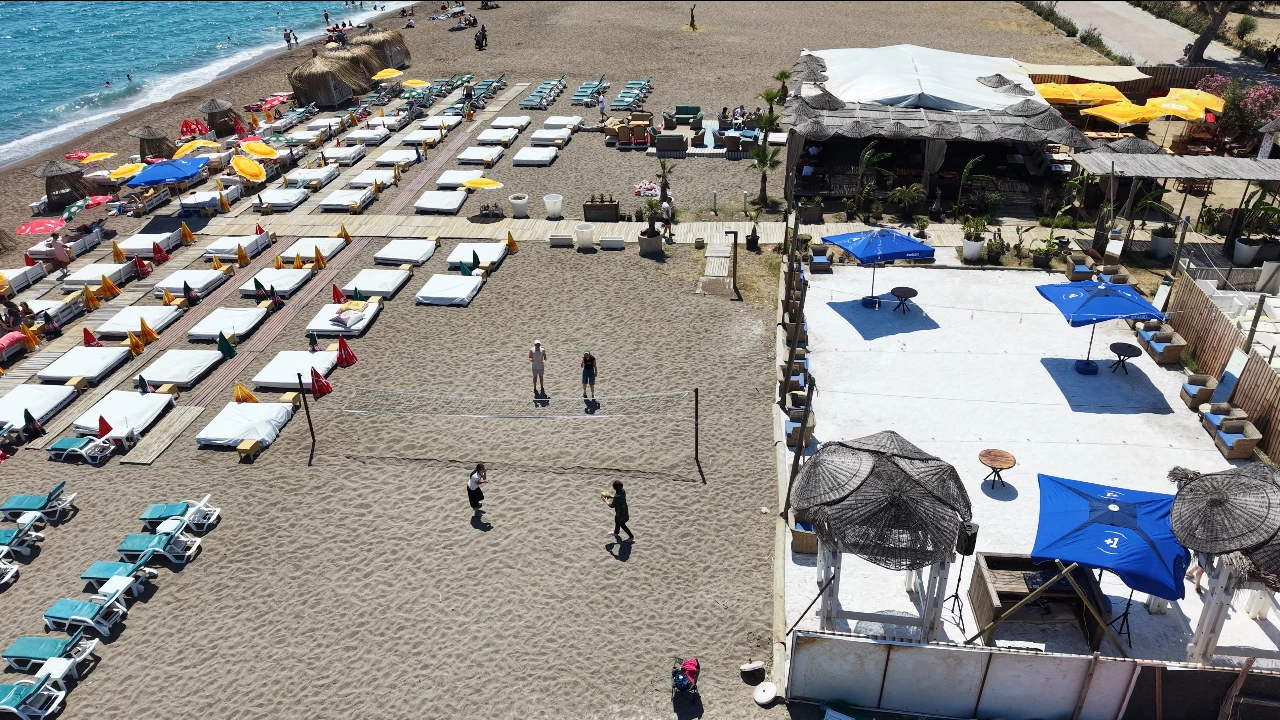
The character of the coast is cove-focused: Kaputaş, Ölüdeniz lagoon, Olympos beach, and the small coves around Kekova offer different terrains. When planning your sea day, clarify upfront whether sunbed and umbrella expenses are included in a package or paid separately, as this detail determines the day's total cost. Buying items like towels, water, and fruit from a market in town makes a noticeable difference compared to purchasing them from a beach vendor. Seawater remains suitable for swimming until late September, meaning it's possible to get a peak-season experience at off-season prices.
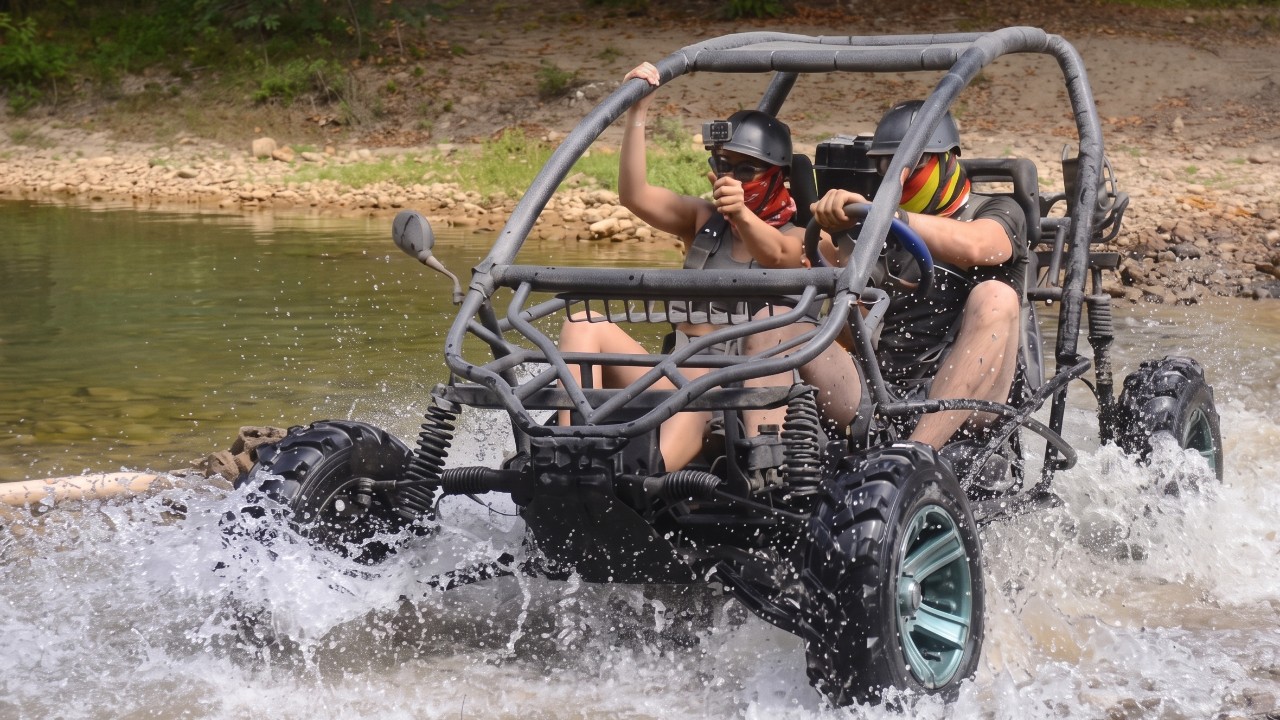
Buggy Safari and Off-Road Tours
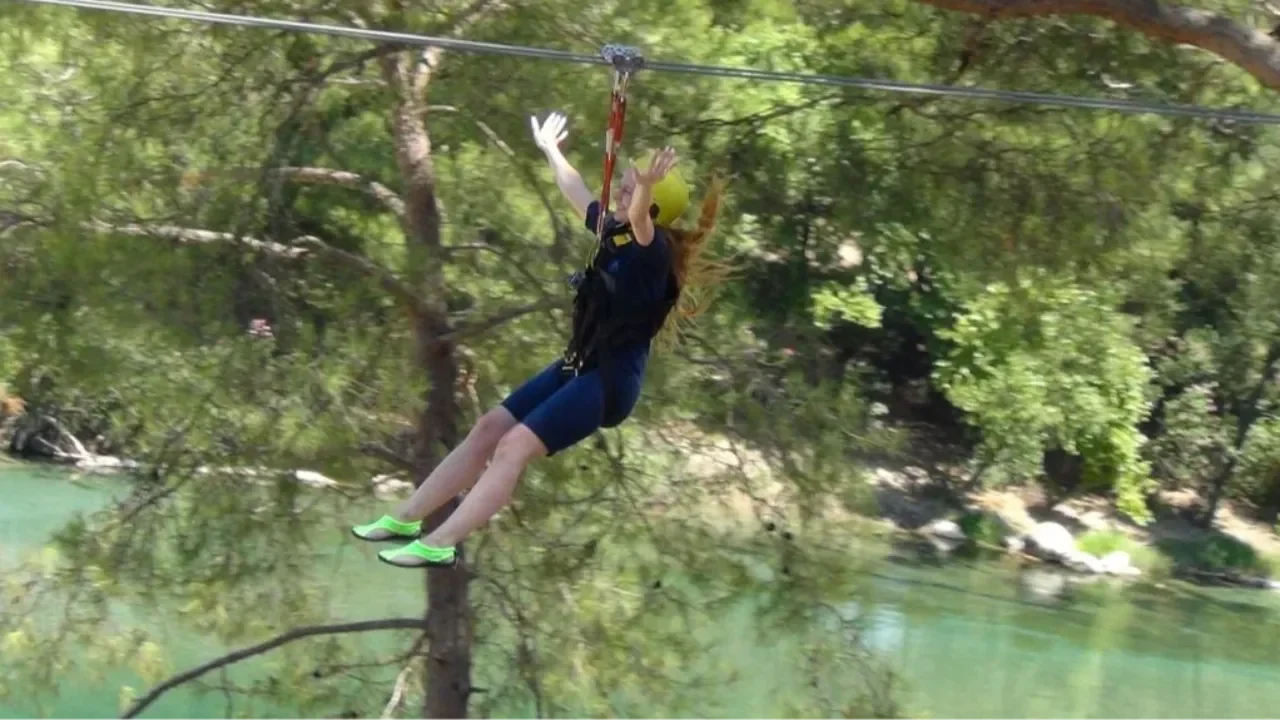
On the coast, these tours are concentrated at two ends, and where you stay determines which program you can take. On the western end, the Fethiye area stands out: the Eşen Stream valley, riverbeds towards Saklıkent, dirt roads towards Yaka Village, and forest branches opening onto the Kayaköy hillsides form the classic route. On the eastern end, the foothills of the Beydağları mountains behind Kemer and Tekirova are used; on this side, the program ascends through forest paths. Off-road programs are sparse in the central Kaş and Demre belt; travelers staying in this belt generally opt for a program departing from Fethiye or Kemer, which adds a transfer leg to their day.
Duration is usually half a day, and afternoon sessions are more comfortable in terms of coolness. Budget questions to ask are:
- Pricing unit. Is the vehicle priced per person or per vehicle; does a second passenger in a two-person buggy incur an additional payment?
- Fuel and hotel pick-up. Whether fuel is included and if transfers are part of the price should be asked separately; for accommodations outside central areas like Kayaköy, Faralya, or Çıralı, the pick-up radius may be narrower, and an additional transfer might be required.
- License and age requirements. Whether a driver's license is required to take the wheel and from what age child passengers are accepted varies by operator.
As there will be dust and water crossings, planning for a change of clothes and goggles should be included; this small preparation eliminates the expense of buying equipment on-site.




Horse Riding and Rural Routes
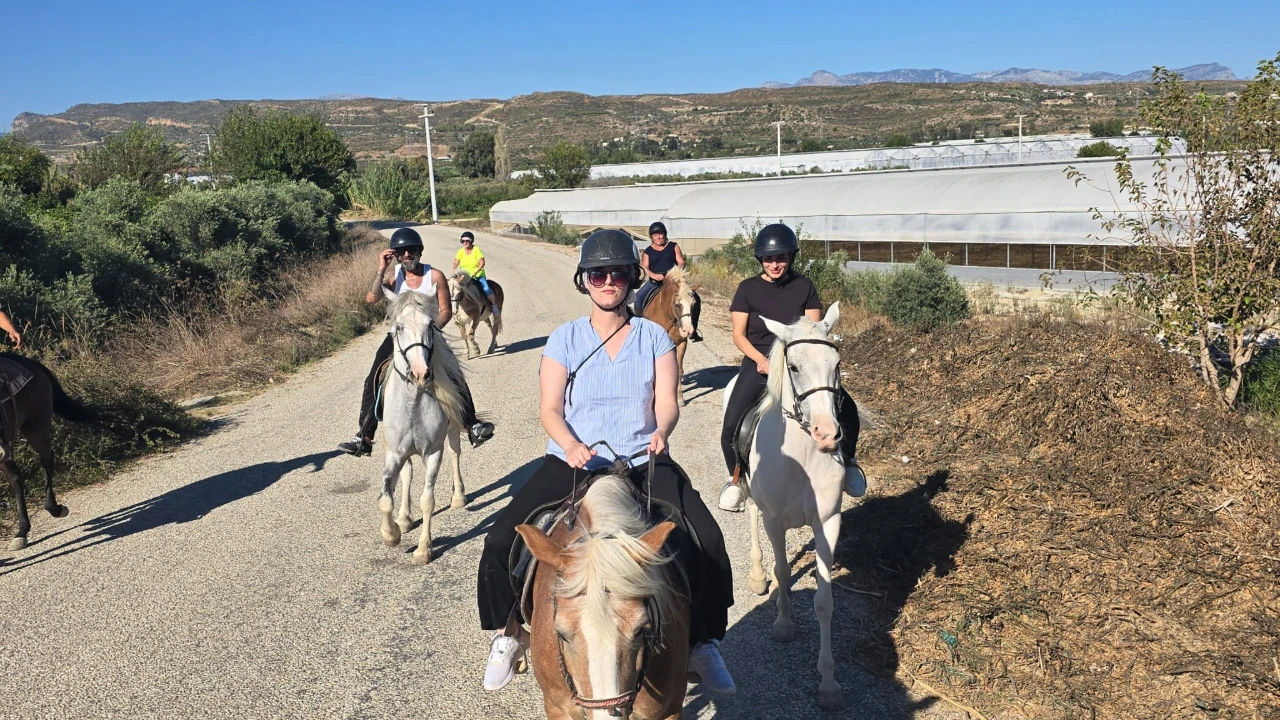
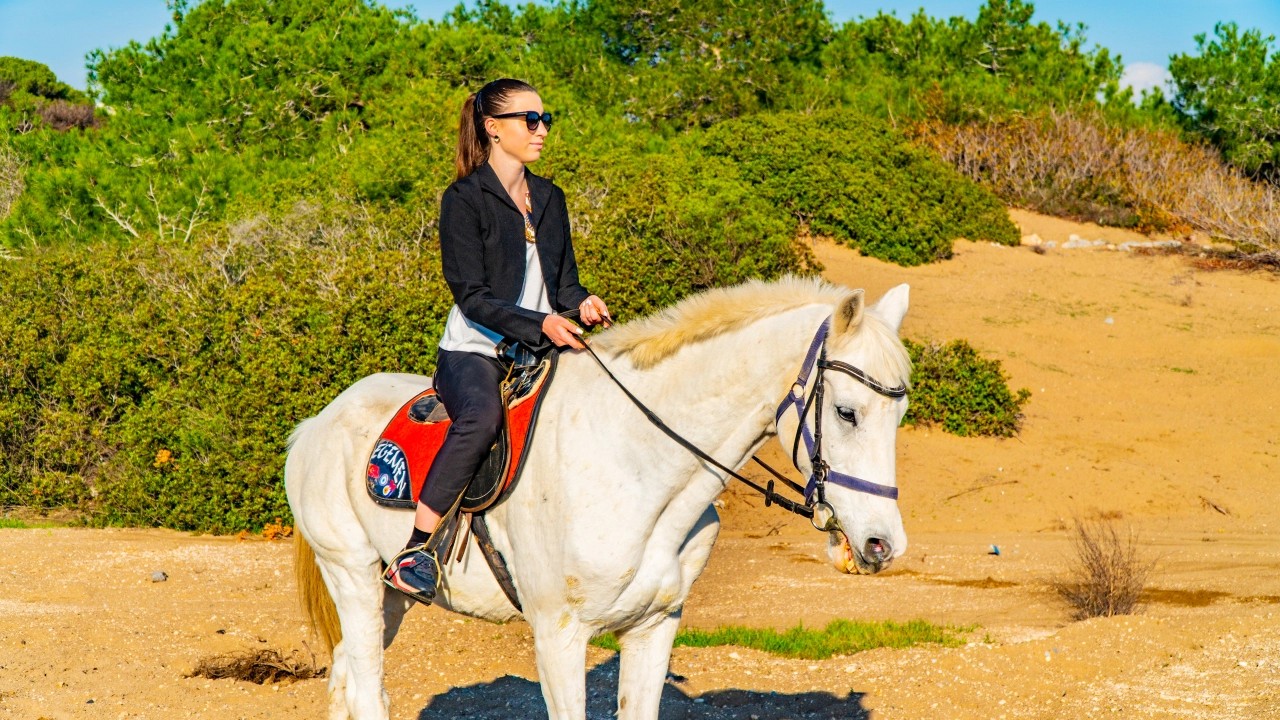
For those seeking a day beyond the sea and ancient sites, horse tours traverse the agricultural lands and pine forests behind the coast. There are two main areas where these programs are concentrated on the coast: on the eastern end, the flat plains covered with citrus groves between Çıralı and Olympos and the forest belt behind them; on the western end, the inland areas around Kayaköy and Ovacık in Fethiye. The character of the two is different; on the eastern end, the route is at sea level and flat, while on the western end, it's hilly, making the eastern end more comfortable for novice riders.
Duration is generally between one and two hours, and early morning or late afternoon hours are more suitable for both the animal and the rider; programs usually pause during the midday heat at most operators. The main factors determining the price are duration and whether a guide accompanies you; the per-person cost decreases as the group size increases, while a private guided tour remains at the highest end. Long pants and closed shoes are required, and weight and age limits vary by operator; when booking, ask about these two conditions and the starting point of the tour, as a departure point far from the center will incur a separate transfer expense.
How to Calculate Budget Items
Thinking of the budget as a single total figure can be misleading; on the coast, expenses fall into five categories, and each category has its own reasons for variability. The table below shows which items shift when you plan the same itinerary economically or comfortably, and what drives that change. If we were to rank the items by size, accommodation and sea activities lead the way, transportation is in the middle, and ancient site entries are the smallest item in most itineraries; this ranking doesn't change from season to season, but the figures do.
| Item | Economical Setup | Comfortable Setup | Determining Factor for Range |
|---|---|---|---|
| Transportation | Dolmuş and airport bus | Private transfer and rental car | Number of people, number of turn-offs, night arrival |
| Accommodation | Village guesthouse, out-of-center room | Coastal hotel, sea-view room | Season, view, breakfast included |
| Entry Fees | Ministry ancient sites with Museum Pass | Separate tickets and guided tours | Number of ancient sites visited and card coverage |
| Sea Activities | Group boat, public beach | Private boat charter, beach club | Group size, meals included |
| Food and Drink | Local eateries, market shopping | Marina and coastal restaurants | Location, type of fish, evening or lunch |
Ancient Site Entries and Visiting Hours
Ministry-affiliated ancient sites operate two separate visiting schedules for summer and winter: in summer, the sites remain open until evening, while in winter, they close after the afternoon. Ticket sales do not continue until the exact closing time; the ticket office stops selling a while before; therefore, it's advisable to plan your visit earlier in the day rather than arriving at your last stop in the late afternoon. As practices change during seasonal transitions, it's practical to check the current hours from the Ministry's official ticket channel before your visit.
Regarding coverage, the distinction is clear. Patara, Xanthos, Letoon, Tlos, Pınara, Kayaköy, Myra, Olympos, Phaselis, and the St. Nicholas Church in Demre are affiliated with the Ministry of Culture and Tourism; the Museum Pass is valid at all of them, separate tariffs apply for local and foreign visitors, and discounted entry rights are available based on age group. Ölüdeniz Nature Park and Saklıkent Canyon, however, are natural areas affiliated with the Ministry of Agriculture and Forestry; the card is not valid here, and in Saklıkent, entry into the canyon itself may incur a second fee.
Base your Museum Pass decision not on a pre-set threshold, but on your own list; the calculation is done in three steps:
- List Ministry-affiliated stops. Separately list your visits to Patara, Xanthos, Letoon, Tlos, Pınara, Kayaköy, Myra, Olympos, Phaselis, and St. Nicholas Church; the card only covers these entries.
- Compare the card cost with the current total ticket price of this list. For itineraries including three or four Ministry-affiliated stops, the card generally offers savings; for programs limited to two stops, paying for entries separately is usually sufficient.
- Exclude non-covered stops from the total. Do not include Ölüdeniz Nature Park and Saklıkent entries in this calculation, as you will pay for them regardless of whether you have the card.
During hot periods, early morning hours provide comfort in shadeless areas and allow you to explore the site before crowds arrive; the first hour after opening is significantly quieter than the afternoon rush.
Food and Drink: Where and What to Eat
The food and drink budget on the coast can be reduced by changing your location. In Fethiye, the Fish Market operates on a system where you buy fish from a stall and have it cooked at nearby restaurants; cooking and meze costs should be asked separately, as this is the part that determines the total. In the same city, the Paspatur old bazaar forms the main axis for evening dining, but prices at local eateries drop significantly just one street away. In Kaş, the area around Uzun Çarşı works similarly; establishments on the Çukurbağ Peninsula road are priced at the higher end due to the view. In Üçağız village, fish after a boat trip, and in Çıralı, guesthouse breakfasts and home-cooked meals stand out.
The two ends of the coast mean two different cuisines, and this distinction is visible in both the menu and the budget. In Fethiye and the Muğla region, tarhana soup, sıkma (a type of flatbread), olive oil-based greens, pumpkin and chickpea dishes, and fish are prominent; small guesthouse breakfasts in this area are often substantial enough to cover lunch as well. On the Antalya end, tahini piyaz (bean salad), çöp şiş (small skewers), stuffed zucchini flowers, and sautéed fennel are filling and affordable options. At canyon and plateau stops, the gözleme (savory flatbread) and ayran (yogurt drink) duo can serve as lunch. For those who want to place local cuisine at the center of their trip, gastronomy tour programs combine producer visits and tasting stops on the same route.
Accommodation Areas and Price Differences
Which town you choose for accommodation often matters more than the class of the room itself; because the town choice simultaneously dictates your transportation costs. Fethiye center, being at the intersection of dolmuş lines, reduces daily transportation expenses; Ölüdeniz and Hisarönü areas are at the higher end due to views and nightlife. Kayaköy, on the other hand, stands out for its tranquility and stone house guesthouses, but in return, services to the center are infrequent, and evening returns might require a taxi.
Continuing from west to east, the picture extends as follows: Kalkan is primarily boutique and villa-oriented, while Kaş center offers a wide range between guesthouses and boutique hotels. In Üçağız and Kaleköy, small family guesthouses offer the advantage of being within walking distance of the Kekova boat; in Kaleköy, you must accept that luggage will be transported by boat. The Çıralı and Olympos area is known for its bungalow and guesthouse culture, with proximity to the beach driving prices up. Kemer and Tekirova are hotel belts and are priced at the higher end in mid-summer. Demre is mostly used as a transit point, so it remains at the lower end.
Choosing two central locations and staying three nights in each is more economical and relaxing than staying one night in six different places. When booking, evaluate whether breakfast is included and the distance from the center together: a room far from the coastal strip might seem cheap, but it adds daily two-way dolmuş or taxi expenses, which can quickly close the price gap.
Practical Budget-Saving Tips
The following points are compiled to prevent common mistakes on the coast that unnecessarily inflate the total budget:
- When asking for prices, get a detailed breakdown of what's included. For boat, jeep, and diving programs, lunch, entry fees, equipment, and hotel pick-up might be priced separately; asking for each item separately prevents unexpected differences later.
- Carry your Museum Pass and ID, and ask about discounted tariffs. Annual cards are personalized, and ID might be requested at entry; additionally, different tariffs might apply based on age group at ancient sites and on boat programs, which can visibly alter the total for families with children.
- Keep cash on hand. Card payments might not work everywhere in small dolmuşes on side routes, village businesses, and some ancient site ticket offices; set aside small change for daily minor expenses.
- Buy water from town. Prices at kiosks at ancient sites and cove entrances are higher than at markets in the center; budget for two liters per person per day.
- A hat, sunglasses, and closed shoes should be at the top of your list. Most ancient cities are shadeless, and the ground is broken stone; walking in sandals is both slow and risky for foot health.
- Plan your return day according to evening dolmuş schedules. Evening services become infrequent along the coast; travelers with late-night flights will be forced to take a private transfer, which will be one of the highest expenses of the day.
- Request cancellation and refund conditions in writing. For boat programs canceled due to weather conditions, the compensation rule varies by operator; seeing the conditions at the time of booking prevents disputes later.
- If you're going on a hiking stage, double-check water and route information. Although marked, some stages may not have phone signal, so a written route and a spare battery are useful.
Summary and Next Steps
The total expenditure on the Lycian Coast stems from a combination of four decisions: your arrival airport, the number of times you change accommodation, the number of days requiring a boat, and the number of Ministry-affiliated ancient sites you'll pay to enter. A setup with two or three central hubs between Fethiye and Kaş, and Kaş and Çıralı, reduces both travel time and transportation costs. Combining group boat tours with private charters on sea days, pairing ancient site visits with nearby stops, and choosing May to October for your travel dates will allow you to plan the same itinerary at a lower total cost. Make your Museum Pass decision at this stage too: Kayaköy, Pınara, Patara, Xanthos, Letoon, Tlos, Myra, St. Nicholas Church, Olympos, and Phaselis are sites where the card works, while Ölüdeniz and Saklıkent are not.
To solidify your plan, the next step is to divide your list of stops by the number of days and assign one main turn-off per day. Then, decide which days are best for independent exploration and which are more efficient with pre-arranged programs; boat and off-road days generally work better with packages, while ancient site days often work better independently. Finally, before payment, ask two questions in writing: are entry fees included, and what are the cancellation terms? For current programs and seasonal options, you can compare departure dates on the tour programs page.
Frequently Asked Questions 9
Where should I go on a Lycian tour?
Knowing the time commitment for each stop makes planning easier when dividing your list by day. A Kekova boat tour program and the Patara, Letoon, and Xanthos triangle each require a full day; the duo of Myra and St. Nicholas Church in Demre takes a little more than half a day; while Kaputaş, Kaleköy, and Yanartaş are shorter stops that can fit into another day. A three-day itinerary would typically fill up with Fethiye and Ölüdeniz, Saklıkent and Tlos, Patara, and Kaş. In five to seven days, Kayaköy, Pınara, Kekova, Demre, and the eastern end's Olympos, Çıralı, Yanartaş, and Phaselis can be added. If time is tight, the first stop to remove would be Pınara, as it has the deepest turn-off and is inaccessible by public transport.
What should I look for when choosing a Lycian tour?
The decision comes down to three questions. First, the program's focus: is it primarily ancient cities, coves and boat trips, or hiking stages? Second, the scope: are transportation, entry fees, lunch, and equipment included, and where is the departure point? Third, group size and flexibility: a large group program reduces the per-person cost, while a small group or private program offers time flexibility. For Museum Pass holders, there's an additional detail: if entries are included in a package, the card won't save you money, as the cost is already embedded in the package price; the card primarily works for programs where entries are not included and for independently explored days. Before booking, also request cancellation and refund conditions in writing.
Where does the Lycian Way start and end?
The route begins near Ovacık, affiliated with Fethiye, and ends around Geyikbayırı, west of Antalya. Marked under the leadership of Kate Clow in the late 1990s, the path's length is given in sources as approximately 500 to 540 kilometers; differences in numbers are seen as the route has been extended with new stages over the years. Marking is done with red and white paint stripes.
What was the capital of the Lycian League?
The question can be answered from two different perspectives. The League's assembly met in Patara, which is why Patara is referred to as the federal center, and its restored assembly building can be visited today. Xanthos, being the largest city in the region, is frequently mentioned as the capital of Lycia in historical sources. Ancient sources state the number of cities belonging to the league as twenty-three, and cities had different voting rights based on their size.
Were the Lycians Greek?
No. The Lycians were an indigenous Anatolian people; Hittite texts refer to the region as Lukka. The Lycian language is considered related to the Luwian branch of Anatolian languages and does not belong to the same group as Greek. From the Hellenistic period onwards, Greek language and culture spread in the region, which is why examples of inscriptions using both languages together are found.
How many days does it take to walk the Lycian Way, and do I need a guide?
Walking the entire route generally takes close to four weeks; most visitors choose stages lasting three to seven days. Since the path is marked, experienced hikers can proceed on their own, but some stages have sparse water sources and no phone signal. For a first-time experience, shorter days, and group hiking, a program with a guide or support vehicle offers a safer framework.
Where is the border between Caria and Lycia?
Caria lies to the west of Lycia and covers today's Muğla and Aydın coasts. The ancient city of Kaunos near Dalyan and the Gökova area where Akyaka is located historically fall within the Carian territory; Lycia, on the other hand, extends from Fethiye eastward, along the Teke Peninsula. The inclusion of Akyaka, Dalyan, and Göcek in Lycian itineraries in tour programs stems from geographical proximity, not because they belong to the same ancient region.
How does the budget differ between a pre-arranged tour and independent travel?
The difference arises from what items are included in the package. A package that includes transportation, entry fees, and lunch can end up being similar to or even lower in total cost than arranging the same day independently, because the operator applies group prices. In contrast, for days focused on ancient sites and utilizing the Museum Pass, independent travel often comes out ahead. When deciding, ask about the "entry fees included" line in the package description and the group size.
What is the biggest budget item on the Lycian Coast?
If we were to rank the items from largest to smallest, accommodation and tandem paragliding would be at the top, day boat tours and cable car tickets in the mid-range, and ancient site entries and dolmuş tickets at the lower end; this ranking doesn't change from season to season. The number of people can reverse this order: for a two-person trip, the second heaviest per-person expense is often transportation, whereas for a family of four, the same item, when divided, drops to the level of ancient site entries, while accommodation continues to grow with the number of people. What truly inflates the budget, however, are unplanned expenses arising from a lack of foresight: missing the last dolmuş, forced private transfers due to late-night arrivals, and a chain of activities rushed because they were crammed into the same day.