
What is Pigeon Island Castle and Where is it Located?
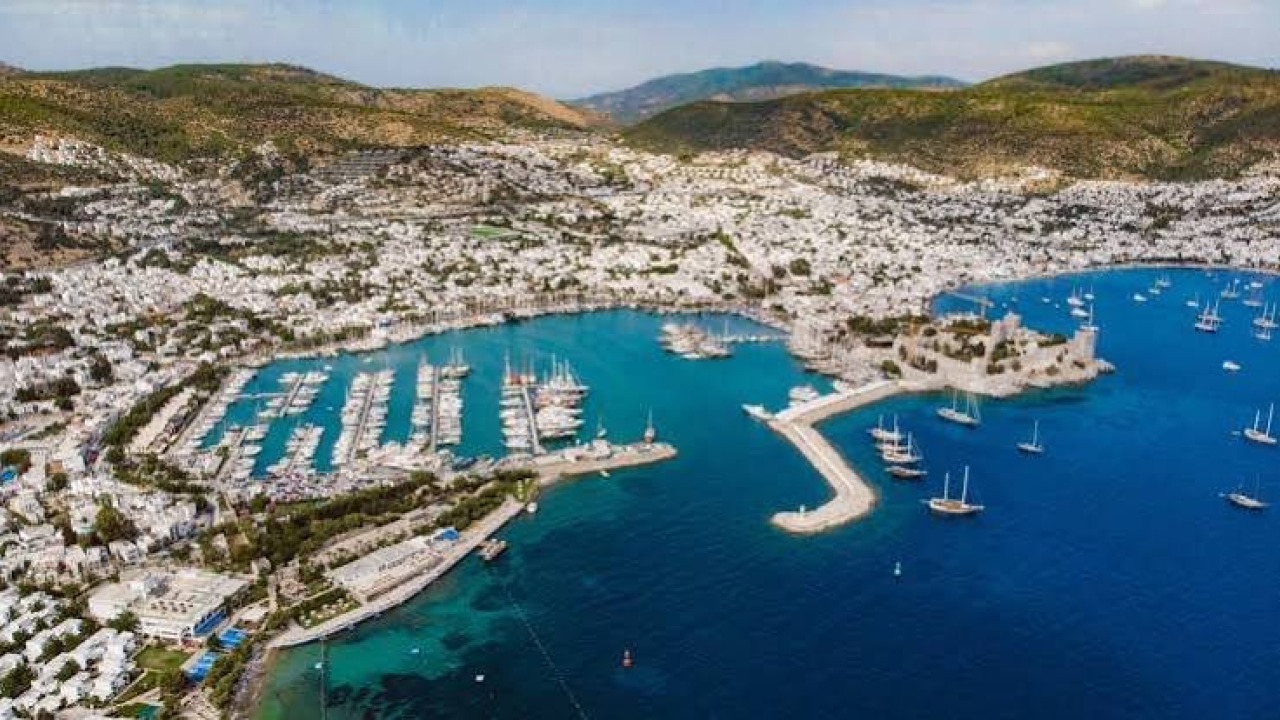
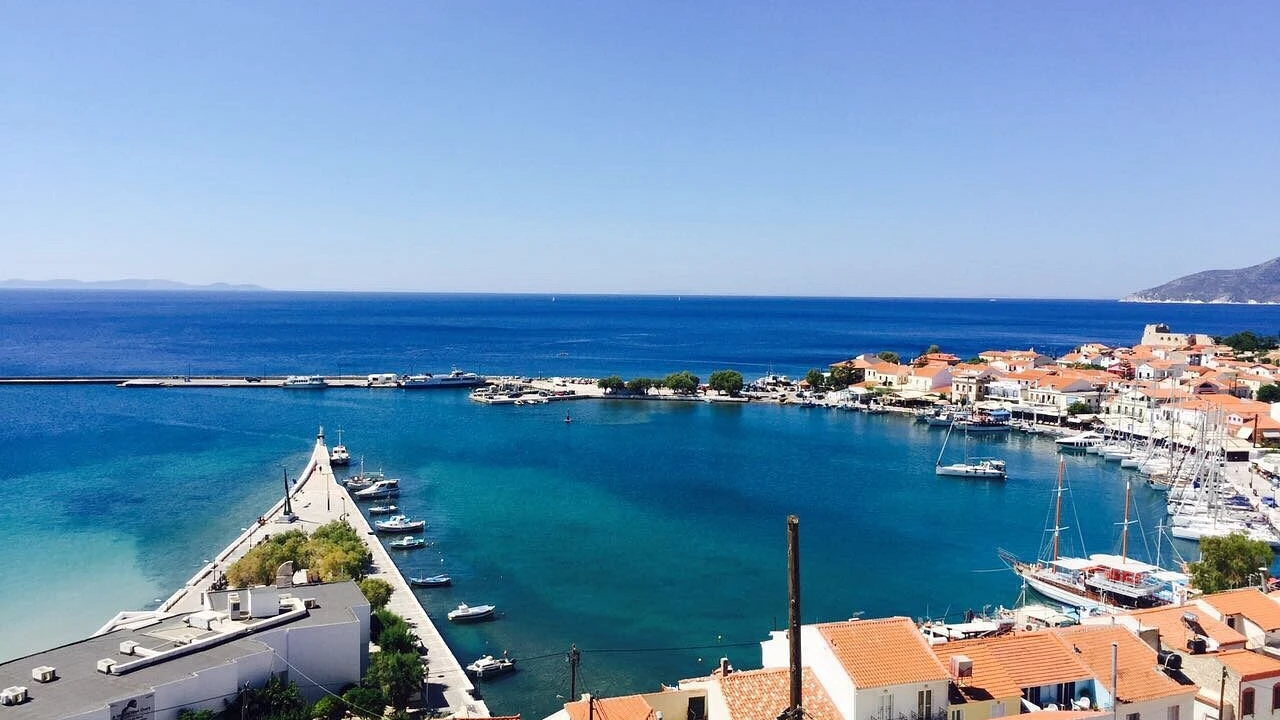
Pigeon Island Castle (Güvercinada Kalesi) is a historic defensive fortification perched on a small island at the entrance of the Kuşadası harbor, connected to the mainland by a scenic stone causeway. While the walking paths across the causeway and around the island are free to explore, a ticket is required only for the exhibition area inside the tower. This guide to Pigeon Island Castle covers everything from its deep-rooted history and architectural highlights to practical visiting information.
Visitors love strolling along the island's paths, exploring the Maritime Trade History Exhibition in the tower, and capturing panoramic photos of the Kuşadası coastline from the ramparts. For those who prefer to discover the city's cultural gems with an expert, Kuşadası city tours offer a deep dive into these historic landmarks.
Quick Facts
| Category | Detail | Location & Visit Info |
|---|---|---|
| Location | West end of Kuşadası Harbor | Approx. 10-min walk from the central promenade |
| Island & Causeway Access | Open to the public | No entrance fee for the island walk |
| Construction Period | Inner castle 16th century, walls 1826 | Stones for the walls were brought from Yılancı Burnu |
| Maritime Trade History Exhibition | Ticketed museum in the tower | As of Summer 2026: Full ticket 50 TL; Students (up to 25) free |
| Exhibition Hours | Open 7 days a week | 08:00 - 22:00; please verify via official site |
| Conservation Status | UNESCO World Heritage Tentative List | Added in 2020 as part of the Genoese trade route castles |
| Distance to Kadınlar Plajı | Southern coastline | Approx. 3 km from center, 10 min by dolmuş |
| Distance to Dilek Yarımadası | Güzelçamlı area | Approx. 28 km from center, 30-35 min by car |
| Zeus Mağarası | Next to the National Park entrance | 100-150m from the gate, approx. 30 min from center |
The History of Pigeon Island Castle and Nearby Attractions
The castle's history dates back to the late 13th and early 14th centuries when the Genoese settled in Kuşadası. Controlling the harbor entrance, the island served as a strategic defense point protecting the city from maritime raids. During the Ottoman era, specifically during the Morea Rebellion, the surrounding walls and inner castle were reinforced, maintaining their structural integrity to this day. In 2020, the site was added to the UNESCO World Heritage Tentative List as part of the Genoese trade route castles spanning from the Mediterranean to the Black Sea.
Travelers looking to blend the city's history with its surrounding gems can join comprehensive itineraries via Kuşadası day trip culture tours.
Architecture of the Walls and Inner Castle
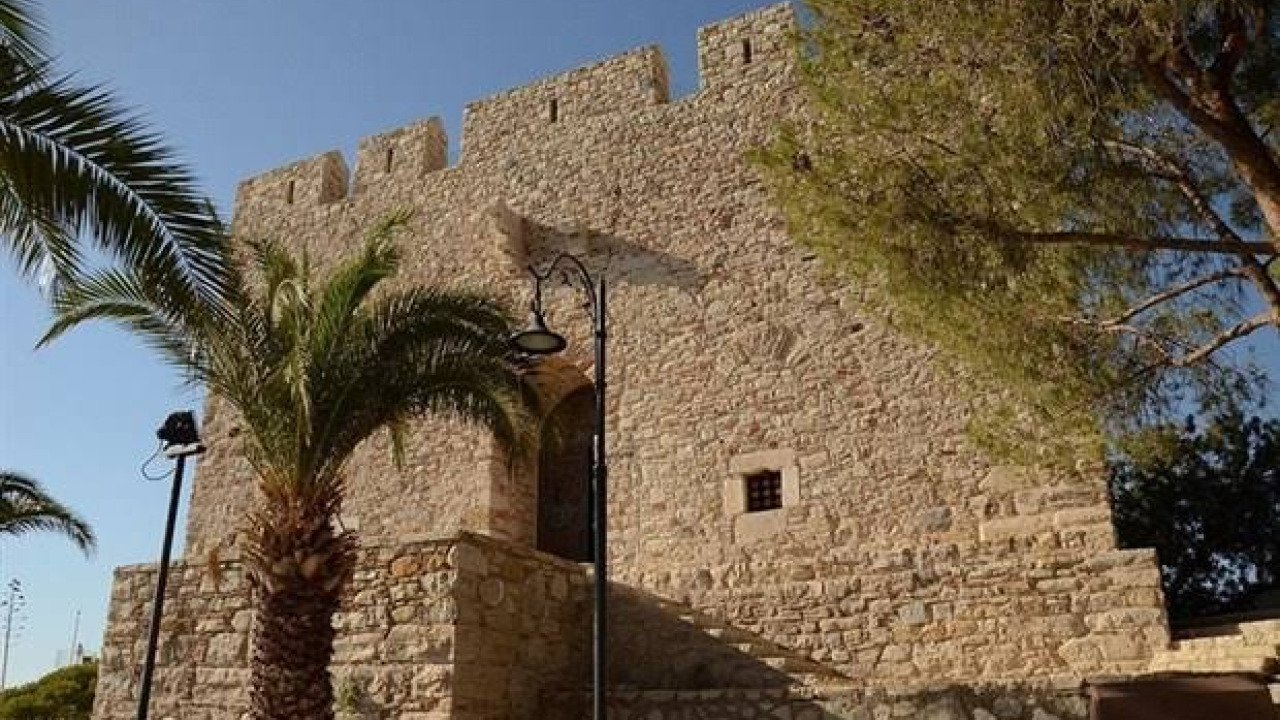
The inner castle was commissioned by Barbaros Hayrettin Pasha in the 16th century, while the surrounding walls, reaching approximately 3 meters in height, were built by İlyas Ağa in 1826. Interestingly, the stones used for these walls were transported from Yılancı Burnu on the opposite shore. The island was permanently linked to the mainland by a causeway constructed in the late 1950s.
The inner courtyard is a lush oasis of Mediterranean flora and olive trees, including the protected endemic Tülüşah plant. Inside the tower's Maritime Trade History Exhibition, visitors can find a fascinating collection of amphorae, trade seals, pocket scales, weights, coins, and traditional fishing gear dating back to the Roman, Byzantine, and Ottoman periods.
Dilek Yarımadası and Natural Heritage
Located about 28 km from the center of Kuşadası, Dilek Yarımadası is the perfect destination for those wanting to reconnect with nature after visiting the castle. A 10,908-hectare section was declared a National Park in 1966, and the Büyük Menderes Deltası was added in 1994, extending the protected area across Kuşadası, Söke, and Didim. The bays of İçmeler, Aydınlık, Kavaklıburun, and Karasu are renowned for their crystal-clear waters. Please note that there is an entry fee per person and vehicle; check the official website for current rates. For those seeking adventure, Kuşadası nature and adventure tours offer great ways to explore the national park.
Kadınlar Plajı and the Waterfront
After your island visit, head to Kadınlar Plajı, located about 3 km from the center. The promenade stretching along the coast, with its fine sands and cozy cafes, perfectly captures the vibrant spirit of the city.
Zeus Mağarası and the Karstic Pool
For a blend of history and nature, Zeus Mağarası is a must-visit. Located just a few minutes' walk (about 100-150 meters) from the National Park entrance, this cave features a deep, cool pool of water whose source remains a mystery. According to local legend, the cave is named after Zeus, who supposedly rested here while escaping the wrath of his brother Poseidon. Atop the hill where the cave is located lies Panionion, the ancient meeting center of the Ionian cities.
When is the Best Time to Visit Pigeon Island Castle?
| Season | Weather Conditions | Crowd Levels | Highlight Experience |
|---|---|---|---|
| Spring (April - May) | Mild and sunny; pleasant temperatures | Increasing; cruise traffic peaks in April | Easy walking and perfect photography |
| Summer (June - August) | Hot with afternoon breezes | Peak season | Sunset views and evening promenade strolls |
| Autumn (Sept - Oct) | Calm and warm; long daylight hours | Balanced | Quiet exploration of the exhibition area |
| Winter (Nov - March) | Cool, windy, and occasionally rainy | Low | Admiring the imposing walls in solitude |
How to Explore Pigeon Island Castle in One Day
Here is a suggested itinerary to make the most of your time in Kuşadası and at Pigeon Island:
- 09:30 AM: Start at the Kuşadası promenade and take a leisurely 10-minute walk across the causeway to reach Pigeon Island Castle.
- 10:00 AM: Explore the island's walking paths, visit the exhibition in the tower, and take panoramic photos of the harbor from the ramparts.
- 12:00 PM: Walk back to the city center to visit the historic Caravanserai, built in 1618 by Grand Vizier Öküz Mehmet Pasha, and explore the adjacent Kaleiçi bazaar.
- Afternoon: Take a 10-minute minibus ride to Kadınlar Plajı for a refreshing swim and some relaxation.
Pro Tips for Your Visit
To ensure your visit to Pigeon Island is seamless, keep these tips in mind:
- No ticket is needed to walk on the island or causeway; only the tower exhibition is ticketed (Open daily 08:00 - 22:00).
- Be mindful of the waves when walking on the stone causeway, especially on windy days.
- The ramparts offer stunning views during sunset, perfect for photography.
- Wear comfortable walking shoes for the stone paths and stairs.
- You can find unique local handicrafts at the stalls along the causeway.
Which Tours Should You Choose?
If you prefer to see the castle and nearby ruins with a professional guide, organized city tours are the way to go. To hear the expert stories behind the region's history, explore our guided Kuşadası culture tours.


Wrapping Up Your Pigeon Island Experience
Pigeon Island Castle stands as a symbol of Kuşadası's centuries-old relationship with the sea. The gentle sea breeze on the causeway and the quiet moments in the shadow of the walls are memories that stay with you long after your holiday. If you want to expand your itinerary to other stops in the region, our Aydın travel guide is the perfect resource.
Frequently Asked Questions 6
Is there an entrance fee for Pigeon Island Castle?
There is no fee to walk across the causeway or explore the island. However, the Maritime Trade History Exhibition in the tower requires a ticket; as of Summer 2026, the full ticket is 50 TL, and students up to age 25 enter for free. Please verify current rates before visiting.
How do I get to Pigeon Island Castle?
The castle is easily accessible by walking for about 10 minutes across the stone causeway that starts at the west end of the Kuşadası central promenade.
When was Pigeon Island Castle built?
The site's history dates back to the Genoese settlers of the late 13th and early 14th centuries. The inner castle was built in the 16th century by Barbaros Hayrettin Pasha, and the surrounding walls (approx. 3m high) were constructed in 1826 by İlyas Ağa.
What are the exhibition hours and what can I see inside?
The exhibition is open daily from 08:00 to 22:00. Inside, you can see a collection of amphorae, trade seals, pocket scales, hand scales, coins, and ancient fishing equipment.
Is Pigeon Island Castle on the UNESCO list?
Yes, in 2020, it was added to the UNESCO World Heritage Tentative List as part of the Genoese trade route castles spanning the Mediterranean and Black Seas.
What other places can I visit on the same day as the castle?
The Öküz Mehmet Pasha Caravanserai (1618) is within walking distance in the center. Kadınlar Plajı is about 3 km away, and the National Park entrance in Güzelçamlı is about 28 km away; Zeus Mağarası is located right next to the park gate.