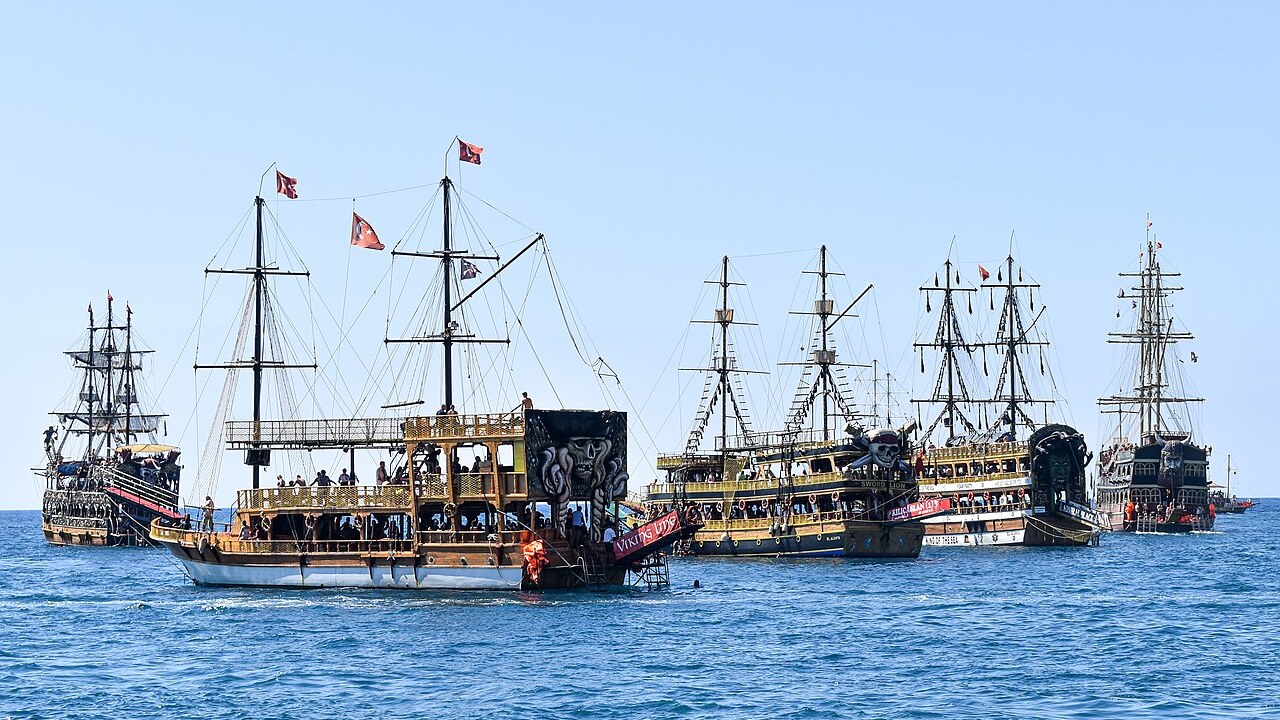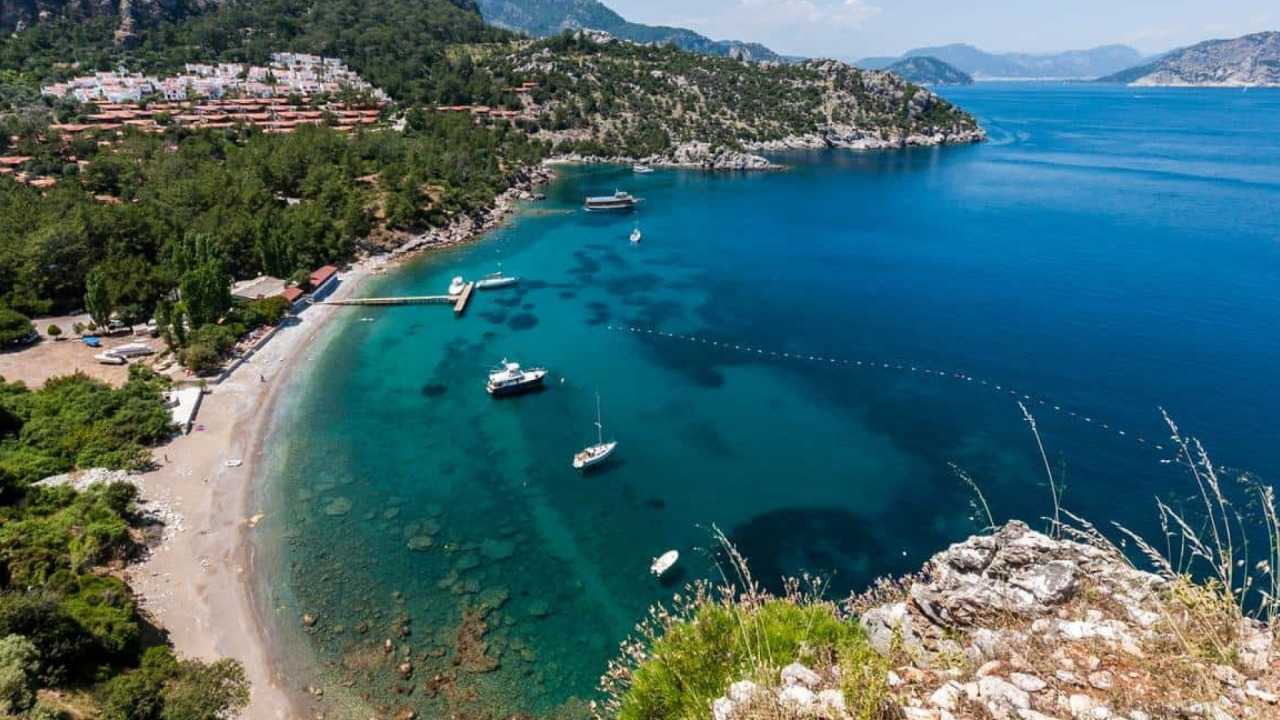

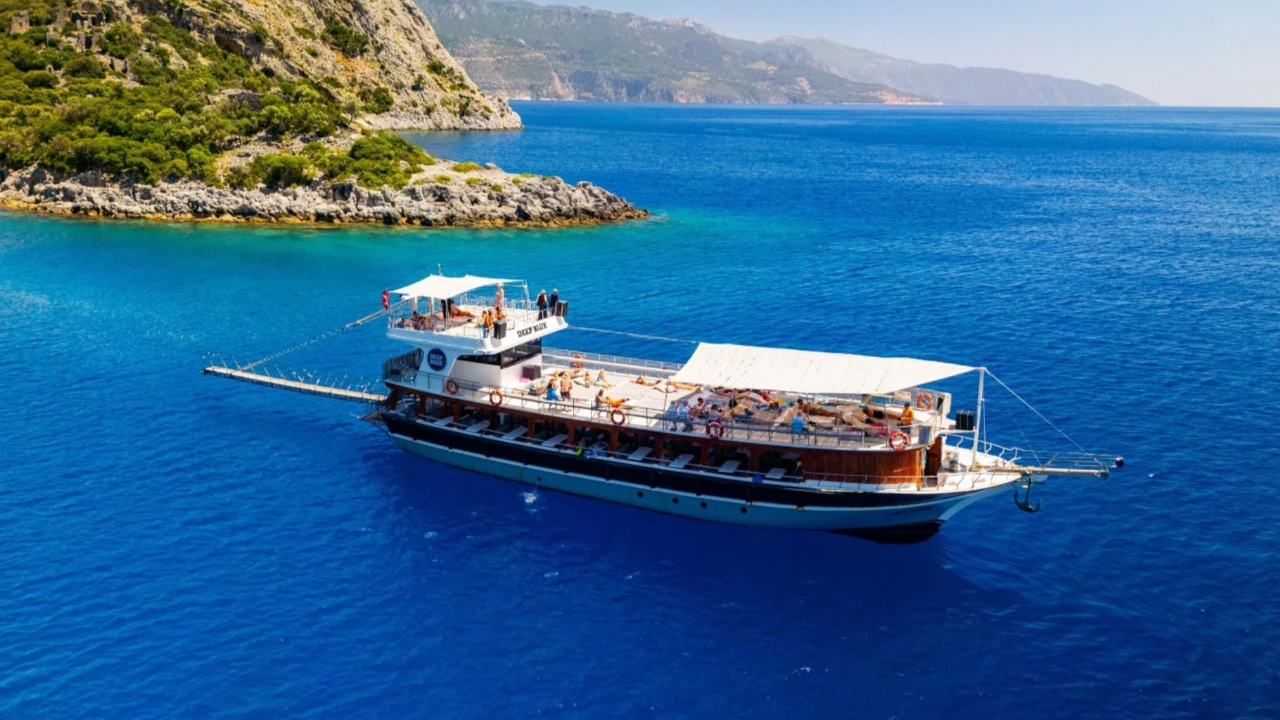
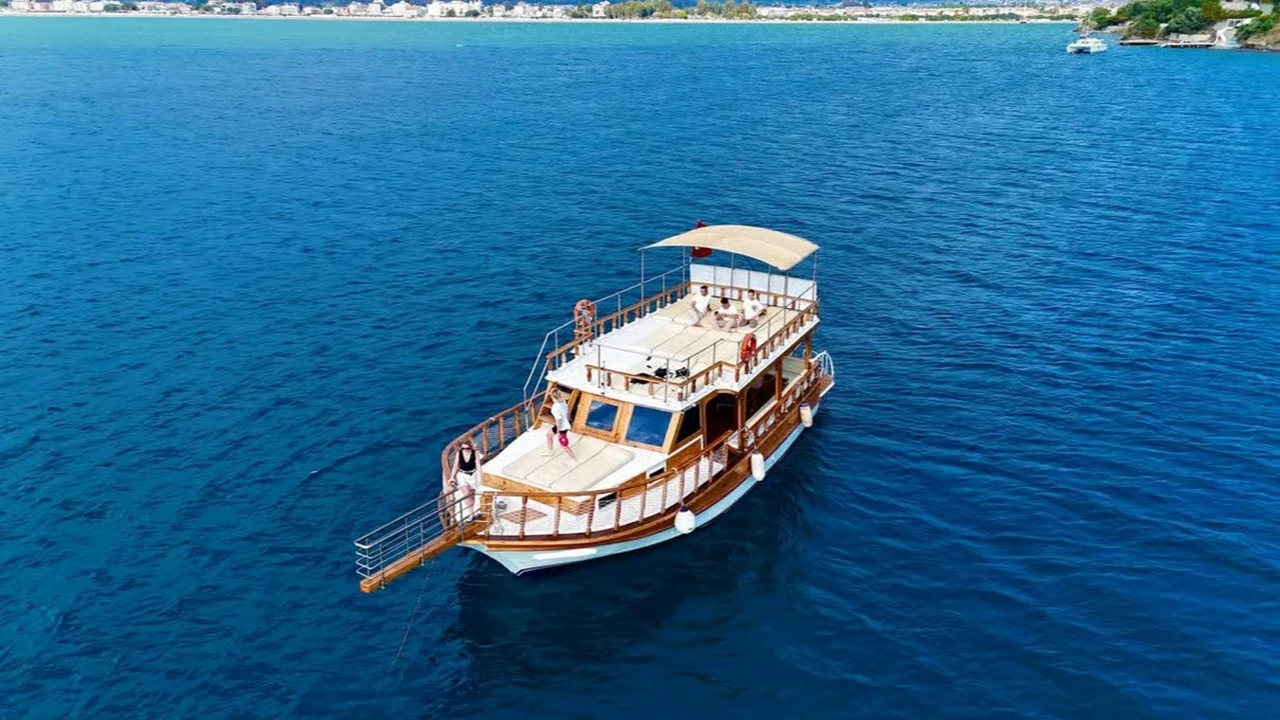
Full-day yacht trips are the perfect getaway for those looking to discover hidden coves and pristine, deserted beaches all in one go. Offering a seamless blend of nature and luxury, these excursions are the top choice for both domestic and international tourists in Turkey's coastal regions. To ensure a premium and secure experience managed by professional mariners, you can explore the professional 12 adalar tekne turları options in the region and start your journey today.
On these extended maritime routes, safety protocols are just as important as the quality of the organization. Frequent swimming breaks, open-deck sunbathing areas, and a diverse crowd of guests make proper crisis management essential. Therefore, it is critical for all participants to be aware of emergency exits, life jacket locations, and basic nautical rules. From preventing heatstroke to understanding evacuation scenarios, every guest shares a bit of responsibility for the collective safety of the trip.
The golden rule is simple: follow the crew's instructions to the letter, both before departure and while underway. While it's easy to get swept up in the holiday mood, avoiding risky areas of the boat and respecting swimming boundaries is the first step in ensuring your personal safety. In this guide, we will cover everything you need to know about the potential situations you may encounter on long cove routes and the vital details you must keep in mind.
Quick Tips and Essentials for Long Coastal Cruises
Every day, hundreds of boats set sail along Turkey's southern shores to showcase the natural beauty of the turquoise waters. Travelers show immense interest in routes along the Fethiye coast, excursions in the Göcek coves, trips departing from Marmaris, and programs in the Antalya gulf. This high volume of traffic makes yacht safety a paramount concern.
| Planning Step | Key Safety & Comfort Details for Day Trips |
|---|---|
| Clothing | Bring a spare swimsuit, a light shawl, and breathable t-shirts to avoid staying damp. |
| Footwear | Wear only rubber-soled water shoes to prevent slipping on wet decks. |
| Sun Protection | High-SPF sunscreen and wide-brimmed hats are absolute essentials. |
| Seasickness | Guests prone to motion sickness should prefer seating at the stern (back) or lower decks. |
| Swimming Rules | Non-swimmers are prohibited from entering deep water or limited to shallow shores. |
| Restricted Areas | Entry to the bridge, engine room, and crew quarters is strictly forbidden. |
Arriving at the marina at least thirty minutes before departure ensures a stress-free check-in and allows you to listen carefully to the safety briefing. When boarding, avoid rushing or running on the gangway (passarella), as this significantly increases the risk of falling overboard. Once on board, we recommend reviewing the deck signage and locating the life jackets immediately.
While larger yachts experience less vibration than small boats, wakes from passing vessels can cause sudden jolts. Therefore, if you are standing while the boat is moving, always hold onto the railings or fixed poles to eliminate the risk of falls and injuries. Exercise extreme caution and take slow, balanced steps when moving through narrow corridors.
Swimming Breaks and Water Safety Protocols
The stops at various islands and coves are the highlights of the trip, but they also require the most vigilance. Jumping into the water is strictly prohibited until the engines have completely stopped and the captain has given an explicit "all clear." Please use the rear platform or ladders in an orderly and safe manner when entering the water.
Currents and Boundary Awareness
Because seabed topography and underwater currents vary from one cove to another, swimming too far from the yacht is dangerous. Swimmers who stray too far risk entering the paths of other passing boats and may face delayed assistance in the event of a cramp. Captains are authorized to use whistles to warn swimmers and keep them within a visible range of the boat.
Essential Safety Rules for Families with Children
Full-day yacht trips are an attractive and relaxing option for families due to the immersive nature experience. However, the open deck environment can present unexpected hazards for active and curious children. Railing gaps, steep stairs, and wet surfaces require constant parental supervision.
Setting Boundaries on Deck
Crew members will prevent children from leaning over the sides of the boat, climbing railings, or walking on stairs unaccompanied. Because winds are stronger at the bow (front of the ship), young guests should be kept away from this area. Parents are responsible for keeping their children within sight at all times, including during swimming breaks, and ensuring they wear armbands or life vests.
Comparison: Sandy Beaches vs. Open Sea Environments
Standard sandy beaches and open-sea excursions differ completely in terms of guest expectations and atmosphere. Safety rules for both are shaped by the terrain and the nature of the time spent in the water. While the open sea offers a breathtaking visual feast, it comes with specific physical constraints.
| Criterion | Sandy Beach (Land Facility) | Open Sea & Coastal Activities |
|---|---|---|
| Water Entry | Gradual entry into shallow water from the shore. | Direct entry into open or deep water. |
| Surface Condition | Generally sandy; low risk of slipping. | Decks are constantly wet; non-slip surfaces are used. |
| Connectivity | Mobile networks and internet are generally available. | Signal often drops in remote coves and open sea. |
| Safety Focus | Sunburns and lost children are the primary risks. | Drowning, propeller hazards, and falls are monitored. |
| Evacuation Speed | Ambulances can provide rapid land-based response. | Medical intervention requires the boat to return to shore. |
On open-sea programs, life jackets are typically provided to those who struggle with swimming and are kept ready for emergencies. During swimming breaks in the coves, remember that other yachts may be anchored in the same area; avoid swimming between two vessels. Descending to the rear platforms while the boat is in motion is strictly forbidden due to the proximity to the propellers.
Spending an entire day under the sun can lead to significant dehydration and severe fatigue without you noticing. The combination of heat and fluid loss on deck can result in drops in blood pressure or heatstroke. Therefore, guests are advised to drink water regularly and rest in shaded areas, especially during the midday peak.
Open Deck and Wind Balance
When taking photos on the open terraces or at the bow, always be prepared for sudden jolts and wind gusts. Hold your phones or cameras firmly; do not let the wind knock your device out of your hand and into the sea. Please note that on stormy days with wind warnings, the captain may order certain terrace levels to be completely closed.
5-Step Emergency and Safety Protocol at Sea
In the event of an accident, engine failure, or water ingress, preventing chaos on a large passenger yacht is the highest priority. Civil maritime rules have standardized the behavior expected of passengers during a crisis. Overcoming a crisis with minimal loss depends entirely on remaining calm and listening to the crew.
- When the emergency siren sounds, leave your current area without panicking and proceed quickly to the nearest main assembly point.
- Never attempt to open life jacket lockers or put on a vest without the explicit instruction of the crew.
- In case of fire, always move low to the ground to protect your breathing, as smoke tends to rise.
- At the assembly point, avoid loud talking or panic-inducing screams; listen only to the captain's announcements via the microphone.
- Do not throw lifebuoys or emergency rafts overboard or jump into the sea unless a clear "abandon ship" order is given.
Panic Management and Crew Communication
The biggest mistake passengers make during emergencies is attempting to leave the vessel on their own and swim to shore. Even if you are a strong swimmer, battling a powerful current during a panic attack is nearly impossible. Since the entire crew consists of experienced professionals with maritime safety certifications, crisis management should always be left to them.
Health Precautions and Managing Seasickness
For individuals with a sensitive inner ear, the constant motion of the waves can cause nausea and severe dizziness. To prevent this, avoid heavy, overly greasy foods for breakfast. Keeping the stomach moderately full and avoiding carbonated drinks are simple yet effective ways to reduce the risk of seasickness.
- You may take a motion sickness tablet recommended by your pharmacist or doctor at least half an hour before the tour.
- While on board, rest your eyes and brain by focusing on the horizon line rather than fixed objects inside the boat.
- If you begin to feel nauseous, move quickly from the enclosed cabin to the fresh, windy air on deck.
Medical Facilities and First Aid
While smaller vessels may not have a dedicated infirmary, all tourist fleets carry standard, fully equipped first aid kits. The crew is trained in basic first aid and underwater search and rescue, ensuring they are ready for emergencies. Elderly passengers with chronic conditions are advised to keep their heart medications or emergency asthma inhalers easily accessible.
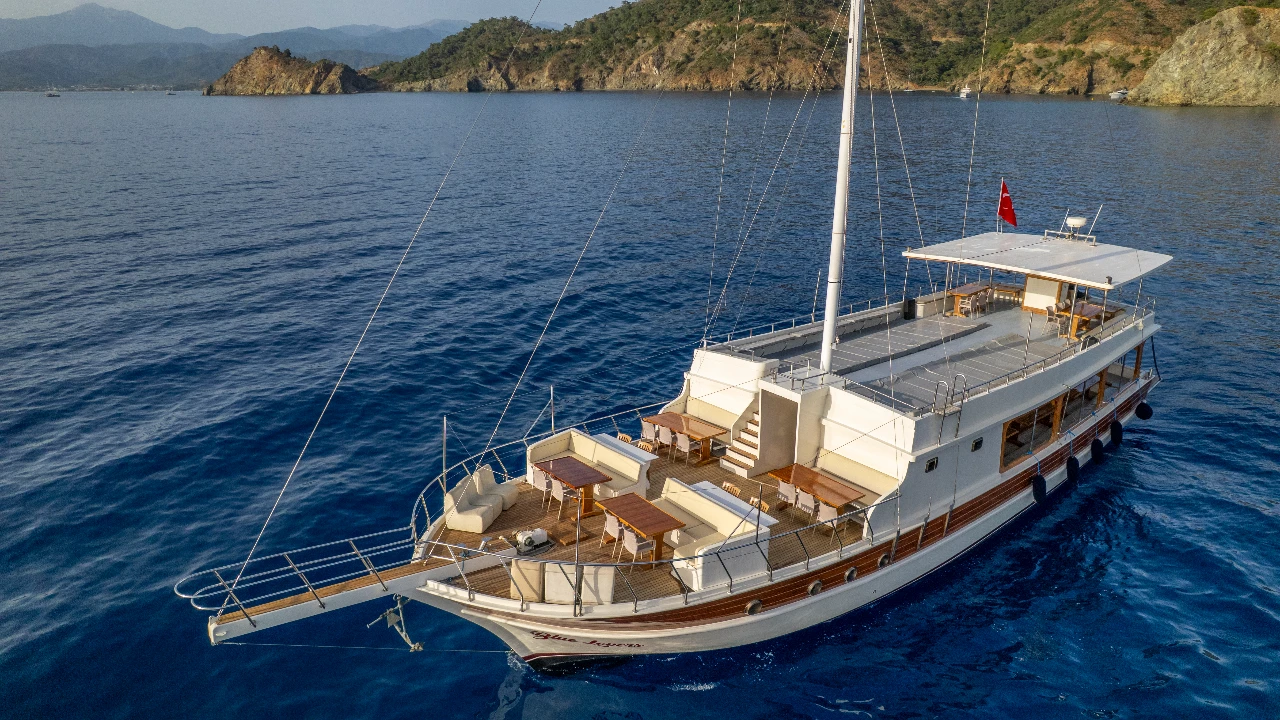
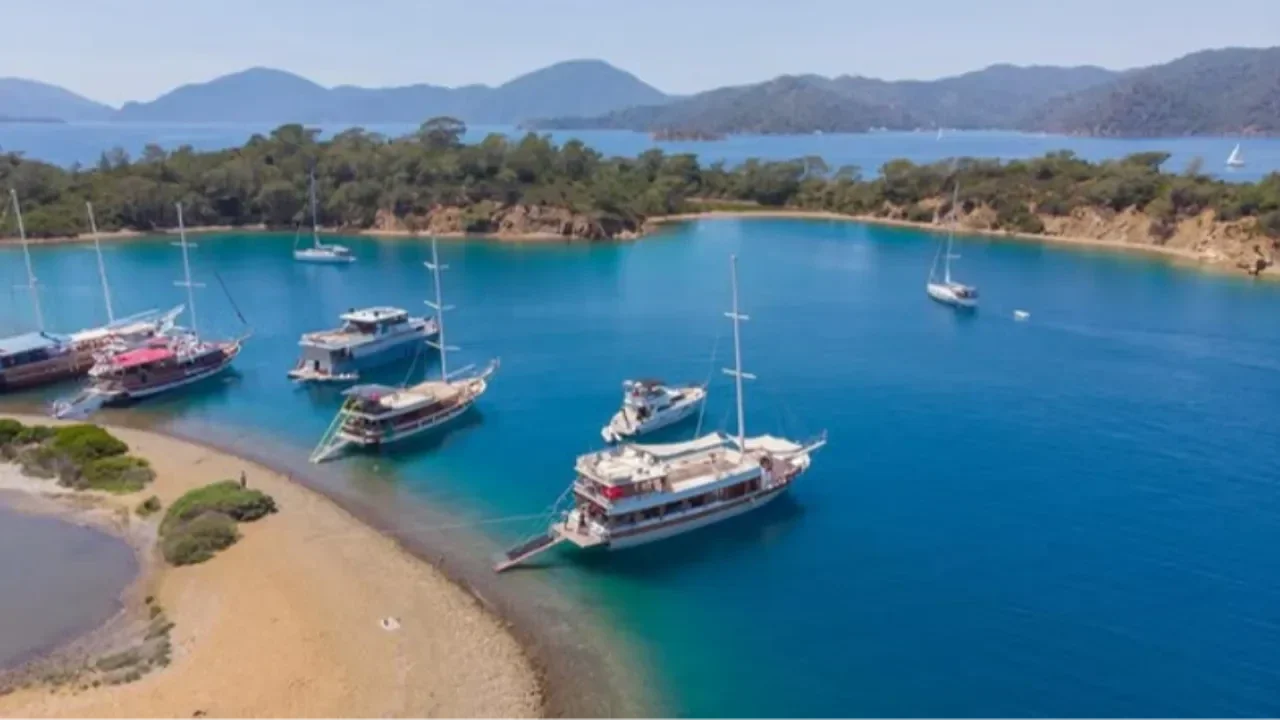
Frequently Asked Questions 5
Can non-swimmers participate in these trips?
Yes, they can. Swimming is not mandatory; guests can relax on board and enjoy the sun and the scenery.
Can I bring my own food or drinks on the boat?
Generally, according to the policies of the tour companies, bringing outside food or beverages on board is prohibited.
Can pregnant women join long yacht routes?
There is typically no issue with participating under normal weather conditions, but we recommend consulting a doctor regarding the risk of seasickness.
Where can I store my valuables during the tour?
Most large boats do not have safety deposit boxes; therefore, it is recommended to carry only the cash and belongings you actually need.
Are there opportunities to go ashore or go for walks on the islands?
Some islands have docking piers, and guests are permitted to go ashore for short nature walks.