Konya is far more than just Turkey's largest province by land area. It is an ancient epicenter that served as the capital of the Anatolian Seljuk Empire for over 200 years, the birthplace of the global Mevlevi philosophy, and home to Çatalhöyük, one of humanity's earliest settled agricultural societies. Many travelers mistake Konya for a mere quick bus stop centered around the Mevlana Museum.
However, for those who live like a local, Konya is defined by the exquisite Seljuk stonework surrounding Alaaddin Hill, the cool shade of plane trees in the Meram vineyards, the cobblestone streets of the 5,000-year-old Sille Greek village, and the irresistible aroma of fresh etliekmek wafting from local bakeries.
This comprehensive guide is designed to help you navigate your Konya journey: Who is this city best for? How should you plan around the Şeb-i Arus ceremonies? Where is the best place to stay, and how can you best experience the rich Seljuk heritage?
The Local's Quick Summary:
-
Best For: Sufism and spiritual seekers, Seljuk and Islamic art enthusiasts, UNESCO archaeology buffs (Çatalhöyük), and foodies hunting for authentic Central Anatolian cuisine.
-
Best Time to Visit: Spring (April–May) and Autumn (September–October). The Şeb-i Arus ceremonies take place annually from December 7–17 (be prepared for winter weather).
-
Ideal Duration: 2 full days (Day 1: Mevlana Tomb, Seljuk Madrasas, and Alaaddin Hill; Day 2: Sille Village, Butterfly Valley, and Çatalhöyük).
-
Where to Stay: Around Mevlana Square for history and walking access to the tomb; the Selçuklu district for modern hotels and metro connections; or Meram for nature and tranquility.
Quick Facts
Essential indicators to help shape your Konya itinerary:
| Parameter | Details & Local Tips |
|---|---|
| Geography | Central Anatolia / Turkey's breadbasket and former Seljuk capital |
| Accessibility | 1h 45m via YHT from Ankara; 4h 45m via YHT from Istanbul; Konya Airport (KYA) is 18 km from the center |
| UNESCO World Heritage | Çatalhöyük Neolithic Site (9,000 years of history); Eşrefoğlu Mosque (Beyşehir - Wooden Pillar Mosque) |
| City Transit | Alaaddin - Selçuk University and Alaaddin - Adliye Tram Lines |
| Must-Try Flavors | Bıçakarası and Etliekmek, Tandır Fırın Kebabı, Tirit, Bamya Çorbası, Sac Arası dessert |
| Connected Hub | Organized cultural and spiritual programs via Konya Tours |
Is Konya Right for You? Profile & Expectation Guide
Konya’s peaceful and mystical atmosphere should align with your travel style.
| Traveler Profile | Suitability | Why or Why Not? |
|---|---|---|
| Spiritual & Faith Tourism | ⭐⭐⭐⭐⭐ (Perfect) | A spiritual hub featuring the tomb of Mevlana Celaleddin-i Rumi and the shrine of Şems-i Tebrizi. |
| Seljuk & History Buffs | ⭐⭐⭐⭐⭐ (Perfect) | The stone and tile craftsmanship in the İnce Minareli and Karatay Madrasas is world-class. |
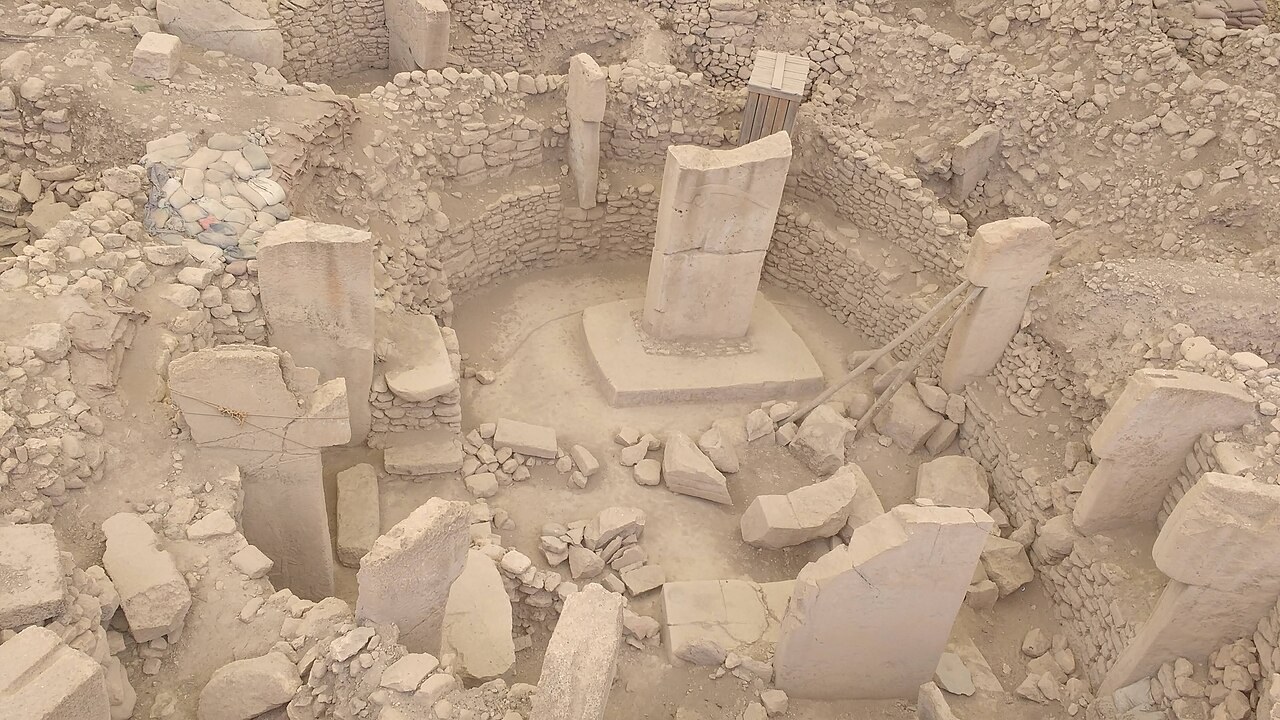
| Archaeology Enthusiasts | ⭐⭐⭐⭐⭐ (Perfect) | Home to Çatalhöyük, considered one of the world's first planned cities with 9,000 years of history. |
| Families with Kids | ⭐⭐⭐⭐ (Very Good) | The Tropical Butterfly Valley, 80 Binde Devr-i Alem Park, and the Science Center are great for children. |
| Nightlife Seekers | ⭐ (Not Recommended) | There is no clubbing or late-night party culture; social life revolves around cafes and tea gardens. |
When to Go: A Month-by-Month Seasonal Guide
Konya has a typical steppe continental climate; winters are biting and snowy, while summers are hot and dry.
Spring (April – June): The Blooming Steppe & Most Comfortable Season
This is the most pleasant time to visit, with wildflowers blooming and temperatures hovering between 20-25°C. It is ideal for exploring the open courtyards of the madrasas, relaxing on Alaaddin Hill, or enjoying an outdoor breakfast in Sille.
Summer (July – August): Hot and Slow Days
Daytime temperatures can reach 33-37°C. However, since there is low humidity, the shade remains bearable. The local rule is to visit museums (Mevlana Museum, Karatay Tile Museum, Panorama Museum) during the heat of the day and head to the Meram vineyards in the late afternoon.
Autumn (September – November): Peak Culture Season
September and October offer perfect conditions for photography and history lovers, both in terms of temperature and lighting. Walking through the open excavation sites at Çatalhöyük is much more comfortable during these months.
Winter (December – March): Mystical Şeb-i Arus & Steppe Frost
December is the most vibrant month for Konya. Tens of thousands of people arrive from around the world for the Şeb-i Arus (The Night of Reunion) ceremonies held from December 7–17. Hotels book up months in advance. Warm wool sweaters, hats, and gloves are essential to combat the steppe chill.
Where to Stay: Accommodation Comparison
Your choice of neighborhood in Konya will determine your proximity to the tram system and major landmarks.
| District | Atmosphere & Character | Advantages | Things to Note |
|---|---|---|---|
| Mevlana Square & Karatay | Historic, mystical, spiritual heart | A 2-minute walk to the Mevlana Tomb; markets and restaurants are right at your doorstep. | The streets become very quiet after the tomb closes in the evening. |
| Alaaddin & Zafer (Center) | The city heart, shopping streets, cafes | Central tram hub, easy public transport in all directions, lively local commerce. | Parking is difficult; driving in and out of the center can be congested. |
| Selçuklu District | Modern Konya, luxury business hotels, malls | International chain hotels, spacious rooms, proximity to the YHT Station and bus terminal. | Requires a tram or taxi (15-20 mins) to reach historic sites. |
| Meram | Natural, green, villas and relaxation | Peace and quiet, centuries-old plane trees, a nature-focused stay. | Located 7-8 km from the center; a car or taxi is essential. |
The Local's Recommended Route: A Complete 2-Day Konya Itinerary
A 48-hour plan to experience Konya's spiritual peace and culinary delights without rushing:
mermaid graph TD A[Day 1: Mevlana Tomb, Seljuk Madrasas & Fırın Kebabı] --> B[Day 2: Sille Village, Tropical Butterflies & Çatalhöyük]
Day 1: Spirituality, Seljuk Architecture, and the Historic Bazaar
-
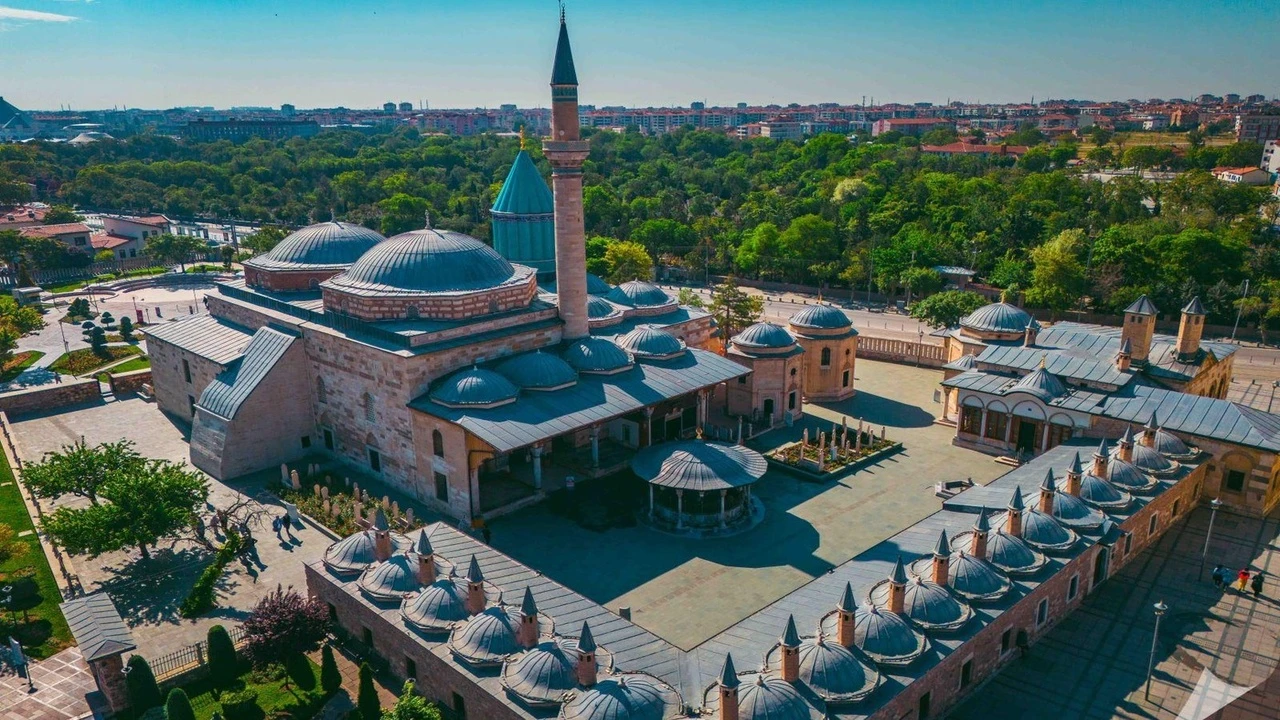
09:00, Mevlana Tomb and Museum: Start your day early in the shadow of the Green Dome (Kubbe-i Hadra). Visit the dervish cells, the matbah (kitchen), and experience the peaceful atmosphere of Mevlana Celaleddin-i Rumi's shrine.
-
11:00, Şems-i Tebrizi Tomb and Park: Walk to the shrine of Mevlana's spiritual companion, Şems-i Tebrizi, to soak in the mystical energy.
-
12:30, A Historic Fırın Kebabı Feast: Head to the established kebab houses near the Aziziye Mosque to taste lamb fırın kebabı, slow-cooked for 4-5 hours in a stone oven over oak wood, served over fresh pide.
-
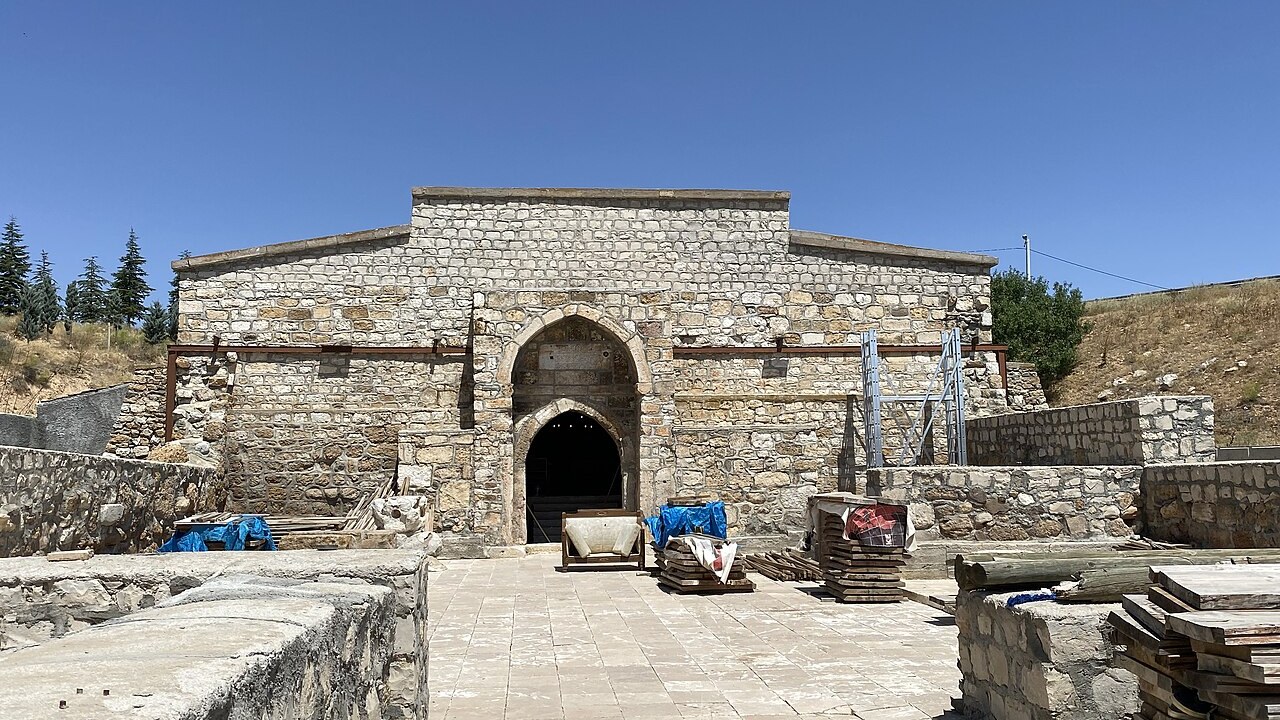
14:00, Karatay Madrasa (Tile Museum): Marvel at the masterpiece Seljuk mosaic tile dome. Then, visit the famous İnce Minareli Madrasa (Stone and Wood Works Museum) right across the street, known for its stunning carved stone portal.
-
16:00, Alaaddin Hill and the Sultans' Tombs: Explore Alaaddin Mosque, one of Anatolia's oldest Seljuk mosques, and pay your respects at the tombs of the Seljuk sultans.
-
19:30, Dinner with Etliekmek: Visit one of Konya's famous bakeries to try authentic bıçakarası and etliekmek, thin, crispy dough topped with minced meat, and end your day with a sac arası dessert.
Day 2: 5,000 Years of Village Life, Butterflies, and the Cradle of Humanity
-
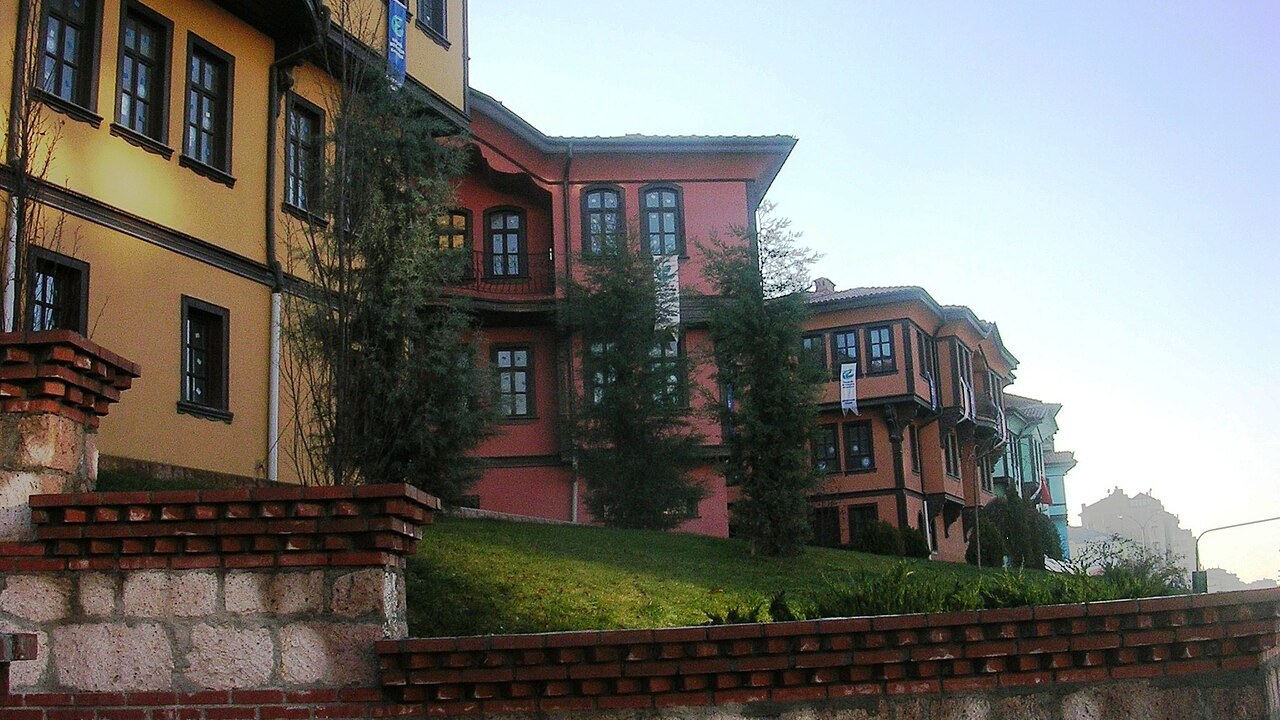
09:30, Sille Historic Village: Head to Sille, a historic Greek village 8 km from the center. Explore the Aya Eleni Church dating back to the Early Christian era, the rock tombs, and the wooden mansions; don't forget to try the local Sille çöreği (bread) baked in stone ovens.
-
12:00, Konya Tropical Butterfly Valley: Watch thousands of tropical butterflies dance within a botanical garden at one of Europe's largest butterfly flight enclosures.
-
14:00, Çatalhöyük Neolithic Site (UNESCO): Travel 45 km from the city center to Çatalhöyük. Discover the world's first "streetless" houses and mudbrick structures entered through roofs, learning about the first settled village model from 9,000 years ago via expert guides.
-
17:30, Tea Break in Meram Vineyards: On your way back to the city, stop by the Meram vineyards, praised by the traveler Evliya Çelebi. Complete your journey with a brewed tea under the shade of ancient plane trees.
Getting to Konya: Transport and Routes
Konya is a strategic railway and road junction in southern Central Anatolia.
-
High-Speed Train (YHT, The Most Comfortable Choice): The Ankara-Konya line takes only 1 hour 45 minutes. From Istanbul (Söğütlüçeşme/Pendik), you can reach Konya Train Station in approximately 4 hours 45 minutes. From the station, the city center is just a 7-8 minute taxi or minibus ride away.
-
By Air: Konya Airport (KYA) is 18 km from the city center. There are daily direct flights from Istanbul Airport and Sabiha Gökçen. HAVAŞ shuttles run in sync with flight arrivals to Anıt Meydanı.
-
City Transit: Konya's tram network is highly modern. You can travel seamlessly from the Alaaddin Hill center toward Selçuklu, the Bus Terminal (Otogar), or the Courthouse (Adliye). Contactless credit cards and the KonyaKart are accepted.
Neighboring Regions and Connected Routes
-
Lake Beyşehir and Eşrefoğlu Mosque: Located 90 km from Konya, this magnificent Seljuk mosque with wooden pillars sits by Turkey's largest freshwater lake.
-
Akşehir (Land of Nasreddin Hoca): The tomb of the famous folk hero Nasreddin Hoca and the historic Akşehir houses are just 1.5 hours away.
-
Guided Tours: To organize a spiritual and historical journey following in Mevlana's footsteps, check out the detailed itineraries on our Konya Tours page.


Frequently Asked Questions 5
When are the Şeb-i Arus ceremonies held, and how can I get tickets?
The Şeb-i Arus ceremonies are held annually from December 7-17. Tickets are released on Ministry of Culture portals during the autumn months.
What is the difference between Etliekmek and Lahmacun?
Etliekmek is made with a long, crispy dough up to 1 meter in length; it contains no garlic or tomato paste, only fresh meat, tomatoes, and peppers.
How do I get to Çatalhöyük, and is there an entrance fee?
It is located in the Çumra district, 45 km from Konya center. You can reach it by private car, and the Museum Pass is accepted.
What are the rules for entering the Mevlana Tomb in Konya?
Entry is completely free. Visitors are expected to dress respectfully in accordance with place of worship etiquette.
What are the best souvenirs to buy in Konya?
Popular souvenirs include Mevlana sugar, traditional sac arası dessert, freshly roasted Mevlana coffee, and Sille handicrafts.