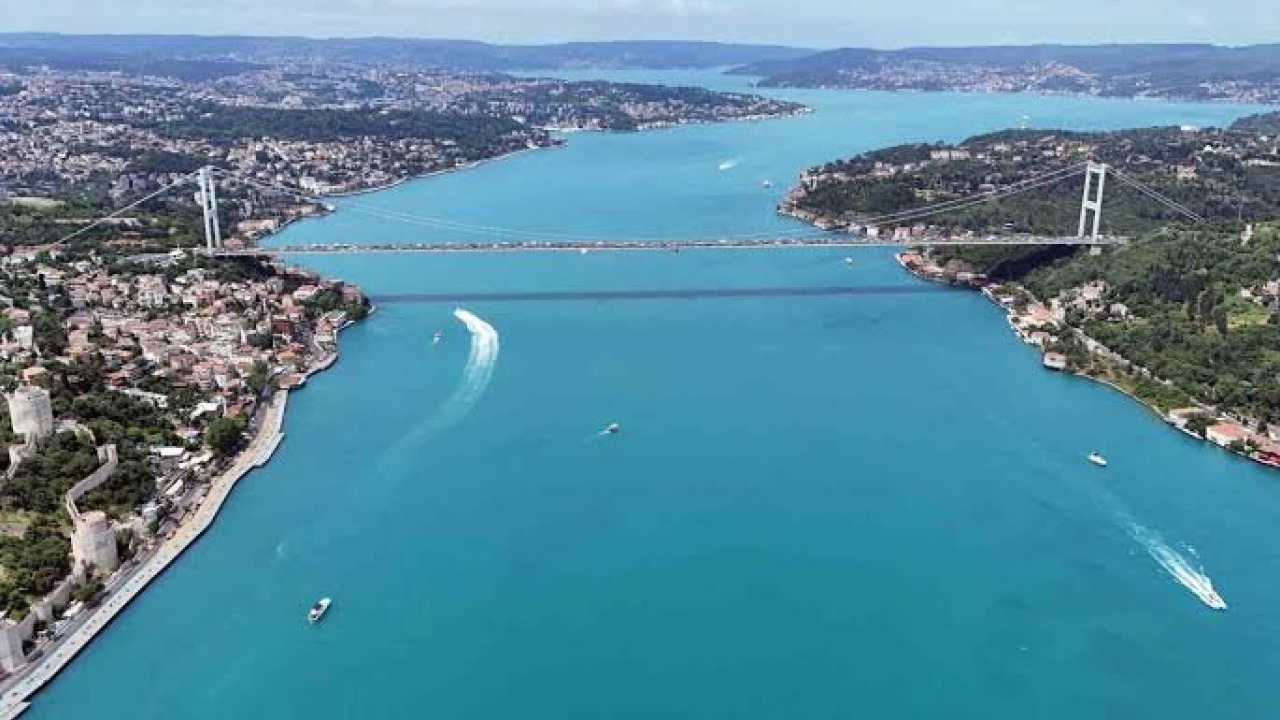

For those of us who live here, the Bosphorus isn't just a tourist stop, it's the heartbeat of the city. It's the ferry we take to work in the morning and the shoreline we wander in the evening to escape the urban chaos. To a local, "exploring the Bosphorus" isn't about a checklist of sights; it's a series of choices: which side of the city, which district, what time of day, and what vibe.
This waterway, stretching between the north and south, doesn't just divide Europe and Asia; it binds them together. Intercontinental travel happens here via public ferries, sea taxis, and car ferries, all while commercial shipping lanes keep the global economy moving. In essence, the Bosphorus is simultaneously a breathtaking vista and a hardworking maritime highway.
This guide is designed to help you navigate these waters and choose the right route, season, and duration for your visit.
Local's Quick Tip: To truly experience the Bosphorus, one full day is usually enough. The most classic local route is taking the "Long Bosphorus Tour" from Eminönü to Anadolu Kavağı, or strolling the coastline between Bebek and Arnavutköy before visiting Rumeli Hisarı.
Quick Facts
| Topic | Summary |
|---|---|
| Location | The strategic waterway separating the European and Asian sides of Istanbul |
| Best Time to Visit | April and May; rainfall drops significantly, and temperatures are mild |
| Hottest Months | July and August, with long-term averages around 24.7 °C |
| Coldest Month | January, with long-term averages around 6.8 °C |
| Rainiest Month | December, averaging 99.2 mm |
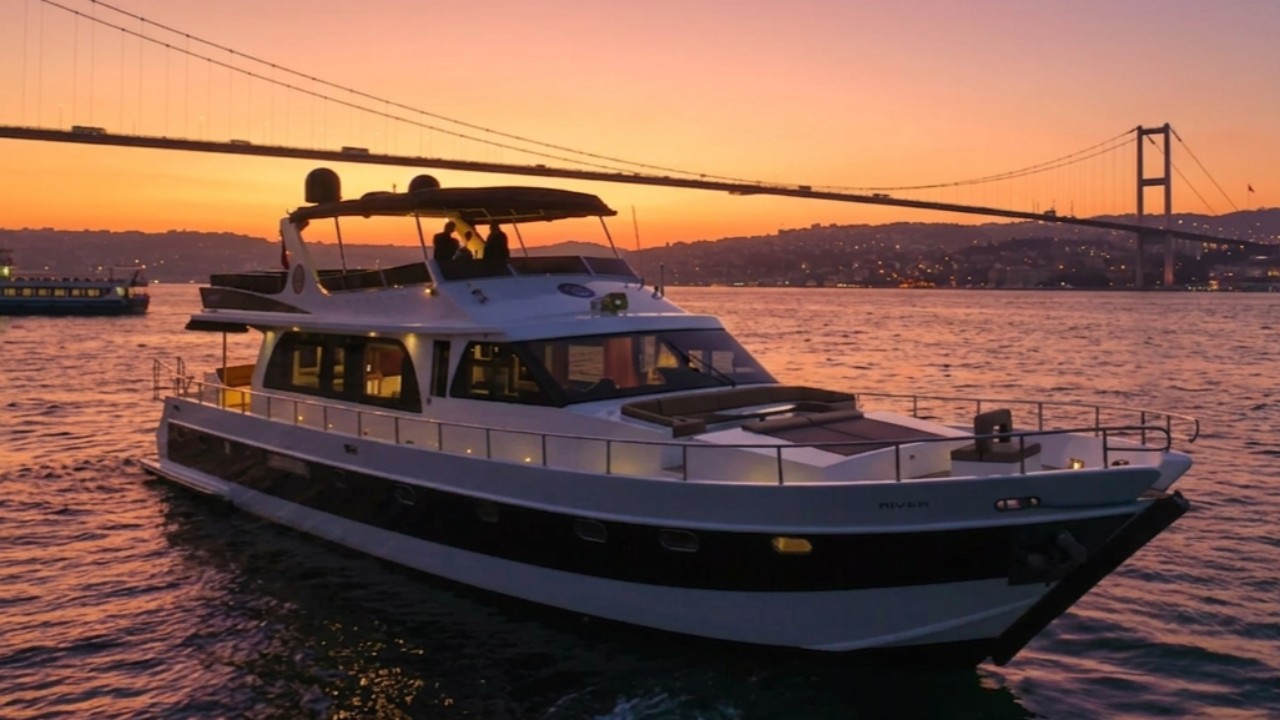
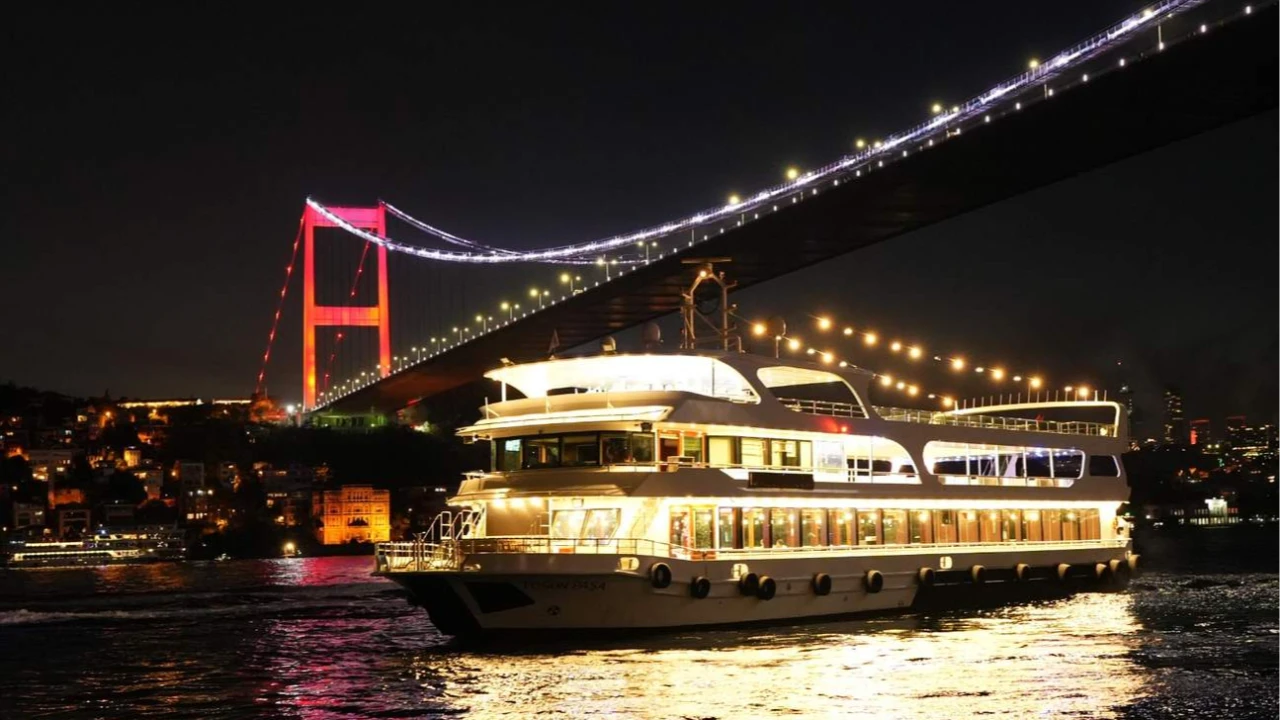
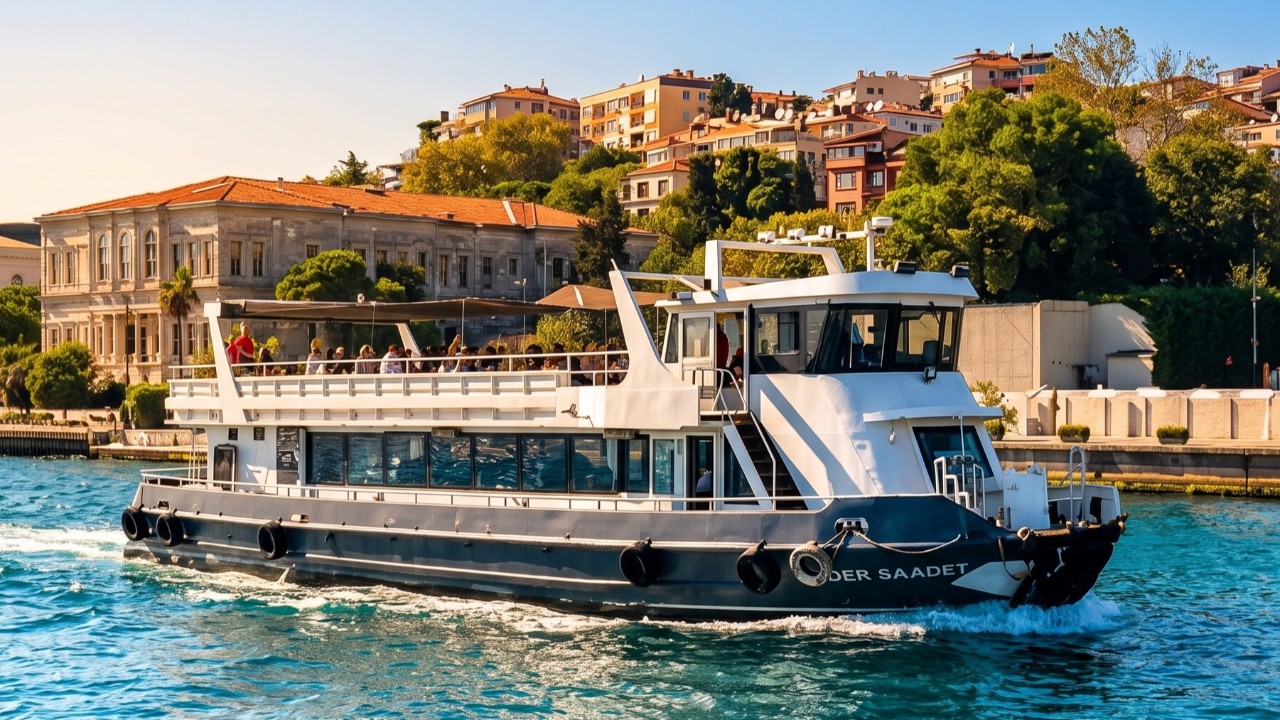
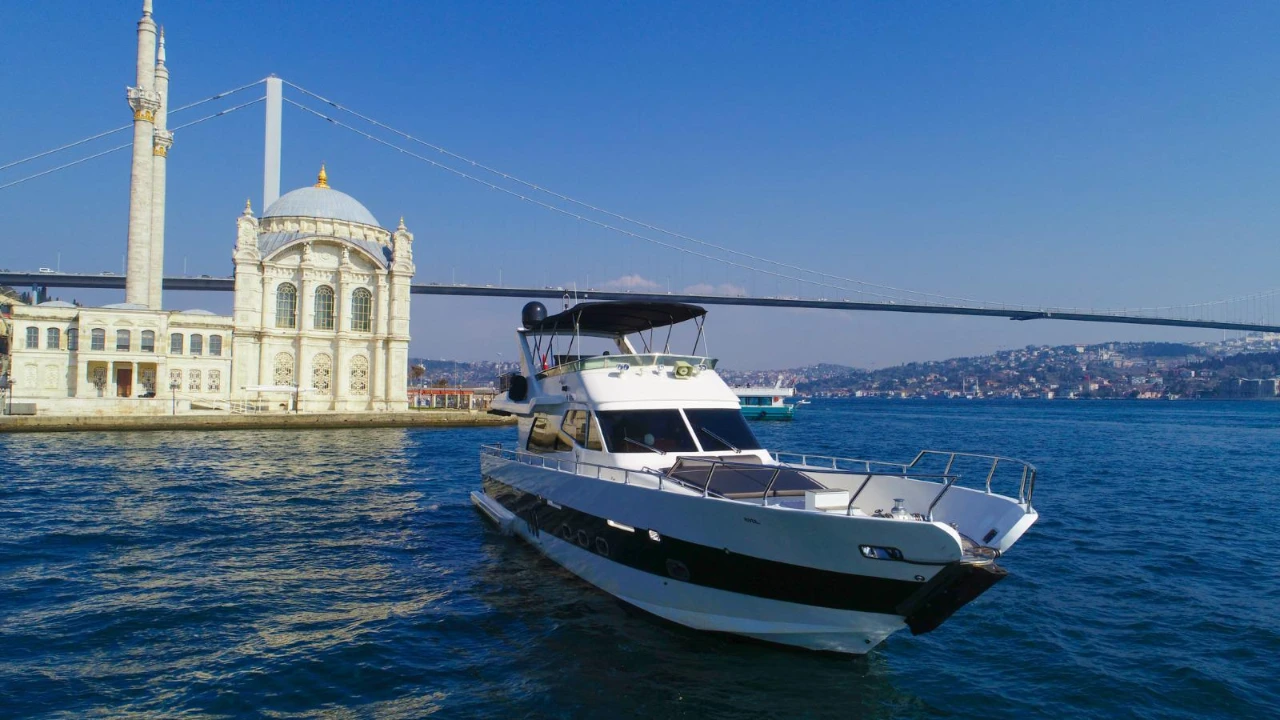
| Cruise Options | City Line ferries, 2-hour short cruises, 6-hour long tours, private boats, and luxury yachts |
| Classic Long Route | Departing Eminönü; visiting Beşiktaş, Üsküdar, Kanlıca, Sarıyer, Rumeli Kavağı, and Anadolu Kavağı |
| Recommended Duration | Scalable from a half-day to two full days |
| Palace Note | Dolmabahçe Palace is closed on Mondays; opens at 09:00, ticket office closes at 17:00 |
| Primary Transport | Ferries, sea buses, and intercontinental ferry lines |
Who is it for? Profile & Season Matching
The Bosphorus offers something different to everyone. A local will always ask who you are and when you're visiting before suggesting a route. Based on long-term climate data and ferry schedules, here is our recommended matching guide:
| Profile | Spring (Mar-May) | Summer (Jun-Aug) | Autumn (Sep-Nov) | Winter (Dec-Feb) |
|---|---|---|---|---|
| Families | Ideal for long tours; the stop at Anadolu Kavağı gives kids room to explore | Choose early morning departures before the decks heat up | September is still warm, and the summer crowds have thinned | Pair a palace visit with a ferry ride in the enclosed heated cabins |
| Couples | Romantic walks in Ortaköy and Çengelköy, followed by a short cruise | Evening programs timed perfectly for the sunset | The quiet, serene stretch between Kanlıca and Küçüksu | A short cruise followed by a long, cozy coffee break by the shore |
| Budget Travelers | Hop between continents using the regular City Line ferries | Mid-week departures to avoid the peak summer crowds | Coastal walks in early October before the rains begin | Free panoramic viewpoints and hilltop parks |
| Photographers | Extra cruises are often announced for the Judas Tree (Erguvan) bloom | Harsh light; wait for the "Golden Hour" | Crystal clear skies and fewer crowds | The opposite shoreline silhouette shifts beautifully with the mist |
| First-Timers | Get to know the southern section with a short cruise | A 2-hour format is plenty in the summer heat | The most balanced period for a full-day long tour | Focus on the southern section and museum-heavy itineraries |
| Returning Visitors | Explore the northern forts and groves | Experience the slow rhythm of the Asian side coastline | Hiking and walking around Beykoz | A traditional Çengelköy breakfast and seaside stroll |
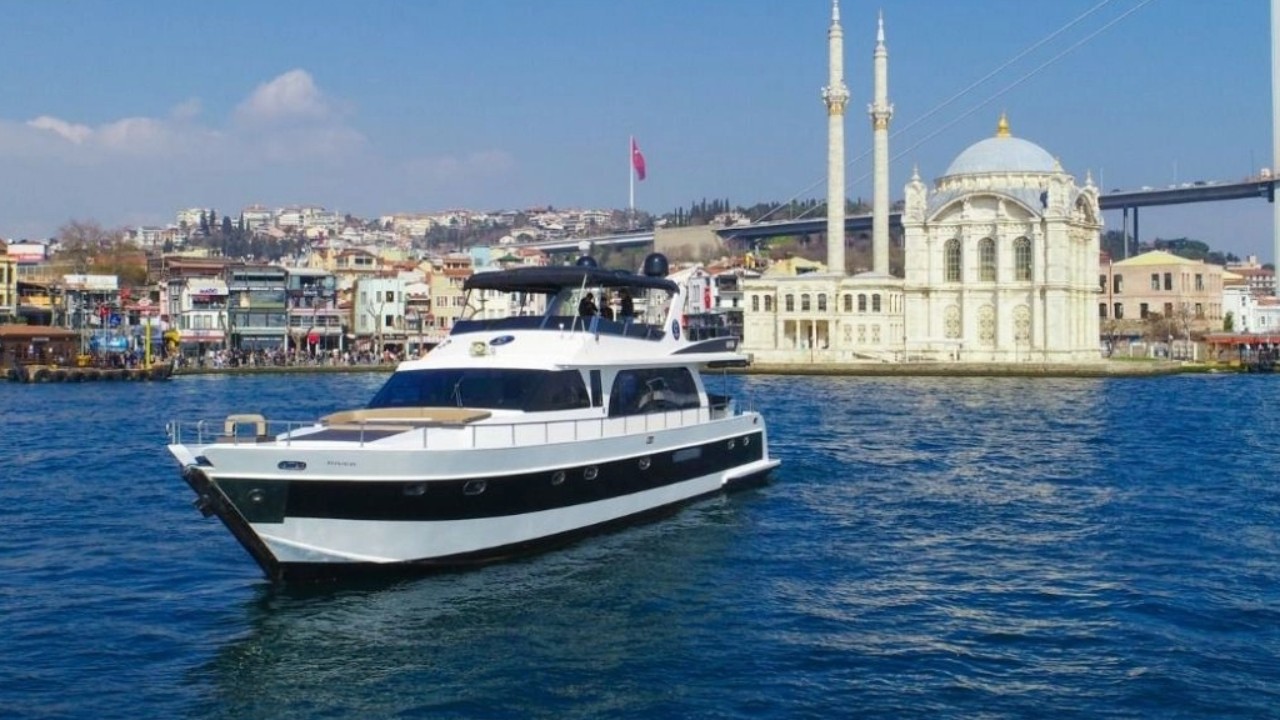
For couples or those coordinating a large group, having control over the departure time makes all the difference. In these cases, private yacht and VIP boat options allow you to create a custom itinerary without being tied to a public schedule.
When to Visit: A Local's Monthly Guide
Locals plan their Bosphorus trips based on rainfall rather than just temperature. On average, rain peaks in December (99.2 mm) and hits its lowest in July (22.1 mm). April and May represent the "sweet spot", rainfall drops and the weather is perfectly mild for outdoor exploration.
| Month | Avg Temp | Avg Rainfall | Local's Recommendation |
|---|---|---|---|
| January | 6.8 °C | 88.8 mm | Combine a short cruise in the enclosed cabin with a palace visit |
| February | 6.9 °C | 70.7 mm | Visit on weekdays; the piers are peaceful and empty |
| March | 8.5 °C | 62.3 mm | The weather begins to clear up for coastal walks |
| April | 12.9 °C | 47.8 mm | Rain decreases; perfect for outdoor plans and the Erguvan bloom |
| May | 17.6 °C | 32.9 mm | The most balanced month of the year for the long tour |
| June | 22.2 °C | 27.6 mm | Crowds increase; opt for early morning departures |
| July | 24.7 °C | 22.1 mm | Stick to shaded decks and evening programs |
| August | 24.7 °C | 23.9 mm | Spend midday indoors; hit the water in the evening |
| September | 21.2 °C | 39.7 mm | The water is still warm, and the summer rush is over |
| October | 16.7 °C | 66.3 mm | Rain increases; keep your itinerary flexible |
| November | 12.6 °C | 78.1 mm | Plan a day focused on museums and palaces |
| December | 9.0 °C | 99.2 mm | Rainiest month; stick to short cruises and cozy indoor spots |
One more detail: ferry schedules change between summer and winter. The winter schedule is usually announced in early September. Always verify departure times via the current schedule before finalizing your plans, especially for the long tour.
Which Part of the Bosphorus is Right for You?
To a local, saying "I'm going to the Bosphorus" is too vague. The waterway has at least six distinct characters, and one cannot replace the other. When asked what there is to see, a local's answer is vast: waterfront palaces, facing fortresses, fishing villages, groves, hilltop parks, and the rhythmic pulse of the ferries.
A huge portion of Istanbul's "must-see" list is concentrated along this shore. The following table breaks down the highlights of each section.
| Bosphorus Section | Key Highlights | Best For... | Local's Note |
|---|---|---|---|
| Southern Entrance (Eminönü & Karaköy) | Galata Bridge, Galata Tower, Büyük Valide Han | First-timers, those with half a day | Most cruises start here; it's the easiest access point |
| European Mid-Section (Beşiktaş & Ortaköy) | Dolmabahçe Palace, Ortaköy Mosque, Ortaköy Waterfront | Those wanting palaces and posh shores | This area has the highest concentration of luxury hotels |
| European North (Rumeli Hisarı & Sarıyer) | Rumeli Hisarı, 15 July Martyrs Bridge, Rumelifeneri Castle | Hikers, those escaping the crowds | It gets cooler as you go north; bring an extra layer |
| Asian South (Üsküdar Line) | Maiden's Tower, Fethi Paşa Grove, Beylerbeyi Palace | Sunset seekers | The best silhouette of the city is seen from here at dusk |
| Asian Mid-Section (Çengelköy & Küçüksu) | Çengelköy, Küçüksu Pavilion, Anadolu Hisarı | Those seeking authentic seaside vibes | This is the heart of Istanbul's breakfast culture |
| Asian North (Beykoz & Anadolu Kavağı) | Yoros Castle, Beykoz Pavilion, Otağtepe, Yuşa Hill | Full-day explorers, nature lovers | This is the stop for the long tour; don't miss your return boat! |
| Panoramic Points | Çamlıca Hill, Ulus Park, Süleymaniye area | Photography enthusiasts | For those who prefer the view from above rather than from the water |
Your choice of accommodation often depends on these zones. Bosphorus-view hotels are mostly clustered between Beşiktaş and Ortaköy and around the bridge. The Asian side offers more scattered accommodation but a much quieter, more residential daily life.
Recommended Themes for Your Visit
Rather than trying to see everything in one day, picking a theme leads to a much more satisfying experience. Here are the four main themes we recommend.
Heritage and Palaces
The waterfront heritage trail consists of Dolmabahçe Palace, Beylerbeyi Palace, Küçüksu Pavilion, and Beykoz Mecidiye Pavilion. Rumeli Hisarı and Anadolu Hisarı are the two facing fortresses marking the narrowest point of the Bosphorus. If you choose this theme, avoid Mondays: Dolmabahçe Palace is closed, and the ticket office closes at 17:00, making late afternoon visits risky.
Panoramas and Hilltops
For those who want to look down on the Bosphorus, Çamlıca Hill, Ulus Park, Otağtepe, and Yuşa Hill are the top picks. Standard "best view" lists always include Galata Tower, the terraces around Süleymaniye, Büyük Valide Han, and the Mecidiye Pavilion terrace at Topkapı Palace. If you have a car, the coastal road and bridge viewpoints offer a great alternative route.
The On-Water Experience
The only way to truly understand the Bosphorus is to be on the water. City Line ferries are part of daily commuting, while tourist cruises are split into 2-hour short formats and 6-hour long formats. Depending on your group size and time, you can compare options on the Bosphorus Tours page.
For those seeking larger vessels with spacious decks, we have a dedicated section for ship and boat options.
Breakfast and Seaside Rituals
Life on the Bosphorus revolves around food. For a local, Çengelköy is synonymous with breakfast, specifically the legendary Tarihi Çınaraltı Family Tea Garden. Another favorite local route is the walk from Cihangir down through Karaköy toward Galataport, punctuated by specialty coffee stops.
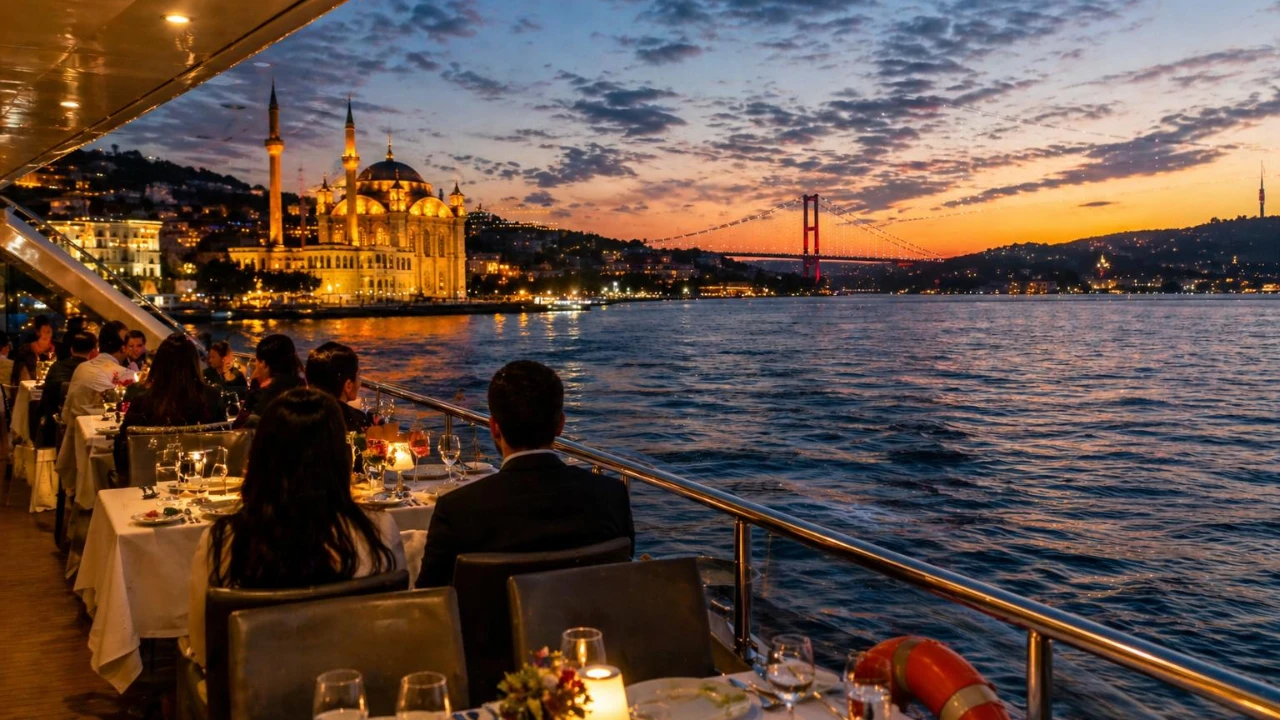
For those who prefer to spend their evening on the water, Bosphorus dinner cruises are a popular and elegant category.
How to Get There and Get Around
There is no single "entrance" to the Bosphorus; you simply connect to it from within the city. Here is the logical flow:
- Pick a starting point. On the European side, Eminönü, Karaköy, Beşiktaş, and Ortaköy are the most popular. On the Asian side, Üsküdar is the primary hub.
- Cross continents. Use the City Line ferries. In addition to standard ferries, sea buses and car ferries provide frequent intercontinental transit.
- For a quick glimpse, take the short cruise. These 2-hour trips (departing Eminönü, Üsküdar, or Ortaköy) cover the Maiden's Tower, Dolmabahçe Palace, Ortaköy Mosque, the Bridge, and Beylerbeyi.
- For the full experience, take the long tour. Departing from Eminönü, this trip goes through Beşiktaş, Üsküdar, Kanlıca, Sarıyer, and Rumeli Kavağı before stopping at Anadolu Kavağı. It takes about six hours in total.
- Explore by land. Add the coastal roads and bridge viewpoints to your itinerary; this is especially useful for exploring the northern Asian side.
- Set your own schedule. Look into private boats or yachts to avoid public timetables and create your own route.
Budgeting Tips: - Public Ferry Prices: City Line fares are published on their official website and updated periodically. Check the current TL rate before your trip. - Private Tours: Private yacht prices are usually for the entire boat, not per person. - Entry Fees: Palace and museum tickets are separate from cruise fares; however, combined ticket packages are often available. - Seasonal Shifts: Remember that summer and winter schedules differ, with the switch happening in early September.
How Many Days Should You Allocate?
A half-day is enough for a short cruise of the southern section. A full day allows for the long tour and a break at Anadolu Kavağı, meaning your entire day is spent on the water. Two days is the most balanced option: one day on the water and a second day walking the coastline of one of the shores.
For a detailed breakdown of activities at every stop, check our Bosphorus Activities and Experiences Guide.
When deciding on duration, keep in mind: - The long tour takes most of the day; it's hard to fit in a palace visit on the same day. - Mondays rule out palaces; use that day for cruises or coastal walks. - Between October and December, rainfall increases, so having a "buffer day" for outdoor plans is wise.
Neighboring Areas and Connected Routes
The Bosphorus acts as its own geography within Istanbul but is fed by its neighbors. To the south lies the Historical Peninsula and Galata, an area dense with mosques and museums that follows its own logic. As you move north, the vibe shifts toward fishing villages, groves, and forts.
Many visitors planning a holiday around Istanbul build their itinerary around this line. Sarıyer and Beykoz are the most practical ways to escape the city and enter nature without leaving the city limits. For a comprehensive plan covering the whole city, our Istanbul Programs provide a framework beyond the Bosphorus.
The Neighborhood Map: - Southwest: The Historical Peninsula; a dense, walkable museum district. - South: Galata and Karaköy; the gateway to the Bosphorus waters. - North: Sarıyer and Beykoz; the nature-heavy northern tip. - East: The inner neighborhoods of the Asian side; authentic daily city life away from the shore.
Frequently Asked Questions 6
Is it possible to see the Bosphorus in one day?
Yes, but that day will be almost entirely spent on the water. The long tour, including the trip to Anadolu Kavağı and the return, takes about six hours. When choosing this, factor in the time to reach the pier and recover afterward; adding a palace visit to the same day is generally unrealistic.
Which should I choose: the short or long City Line cruise?
The short cruise takes two hours and departs from Eminönü, Üsküdar, or Ortaköy. It covers the Maiden's Tower, Dolmabahçe Palace, and the Bridge, perfect for those with limited time, families with children, or those visiting during a heatwave. The long tour goes all the way to the northern tip via Kanlıca and Sarıyer; it's ideal for those with a full day who want to see the coastal villages.
Which side of the Bosphorus is more practical for accommodation?
Most hotels with Bosphorus views are on the European side, between Beşiktaş and Ortaköy. This is advantageous as most cruises depart from here or Eminönü. Accommodation on the Asian side is more spread out, but the Üsküdar and Çengelköy lines offer a quieter base for those wanting to experience daily local life. If your plan is water-heavy, stay on the European side; if you prefer coastal walks, the Asian side is a great fit.
What can I do on the Bosphorus on a Monday?
Monday is the day to skip the palaces, as Dolmabahçe Palace is closed. Locals use this day for the water or the shore. Taking a short or long cruise, walking the coast in Çengelköy or Ortaköy, or visiting panoramic points like Çamlıca Hill are ideal Monday activities. Forts and groves are also great options.
Where do locals go for breakfast on the Bosphorus?
On the Asian side, Çengelköy is the top choice, specifically the Tarihi Çınaraltı Family Tea Garden. On the European side, the route from Cihangir down to Karaköy and Galataport is a favorite for those planning a morning around specialty coffee shops. Be aware that these areas get crowded quickly on weekend mornings, so an early start is recommended.
How much does a City Line Bosphorus tour cost, and where can I find the price?
Fares for the municipality-run City Line ferries are published on their official website and updated periodically. We recommend verifying the current TL amount before your trip. When budgeting, keep three items separate: the ferry fare, palace/museum entry fees, and any private boat costs. Private yacht prices are usually for the entire vessel, making them more affordable for larger groups. Museum entries are not included in cruise fares, though combined tickets may be available.