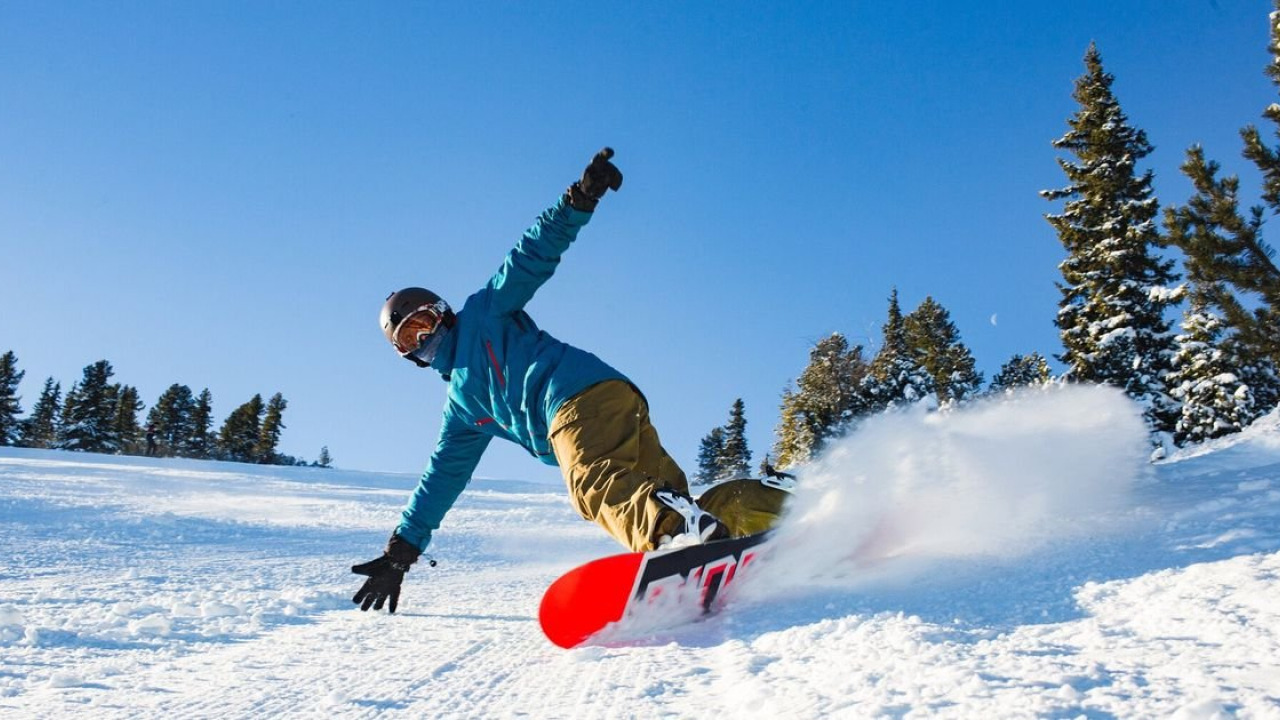
As winter descends, the snow-capped peaks of Turkey become a playground for adrenaline seekers and those yearning for a sense of absolute freedom. Trading two skis for a single board to defy gravity transforms a standard winter holiday into an unforgettable adventure. Through professional guidance and organized winter excursions, our snowboard turları ve kış aktiviteleri provide the perfect environment to master the fundamentals of balance and modern slope etiquette.
The secret to enjoying the ride lies in three pillars: choosing the right gear, mastering your center of gravity, and respecting the shared rules of the mountain. Whether you are carving your first turn or looking to refine your technique, this guide covers the current global standards of winter sports to ensure your excitement is matched by your safety.
Snowboarding Quick Facts: Before You Hit the Summit
| Feature | Essential Summary for Riders |
|---|---|
| Regulatory Framework | Turkish Ski Federation (TKF) & FIS International Safety Rules |
| Stance Selection | Regular (left foot forward) or Goofy (right foot forward) |
| Essential Safety Gear | Impact-resistant helmet, wrist guards, back protector, and goggles |
| Slope Difficulty Levels | Green (Beginner), Blue (Intermediate), Red (Advanced), Black (Expert) |
| Binding Angle Standards | Freestyle (Duck stance: +15° / -15°) or All-Mountain (+18° / +3°) |
| Peak Season | Late December to late March (optimal snow base) |
Premier Snowboarding Destinations in Turkey
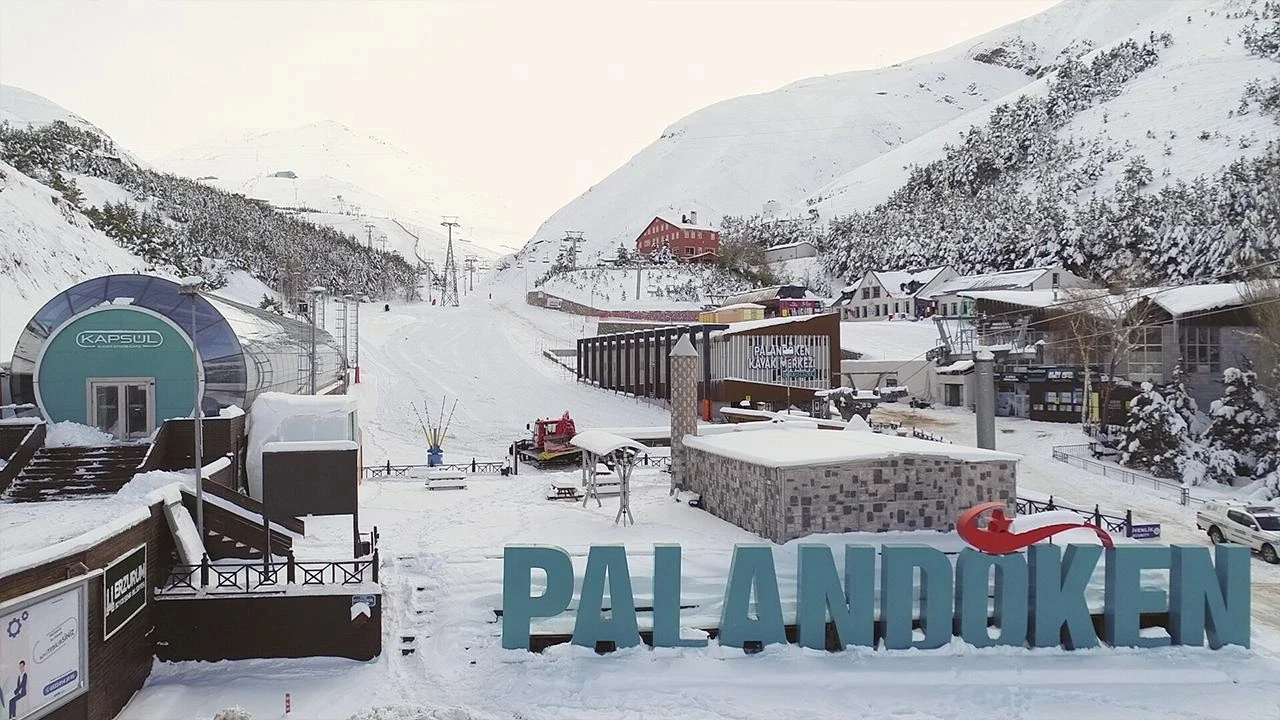
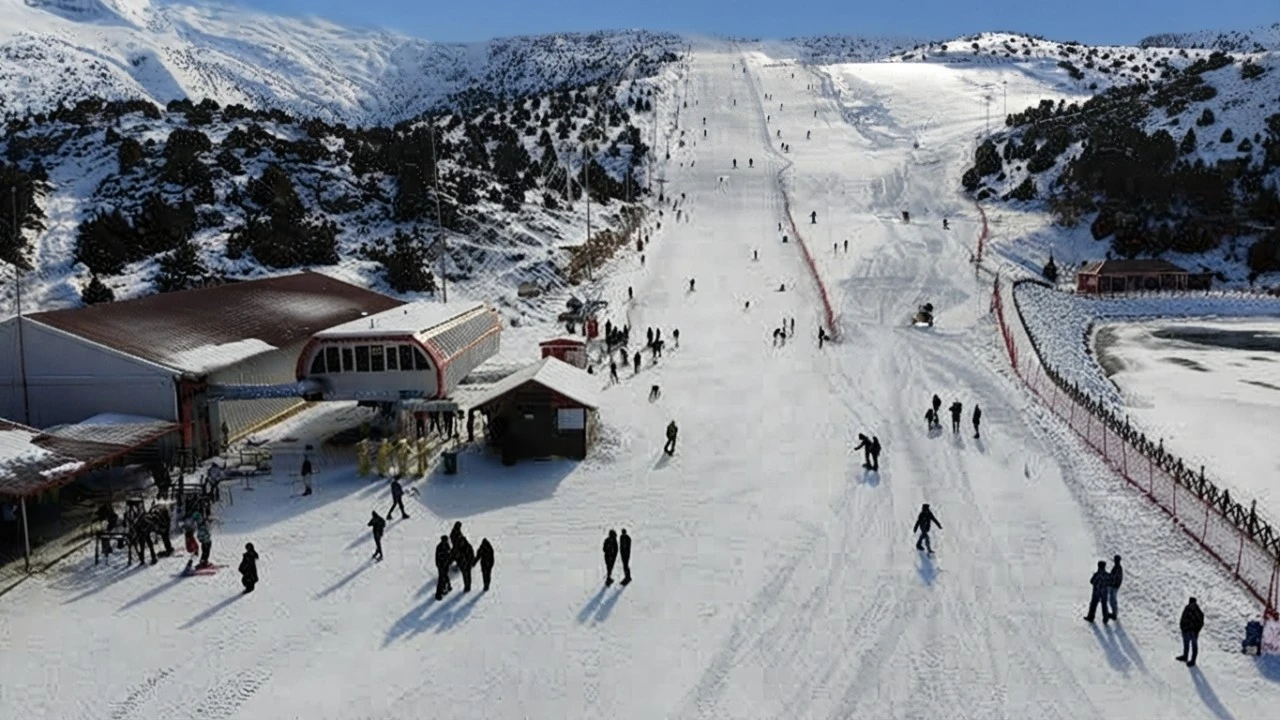
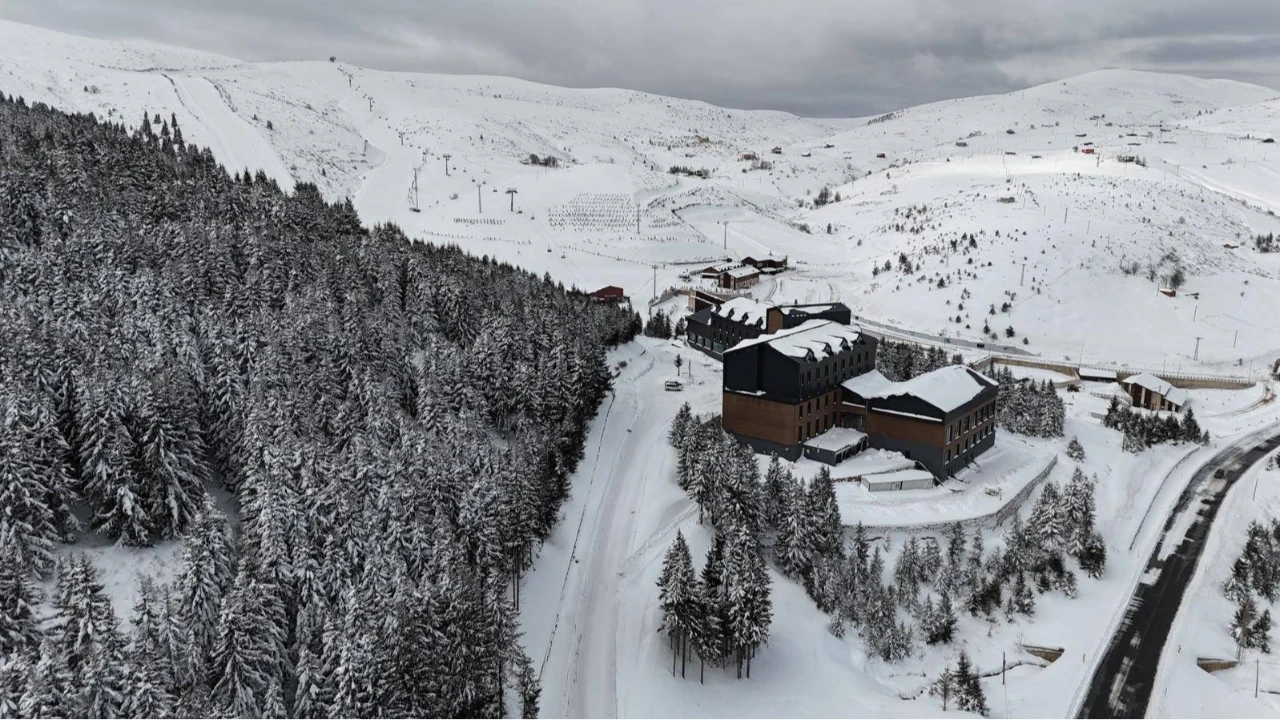
Turkey's high-altitude mountain ranges offer world-class conditions, characterized by high-quality powder and expansive runs. In Eastern Anatolia, the crystal-snow paradise of Snowboarding at Mount Palandöken attract both intermediates and pros with their legendary long, uninterrupted descents and steep valley runs. Conveniently located just fifteen minutes from the airport, Snowboarding in Erzurum also feature floodlit slopes, allowing the adventure to continue long after sunset.
Erciyes and Uludağ: Diverse Terrain
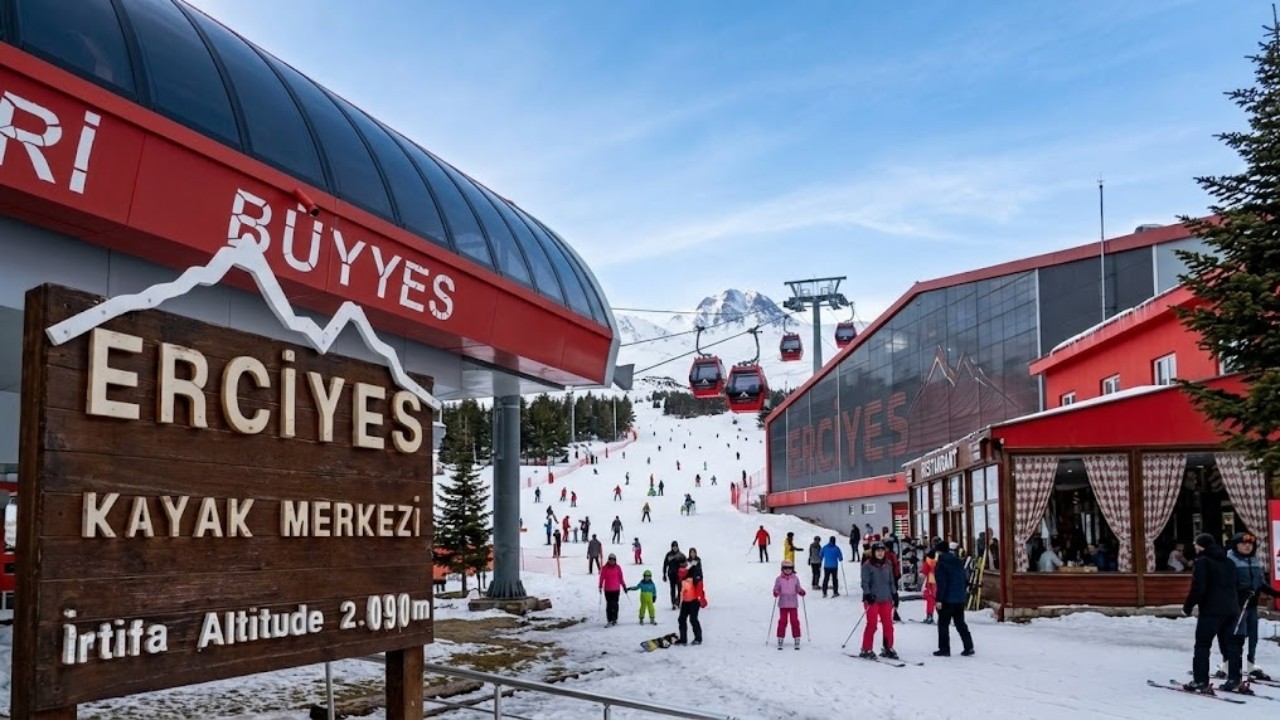
Perched atop a majestic volcanic peak in Central Anatolia, Erciyes zirvesindeki snowboard programları provide a safe learning environment thanks to sheltered bowls and a modern gondola network. The wide-open runs in Kayseri are particularly ideal for beginners who need plenty of space to practice their carving.
Marmara and Bursa Winter Hubs
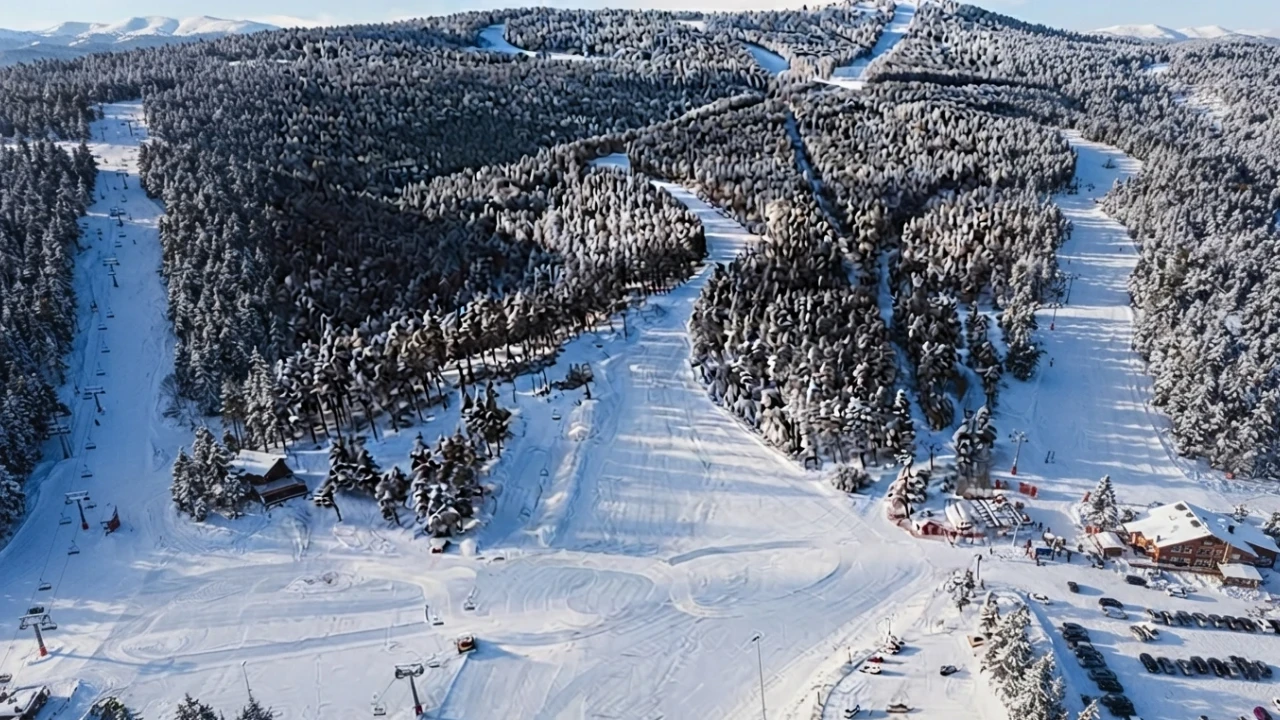
The classic winter route of the Marmara region, Uludağ orman içi snowboard rotaları, is famous for its natural wind-breaking pine forests. Known for its proximity to Istanbul, Bursa dağ pistleri seyrileri offer an accessible getaway for those looking to squeeze in some board training over a weekend.
Stance Analysis and Binding Setup
Your anatomical stance is the foundation of your balance on a snowboard. Before you clip in, you need to determine which foot leads. A simple test: have someone give you a gentle nudge from behind; the foot you naturally step forward with is your leading foot. Those who lead with the left are "Regular," while those who lead with the right are "Goofy."
Front and Rear Binding Angles
The angle at which bindings are mounted and the distance between them (stance width) directly impact your comfort and control. For beginners, a positive angle on the front binding and a zero or slightly negative angle on the rear is common to ease steering. Freestyle riders, however, typically opt for a "duck stance," where both feet point outward to facilitate riding and landing in either direction.
The following technical table compares binding angles and board stiffness across different snowboarding disciplines:
| Discipline | Front Binding Angle | Rear Binding Angle | Board Flex | Ideal Terrain |
|---|---|---|---|---|
| All-Mountain | +15° to +21° | 0° to -6° | Medium (5-6 / 10) | Groomed runs, mixed conditions |
| Freestyle | +12° to +15° | -12° to -15° | Soft (3-4 / 10) | Parks, rails, jumps |
| Freeride | +18° to +24° | 0° to +6° | Stiff (7-9 / 10) | Deep powder, off-piste, glades |
| Carving | +21° to +30° | +6° to +15° | Very Stiff (8-10 / 10) | Wide, hard-packed steep slopes |
Regularly checking binding screws and ensuring your boots are perfectly seated prevents power loss during edge transitions.
Slope Safety and FIS International Regulations
Safety on the mountain depends not just on your skill, but on your respect for other riders. The International Ski Federation (FIS) has established ten core rules of conduct that serve as a universal contract to prevent collisions. The golden rule: the rider in front of you always has the right of way.
Right of Way and Passing Distance
Because the person in front cannot see behind them, the following rider is responsible for choosing a path that does not endanger the lead rider. If you need to stop on the slope, never do so in "blind spots" such as narrow bottlenecks or just behind the crest of a hill. After a fall, it is mandatory to move to the side of the run before standing up to avoid being hit by high-speed riders.
Slope Color Codes and Gradient Safety
Always adhere strictly to the color-coded signage. Beginners entering steep, icy "Black" runs without sufficient experience risk total loss of control and serious injury.
5-Step Safety and Prep Protocol for First-Timers
A disciplined preparation process before reaching the summit station minimizes the risk of accidents. Every rider should follow these safety stages:
- Gear Up: Ensure your certified helmet is snug and locked, wear wrist-guarded gloves to prevent fractures, and put on UV-filtered goggles.
- Skating Practice: On flat ground, practice gliding and stopping by keeping only the front foot locked in and using the rear foot to push.
- Edge Balance (Heel & Toe): On a gentle slope, practice controlled sliding by shifting weight to the heel edge and slowing down using the "leaf" technique.
- Safe Falling Reflex: When losing balance, avoid bracing with open palms. Instead, tuck your arms toward your chest and let knee and hip pads absorb the impact across a wider surface.
- Weather and Visibility Check: Before boarding the lift, check wind speeds and visibility to prepare for sudden fog or blizzard conditions.
By following these steps, riders build the muscle memory necessary to descend the mountain with confidence.
Clothing Selection and the Art of Layering
The most effective way to combat mountain cold is the philosophy of layering. Avoid cotton base layers; they absorb sweat and stay wet, significantly increasing the risk of hypothermia. Instead, choose breathable, moisture-wicking thermal base layers.
The second layer should consist of fleece fabrics to trap body heat. The outer shell, your snowboard jacket and pants, should have a waterproof and breathability rating of at least 10,000mm. It is critical that snowboard pants have taped seams to prevent water leakage while sitting or kneeling in the snow.
For foot comfort, wear specialized winter sports socks. Avoid wearing two pairs of socks, as this can restrict blood circulation and actually make your feet colder.
Snowboarding Checklist: What to Pack
- Thermal Balaclava or Neck Gaiter: Protects the face and neck from freezing winds and storms at high altitudes.
- High-SPF Sunscreen and Lip Balm: Prevents severe burns and chapping caused by intense UV rays reflecting off the white snow.
- Spare Dry Socks and Gloves: A quick change after getting wet or sweating heavily prevents hypothermia.
- Lightweight Backpack and Water Bottle: A compact bag that doesn't hinder movement to keep you hydrated and energized.
Board Geometry and Base Maintenance
The profile (camber) of a snowboard determines how it interacts with the snow, fundamentally changing the ride feel and edge grip. Traditional Camber boards have a slight upward arch between the bindings, providing powerful edge hold on icy terrain and an energetic "pop" for jumps.
Rocker (or reverse camber) profiles are curved upward at the nose and tail, with the center touching the snow. Rocker designs prevent the nose from sinking in deep powder and significantly reduce the risk of "edge catching", the biggest fear for beginners. Hybrid profiles blend both geometries for versatile all-mountain use.
Regular maintenance of the base material is essential for speed control and safety. Snow crystals are abrasive and can dry out the base over time. Applying hot wax fills the pores of the base, reducing friction and improving water drainage.
Additionally, keeping the steel edges rust-free and properly sharpened ensures a secure grip on hard, icy slopes.
Lift Safety: Boarding and Disembarking
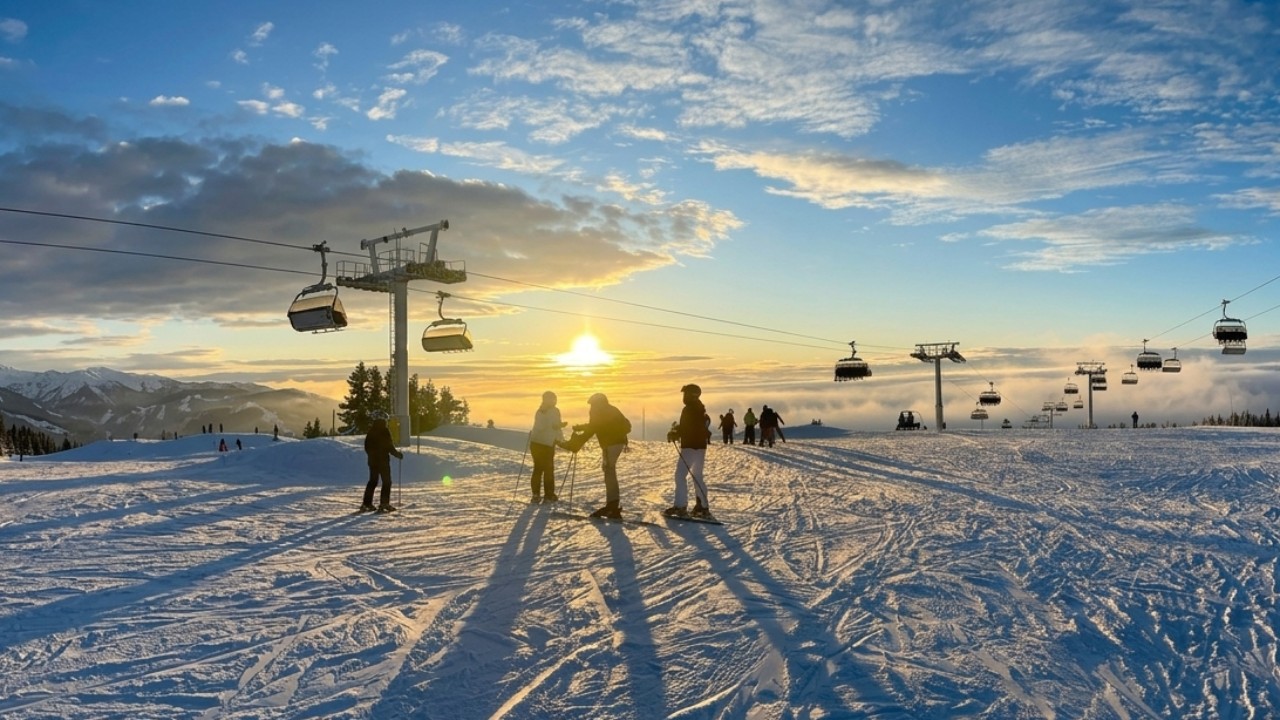
For snowboarders, the transition to and from mechanical lifts requires as much attention as the descent. When approaching chairlifts or gondolas, unstrap your rear foot. This allows you to "skate" easily across flat areas.
In the lift line, keep your board parallel to the direction of the chair. Sit down gently and lower the safety bar immediately. During the ride, use the footrest to prevent the weight of the board from putting undue pressure on your knee.
Upon reaching the summit, open the safety bar and place your free rear foot firmly on the stomp pad between the bindings. Slide forward in a straight line off the chair. Avoid sudden turns during this transition and clear the unloading ramp quickly to ensure the safety of the lift system.
Frequently Asked Questions 5
Do I need a special license or permit to snowboard in Turkey?
No license is required for day activities at tourist resorts and authorized stations; a briefing from a certified instructor is sufficient. However, professional competitions or off-piste backcountry routes may require a federation athlete license or a certified guide.
What are the age limits for snowboarding?
Depending on the child's balance and coordination, snowboarding lessons typically start around age six. There is no upper age limit; anyone in good joint and cardiovascular health can enjoy the slopes on appropriate terrain.
What safety and protective gear is mandatory?
Helmets are the primary mandatory safety element on the slopes. Additionally, wrist-guarded gloves, tailbone protectors, knee pads, and UV-protected goggles are essential for preventing injuries.
What clothing and items should I bring on the tour?
Your bag should include a waterproof and windproof snowboard jacket and pants, thermal base layers, snow socks, and high-SPF lip balm. Avoid all cotton clothing.
Where are the best snowboarding spots in Turkey?
Erzurum Palandöken is famous for its long, uninterrupted runs; Kayseri Erciyes offers wide powder bowls; and Bursa Uludağ is beloved for its scenic, forest-lined slopes.