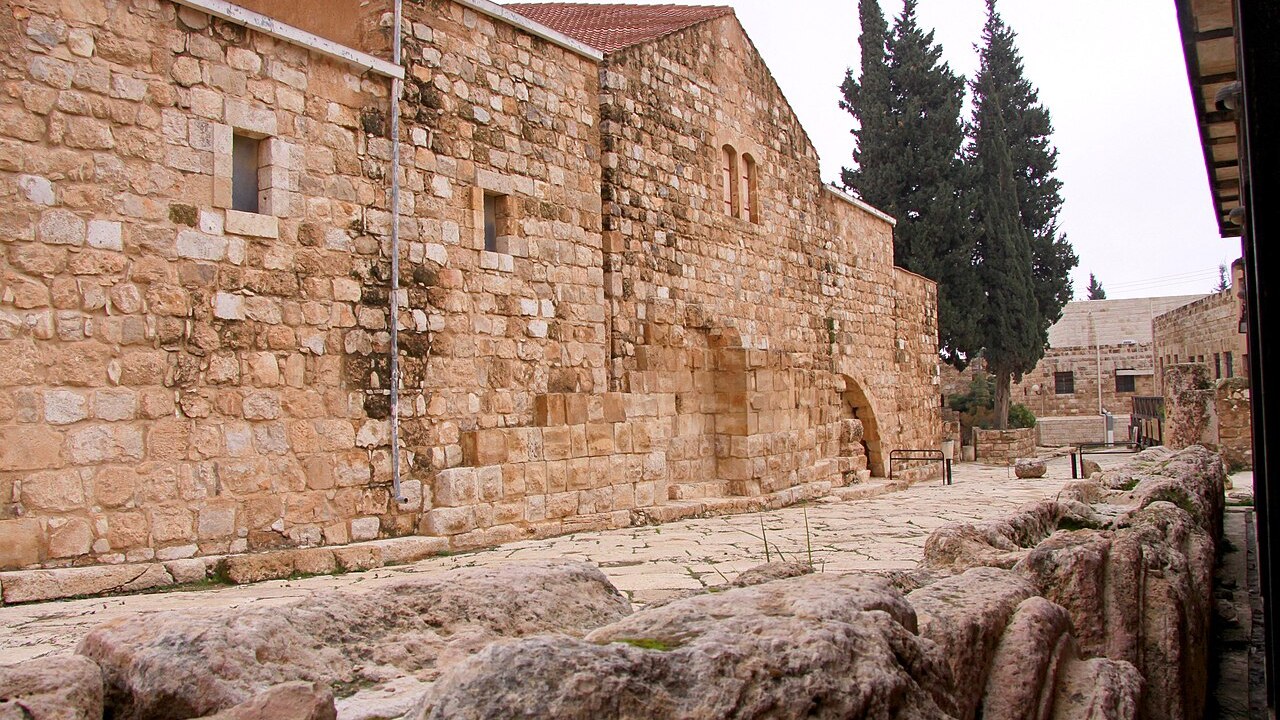

Rising from valleys blanketed in lush olive groves and pine forests just 48 kilometers north of Amman, Jerash (known in antiquity as Gerasa) stands as one of the best-preserved Roman cities outside of Italy. Having remained hidden beneath the sands for centuries, this magnificent metropolis earned the title "The Pompeii of the East," once serving as the wealthiest commercial hub of the Roman Decapolis.
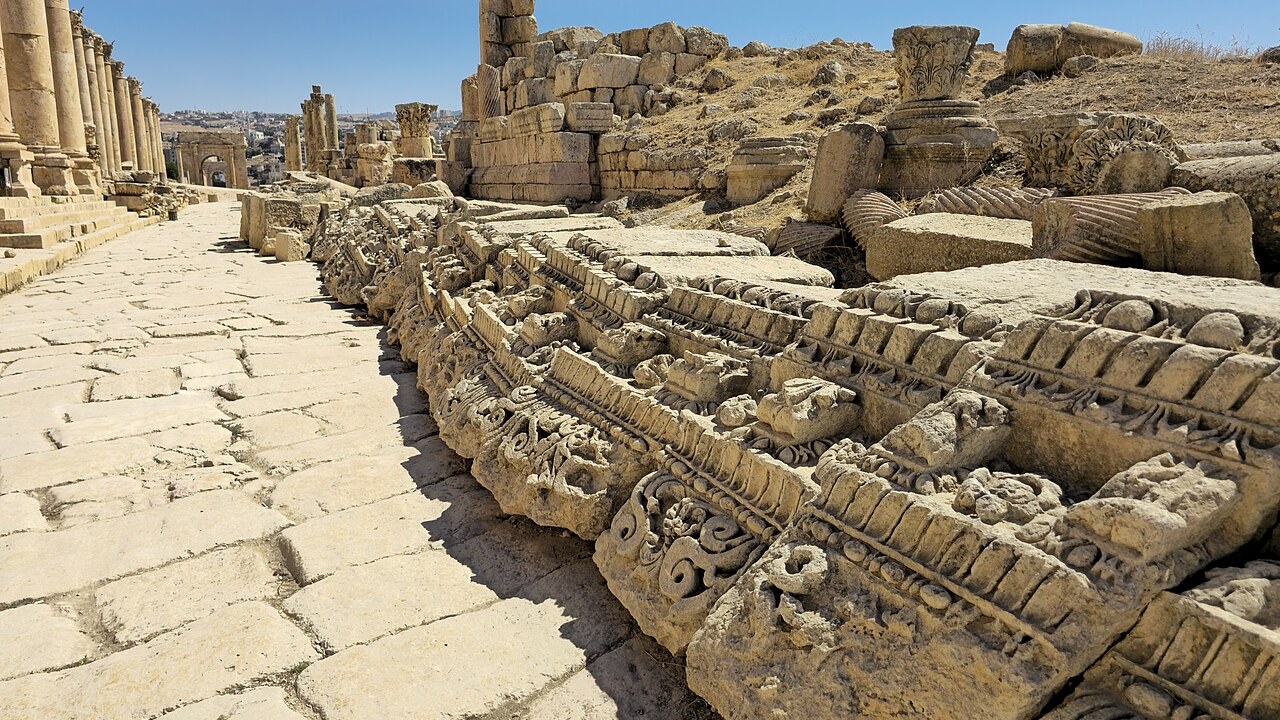
The moment you step into the city, you are greeted by massive monumental gates, Ionic columns encircling the Oval Plaza, and paved streets still bearing the grooves of ancient chariot wheels. These sights instantly transport visitors back to the grandeur of a world two thousand years old.
Following a comprehensive jerash travel guide ensures you can wander the colonnaded streets during the cooler hours and unlock the acoustic secrets of the ancient theaters. For professional cultural excursions in the region, check out our Jerash tours and guided options, and for more on the capital city, visit our Amman travel guide.
Quick Local Summary:
-
Best For: Classical archaeology enthusiasts, Roman architecture buffs, photographers, and history lovers.
-
Ideal Time to Visit: Spring (March to mid-May). The northern Jordanian hills are covered in wildflowers and greenery during this period, and temperatures are perfect for walking.
-
Recommended Duration: A detailed 4 to 5-hour visit is sufficient to see all the major monuments. It is typically enjoyed as a half-day trip or combined with a visit to the nearby Ajloun Castle.
-
Where to Stay: Most travelers stay in Amman and visit Jerash as a day trip; those seeking a local experience may prefer boutique guesthouses in Jerash center or nature lodges in Ajloun.
Quick Facts About the Ancient City of Jerash
Essential practical parameters for planning your Jerash trip:
| Feature | Practical Visitor Summary |
|---|---|
| Historical Status | Member of the Roman Decapolis; 6,500 years of continuous settlement |
| Geographic Location | Northern Jordan, 48 km from Amman (approx. 50 mins by car) |
| Tickets & Jordan Pass | Entry fee is 10 JOD; entry is free for Jordan Pass holders |
| Terrain & Path Structure | Ancient stone blocks, slight ramps, and theater steps |
| Highlights | Arch of Hadrian, Oval Plaza, Cardo Maximus, Temple of Artemis, South Theater |
| Annual Event | The international Jerash Festival of Culture and Arts held in July |
| Linked Tour Page | Organized visits via Jerash day culture tours |
Arch of Hadrian and the Ancient Hippodrome
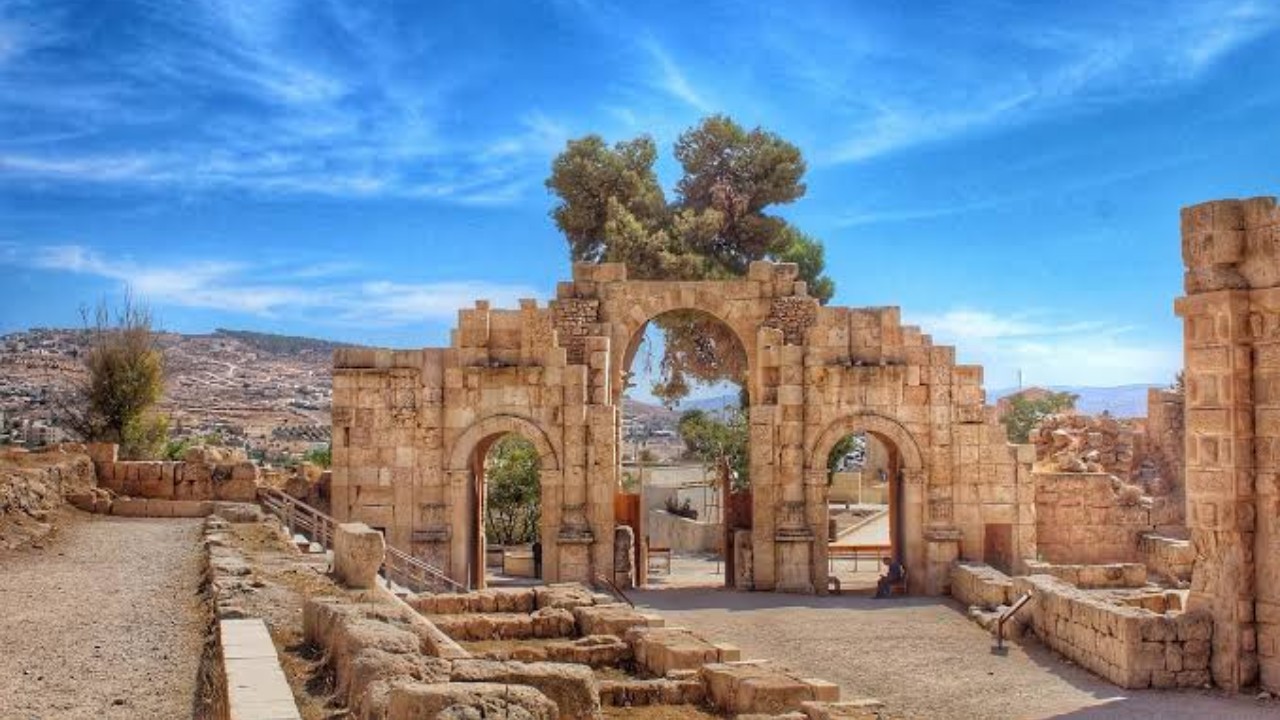
As you approach the ancient city from the south, the Arch of Hadrian, a monumental three-arched gateway, rises to meet you. Built in 129 AD to honor the visit of Emperor Hadrian to Gerasa, this 11-meter-high gateway serves as the city's grand entrance.
Imperial Entrance and Stonemasonry
Masterfully carved from yellow limestone, the arch showcases the aesthetic pinnacle of Roman monumental architecture with its Corinthian capitals and elegant cornices.
The 15,000-Capacity Roman Hippodrome
Located just behind the Arch of Hadrian, this 244-meter-long ancient hippodrome once hosted thrilling chariot races during the Roman era.
Today, the hippodrome area occasionally hosts traditional Roman legionary and gladiator reenactments, offering visitors a living history experience.
The South Gate and Military Barracks
Passing through the hippodrome leads you to the South Gate, which served as the primary entrance through the thick walls surrounding the city in Roman times. The vaulted military rooms adjacent to the gate were checkpoints where arriving caravans and soldiers were inspected.
The slots for locks and bolts are still clearly visible in the stone blocks. This defensive architecture provides a tangible look at how meticulously Roman border security was maintained on the desert frontier.
Oval Plaza and the Ionic Columns
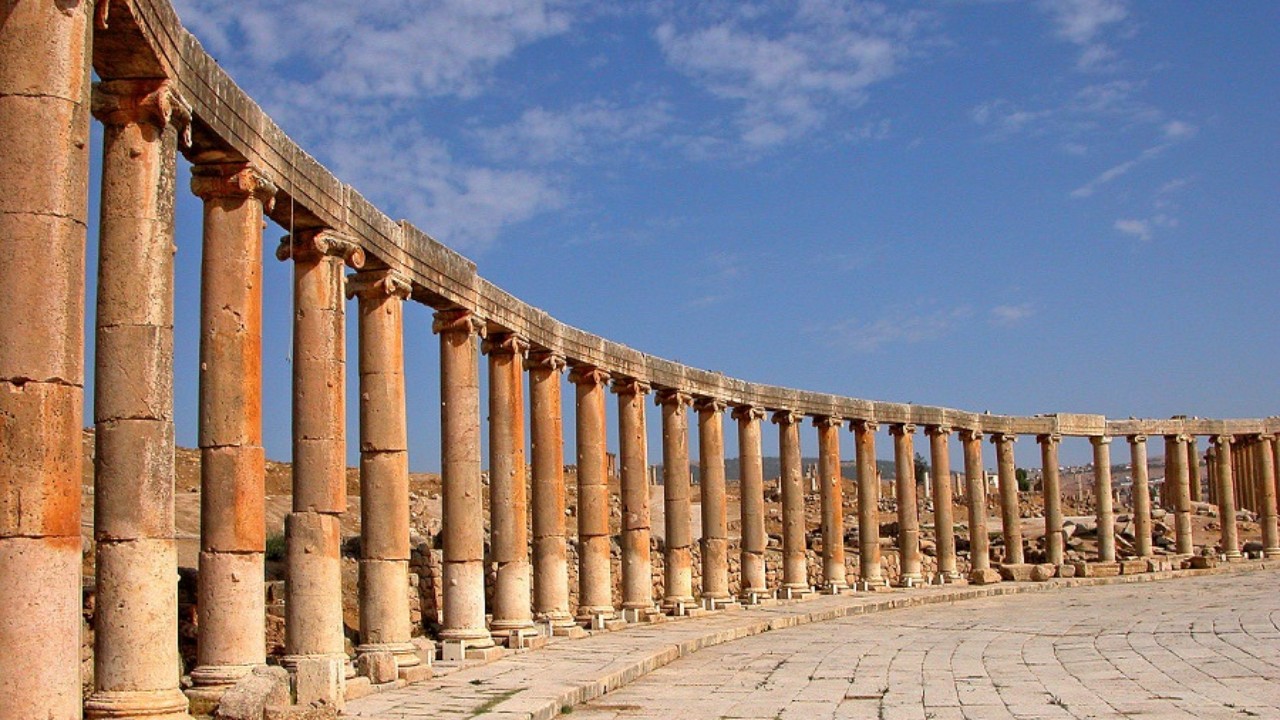
Once you pass through the Arch of Hadrian and the South Gate, you emerge into the massive Oval Plaza, a space unlike any other in the Roman world. Measuring 90 meters long and 80 meters wide, the plaza is defined by 56 elegant columns with Ionic capitals that trace its unique elliptical shape.
The Plaza's Role in Urban Design
In antiquity, the Oval Plaza functioned as a vast public gathering space, connecting the city's main commercial artery, the Cardo Maximus, with the Temple of Zeus.
Paving and Drainage Systems
The limestone blocks paving the plaza were laid with a slight slope from the center toward the edges to facilitate rainwater drainage, an engineering feat that has remained functional for two millennia.
Comparative Analysis of Jerash Itinerary Plans
Choose your route based on your available time and interests:
| Trip Model | Route Covered | Duration | Transport Method | Ideal For |
|---|---|---|---|---|
| Classic Half-Day Trip | Arch of Hadrian, Oval Plaza, Theaters, Cardo | Approx. 3.5 - 4 hours | Private car or taxi from Amman | General tourists with limited time |
| Jerash & Ajloun Combo | Jerash ancient city + Ajloun Castle | Full day (7 - 8 hours) | Organized tour or rental car | History and nature enthusiasts, photographers |
| Northern Jordan Full Tour | Jerash + Umm Qais (Gadara) + Ajloun | Full day (9 - 10 hours) | Private driver tour | Deep archaeology and landscape lovers |
| Festival Season Visit | Ancient city by day + Theater concert by night | Afternoon to late night | Private transfer | Music and performing arts lovers |
Archaeological Site of Jerash: Cardo Maximus and the Nymphaeum
Stretching 800 meters from the Oval Plaza to the city's northern gate, the Cardo Maximus is the backbone of the Archaeological Site of Jerash. Hundreds of Corinthian columns lining both sides of the street once provided shade for luxury shops and public buildings.
Chariot Tracks and Drainage Grates
If you look closely at the stone pavement, the wheel ruts left by Roman war and trade chariots over two thousand years are still visible. The advanced drainage grates beneath the stone blocks stand as a testament to Roman engineering prowess.
The Monumental Fountain: Nymphaeum
Located in the middle of the street, the two-story marble Nymphaeum was dedicated to the nymphs. It once cooled the ancient city with water cascading from seven lion-headed stone spouts.
Temple of Artemis and the South Roman Theater
Perched on the city's highest terrace, the Temple of Artemis is the most sacred structure in Gerasa, dedicated to the city's patron goddess. The temple's massive standing columns were designed to flex slightly in the wind, allowing them to withstand earthquakes.
The "Swaying Column" Experience
With a guide, you can observe a small coin or key placed between the columns; as the column subtly shifts, the object moves, a miracle of ancient mortarless interlocking techniques.
South Theater and its Acoustic Secret
Built in the 1st century AD, the 3,000-capacity South Theater is famous for its extraordinary acoustics. A whisper spoken on the circular stone at the center of the stage can be heard clearly even from the highest rows of seating.
The melodies of retired Jordanian army musicians playing traditional bagpipes and drums often echo through the ancient steps, adding a nostalgic atmosphere to your visit.
North Theater and the Odeon
Located in the northern part of the city, the North Theater, with a capacity of 1,600, served both as a venue for stage performances and as the meeting place for the ancient Gerasa city council (the Bouleuterion).
The names of Roman senators and city tribes are carved in Greek letters into the theater's seating. These inscriptions bring the hierarchy of ancient democracy and assembly seating arrangements to life.
Jerash Archaeological Museum and Ancient Artifacts
Situated in the heart of the ancient city near the Temple of Artemis, the Jerash Archaeological Museum houses rare artifacts unearthed during over a century of excavations at the site.
The museum halls display marble statues from the Roman and Byzantine eras, detailed relief sarcophagi, gold jewelry, and bronze lamps used in daily life.
Ancient Coins and Theater Masks
Notable pieces in the collection include imperial coins minted by the Decapolis cities and terracotta masks worn by actors during ancient theatrical performances.
After exploring the outdoor monuments, visiting this museum allows travelers to visualize the intricate details of real life as it was lived within these stone walls.
A Step-by-Step 4-Hour Exploration Plan for Jerash
The recommended route to see the city completely without being overwhelmed by the sun:
-
Arch of Hadrian and Hippodrome Entrance (09:00 - 09:45): Pass through the visitor center and photograph the imperial gate and the racing track.
-
South Gate and Oval Plaza (09:45 - 10:30): Stand in the center of the elliptical plaza and admire the perspective created by the columns.
-
South Theater and Temple of Zeus (10:30 - 11:15): Test the theater's acoustics and enjoy the city view from the upper terrace.
-
Cardo Maximus and Nymphaeum Walk (11:15 - 12:15): Follow the chariot tracks along the colonnaded street until you reach the monumental fountain.
-
Temple of Artemis and Jerash Museum (12:15 - 13:00): View the massive Corinthian columns and the ancient finds in the museum to complete your tour.
-
Lunch Under Local Olive Trees (13:15 - 14:30): Enjoy hummus and grilled meats at local restaurants near the exit gate.
Practical Local Tips for Your Jerash Trip
Key points to ensure a comfortable exploration on-site:
-
Choose Early Morning: The ancient city is vast and completely open; since the summer sun can be punishing, aim to be at the entrance by 09:00 AM.
-
Shade and Sun Protection: Aside from the columns, shade is limited along the paths; bring a sun hat, sunglasses, and protective sunscreen.
-
Non-Slip Footwear: The two-thousand-year-old Roman paving stones have become polished and slippery over time; opt for sneakers with rubber soles.
-
The Jordan Pass Advantage: Have your Jordan Pass ready to avoid ticket lines and save 10 JOD.
-
Combine with Ajloun Castle: If you have extra time, add the nearby Ajloun Castle, surrounded by pine forests and only half an hour away, to your itinerary.
Frequently Asked Questions 5
How much time do I need to visit Jerash?
Exploring the main monuments, the colonnaded street, and the theaters at a comfortable pace takes an average of 3 to 4 hours.
How do I get from Amman to Jerash?
You can reach Jerash in approximately 45-50 minutes via minibuses from the Amman North Bus Station (Tabarbour), or by private taxi and rental car.
Is the Jordan Pass valid for Jerash?
Yes, official Jordan Pass holders can enter the Jerash archaeological site for free without paying any additional ticket fees.
Is Jerash suitable for families with children?
The wide open spaces and the hippodrome are enjoyable for children; however, since the stone paths can be bumpy, a baby carrier is preferred over a stroller.
Is there a museum in the Jerash Ancient City?
Yes, the Jerash Archaeological Museum is located within the site, displaying statues, mosaics, and coins discovered during excavations.