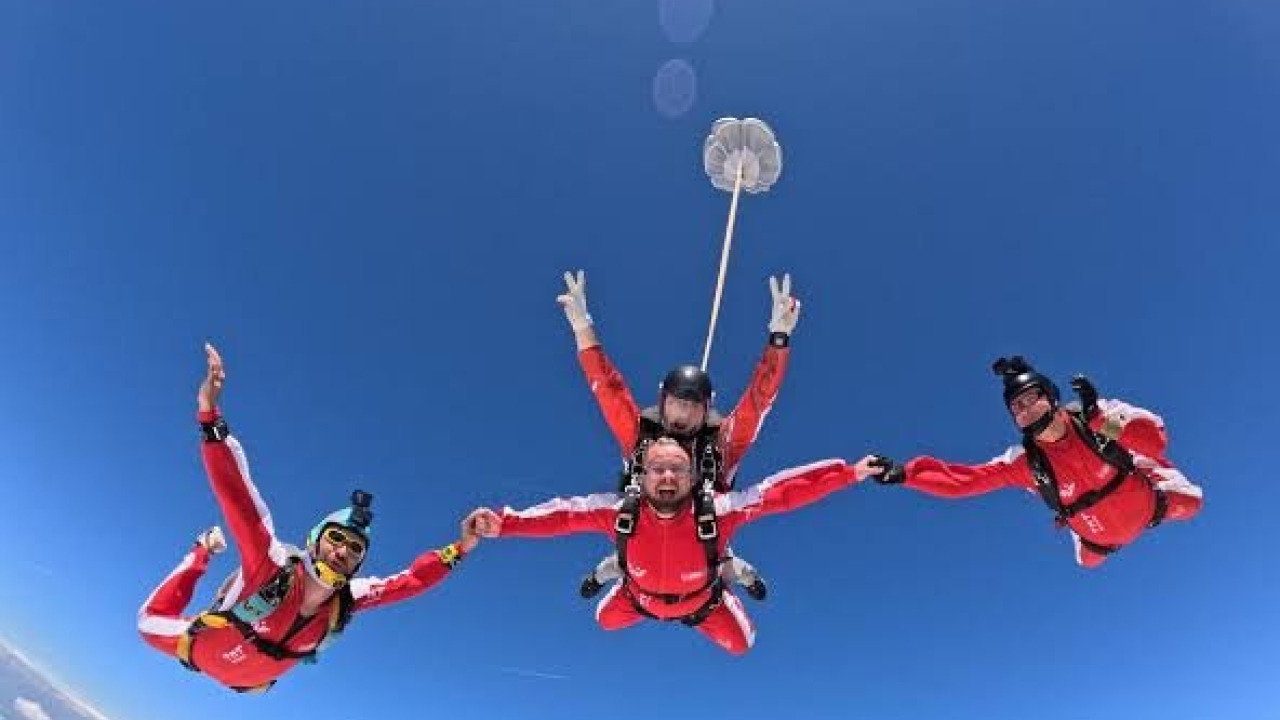
Stepping out of an open aircraft door into the void and plummeting through the clouds at 200 kilometers per hour is one of the most visceral adrenaline rushes a human can experience. Feeling the raw power of the wind against your body as you lose thousands of feet of altitude in seconds creates an indescribable sense of absolute freedom. To experience this thrill with licensed professionals at Turkey's premier dropzones, you can explore our current schedules on the Paraşütle Atlama Turları page.
For first-time jumpers, it's natural to have questions: How do I actually exit the plane? Can I breathe during freefall? What happens if the parachute doesn't open? Modern tandem skydiving is built upon multi-layered safety mechanisms designed with zero tolerance for error.
Thanks to rigorous regulations set by the Directorate General of Civil Aviation (SHGM) and international federations, the safety levels of this sport are now comparable to high-end theme park attractions. Following the professional briefing steps ensures that you can stop worrying and start enjoying every second of the flight.
Tandem Skydiving & Freefall: Quick Facts
| Feature | Visitor & Jumper Summary |
|---|---|
| Regulations | SHGM Ultra-Light Aircraft Regulations & FAI Safety Guidelines |
| Jump Altitude | Average 3,000 to 4,000 meters (10,000 - 13,000 feet) |
| Freefall Duration | Approximately 45 to 60 seconds before canopy deployment |
| Freefall Speed | Terminal velocity of roughly 200 to 220 km/h |
| Weight Limits | Minimum 45 kg, maximum 95 to 100 kg for equipment safety |
| Automatic Safety | Electronic altitude-sensing Automatic Activation Device (AAD - Cypres) |
| Ideal Weather | Clear skies, zero turbulence, and winds below 15 knots |
Turkey's Premier Dropzones and Regional Routes
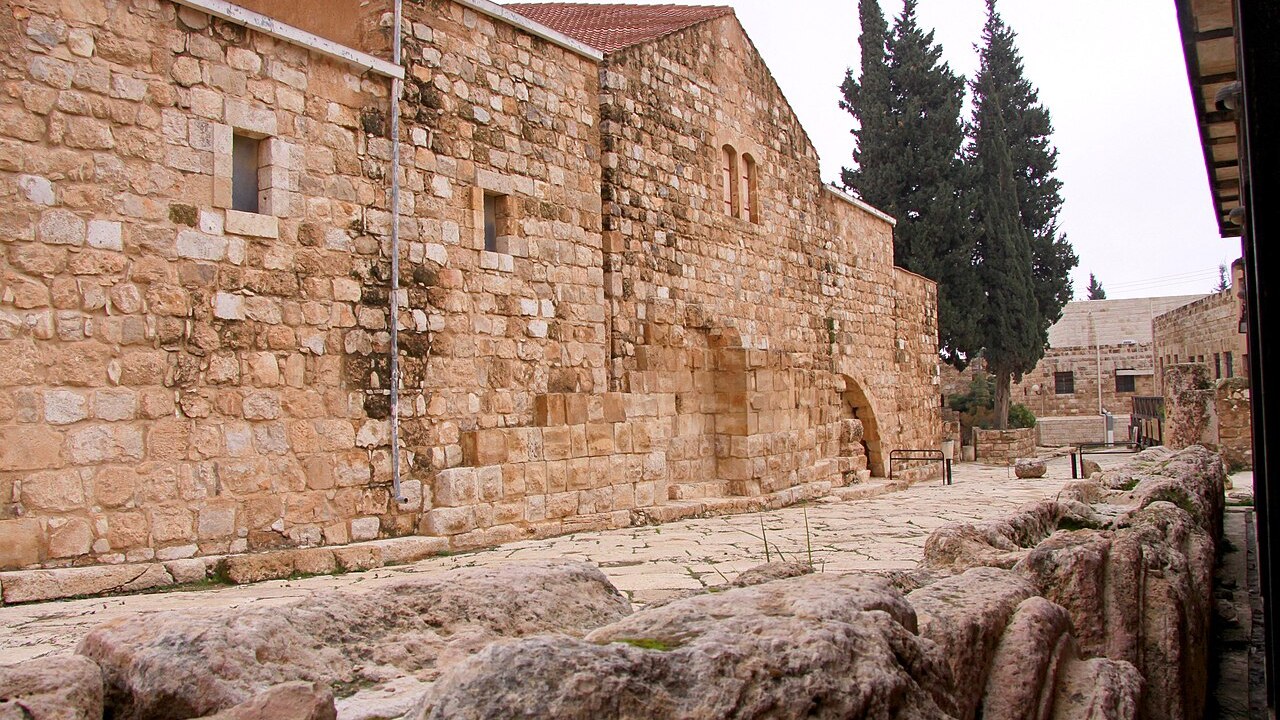
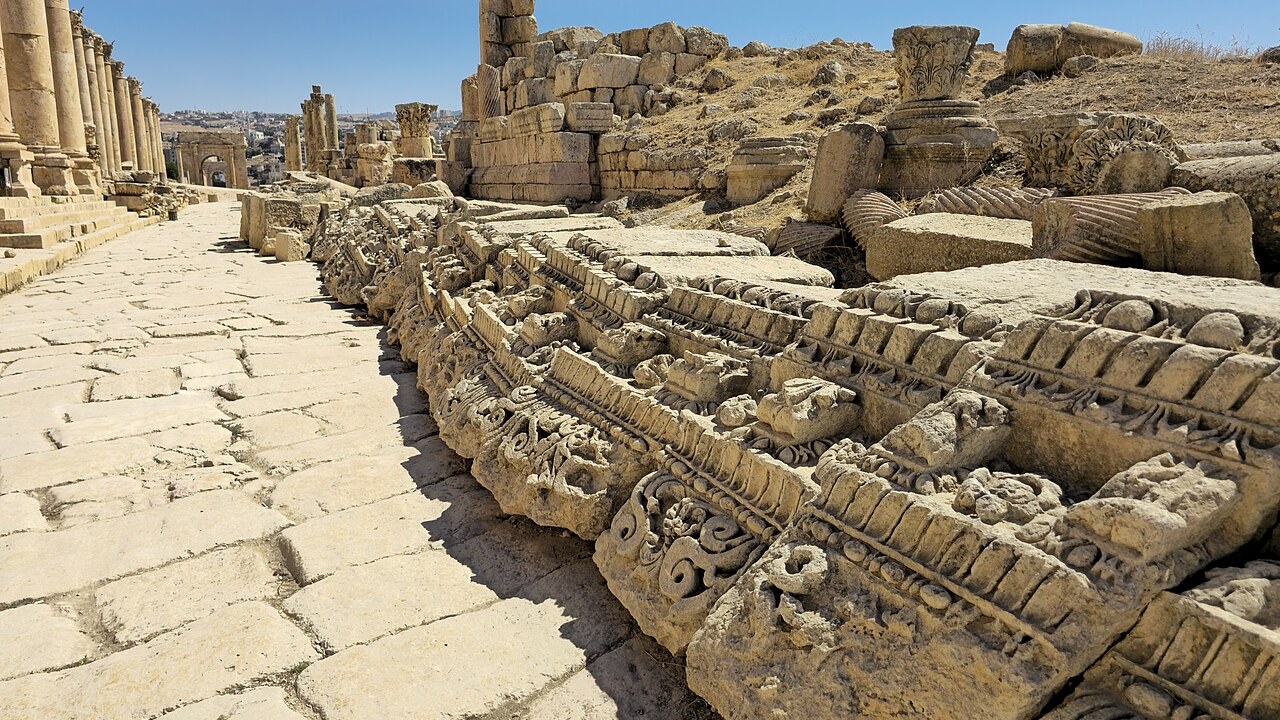
Due to its thermal stability and high number of sunny days, Turkey boasts some of the Mediterranean's most elite centers for professional aircraft skydiving. Dropzones offering jumps over the colonnaded streets of the Ancient City of Ephesus and the Aegean Sea are global magnets for those wanting to photograph history from the stratosphere.
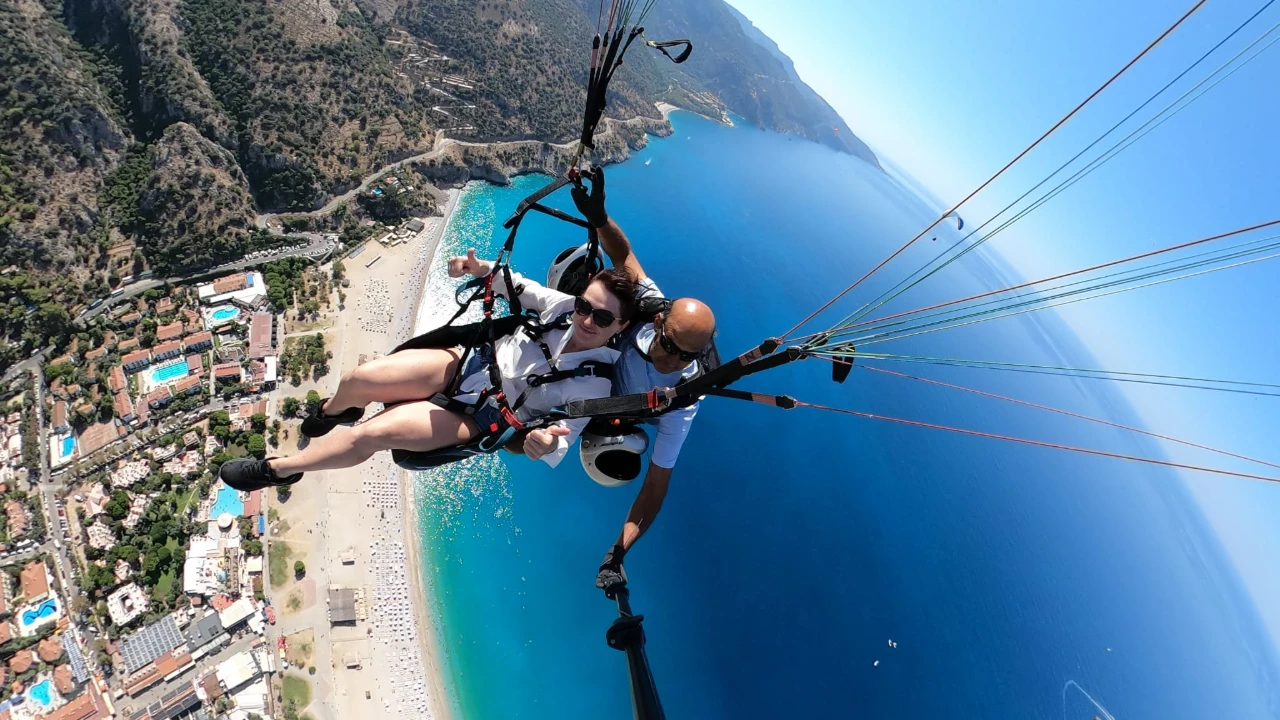
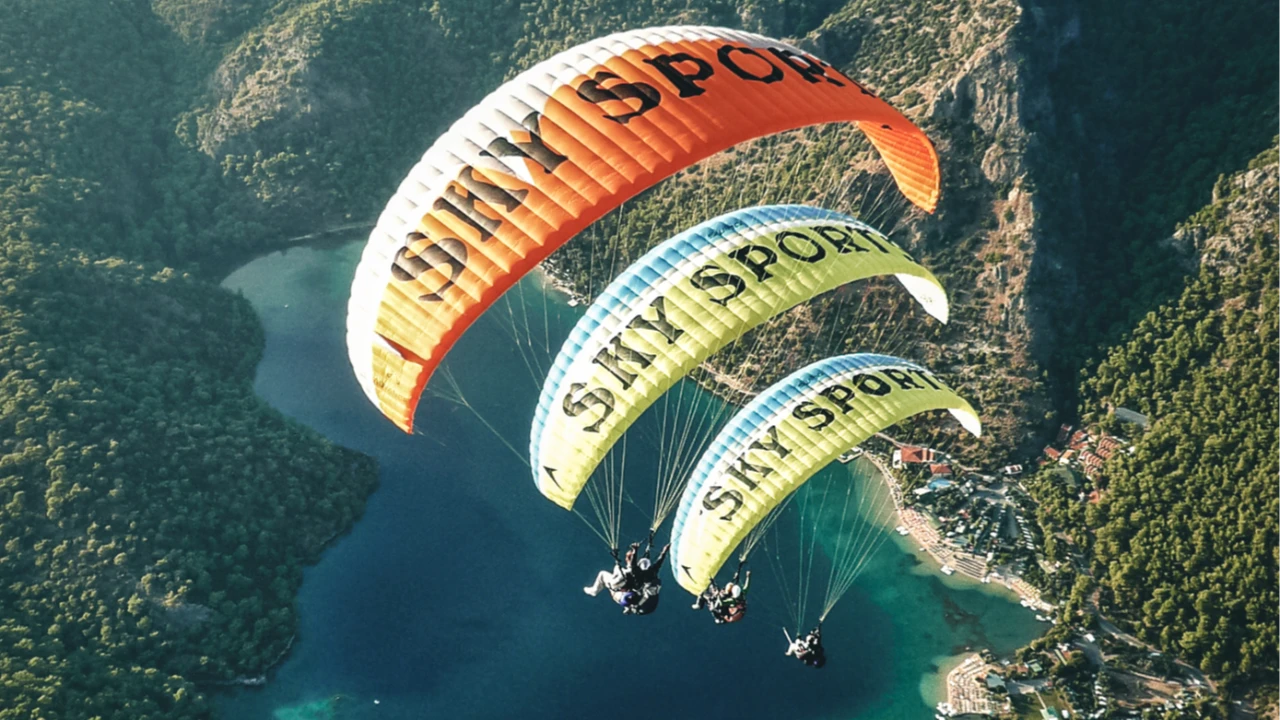
For those who want to glide over the unique coastal topography of the Mediterranean, Skydiving in Fethiye offer the chance to see the Ölüdeniz and Babadağ silhouettes from 4,000 meters. After the freefall, you'll drift gently under the canopy toward the turquoise waters of the lagoon.
Adventure seekers looking to soar above white travertines can explore the ruins of Hierapolis from the air with Skydiving in Pamukkale. The thermal mist of Pamukkale creates a dreamlike visual feast for early morning jumpers.
On the shores of Antalya, Skydiving in Side and Skydiving in Kemer promise comfortable landings in expansive sea-level zones. Meanwhile, those wishing to see the surreal landscape of fairy chimneys from a bird's-eye view prefer the specialized aircraft departures of Skydiving in Cappadocia.
The Tandem System and the Importance of Weight Limits
A tandem jump is performed using a massive, specially designed parachute system where the professional pilot and the passenger are locked together at four points. The passenger's chest and leg straps are secured to the pilot's harness using specialized hooks with a tensile strength of at least 2,200 kilograms. This mechanical locking system ensures that both bodies move as a single center of gravity in the air.
The weight limits, minimum 45 kg and maximum 95 kg, are based directly on equipment aerodynamics. To maintain a stable center of gravity and ensure a smooth landing, the total mass must not exceed the manufacturer's limits. Weighing is conducted meticulously at the airport before the flight, and participants exceeding these limits are not permitted to jump.
Regarding health criteria, a strict rule is that no alcohol must be consumed within 24 hours prior to the jump. Alcohol affects blood pressure and can disrupt heart rhythms during the sudden adrenaline spike of freefall. Individuals with pacemakers, uncontrolled hypertension, or severe spinal disorders are prohibited from flying.
Additionally, divers must wait at least 24 hours after their last scuba dive to allow nitrogen gas to fully leave the body. This waiting period is a fundamental rule of aviation medicine to eliminate the risk of decompression sickness.
Comparing Parachuting Disciplines and Training Levels
In the world of aviation, freefalling and parachuting are executed using different methods. There is a clear distinction between the tandem model preferred by vacationers and the techniques used by professional athletes.
The following table compares the technical characteristics of the primary parachuting methods used in civil aviation:
| Jump Model | Required Pre-Training | Freefall Speed | Deployment Altitude | Best For... |
|---|---|---|---|---|
| Tandem Jump | 15-20 Min Ground Briefing | 200-220 km/h (45-60 sec) | Pilot opens at 1,500m | First-timers and tourists |
| AFF (Accelerated) | 2 Days Theory & Ground | 200 km/h (with 2 instructors) | Student opens at 1,200m | Aspiring licensed divers |
| Static Line | 1 Day Ground Training | No freefall (line-deployed) | Auto-open at 1,000m | Military & basic clubs |
| Tandem Paragliding | 10 Min Launch Briefing | No freefall (gliding) | Running launch from peak | Scenic and calm flights |
In the tandem skydiving model, all control and command belong to the experienced pilot on your back. These pilots are senior aviators with thousands of jumps and international T2 commercial tandem licenses. The passenger's only responsibility is to lean their head back and pull their legs toward their stomach during the exit.
Unlike paragliding, skydiving involves jumping into the void from a plane to experience true gravitational acceleration. Within the first ten seconds after leaving the aircraft, you reach terminal velocity, where the air feels like a dense cushion supporting your body from below. This sensation instantly replaces the fear of falling with the feeling of swimming through the air.
Once the parachute opens, the body slows down abruptly, and the world falls into a deep silence. During the five to seven minute canopy glide, you can soak in the views before touching down softly on the landing strip.
Electronic AAD Backup Systems and Hardware Standards
The greatest technological shield in modern parachuting is the Automatic Activation Device (AAD). All tandem rigs are equipped with microprocessor-based devices from brands like Cypres or Vigil, manufactured to military standards. These devices use internal barometric sensors to calculate altitude and descent speed dozens of times per second.
If the pilot or passenger is unable to open the main parachute due to an unexpected health issue, the device takes over. If the microprocessor detects a critical descent speed at approximately 750 meters above ground, it cuts the reserve parachute cord with a pyrotechnic blade in milliseconds. A spring-loaded pilot chute is launched, automatically deploying the massive square reserve canopy.
This technology is an independent life insurance policy that eliminates risks stemming from human error. Furthermore, the main parachute's wing profile consists of rectangular ram-air cells, allowing it to be steered like an airplane wing. As the pilot approaches the landing zone, they face the wind to touch down on the grass or sand strip with near-zero speed.
Specialized skydiving goggles are used to prevent the wind from watering your eyes, ensuring a clear view of the horizon. Guests who wear prescription glasses are provided with wide-visor protective masks that fit securely over their eyewear.
Managing Ear Pressure and Breathing at High Altitudes
Many novice passengers worry about whether they will be able to breathe against the 200 km/h wind blast. While the rush of air may trigger a reflex to hold your breath for the first few seconds, you can continue to breathe calmly through your mouth or nose. The cool, crisp air at high altitudes fills the lungs, giving the body an extraordinary surge of vitality.
As altitude decreases rapidly and atmospheric pressure increases, you may feel a slight fullness in your eardrums. To balance this pressure, swallowing, yawning, or moving the jaw from side to side opens the eustachian tubes and relieves the ears. If necessary, after the parachute opens, the Valsalva maneuver (pinching the nostrils and blowing gently) can be used.
It is recommended that individuals with a mild cold, flu, or severe sinusitis postpone their flight. Blocked sinus channels can lead to headaches and painful ear pressure during rapid altitude changes. Entering the sky with a fully healthy body multiplies the enjoyment of the experience.
For clothing, comfortable, form-fitting sportswear and laced running shoes are preferred. Flip-flops or stiff-soled boots are unsuitable due to air resistance and the risk of falling off.
The 5-Step Protocol for a Safe Tandem Jump
From the airport preparations to the applause on the landing field, the process follows five fundamental stages defined by professional instructors:
- Ground Briefing & Exit Position: Before boarding, you practice your posture in the harness; head back, arms across the chest in the "banana" (arch) position.
- Harness & Gear Fitting: The pilot fits the four-point carrier straps, tightening the leg and chest buckles for a secure fit.
- Ascent & Altitude Check: During the ~20-minute climb, the altimeter is monitored; as you approach jump altitude, you are locked securely to the pilot.
- The Exit & Stable Freefall: When the green light flashes, you move to the door; at the pilot's signal, you are released into the void, maintaining the arch position.
- Canopy Opening & Landing Leg-Lift: Once the parachute opens, you enjoy the view; as you approach the strip, you extend your legs straight upon the pilot's cue for a soft landing.
When these five rules are followed strictly, your skydiving adventure becomes one of the proudest achievements of your life. The courage you find in the moment you leave that plane will shine as a source of self-confidence for a lifetime.

Frequently Asked Questions 5
Do I need special training for a tandem skydive?
No; a 15-20 minute basic briefing provided by an expert tandem pilot before the flight is sufficient. You will be taught the exit position, the "banana" (arch) position for freefall, and the leg angle for landing.
What is the jump altitude and how long is the freefall?
Jumps are typically made from an aircraft at an altitude of 3,000 to 4,000 meters (10,000 - 13,000 feet). You will experience a freefall at 200 km/h for approximately 45 to 60 seconds before the parachute opens.
What are the weight and age limits for tandem skydiving?
Per SHGM safety regulations, a minimum weight of 45 kg and a maximum of 95-100 kg is applied. Those under 18 can participate with parental consent; the minimum age is generally 16.
What happens if the main parachute doesn't open?
All tandem rigs have both a main parachute and an emergency reserve. Additionally, there is an electronic AAD (Cypres) device that automatically deploys the reserve parachute at a specific altitude (approx. 750m) even if the pilot is unable to intervene.
Where are the most popular skydiving and freefall centers in Turkey?
Izmir Selçuk (over the Ancient City of Ephesus), Antalya, and the areas around Babadağ in Fethiye are the primary hubs for professional aircraft skydiving.