
For those looking to dive into the heart of nature and conquer adrenaline-pumping trails, the biggest dilemma is often choosing the right ride. Thrilling Jeep Safari tours on mountain trails, featuring open-top 4x4s that conquer canyons and highlands, offer an unmatched social experience for large groups. On the other hand, ATV Safari tours providing individual driving on muddy terrain put you in total control, offering a personal challenge across rugged paths. In this comprehensive guide, we break down both popular outdoor activities across all technical and operational details.
The quality of your day in the wild isn't just about speed and excitement. Your physical stamina, the age range of your group, and your confidence behind the wheel are the real deciding factors. While Jeep tours follow routes led by professional drivers into remote mountain villages, ATV tours require high concentration on specialized tracks. By analyzing your expectations, you can easily determine which safari experience best fits your holiday.
Jeep Safari vs. ATV Safari Comparison Matrix
The following comparison table summarizes these two popular activities in terms of terrain, driving dynamics, and safety standards. The data is based on operational criteria for active trails across Turkey.
| Comparison Criteria | Jeep Safari (4x4 Off-Road, Group Energy & Canyon Trails) | ATV Safari (Quad Bike, Solo Driving & Dusty Paths) |
|---|---|---|
| Driving Control | Driven by a professional safari driver; guests enjoy the view | Participant manages the handlebars; driver controls gas and brake |
| Physical Effort & Fatigue | Low to medium; seated inside the vehicle during bumps | High; arms and back are actively engaged on rugged terrain |
| Water, Mud, and Dust Level | High chance of getting wet due to water fights and open cabins | Likely to be covered in dust and mud depending on the track |
| Age & Participation | Suitable for seniors and children over 3 (excluding infants) | Generally 16 or 18+ for drivers; 12+ for passengers |
| License Requirement | No license or prior experience required for participants | No license needed on private land; Class B required for intercity roads |
| Average Route & Duration | Full-day experience, covering 50 to 90 kilometers | Typically 2 to 3 hours on specialized closed circuits |
| Areas Covered & Stops | Canyons, ancient ruins, waterfalls, and traditional mountain villages | Narrow forest paths, riverbeds, and rugged dirt terrain |
As the table shows, both activities offer vastly different dynamics for adventure seekers. A Jeep Safari is a panoramic journey of discovery covering a wide geography, whereas an ATV Safari is a raw driving challenge with direct contact with the terrain.
Vehicle Dynamics and Control: 4x4 Power or Solo Handlebars?
The fundamental difference between the two starts with the mechanical structure of the vehicle and who holds the wheel. This completely changes the type of adrenaline you'll feel throughout the journey.
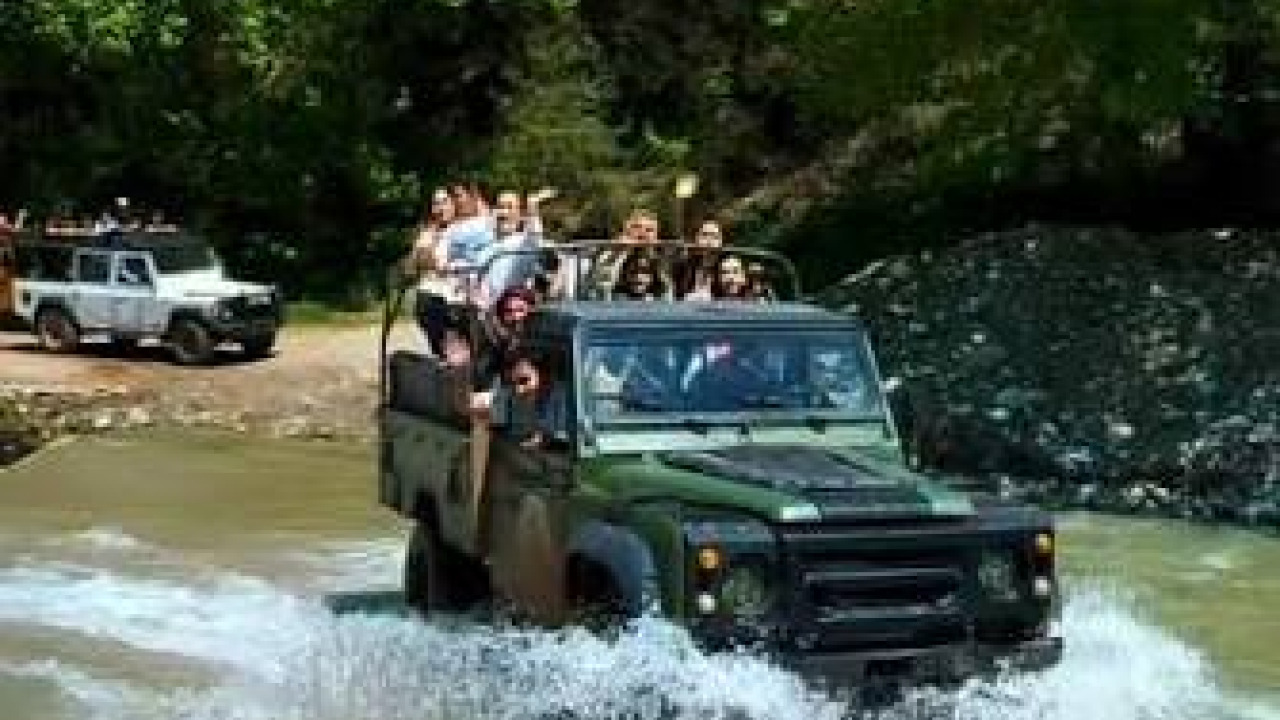
Jeep Safari tours utilize powerful off-road beasts, such as modified high-chassis Land Rover Defenders. These are operated by professional licensed drivers who know the region intimately. Participants have the luxury of observing the surroundings while sitting or standing in the open-top cabin. Thanks to the driver's expertise, you can simply soak in the scenery while the vehicle tackles the steepest slopes and deepest pits.
ATV vehicles, known as Quad Bikes, are four-wheeled motorized vehicles. Here, the throttle is controlled by the finger, and steering is handled directly via the handlebars. Throughout the ride, you must maintain your balance, shift your body weight during bumps, and adjust your speed according to the ground. A successful ride depends entirely on your focus and reflexes.
If you want to have fun without the responsibility of driving, Jeep tours offer great comfort. However, if you want to feel the engine's power at your fingertips and carve your own path through the turns, an ATV provides a unique thrill.
Trail Difficulty, Terrain, and the Mud-Dust Factor
In mountain and forest safaris, the challenging terrain directly dictates the adrenaline level. Regardless of your choice, staying clean is virtually impossible.
Jeep trails include wide dirt mountain roads, gravel valley floors, and shallow riverbeds. As the vehicles move in a convoy, those in the back are exposed to the dust kicked up by the leaders. During summer tours, participants often cool off by splashing each other with water guns. By the end of the day, it's an exhilarating experience of both dust and water.
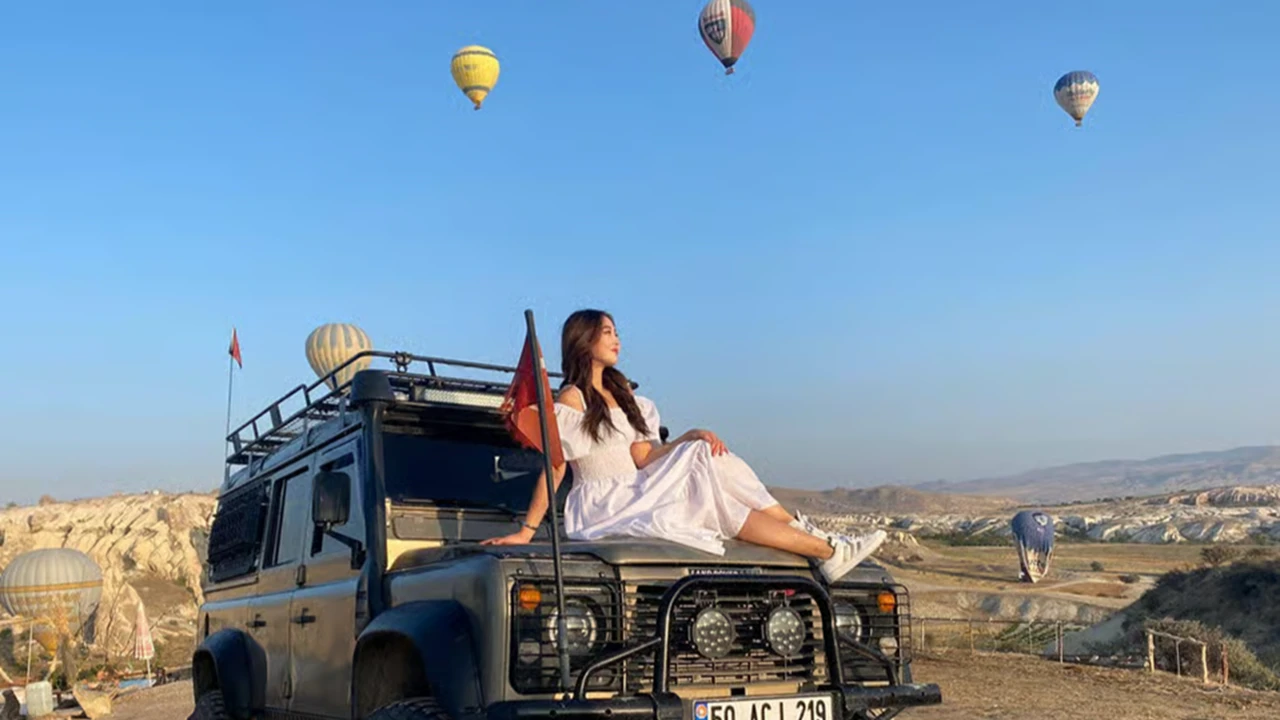
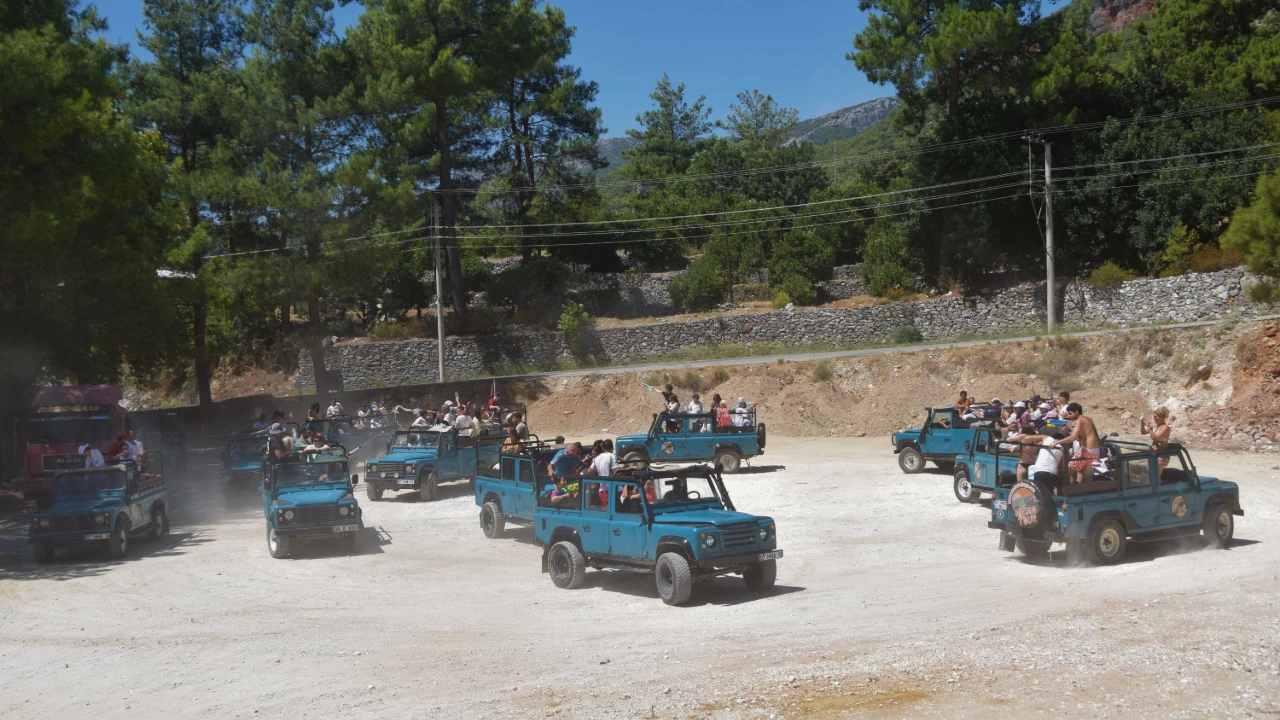
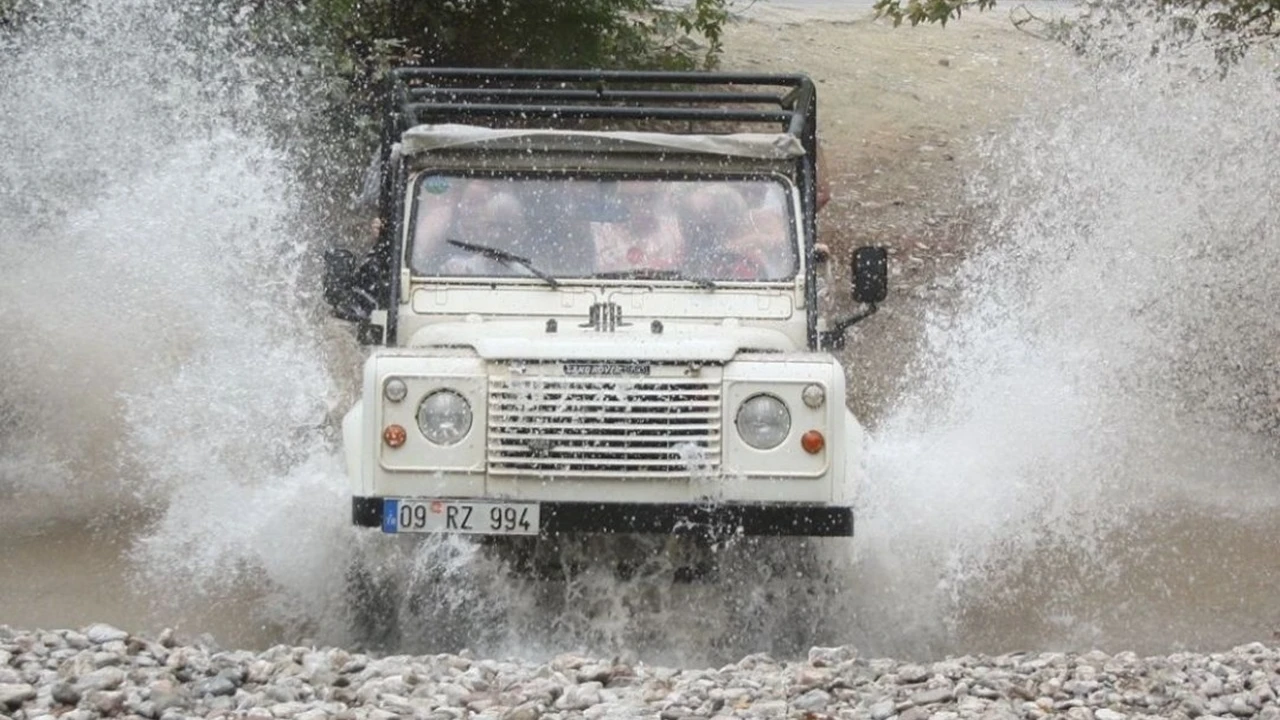
ATV safari tracks are selected from specialized areas that are much more rugged, narrow, and filled with technical obstacles. The route includes deep mud pits, sand dunes, and puddles. The mud flung by the four wheels lands directly on your helmet, clothes, and shoes. Because dust levels can affect the eyes during ATV rides, wearing protective goggles and a dust mask is mandatory.
For those seeking a wet and wild water fight, the Jeep safari offers a perfect party atmosphere. For those who want to get covered in mud from head to toe while overcoming off-road obstacles, ATV trails are the perfect fit.
Age Limits, License Requirements, and Family Safety
The demographic makeup of your travel group or family is the most critical filter when choosing a safari. Safety rules differ significantly between the two activities.
Jeep Safari tours are among the most family-friendly activities. The vehicles are equipped with sturdy roll bars and seatbelts. Children over three and elderly family members can participate safely. Since there is a professional driver, no license or driving certification is required from the participants.
ATV riding has stricter physical limits. Participants must have the physical strength and maturity to control the vehicle. Generally, a minimum age of 16 or 18 is required for solo driving, while children can only ride as passengers behind an adult. Pregnant women and guests with heart conditions are strictly prohibited from participating in these tours.
If you are traveling with young children or a large family group, the Jeep Safari is undisputedly the safest choice. For young groups of friends or couples seeking individual adventure, ATV rules offer an ideal level of freedom.
Tour Duration, Route Variety, and Social Atmosphere
When planning your holiday, the time commitment and the sights covered are vital. The timing structure of these two activities is quite different.
Jeep tours are generally planned as full-day organizations. Participants are picked up from their hotels early in the morning and cover a wide geographical arc until evening. The route includes visits to ancient city ruins, waterfalls, and traditional village houses. Authentic lunches at riverside restaurants and the large convoy create a high-energy social environment.
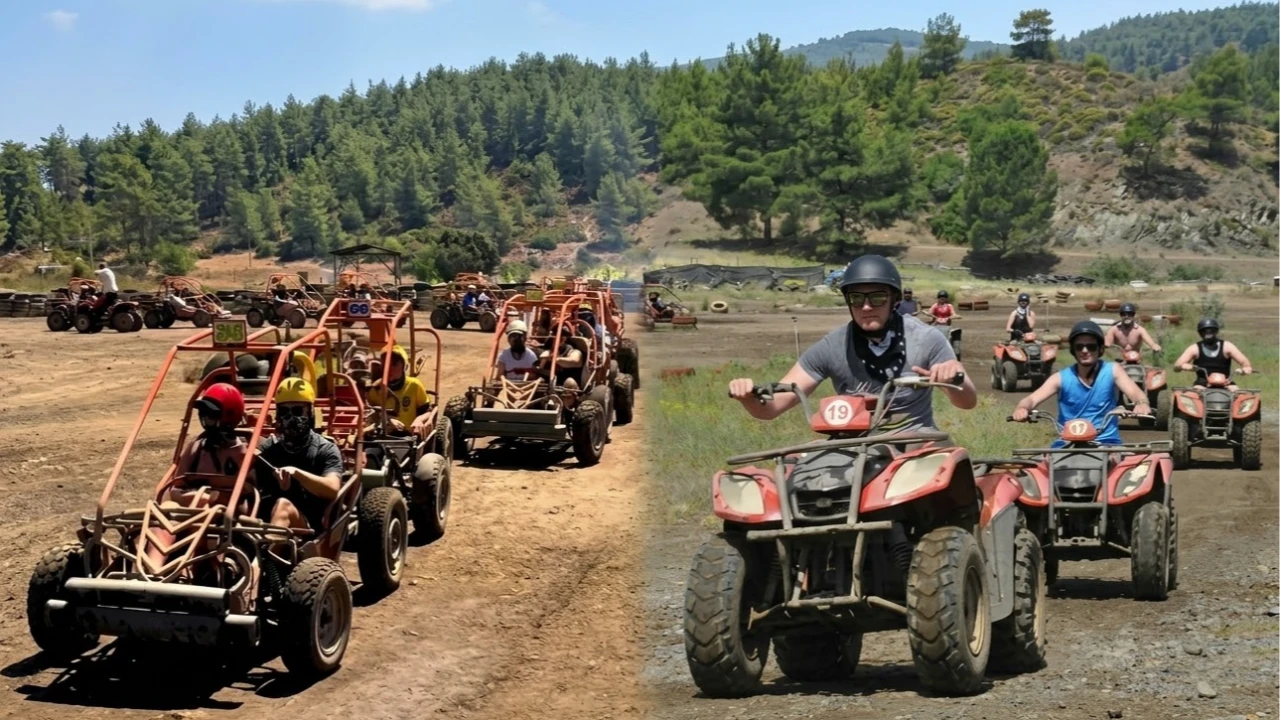
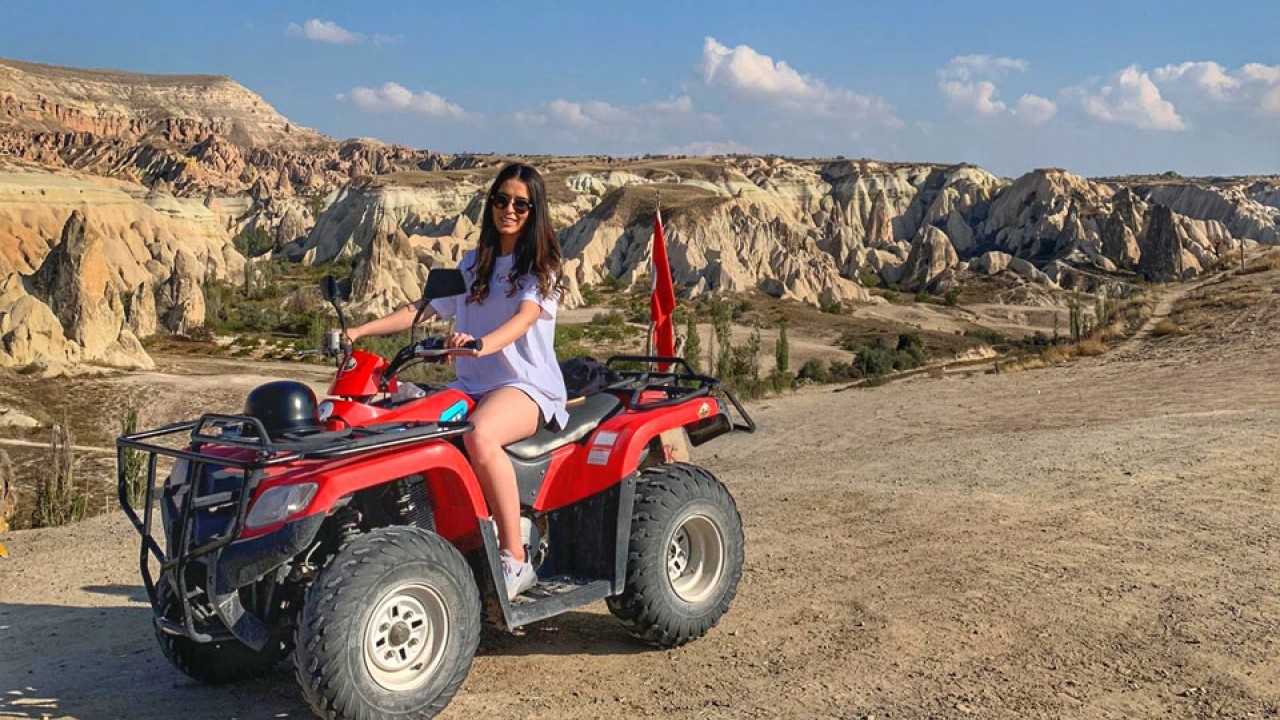
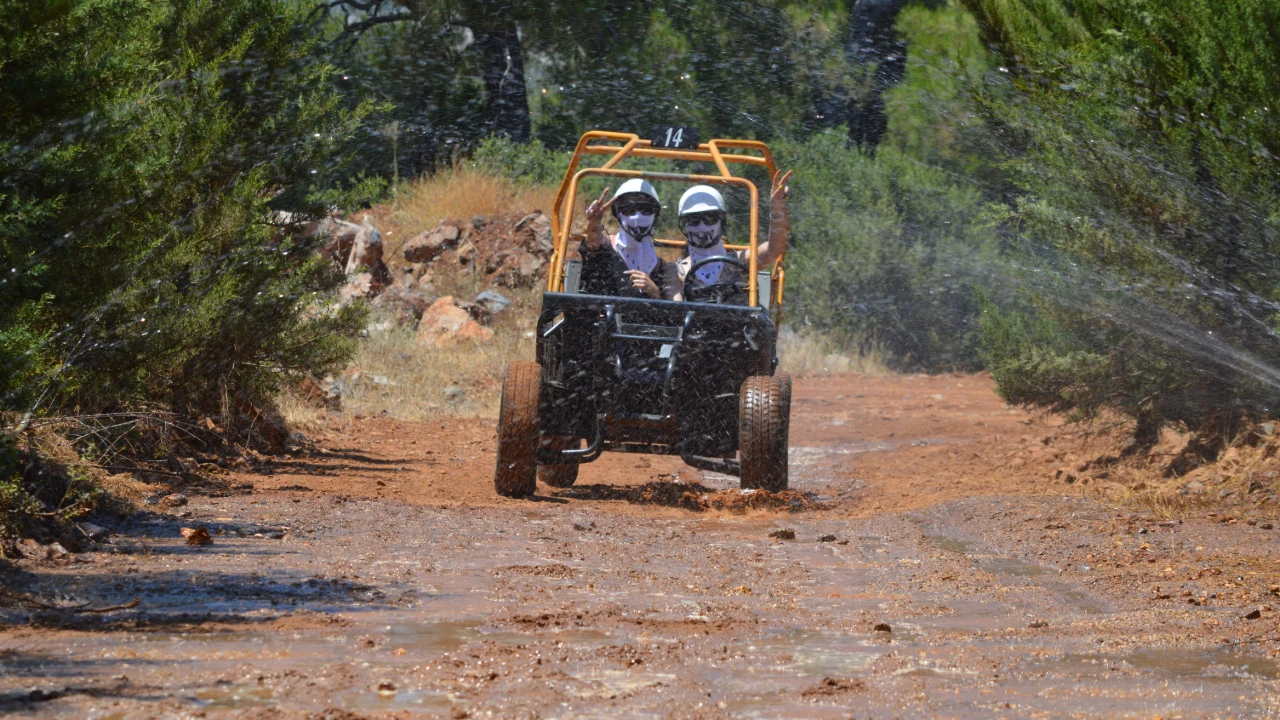
ATV tours are more compact and focused purely on the ride. Excluding transfers, they typically cover a net driving time of one and a half to two hours. Before the tour, participants receive safety training and complete a short test run. The primary goal is not long-distance sightseeing, but maximizing the thrill of off-road driving.
If you want to spend your entire day exploring nature and visiting different landmarks, Jeep tours offer a rich program. If you have a half-day gap in your schedule and just want a burst of driving excitement, ATV tours are a fantastic choice.
Budget, Equipment, and Cost Comparison
When managing your holiday budget, it's important to consider the included services and extra equipment costs. The cost components differ between the two options.
In Jeep Safari tours, the budget is usually calculated per person, and the package is quite comprehensive. The tour fee typically includes hotel transfers, full-day guiding services, and a riverside lunch. Extra expenses are limited to drinks and the rental of water guns for the water fights. This makes the Jeep Safari a very economical, all-inclusive adventure day.
For ATV tours, pricing is usually per vehicle or based on single/double riding options. The tour fee generally includes a safety helmet and guide accompaniment. However, dust masks, protective goggles, and professional photo or video recordings taken during the tour are subject to extra charges. Additionally, ATV packages with meals are less common and usually only cover the transfer.
The following budget and equipment table summarizes the primary cost items you will encounter.
| Service & Equipment Item | Jeep Safari (Full-Day Concept) | ATV Safari (Compact Ride Concept) |
|---|---|---|
| Basic Pricing | Fixed price per person; child discounts apply | Calculated per vehicle (single driver or double) |
| Included Lunch | Menu included at riverside or highland restaurants | Generally not included; drinks are extra |
| Mandatory Safety Gear | Seatbelts and chassis roll bars provided | Helmet provided by the company; masks/goggles sold |
| Extra Expenses | Drinks, water gun rentals, and photos | Dust masks, bandanas, rental goggles, and photos |
In terms of overall value, the Jeep Safari offers great bang for your buck as it lasts all day and includes a meal. The ATV Safari justifies its cost through the sheer intensity of adrenaline per hour spent.
Which Activity Should You Choose?
Both safari types appeal to vacationers wanting to create unforgettable memories in nature. Your travel style and physical expectations will help you find the right path.
Jeep Safari organizations are the ideal choice for large families, groups with children, and those who want to both have fun and discover new places throughout the day. Travelers who enjoy vibing to music in an open-top vehicle, engaging in water fights with other Jeeps, and enjoying a delicious lunch by a canyon will love this activity.
ATV tours are tailor-made for energetic travelers who love individual control, don't mind breaking a sweat behind the handlebars, and consider getting covered in dust and mud to be part of the adventure. Couples and friend groups looking to pack maximum adrenaline into a short time and push their limits on narrow forest paths will find exactly what they are looking for on ATV trails.
Final Verdict: The 5-Step Selection Protocol
If you're still undecided on which safari to choose, follow these five evaluation steps:
- Check your group's age: If there are small children or seniors, go for the Jeep Safari; if it's a young group aged 16+, choose the ATV.
- Assess your desire to drive: If you prefer to leave the driving to a pro and enjoy the view, choose the Jeep; if you want to control the throttle yourself, go for the ATV.
- Define your available time: If you want a comprehensive full-day excursion, choose the Jeep; if you have a two-hour window for a quick adventure, go for the ATV.
- Evaluate your "mess" preference: For refreshing water fights and canyon breezes, the Jeep is best; for getting drenched in mud and tackling dusty obstacles, the ATV is ideal.
- Review your budget and meal needs: For an economical package including lunch, mark the Jeep; for a driving-focused specialized experience, mark the ATV.
Frequently Asked Questions 5
Which is more exciting: Jeep safari or ATV safari?
Excitement is subjective. An ATV safari offers higher individual adrenaline because you are driving the vehicle and overcoming muddy obstacles on your own. A Jeep safari provides a high-energy group thrill with steep mountain climbs, cliffside passages, and inter-vehicle water fights.
Do I need a license for an ATV safari?
No license is required for ATV safaris held on private land and closed forest tracks. Participants are given basic training and a trial run before the tour. However, for tours that use city connecting roads, a Class B driver's license may be required by local regulations.
What should I wear and bring on a Jeep safari?
For Jeep safaris, choose comfortable, quick-drying clothes and closed-toe sneakers instead of sandals or flip-flops. Due to water fights and dust, we recommend bringing sunglasses, a bandana, or a hat. Additionally, a waterproof protective case for your phone and valuables is highly beneficial.
Is an ATV or Jeep safari more suitable for families with children?
For families with children, the Jeep safari is undisputedly safer and more suitable. Open Jeeps have protection bars, and children can sit next to their parents. ATV tours have age limits for solo driving, and transporting small children as passengers on bumpy terrain can be risky.
Are there water and mud fights during safari tours?
Especially during summer in the Mediterranean and Aegean regions, water fights between vehicles are a traditional highlight of Jeep safaris. Participants use water guns to splash each other. In ATV tours, there are no organized water fights, but mud splashing from the wheels often covers participants completely.